REVIEW · KATHMANDU
Everest Base Camp helicopter tour with landing
Book on Viator →Operated by Adventure Master Trek · Bookable on Viator
Seeing Everest from a helicopter is a different kind of wow. This tour trades days of trekking for a private flight that still includes the big moment: a landing near Everest Base Camp, plus time for a mountain picnic.
I like that the morning starts early and runs like a tight plan, with hotel pickup and smooth domestic-airport handling. I also like the comfort-and-safety mindset: oximeter checks, oxygen tank/first-aid support, and helicopter insurance that covers passengers.
One consideration: weather can make or break the day. If skies are poor, your flight may get delayed or swapped to a different date—or you may get a full refund.
In This Review
- Key highlights worth writing home about
- Kathmandu departure: what the 5:30am start really means
- The helicopter cabin experience: comfort and what you should expect
- Flight time of about 5 hours: how the route gives you multiple “Everest moments”
- Kathmandu hotel pickup and the domestic airport flow
- Lukla: why this gateway matters even if you do not trek
- Kala Patthar flyover: the view angle that makes the day feel complete
- Everest Base Camp landing: the high-altitude checklist in plain language
- Everest View Point / Syangboche and the Everest View Hotel area
- Lukla return and the last views on the way back
- Price and value: $1,600 that buys speed, comfort, and a real landing
- Who this tour suits best (and who might rethink it)
- Weather and timing: the biggest variable you can’t control
- Practical tips so you feel comfortable all day
- Should you book the Everest Base Camp helicopter tour with landing?
- FAQ
- How long is the Everest Base Camp helicopter tour?
- What time do you start, and how is pickup handled?
- Is breakfast included?
- Are entrance fees or permits included?
- What’s included for safety and medical support?
- What’s the group size and weight limit?
Key highlights worth writing home about
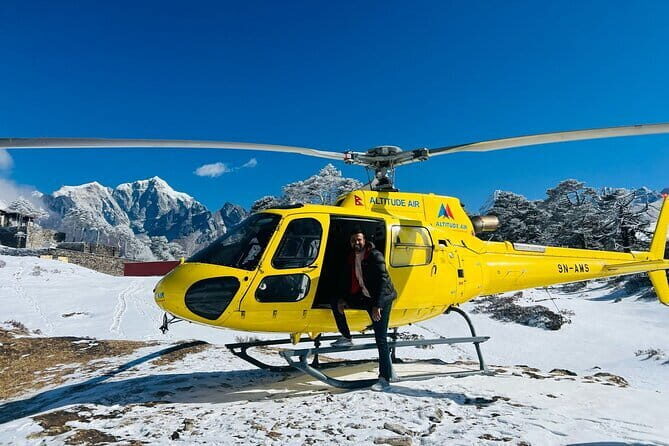
- Landing connected to the Everest Base Camp experience, not just a flyover from far away
- Private helicopter ride for up to 5 people, so the cabin stays quiet and photo-friendly
- Safety gear included like an oximeter, oxygen-tank service fees, and a first-aid kit
- Experienced pilots operating on the Everest route (a Fishtail Air pilot is specifically mentioned)
- Short, scenic extra stops like Lukla and Kala Patthar viewpoints for variety
- Gourmet mountain picnic built into the high-altitude moment
Kathmandu departure: what the 5:30am start really means
This is an early-day commitment. You start at 5:30am, and the tour includes pickup from your Kathmandu hotel, then a quick transfer toward the domestic airport area. It’s the kind of schedule that works best when you’re already rested and not trying to squeeze in last-minute sightseeing the night before.
What I like about this setup is that it reduces the stress of trying to coordinate flights and timing on your own. You’re guided through the airport process and onto the helicopter pad with a clear flow, which matters when the day depends on weather and daylight.
One small reality check: you’re dealing with cold mornings and a long wait between the early start and your first real views. Pack layers you can handle easily. Even if you’re not walking, you’ll still feel the altitude and the chill up on the tarmac.
You can also read our reviews of more tours and experiences in Kathmandu
The helicopter cabin experience: comfort and what you should expect
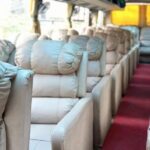
The promise here is a private ride with up to 5 people per helicopter (so it’s not a full cattle-car scenario). Seats are described as plush, and that matters because you’ll want your body comfortable for the viewing windows and the time spent watching the horizon do its dramatic thing.
The tour also builds in health monitoring. Service fees for an oxygen tank and first-aid kit are included, along with an oximeter to check pulse, oxygen saturation, and heart rate. That doesn’t mean you’ll have problems—but it does mean the operator takes the day seriously, especially since you’re flying into the Everest region where altitude effects can surprise people.
Weight limits are another practical piece. The provided total weight per passenger is 207 lbs, and if you’re over 100kg, there can be an extra charge. If you’re close to the limit, ask before you go so there are no last-minute surprises.
Flight time of about 5 hours: how the route gives you multiple “Everest moments”
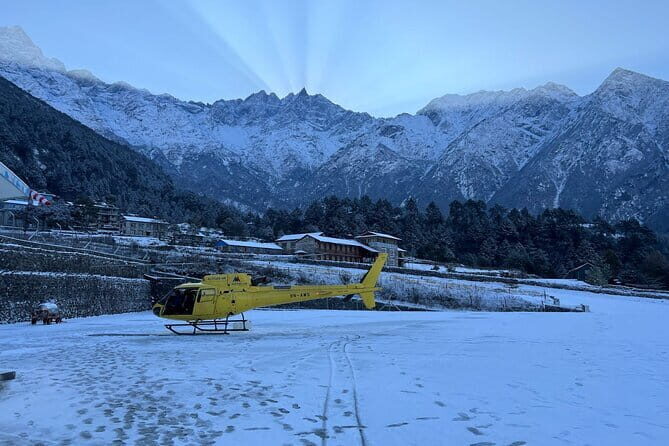
The overall duration is 5 to 6 hours, with about 5 hours of flight time. The ride is structured so you don’t just stare at one mountain all day—you get several different angles and “you’re really up here” moments.
You’ll fly into the Everest region area and see key peaks like Everest, Lhotse, and Nuptse. That’s not just decoration. Those names help you orient yourself mid-flight, so when the pilot points something out, you have a mental map instead of watching clouds pass and hoping for the best.
You also get viewpoint variety from stops like Kala Patthar and Everest View Point / Syangboche area. From the air, that variety is huge. It’s the difference between a single pretty pass and a day where the scenery keeps changing as you angle around the ridgelines.
Kathmandu hotel pickup and the domestic airport flow
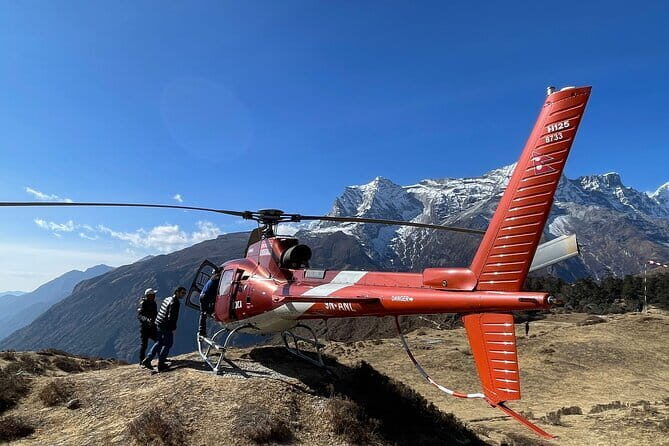
Pickup is included, and that’s a real value item. The route from hotels in Kathmandu to the domestic airport can be timing-sensitive, especially at dawn. By handling transportation for you, the tour prevents the most common chaos: you waiting, traffic shifting, and the whole flight window slipping.
Once at the airport, the process is described as efficient. People report being ushered through ticketing and then moved to the helicopter pad without long, confusing waits. For a day trip with a tight schedule, that kind of coordination matters more than flashy marketing.
Bring patience for early morning. Even with a smooth process, you’re still waking up before sunrise, and you might have to sit for a bit. This is where your water bottle, warm outer layer, and a snack you can tolerate in cold air come in handy—even if breakfast is sold separately.
Lukla: why this gateway matters even if you do not trek
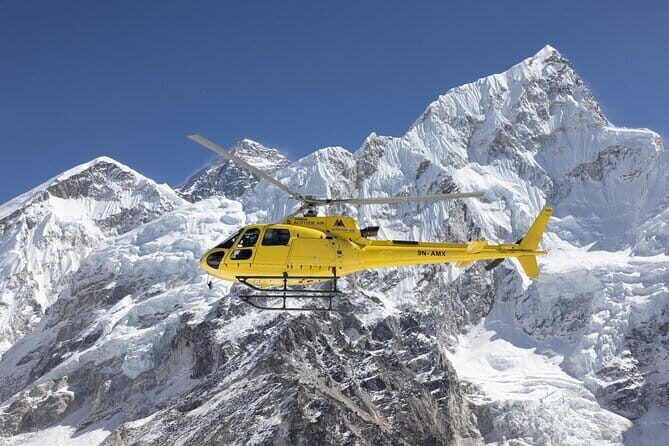
Lukla shows up more than once. The route includes a segment that takes off from Lukla Airport (often positioned as the way back through the Everest region), and there’s also a landing experience tied to Lukla as the gateway into this area.
Why do I care about Lukla on a helicopter day? Because it anchors the whole geography. Lukla is the familiar entry point for trekkers, climbers, and the Everest supply chain. Seeing it from the air and experiencing the airstrip landing moment gives your day-trip version of Everest a real sense of place.
In at least one account of this tour, there’s also a refuel stop described as happening at a small town on the side of a mountain, where the group waited briefly and then continued. You can’t plan your photos around a refuel stop, but it’s useful to know that the day may include a short ground pause that feels different from a normal takeoff-and-land routine.

Kala Patthar flyover: the view angle that makes the day feel complete
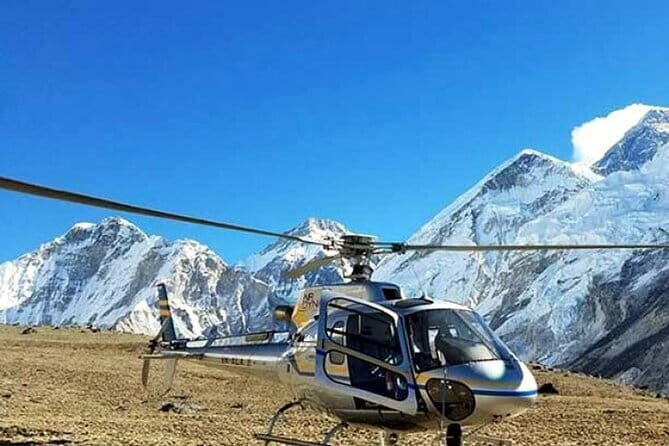
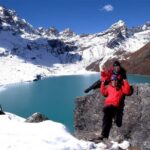
Kala Patthar is famous for a reason: it’s a viewpoint that helps people feel the scale of Everest without needing a multi-day climb to reach the same spot. On this helicopter experience, you get that bird’s-eye view flyover element, including views of Everest Base Camp and the iconic ridgeline area.
From your perspective, a flyover like this gives you something that a simple Base Camp landing alone might not: the “big picture” context. You can see how the terrain rolls, where valleys open, and how the higher peaks sit above everything else.
The downside? You’ll have less time on the ground than trekkers do at viewpoint stops. But the trade is speed. You’re buying a day that feels full without spending weeks earning the views with your legs.
Everest Base Camp landing: the high-altitude checklist in plain language
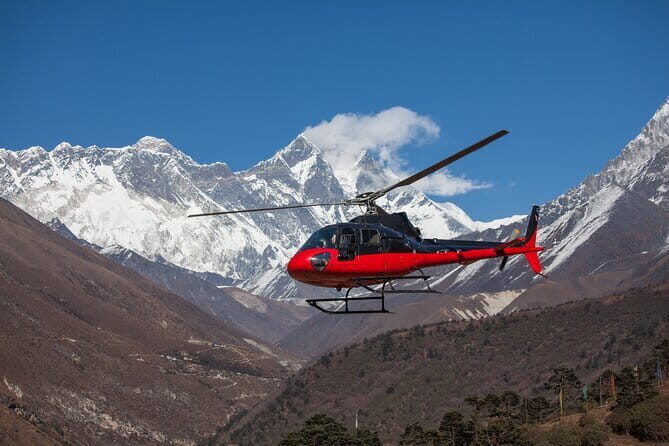
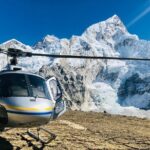
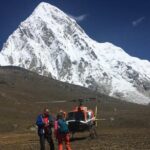
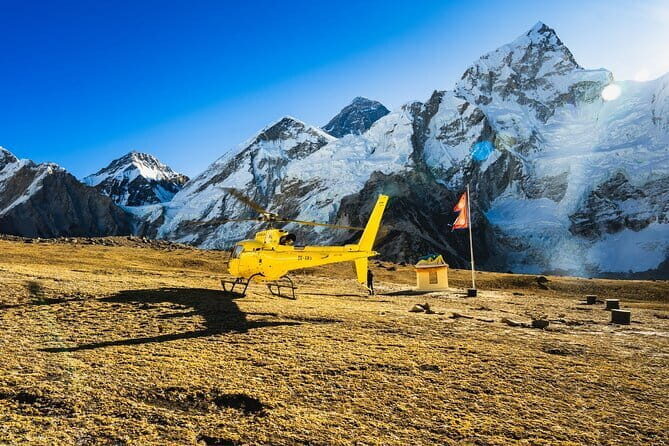
The core selling point—and the part most people remember—is the landing near Everest Base Camp. The tour also includes a gourmet mountain picnic, which turns what could be a quick touchdown into something more human and less mechanical.
When you land, your senses will likely shift fast: the air feels thinner, the cold can jump at you, and the scale of the mountains can be hard to absorb in just a few moments. That’s exactly why health support is included. The oximeter and oxygen-tank service fees are there for peace of mind, not as a dramatic show.
The value of the landing is simple: you’re not just watching Everest from above. You’re stepping into the area that trekkers aim for, and you get a short, contained taste of the experience without the long physical grind. If you’re celebrating a bucket-list goal, this is the part that actually delivers on it.
Everest View Point / Syangboche and the Everest View Hotel area
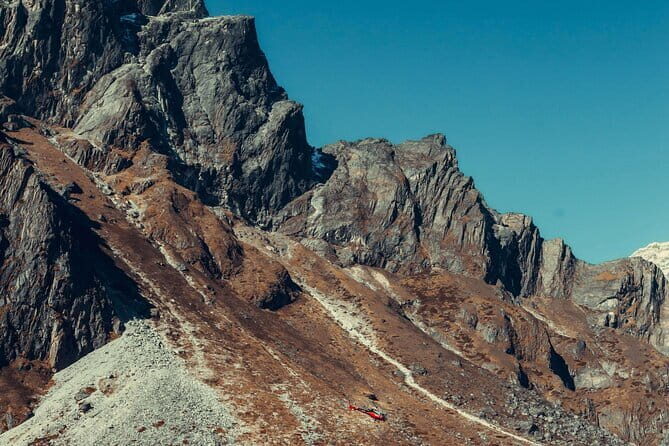
Another stop centers on Syangboche, described as the gateway to an exceptional dining experience at the Everest View Hotel area. That’s a smart add-on for two reasons.
First, it gives you a chance to reset during the long day. Second, it adds a different kind of Everest framing: instead of only focusing on Base Camp and the approach valleys, you also get the high-altitude resort-side viewpoint energy—where the mountains feel close in a different way.
If you’re the type who likes options, this segment helps. It’s not only “Everest, Everest, Everest” from a helicopter window. It can add a moment where you can sit, look, and process what you just saw.
Lukla return and the last views on the way back
The day often closes with Lukla again, including the idea of taking off from Lukla Airport and capturing final views of the Everest region. That last flight moment is important because clouds and light can shift during the day. A sunset-perfect viewpoint isn’t guaranteed, but the final angle can sometimes be the clearest memory you leave with.
One more practical point: since the day is time-locked, you’ll want to keep your expectations flexible. Your exact angles depend on weather and the day’s operating conditions. Still, you can plan for an experience that stays within that classic Everest flight geography: Kathmandu departure, Everest region fly sections, Base Camp landing, and a return through the same gateway area.
If you care about photos, treat this part as your “camera down, eyes up” moment. It’s easy to over-shoot from a helicopter window. The more you watch with your eyes, the more your photos make sense later.
Price and value: $1,600 that buys speed, comfort, and a real landing
The price is $1,600 per person. That’s not cheap, but you’re paying for four things that matter in Nepal’s Everest region: time, access, comfort, and risk management.
You’re not trekking for days to reach base-level Everest territory. You’re getting a helicopter private ride that includes flight time of about five hours, plus the rare landing moment and a meal component. The operator also includes practical safety items: helicopter insurance coverage for passengers, and service fees for oxygen and first-aid, plus an oximeter.
What’s not included can change your final total. You’ll want to budget:
- Breakfast: $35
- Travel insurance
- Sagarmatha National Park permits: listed as two permits at $45 per person
- Airport tax at Tribhuvan International Airport: $7 per person
So the real value question becomes: does skipping the trek and getting a Base Camp landing feel worth the money to you? For many people, yes. For others—especially if you’re on a tighter budget or already love walking—trekking can be a better match. This option is for the “I want the Everest moment, but I don’t want to spend weeks earning it” crowd.
Who this tour suits best (and who might rethink it)
This works best if you:
- Want Everest Base Camp landing without multi-day trekking
- Appreciate organization and safety steps like oxygen support and monitoring
- Prefer a small group experience (maximum of 5 travelers)
- Are physically comfortable with an early morning and short on-ground moments at altitude
It’s also a strong fit for non-trekkers and people who may not want to walk at high elevation. The tour notes moderate physical fitness, but you’re not doing a hike. Your main challenge is time, cold, and altitude awareness.
The group limit is small, which is good for conversation and calm, but it also means there’s less “buffer” if someone is delayed. You’ll get the best experience if you arrive early, follow instructions, and keep your mind on the schedule.
Weather and timing: the biggest variable you can’t control
This experience requires good weather. If conditions are poor, you’ll be offered a different date or a full refund. That’s a big deal because Everest helicopter flying is weather-dependent, and no operator can promise clear skies every morning.
In practice, this means planning mindset matters. If your Nepal trip has only one day to spare, consider building flexibility into your schedule. If you can schedule this on a day where you’re not rushing to catch a flight afterward, you’ll feel less pressure when the morning weather briefing decides your fate.
Clear skies make the views sharper. One account specifically praises the day for its clear skies, which is what you’re hoping for when you pay for this kind of aerial access.
Practical tips so you feel comfortable all day
This is a helicopter day, but you still need to dress and act like altitude is involved.
- Bring layers. Even if you’re warm in the city, the air near the mountains can feel colder fast.
- Use light, easy-to-handle clothing. You’ll likely be moving between vehicle, airport, helicopter, and short ground moments.
- Bring a way to keep warm between flight segments. Waiting time happens.
- If you’re close to the weight limit or over 100kg, confirm the extra cost early so you can plan.
- Skip overpacking. You’ll want what you can grab quickly, not what you have to dig for.
Finally, trust the day’s rhythm. The tour is designed to move you through the key views and landings with minimal fuss. Fighting the schedule usually makes the cold and early start feel worse than it needs to.
Should you book the Everest Base Camp helicopter tour with landing?
Book it if Everest Base Camp is your goal and you want the landing moment without the trek. The small-group format, the private helicopter feel, and the included health/safety elements are exactly what you want when you’re paying for a high-altitude experience.
Don’t book it if your budget is tight or your schedule is too fixed for weather flexibility. The day depends on conditions, and you’ll want at least some tolerance for a date change.
My best advice is to treat this as a high-value shortcut to a specific memory: Everest from the air, then Base Camp on the ground. If that’s what you’re craving, this tour is built around delivering it—fast, organized, and with the kind of safety precautions that make the day feel controlled instead of risky.
FAQ
How long is the Everest Base Camp helicopter tour?
The tour runs about 5 to 6 hours total, with around 5 hours of flight time.
What time do you start, and how is pickup handled?
The start time is 5:30am. Pickup is offered from your Kathmandu hotel.
Is breakfast included?
No. Breakfast costs $35 and is not included.
Are entrance fees or permits included?
No. You’ll need to pay Sagarmatha National Park permits (two permits) at $45 per person.
What’s included for safety and medical support?
The tour includes an oximeter plus service fees for an oxygen tank and first-aid kit, and helicopter insurance that covers passengers.
What’s the group size and weight limit?
The maximum is 5 travelers, and the total weight per passenger is listed as 207 lbs. If you are more than 100kg, you may need to pay extra.