REVIEW · KATHMANDU
Everest Base Camp Helicopter Tour with Hotel Everest View Landing
Book on Viator →Operated by Everest Experience and Assistance · Bookable on Viator
Watching Everest appear on a morning sky map is the whole point here. This Everest Base Camp helicopter tour saves you weeks of trekking by flying you into the Everest region, with hotel transfers and a small group setup. You’ll see the icy peaks from the air, and you’ll also get a breakfast stop at Hotel Everest View when weather allows.
What I like most is the combination of speed and access. You get a true “close enough to feel it” flight window near Everest Base Camp and Kalapatthar, plus a short, calm moment on the ground for breakfast with views. The small maximum group size (up to 5) also means less waiting around and more time to ask your guide what you’re looking at.
One thing to consider: this is a weather-driven day. If visibility is poor, plans can shift, and you might wait (sometimes for a while) for the helicopter to fly when conditions are safe and the views are worth it.
In This Review
- Key points you should know before you go
- Why this Everest Base Camp helicopter day beats trekking (for the right traveler)
- The 6:15am morning plan: hotel pickup, small group, and what to expect
- Hotel Everest View breakfast: the best “on the ground” moment
- The helicopter route: Everest viewpoint, Kalapatthar, Base Camp, and the Lukla refuel
- What “close views” really means from the air (and how to make them count)
- The weather factor: when your day moves and why that’s normal
- Price and value: is $1,490 really worth it?
- Service and who’s behind the day (good, and be aware of limits)
- Who should book this Everest helicopter to Base Camp, and who might not
- Should you book the Everest Base Camp Helicopter Tour with Hotel Everest View Landing?
- FAQ
- How long is the Everest Base Camp helicopter tour?
- What time does the tour start and do I get hotel pickup?
- Is breakfast included, and where do you have it?
- Do you land at Everest Base Camp?
- What extra fees should I plan for besides the tour price?
- What is the passenger weight limit?
Key points you should know before you go
- Small group (max 5 travelers) keeps the morning from feeling like chaos
- Breakfast at Hotel Everest View is included but optional if conditions don’t cooperate
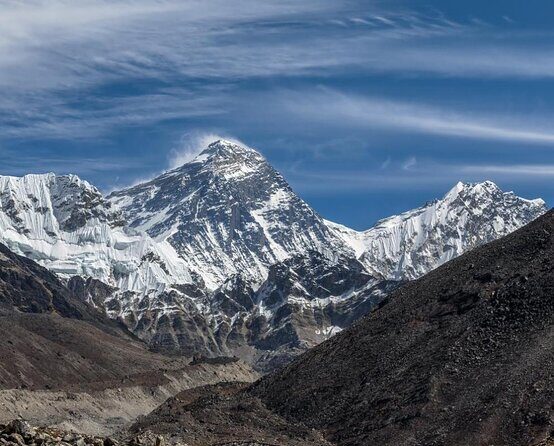
- Close flight time near Base Camp and Kalapatthar gives you a real sense of scale
- Lukla refuel stop is part of the route and keeps the day moving
- Weather can change timing, so build in patience for a smooth experience
- Weight limit is 265 lbs (per passenger), which can matter for planning
Why this Everest Base Camp helicopter day beats trekking (for the right traveler)
Most people dream about Everest Base Camp for the effort. You can’t fake that. But not everyone wants to spend two weeks hiking to reach it—and that’s where this tour earns its keep.
You trade legs and altitude-building for time and comfort. In a ~5-hour outing, you can still see the big questions on your trip planner—Everest itself, nearby peaks, and the base-area terrain—without the exhausting grind. If you have mobility limits, tight travel dates, or you simply want the Everest hit without the trek, this style of day tour is a smart alternative.
The vibe is less about trekking accomplishment and more about view, photos, and a “how is this even real?” feeling. If that sounds like your kind of travel, you’re in the right place.
You can also read our reviews of more tours and experiences in Kathmandu

The 6:15am morning plan: hotel pickup, small group, and what to expect
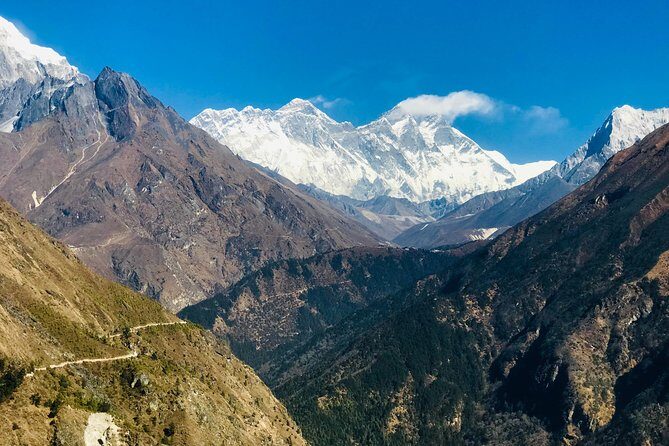
The start time is 6:15am. You’ll get round-trip hotel pickup and drop-off in Kathmandu, and you should expect a structured morning since this is tied to helicopter scheduling and weather windows.
You’ll be in a maximum group of 5. That matters more than it sounds. With fewer people, your guide can explain what you’re seeing as the route changes, and you’re less likely to feel like a number in a long line.
Bring practical basics for a cold mountain morning: warm layers, gloves if you get chilly, and a hat that covers your ears. Even if the Kathmandu morning feels mild, the air up high can be sharp. Also, keep your camera ready—there’s close window time over the Everest area where photo angles are the whole game.
Hotel Everest View breakfast: the best “on the ground” moment
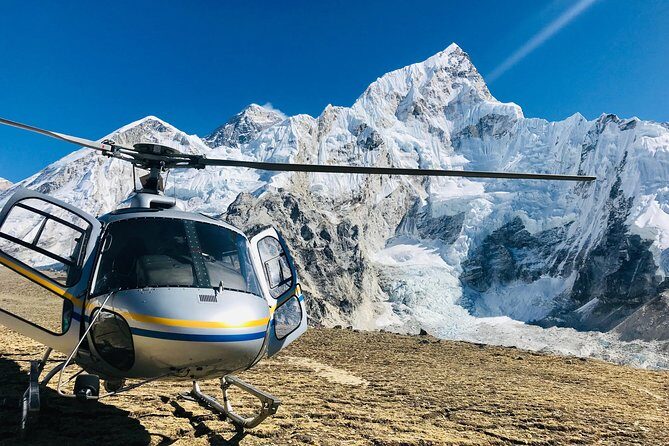
Your itinerary includes a stop at Hotel Everest View for breakfast with a view of Mount Everest for around 30 minutes. That stop is where the day switches from flying to savoring the mountain at normal human speed.
Here’s the key detail: the breakfast stop is optional based on weather. If conditions at that hotel area aren’t good, the team shifts location rather than forcing a bad-view situation. I like this approach because it respects what you actually paid for: seeing Everest clearly, not just checking a box.
Even when the view is only partially visible, this is still a useful pause. You can breathe, refuel, and reset before the main flight segments. If you’re the type who gets motion-sick, the short ground break can also help you feel more stable once the helicopter climbs again.
The helicopter route: Everest viewpoint, Kalapatthar, Base Camp, and the Lukla refuel
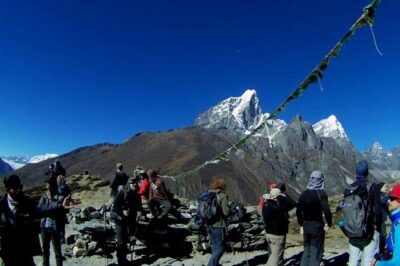
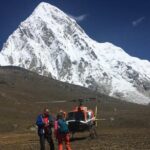
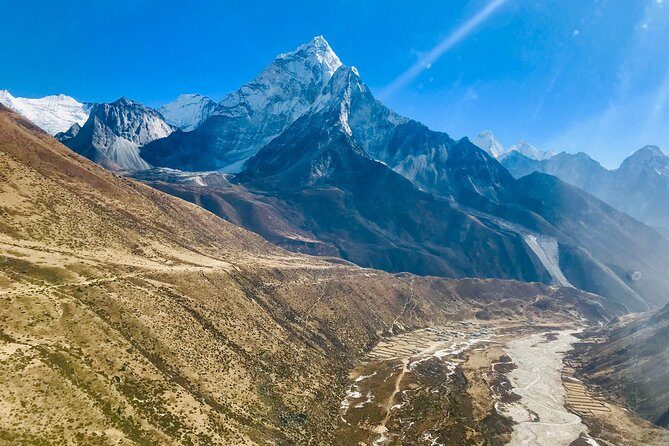
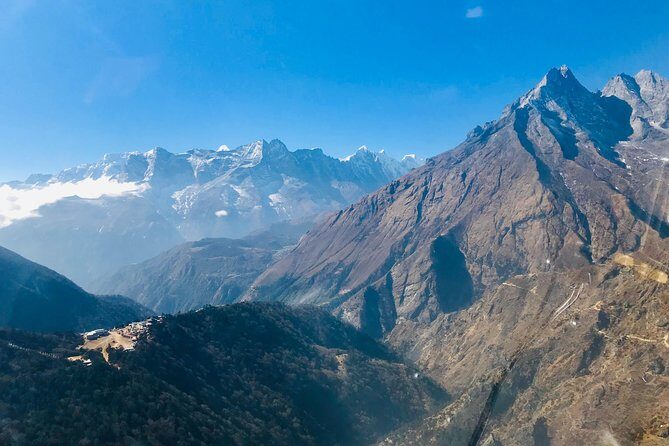
The flight portion is built around maximum visual payoff. You fly over the Himalayan region of Nepal with views that include the best view points of Mount Everest, plus Kalapatthar and Everest Base Camp.
A standout detail is the “closest views” timing. You fly from Phriche to Everest Base Camp and Kalapatthar height for about 15 minutes. That’s when you can take photos and videos closely from the helicopter windows. Fifteen minutes isn’t long, but at Everest scale it’s enough to go from guessing to understanding what you’re looking at.
You’ll also have a stop in Lukla for about 20 minutes to refuel. It’s short, but it’s part of why the day can work logistically: refueling is timed into the route so you can still make the Everest-area viewing segments.
One more helpful reality check: there isn’t a helicopter pad at Everest Base Camp in a way that always allows a true “land on Base Camp” experience. In practice, helicopter access is limited, and the closest landing points can change by season and conditions—often meaning landings are arranged near Kalapatthar, which is the nearest feasible landing area. So if you’re picturing stepping onto Base Camp like a trail hike, adjust your mental image. You’ll still get the mountain experience from above and near the base-area region.
What “close views” really means from the air (and how to make them count)
From a passenger seat, you don’t just watch—you shoot, you compare angles, and you start recognizing the terrain you’ve seen in photos for years.
That’s why the 15-minute closest window near Base Camp and Kalapatthar is such a big deal. You’ll have time to:
- capture the big peak lines from multiple angles
- film enough to feel the scale change as the helicopter shifts position
- get photos that look less like distant dots and more like a real place
A practical tip: plan to shoot in short bursts. Rotor noise, vibration, and window reflections can all steal sharpness. Instead of holding your shutter down for one long stretch, take multiple quick sets and adjust your framing between them.
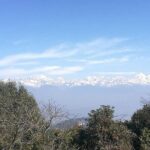
Also, keep expectations grounded. In the Himalayas, visibility is not a guarantee. When the weather is great, this tour can feel like you’re looking at a model of the real world—too crisp, too close. When conditions are less clear, you’ll still be in the Everest region, but the “wow” may rely on cloud breaks rather than perfect sightlines.



The weather factor: when your day moves and why that’s normal
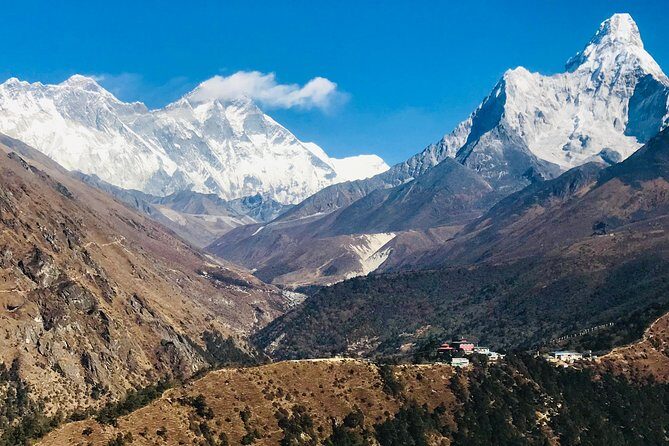
This experience requires good weather. If weather is poor, the tour can be canceled, or you may be offered a different date. If you do fly, you might also wait for conditions to improve so the route can deliver the views you came for.
In my book, this is normal for Everest-area flights. It isn’t a “suddenly something went wrong” situation. It’s more like the mountain sets the schedule.
That said, timing expectations are worth managing. You could end up delayed on the return side—waiting near the landing area with limited information can make the day feel longer than planned. I’d mentally budget extra time and keep your morning flexible. It’s an all-day experience even when the helicopter flight itself is relatively short.
If you’re someone who hates delays, consider whether the trek option with flexible multi-day pacing is a better match. If you’re okay with patience for the right skies, this tour can deliver a strong payoff.
Price and value: is $1,490 really worth it?
At $1,490 per person, this isn’t a casual splurge. You’re paying for aircraft time, scheduling risk (weather), and the convenience of hotel pickup and transfers in Kathmandu.
So here’s the fair value check: you’re buying time more than you’re buying distance. If you have limited days, the helicopter is the only practical way to get Everest Base Camp views without a long trek. If you already know you’ll never do the full hike, it can still be a meaningful investment because it gives you a clear Everest-area experience in one day.
What you should also factor into your budget: the tour price doesn’t cover every cost. Common add-ons include:
- Airport tax: 500 NRS (about $4)
- National park fees if applicable: listed as 28 USD (3000 NRS)
- Khumbu Village development tax: 2000 NRS (about $18)
- Khumbu Village development tax / Everest Experience and Assistance: listed as $18 per person
The good news is you’re not guessing about what’s included. The tour lists hotel pickup and drop-off, and it includes a TripAdvisor Experiences brokerage fee plus a 10% Live Entertainment Tax. Still, I’d treat the “final day cost” as price plus whatever those additional fees come to for your specific situation.
Bottom line: this is worth it if you want the Everest experience fast and you’re prepared for weather-driven changes. If you want to spend your money on long-range value, trekking (or a multi-day itinerary) usually wins. But if the helicopter is your dream, this is one of the most direct ways to make it real.
Service and who’s behind the day (good, and be aware of limits)
The company behind the experience is Everest Experience and Assistance. In communication, Mukti Pandey is named in team responses, which suggests the operator takes customer handling seriously.
Service quality comes through in the kind of feedback that repeats: people praise the views, the flying itself, and the breakfast moment. For solo travelers, it’s also described as feeling safe and well taken care of.
Still, there are real-world friction points you should keep in mind. One critical comment mentioned a language barrier affecting execution. That doesn’t mean you’ll have trouble, but it’s a reminder: if you don’t speak fluent English or you need very detailed explanations, you might want to be extra patient and communicate clearly.
Also, because this is a small-group operation, your guide’s attention can be strong—just accept that mountains and helicopters don’t run like city buses.
Who should book this Everest helicopter to Base Camp, and who might not
This fits best if you:
- have limited time in Nepal
- want Everest views without trekking for days
- need to avoid heavy hiking due to mobility or stamina
- want a one-day “big ticket” experience with a clear viewing plan
It may not be your best match if:
- you hate waiting around for weather
- you want guaranteed landings right at Base Camp no matter what
- your priorities are cultural travel and local immersion rather than aviation and high-altitude views
- you’re close to the 265 lbs limit and need extra assurance about weight handling
If you’re unsure, think about why you want Everest. If it’s about the peak and the base-area view, the helicopter makes sense. If it’s about the journey on foot, you’ll likely feel the missing miles.
Should you book the Everest Base Camp Helicopter Tour with Hotel Everest View Landing?
I’d book this if you’re ready to trade a trek for a day of intense views, and you understand that the mountain controls the schedule. The Hotel Everest View breakfast stop, the small group, and the close flight time near Base Camp and Kalapatthar are exactly the sort of “you can’t do this any other way” moments that make the price feel justified.
If you’re budget-focused, this isn’t cheap. But if you compare it to the cost of taking extra days in Nepal (and the effort costs of long trekking), the helicopter can still feel like good value—especially when you’re not physically able or willing to hike.
Final advice: go in with flexible timing expectations, dress for cold air, and bring your camera strategy. If the weather cooperates, you’ll likely come away with photos that don’t look like postcard stand-ins. They look like a real place at real scale.
FAQ
How long is the Everest Base Camp helicopter tour?
The total duration is about 5 hours (approx.).
What time does the tour start and do I get hotel pickup?
Start time is 6:15am. The tour includes hotel pickup and hotel drop-off in Kathmandu.
Is breakfast included, and where do you have it?
Yes. You stop at Hotel Everest View for breakfast for around 30 minutes, but it’s optional based on weather conditions.
Do you land at Everest Base Camp?
The tour includes flying to Everest Base Camp area for close views, but you should expect that helicopter access can be limited; landing/closest points can vary by season and conditions.
What extra fees should I plan for besides the tour price?
Not included fees listed are airport tax (500 NRS), possible national park fees (28 USD), Khumbu Village development tax (2000 NRS), and an additional Khumbu Village development tax / Everest Experience and Assistance charge ($18 per person).
What is the passenger weight limit?
The total weight per passenger is listed as 265 lbs.