REVIEW · KATHMANDU
Everest Base Camp Trek with Helicopter Return from Gorakshep to Lukla
Book on Viator →Operated by Ace the Himalaya · Bookable on Viator
That helicopter shortcut is a game-changer. This Everest Base Camp trek pairs classic Khumbu high-mountain days with a shared helicopter return from Gorakshep to Lukla, so you don’t have to walk back down the whole way. It’s a smart way to get maximum Everest country and fewer extra days on your feet.
What I like most is how the trip is built around practical logistics: airport pick-up, domestic flights to Lukla, a licensed guide, and porter support so you’re not juggling everything yourself. You’ll also get real value from the included support items like an oxygen meter in the first-aid kit and filtered water on the trail (Katadyn Pocket Water Filter).
The main drawback to consider is weather and altitude. Even with a planned itinerary and acclimatization days, you’re still hiking high in thin air, and the helicopter depends on conditions.
In This Review
- Key highlights to know before you go
- Kathmandu start: getting oriented without wasting your first day
- Flights to Lukla and the Phakding warm-up day
- Namche Bazaar: suspension bridges, Dudh Koshi crossings, and altitude prep
- Everest View Point day: see the giants while your body adapts
- Tengboche: monasteries, glacial rivers, and a big scenic shift
- Dingboche and the route through Pangboche: mani stones and more altitude work
- Nangkartshang Peak acclimatization day: views without trying to rush Everest
- Lobuche and the Khumbu Glacier edge: memorials and a serious tone shift
- Everest Base Camp day: the glacier walk you came for
- Kala Pattar: your highest-view day and a hard climb
- Helicopter return from Gorakshep to Lukla: less walking, same Everest feeling
- The wrap-up day in Kathmandu: rest, dinner, and normal life again
- Price and value: why the $3,000 cost can make sense here
- Who this trek fits best (and who should think twice)
- The guides and team: the difference between a trek and a smooth trek
- Should you book this Everest Base Camp trek with heli return?
- FAQ
- How long is the Everest Base Camp trek with helicopter return?
- What is the price per person?
- What travel is included between Kathmandu and Lukla?
- Does the package include accommodation and meals?
- Are permits included for the trek?
- Will there be a guide and porters?
- Is the helicopter ride shared, and how long is it?
Key highlights to know before you go
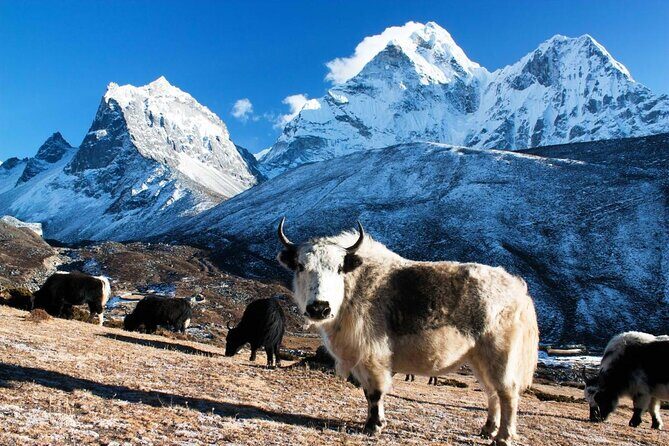
- Helicopter return from Gorakshep to Lukla cuts down the tiring trek back
- Acclimatization built in with an Everest View Point day and a Nangkartshang Peak climb
- Guides and porters at a solid ratio (one porter for every two guests)
- Permits included for Everest National Park and TIMS, so you’re not hunting paperwork
- Comfort where it counts: twin sharing hotels in Kathmandu and guesthouses with attached toilets in key villages
- Included safety gear: first-aid support plus an Oxymeter to check oxygen saturation
Kathmandu start: getting oriented without wasting your first day
Your trip begins the moment you land. In Kathmandu, an official greets you at Tribhuvan International Airport, then you’re driven to your hotel in a private tourist vehicle. You’ll do a pre-trip meeting and meet your guide, which matters more than it sounds. On treks like this, the first day is when you want clarity: what you carry, what your plan is, and what to watch for in altitude.
You’ll stay two nights in a three-star hotel with breakfast included, in twin sharing rooms. That hotel base gives you a buffer if your arrival day runs long or you need an early night. It also sets up a smoother transition to Lukla, where schedules can feel a lot more fragile.
Value check: this isn’t a bare-bones setup. Between the airport handling, hotel nights, and guide briefing, you spend less time improvising and more time preparing. That’s a big deal when the rest of your trip is measured in breathing and steep steps.
You can also read our reviews of more hiking tours in Kathmandu
Flights to Lukla and the Phakding warm-up day
The trek proper starts with flights. Day 2 includes an early morning push to Tribhuvan Domestic Airport, then a scenic flight to Tenzing and Hillary Airport in Lukla (about 35 minutes). Lukla sits at 2,804 meters, and that one jump up is why the rest of your trip needs steady pacing and acclimatization.
Once you land, you trek to Phakding. This is your early rhythm builder: you’ll follow the Khumbu trail corridors with time to settle into the altitude without going too hard. The route also gives you a first taste of the Khumbu feel—prayer flags on suspension bridges, little villages, and the sense that the mountains are already watching.
One practical plus here: your luggage is handled by porters. The trip uses a ratio of one porter per two guests, which usually means you can focus on your daypack. It’s still worth packing smart, because you’ll want your essentials close at hand (layers, water, snacks, sun protection), but you don’t have to carry everything from the start.
Namche Bazaar: suspension bridges, Dudh Koshi crossings, and altitude prep
Day 3 heads toward Namche Bazaar after trekking from Phakding. The itinerary describes about a 6-hour trek with multiple suspension bridges and repeated crossings over the Dudh Koshi. This part is classic Khumbu walking: the trail rises and falls in rhythm, and the bridges add character—and a bit of nerves, if you’re sensitive to heights.
Namche is more than a town. It’s your acclimatization hub, plus the place where you’ll notice the trek’s infrastructure: shops, lodges, and viewpoints. You’ll be spending time adjusting to the thinning air, and this day sets you up for the bigger altitude moves later.
You’ll also get days that are planned for air pressure adjustments, not just marching forward. That’s where a well-run guide earns their pay. The difference between a “hard itinerary” and a “smart itinerary” is usually how you handle your first real altitude stretch.
Everest View Point day: see the giants while your body adapts
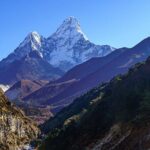
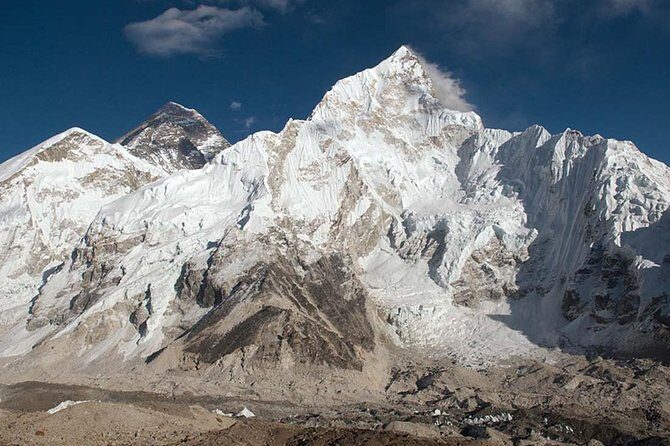
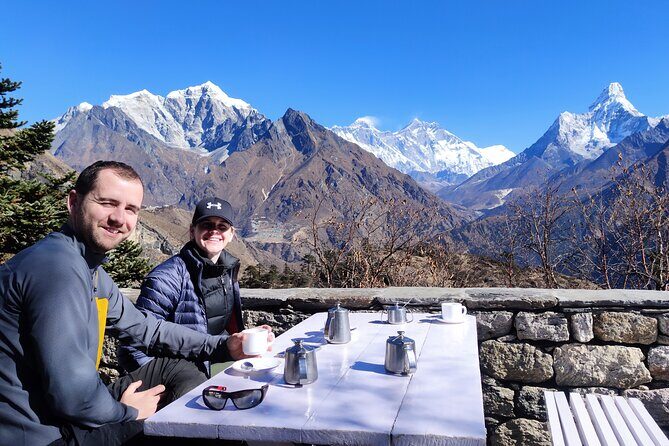
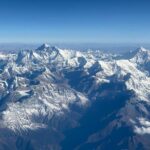
On Day 4, you acclimatize and adjust in and around Namche, including a trip to Everest View Point. The itinerary calls out short walking and rewarding mountain views with a strong sunrise potential. Even if you’ve seen Everest photos before, this is the first time you’re seeing the real scale in person—close enough that it feels heavy in the air.
This day also gives your lungs a breather. You’re not just sightseeing; you’re letting your body catch up. If you ever wondered why experienced hikers insist on “slow days,” this is the reason. Altitude isn’t only about the highest point—it’s about how well you recover day to day.
Practical tip: sunrise viewpoint days are cold. The itinerary doesn’t spell out clothing lists, but you should assume you’ll want warm layers, gloves, and a hat. When the air is thin, you also burn less fuel for heat, so what feels chilly in town can feel serious on a morning climb.
Tengboche: monasteries, glacial rivers, and a big scenic shift
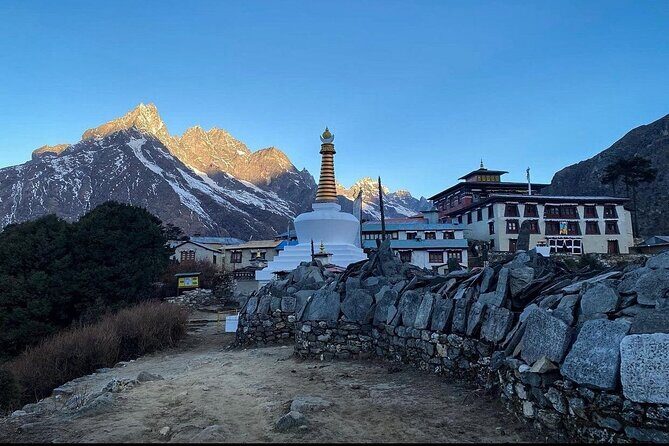
Day 5 brings you to Tengboche after following glacial waters along the Dudh Kosi corridor. The itinerary notes reaching about 3,860 meters upon arrival. Tengboche is famous for its monastery, and the trip includes time there—quiet, spiritual space inside a mountain town vibe.
This is a day where you start to feel the trek’s emotional pull. The walking is still hard, but the scenery turns more dramatic. You get a sharper sense that you’re moving through a real high-altitude ecosystem—stone, ice, forests giving way gradually to harsher terrain.
Potential drawback: Tengboche days can also be a cue that weather can turn quickly. You’ll want to stay flexible with clothing layers and avoid overpacking water/food that you don’t need. With a porter team, it’s easier to carry what matters, but you’ll still be walking with the gear you choose to keep on your body.
You can also read our reviews of more tours and experiences in Kathmandu
Dingboche and the route through Pangboche: mani stones and more altitude work
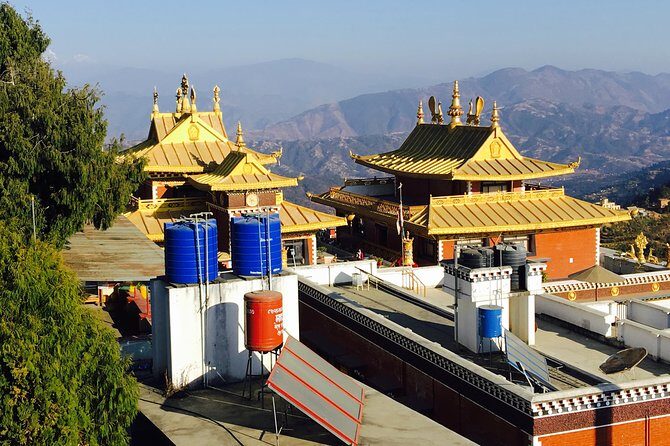
Day 6 continues toward Dingboche. The itinerary describes a descent to Debuche, crossing another suspension bridge over Imja Khola, then climbing through Pangboche among thousands of mani stones. That detail matters because it’s not just decoration; it’s part of how the Khumbu trail feels—people living near the mountain in a way that’s deeply visible.
Dingboche becomes your next altitude stepping stone. The trip’s pacing here isn’t random. You’re moving up, but you’re also following the pattern that makes the later high days possible.
Here’s what you should watch: when the trail climbs, your breath rate goes up fast. If you push too hard, you’ll feel it later at night. The oxygen check support—via the included Oxymeter—can be helpful for gauging how you’re adjusting, as long as you use it sensibly. If numbers worry you, your guide should be the one to help decide whether you slow down more.
Nangkartshang Peak acclimatization day: views without trying to rush Everest
Day 7 is planned as an acclimatization day with a hike to Nangkartshang Peak just above Dingboche. Importantly, you don’t make progress toward Everest Base Camp on this day. That’s exactly what you want to hear on paper and feel in your legs.
The itinerary calls Nangkartshang Peak an excellent viewpoint, which is a great trade: you get a physical challenge and huge mountain views, but you also let your body adjust. It’s a smart compromise between “we’re here for Everest” and “we need to survive the altitude.”
From a planning standpoint, this day also helps prevent the common mistake of chasing distance. On EBC treks, you can feel pressured by other hikers’ pace, but you’ll do better focusing on how you feel breathing and walking. Your guide’s job is to keep you from turning a classic acclimatization plan into a rushed one.
Lobuche and the Khumbu Glacier edge: memorials and a serious tone shift
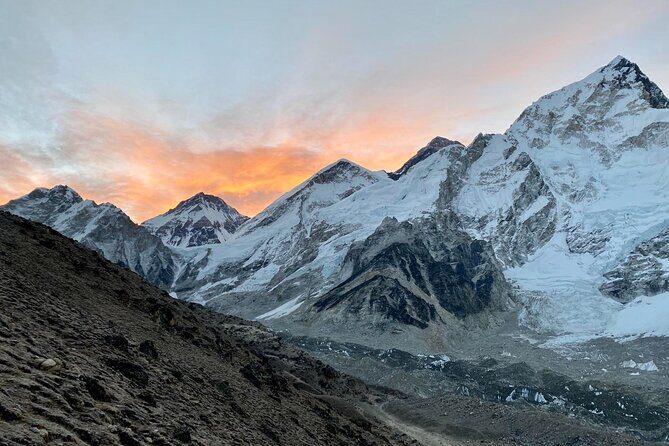
Day 8 goes to Lobuche, along the lateral moraine of the Khumbu Glacier. The itinerary also notes stone memorials for climbers who perished on nearby summits. This is one of those moments where the trail’s mood changes. It’s still beautiful, but the mountain’s danger becomes more real.
The day is described as climbing further toward the village where you’ll be closer to the glacier environment. You’ll start to feel that the trek is moving from forest-and-bridge scenery into a more austere, high-altitude world.
Practical note: glacier-edge hiking means cold air and exposed conditions. The trip includes seasonal fruits and uses a filtered water system on the trails. That helps, but your real focus should be staying hydrated and warm enough to keep moving comfortably.
Everest Base Camp day: the glacier walk you came for
Day 9 is the big one: Everest Base Camp at 5,365 meters. The itinerary frames it as a big and difficult day walk along the Khumbu Glacier up to base camp, closest you can get without mountaineering equipment. That phrase is important. Base Camp is not a stroll, even if it’s closer than the summit.
This day is where you’ll feel altitude the most. The air is thin, your steps get slower, and you’ll likely need more rests than you expect. The good news is the goal is clear. Base Camp is a physical destination, and it gives you a sense of what the expedition season looks like even if you’re not climbing.
Value beyond bragging rights: the trip includes all standard meals during the trek (breakfast, lunch, dinner), so you’re less likely to get stuck with hunger fatigue. There’s also filtered water provided using the Katadyn Pocket Water Filter, which helps with one of the most common trekking headaches.
Kala Pattar: your highest-view day and a hard climb
Day 10 takes you to Kala Pattar, described as one of the most difficult yet rewarding days. You’ll spend the morning climbing to Kala Patthar at 5,555 meters. The itinerary doesn’t claim it’s easy, and it’s not. But the payoff is why this trek gets so much attention.
Kala Pattar is a viewpoints day: you’re going up for the view, not for another village. This changes how you should think about effort. You’re not just managing your legs; you’re managing energy for the moment the view opens and you decide how long you can stay without burning out.
Practical expectation: be ready for wind. High points around Everest often feel harsher than you’d guess. Bring layers that you can add and remove fast, and plan for the fact that photos take longer than you think when you’re breathing slowly.
Helicopter return from Gorakshep to Lukla: less walking, same Everest feeling
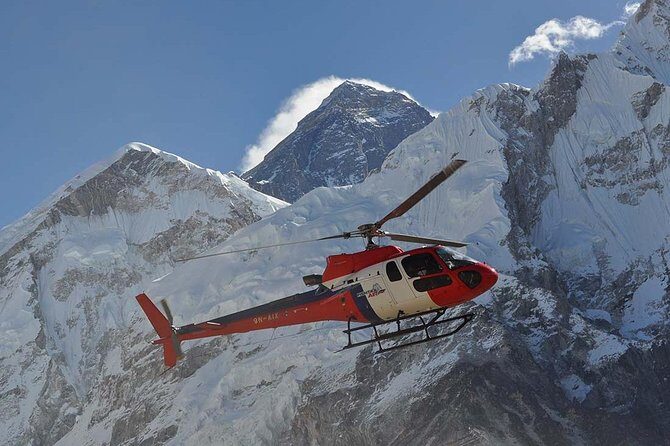
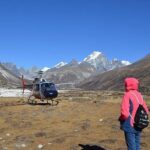
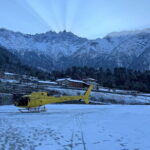
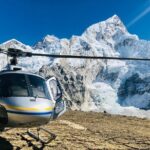
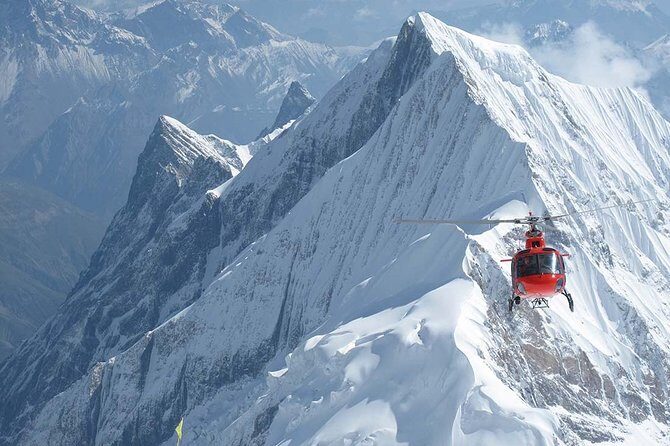
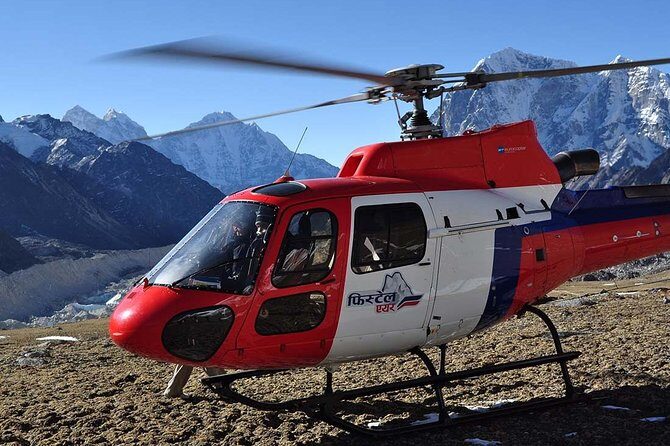
Day 11 is where this trek becomes different. After your days around base camp and Kala Pattar, the plan is a shared helicopter ride from Gorakshep to Lukla. The overview mentions about a 20-minute scenic ride, which is a huge time and energy saving compared with trekking back downhill.
Then you fly from Lukla to Kathmandu (about 35 minutes) and get transferred back to your hotel. You’ll still have the emotional flow of leaving Everest country, but you won’t pay for it with a long, exhausting descent day after day.
Is this a perfect solution? No. It depends on weather, and the itinerary is clear that the experience needs good conditions. Still, the logic is solid: after spending days working your body up to high altitude, a helicopter return can make the overall trek more enjoyable, not just more expensive.
The wrap-up day in Kathmandu: rest, dinner, and normal life again
Day 12 is straightforward: you head to Tribhuvan International Airport for departure. The itinerary doesn’t leave much time for last-minute stress, which is exactly what you want after a high-altitude trek.
You also get a farewell dinner on the last night during the trek portion. That sounds small, but it gives your group a moment to decompress together before travel logistics take over.
If you’re coming home exhausted, that’s normal. You’ll sleep deeply. Your body will also ask for water and easy food, so plan not to book anything dramatic right after you land.
Price and value: why the $3,000 cost can make sense here
At about $3,000 per person for a 12-day trek, this isn’t a budget hike. But this price includes a lot that usually costs extra on the ground: round-trip airfare Kathmandu–Lukla–Kathmandu, national park permits (Everest National Park) and TIMS, twin hotel accommodation in Kathmandu for two nights, guesthouse stays in key villages, and porters (one per two guests).
Most importantly, the helicopter return from Gorakshep to Lukla is included. Helicopter costs are the classic reason EBC packages get pricey, and in this case you’re paying for time savings when you’d otherwise be trekking down.
You’re also getting included safety and comfort touches: first-aid gear with an Oxymeter, a guide who’s licensed and English-speaking, and filtered water via Katadyn Pocket Water Filter. If you want to reduce uncertainty, those add up fast.
My balanced advice: compare this not to a “cheaper EBC” plan with no helicopter, but to a full service package that also covers permits, logistics, and safe guide infrastructure. If you want the Everest experience with less logistical strain, this setup is priced like a convenience-focused trek.
Who this trek fits best (and who should think twice)
This works well if you want the classic EBC route, but you also value recovery. The acclimatization structure (Everest View Point, plus Nangkartshang Peak) makes it a better choice for people who want a smart pace rather than a grind.
It also fits if you’re comfortable with a moderate fitness level and want a guided plan with clear day goals. The itinerary includes several long hiking days (and the base camp day is described as big and difficult), so you should train before you go.
Think twice if you’re highly sensitive to weather disruption. The helicopter depends on good conditions, and altitude days are hard even on a perfect schedule. Also, if you’re expecting a leisurely walk each day, this itinerary is not built that way.
The guides and team: the difference between a trek and a smooth trek
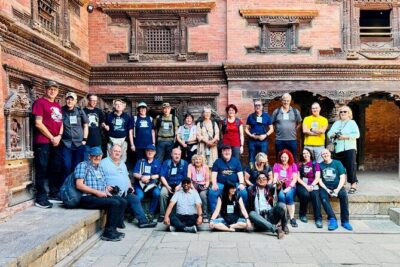
One of the strongest clues in the trip’s reputation is the consistency of strong local support. Past teams have been led by guides such as Raj and Ram, with guides named Madan and others also showing up in customer notes. You’ll also see porter names like Bishal, Jot, Sher, Krishna, Probin, Girija, Pesal, Saman, Jit, Ser, and more.
You can’t pick your exact team from this information alone, but you can infer what matters: the experience is guided by local professionals who manage logistics and morale. That’s not fluff. On EBC, morale can decide whether you walk into the next day feeling steady, or feeling behind.
If you do book, do one practical thing: ask your guide how they handle acclimatization in real time. A good guide will explain what symptoms matter, when you should slow down, and how they expect your breathing to feel as you climb.
Should you book this Everest Base Camp trek with heli return?
Yes, if you want a high-quality guided Everest Base Camp trek with a helicopter return that saves your legs when you’d otherwise keep hiking down. The included permits, flights, meals, porter support, and safety items add real value. And the itinerary’s acclimatization days give you a better chance to enjoy the big views instead of just surviving the altitude.
No, if you’re hoping for the cheapest possible EBC route, or if you’re not ready for difficult high-altitude hiking. Even with the best plan, Everest country is serious terrain.
My shortcut decision rule: if your priorities are Everest country plus smoother logistics and less total trekking time, this is a strong match.
FAQ
How long is the Everest Base Camp trek with helicopter return?
The trip is listed as approximately 12 days.
What is the price per person?
The price is $3,000 per person.
What travel is included between Kathmandu and Lukla?
Airfare from Kathmandu–Lukla–Kathmandu is included, plus a shared helicopter ride from Gorakshep to Lukla.
Does the package include accommodation and meals?
Yes. It includes a twin-sharing three-star hotel in Kathmandu for 2 nights with breakfast, and guesthouse accommodation during the trek with attached toilets in Lukla, Phakding, and Namche. Standard meals during the trek (breakfast, lunch, and dinner) are included, plus a farewell dinner.
Are permits included for the trek?
Yes. The package includes Everest National Park permits and a TIMS permit for trekking.
Will there be a guide and porters?
Yes. You’ll have a first-aid trained, local Ace the Himalaya licensed English-speaking trekking guide, and porters are included (one porter for every two guests).
Is the helicopter ride shared, and how long is it?
It’s a shared helicopter ride from Gorakshep to Lukla, and the overview describes it as about a 20-minute scenic flight.