REVIEW · KATHMANDU
Everest Base Camp Trek 15 Days
Book on Viator →Operated by Sherpa Expedition & Trekking · Bookable on Viator
Everest Base Camp is the ultimate bucket-list magnet. This 15-day trek in Nepal is built around the big goal at Everest Base Camp (5,364m), plus the slower pleasures along the way: Sherpa villages, Buddhist monasteries, and big mountain views that turn the whole trek into a living photo story. I especially liked the Sherpa hospitality that shows up again and again in the way guides and porters look after you, and the clean scenic lodges that make cold nights feel manageable. One consideration: this experience is weather-dependent and expects moderate fitness, so your plan can flex if conditions turn tough.
You start at 6:15am from Sherpa Expedition And Trekking in Kathmandu (with pickup offered), and the trip is private, so it’s just your group. The package includes meals (breakfast, lunch, dinner) and trekking basics like a sleeping bag and duffel bag, which helps you budget. Price is $2,400 per person, but alcohol, soda/pop, snacks, and the Nepal visa, insurance, and tips aren’t included—so you’ll want to set aside extra money for the extras.
In This Review
- Key things I think you’ll care about
- Your Everest goal: Base Camp at 5,364m
- A reality check to keep you comfortable
- Sherpa villages and Buddhist monasteries you’ll actually notice
- What to watch for
- Rhododendron forests, pine trees, and the Khumbu Icefall backdrop
- The one potential snag
- Clean lodge nights and meals that make the budget easier
- What’s not included (and why you should plan for it)
- Guides and porters: where this trek earns its 5-star vibe
- Private tour, less chaos
- Kathmandu setup, early start times, and keeping logistics simple
- Price and value: $2,400 isn’t just a number
- Who should choose this Everest Base Camp trek
- Should you book the Everest Base Camp trek?
- FAQ
- How long is the Everest Base Camp trek?
- What altitude is Everest Base Camp on this trek?
- Where does the tour start in Kathmandu?
- What time does the trek start?
- What does the price include?
- What is not included in the tour price?
- Is this a private tour?
- What happens if poor weather cancels the experience?
- How does free cancellation work?
Key things I think you’ll care about
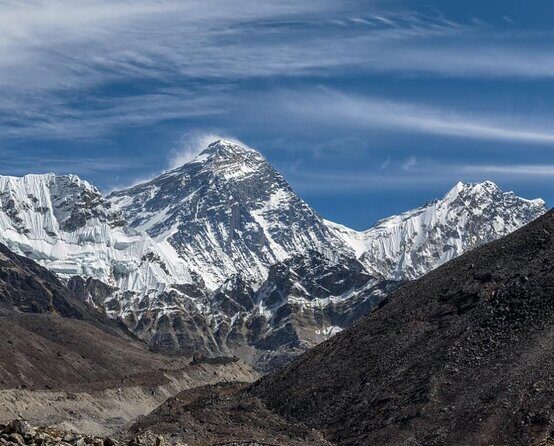
- Everest Base Camp at 5,364m: The trek’s main event is built around getting you to the base-camp zone.
- Sherpa villages + Buddhist monasteries: You’re not only walking up; you’re also meeting the culture that lives there.
- Khumbu Icefall glacier scenery: The barren icefall-glacier backdrop is part of what makes Everest feel real.
- Warm, clean lodge nights: After long days, having comfort on tap matters more than you think.
- Guides and porters with strong names behind them: People highlight guides like Pasang and Lakpa, plus porters such as Nima, Neema, and Kumar.
Your Everest goal: Base Camp at 5,364m
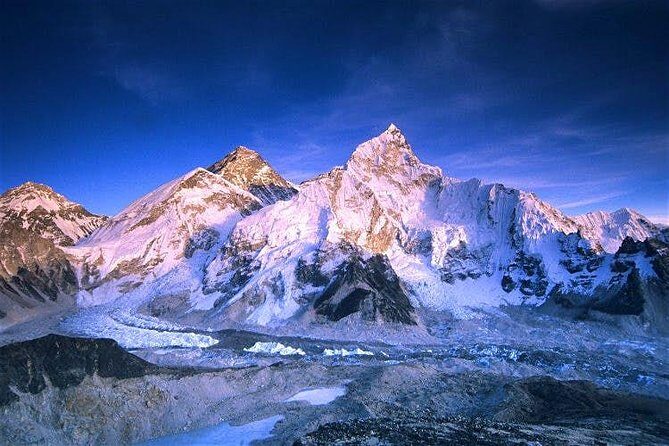
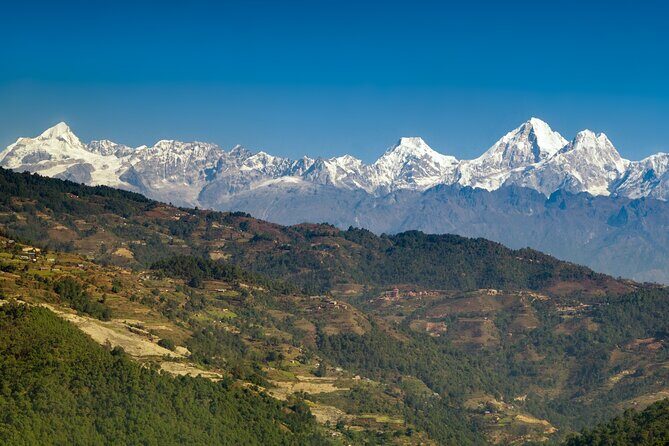
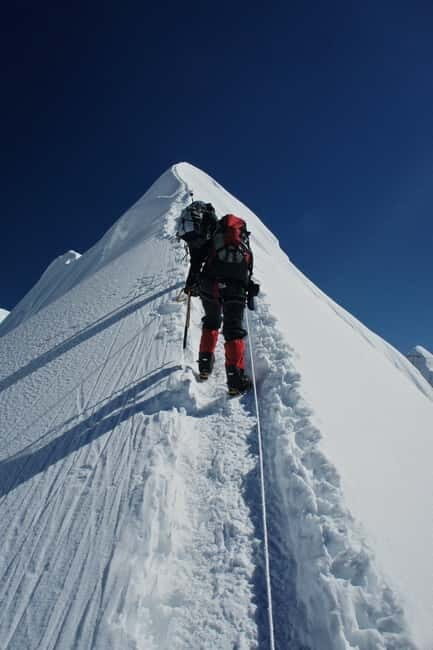
If Everest is on your list, it usually comes with a mental image: a postcard of granite giants and snow haze. This trek keeps that image—but it also adds the grind that makes the payoff feel earned. The point is simple: walk to Everest Base Camp, listed here at 5,364m, with the route designed to put you in the view corridor of the region’s highest peaks.
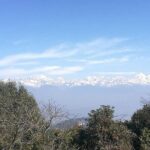
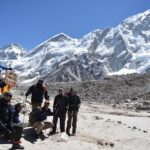
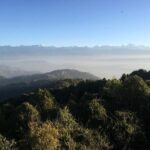
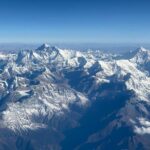
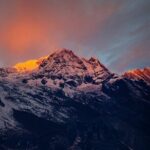
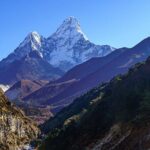
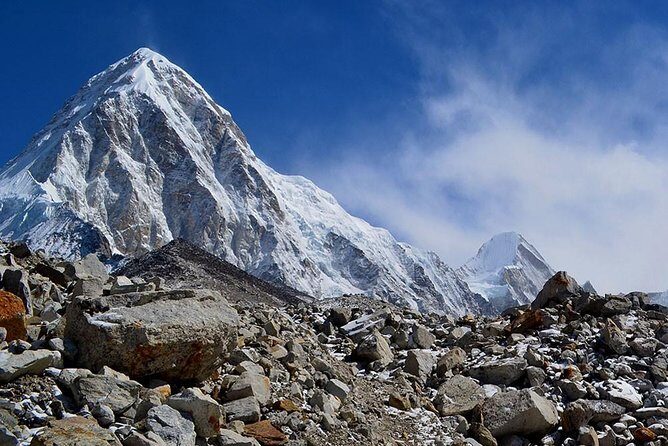
What I like about this kind of trek is that it’s not just about arrival. Along the way you get a layered sense of altitude and terrain. You move from Sherpa villages into colder, harsher scenery, and you start noticing how the environment changes day by day. The trek overview specifically calls out high peaks in the backdrop, alpine rhododendrons and pine forests, and then the barren Khumbu Icefall glacier scenery. That progression matters because it builds context. By the time you’re staring toward the Everest area, you’re not guessing what’s coming—you’ve already lived the climb.
You can also read our reviews of more hiking tours in Kathmandu
A reality check to keep you comfortable
Everest Country is famous, but it doesn’t always cooperate. Weather can affect operations (the experience notes it can be canceled due to poor weather, with alternate dates or a full refund). So go in ready for a little flexibility, especially around the days closest to the goal.
Sherpa villages and Buddhist monasteries you’ll actually notice
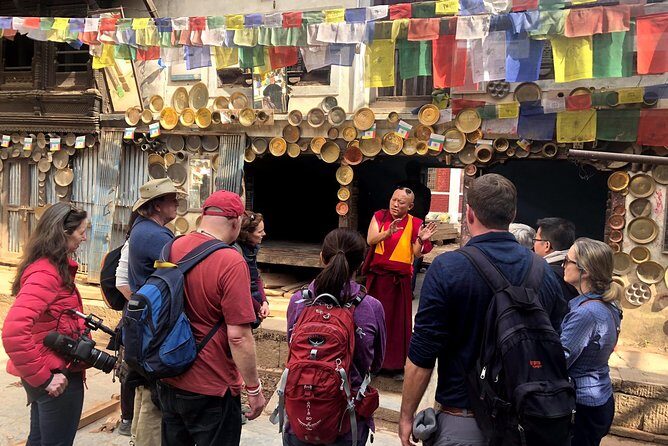
Everest Base Camp treks can sometimes feel like a conveyor belt of viewpoints. This one leans into something more human: exploring Sherpa traditional villages and visiting older heritages and monasteries, with Buddhist culture and customs as part of the experience.
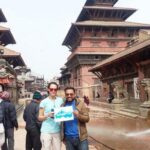
Here’s why that’s a big deal for you. When you see the region through culture, the trekking becomes more than effort. You start learning how the Sherpa communities live with weather, seasons, faith, and the rhythm of visitors. Even if you don’t consider yourself a culture traveler, you’ll probably find moments of calm inside the monasteries that break up the stress of altitude.
The reviews help underline this kind of care. Multiple travelers singled out guides for making the experience feel personal and safe—names that came up include Pasang, Lakpa, Buddha Tamang, Gumbo, and Tendi. That’s not just a compliment to the guide. It’s a clue that the cultural side isn’t tacked on. It’s treated as part of the trek, not an optional photo stop.
What to watch for
If you’re the type who likes to understand what you’re seeing, monasteries and heritage stops can be your best moments. If you’re only chasing skyline views, you might want to plan for the fact that some of your best experiences won’t be the highest elevations that day—they’ll be the calmer, slower stops where you get context.
Rhododendron forests, pine trees, and the Khumbu Icefall backdrop
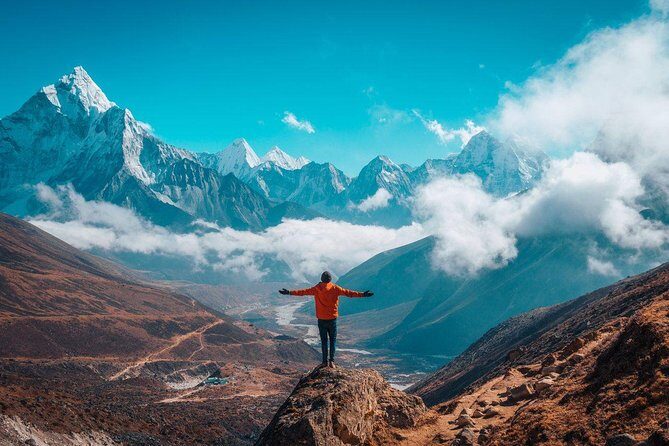
One of the tour’s strongest selling points is that it calls out multiple types of scenery, not just snow and rocks. You’re going to pass through alpine rhododendron zones and pine forests, then work toward the stark, dramatic visuals around the Khumbu Icefall glaciers, described here as barren.
This mix does two things for you:
- It keeps the trek visually interesting—less sameness, more texture.
- It makes the final glacier scenery hit harder, because you’ve already seen warmer, greener days.
If you love high-mountain photography, those shifting environments will keep your camera busy. If you’re more focused on hiking than photos, the trees and forests can still matter: shade, a calmer trail feel, and natural breaks in the day can make the trek feel more manageable than a constant whiteout climb.

The one potential snag
Glacier-country scenery comes with cold and fatigue. Even with warmth and comfort at the lodge each night, you’ll still feel the difference between a forest day and an icefall day. Plan your energy like a long game, not a sprint.
Clean lodge nights and meals that make the budget easier
The overview promises nights in warmth and comfort of clean scenic lodges, and that’s not a small detail on this trek. On a route where you’re dealing with altitude and long walking days, the end-of-day routine becomes a big part of your memory.
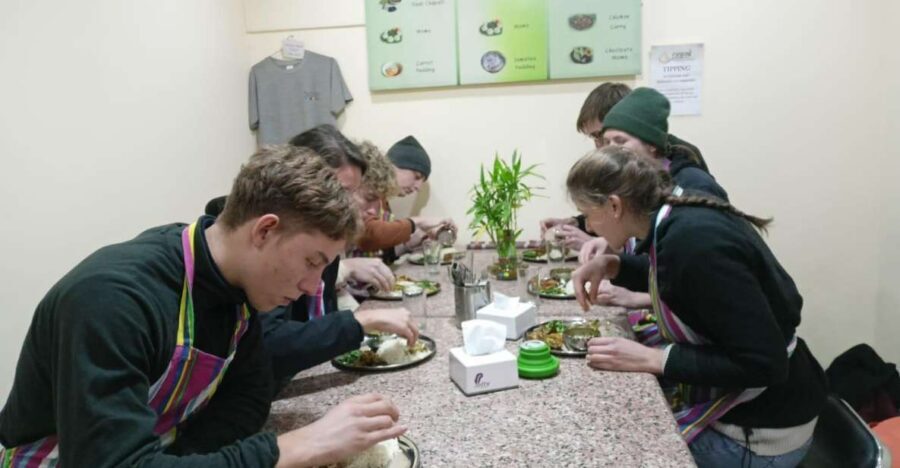
This tour includes breakfast, lunch, and dinner. It also includes a sleeping bag and duffel bag. In other words, you’re not piecing together meal plans and equipment right before you travel. For a $2,400 price tag, the value isn’t just the trekking guide—it’s also the practical packing and food coverage.
What’s not included (and why you should plan for it)
The package does not include:
- Alcoholic beverages
- Soda/pop
- Snacks
- Nepal visa
- Insurance
- Tips for guide/porter
So if you like frequent sweet snacks or want drinks at the lodge, you’ll need to budget for it. Also, the inclusion of meals doesn’t mean you’ll be free of extra costs; it just reduces the biggest day-to-day expenses.
Guides and porters: where this trek earns its 5-star vibe
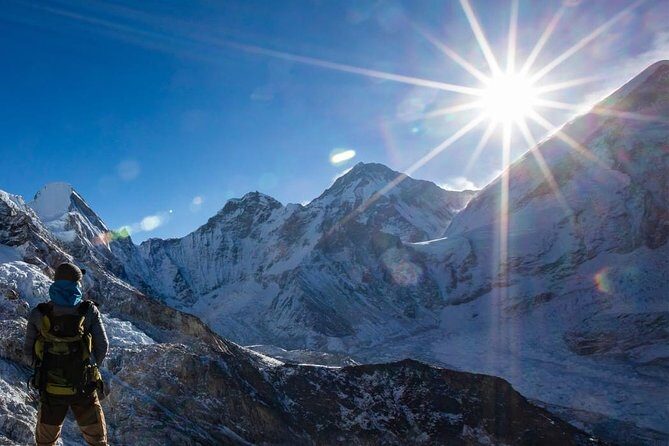
A trek like Everest Base Camp can go two ways. It can feel like hardship with a view, or it can feel like a guided, well-managed journey that keeps you focused on the experience. This tour’s standout theme in the reviews is how guides and porters shape that difference.
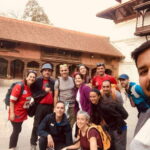
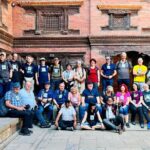
People repeatedly thank specific staff members—especially guides like Lakpa and Pasang—and porters such as Nima, Neema, and Kumar. The details matter: you’ll get the sense that the team isn’t just doing a job; they’re helping with the human parts of trekking: pace, safety, and logistics on the trail.
That’s why I treat guide selection as part of the trek’s value, not a side note. A strong guide helps you manage fatigue and altitude decisions with calm. A great porter (and the teamwork between guide and porters) can make the trek feel more like a conversation with the mountains, less like a wrestling match with your own pack.
Private tour, less chaos
The tour is private, so only your group participates. That can be a plus if you want a more personal pace and fewer coordination hassles with strangers. It also means your guide is working directly for you, not juggling mixed group needs.
Kathmandu setup, early start times, and keeping logistics simple
This experience starts at Sherpa Expedition And Trekking in Kathmandu, with a 6:15am start time, and the meeting point is close to public transportation. Pickup is offered, which helps if you’re staying somewhere without easy access to the neighborhood where the trek begins.
Why start early? High-profile treks often require tight scheduling, and early departures give you time to move smoothly and reduce the risk of losing daylight. Even if you don’t love dawn starts, this is one of those cases where early energy can save you later stress.
The itinerary length is listed as about 15 days, and it ends back at the meeting point in Kathmandu. That matters for you if you hate open-ended travel plans. You’re not piecing together a return plan from scratch.
Price and value: $2,400 isn’t just a number
At $2,400 per person for a roughly 15-day trek, you’re paying for more than guide time. You’re also paying for:
- meals included (breakfast/lunch/dinner)
- a sleeping bag and duffel bag
- all fees and taxes (as listed)
- a setup that includes pickup and a private group format
What you’re paying less for (because it’s not included) is the cost of the extras: visa, insurance, tips, alcohol, soda/pop, snacks. So for a fair value judgment, think of it like this: the core experience is packaged; the personal spending and required paperwork/coverage are still yours.
If you want to keep your budget predictable, this kind of inclusion is helpful. If you’re a heavy snack and drink person, you’ll want to plan those costs early.
Who should choose this Everest Base Camp trek
This trek is labeled for travelers with moderate physical fitness. That doesn’t mean it’s easy—it means you’ll need stamina and a realistic approach to hiking days at elevation.
It’s a good fit if:
- you want the Everest Base Camp goal but also care about Sherpa villages and monasteries
- you like a guided experience with support from a team that includes porters
- you want lodge comfort instead of roughing it with camp sleeping systems
It may be less ideal if:
- you’re expecting a fully guaranteed schedule in all weather conditions
- you dislike early mornings (the listed start time is 6:15am)
- you want all drinks and snacks covered (they’re not included)
Should you book the Everest Base Camp trek?
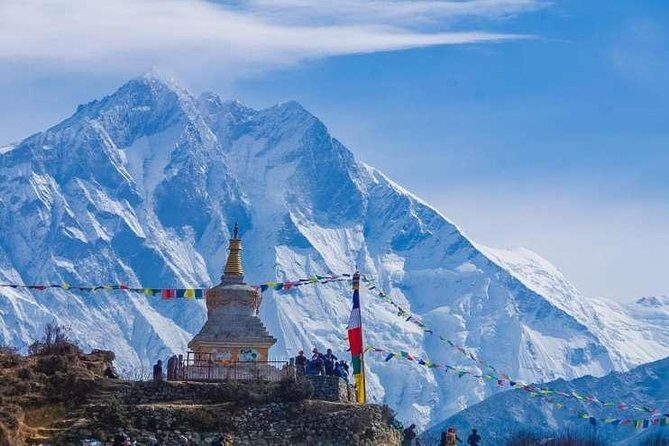
If your dream is Everest Base Camp with cultural stops and lodge comfort, this trip checks many boxes. The strongest reasons to book are the pairing of Sherpa hospitality with a route that includes monasteries, Sherpa villages, forests, and the Khumbu Icefall glacier backdrop. The reviews also signal that the guide/porter team quality is a big part of why people rate it 5 out of 5 so consistently.
My advice: book it if you can handle moderate fitness and you’re comfortable with the idea that weather may require date changes. Before paying, make sure your budget covers what’s not included—especially your visa, insurance, tips, and daily snacks or drinks.
If that extra planning doesn’t bother you, you’ll probably find this is one of those trips that feels like more than a destination. It’s a full chain of moments that add up to Everest.
FAQ
How long is the Everest Base Camp trek?
The duration is listed as 15 days (approx.).
What altitude is Everest Base Camp on this trek?
Everest Base Camp is listed at 5,364m.
Where does the tour start in Kathmandu?
The meeting point is Sherpa Expedition And TrekkingChaksibari Marg, Kathmandu 44600, Nepal.
What time does the trek start?
The start time is 6:15am.
What does the price include?
It includes dinner, breakfast, lunch, sleeping bag and duffel bag, and all fees and taxes.
What is not included in the tour price?
Not included are Nepal visa, insurance, tips for guide/porter, alcoholic beverages, soda/pop, and snacks.
Is this a private tour?
Yes. It’s private, and only your group will participate.
What happens if poor weather cancels the experience?
If it’s canceled due to poor weather, you’ll be offered a different date or a full refund.
How does free cancellation work?
Free cancellation is available up to 24 hours in advance for a full refund. If you cancel less than 24 hours before the start time, the amount paid isn’t refunded.