REVIEW · KATHMANDU
Pashupatinath Temple, Hindu Crematorium and Aarati in-depth Tour
Book on Viator →Operated by Himalayan Adventure Therapy · Bookable on Viator
Cremation rites and temple faith share one complex. This Pashupatinath Temple, Hindu Crematorium and Aarati tour is interesting because it follows the day’s spiritual logic: stone and legend inside the temple, then the Bagmati river rituals where life and death are handled with practiced care. I especially like the way you get guided context from scholars and field experts, including leaders such as Nabin and Nirajan seen in past tours, plus the ending Sandhya Aarati with priests, lamps, incense, and local onlookers.
Two other things I love: you see real ceremonies from close range, and you’re given enough time to walk the grounds without feeling herded. A possible drawback is that the crematoria segment can feel intense and emotional, and the total time is long enough that you should pace yourself and plan for some waiting in sacred crowds.
In This Review
- Key highlights I’d plan around
- Pashupatinath, Bagmati, and why this tour sticks to practice
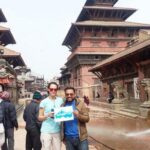
- Entering the temple: a focused 2 hours inside the Pashupatinath complex
- Crematoria stop with Pashupati Area Development Trust: what you’re actually there to learn
- The second temple visit ends with Sandhya Aarati by the Bagmati
- Price and logistics: what $90 buys you in Kathmandu time
- Who should book, and who might want to adjust expectations
- Should you book this Pashupatinath in-depth tour?
- FAQ
- What time does the tour start?
- How long is the Pashupatinath Temple, crematorium and Aarati tour?
- What’s included in the tour price?
- Is pickup included?
- Do I visit the crematorium as part of the tour?
- What is the ending ceremony?
- Are tips or donations included?
- Is free cancellation available?
Key highlights I’d plan around
- Expert-led temple navigation through the Pashupatinath complex in about two hours, with time to ask real questions.
- Crematoria explanations with live scenario context guided by specialists linked to the Pashupati Area Development Trust.
- Sandhya Aarati at the Bagmati riverbank after you’ve already seen the temple, so the whole experience makes more sense in order.
- Private transportation plus bottled water, which matters when you’re out for 4 to 5 hours starting at 2:00 pm.
- Admission tickets included for the stops, so you’re not doing last-minute ticket math mid-journey.
Pashupatinath, Bagmati, and why this tour sticks to practice
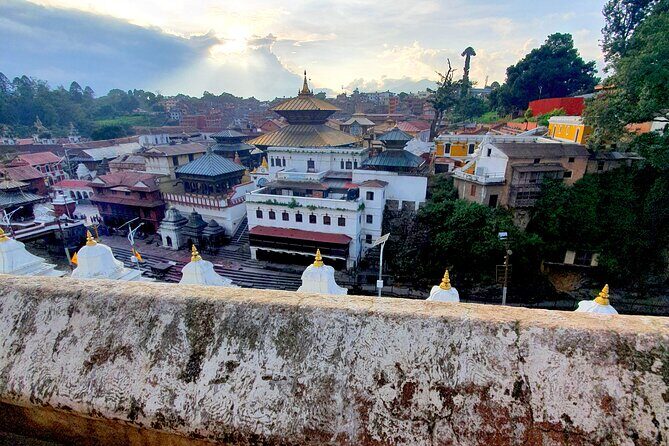
Pashupatinath is one of the oldest Hindu temple sites in the world, and the place doesn’t feel like a museum. It feels like a working religious landscape where people come to worship, grieve, and perform daily rites with steady rhythm. The value of this tour is that it doesn’t only point at buildings. It helps you understand how the beliefs show up as actions you can observe.
I like that the guide approach is structured: you get mythological values paired with explanations that connect past teachings to today’s status of Hinduism. That means you spend less time guessing and more time seeing what’s happening, why it happens, and how local practice fits into the bigger spiritual picture. You’re also led through the temple area in a way that builds momentum, starting with temple attractions and moving toward the cremation zone with the proper context.
There’s also a practical side. You’ll be near the Bagmati river bank for the aarti, so you’re not just reading about water rituals later. You’ll be standing where people offer lamps and incense as part of a shared evening moment.
You can also read our reviews of more tours and experiences in Kathmandu.


Entering the temple: a focused 2 hours inside the Pashupatinath complex
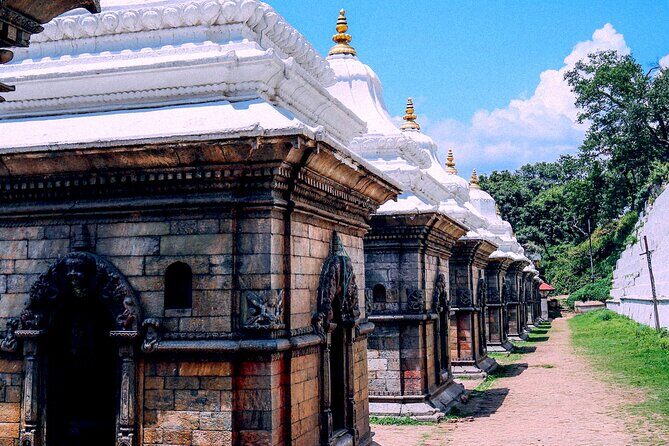
Your first main block is about two hours at Pashupatinath Temple, and admission is included. This is the part of the experience where you’ll get your bearings fast. The guide takes you through temple attractions and key areas, including the older, sacred core that helps explain why Pashupatinath is so important.
What makes this temple stop work well is pacing. Two hours is long enough to walk and notice details like incense smoke, bell sounds, and the steady flow of ritual life. It’s also short enough that you can stay mentally present instead of getting tired and numb. If you’ve seen temples before and thought you needed a better story to match the stones, this is the fix.
One more advantage: the tour is set up for questions. Multiple guests highlighted that the guide was patient and responsive, especially about how Hindu traditions work day-to-day. That matters here because Pashupatinath isn’t just one ceremony. It’s a whole system of practiced behavior, and the guide helps you sort it into understandable pieces.
Possible consideration: temple rules and crowds can affect how close you can get to certain ritual moments. The tour helps you choose the right viewpoints, but you should still expect some moving around and stopping.
Crematoria stop with Pashupati Area Development Trust: what you’re actually there to learn
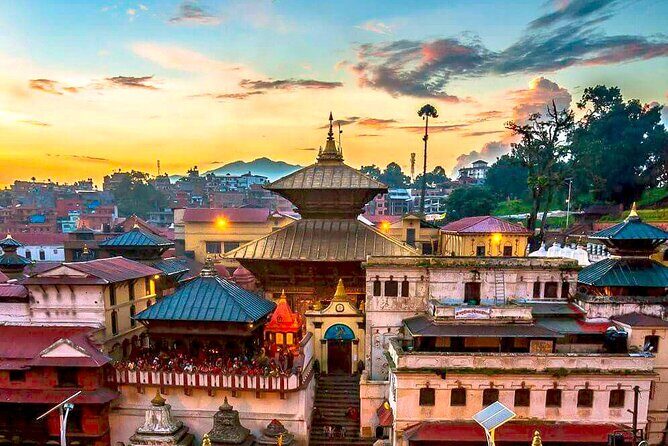
The middle stop is where this tour becomes truly distinctive. You’ll spend about one hour at The Crematoria, and admission is included. This is guided by experts from the Pashupati Area Development Trust, with explanations delivered in a live scenario style so you see the cultural process rather than only hearing a lecture.
If you’re worried about this part being uncomfortable, that concern is reasonable. This is not a sanitized viewpoint. You’re learning how cremation practices function in Hindu tradition and what they mean within the site’s sacred boundaries. I’d treat this segment like a serious cultural lesson, not a sightseeing block.
Here’s why the guided approach matters: cremation rites can look confusing if you only catch glimpses. A knowledgeable guide can connect the rituals you see with the underlying beliefs about life, death, and sanctity. The tour description also emphasizes logical and scientific-style explanations, which helps a lot if you prefer your spiritual knowledge grounded in how people reason and practice—not just what someone claims you must believe.
What to expect practically:
- You’ll likely spend time observing while the guide explains.
- You may need a calmer mindset, especially if the scene feels raw.
- Your best move is to stay respectful and follow the guide’s suggestions on where to stand and when to move.
The second temple visit ends with Sandhya Aarati by the Bagmati
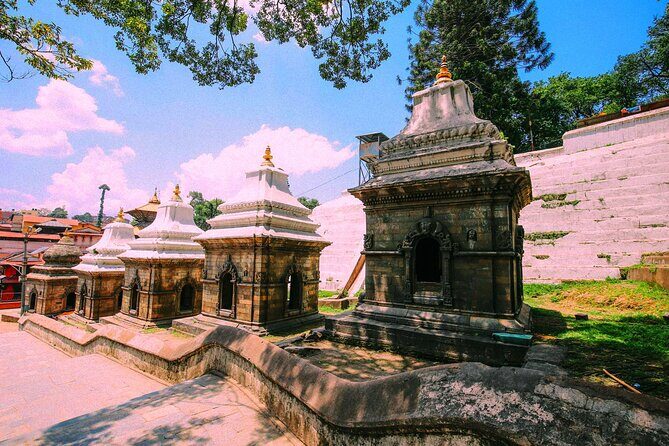
After the crematoria segment, the tour returns to the temple area for the closing ceremony: Sandhya Aarati, the offering of lamp and incense in precise rituals performed by dedicated priests. This final part runs about two hours, and admission is included.
This is the moment where the whole experience clicks. After you’ve seen temple worship and the cremation zone, the Bagmati river bank aarti lands with more meaning. Guests in past tours specifically called out how energetic and unforgettable the offering felt, especially with the sense of ceremony shared by local people gathered along the river.
If you like ritual photography, this may be one of your best chances—though remember, you’re still in an active sacred setting. The guide’s job here is practical: helping you understand what you’re seeing and positioning you so you can watch without blocking others.
Another detail I appreciate: the tour ends with a ceremony that’s observed by hundreds of local people. That means the atmosphere is communal, not staged. It’s not just a show for visitors; it’s part of daily religious life played out with real continuity.
Price and logistics: what $90 buys you in Kathmandu time
At $90 per person for roughly 4 to 5 hours, the biggest value is not the discount price tag. It’s the time saved by having a guide who handles both the temple architecture and the cultural meaning, plus included transportation. You’re not spending your energy trying to figure out where to go, what the ceremonies mean, or how to ask good questions once you arrive.
The tour includes:
- bottled water
- private transportation
- all fees and taxes
- expert guides
- admission tickets at the temple and crematoria
That’s a solid package for Kathmandu, because getting in and out efficiently matters. Start time is 2:00 pm, so you can avoid earlier travel stress and still catch the evening atmosphere for the aarti. Many people also book about 53 days in advance on average, which is a hint that prime time slots can fill up. If your Kathmandu schedule is tight, I’d plan to lock it in early rather than hoping.
One more logistics win: pickup is offered. You’re dealing with a religious complex with foot traffic and on-site rules, so starting with private transportation is a nice buffer. You’ll also have a public toilet nearby, and the tour notes service animals are allowed.
Not included (so plan ahead): tips for the guide and driver, and donations or offerings to sadhus or temples. If you’re the type who likes to bring small cash for respectful giving, do it. If you prefer not to donate, you can still fully participate in the ritual viewing and learning parts.






Who should book, and who might want to adjust expectations
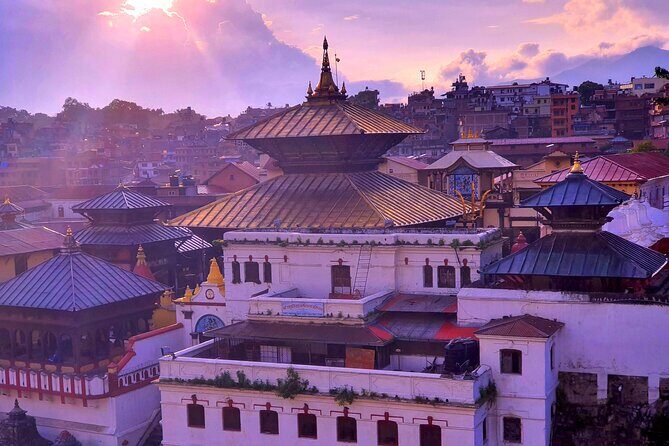
This is a strong match if you want to understand Hindu practice beyond surface-level photos. If you like explanations that tie mythology to present-day life, you’ll likely appreciate the way the guide frames the temple area. Guests repeatedly praised how patient and attentive the guides were, and how much they helped with navigating the complex grounds and hidden paths.
It’s also a good pick if you like structure. The tour flows in a way that builds meaning: temple sights first, then cremation context, then the river ceremony. That ordering helps you connect why the crematoria is not separate from the rest of religious life.
Consider thinking twice if you’re sensitive to death rituals. The crematoria stop is part of the experience, not optional. I’d also plan for walking and standing. Even when the tour includes guiding and transportation, you’re still moving through an active site.
Finally, this is listed as a private tour/activity, so it’s geared toward groups that want their own guide and their own pace. That’s ideal if you’d rather ask a lot of questions than whisper in the background of a large tour group.
Should you book this Pashupatinath in-depth tour?
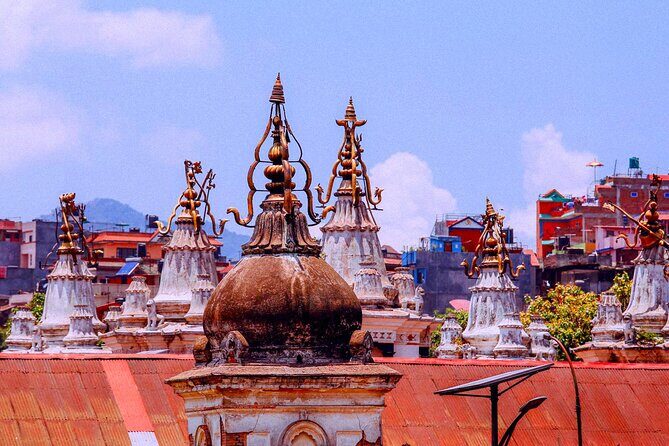
I’d book it if you want a guided, respectful look at Pashupatinath that connects worship, cremation practice, and evening aarti into one coherent story. The inclusion of admission tickets, private transportation, bottled water, and expert-led context makes the $90 fee feel more like buying clarity than paying for access.
I’d also book it if you value timing. Starting at 2:00 pm and finishing with Sandhya Aarati gives you the chance to see the site as it functions in the real rhythm of the day, not just as a quick daytime walkthrough.
Skip this only if you know the crematoria segment would distress you. If you feel okay with serious cultural realities and want real understanding, this is the kind of Kathmandu highlight that doesn’t fade into generic temple memories.
FAQ
What time does the tour start?
The tour starts at 2:00 pm.
How long is the Pashupatinath Temple, crematorium and Aarati tour?
It runs about 4 to 5 hours.
What’s included in the tour price?
Bottled water, private transportation, all fees and taxes, and expert guides are included. Admission tickets are included for the temple and crematoria stops.
Is pickup included?
Yes, pickup is offered.
Do I visit the crematorium as part of the tour?
Yes. The tour includes a crematoria visit with explanations from experts from the Pashupati Area Development Trust.
What is the ending ceremony?
The tour ends with Sandhya Aarati, where priests perform lamp and incense offerings as part of the ritual.
Are tips or donations included?
No. Tips for the guide and driver, and donations or offerings to sadhus or temples are not included.
Is free cancellation available?
Yes. You can cancel up to 24 hours in advance for a full refund.