REVIEW · KATHMANDU
Everest Base Camp Trek
Book on Viator →Operated by Outfitter Nepal · Bookable on Viator
Everest Base Camp turns big dreams into steps. What I like most is the logistics handled approach (permits, paperwork, and transportation) and the built-in acclimatization rhythm with rest days in Namche and Dingboche. One thing to think about: it’s weather-dependent, and the $1,300 price doesn’t cover extras like the base camp entrance fee and your Kathmandu days.
The trip is run for real people with real limits. You get an experienced guide (and the support system that goes with it), plus a structured route from Lukla up toward Kala Patthar and back down to Lukla. It’s also capped at 14 travelers, which helps keep the trek feeling organized instead of chaotic.
In This Review
- Key Highlights Worth Your Attention
- Why Everest Base Camp Feels Less Scary With This Setup
- Price and Logistics: Is $1,300 Actually Good Value?
- Getting to Lukla: Day 1 Starts Early for a Reason
- Namche Bazaar: The Acclimatization Day That Makes the Trek Work
- Tengboche to Dingboche: Mountain Views, Higher Steps, and Another Reset
- Lobuche and the High-Altitude Build-Up
- Gorakshep to Kala Patthar: The Early Effort Payoff
- The Return: Pheriche to Namche to Lukla
- Guides, Porters, and the Human Side of Staying Safe
- Gear Support: What’s Included and What You Should Plan to Bring
- Meals and Lodge Life: Simple Food, Real Energy
- Altitude Reality Check: Why This Itinerary Uses Rest Days
- Weather Risk and Insurance: The Part Nobody Wants to Think About
- Who This Trek Fits Best
- Should You Book This Everest Base Camp Trek?
- FAQ
- How many days is the Everest Base Camp trek?
- Where does the tour start and what time?
- Are domestic flights included?
- What’s included during the trek?
- Are permits and paperwork handled?
- How many nights in Kathmandu are included?
- Is an Everest Base Camp entrance fee included?
- What equipment is provided?
Key Highlights Worth Your Attention
- Permits and paperwork handled for less stress before you even step onto the trail
- Guide support included, so you can focus on walking, not problem-solving
- Domestic flights + ground transfers mean fewer moving parts in Nepal
- Four nights in Kathmandu plus lodge stays on the trek for a full package feel
- Altitude plan built in with two acclimatization/rest days to help you adjust
Why Everest Base Camp Feels Less Scary With This Setup
If you’ve ever looked at Everest Base Camp maps, you know it can feel intimidating fast. This itinerary turns that fear into a schedule: flights in, lodges booked, meals covered during trekking days, and a guide who keeps you moving at the right pace. You’re still climbing high. But you’re doing it with a safety net.
I also like that the company clearly aims to reduce pre-trek chaos. Permits and paperwork are taken care of, and the package includes the domestic flight between Kathmandu and Lukla. That matters, because Everest begins with logistics, not just altitude.
A second practical win: you’re not going it alone on the trail. The trip is structured for a small group (up to 14 people), so you’re not fighting for space in teahouses or breaking rhythm every day.
You can also read our reviews of more hiking tours in Kathmandu
Price and Logistics: Is $1,300 Actually Good Value?
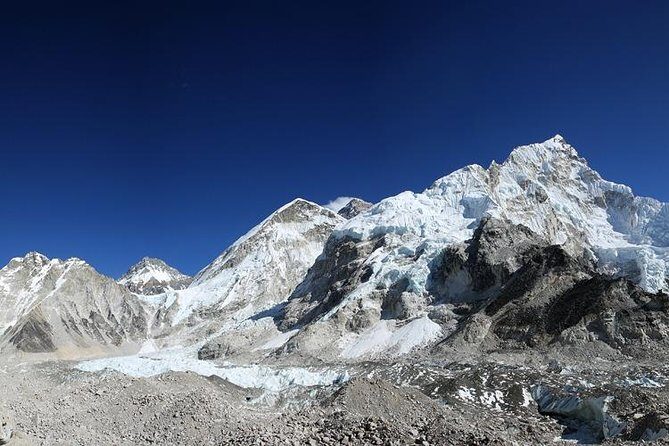
At $1,300 per person for about 12 days, you’re paying for the parts that usually eat time and energy: flights, lodging, meals during trekking days, and someone managing the route. The included list is fairly strong for a guided trek.
Here’s what’s covered that you’d otherwise pay for piecemeal:
- Flight fare Kathmandu–Lukla–Kathmandu with domestic airport tax
- All domestic hotel/airport transfers by private vehicle
- Trekking lodge/tea house accommodations during the trek
- Breakfast, lunch, and dinner during trekking days
- An experienced guide, including guide food, drinks, accommodation, transportation, and insurance
- Emergency helicopter service arrangement paid by your travel insurance company
- Trek gear package: sleeping bag, down jacket, duffle bag, and a trekking map (returned after the trek)
What’s not included (so you don’t get surprised):
- Nepal entry visa fee (listed as $40 for a 1-month visa)
- Travel insurance (compulsory)
- Hotel and meals while in Kathmandu
- Tips for guide and staff
- Everest Base Camp entrance fee ($40 per person)
- Some personal spending like extra drinks and sweet snacks (chocolate bars and hot showers are specifically called out as extra)
So is it good value? In plain terms: yes, if you want a guided, organized trek without building your own logistics spreadsheet. If you’re the type who loves planning every detail and negotiating directly for flights and tea houses, you might find a cheaper DIY-style path. But most people don’t want that stress when the climb is the real work.
Getting to Lukla: Day 1 Starts Early for a Reason
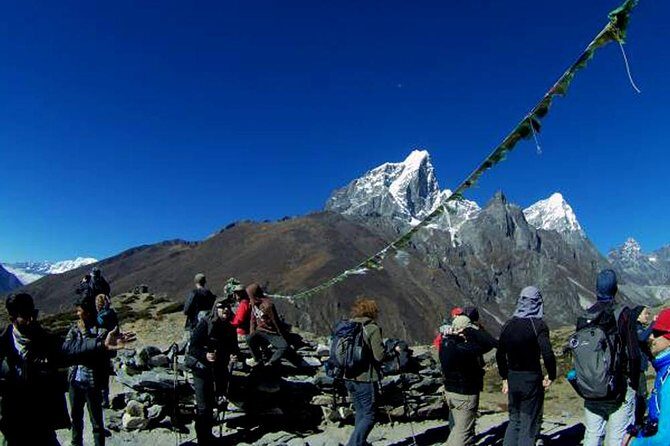
Your day begins at Tribhuvan Airport in Kathmandu at 6:15 am. Then you fly to Lukla at 2,886 meters, followed by a trek to Phakding at 2,610 meters (about 4 hours), with lunch and dinner included on the trek day.
Why this matters: Lukla is often the gateway where weather and flight timing can throw curves. Starting early is the practical way to catch the day’s flight window. Once you land, you’re not thrown immediately into max altitude. You ease in with a gradual climb into the Phakding area.
On the trail, expect the early-day pace to feel almost casual. That’s the point. You’re testing boots, finding your backpack rhythm, and getting your breathing used to higher elevations without pretending you’re already in summit mode.
Namche Bazaar: The Acclimatization Day That Makes the Trek Work
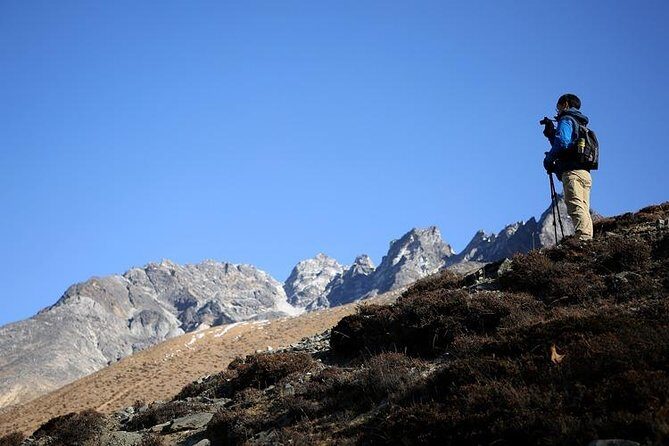
Day 2 hikes from Phakding to Namche Bazaar at 3,440 meters (about 6 hours). It’s a longer walking day, but it also sets you up for the big payoff: Day 3 is a rest/acclimatization day at Namche Bazaar.
Namche is where your body learns the rules. Even with a good trek pace, altitude can make you feel off. A rest day here isn’t wasted time. It’s a chance to reduce the odds of feeling miserable later on—especially once you’re headed toward higher camps.
The schedule also includes meals on these days, so you’re not scrambling for food options. That seems small until you’re hungry at altitude and your energy matters.
Tengboche to Dingboche: Mountain Views, Higher Steps, and Another Reset
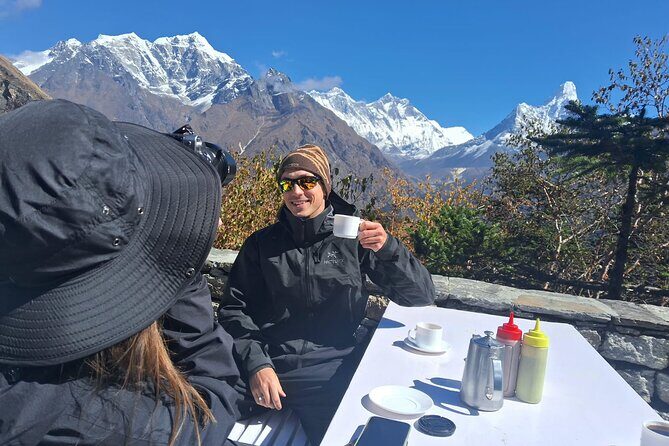
Day 4 treks from Namche to Tyangboche at 3,867 meters (about 5 hours). This stretch keeps pushing altitude while still giving you daily walking blocks that feel manageable in structure.
Day 5 continues from Tyangboche to Dingboche at 4,260 meters (about 5 hours). Then Day 6 is your second acclimatization/rest day, this time at Dingboche.
I like how this itinerary respects the body. Many trekkers rush because they’re excited. This route builds in pauses so you can keep your momentum without treating altitude like it’s optional.
Also, if you’re the kind of person who tends to go too hard early, a rest day on schedule helps you re-center. Your guide’s job is partly planning the route and partly keeping your energy realistic.

Lobuche and the High-Altitude Build-Up
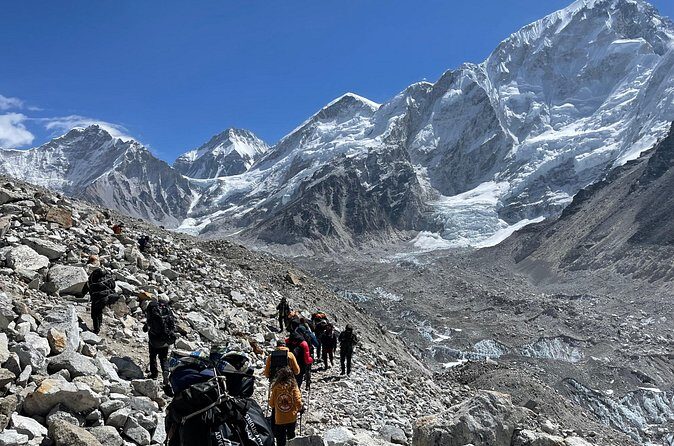
Day 7 treks from Dingboche to Lobuche at 4,930 meters (about 5 hours). This is where the hike starts feeling noticeably tougher, mainly because your body has to work harder for each step.
Day 8 is the big push toward Everest Base Camp via Gorakshep (6–7 hours). That means you’re walking high and still managing energy reserves for the days around it. This is one of the reasons you don’t want to skip the acclimatization days earlier.
If you do well with pacing, you’ll enjoy Day 8 even when it feels long. If you try to race, you’ll pay for it later—often with fatigue that steals joy right when you want it most.
Gorakshep to Kala Patthar: The Early Effort Payoff
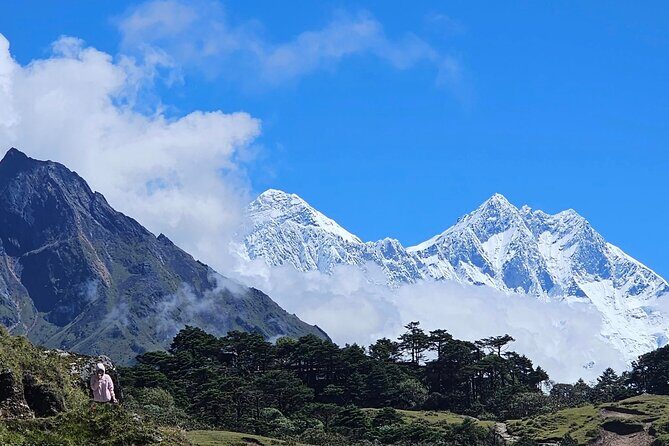
Day 9 includes a trek from Gorakshep to Kala Patthar (5,545 meters) and then onward to Pheriche at 4,243 meters (about 7 hours total).
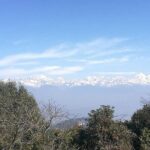
Kala Patthar is famous for a reason: higher vantage points tend to reward the effort with the kind of views that make you forget how tired you are. But it also means you’re moving at very high altitude. Expect this day to feel like a mental game as much as a physical one.
The downhill to Pheriche afterward is a relief. You get altitude back on your side, which helps you recover for the final return days.
Practical note: your day will likely feel cold and demanding. Even though some gear is provided (sleeping bag and down jacket), you should still be ready for chilly trekking temperatures.
The Return: Pheriche to Namche to Lukla
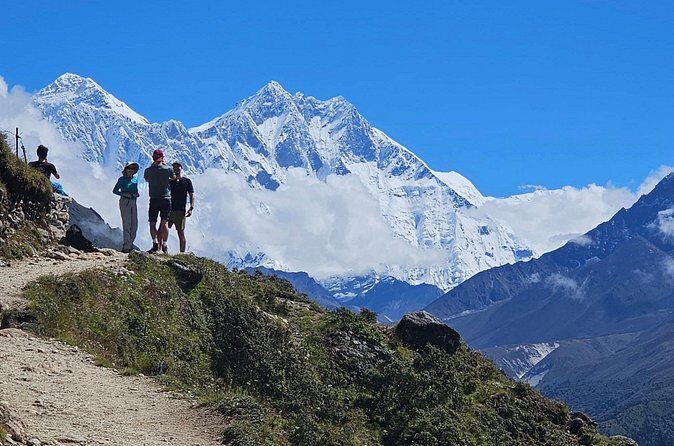
Day 10 treks from Pheriche back to Namche Bazaar (about 6 hours). Day 11 finishes the return from Namche to Lukla (about 6 hours).
This section can feel deceptively easier. Walking down can still be hard on your knees, and you may not feel as strong as you think because the trek keeps stacking altitude stress. Still, the upside is big: you’re moving toward your flight home, and the scenery tends to feel less like a grind and more like a reward.
Day 12 brings your flight from Lukla back to Kathmandu, with a transfer to your hotel. Breakfast is included on the final day (B).
Also, remember the package includes four nights in Kathmandu, even though the day-by-day trek portion is what most people focus on. Plan on spending real time in the city, not just passing through.
Guides, Porters, and the Human Side of Staying Safe
The strongest praise in the feedback isn’t just about views. It’s about how the trek is run day to day when things get messy.
I especially noticed mentions of guides named Kiran, Dinish, and Arjun. One review experience highlighted the guide Arjun bringing fresh fruit each night as dessert, which is a small thing but a big morale boost when the trek is intense. Another mention focused on guide Dinish being helpful throughout. And Kiran was described as kind and patient while setting expectations clearly.
You don’t need fancy promises to value that. On Everest routes, communication and realistic pacing keep people safer. If your guide does this well, you spend less time worrying and more time moving.
There’s also evidence the operator handled disruption transparently during a rough monsoon period, with honest updates and then making up lost time with a strong plan. Weather can hit roads and timelines outside the mountain. What matters is whether the team communicates and adapts fast.
Gear Support: What’s Included and What You Should Plan to Bring
The trek package includes a sleeping bag, down jacket, and duffle bag, plus a trekking map (the map and gear are returned after the trek). That’s helpful. Buying that gear on the spot would be a pain and not great value.
But gear provided doesn’t mean you’re done shopping. You’ll still want essentials for daily walking:
- Layers you can manage as temperatures shift during the day
- Rain protection, since weather can change quickly
- A small daypack for your personal items
- Things like battery charging planning (extra charging can be a cost issue in some trekking areas, and it’s listed as a personal expense)
Also keep in mind that the trek includes many meals, but you’ll still be paying for personal extras like sweet snacks and drinks, which the info calls out specifically.
Meals and Lodge Life: Simple Food, Real Energy
Food is included for breakfast, lunch, and dinner during trekking days. On Everest routes, that usually means familiar hearty options in tea houses: the point is steady calories, not gourmet cooking.
Lodge life is part of the experience. You’ll likely spend evenings warming up, organizing gear for the next day, and trying to sleep at altitude. If you expect the routine to be simple, you’ll enjoy it more.
One more practical point: your hotel and food in Kathmandu aren’t included. Since the trek includes four nights in Kathmandu, check your budget for those city meals and lodging costs.
Altitude Reality Check: Why This Itinerary Uses Rest Days
This itinerary is clearly built around altitude management:
- Namche Bazaar acclimatization/rest day
- Dingboche acclimatization/rest day
- High points including Everest Base Camp zone via Gorakshep
- Kala Patthar at 5,545 meters as a major high-altitude day
That structure matters because altitude isn’t something you can out-will. Rest days help your body adjust. The same is true for not rushing between stages.
Your best strategy: follow your guide’s pace and keep your effort steady. If your group starts too fast on the first climbing days, you’ll feel it later.
Weather Risk and Insurance: The Part Nobody Wants to Think About
This experience requires good weather. If it gets canceled due to poor weather, you’ll be offered a different date or a full refund. That’s the hopeful side.
The practical side is that flights and trail conditions can shift. It’s also why travel insurance is compulsory here. The included emergency helicopter service arrangement is stated as something your travel insurance company will pay for.
When you book, take insurance seriously. It’s not paperwork for paperwork’s sake. It’s what protects you if the mountain turns your plans upside down.
Who This Trek Fits Best
This is a smart fit if:
- You want a guided route that takes care of permits, paperwork, and daily logistics
- You’re aiming for a classic Everest Base Camp experience with acclimatization built in
- You prefer small-group trekking (max 14 travelers)
It may be less ideal if:
- You’re planning to DIY everything and want to fully control every booking
- You have a tight budget once you add visa, tips, the base camp entrance fee, and Kathmandu food/lodging
- You’re expecting guaranteed weather success in the short term (no Everest trek can promise that)
Should You Book This Everest Base Camp Trek?
If your goal is Everest Base Camp without turning your trip into an admin project, this package makes sense. The included flights, permits handling, guide support, and lodge meals during trekking days remove a lot of the friction that can drain energy before your climb even starts.
I’d book it if you value a clear plan and a team that has shown it can handle disruption with honesty. And I’d reconsider only if you’re trying to keep costs ultra-low or you’re the type who dislikes fixed schedules when altitude is involved.
If you want, tell me your fitness level and what month you plan to go. I can help you sanity-check whether 12 days feels right for your pace and recovery style.
FAQ
How many days is the Everest Base Camp trek?
The itinerary is listed as 12 days (approx.).
Where does the tour start and what time?
It starts at Tribhuvan Airport in Kathmandu, Nepal, at 6:15 am.
Are domestic flights included?
Yes. Flight fare for Kathmandu–Lukla–Kathmandu (with domestic airport tax) is included.
What’s included during the trek?
Lodges/tea house accommodations, breakfast, lunch, and dinner during trekking days, plus an experienced guide.
Are permits and paperwork handled?
Yes. All paperwork and permits are taken care of.
How many nights in Kathmandu are included?
Four nights in Kathmandu are included, along with transfers.
Is an Everest Base Camp entrance fee included?
No. The entrance fee is listed as $40 per person and is not included.
What equipment is provided?
A sleeping bag, down jacket, and duffle bag are provided, along with a trekking map (returned after the trek).