REVIEW · KATHMANDU
Oldest Local Market Walking Tour with Living Goddess Kumari
Book on Viator →Operated by Mount Glory Treks & Expedition Pvt.Ltd. · Bookable on Viator
A child’s gaze can stop you cold. This walking tour gives you a rare chance to witness the living goddess Kumari at Kumari Chowk, and pair it with a guided wander through Ason Bazar and Kathmandu Durbar Square. I especially like how the route helps you get your bearings fast in central Kathmandu, and how the English-speaking guide explains what you’re seeing instead of just pointing. The one watch-out: the monument entrance fees are not included, so plan for extra cost on top of the $40.
You’ll start at the main gate of Chhaya Devi Complex (Chhaya Center, Amrit Marg) and walk out through Thamel before heading into the old market area. With a group capped at 20, it stays manageable, and the timing keeps you from losing half the morning to waiting around. I also like that you’re handed a mobile ticket, so you can keep things simple.
Value-wise, this is a fair deal for a 2-hour guided loop: the price covers the guide, plus company service charge and tax. But if you’re counting pennies, remember that NPR 1000 per person is listed as the monument entrance fee, and you’ll still want to budget tips and snacks.
In This Review
- Key things that make this tour worth it
- The Living Goddess Kumari: what this visit really means
- Ason Bazar market walk: your fast primer on Kathmandu street life
- Kathmandu Durbar Square: UNESCO sights plus the Kumari context
- Kumari Chowk: the short viewing window you’ll remember
- Walking the loop: from Thamel into the old market, then back again
- Price and logistics: does $40 make sense for this route?
- Who should book this tour (and who might prefer something else)
- Should you book the Oldest Local Market + Living Goddess Kumari walk?
- FAQ
- How much does the Oldest Local Market Walking Tour with Living Goddess Kumari cost?
- How long is the tour?
- Where do I meet the tour?
- Where does the tour end?
- What does the tour include?
- What is not included?
- Do I need to pay admission fees for the monuments?
- Is there a mobile ticket?
- What is the maximum group size?
- What is the cancellation policy?
Key things that make this tour worth it
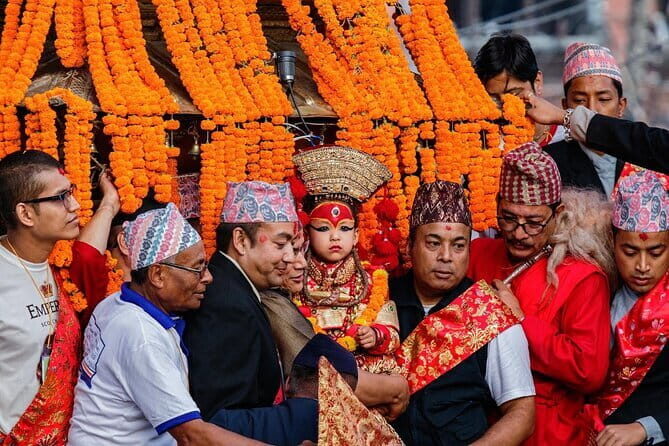
- Kumari Chowk viewing moment: a short, focused window to see Kumari in her traditional setting.
- Ason Bazar market time: a proper introduction to Kathmandu’s old commercial streets—spices, textiles, and everyday shopping.
- Kathmandu Durbar Square visit: UNESCO-listed palace-temple complex with courtyards you can actually explore.
- English-speaking guide: helpful context so the sights make sense, especially if it’s your first trip.
- Small group size: max 20 travelers helps the walk feel like a tour, not a crowd-control exercise.
The Living Goddess Kumari: what this visit really means
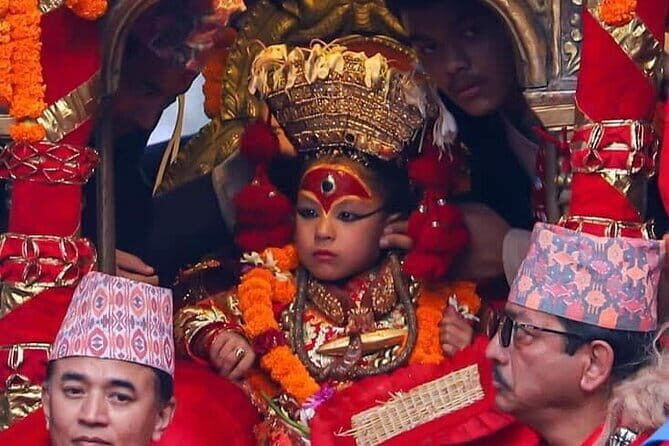
The headline is Kumari, Kathmandu’s living goddess. In Nepali culture, Kumari is considered the living incarnation of the goddess Taleju, and she resides in the Kumari Ghar. On this tour, you don’t just hear the story from a distance—you reach the area where Kumari is traditionally seen, at Kumari Chowk.
What I like about this setup is that it’s time-smart. You get a dedicated stop (about 10 minutes) rather than trying to hunt for the right spot on your own. And because the stop is paired with Ason Bazar and Kathmandu Durbar Square, you’ll understand Kumari’s role inside the broader religious and civic center of Kathmandu.
One consideration: the Kumari moment is brief. If you’re the type who wants long photo time or endless lingering, this won’t be that kind of experience. But for a first-time visitor, short and meaningful often beats long and confusing.
You can also read our reviews of more walking tours in Kathmandu
Ason Bazar market walk: your fast primer on Kathmandu street life
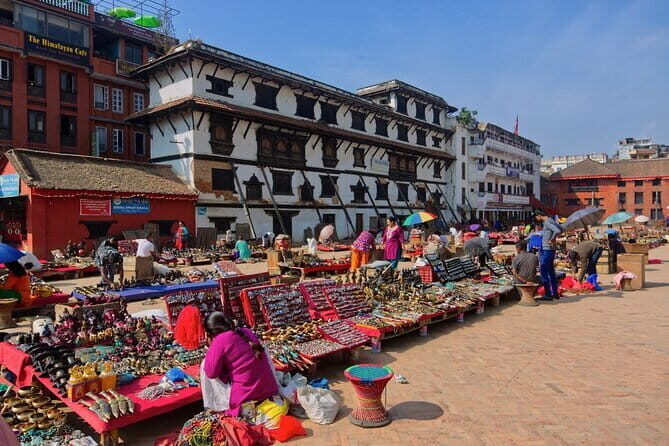
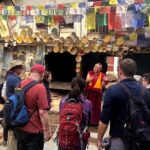
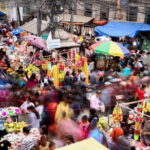
Ason Bazar is one of Kathmandu’s oldest market areas, and the tour uses that fact well. You’ll walk through the market area around 30 minutes, covering streets where people buy and sell things that feel like they’ve been part of daily life for ages.
Here’s what you can expect to notice:
- Shopping variety: you’ll see stalls connected to everyday needs, plus classic souvenirs.
- Market goods: spices, textiles, and instruments are specifically called out, so you’re not guessing what you should look for.
- Local rhythm: you’ll be walking with a guide, which matters because markets have their own logic—alleys, side stalls, and patterns that only click with a little explanation.
This is also where you’ll feel the contrast. Thamel has tourist energy; Ason is more local in feel. That shift is part of the value. You’re not just touring temples—you’re seeing how the city actually runs around them.
Practical tip: bring your pace-down gear. Markets reward slow watching. Don’t try to see everything in 30 minutes; pick 2 or 3 things to focus on—say spices and textiles—and let the rest blur a little.
Kathmandu Durbar Square: UNESCO sights plus the Kumari context
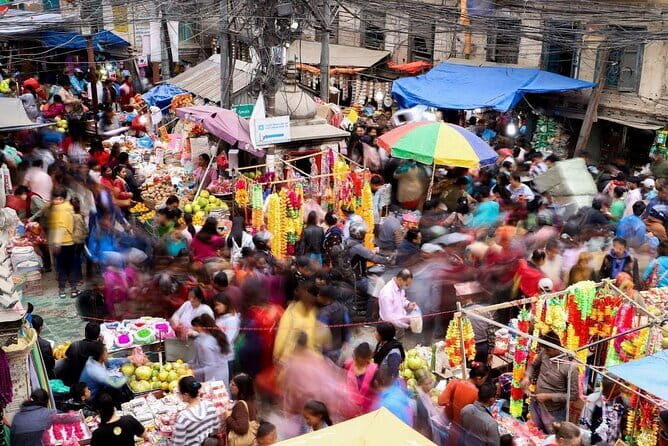
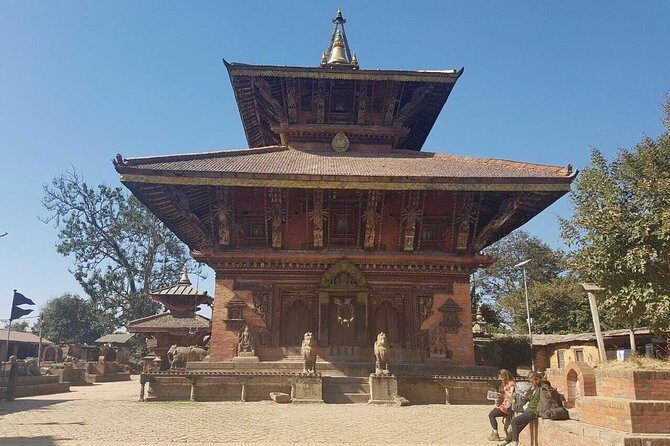
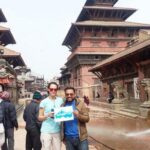
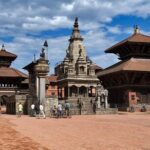
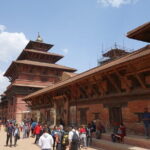
After the market, the walk moves to Kathmandu Durbar Square. This palace complex sits in the heart of Kathmandu and is UNESCO-recognized for its temples, courtyards, and intricate architecture.
You’ll spend about 1 hour here, which is enough to do a solid circuit without turning it into a marathon. The important connection is that the area includes the Kumari House, the place tied to Kumari’s tradition. So by the time you’re back at Kumari Chowk for the viewing stop, you’re not going in cold.
What to look for during your hour:
- Courtyards and temple architecture: the complex is built for slow looking, not one-and-done photo stops.
- The civic-religious feel: palace-temple spaces in Kathmandu aren’t museum-quiet; they feel like living heritage.
- The layout: Durbar Square helps explain why Kumari is so culturally anchored rather than treated like a random attraction.
A drawback to consider: entrance fees are not included. The tour lists monument entrance fees of NPR 1000 per person. If you arrive assuming everything is covered, you’ll have an annoying moment at the gate. I’d mentally add that cost before you go, so it feels like a line item rather than a surprise.
Kumari Chowk: the short viewing window you’ll remember
The Kumari Chowk stop is about 10 minutes and is listed as admission free. This is the moment most people come for: witnessing Kumari during her traditional viewing.
I like how the tour makes this the center of the experience without stuffing it into a long, unfocused stop. In a small window, you can actually pay attention. You’ll also have the benefit of guide context from earlier stops, so it doesn’t feel like you’re just standing and waiting.
A practical piece of advice: stay alert to what your guide says about where to stand and when to move. In crowded historic centers, the right position and the right timing matter. Keep your movements smooth and let the group flow.
And yes, people often talk about Kumari’s presence as powerful. Even if you’re coming with curiosity rather than belief, it’s one of those moments that lands in your memory.
Walking the loop: from Thamel into the old market, then back again
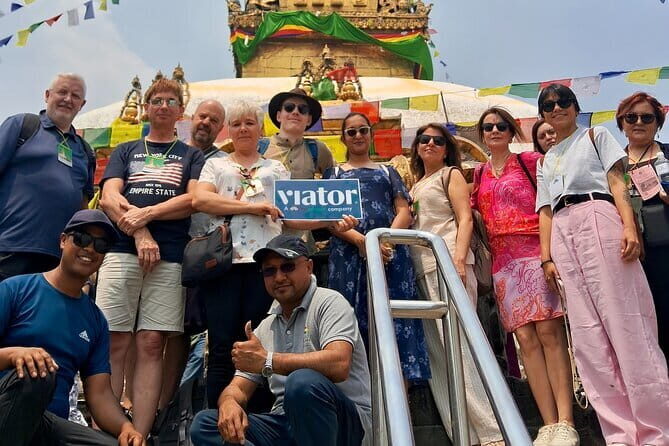
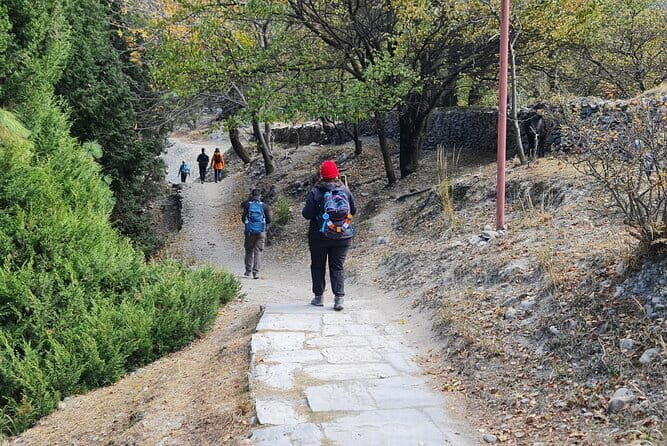
The walk is designed like a loop. You meet at Chhaya Devi Complex, then head through Thamel Market, entering Ason Bazar, and after Durbar Square and Kumari Chowk, you return toward Thamel and can keep exploring Ason Bazar areas further if you want more time.
This matters for how first-timers experience Kathmandu. It’s easy to feel turned around in your first day. A structured walk gives you:
- a sense of the city’s layout,
- the geography between neighborhoods,
- and a natural way to continue sightseeing afterward without re-planning everything.
If you’re planning your first morning or early afternoon, this kind of loop is a smart way to get oriented. You’ll likely know where you want to return on your own—whether that’s market browsing, temple details, or just finding a calmer place to rest.
You can also read our reviews of more shopping tours in Kathmandu



Price and logistics: does $40 make sense for this route?
At $40 per person, this is a guided 2-hour experience with an experienced English-speaking guide and company service charge and tax included. Group size maxes at 20, which helps the tour feel personal rather than hectic.
What’s extra:
- Monument entrance fees: NPR 1000 per person
- Tips for the guide
- Food and beverages
So is it good value? For most visitors, yes—because you’re paying for a guide to connect the dots between three big elements:
1) an old market district (Ason Bazar),
2) a major UNESCO complex (Kathmandu Durbar Square),
3) and a culturally central living goddess viewing (Kumari Chowk).
If you tried to do this alone, you’d spend time sorting out logistics and likely lose the explanations that make the stops click. The price feels most fair when you treat it as a guided orientation plus one major cultural moment, not as a full-day sightseeing program.
One more detail that helps: a mobile ticket is included. That reduces friction, especially if you’re moving between areas and don’t want to manage paperwork.
Who should book this tour (and who might prefer something else)
This tour fits best if:
- it’s your first time in Kathmandu and you want quick city context,
- you want the Kumari experience but prefer it structured and guided,
- you enjoy local markets and don’t want only temples and viewpoints.
It might be less ideal if:
- you hate walking in crowded historic areas,
- you want long stays at major sites (this is about 2 hours total),
- you’re trying to avoid any extra on-top fees (monument entrance fees apply).
For solo travelers, it’s a good option because the guide handles the route. For couples or small groups, it’s also practical since the experience is capped at 20.
Should you book the Oldest Local Market + Living Goddess Kumari walk?

I’d book it if you want a compact, meaningful Kathmandu introduction. The combination is the win: Ason Bazar gives you everyday texture, Kathmandu Durbar Square anchors the cultural setting, and Kumari Chowk delivers the once-in-a-lifetime stop.
Before you decide, do two quick checks:
- Budget for the NPR 1000 per person monument entrance fee and plan a tip.
- Be mentally ready for a short Kumari viewing window. It’s not a long, slow ritual—you’re there for a focused look.
If that fits your travel style, this is an efficient way to see something genuinely specific to Kathmandu, without spending your day figuring it out.
FAQ
How much does the Oldest Local Market Walking Tour with Living Goddess Kumari cost?
It costs $40.00 per person.
How long is the tour?
The duration is about 2 hours.
Where do I meet the tour?
You meet at the main gate of Chhaya Devi Complex (Chhaya Center), Amrit Marg, Kathmandu 44600, Nepal.
Where does the tour end?
The tour ends back at the meeting point.
What does the tour include?
It includes an experienced well English-speaking tour guide, plus company service charge and tax.
What is not included?
Monument entrance fees (NPR 1000 per person), tips for the guide, and food & beverages are not included.
Do I need to pay admission fees for the monuments?
Yes. Monument entrance fees are listed as NPR 1000 per person. The Kumari Chowk stop is listed as admission free.
Is there a mobile ticket?
Yes, the tour includes a mobile ticket.
What is the maximum group size?
This activity has a maximum of 20 travelers.
What is the cancellation policy?
You can cancel for a full refund up to 24 hours in advance. If you cancel less than 24 hours before the experience starts, the amount paid is not refunded.