REVIEW · KATHMANDU
Everest Base Camp Trek
Book on Viator →Operated by Nepal Hiking Adventure Company - Private Day Tours · Bookable on Viator
Everest Base Camp is the kind of goal that changes you. This 14-day trek is built around the big hits: Lukla flights, Namche acclimatization, monasteries like Tengboche, and a final push to Kala Patthar for Everest dawn views. I like that the route is timed for acclimatization instead of pretending altitude is optional, and I also like how much attention the plan gives to Sherpa culture along the way, from museums to quiet monastery stops.
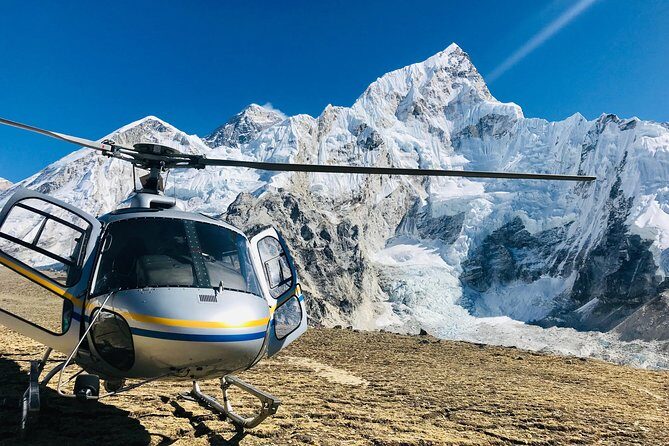
Here’s the one consideration to keep front and center: the Lukla flight is weather-dependent. If flights get delayed or canceled, your schedule can shift fast, even with a solid team trying to make it happen.
In This Review
- Key points at a glance
- Why a 14-Day Everest Base Camp Trek Feels More Human
- A realistic look at difficulty
- Kathmandu Kickoff in Thamel: Getting Ready Without Stress
- Lukla Flights and Phakding: The Trek Starts Before the First Step
- Namche Bazaar Entrance Day: Suspension Bridges and Big-Region Context
- Namche Acclimatization: Sherpa Museum and the Everest View Hotel
- Tengboche to Dingboche: Monasteries, Rhododendron, and Imja Khola Views
- Dingboche Rest Day: The Smart Pause Before Lobuche and Gorak Shep
- Lobuche and the Memorials: When the Trek Gets Serious
- Everest Base Camp Day: The Icefall Connection and a Proper Base Camp Visit
- Kala Patthar for Dawn: One Big Climb, Then the Descent to Pheriche
- Pangboche and the Return Route: Old Monasteries on the Way Down
- Lukla Back, Kathmandu Transfer, and Your Final Free Day
- Price and Logistics: What $1,300 Really Buys You
- Who This Trek Fits Best (and Who Should Reconsider)
- Should You Book This Everest Base Camp Trek?
- FAQ
- What is the duration of this Everest Base Camp trek?
- Where does the trip start?
- How do you get to Lukla?
- Does the itinerary include acclimatization?
- How high do you go on the trek?
- What key cultural stops are included?
- What meals are included?
- What does the $1,300 price include?
- How big is the group?
- What happens if flights are canceled due to weather?
Key points at a glance
- Lukla to Khumbu timing: early flights and an itinerary that uses rest days and gradual climbs to help you cope with altitude
- Culture you can actually visit: Sherpa Museum, Tengboche, and Pangboche monastery stops built into real trekking days
- Big-view days are planned: Everest View Point in Namche, then Kala Patthar at 5,550m for dawn
- The Base Camp day is structured: after lunch you reach Everest Base Camp and get time to tour the area and glacier
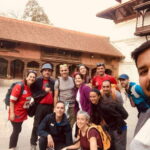
- Small group size: maximum of 8 travelers, which usually means less chaos on trail logistics
- Support from named guides and porters: the feedback highlights calm, hands-on guidance (Ram, Amer, Gore, Prakash, Bishnu, Rajesh)
Why a 14-Day Everest Base Camp Trek Feels More Human
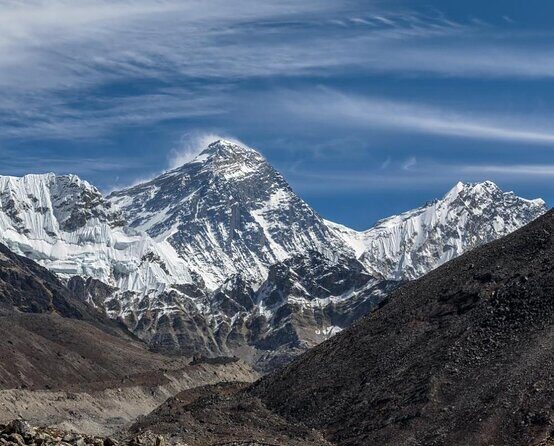
Everest Base Camp is a long way from “one big hike.” It’s a chain of days where your body needs time to adjust, and where the rhythm matters as much as the scenery.
This 14-day version gives you that rhythm. You’re not just climbing—you’re building altitude tolerance with a real acclimatization day in Namche Bazaar (3,440m / 11,283ft). Then you get another built-in pause later, in Dingboche. Those are the days that make the harder sections more manageable.
I also like that you get more than a view-only experience. You’re in Sagarmatha National Park country, yes, but you’re also walking through Sherpa communities and monastery settings that make the Everest region feel lived-in, not staged.
You can also read our reviews of more hiking tours in Kathmandu
A realistic look at difficulty
You’ll need moderate fitness for this trek. The itinerary calls out “moderate physical fitness level,” and that’s the right expectation. You’re trekking at altitude for many hours on most days, often with uneven trail and thin air. If you tend to struggle with long uphill stretches, you’ll want to train before you go.
And again: flights can affect everything. Lukla is famous for its tricky runway, and the trek depends on you getting there and back.
Kathmandu Kickoff in Thamel: Getting Ready Without Stress
Your first day is straightforward: pickup from the airport and a drive to a hotel near Thamel, where you’ll meet your team and do a pre-trip briefing.
Why this matters: EBC isn’t just about endurance. It’s also about having the right plan for cold weather layers, pacing, hydration, and how to handle altitude. That pre-trip meeting is the moment to ask blunt questions—about your guide’s strategy, what pace you’ll keep, and what you should do if you feel off on higher days.
You also get two nights in Kathmandu on a bed-and-breakfast plan (Hotel Kailash Kutee or a same-category alternative). For most people, that’s enough time to settle in, organize gear, and sleep at an altitude your body will recognize.
Lukla Flights and Phakding: The Trek Starts Before the First Step
Day 2 is the classic Everest shock: you take an early flight of about 40 minutes from Kathmandu (or Ramechhap) to Lukla. The flight time is short. The impact isn’t.
Your schedule also reflects something practical: flights can be canceled or delayed due to local factors and weather conditions. The trip plan builds in the reality that you might have to roll with changes.
After landing, you walk to Phakding, northwest of the village, for your first night in the Khumbu area. It’s a useful first trekking day because it helps you:
- get used to hiking at altitude without going too hard
- practice steady pacing (not sprinting to “feel good”)
- settle into the lodge rhythm that repeats through the trek
Namche Bazaar Entrance Day: Suspension Bridges and Big-Region Context
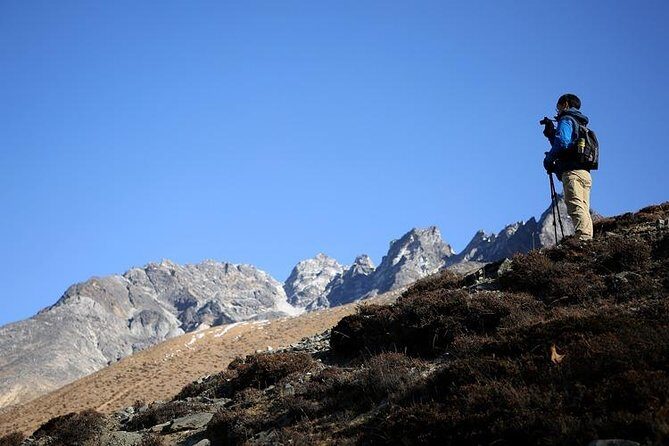
Day 3 transitions you into the Everest region’s main gateway. You start after breakfast trekking along the western bank of Dudh Koshi, cross two small suspension bridges near Monjo, and continue onward toward Namche Bazaar.
This day is interesting because it’s not yet the “highest” moment, but it sets the cultural tone. You’ll see how daily life runs in Khumbu villages and how trails connect communities.
Then on Day 4 you get the key acclimatization block: staying in Namche Bazaar (3,440m / 11,283ft). This is where a good guide earns their pay. You’re not conquering anything on paper; you’re letting your body adjust.

Namche Acclimatization: Sherpa Museum and the Everest View Hotel
Namche has two jobs in this itinerary: help your altitude adjust and give you time for meaningful stops.
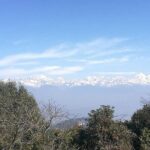
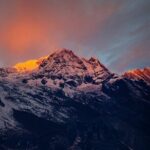
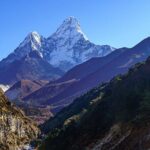
One highlight is Everest View Point, where you’ll get a serious look at the mountain range. The plan also includes time to visit the Sherpa Museum, described as a terrific place to learn Sherpa culture and mountaineering history. If you’re the type who wants meaning behind the scenery, these two stops are worth your energy.
The route also references Hotel Everest View for mountain perspectives from one of the highest-placed hotel areas in town. Even if you don’t stay there, the viewpoints are part of why Namche feels like the Everest region’s hub.
Practical tip for this day: keep movement gentle. You’re training your body to handle altitude, not testing your pride.
Tengboche to Dingboche: Monasteries, Rhododendron, and Imja Khola Views
By Day 5 you move into a higher, more dramatic zone, heading to Tengboche. This is one of the itinerary’s cultural peaks, with time and atmosphere around Tengboche Monastery.
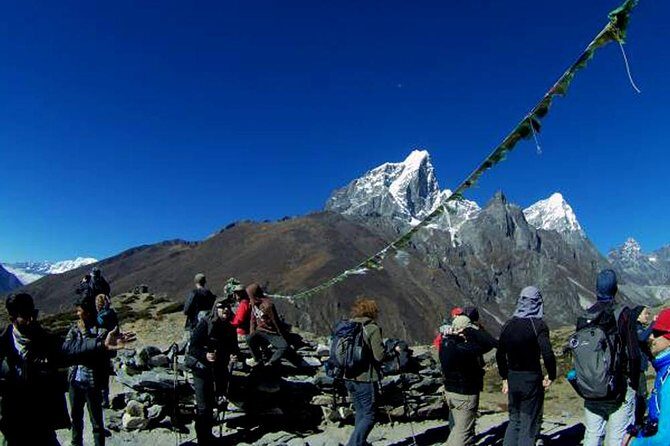
That day matters for a simple reason: monasteries are often the calmest places in the region, and they help break up the intensity of altitude trekking. You’ll have views framed by stone, prayer flags, and mountain air that feels extra sharp.
Day 6 shifts toward Dingboche. The hike moves through rhododendron forests and meadows and includes a stop at the Buddhist nunnery at Deboche, plus scenery around Imja Khola. The route also references peaks like Island Peak and Amphu Laptsa Peak passing through the broader walking region, which is a reminder that you’re not just walking “a path”—you’re moving through a full high-mountain system.
If you like photography, this is a good day for it, but don’t overdo it. The real goal is arriving with enough energy for the next section.
Dingboche Rest Day: The Smart Pause Before Lobuche and Gorak Shep
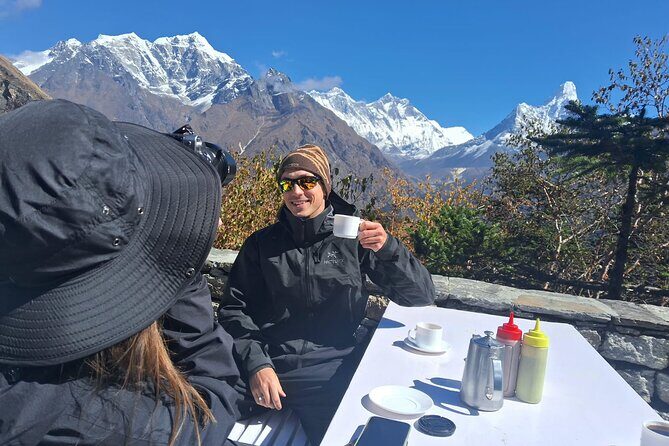
Day 7 is a rest day in Dingboche. The plan even gives you flexibility: you can relax, take an easier walk, or choose a full day off if you need it.
That flexibility is valuable. Everyone’s acclimatization timing is slightly different. If you feel heavy-headed or tired, you’ll be glad you can slow down here.
Also, this is where I’d lean on what the feedback emphasizes about good guides. In the stories from past trekkers, guides like Ram (and support from porters such as Amer) were praised for keeping people calm and supported through tougher moments. A rest day is where that reassurance makes a real difference, because you need to trust the pacing plan, not fight it.
Lobuche and the Memorials: When the Trek Gets Serious
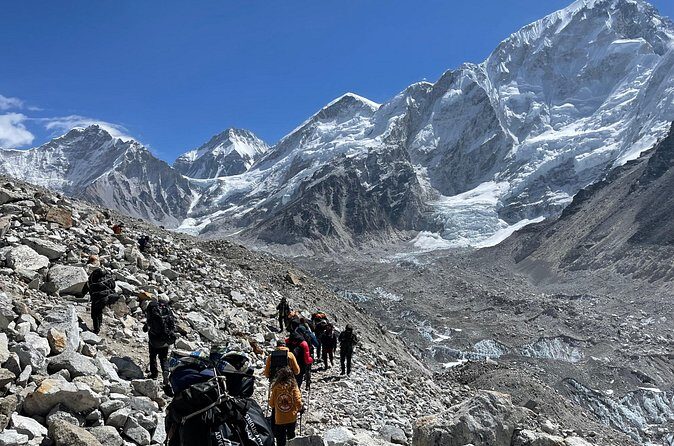
Day 8 takes you toward Lobuche, and the route includes time to pass Dughla village and its memorials for Sherpas who lost their lives on Everest trips.
This is one of those moments where the whole trek’s meaning sharpens. You’ll still get big views—like Kalar Pattar and Pumori in the broader region—but the memorial stops add weight. If you’re carrying a family member’s reason for being there, or you just want to feel connected to the people behind the history, plan to slow down here and take it in.
The walking also follows the Khumbu Glacier moraine area, which is part of the visual transition from “green and village trekking” toward “glacier world.”
Everest Base Camp Day: The Icefall Connection and a Proper Base Camp Visit
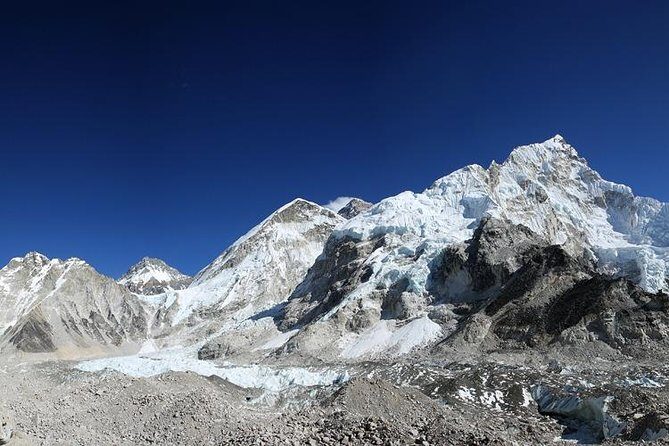
Day 9 is split into two parts. After lunch you continue toward the Khumbu Icefall and Everest Base Camp. The trail crosses stony dunes, moraines, and streams. Then you tour Base Camp and the glacier area.
This is the day many people remember most clearly. It’s not just the final arrival—it’s the way the terrain changes as you get closer, and how the icefall zone signals that you’re near the Everest infrastructure of expeditions.
After that, you reach Gorak Shep for the lodge overnight. The itinerary describes checking into your lodge, which matters because it sets you up for the sunrise push next day.
Kala Patthar for Dawn: One Big Climb, Then the Descent to Pheriche
Day 10 is the highest-elevation push: Kala Patthar (5,550m). The schedule is built around Everest dawn views, with the climb taking about two hours after breakfast timing.
This is where I’d think less about speed and more about steadiness. At this altitude, your pace should feel slower than you expect. The payoff is the kind of view that makes the exhaustion feel briefly worth it.
After sunrise viewing, you descend back toward Gorak Shep, have breakfast, then trek on toward Pheriche for the overnight (the plan notes a full six-hour stretch).
Pangboche and the Return Route: Old Monasteries on the Way Down
Day 11 takes you toward Namche’s side again, passing Pangboche monastery, described as the oldest monastery in the area. The route also includes descending via Tangboche toward Phungithanka, then continuing trekking onward.
Why this matters: the return isn’t just a victory lap. It’s still altitude movement, and your job is to keep your legs happy while enjoying the slower, reflective mood that often comes after the biggest view day.
Day 12 heads back to Lukla through Sherpa hamlets and includes crossing the Hilary suspension bridge. That’s the kind of iconic crossing that helps your brain register that you’re really leaving the high country.
Lukla Back, Kathmandu Transfer, and Your Final Free Day
Day 13 flies from Lukla back to Kathmandu or Ramechhap. During busy seasons, the plan notes flying to Ramechhap due to air traffic at Kathmandu, and that includes driving to Ramechhap in peak periods.
This portion can feel anti-climactic after Kala Patthar, but it’s also a relief. You’re finally moving through the “logistics layer” instead of the altitude layer.
Day 14 ends with airport transfer to Tribhuvan International Airport, and you’re free to start other plans based on your departure time.
Price and Logistics: What $1,300 Really Buys You
At $1,300, this trek is priced for people who want their flights, food, and core on-the-ground support handled. Here’s what you get that usually costs extra when you try to DIY:
- Airport pickup and final departure drop-off
- All fees and taxes
- Flight ticket for clients on the KTM–Lukla–KTM route or Ramechhap–Lukla–Ramechhap, plus a drive to Ramechhap on peak season
- Flight ticket for the guide as well
- Two nights in Kathmandu (bed-and-breakfast)
- Meals included across most days: breakfast (13), lunch (11), dinner (11)
You’re also traveling in a small group (maximum 8 travelers). That size can reduce the “herding cats” feeling, especially on trail mornings and at busy lodge check-ins.
What’s not included is just as important for budgeting: personal expenses, beverages, and tips for guide/driver. Alcohol is available only for people over 18, if offered at the lodges.
One more detail that matters: you get a mobile ticket, which can simplify entry and confirmation steps.
Who This Trek Fits Best (and Who Should Reconsider)
This trek suits you if:
- you can manage long trekking days with altitude
- you want a structured plan with acclimatization days instead of pushing nonstop
- you care about Sherpa culture, monasteries, and museums, not just summits
It may not fit well if:
- you’re expecting guaranteed flights with zero schedule changes (Lukla is weather-sensitive by nature)
- you want a fully relaxed pace every day—this is still demanding, even with rest days
Also, because the group size is capped at 8, it’s a good pick if you prefer small-group handling over big-tour chaos.
Should You Book This Everest Base Camp Trek?
I’d book it if your main goal is to reach Everest Base Camp with a guide-led plan that takes altitude seriously and builds in the cultural stops that make the region feel real. The value is strongest when you factor in flights, Kathmandu nights, and multiple meals, plus the small-group setup.
I’d think twice if your travel dates are strict and non-flexible. Even with a good team, weather can disrupt Lukla flights, and the itinerary expects that reality. If you can give yourself breathing room, you’ll handle those bumps better—and you’ll enjoy the trek for what it really is: a long, moving journey toward the world’s most famous mountain, with enough structure to keep you safe and enough time to actually experience it.
FAQ
What is the duration of this Everest Base Camp trek?
The trek runs for about 14 days.
Where does the trip start?
You start in Kathmandu, with pickup from the airport and a hotel near Thamel for your first days.
How do you get to Lukla?
You fly early from Kathmandu (or Ramechhap) to Lukla, with a flight time of about 40 minutes.
Does the itinerary include acclimatization?
Yes. You spend an acclimatization day in Namche Bazaar and also have a rest/optional day in Dingboche.
How high do you go on the trek?
You reach Kala Patthar at 5,550m for the top viewpoint day.
What key cultural stops are included?
The route includes the Sherpa Museum in Namche, Tengboche Monastery, and Pangboche Monastery.
What meals are included?
Breakfast is included 13 times, lunch 11 times, and dinner 11 times.
What does the $1,300 price include?
It includes airport pickup/drop-off, all fees and taxes, client flights (KTM–Lukla–KTM or Ramechhap–Lukla–Ramechhap), guide flights, two nights in Kathmandu with breakfast, and the meals listed above.
How big is the group?
The maximum group size is 8 travelers.
What happens if flights are canceled due to weather?
The experience requires good weather, and if canceled due to poor weather you’ll be offered a different date or a full refund.