REVIEW · KATHMANDU
Everest Base Camp Trek
Book on Viator →Operated by Welcome Nepal Treks P.ltd · Bookable on Viator
Everest starts with a short flight and thin air. From Kathmandu, you fly to Lukla, trek via Phakding and Namche, and then push on to Everest Base Camp and Kala Patthar. I love the built-in acclimatization stops and the steady climb that doesn’t feel like a straight assault.
I also like the human touch: guides such as Pradip (often called Master Zi or Big Z) get praised for keeping you confident on tough ground and for spotting wildlife along the way. The support team and small-group size (up to 15) help the plan feel controlled even when things like Lukla flights don’t cooperate.
The trade-off is the altitude grind. You’ll work daily from Namche onward, with high points around 5,545m, and tea-house rooms can be basic and cold. Go only if you’re ready for early starts and lots of walking.
Key points to know before you go
- Classic Everest Base Camp route with Namche Bazaar, Tengboche monasteries, Dingboche, Lobuche, Base Camp, and Kala Patthar
- Acclimatization built into the schedule at Namche and Dingboche, not just added advice
- Practical support system: an experienced guide plus porter support (1 porter for 2 people) so you travel lighter
- Comfort where it counts: 3-star Kathmandu hotels with A/C and attached baths before and after the trek
- Lukla flight disruption plan: rescheduling first; helicopter is possible but at your expense if needed
- Included meals and essentials reduce daily decision fatigue on the trail
In This Review
- Why Everest Base Camp Still Feels Like Nepal’s Main Trek
- Price and Logistics: What You’re Really Paying For
- Kathmandu Start: Airport Meet, 3-Star Comfort, and a Clean Reset
- Fly to Lukla, Trek to Phakding: The Start That Sifts Out the Unprepared
- Namche Bazaar and Tengboche: Sherpa Culture Plus a Serious View Payoff
- Dingboche and Lobuche: Acclimatization Meets the Long Grind
- Gorakshep to Everest Base Camp: The Reward Section (and the Reality)
- Kala Patthar: The Morning You Plan Your Legs Around
- The Descent Back: Pheriche to Namche to Lukla
- Lodges, Meals, and Daily Comfort: What’s Included and What to Expect
- Gear and Fitness: The Altitude Reality Check
- Who This Trek Suits Best (and Who Should Rethink It)
- The Support Factor: Guides, Agents, and Real Problem-Solving
- Should You Book This Everest Base Camp Trek?
- FAQ
- FAQ
- What time does the trek start from Kathmandu?
- How are airport transfers handled?
- What kind of hotels do you get in Kathmandu?
- What is the porter support like?
- Are meals included during the trek?
- What about water on the trail?
- Is there help if flights to or from Lukla are delayed or canceled?
- How expensive is the helicopter option if needed?
- What’s the luggage weight limit on domestic airlines?
- Is there a cancellation option with a refund?
Why Everest Base Camp Still Feels Like Nepal’s Main Trek
An Everest Base Camp trek isn’t a sightseeing loop. It’s a long, altitude-shaped story told one tea-house night at a time. If you want the classic Khumbu experience—Sherpa culture, monastery stop-offs, and that slow build toward the Everest view—this route is built for exactly that.
What stands out is how the schedule manages your body. You start at Kathmandu (about 1,320m) and move into the high-country gradually, with rest and acclimatization days at key points. That matters because thin air isn’t a vibe; it’s a physical demand.
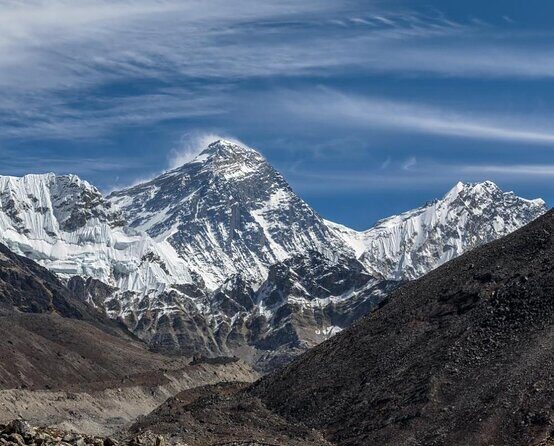
The other big reason to take this trek seriously is the endgame. Kala Patthar (about 5,545m) is a highlight because it puts you above the base-camp area for big sunrise views, weather permitting. You’re not just hiking—you’re chasing one of the most famous mornings in the world.
Price and Logistics: What You’re Really Paying For
The cost is $1,500 per person for about 14 days. At this price, you’re not just buying a route map. You’re paying for a whole support bundle: airport transfers, Kathmandu hotels, guide and porter staffing, TIMS card fees, a first-aid kit, and most meals on trek.
The value gets better because the package is designed to reduce friction:
- Airport pickup and drop via private vehicle
- Two nights in 3-star standard hotels in Kathmandu (on arrival and after trekking)
- Lodge/tea-house stays during the trek
- Breakfast included every trek day (14 breakfasts total), with lunch and dinner included on most trek days
You still need to budget for what’s not included: travel insurance (important), and your own meals/drinks in Kathmandu plus alcohol and non-alcohol drinks on the trail. Also plan for tips and small daily costs like snacks and hot drinks.
One more thing: mobile ticket is mentioned, which usually means your domestic flight tickets are handled in a modern, paperwork-light way. It’s a small detail, but on trek, small details are peace-of-mind.
You can also read our reviews of more hiking tours in Kathmandu
Kathmandu Start: Airport Meet, 3-Star Comfort, and a Clean Reset
Your trip begins at Tribhuvan International Airport around 5:30am. After you land, you’ll be met by an airport representative for a name-based greeting and then transferred to your Kathmandu hotel. If you already booked your own Kathmandu hotel, you share that detail so the meeting time can be set by email.
The Kathmandu hotels are described as 3-star standard with attached bathrooms, A/C, and 24 hours running hot and cold shower. That A/C and hot shower piece sounds basic until you’ve been walking all day at altitude. Kathmandu is where you recharge and sleep like a normal human before the real work begins.
You’ll also have some Kathmandu time benefits built into the trip: help with local logistics, plus dinners around the trip (a farewell dinner in Kathmandu is specifically mentioned). Just remember: lunch and dinner while you’re in Kathmandu are not fully included, so you’ll want a little cash for meals and entrance fees.
Fly to Lukla, Trek to Phakding: The Start That Sifts Out the Unprepared
After Kathmandu, the plan moves fast in the best way: an early flight to Lukla (about 2,886m), then a trek down to Phakding (about 2,640m). Day 2 is about getting your legs moving and understanding that every step counts more in the Khumbu.
Lukla is where many people feel the “this is real” moment. The air is thinner right away, and you’re starting to climb immediately through the valley system. The good news is that this first trek day is shorter than what comes later, and it sets up the next transition into Namche Bazaar.
You also get an important practical advantage here: porter support is included. The package notes a porter ratio of 1 porter for 2 people, and that your main luggage goes with the porters. You carry a day pack with essentials like water, camera, sunscreen, spare jacket, and similar items.
For many first-timers, that single decision—lighter main bag on your back—can be the difference between enjoying the trek and feeling punished by it.
Namche Bazaar and Tengboche: Sherpa Culture Plus a Serious View Payoff
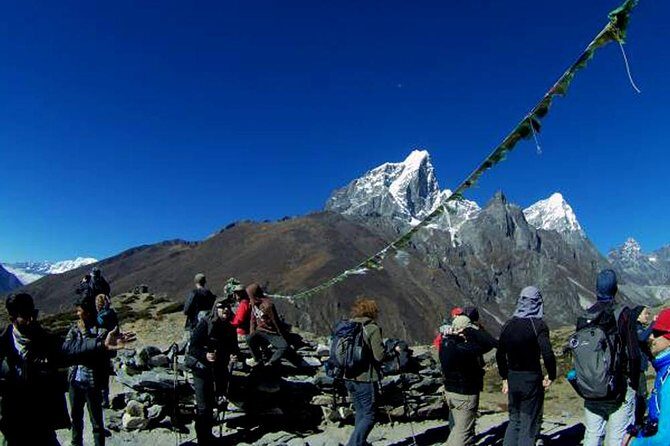
Once you reach Namche Bazaar (about 3,440m), the trekking stops being only about movement. It becomes about rhythm. Day 3 is the walk into Namche, and Day 4 is an acclimatization day there.
Namche as a base is practical: it’s high enough that you’re training your body, but it’s also established enough to make rest days feel useful rather than wasted. It’s described as an ideal place for acclimatization before heading onward toward Tengboche.
Then comes Tengboche (about 3,867m). This is a key stop because it’s tied to monasteries and spiritual atmosphere. You’re not just passing through a scenic village. You’re stepping into a place where culture and mountains are part of everyday life.
Expect days to be steady rather than rushed. The trek times listed for these segments are around 6 hours, which is a good sign: you’re walking long enough to make altitude work, but not so long that you’re constantly cooked before your next sleep.
Dingboche and Lobuche: Acclimatization Meets the Long Grind
After Tengboche, the route pushes toward Dingboche (about 4,260m). This segment isn’t just higher—it’s drier, steeper, and more demanding. The plan includes a further acclimatization day back at Dingboche, which is exactly the kind of pause you want before going higher.
From Dingboche, you then head toward Lobuche (about 4,930m). Day 8 includes a lunch at Dugla (around 4,595m) before continuing to Lobuche. Those “in-between” stops are valuable because they turn a hard day into manageable chunks.
This is also where the porter system matters. Your legs are doing more work at altitude, but your pack weight stays reasonable if you pack smart. The trek portion is set up so you carry a day pack and let the support team handle the heavier luggage.
And tea houses here can be basic compared with Kathmandu. The deal is: you trade comfort for altitude access. If you’re expecting hotel-level service at 5,000m, you’ll have a bad time.
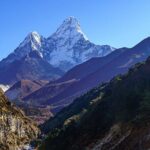
Gorakshep to Everest Base Camp: The Reward Section (and the Reality)
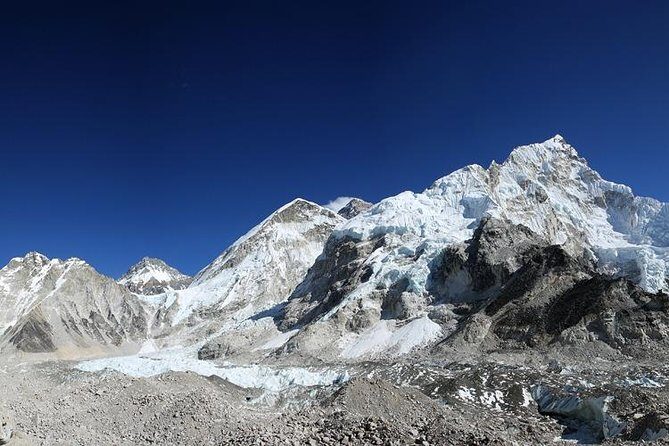
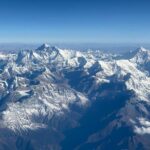
The route then moves to Gorakshep (about 5,140m) and onward to Everest Base Camp (about 5,364m). This part is described as the most rewarding section of the trek, and it usually is.
Practically, it’s also one of the toughest stretches. You’re climbing at a point where every breath feels expensive. You’ll want to pace yourself, not power-walk. If your plan is to control effort early, you’ll get more energy for the important moments later.
This is also where guides can make a huge difference. In the experience summaries tied to this trek, Pradip is repeatedly praised for expert navigation through difficult terrain and for knowing the mountain area well enough to help you feel safe. There are also notes about wildlife spotting—small moments that can break up the monotony of steep, rocky walking.
If you’re someone who gets anxious when conditions change, a steady guide matters more at altitude than in normal travel.
Kala Patthar: The Morning You Plan Your Legs Around
After spending time around Everest Base Camp and Gorakshep, the next big move is Kala Patthar (about 5,545m) followed by trekking down to Pheriche (about 4,243m).
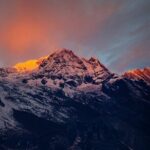
Kala Patthar is often treated as a must-do, but it’s not a casual side quest. It’s high, it’s exposed, and it’s very sensitive to weather. What makes it so powerful is that it gives you a higher vantage point over the base-camp area for sunrise views, when conditions line up.
Even if you’re not chasing photography, this is a morale moment. You see how far you’ve come and you understand why this region is legendary. And then you start descending, which is good for your mind and your knees.
The Descent Back: Pheriche to Namche to Lukla
The return route follows the logic of altitude reduction:
- Pheriche to Namche Bazaar (coming back down to about 3,440m)
- Namche Bazaar to Lukla (back to about 2,886m)
- Then the early flight to Kathmandu
The trek down to Namche can feel easier physically, but don’t underestimate it. Descents can be harder on your body than you expect. Still, you’ll likely feel the difference in your breathing once you’re dropping in elevation.
You’ll board the early flight from Lukla back to Kathmandu on the second-to-last day. Then you get dropped off at Tribhuvan International Airport for departure, with about a 1-hour transfer time mentioned.
Lodges, Meals, and Daily Comfort: What’s Included and What to Expect
On trek, you’ll stay in Mt. Lodge and local tea houses, described as clean and comfortable, but not luxurious. Twin share is the norm. Single supplement accommodation is available for an extra $200, if you request it.
Meal coverage is one of the biggest “set-and-forget” benefits of this package. You get:
- 14 breakfasts
- 11 lunches
- 11 dinners
In Kathmandu, lunch and dinner while you’re in the city aren’t included. On trek, meals are taken at lodges, and lunch is chosen by your guide on available days.
Water is handled in a practical way: normal water is available for free, and they recommend water purification pills. You can also buy bottled water or boiled water along the way. If you want to avoid stomach trouble, plan to purify every time.
Electricity is available in some villages for charging camera batteries, and solar power is mentioned in some places. You may need to pay small fees for charging, so bring spare batteries and keep your charging plan realistic.
Gear and Fitness: The Altitude Reality Check
This trek is listed for people with strong physical fitness. That doesn’t mean athletes only. It means you should be able to walk for roughly 6 hours a day (many days), carry a day pack, and keep a steady pace without overheating or collapsing.
Pack light for your day pack. The program explicitly suggests you carry the essentials and keep your main luggage with porters. If you bring too much, you’ll pay for it in fatigue even with support.
Also pay attention to domestic airline luggage rules: the weight allowance mentioned is 15 kg including hand bag. Excess weight can be charged (at least $1 or more), which can add up if you pack heavy.
For health and planning, travel insurance is not optional here. In flight disruption cases involving Lukla, the plan is to reschedule flights for the following day when possible. If that fails, helicopter transport can be arranged at your expense (minimum $500 per person, depending on group size). The company asks that your insurance cover flight cancellation for at least that amount so you can claim.
Who This Trek Suits Best (and Who Should Rethink It)
This works well for you if:
- You want the classic Everest Base Camp itinerary with Namche and Tengboche included
- You prefer a guided, organized approach with porter support
- You’re okay with tea-house lodging and want the mountain experience more than hotel comfort
- You value culturally meaningful stops, including monastery areas
It might be a mismatch if you:
- Want luxury accommodations during the trek
- Get nervous at altitude and don’t have the fitness to manage a slow, steady pace
- Expect meals in Kathmandu to be fully covered every day
If you’re traveling with a service animal, note that service animals are allowed on this experience.
The Support Factor: Guides, Agents, and Real Problem-Solving
The strongest repeated praise centers on guidance quality. Pradip is mentioned with multiple nicknames (Master Zi and Big Z) and repeatedly described as a highlight for knowledgeable mountain handling, safety-minded navigation, and wildlife spotting. Another guide name, Pradam/Laxman, shows up in separate mentions too, again with a strong focus on experience and making the days feel manageable.
There’s also praise for the pre- and post-trip support. The agent Niti is described as professional and organized, with answers provided and smooth handling. And there’s even a real-world example of the company arranging a last-minute helicopter return when needed, which tells you they don’t just follow a script when the mountains change the plan.
Should You Book This Everest Base Camp Trek?
If you want a classic Everest Base Camp trek with solid logistics and a guide who can help you move safely in high terrain, I’d say this is a strong choice. The package covers the big uncertainty pieces—transfers, Kathmandu lodging, porter support, and most meals—so you can focus on altitude and enjoying the route.
But you should book only if you can commit to the physical side. Tea houses get basic. Cold mornings happen. The altitude is the main character, and you need to respect it.
One more practical check before you commit: make sure your travel insurance is serious enough for flight issues, since Lukla disruptions can lead to helicopter costs. If you handle that, you’ll be set up to enjoy what this trek is best at: the Sherpa towns, monastery atmosphere, and the long-awaited Everest views from Base Camp and Kala Patthar.
FAQ
FAQ
What time does the trek start from Kathmandu?
The meeting/start time at Tribhuvan Airport is listed as 5:30am.
How are airport transfers handled?
The tour includes airport pickup and drop using a private car/van/bus.
What kind of hotels do you get in Kathmandu?
In Kathmandu, the package includes two nights in standard 3-star hotels with A/C, attached baths, and hot/cold shower.
What is the porter support like?
A porter is included with a ratio of 1 porter for 2 people, so your main luggage can be carried while you take a day pack.
Are meals included during the trek?
Yes. The package includes 14 breakfasts, and it lists 11 lunches and 11 dinners on trek. Meals in Kathmandu are not fully included.
What about water on the trail?
Normal water is available for free, and the info recommends using water purification pills. You can also buy bottled water or boiled water.
Is there help if flights to or from Lukla are delayed or canceled?
The plan is to reschedule your flight for the following day if canceled, depending on availability. If needed, a helicopter can be hired at your expense.
How expensive is the helicopter option if needed?
The info states helicopter costs start at a minimum of US$500 per person, depending on group size.
What’s the luggage weight limit on domestic airlines?
The info mentions a 15 kg allowance including your hand bag; excess weight may be charged.
Is there a cancellation option with a refund?
Yes. Free cancellation is allowed up to 24 hours before the experience start time for a full refund.