REVIEW · KATHMANDU
Fixed Departure Tibet Overland Group Joining Tours.
Book on Viator →Operated by Outshine Adventure Pvt Ltd · Bookable on Viator
Road-tripping Tibet feels like a privilege. This fixed-departure group tour from Kathmandu blends big mountain views with major monasteries and real road time, so you get culture and scenery in one sweep. I especially like the English-speaking Tibetan guide plus an operation that handles the Tibet paperwork, which matters a lot here. One watch-out: you’ll start early and drive over high passes around 4,794m to 5,220m, so you need a calm head and realistic expectations about altitude.
What you get for the price is practical: twin-share rooms, bed-and-breakfast, van or bus transport, monastery entrance fees, and the Tibet Travel Permit are included. You also get a smallish group capped at 30, which keeps the trip social without turning it into a moving crowd. The possible drawback is simple: lunch and dinner aren’t included, so budget for meals on top of the tour price.
In This Review
- Key highlights I’d plan around
- Fixed Departure from Kathmandu: what your 8 days is really built for
- The 5:15am start and Kerung border day: where trips can feel tight
- High passes and altitude reality: Gyatchu La plus two Lhasa approaches
- Gyantse valley culture: Tashlhumpu, Kumbum, and Dzong-style atmosphere
- Lhasa approach: Yamdrok Tso and the Brahmaputra on the drive
- Lhasa day 1: Potala Palace winter palace views plus Barkhor and a museum stop
- Lhasa day 2: Drepung and Sera plus the temple-and-monastery circuit
- Hotels, meals, and group comfort: twin-sharing and breakfast rules
- Guides and organization: why Asmita and Gokul show up in the story
- What to know before you go: passport timing, permits, and packing for temple days
- Should you book this fixed-departure Tibet overland group tour?
- FAQ
- Where does this tour start, and when is the meeting time?
- How long is the tour?
- What’s the group size?
- What’s included in the price?
- What is not included?
- What passport timing do I need for Tibet?
- Does the route include high passes?
- What stops are part of the major sightseeing in Lhasa?
- What happens on the last day, and what about cancellation refunds?
Key highlights I’d plan around
- Pickup offered from Kathmandu, so you’re not scrambling at the start
- Tibet Travel Permit included, plus a clear passport timeline before departure
- High-altitude road route, including Gyatchu La (5,220m) and two passes near Lhasa
- Lhasa sightseeing with the Potala winter palace + Jokhang-area stops, not just quick photos
- Monastery entrance fees included, so temples are more than window dressing
- Guides credited for organization, with Asmita and Gokul repeatedly noted for smooth planning
Fixed Departure from Kathmandu: what your 8 days is really built for
This is an overland, group-style way to reach Tibet from Kathmandu, with a start time of 5:15am and a plan that concentrates on the classic sights people come for: Lhasa, major monasteries, and the surrounding cultural stops. The big idea is that you don’t spend all your time transiting. You drive the distance, then you actually get guided access to temples and history-heavy sites.
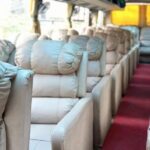
The price tag—$1,300 per person—isn’t just paying for a seat on a bus. It includes the big-ticket friction pieces for Tibet: the Tibet Travel Permit and the logistics that help you enter without turning the trip into a paperwork project. You also get breakfast (included for seven mornings), monastery entrance fees, and transport by van or bus.
That makes this tour a strong fit if you want structure. If you’re the type who hates missing details—especially when the itinerary involves permits and early starts—this kind of fixed departure can feel like relief.
Group size is capped at 30, so you’ll feel the group energy, but it usually won’t turn into a chaotic mob at each stop. Still, keep in mind this is twin-sharing accommodations. If you need a single room, single supplement costs are not included.
You can also read our reviews of more tours and experiences in Kathmandu.
The 5:15am start and Kerung border day: where trips can feel tight
Day 1 begins early with a morning wake-up and a drive to Kerung Border. The plan is straightforward: drive through countryside, clear border formalities, then continue the uphill drive toward Kerung.
Why this matters for you: early starts are normal on Tibet road trips, but your energy still counts. You’ll want to be ready with water, snacks if permitted, and a “slow and steady” mindset. Border formalities can take time. When you’re already on the clock, you’ll feel it more if you show up unprepared.
The good news is that the tour’s structure aims to remove guesswork. You’re traveling as part of a group with arranged transport, and the guide is on hand from the start, so you’re not trying to translate everything yourself in the most stressful moment of the trip.
If you’re sensitive to long waits, this is the day to mentally buffer for delays. If you’re okay with a long morning followed by a night of rest, you’ll handle it.
High passes and altitude reality: Gyatchu La plus two Lhasa approaches
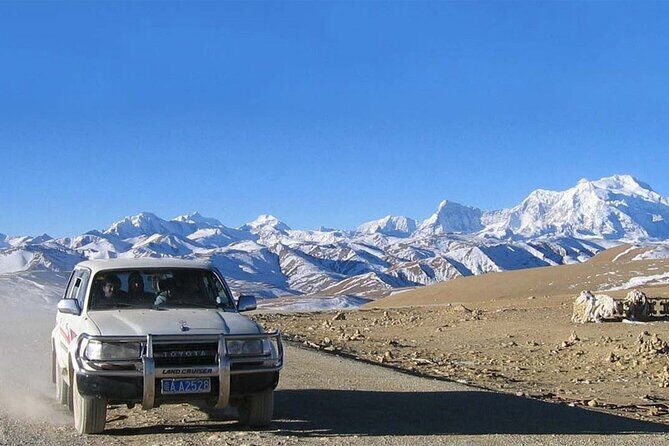
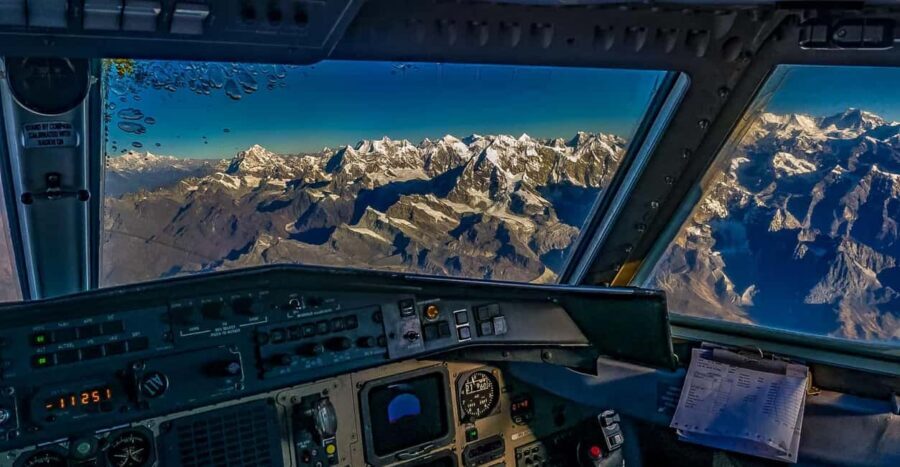
Overland Tibet is not gentle. The route builds in dramatic altitude changes, and the tour specifically includes major passes: Gyatchu La (5,220m) on the way to Shigatse, plus Karo La Pass (5,010m) and Kamba La Pass (4,794m) as you approach Lhasa.
Here’s the practical truth: you’re going to feel the air. Even if you’re fit, altitude can still affect sleep, appetite, and breathing. Since the tour is by van or bus, you can’t pace yourself like you would with hiking. Instead, you pace yourself by how you move—slow breathing, hydrate consistently, and don’t turn sightseeing stops into sprint sessions.
What I like about this style of routing is that you’re not just “passing through.” You get time for scenic pauses and you’re driven with the route’s rhythm in mind. That helps you enjoy views without constantly worrying whether you’re doing the math on elevations in your head.
If you have any altitude concerns, this is where you should be extra honest with yourself before booking. You might find the cultural payoff huge, but the physical demands are real.
Gyantse valley culture: Tashlhumpu, Kumbum, and Dzong-style atmosphere
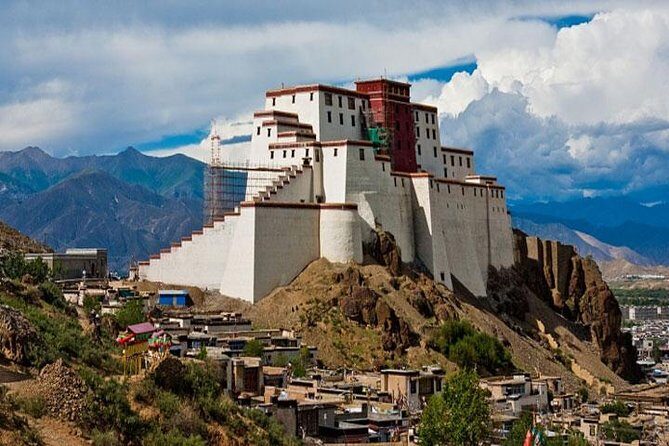
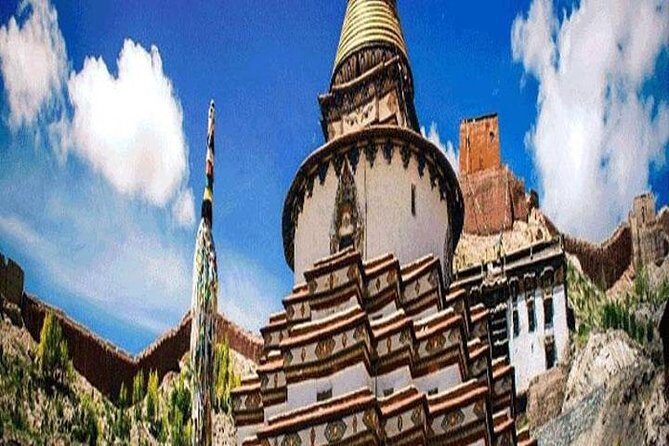
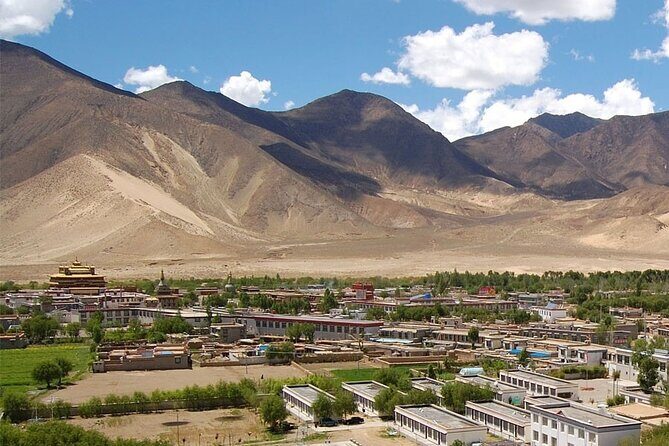
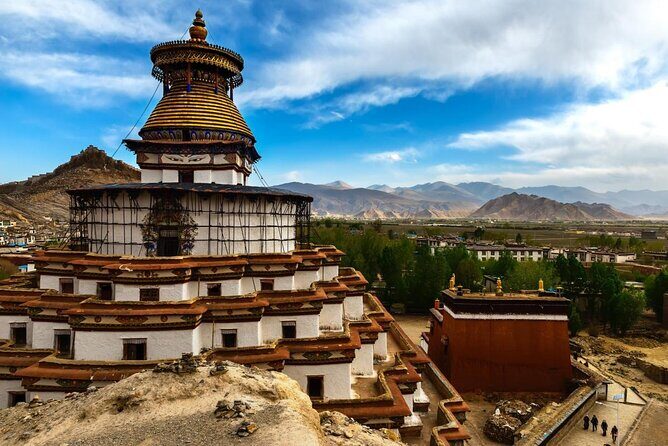
One of the strongest cultural blocks is the Gyantse area. The tour’s plan includes Tashlhumpu Monastery, plus stops around Gyantse valley, with Gyantse Kumbum and Gyantse Dzong highlighted among the key sights.
This is the kind of day where monasteries feel less like distant landmarks and more like places with daily presence. The monasteries and structures here give you a sense of Tibetan religious life beyond the Lhasa spotlight. Even if you don’t know the exact names of every chapel or courtyard feature, guided time helps you understand what you’re looking at: why these buildings were built, how the spaces function, and what the symbols mean.
Potential drawback: this day is still travel-heavy. You’ll be driving through villages and then switching into sightseeing mode. You’ll want a light day pack and comfortable shoes, because temple visits usually mean lots of walking at altitude.
Also remember monastery entrance fees are included, which is great. It’s one less payment line item, and it lets you focus on the experience rather than admin.
Lhasa approach: Yamdrok Tso and the Brahmaputra on the drive
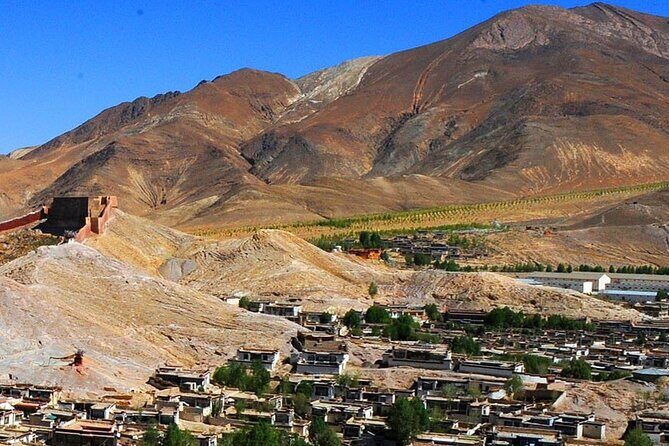
The drive into Lhasa is where your eyes start working overtime. The route includes scenic viewpoints tied to Yamdrok Tso (Turquoise Lake) and the Brahmaputra River.
This is more than postcard scenery. On an overland trip, these are the moments that reset your mood. After long road time and the pressure of high passes, a wide-water view gives you a mental break, plus a sense of scale. You start to understand why this region feels so mythic to people around the world.
You also cross two passes again on the approach to Lhasa: Karo La and Kamba La. That means you’ll likely feel the elevation push while still needing to pay attention for viewpoints. If you get motion sickness, bring what you usually use. The tour is organized, but it’s still a winding mountain drive.
Lhasa day 1: Potala Palace winter palace views plus Barkhor and a museum stop
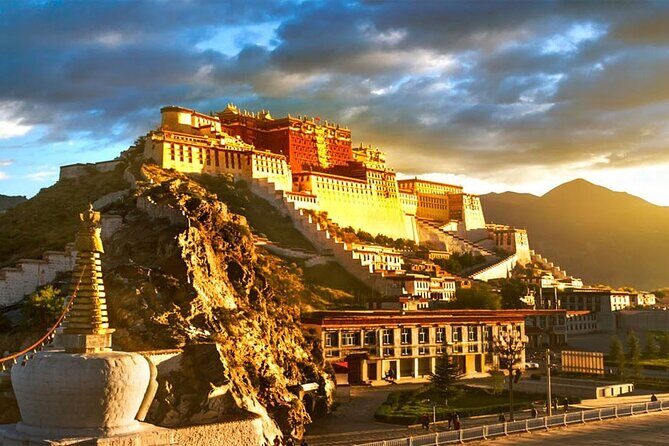
Your first full Lhasa sightseeing day focuses on major icons. The tour includes Potala Palace, described as the winter palace of the Dalai Lama, with sweeping views over Lhasa town from the palace area. You’ll also visit Norbulingka Palace, Barkhor Bazaar, and the Tibet Museum as part of the sightseeing mix.
I like this combination because it balances three ways of understanding Lhasa:
- Power and faith at Potala (the palace as a landmark and symbol)
- Daily life and courtly tradition at Norbulingka
- Street energy and local rhythms around Barkhor Bazaar
- Straight background context via a museum
Barkhor is especially useful when you’re trying to get your bearings fast. You’ll see how pilgrims move and how the surrounding neighborhood functions, and you’ll understand that Lhasa is not only a museum city. It’s a living religious hub.
Drawback to plan for: this is a big day of walking and standing. Even if you’re excited, pace yourself. Temples can be emotionally intense, and altitude can make that intensity feel sharper. Slow down, take breaks when you need them, and use the guide’s explanations so your time has meaning.
Lhasa day 2: Drepung and Sera plus the temple-and-monastery circuit
The second Lhasa sightseeing day leans into monastery history and religious study. You’ll visit Drepung Monastery (noted as the world’s largest monastery sheltered by 10,000 monks in the past) and Sera Monastery. The broader list of included religious sites also points to Jokhang Temple, Sakya Monastery, and Shalu Monastery as part of the overall program.
If Potala gives you the skyline, Drepung and Sera give you the texture. Large monastic complexes help you grasp how Tibetan Buddhism developed and how education and debate played a role in monastic life. Your guide’s job here is crucial: without explanations, you can see buildings and fail to understand why they matter.
One practical note: monastery circuits often mean you’ll be on your feet longer than expected. You’re traveling at altitude, too. Take the hydration seriously. If you’re prone to headaches, don’t “push through” out of pride. Tell the guide if you feel off.
The plan keeps you moving through the Lhasa highlights with a guided frame. That’s exactly what you want in a place where details can overwhelm you if you try to go solo.
Hotels, meals, and group comfort: twin-sharing and breakfast rules
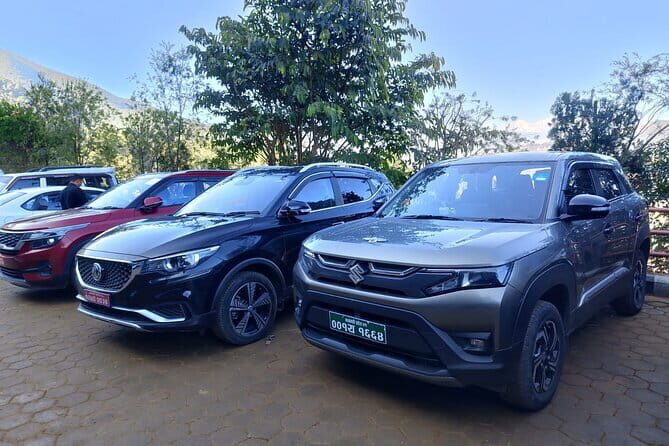
Accommodations are twin sharing rooms on a bed-and-breakfast basis. Transport is by van or bus, and monastery entrance fees are covered. Breakfast is included for seven mornings.
Lunch and dinner are not included. That means your budget needs buffer money for meals. It also affects timing: sightseeing days can run long, so you may want to plan for the possibility of eating later than your usual schedule.
The upside is that you won’t start each day hungry. The included breakfasts help your body handle the altitude day better than skipping food.
Also, pack for shared rooms. If you prefer privacy, you may end up considering a single supplement, but single supplement costs are not included in the base price.
Guides and organization: why Asmita and Gokul show up in the story
A Tibet permit trip lives or dies on planning. The tour includes the Tibet Travel Permit, and the agency takes care of the process so you can focus on the route and the sights.
In the on-the-ground guidance side, names come up clearly. Asmita is described as meeting guests and making sure everything needed for the trip is in place, while Gokul is credited with excellent English (and Spanish) and helping guests organize travel from Nepal into Tibet.
That matters for you because Tibet logistics aren’t just translation. They’re timing, document checks, and keeping the day’s flow intact when the border or roads take longer than you want.
Drivers also get credit for making the overland parts work smoothly. You’re dealing with winding roads and high-altitude passes. Even with good planning, the driver’s skill and the timing discipline affect comfort.
If you hate uncertainty, this kind of team-centered operation is a big reason this tour scores well.
What to know before you go: passport timing, permits, and packing for temple days
Before you book, understand the Tibet documentation timeline in plain language:
- You need your original passport at least 3 working days in advance for the Tibet visa process and booking confirmation.
- The Tibet tour permit needs booking confirmation at least 15 working days in advance.
If you leave these tasks until the last minute, you can end up stuck. This is the one area where you should move early—send documents on time and confirm the dates.
Now for the practical on-trip reality:
- You’re driving to elevations up to about 5,220m.
- You’ll be sightseeing in monasteries, which means walking, stairs, and time outdoors.
- You should bring layers. Even if the day feels warm, temple areas and high passes can feel cold when the sun shifts.
Finally, think about pace. This is a fixed group tour with a maximum of 30 travelers, which means you’ll follow the group rhythm. If you love solo wandering, you might find it limiting. If you prefer guided explanations and shared timing, you’ll like it.
Should you book this fixed-departure Tibet overland group tour?
I’d book if you want a structured, permit-supported route with major Lhasa monasteries, key cultural stops like Barkhor and the Tibet Museum, and scenic road highlights tied to Yamdrok Tso and the Brahmaputra. The value sits in the included basics that people often forget to budget for separately: transport, monastery entry, the Tibet Travel Permit, and bed-and-breakfast.
Skip or reconsider if you know you’ll struggle with altitude and early mornings, or if you’re very picky about meals and timing since lunch and dinner aren’t included. Also consider whether you’re comfortable with twin-sharing rooms.
If your goal is a guided, high-altitude Tibet intro without turning your trip into an admin project, this is a solid choice.
FAQ
Where does this tour start, and when is the meeting time?
It starts in Kathmandu, Nepal, with a start time of 5:15am. Pickup is offered.
How long is the tour?
The duration is 8 days (approx.).
What’s the group size?
The tour has a maximum of 30 travelers.
What’s included in the price?
Twin sharing rooms with bed and breakfast, an English speaking Tibetan guide, transport by van or bus, monastery entrance fee, the Tibet Travel Permit, and breakfast for 7 days.
What is not included?
Lunch and dinner are not included, and neither are train or air fares. Personal expenses like drinks and tips aren’t included, and visa fee, flight fare, and any single supplement (if needed) are not included.
What passport timing do I need for Tibet?
You need your original passport at least 3 working days in advance for Tibet visa and booking confirmation. For the Tibet tour permit, booking confirmation needs to be made at least 15 working days in advance.
Does the route include high passes?
Yes. The tour route includes Gyatchu La (5,220m), Karo La (5,010m), and Kamba La (4,794m).
What stops are part of the major sightseeing in Lhasa?
The included highlights include Potala Palace, Norbulingka Palace, Barkhor Bazaar, and the Tibet Museum, plus monasteries such as Drepung Monastery and Sera Monastery and temples such as Jokhang Temple.
What happens on the last day, and what about cancellation refunds?
On day 8, after breakfast you check out and drive toward Kathmandu or Mainland China. For refunds: you can cancel up to 6 days in advance for a full refund; cancel 2–6 days in advance for a 50% refund; cancel less than 2 days in advance and you won’t receive a refund.