REVIEW · KATHMANDU
Everest Base Camp Trek from Kathmandu 12 Days
Book on Viator →Operated by My Dream Adventure (MDA) · Bookable on Viator
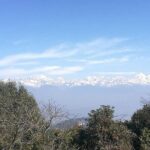
Everest Base Camp hits fast. The trip is built around iconic Himalayan views and a realistic, day-by-day trek rhythm that gets you from Kathmandu up into the Khumbu. You’ll fly in to Lukla, walk through Sherpa villages, and end at Everest Base Camp with the big peaks lining up again and again.
What I really liked is the mix of hiking and Sherpa culture. You pass through places like Namche Bazaar, Tengboche, and Dingboche, with monastery visits and village time that make the region feel human, not just scenic. And your English-speaking trekking guide (often Sherpa) brings context on history, culture, and wildlife, which makes those stops stick.
One thing to consider: this trek is physically demanding, and the altitude is real. You also rely on a flight to and from Lukla, so weather can add stress, even when everything is well organized.
In This Review
- Key takeaways before you go
- Price and Logistics: what $1,350 really buys you
- Kathmandu to Lukla: your first altitude reality check
- Phakding: an easy start that actually helps (Day 1)
- Namche Bazaar days: the acclimatization that earns its keep (Days 2–3)
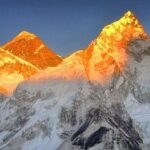
- Tengboche monastery views: where the photos feel worth it (Day 4)
- Dingboche: the altitude builds, but the village pace helps (Days 5–6)
- Lobuche and the Khumbu Khola: a tougher grind day (Day 7)
- Gorakshep to Everest Base Camp: when the glacier-side trail changes everything (Day 8)
- Back to Gorakshep: refuel like it matters (Day 8 night and Day 9 setup)
- Kala Patthar: early start, big payoff (Day 9)
- The return: Namche and Phakding on the way down (Days 10–11)
- Flying back to Kathmandu (Day 12)
- The guide and team factor: what you’re really paying for
- Accommodation and day-to-day comfort: guest houses aren’t luxury, but they’re practical
- Who this trek suits best
- Should you book Everest Base Camp from Kathmandu with My Dream Adventure?
- FAQ
- What is included in the trek price?
- Do I need to bring trekking permits?
- How do I get to the start of the trek?
- What kind of accommodation can I expect?
- How fit do I need to be?
- Can I cancel for a full refund?
Key takeaways before you go
- Lukla flight day sets the tone: You transfer from Kathmandu to the domestic terminal and fly up, then return at the end of the trek.
- Guesthouse nights are part of the deal: Expect simple accommodations in teahouses/guest houses along the route.
- You get built-in acclimatization time: The schedule includes rest and active days in Namche Bazaar and Dingboche.
- Everest Base Camp is only half the story: Kala Patthar is the other half, with an early start for dramatic views.
- Guides matter a lot here: English-speaking leaders, often Sherpa, help with pace, safety, and daily decisions.
- The package covers the hard-to-organize basics: Round-trip flights, permits, a first aid kit with your guide, and pickup/drop-off are included.
Price and Logistics: what $1,350 really buys you
At $1,350 per person for about 12 days, the value depends on what you’d otherwise have to arrange yourself. Here, you’re not just paying for a guide and a route. You also get the big operational pieces that can make Everest Base Camp feel like a mess if you DIY it: round-trip Lukla flights, trekking permits (including the TIMS card), an English-speaking guide, and hotel pickup and drop-off in Kathmandu.
You’ll also get guesthouse accommodation along the trek, plus a first aid kit carried with your guide. Personal expenses aren’t included, so budget for things like extra drinks, snacks, charging devices, and any upgrades you decide you want once you’re already on the trail.
One practical point: this is listed as a private trip, meaning it’s your group rather than a “shared with strangers” situation. At the same time, group discounts are mentioned as a feature, so if you can travel with friends or match with others through your booking channel, your total cost per person might improve.
You can also read our reviews of more hiking tours in Kathmandu
Kathmandu to Lukla: your first altitude reality check
Your journey starts with a transfer from your Kathmandu lodging area to the domestic terminal at the airport. Then you fly in the morning toward Lukla, the classic gateway to the Everest region.
This day is less about exercise and more about getting your bearings. You’re moving from city life to mountain life quickly, and that shift can make you feel strangely both excited and impatient. Lukla is where you begin the trek itself, so keep your expectations simple: get ready, check your gear, and don’t treat the first hours as a chance to “make up distance.” Save your energy. You’ll need it.
Also, because the flight is part of the included round trip, plan for the kind of uncertainty that comes with small-aircraft schedules. The good news: the program clearly aims to keep the flight process organized, which matters on a tight itinerary.
Phakding: an easy start that actually helps (Day 1)
After you meet your trekking guide in the Khumbu, you walk a few hours to Phakding. Today is described as short to support acclimatization, and that’s the right approach. Your goal isn’t to “finish strong” on Day 1—it’s to adapt, keep your breathing steady, and make sure your legs learn the rhythm.
Even if you feel good, don’t sprint. The altitude doesn’t care if you’re feeling brave. A slow start here sets you up to enjoy later segments instead of paying for early enthusiasm.
Namche Bazaar days: the acclimatization that earns its keep (Days 2–3)
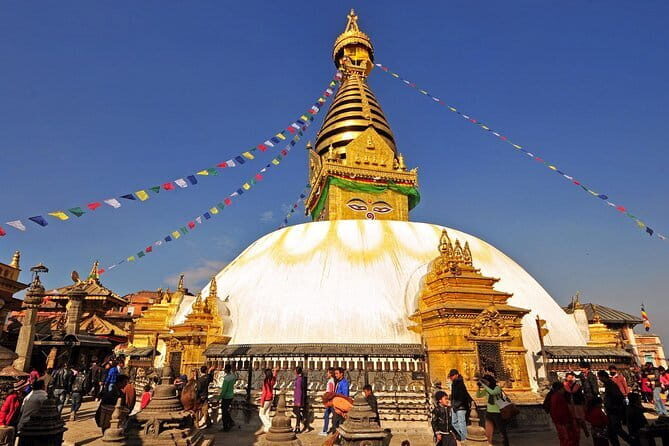
On Day 2 you hike to Namche Bazaar, about 6 hours on foot. The route follows the Dudh Koshi River along suspension bridges and through pine forests. This is the part where the trek starts to feel like a real journey: you’re not just walking through scenery, you’re moving through a living route.
Namche is also where you get your first major altitude management lesson. You’ll go high, but you also pause high. On Day 3, you stay active with options like a day hike to Thame or a visit to Khunde, or you can explore Namche Bazaar itself. The point of this rest day is simple: you stay moving, you don’t sit around feeling stiff, and you give your body a chance to adjust.
One more detail I like about this schedule: the program explicitly mentions Namche Bazaar Stupa time, which fits well with a rest/active day. You get a cultural anchor while still respecting acclimatization.
Tengboche monastery views: where the photos feel worth it (Day 4)
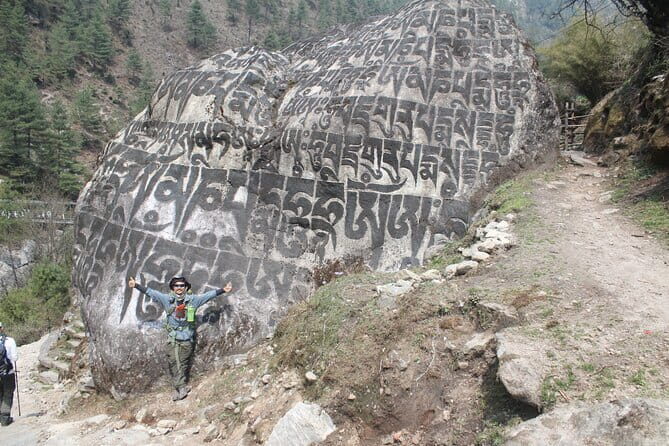
Day 4 leads you to Tengboche (around 6 hours). The trek is described as dusty and winding, with a monastery view payoff. There aren’t many hard ascents or descents, which makes this a good day for steady walking and photography without constantly fighting your legs.
Tengboche is also a mental checkpoint. By the time you arrive, you’ve already climbed enough that the views start to look serious. This is where a monastery visit makes sense, not as a box-checking stop, but as a moment to understand how spiritual life and mountaineering-era change coexist in the Khumbu.
My advice: bring layers you can manage easily. Some sections feel warm under sun, then cool quickly when clouds roll in.

Dingboche: the altitude builds, but the village pace helps (Days 5–6)
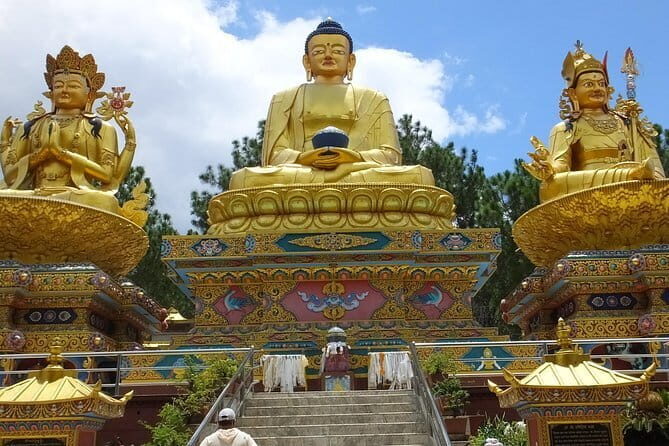
You reach Dingboche after trekking from Tengboche, about 7 hours on Day 5. The program notes a visit to the region’s oldest Buddhist monastery, then a route through alpine woods, passing Upper Pangboche and Shomare area landmarks before arriving.
Day 5 is often when people start noticing their bodies more. Not in a dramatic way—more like, you suddenly become aware of every breath. Don’t panic. That’s normal for this altitude zone.
Day 6 stays in Dingboche for another day of rest/adjustment (about 5 hours listed). You’ll be rewarded with views, but you’re also there to rest so you can finish the final push. This is exactly the kind of “small day” that matters on big mountains. Rest doesn’t mean doing nothing; it means you’re setting yourself up for the demanding days ahead.
Lobuche and the Khumbu Khola: a tougher grind day (Day 7)
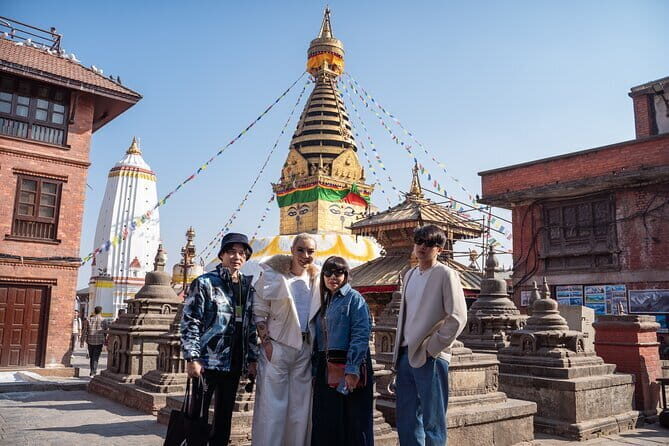
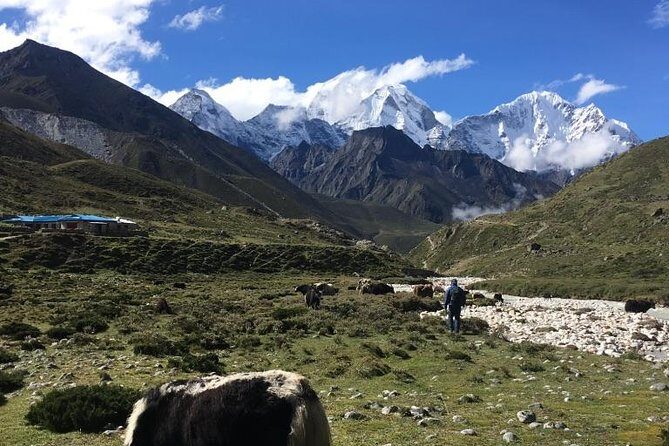
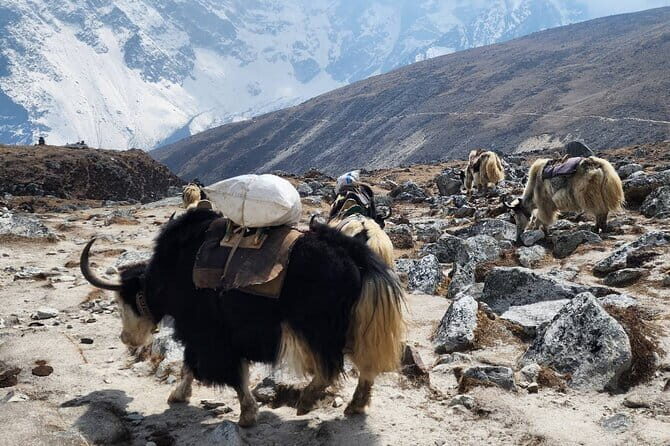
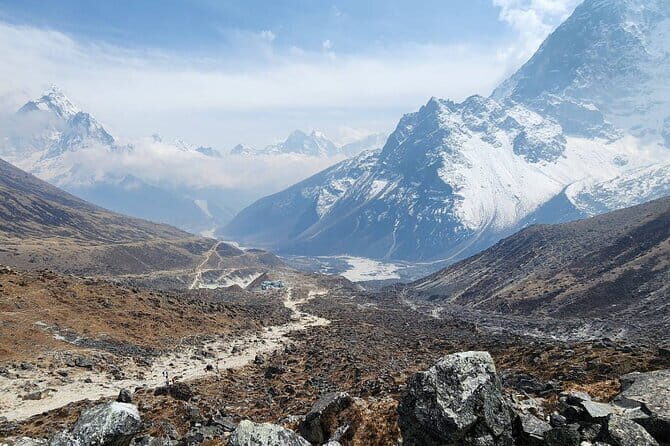
Day 7 heads toward Lobuche (around 7 hours). The climb is through the Khumbu Khola valley, with the route getting more difficult as you get closer to Dusa area segments. The program mentions massive boulders and mountain yaks passing by.
This is where you feel the trek shift from comfortable village-to-village walking to a more rugged, bumpy kind of progress. The advantage is that the scenery is dramatic and the yak sightings make the route feel less like a theme park. Your guide helps keep your pace controlled here, which is important because pushing too hard on a day like this can snowball into fatigue later.
Gorakshep to Everest Base Camp: when the glacier-side trail changes everything (Day 8)
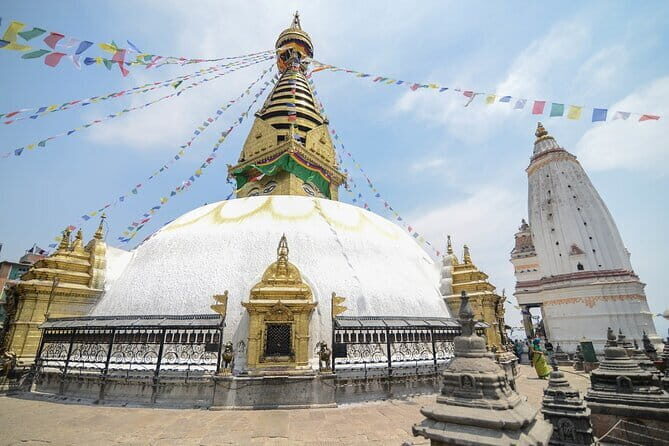
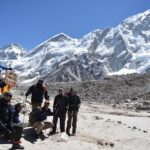
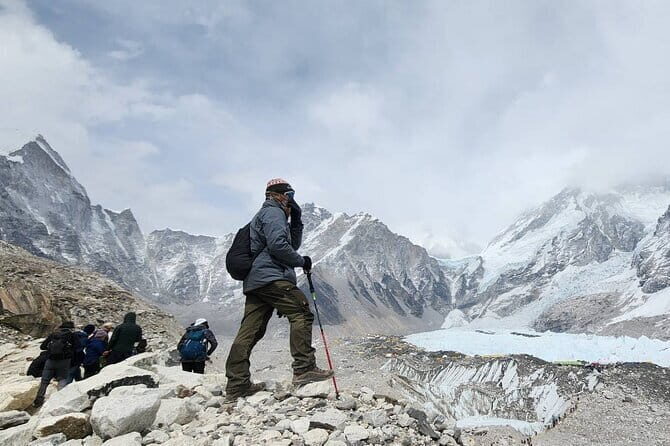
Day 8 is a long-feeling day with multiple parts. You first trek to Gorakshep (about 3 hours), and the route goes ahead through the side of the Khumbu Glacier. You pass a pyramid signpost, then continue toward Gorakshep.
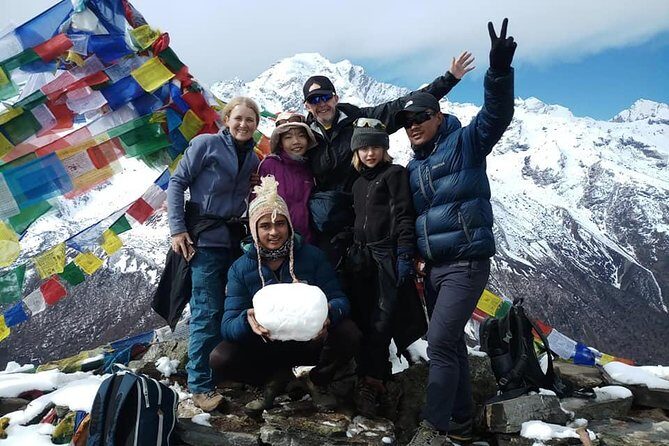
From Gorakshep you walk to Everest Base Camp (about 2 hours). This is the moment most people dream about. You’ll enjoy views of Mount Everest and surrounding giants from your Base Camp area. The program also emphasizes that this is the destination for the trek.
Here’s the practical takeaway: don’t burn all your energy reaching Base Camp. Treat it like arrival, not a sprint. Spend time there at a sustainable pace, soak in the scale, then plan your return to Gorakshep for overnight.
Back to Gorakshep: refuel like it matters (Day 8 night and Day 9 setup)
After time at Base Camp, you return to Gorakshep (about 2 hours listed) for overnight. This is a good time to do the unglamorous stuff: dry out socks if you can, hydrate, eat a proper meal, and keep your headlamp/batteries ready for an early morning.
If you’ve ever wondered why big treks sound “short” on paper but feel intense in real life, it’s because days like this are built around timing. Early starts and cold mornings require more recovery than you think.
Kala Patthar: early start, big payoff (Day 9)
Day 9 is where many people finally understand why the route includes this extra viewpoint. You make an early start to Kalapatthar (about 3 hours listed), which the program frames as one of the finest viewpoints in the trek.
From Kalapatthar, you get dramatic mountain views, and this is often the clearest “final boss” moment before the descent. After that, you descend back to Gorakshep and then continue down to Pheriche for overnight (about 4 hours).
If you want one piece of advice that improves the whole experience: dress for cold before you feel cold. At this altitude, conditions can change fast, and getting warm again can be slow.
The return: Namche and Phakding on the way down (Days 10–11)
On Day 10 you trek back following the route toward Dughla and along the Khumbu Khola valley. You pass back through Sherpa villages such as Pheriche and Ors. It’s about 6 hours.
Going down is its own challenge. Day 11 is listed as descending steeply downward, with advice to walk slowly and under control as rocky terrain fights your legs. That’s the truth: knees and shins feel it. I recommend taking longer breaks instead of longer strides.
You end Day 11 back in Lukla (about 3 hours listed), and that sets you up for your final flight.
Flying back to Kathmandu (Day 12)
On Day 12 you catch your morning flight from Lukla to Tribhuvan International Airport in Kathmandu. The flight time is listed as about 35 minutes. Then you return to Kathmandu life after a long mountain journey.
What I like about how this is framed is that Day 12 isn’t a “bonus trek day.” You get a clean finish with the included airport connection. Give yourself time to recover from cold, altitude effort, and the kind of walking that makes the rest of your body feel like it has a personal opinion about gravity.
The guide and team factor: what you’re really paying for
With Everest Base Camp, your guide isn’t just there for direction. You’re depending on good pacing, safety decisions, and acclimatization support. The program includes an English-speaking trekking guide, and it’s specifically noted that many guides are Sherpa with close trail knowledge.
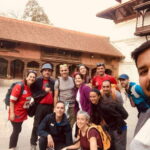
The names that show up in the guide stories—Milan, Bikram, Bishnu, and Sham—come with a pattern: strong organization, safety-first choices, and a friendly attitude that helps when the trail feels long. One common theme is that tea house stays and acclimatization planning are handled smoothly, which reduces the mental load you’d otherwise carry yourself.
It also includes a first aid kit with your guide. That’s not glamorous, but in high-altitude trekking, it matters.
Accommodation and day-to-day comfort: guest houses aren’t luxury, but they’re practical
Your lodging is in guest houses along the route. That usually means simple rooms, shared dining spaces, and the basics you need to rest and eat well. It’s not a hotel experience, and you shouldn’t expect it to be. But it’s the right trade for this trek. You’re too far from cities to rely on anything else.
A key value here is that the program includes accommodation as part of the package, rather than making you hunt for places day after day.
Who this trek suits best
This tour is built for people with strong physical fitness and a willingness to hike for hours each day at altitude. If you handle stairs, can do steady uphill walking, and keep a calm mindset when you feel the burn, you’ll likely enjoy this.
It’s also a good match if you care about culture as much as views. Namche Bazaar, Tengboche, Dingboche, and monastery stops make the trip feel like more than a peak checklist.
If you’re someone who wants a totally low-effort experience or expects to sprint through altitude, you’ll probably find the schedule demanding. Everest Base Camp demands respect.
Should you book Everest Base Camp from Kathmandu with My Dream Adventure?
If you want a guided, organized EBC trek that includes the core logistics—Lukla flights, permits, guide, and guesthouse nights—this package makes a lot of sense for the money. The best sign is that the trip is structured around acclimatization, not just walking time.
I’d book if you:
- want English-speaking guidance and help managing pace
- appreciate Sherpa culture stops, not just summit-style milestones
- prefer your flights and permits handled inside the package
I’d think twice if you:
- aren’t confident in your fitness level for steep, rocky downhill days
- don’t handle uncertainty around flights well
- expect hotel-grade comfort throughout the trek
FAQ
What is included in the trek price?
The package includes hotel pickup and drop-off in Kathmandu, round-trip flights between Kathmandu and Lukla, trekking permit and TIMS card, an English-speaking trekking guide, accommodation in guest houses, a first aid kit with the guide, and a private trip.
Do I need to bring trekking permits?
No. The trekking permit and TIMS card are included in the tour.
How do I get to the start of the trek?
You’ll be transferred to the domestic terminal in Kathmandu and then fly to Lukla. Lukla is the starting point for the Everest Base Camp trekking portion.
What kind of accommodation can I expect?
You’ll stay in guest houses during the trek.
How fit do I need to be?
You should have a strong physical fitness level. The itinerary includes multiple trekking days and a steep downhill return segment, so you need to be comfortable walking several hours at altitude.
Can I cancel for a full refund?
You can cancel up to 3 days in advance of the experience for a full refund. If you cancel less than 3 full days before the start time, the amount you paid won’t be refunded.