REVIEW · KATHMANDU
Kathmandu: Bhaktapur and Nagarkot Sunrise to Sunset Tour
Book on GetYourGuide →Operated by Mount Glory Treks · Bookable on GetYourGuide
Two mountains, one medieval city, and real perspective. I really like how Bhaktapur Durbar Square turns history into something you can walk through slowly, plus how Nagarkot gives you a shot at panoramic Himalayan views when the sky cooperates. The big catch is visibility: fog can soften the views and make the “Everest day” feel like a long guess.
This is also the kind of day trip where the guide matters. Guides such as Bikash and Phadi are praised for clear, fluent English and for explaining what you’re seeing in plain terms, then pointing out where to stand for photos that actually work.
Finally, keep your expectations realistic about the pace and the footing. Bhaktapur involves temples, stone steps, and uneven surfaces, and Nagarkot is a hilltop, so this isn’t a good match if you have mobility limits or you’re uneasy about heights.
In This Review
- Key highlights
- Bhaktapur Durbar Square: where medieval craft still shows
- Nagarkot Himalayan views: the sunrise-to-sunset gamble you can manage
- The Kathmandu drive: why the ride is part of the day
- Guided Bhaktapur walking: what you’ll actually see
- Taumadhi Square and Bhairab Nath Temple: small stops with big context
- Photo strategy at Nagarkot (and how guides help)
- Price and value: why $71 can make sense here
- What to pack and how to handle the “mountain day” weather
- Who should book this tour, and who should skip it
- Should you book the Kathmandu Bhaktapur and Nagarkot sunrise-to-sunset tour?
- FAQ
- Where is the pickup for this tour?
- How long does the tour take?
- Is the guide available in English?
- Is this a private group tour?
- What are the main stops during the day?
- Is Mount Everest guaranteed to be visible?
- Are monument entrance fees included?
- Are meals included?
- What should I bring?
- Is it suitable for people afraid of heights or with mobility issues?
- Are there any rules about photography?
Key highlights
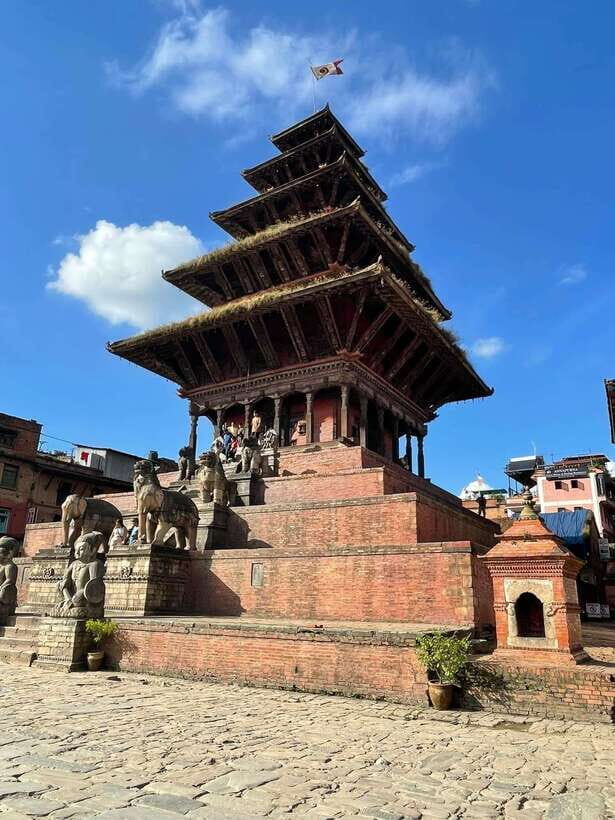
- UNESCO Bhaktapur Durbar Square: temples, palaces, and wood-and-stone details you’ll want to look at twice
- Nagarkot panoramic Himalayan views: possible Everest sighting on clear days
- Guides who explain in simple English: people like Bikash and Phadi focus on meaning, not just dates
- Photo-focused viewpoint tips: you get help finding the best angles at Nagarkot
- Taumadhi Square and Bhairab Nath Temple: small stops that add context to Bhaktapur’s layout
- A full-day rhythm: scenic drive plus a break in the mountains, timed for sunrise and/or sunset depending on start
Bhaktapur Durbar Square: where medieval craft still shows
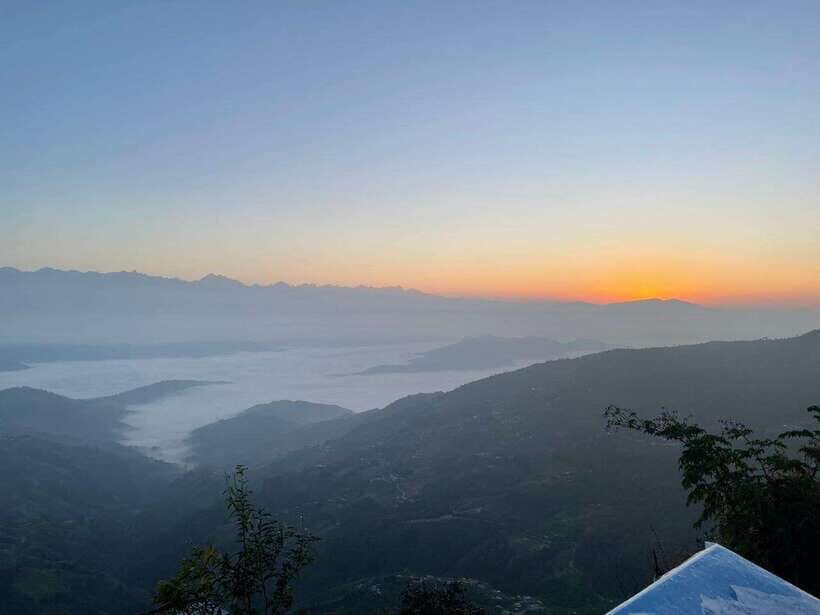
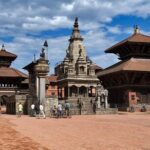
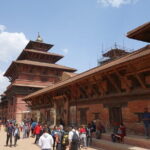
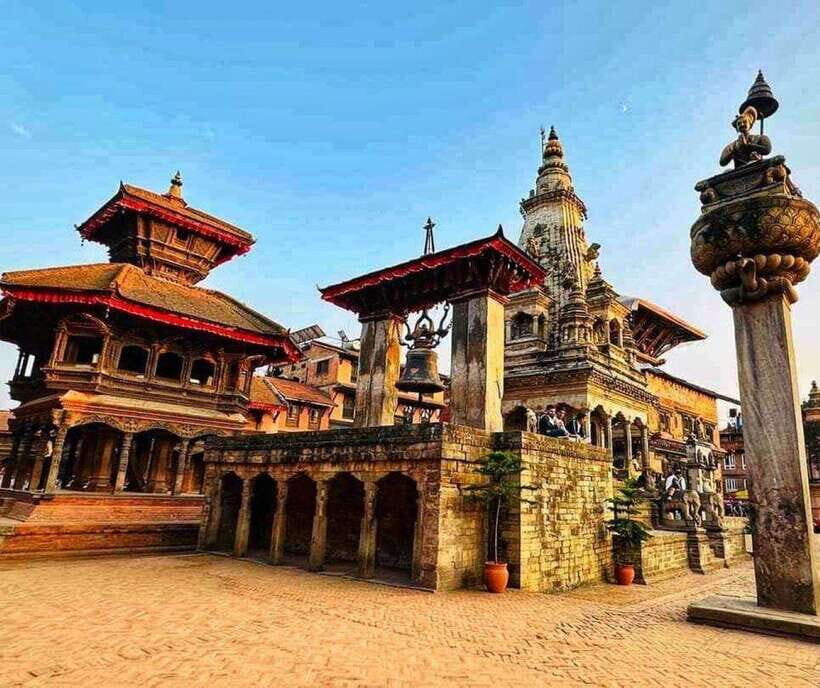
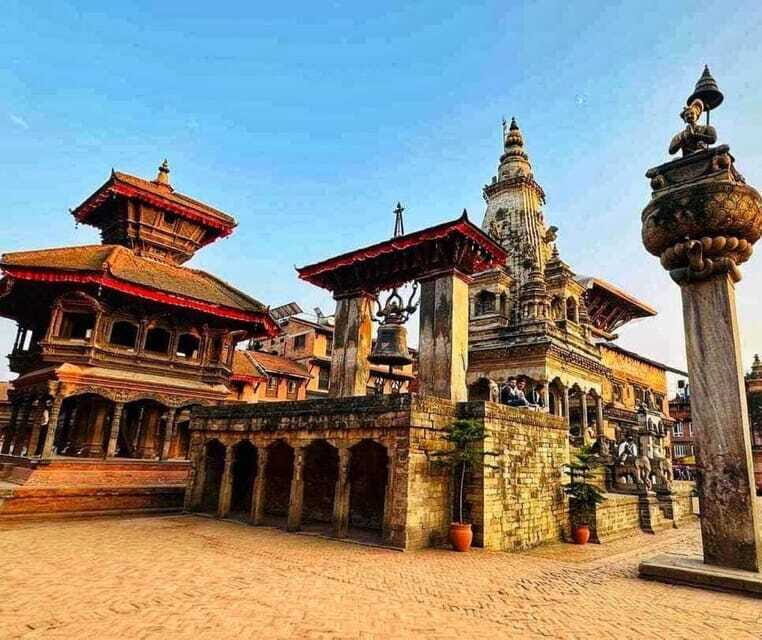
Bhaktapur hits you with a different pace than Kathmandu. Instead of big traffic and modern distractions, you get narrow lanes, carved windows, and temple courtyards that feel built for slow wandering. What I like most is that you’re not just looking at buildings; you’re watching art and architecture work together. The stonework, the door carvings, and the layered temple spaces all feel like part of everyday life, even though the area is UNESCO-listed.
Your guided time here is structured enough to keep you from missing the point. You’ll move through the main squares and temples with someone who can connect what you’re seeing to local religious significance, so the details make sense rather than turning into a checklist.
If you’re the type who enjoys architecture and craftsmanship, this stop is a standout. If you’re expecting a high-speed “hit 20 spots” tour, you may find the slow looking better than you planned.
You can also read our reviews of more evening experiences in Kathmandu
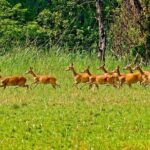

Nagarkot Himalayan views: the sunrise-to-sunset gamble you can manage
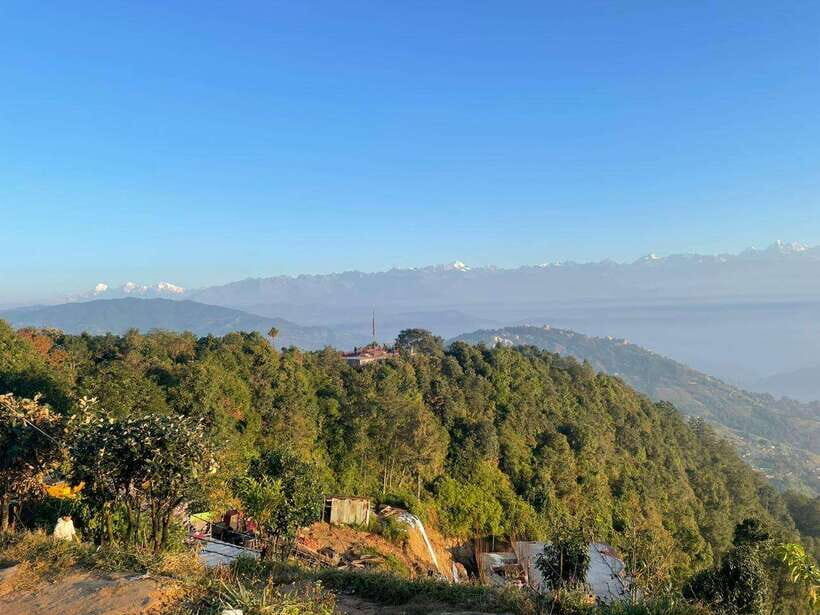
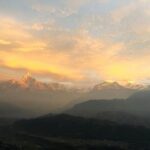
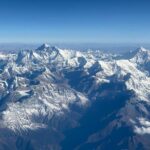
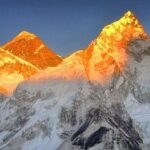
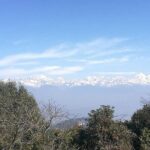
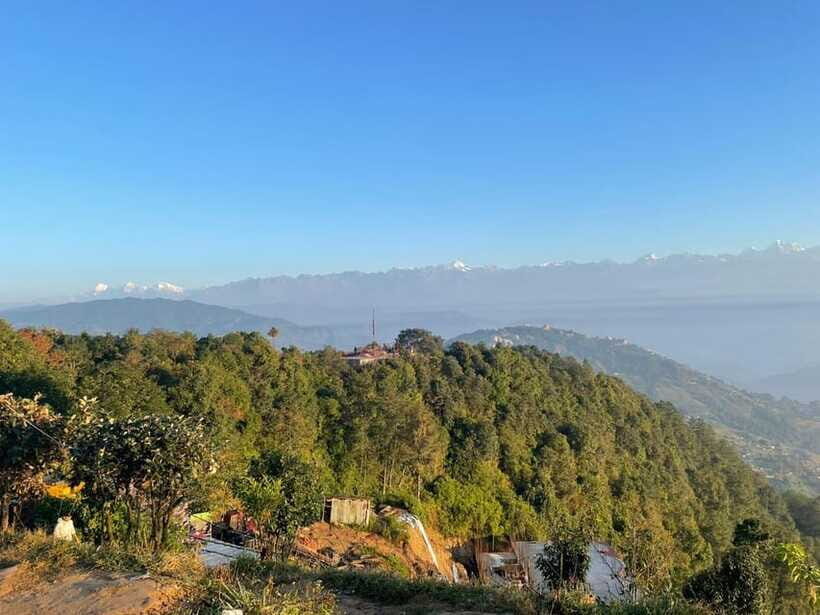
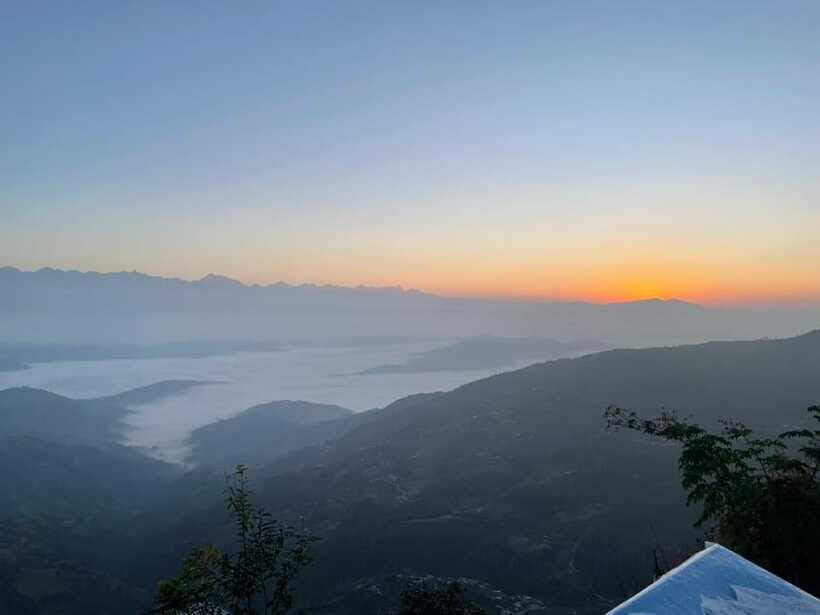
Nagarkot is the payoff zone. From this hilltop village you get wide views across the Himalaya range, and on clear days, people even talk about seeing Mount Everest. That part is never guaranteed, but the important thing is the framework: you’re going at the right time of day, and you’re in the right place.
The tour is built around mountain timing. The schedule includes a break in Nagarkot with sightseeing and sunrise time (about two hours), and the broader tour framing also points to sunset views depending on the starting time you choose. In practice, that means you’ll spend enough time on the viewpoint side of the day trip to either catch the early light or enjoy the evening glow.
My practical advice: plan to dress for temperature swings and bring your patience. Morning fog can roll in fast, and even on good days you might see more “layers of mountains” than a crisp single peak. Still, the experience of standing above the valley air and watching the horizon change is real, even when visibility isn’t perfect.
The Kathmandu drive: why the ride is part of the day
You’re picked up from your hotel in Kathmandu Valley, then you head out toward Nagarkot and Bhaktapur. This matters more than it sounds. The scenic drive is part of what you paid for, and it gets you out of the city rhythm early enough to enjoy the hilltop viewpoint window.
Expect a long but not exhausting day. The total duration is listed as 5 to 10 hours, and the difference usually comes from timing for sunrise versus later viewpoints, plus how much time you spend walking inside Bhaktapur’s core. You’ll also have breaks along the way, including a time for breakfast during the Nagarkot portion.
One thing to keep in mind: this is not a “sit in the vehicle the whole time” tour. You’re walking between temple areas in Bhaktapur and spending time outside at Nagarkot, so comfortable shoes and water are not optional.
Guided Bhaktapur walking: what you’ll actually see
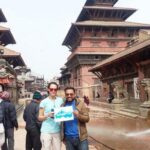
Bhaktapur Durbar Square is the heart of the city experience. The guide takes you through key sights and explains what they mean, then you also get time to wander and soak up the detail. Specific standouts mentioned in the tour description include the Vatsala Temple and the famous 55-Window Palace, both of which help you understand why Bhaktapur is known for intricate craftsmanship.
Here’s what makes the walk valuable for you: it teaches you how to look. Once someone explains the religious significance and the role of the temples and palaces, carvings stop being decoration and start being messages. You’ll also get a chance to visit the arts and crafts market area during the guided time, which is a good way to connect the architecture you just saw with the things people still make today.
In terms of drawbacks, Bhaktapur’s surfaces are not engineered for a smooth stroller-style route. You’ll be dealing with steps, uneven stones, and narrow paths. Plan slow and steady, and don’t count on being able to rush from one photo to the next.
Taumadhi Square and Bhairab Nath Temple: small stops with big context
After the main Durbar Square time, the tour continues with Taumadhi Square and the Bhairab Nath Temple. These are the kinds of stops that can feel quick on paper, but they help you understand Bhaktapur as a layout rather than a pile of monuments.
Taumadhi Square gives you a second angle on how the city’s ceremonial spaces are connected. Then Bhairab Nath Temple adds a spiritual anchor point, tying the day’s theme together: Bhaktapur isn’t just beautiful, it’s functional as a religious and cultural center.
If you love the “why” behind what you’re seeing, these extra stops are worth it. If you only care about the biggest landmarks, you might treat them as a bonus rather than the main course.
You can also read our reviews of more tours and experiences in Kathmandu
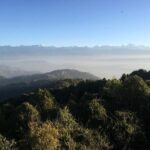
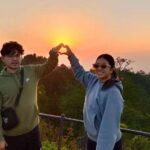
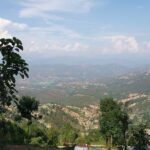
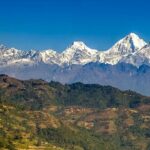
Photo strategy at Nagarkot (and how guides help)
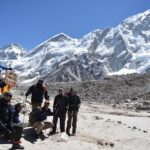
Nagarkot is a photo spot, but it’s not as simple as pointing your camera at the horizon. Clouds, light direction, and angle all matter. This is where having an experienced English-speaking guide helps a lot. People have specifically been impressed by guides who show the best spots for photos, so you’re not stuck shooting from the first viewpoint you find.
For your own photo success, bring sunscreen and keep an eye on wind. Hilltops can feel cold even when the city is warm, and glare can be strong when the sky clears. If you’re carrying a camera, you’ll also want to remember that flash photography isn’t allowed.
One more practical tip: take a few minutes to observe with your eyes before you shoot. The mountains can look like a smear of gray at first, then sharpen as the light changes. That’s when your photos start to match what you’re actually seeing.
Price and value: why $71 can make sense here
The price listed for this full-day trip is about $71 per person, and that’s the key number to evaluate. For that cost, you’re getting:
- a professional English-speaking local guide for Bhaktapur Durbar Square
- scenic drive between Kathmandu, Nagarkot, and Bhaktapur
- specific cultural stops at Taumadhi Square and Bhairab Nath Temple
- panoramic Himalayan viewpoint time from Nagarkot
What’s not included is also important. Monument entrance fees are listed as NRS 1,950 per person, and food and beverages aren’t included. You may have a scheduled break for breakfast during the Nagarkot portion, but you should still budget separately for meals.
So is it good value? Yes, if you care about a guided cultural walk in Bhaktapur and you’re willing to pay for the drive plus viewpoint timing. If you’re the type who prefers independent travel with no guide, you might compare costs to a do-it-yourself day. But if you want your Bhaktapur visit to actually teach you something while you’re there, this price tends to work.
What to pack and how to handle the “mountain day” weather
For this tour, your packing list is really about being comfortable in two climates: Kathmandu-area morning and the hilltop air. Bring:
- comfortable shoes (Bhaktapur walking is real)
- warm clothing (Nagarkot can feel chilly)
- camera (views are the main event)
- sunscreen and water
On a clear day, you’ll want layers so you can keep moving without overheating. On a misty day, warm clothes make the hours on the viewpoint far more tolerable.
Also, there are basic rules: no smoking, no littering, and flash photography isn’t allowed. It’s not about being strict; it’s about keeping temples and viewpoint areas respectful.
Who should book this tour, and who should skip it
This is a strong fit if you:
- want a guided Bhaktapur that explains temples, palaces, and their significance
- care about craft and architecture, not just the photo stops
- want one day that combines culture (Bhaktapur) with big Himalayan scenery (Nagarkot)
It may not be ideal if you:
- have mobility impairments, since Bhaktapur involves walking and uneven steps
- have a fear of heights, since you’ll be on hilltop viewpoint areas
- need guaranteed mountain visibility, since the Himalaya view depends heavily on weather
Should you book the Kathmandu Bhaktapur and Nagarkot sunrise-to-sunset tour?
If you want a day that feels like two different worlds—medieval Bhaktapur on foot, then Himalayan horizons from a hilltop—this tour is an easy yes. The biggest reason to book is the guide factor in Bhaktapur. People often praise the clarity of the explanations and the help with photo angles, which is exactly what turns a long day into something you remember.
The only reason to hesitate is if your trip can’t handle cloudy weather. Nagarkot is a view gamble, not a guaranteed postcard. If you’re okay with that reality and you show up dressed for cool air and variable conditions, you’ll likely feel like you got your money’s worth.
FAQ
Where is the pickup for this tour?
You’ll be picked up from your hotel in Kathmandu Valley.
How long does the tour take?
The duration is listed as 5 to 10 hours, depending on the starting time.
Is the guide available in English?
Yes, the tour includes an English-speaking local guide.
Is this a private group tour?
Yes, it’s described as a private group experience.
What are the main stops during the day?
You’ll visit Nagarkot for panoramic Himalayan views, then tour Bhaktapur Durbar Square, plus Taumadhi Square and Bhairab Nath Temple.
Is Mount Everest guaranteed to be visible?
No. The tour notes that you may see Everest on clear days from Nagarkot, but it depends on the weather.
Are monument entrance fees included?
No. Monument entrance fees are listed as NRS 1,950 per person and are not included.
Are meals included?
Food and beverages are not included. The schedule includes a break for breakfast during the Nagarkot portion, but you should budget separately.
What should I bring?
Bring comfortable shoes, warm clothing, a camera, sunscreen, and water.
Is it suitable for people afraid of heights or with mobility issues?
It is not suitable for people with mobility impairments or people afraid of heights.
Are there any rules about photography?
Flash photography is not allowed.