REVIEW · KATHMANDU
Everest Base Camp Trekking
Book on Viator →Operated by Incredible Treks Pvt. Ltd. · Bookable on Viator
Everest Base Camp is hard. This trip makes it simpler. It’s built around one big idea: leave the logistics to experts so you can focus on getting fit and enjoying the mountains.
What I like most is how much is bundled into one price, including permits, meals on the trek, insurance, and tea-house lodging. The other standout for me is the human support: an accredited English-speaking guide, plus a porter system that keeps the load reasonable.
The one consideration: you still need a strong physical fitness level, and basics during the trek are basic—hot showers, hot water, battery charging, and wifi are not included.
In This Review
- Key highlights you’ll feel during the trek
- Price and what you actually get for $1,350
- Kathmandu start in Thamel, plus the flight logistics that matter
- Namche Bazaar: the high-altitude market and Sherpa life
- Following the Everest story: Hillary and Tenzing along the trail
- Tengboche monastery: blessings, Sherpa spirituality, and cold air calm
- Seeing the Khumbu glacier and getting that real Everest scale
- Everest Base Camp: the day you step onto the world’s highest doorstep
- Kalapatther viewpoint: close views and the thrill of the angle
- Memorial hill: honoring the cost of the climb
- Tea houses, meals, and the comfort tradeoff that saves your trip
- Gear on request: what’s covered, what’s personal
- Guides, porters, and why the support ratio matters
- Who this trek suits best (and who should rethink it)
- Should you book this Everest Base Camp trek?
- FAQ
- FAQ
- What’s included in the trekking part of the trip?
- Are permits included for the Everest region?
- How do the flights work?
- Is airport pickup in Kathmandu included?
- Do you offer vegetarian meals?
- What gear is provided during the trek?
- Where is the meeting point and when does it start?
- Is accommodation in Kathmandu included?
- What’s the group size limit?
- Is strong physical fitness required?
Key highlights you’ll feel during the trek
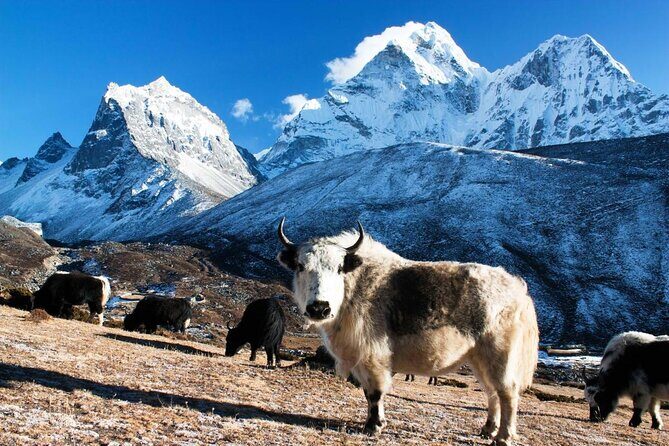
- Permits included (National Park fees, TIMS, and more), so you avoid last-minute paperwork stress
- Ramechhap–Lukla flights and Kathmandu airport pickup included
- Tea house lodging plus full trekking meals (breakfast, lunch, dinner) for 11 nights
- Trekking support ratio: 2 trekkers per 1 porter, led by an English-speaking trekking guide
- Cultural stops built in: Namche Bazaar, Tengboche monastery, Sherpa life and traditions
Price and what you actually get for $1,350
At $1,350 per person, this Everest Base Camp package isn’t just a ticket to the mountains. It’s a way to pack your budget with the costs that usually sneak in: permits, domestic transport, lodging, food, and the people who make the trek workable.
Here’s what you should mentally count as value:
- 11 nights tea-house accommodation during the trek
- Meals on trek days: breakfast, lunch, and dinner
- Flights: Kathmandu (Ramechhap) to Lukla, then back to Kathmandu (Ramechhap)
- Guide + porter support, with guide and porter costs handled
- National Park fees, TIMS, VDC, and applicable taxes included
- Trekking insurance included as part of the package
What’s not included matters too. Kathmandu meals and accommodation are on your own dime, and if you need an emergency evacuation, that expense is not included. Also, your personal medical/rescue insurance is listed as personal, not part of the package—so don’t assume your travel insurance automatically covers helicopter evacuation.
If you want the cleanest math, look at this as a “major trip costs included” bundle, then add your personal equipment, Kathmandu stay, and any extra comfort spending.
You can also read our reviews of more hiking tours in Kathmandu
Kathmandu start in Thamel, plus the flight logistics that matter
You meet at Thamel, Kathmandu 44600, Nepal, and the start time is 6:15 am. If you’re staying in the Thamel area, this is convenient.
Another practical plus: domestic airport pickup and drop is included, and Kathmandu airport pickup is also included. That removes one of the most annoying parts of arriving in a new country—figuring out transport at the worst possible hour.
Then there are the Lukla flights. These are thrilling for many people, but they’re also the kind of journey where you should plan for delays or changes with a calm head. The package uses Kathmandu (Ramechhap) ⇄ Lukla air. If you’re the type who hates unpredictability, plan to stay flexible around the flight day.
Also, you’ll need to provide passport details (name, number, expiry, country) at booking. If you’ve ever scrambled for passport info on a deadline, you’ll appreciate getting this done early.
Namche Bazaar: the high-altitude market and Sherpa life
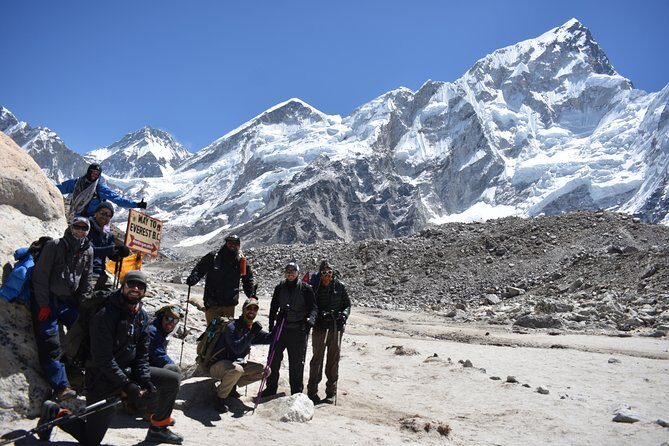
One of your early big stops is Namche Bazaar, the famous high-altitude market. This is where the trek starts to feel like a living place, not just a trail.
Why Namche matters:
- It’s a social hub where you see daily rhythm—people trading, carrying, chatting, and building a community around mountain life.
- It gives you a sense of Sherpa culture and how local knowledge shapes everyday survival at altitude.
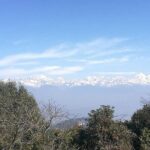
You’ll also get world-class mountain views, including panoramic sights of the highest peak area above 8000 meters. Even if you’ve seen Everest pictures before, seeing the scale in real air is different. It hits you in the chest.
A smart mindset: treat Namche as both a cultural stop and a mental reset. It helps if you’re tired, because it’s busy enough to feel alive while still staying grounded in the reality of high-altitude travel.
Following the Everest story: Hillary and Tenzing along the trail
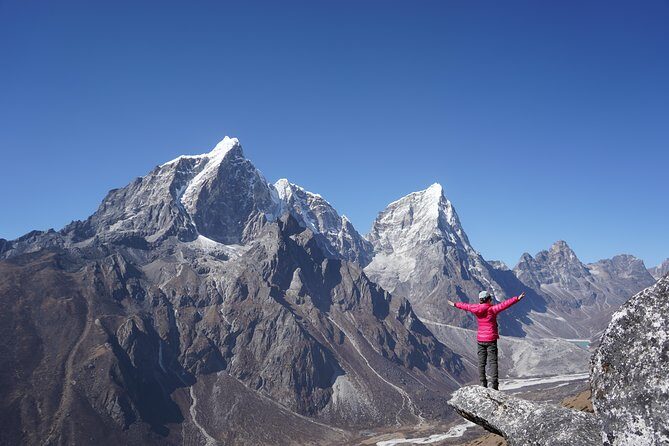
Your itinerary follows the historic path connected to Sir Edmund Hillary and Tenzing Norgay Sherpa. That doesn’t mean every minute is museum-like. It means the route you walk is part of a larger human story—people who came before you, learned hard lessons, and left a legacy.
You should expect the trek to feel more meaningful when you connect places to the names. The practical value is that the route gives you repeated chances to pause and look around, not just keep moving. And on a trek like this, those pauses matter. They help you stay present when the air gets thin.
This is also where the trek starts leaning more strongly toward “stages” you can feel: culture, views, the rhythm of walking, and then the gradual build toward the high spiritual center of the journey.
Tengboche monastery: blessings, Sherpa spirituality, and cold air calm
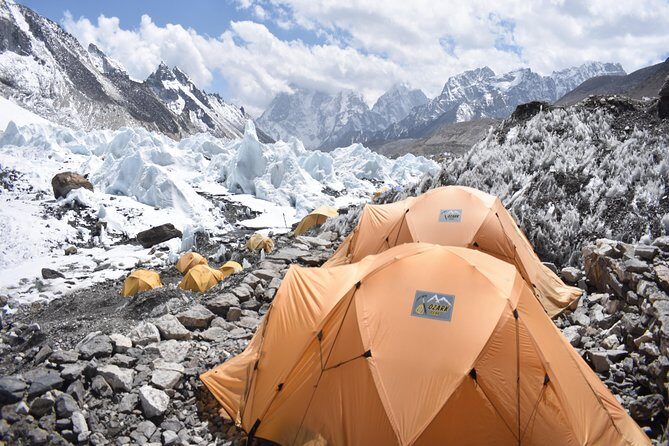
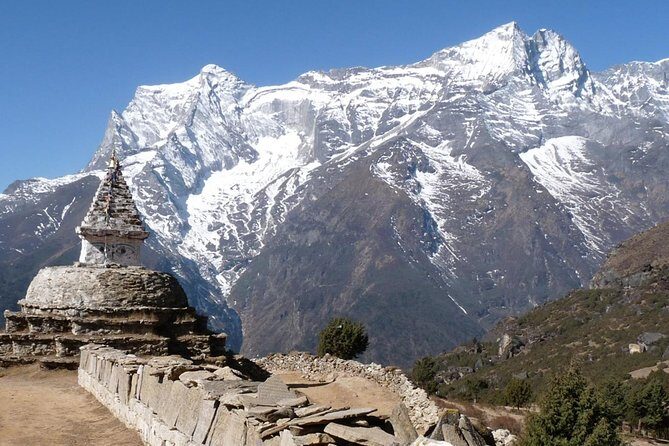
As you move deeper into the region, you’ll reach Tengboche monastery. This stop is about more than a photo spot.
You’ll have a chance to seek blessings from the monk and explore the monastery area. That moment can be grounding, especially because high-altitude trekking can make your thoughts narrow to food, steps, and breathing.
What’s worth knowing: monastery visits add a cultural layer that many trekkers remember longer than the pure physical challenge. You’re seeing how Sherpa communities combine daily life, faith, and the mountains as part of their worldview.
If you care about respectful travel, this is the kind of stop where you’ll want to dress thoughtfully, move quietly, and keep your focus on the people and setting—not just the scenery.
Seeing the Khumbu glacier and getting that real Everest scale
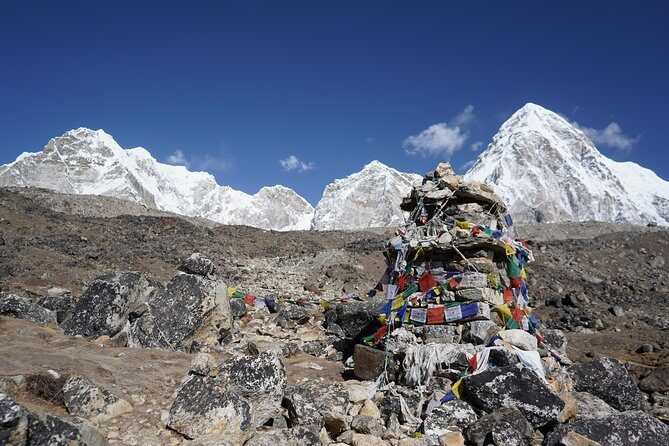
You’ll also get a chance to see the Khumbu glacier. For many people, this is one of the “how is this even real?” moments—because glacier visuals explain the mountain’s power in a way that posters never do.
This is where you start to grasp that Everest is not just a peak. It’s an entire system of ice, rock, wind, and gravity. Even without technical climbing, just being near the glacier makes the environment feel less like a destination and more like a force.
You don’t need special knowledge here. Let the sight do the work. If you’re the type who wants understanding, you’ll likely find your guide’s cultural and natural explanations helpful as you go.
Everest Base Camp: the day you step onto the world’s highest doorstep
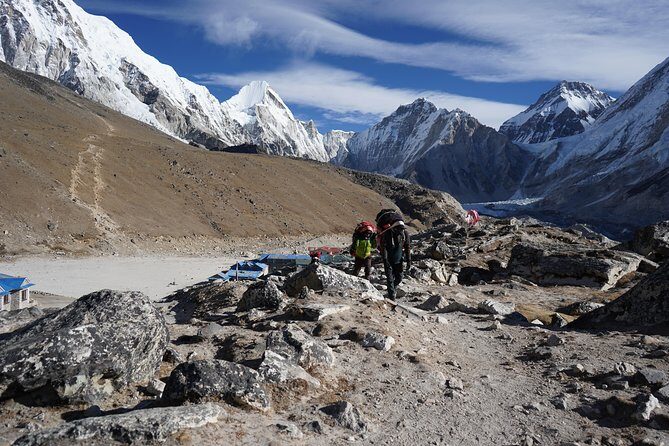
Eventually, you reach Everest Base Camp—the big headline of the whole trip. Your accredited guide meets you at the start of the experience and stays with you, explaining the cultural and natural values of what you’re seeing.
This is one of those moments where the trek finally turns into a clear “destination.” Until then, everything can feel like one long build: steps, tea houses, altitude, and weather watching. At Base Camp, the purpose becomes obvious.
A practical tip for this day: treat Base Camp time as sacred. Don’t rush it. You’ll enjoy the place more if you give yourself time for:
- a slow look around (ice, camps, and the sense of history)
- a moment to breathe and check how you’re feeling
- time for photos that aren’t just quick snapshots
It’s also a good place to notice the atmosphere around you: you’ll feel small in the best way.
Kalapatther viewpoint: close views and the thrill of the angle
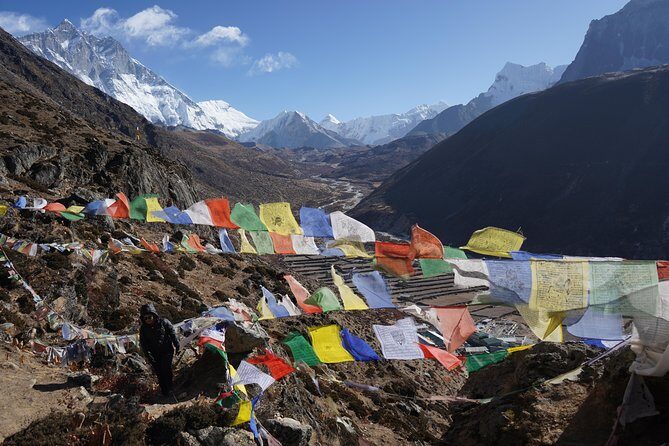
After Base Camp, you’ll get a close view of mighty Everest from the famous viewpoint Kalapatther. This is the kind of viewing spot where the mountain looks almost unfair—like it’s too close to be real.
Why a viewpoint like this is worth your energy:
- It gives you a different perspective than the Base Camp area itself.
- It helps you feel the mountain’s geometry—how the ridges stack and where ice breaks into darker stone.
Even if you’ve already seen Everest views earlier, Kalapatther can change the whole feeling of the trip. It’s a reminder that the “best view” is often different depending on angle and timing.
Memorial hill: honoring the cost of the climb
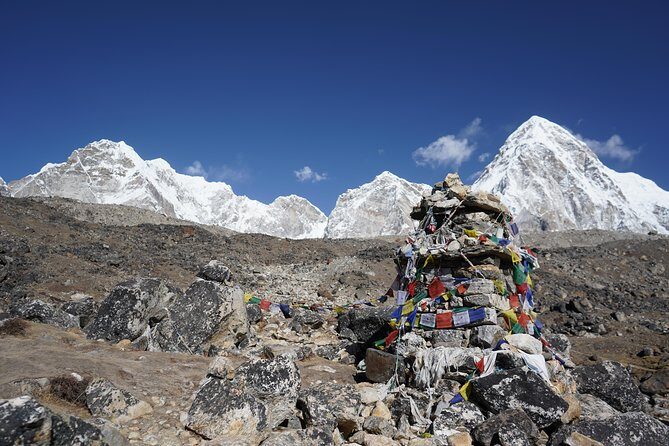
You’ll also get the chance to see the memorial hill of deceased climbers. This is the part that can feel heavy, even when everyone around you is excited.
It’s also one of the most important stops for staying balanced. Everest is famous for ambition, but this memorial gives you a human reality check. If you’re moved by places connected to people rather than only places connected to views, you’ll likely remember this stop for a long time.
If you feel quiet here, that’s normal. The best response is respect and a calm tone, not a big show.
Tea houses, meals, and the comfort tradeoff that saves your trip
This trek uses basic accommodation at tea houses and includes three meals a day while trekking: breakfast, lunch, dinner.
What that means in real life:
- You’ll sleep in simple rooms and do best if you keep expectations realistic.
- The comfort comes from consistency—food and lodging are handled—so you don’t waste time negotiating or hunting options.
Food inclusion is a big deal. On an altitude trek, appetite and energy are part of safety. Having meals planned removes decision fatigue when your body is already working hard.
Vegetarian is available if you request it at booking. If that matters to you, tell the operator early so your meals match your needs without stress.
And yes, the package notes it clearly: hot shower, hot water, battery charge, and wifi are not included. That’s not a dealbreaker, but it should shape how you pack. Expect to conserve phone battery and use your time for offline moments.
Gear on request: what’s covered, what’s personal
The tour can provide gear on request:
- Sleeping bag
- Duffel bags
- Down jacket
That’s useful value, especially if you don’t already own expedition-level cold gear. Still, personal trek equipment is listed as not included, so you should read the provided gear list carefully and plan for anything you’ll need beyond that.
Here’s the smart approach:
- Decide whether you want to rely on provided items. If you’re renting or borrowing elsewhere, compare warmth and fit.
- Pack the items you control: layers you trust, gloves you can actually use, socks, and whatever keeps you comfortable at night.
Also, because battery charging isn’t included, think ahead. If your phone is your map, camera, and lifeline, you’ll want a simple power strategy.
Guides, porters, and why the support ratio matters
You’ll trek with a government-licensed trekking guide who speaks English. In the reviews connected to this operator, guide names show up as key parts of the experience—Ram Dhakal is mentioned for being excellent and attentive, and Dillip is also praised for support during a solo trek.
You’ll also have a porter system: 2 trekkers : 1 porter. That matters because you get to trek instead of doing a full-on burden workout on top of altitude. Lighter loads typically mean better balance, less fatigue, and more control over your pace.
Group size is capped at maximum 15 travelers, which usually keeps things from turning into a chaos parade. Smaller groups tend to make communication easier and can help you get the attention you need if you’re feeling off.
One more note from the experience details: the guide is described as meeting you at the start and explaining cultural and natural values along the way. That kind of interpretation can turn “I walked for days” into “I understood what I walked through.”
Who this trek suits best (and who should rethink it)
This experience fits best if you want a structured Everest Base Camp trek where major logistics are handled: permits, flights, tea houses, meals, guide and porter support, and trekking certificates at the end.
It’s a good match for:
- first-time Everest trekkers who want clarity
- people who prefer less planning and more guided structure
- walkers who can handle long days and changing altitude
It may not be ideal if you:
- can’t commit to a strong physical fitness level
- want hotel comfort or regular hot showers
- need reliable wifi and constant device charging
Also consider what’s not included: Kathmandu accommodation and meals, and emergency evacuation costs. Before you book, confirm your personal travel plan covers medical and evacuation needs, because the trek’s environment leaves no room for guessing.
Should you book this Everest Base Camp trek?
I’d book it if you want a well-organized, guided Everest Base Camp trek that takes the paperwork and logistics heavy lifting off your plate. The biggest win is the bundled value: permits, flights, tea-house lodging, and full trekking meals—plus real human support with guide and porter coverage.
I’d think twice if you want maximum comfort, or if your fitness level isn’t where it needs to be. This is still a mountain trek, not a sightseeing bus tour.
If you want a practical next step: gather your cold-weather gear plan, confirm your medical/evac coverage, and make peace with the fact that “basic” in the Himalaya is still the way this journey works.
FAQ
FAQ
What’s included in the trekking part of the trip?
The trek includes 11 nights of basic tea house accommodation and breakfast, lunch, and dinner during trekking, along with the guide and porter service, national park fees and TIMS/VDC fees, a complimentary trekking map, and trekking certificates after the trip.
Are permits included for the Everest region?
Yes. National Park fees, VDC, TIMS fees, and other applicable taxes are included in the tour price.
How do the flights work?
Airfare is included for Kathmandu (Ramechhap) to Lukla and Lukla to Kathmandu (Ramechhap).
Is airport pickup in Kathmandu included?
Yes. Domestic airport pick up & drop facilities are included, and airport pickup in Kathmandu is also included.
Do you offer vegetarian meals?
Yes. A vegetarian option is available if you advise the operator at booking.
What gear is provided during the trek?
You can request sleeping bag, duffel bags, and a down jacket to be provided during trekking.
Where is the meeting point and when does it start?
The start meeting point is Thamel, Kathmandu 44600, Nepal, and the start time is 6:15 am.
Is accommodation in Kathmandu included?
No. The package notes accommodation in Kathmandu is not included, and meals in Kathmandu are also not included.
What’s the group size limit?
This tour has a maximum of 15 travelers.
Is strong physical fitness required?
Yes. Travelers should have a strong physical fitness level.