REVIEW · KATHMANDU
Annapurna Circuit Trek
Book on Viator →Operated by Adventure Bound · Bookable on Viator
Thorong La is a real deadline. This guided Annapurna Circuit trek trades hours of planning for on-the-ground logistics and lets you focus on the hiking and the lived-in feel of Nepal’s trail towns. I like the fact that you get personal attention from an expedition guide who’s there for safety and route decisions.
The best part is the pacing: you get time to adjust at Manang before you aim for the high pass. One drawback to plan around is the cold; at least one trek report described nights dropping to about -20°C, with water freezing solid.
In This Review
- Key points that matter before you book
- Annapurna Circuit Trek: Why this 14-day plan feels less stressful
- Your guide team and permits: the real value behind the price
- Day 1: Kathmandu to Jagat (via Besisahar) and the long first transition
- Day 2: Jagat to Dharapani (about 6–7 hours) and settling into tea house life
- Day 3 to Day 5: Chame, Pisang, Manang (the altitude ladder gets real)
- Day 3: Dharapani to Chame (5–6 hours, up to about 2,710m)
- Day 4: Chame to Pisang (about 5–6 hours, around 3,300m)
- Day 5: Pisang to Manang (about 6–7 hours, around 3,540m)
- Day 6: The acclimatization day in Manang (why you should respect it)
- Day 7 to Day 8: Yak Kharka and Thorong Phedi as your staging area
- Day 7: Manang to Yak Kharka (about 4–5 hours, around 4,120m)
- Day 8: Yak Kharka to Thorong Phedi (about 4–5 hours, around 4,450m)
- Day 9: Thorong La pass day to Muktinath (5,416m to about 3,802m)
- Day 10 to Day 11: Muktinath to Jomsom, then down to Tatopani hot springs
- Day 10: Muktinath to Jomsom (about 5–6 hours, down to ~2,743m)
- Day 11: Drive Jomsom to Tatopani (about 4–5 hours) for natural hot springs
- Day 12 to Day 13: Ghorepani, Poon Hill, and the return through Pokhara
- Day 12: Tatopani to Ghorepani (about 7–8 hours, up to ~2,750m)
- Day 13: Early hike to Poon Hill (3,210m) then down to Nayapul, taxi to Pokhara
- Tea house accommodations and meals: what’s included and what to plan for
- Price and Logistics: Is $1,175 a good deal for Annapurna Circuit?
- Who should book this trek, and who should reconsider
- Should you book Adventure Bound’s Annapurna Circuit Trek?
- FAQ
- Where does the trek start and where does it end?
- How long is the Annapurna Circuit trek?
- What is the highest point on this route?
- Is accommodation included during the trek?
- What meals are included?
- What transportation is included?
- Are permits included?
- What should I expect to pay for that is not included?
- Does the tour require a certain fitness level?
- If I need to cancel, what refund is available?
- Is pickup included?
Key points that matter before you book
- Licensed guide + safety/logistics support for a route where timing matters
- Acclimatization day in Manang before you push higher toward Thorong La
- Tea house stays and standard meals included so you’re not hunting for food each night
- Permits and TIMS fee covered, including Annapurna Conservation Park fees
- Hot spring recovery at Tatopani after the higher stretches
- Private tour format so it’s just your group
Annapurna Circuit Trek: Why this 14-day plan feels less stressful
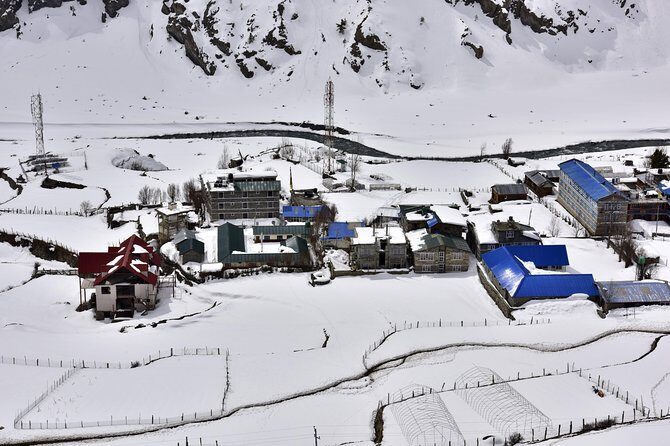
The Annapurna Circuit is famous for a reason: you get big, varied terrain without having to switch travel styles mid-trip. In Nepal, that means walking from lower settlements into higher alpine zones, with a mix of forest sections, waterfalls, and remote communities along the way. It’s also a classic trek in the sense that you’ll be moving through well-worn trail segments, but still spend plenty of time away from the busiest tourist routes.
What makes this version worth your attention is the structure. You start with long-drive days to get into position, then you hike at an altitude that steadily climbs, with a clear plan for acclimatization. If you like your trips organized but still feel outdoorsy, this hits that balance well.
The route also wraps in the best “why I came to Nepal” vibe: mountains plus real villages. You’re not just walking past views; you’re in community-built places, staying where hikers actually stay, and eating the kind of meals trekking is built around.
You can also read our reviews of more hiking tours in Kathmandu
Your guide team and permits: the real value behind the price
Let’s talk value, because this trek’s cost is not only about beds and breakfasts. You’re paying for planning that removes uncertainty where uncertainty is costly. The trip includes a gov.-licensed experienced guide, plus a first aid medical kit, a trekking map, and the required trekking paperwork such as Annapurna Conservation Park permits and the TIMS fee (Trekkers’ Information Management System).
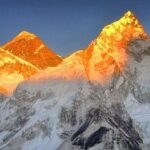
That matters most when you’re climbing toward Thorong La (5,416m). At that elevation, conditions can change fast, and the right decisions are not the moment to improvise. Multiple trek experiences in the provided feedback emphasize how helpful guides were day-to-day, from keeping people informed about what came next to helping with the practical pace and readiness needed for the pass.
You’ll also notice the human side in the way guides are described across different departures. Guides named in feedback include Rabin, Santosh, Sandip, Ganesh Ji, and Chakra (also written as CK). In the same stories, porters were praised too, including Ramesh Ji. The common thread is not just knowledge. It’s attention: guides checking in, answering questions, and keeping the group moving with a plan.
Day 1: Kathmandu to Jagat (via Besisahar) and the long first transition
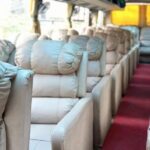
Day 1 is a drive day: Kathmandu to Jagat at about 1,100m, with Besisahar on the way. Expect roughly 8–9 hours of travel time. This is one of those days where you decide how you’ll treat your body. You can use the drive to hydrate, eat lightly, and get an early night, because the trek days will ask for more effort than you may feel on day one.
Why start in Jagat instead of higher up? Because it lets your legs ease into the rhythm. You’re not jumping into steep climbing right away. You’re also building a gradual acclimatization story from the ground level, even before you formally get the Manang rest day later.
Day 2: Jagat to Dharapani (about 6–7 hours) and settling into tea house life
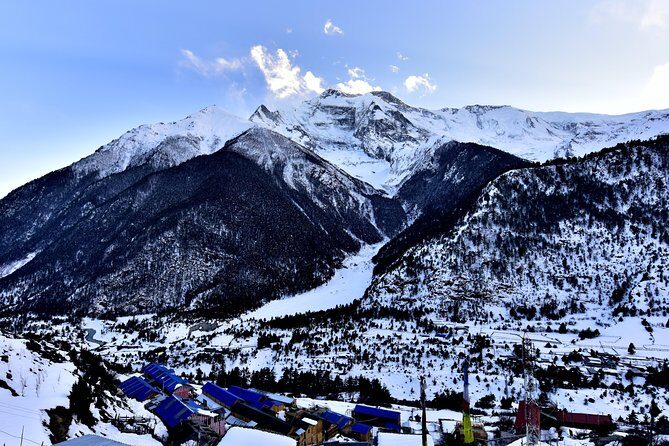
Day 2 takes you from Jagat to Dharapani at about 1,960m. The hike is listed as 6–7 hours. This is the day where the trek starts to feel like a trek, not a transportation problem.
A key point for your comfort: tea house accommodation is part of the included package. That means you’re planning around existing lodging along the trail, instead of trying to piece things together each day. The trek also includes three standard meals during trekking (breakfast, lunch, and dinner), which reduces the number of decisions you have to make after you’re tired.
The likely drawback here is simple: after a long driving day, day two can feel like a lot. The route’s good, but your body still needs time to remember that you are now doing hours of walking, not hours of sitting.
Day 3 to Day 5: Chame, Pisang, Manang (the altitude ladder gets real)

Day 3: Dharapani to Chame (5–6 hours, up to about 2,710m)
Chame sits higher at roughly 2,710m, and the day is listed as 5–6 hours. This is where steady uphill starts to dominate your effort. Your pace needs to be controlled. Slow is not a failure here; it’s how you keep the later days safer.
Day 4: Chame to Pisang (about 5–6 hours, around 3,300m)
Pisang is about 3,300m. Even if the day length feels manageable, the altitude is now doing more work on you than the slope does. You’ll want to watch breathing and energy. If you feel unusually winded, that’s a signal to slow down rather than push harder.
Day 5: Pisang to Manang (about 6–7 hours, around 3,540m)
Manang is listed at about 3,540m. This stop is important even though you don’t yet do the “big effort day.” You’re building toward the real altitude turning point later, and the planning here helps prevent the classic mistake of rushing.
The tradeoff on these days is that every step can feel slower than you expect. That’s normal. The win is that you’re setting up your body for the higher stretches that come after.
Day 6: The acclimatization day in Manang (why you should respect it)
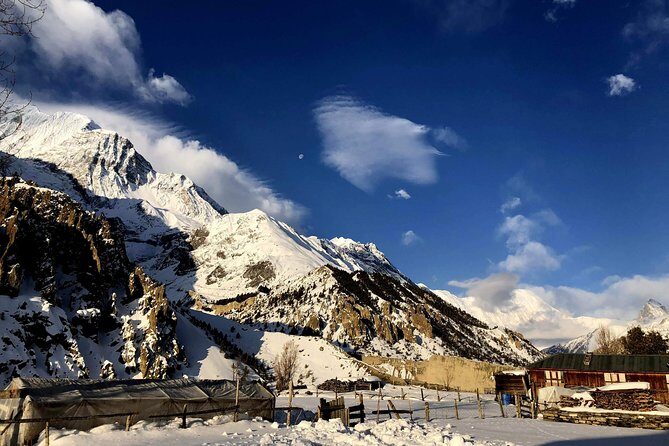
On day 6, you rest and acclimatize at Manang. This is a full day, and it’s included intentionally. This is the most important “schedule feature” on the whole trip.
You may feel tempted to treat it like a sightseeing day only. Don’t. Acclimatization works best when you let your body adjust gradually. If your legs feel fine but your head feels off, you’ll be glad the plan includes time instead of forcing you straight upward.
Given that the pass day includes Thorong Phedi at about 4,450m and Thorong La at 5,416m, that buffer day isn’t optional comfort. It’s part of making the bigger day doable.
Day 7 to Day 8: Yak Kharka and Thorong Phedi as your staging area
Day 7: Manang to Yak Kharka (about 4–5 hours, around 4,120m)
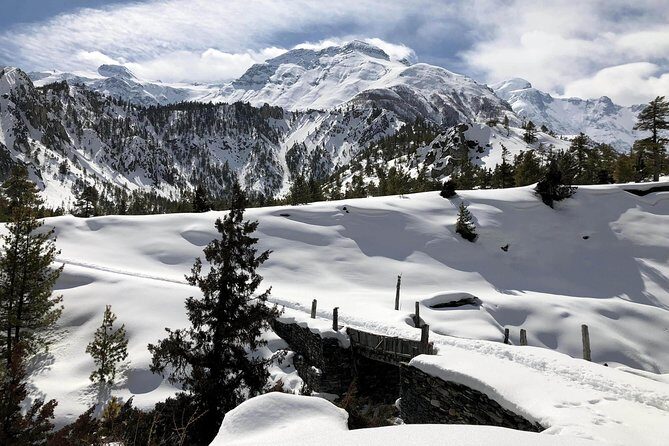
Yak Kharka sits at roughly 4,120m. This hike is shorter on paper, but you’ll likely feel it more because altitude changes the effort. Think of it as preparing your body for the overnight logic of the next day.
Day 8: Yak Kharka to Thorong Phedi (about 4–5 hours, around 4,450m)
Thorong Phedi is about 4,450m. This is a staging stop. You’re not just hiking to another village; you’re positioning for the pass crossing the next morning.
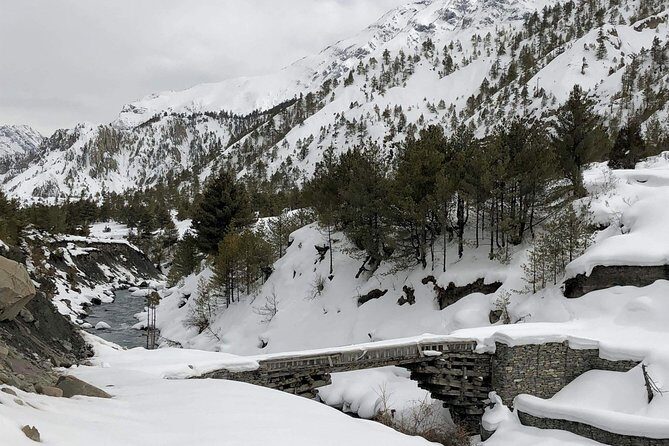
This is also where weather becomes a bigger factor. In feedback, cold at night is treated as a real concern, including freezing conditions that affected water. So for this part of the trek, plan for a “cold gear” mindset, even if the daytime walking feels tolerable.
Day 9: Thorong La pass day to Muktinath (5,416m to about 3,802m)
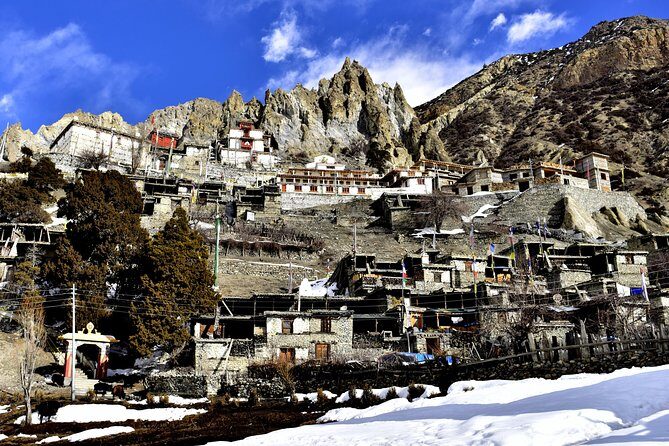
Day 9 is the big one: Thorong Phedi to Muktinath via Thorong La (5,416m). The hike is listed as 7–8 hours.
This is where the guide support is worth its weight in trekking boots. You’ll be moving at very high altitude for a significant chunk of the day, and the pass itself is listed at a clear elevation. That makes the day more predictable than a vague “we’ll see” plan, but it still requires careful pacing.
Also, keep your expectations grounded. Even if you feel strong, the pass day can be slow, especially once you’re at or near the high point. Your win is not speed. Your win is arriving safely and having enough energy to finish the descent to the next stop.
Day 10 to Day 11: Muktinath to Jomsom, then down to Tatopani hot springs
Day 10: Muktinath to Jomsom (about 5–6 hours, down to ~2,743m)
Dropping down to around 2,743m means your body can exhale a bit. The day is still long enough to matter, but the altitude pressure is less intense than on the pass day approach.
Day 11: Drive Jomsom to Tatopani (about 4–5 hours) for natural hot springs
Day 11 switches from trekking to a drive from Jomsom to Tatopani at about 1,290m. The trip also highlights the natural hot spring at Tatopani.
This is your recovery day in a nutshell. After long, cold, and high-altitude walking, hot springs aren’t luxury. They’re muscle reset. If you’re someone who likes a planned recovery window, you’ll appreciate this drop in altitude paired with a place designed for relaxation.
Day 12 to Day 13: Ghorepani, Poon Hill, and the return through Pokhara
Day 12: Tatopani to Ghorepani (about 7–8 hours, up to ~2,750m)
Day 12 hikes back up to Ghorepani at roughly 2,750m. It’s a longer day, and you’ll feel the contrast after the hot spring day. The uphill bounce can surprise you even when you’re used to the trek rhythm.
Day 13: Early hike to Poon Hill (3,210m) then down to Nayapul, taxi to Pokhara
Day 13 starts with an early hike to Poon Hill at about 3,210m. Then you trek down to Nayapul at around 2,070m and take a taxi to Pokhara. The hiking portion is listed as 7–8 hours total for the day.
This is a smart way to end: you get one last altitude moment, then you transition to easier terrain and a more normal travel day. Pokhara is at about 822m, so you’re clearly stepping away from high altitude.
Tea house accommodations and meals: what’s included and what to plan for
This trek includes tea house accommodation during the trek and three standard meals each trekking day (breakfast, lunch, dinner). That keeps the “Where will I eat?” problem off your brain. You can focus on water, clothing layers, and energy management instead.
The colder nights are where you’ll want to be prepared. One trek report in the feedback included nights around -20°C and water freezing in bottles. You don’t control the weather, but you do control readiness.
Practical takeaways for your gear mindset:
- Expect cold enough that water can freeze.
- Use an approach that keeps your drinking water usable.
- Plan for layering that works both for daytime hiking and cold nights at higher elevations.
Also note what is not included: bottled or boiled water, shower items, phone charging, laundry, and other personal expenses. That doesn’t mean you won’t find ways to handle those needs. It means you should budget separately so you’re not surprised mid-trek.
Price and Logistics: Is $1,175 a good deal for Annapurna Circuit?
For $1,175, you’re getting more than a guide and a route. The trip includes:
- Bus transportation Kathmandu to Jagat and Jomsom to Tatopani
- Private transportation Nayapul to Pokhara
- Tea house accommodation during the trek
- A licensed guide plus first aid kit
- Annapurna Conservation Park permits and TIMS fees
- Trekking map and government tax
- Standard three meals during trekking
When you compare that to what typically costs extra on many treks (permits, organized transport segments, and meals), the value becomes clearer. The price is basically bundling the parts that otherwise turn into fiddly add-ons during a multi-day mountain trip.
What pushes this cost higher in a good way is the included “system” around the trek: guide, medical kit, permits, and the planned altitude pacing. That’s exactly the stuff you want working when the pass day arrives.
Who should book this trek, and who should reconsider
This Annapurna Circuit trek fits best if you:
- Want a guided plan with private group format
- Prefer having permits and TIMS handled
- Are comfortable hiking 4–8 hours a day for most days
- Have moderate physical fitness and want the route structure to help you pace yourself
- Appreciate recovery planning like an acclimatization day and the hot spring stop
It may be less ideal if you’re:
- Not ready for serious cold at altitude
- Looking for a fully hands-off experience without any altitude challenge at all
- Hoping that winter-style freezing conditions won’t show up
Should you book Adventure Bound’s Annapurna Circuit Trek?
If you want the Annapurna Circuit without turning it into a logistics project, I’d say yes. The included permits, meals, tea house lodging, and guide support make it easier to stay focused on hiking rather than chasing paperwork or last-minute plans. I also like the altitude logic, especially the acclimatization day in Manang and the clear staging stops before Thorong La.
My final advice is simple: take the cold seriously. If you show up prepared for freezing nights and accept that the pass day is going to be work, this trip’s structure gives you a strong shot at a safe, rewarding trek.
FAQ
Where does the trek start and where does it end?
The experience starts in Kathmandu, Nepal. You drive to Jagat for the first hiking day, and you finish back in Kathmandu after driving from Pokhara.
How long is the Annapurna Circuit trek?
It’s listed as 14 days approximately.
What is the highest point on this route?
Thorong La pass is listed at about 5,416m.
Is accommodation included during the trek?
Yes. Tea house accommodation is included during the trekking days.
What meals are included?
The trek includes three standard meals during trekking: breakfast, lunch, and dinner.
What transportation is included?
Included transportation covers bus segments from Kathmandu to Jagat and from Jomsom to Tatopani, plus private transportation from Nayapul to Pokhara.
Are permits included?
Yes. The Annapurna Conservation Park permit fee and the TIMS fee are included.
What should I expect to pay for that is not included?
Not included are travel and rescue insurance and personal expenses like phone calls, laundry, bar bills, battery recharge, extra porters if needed, bottled or boiled water, and shower costs.
Does the tour require a certain fitness level?
The information says travelers should have a moderate physical fitness level.
If I need to cancel, what refund is available?
You can cancel up to 6 days in advance for a full refund. If you cancel 2–6 days before, you get a 50% refund, and less than 2 days before does not refund the amount paid.
Is pickup included?
Pickup is offered.