REVIEW · KATHMANDU
Kathmandu: Pharping, Dakshinkali and Chobhar Tour with Lunch
Book on GetYourGuide →Operated by Liberty Holidays · Bookable on GetYourGuide
Sacred cave views and Kali temple energy make this day work. I like how the route strings together Asura Cave and several key Hindu sites into one focused Kathmandu-region loop. It’s compact, spiritual, and fast-paced in the way a good day trip should be.
The second big win is the English/Japanese expert guide and the way the stops are explained, not just photographed. In particular, I’ve seen strong praise for guides such as Rajat for giving straightforward answers, and for helping you understand what you’re seeing as you move from cave to temple to lake.
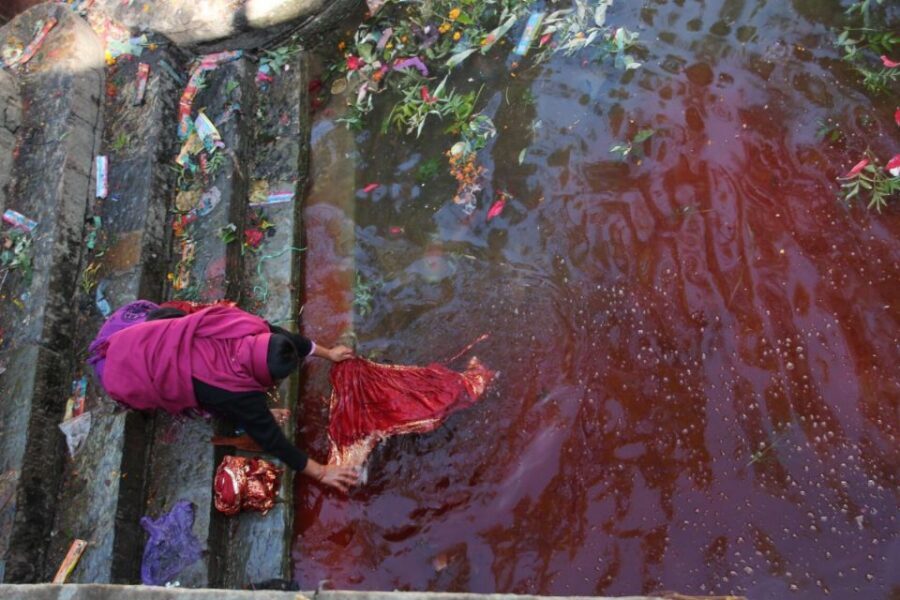
One drawback to think about: Dakshinkali’s setting can be distressing for some people, especially with the bloody river element. Also, like many temple-and-cave circuits, you might hit closures or shorter access at specific places depending on the day.
In This Review
- Key points worth knowing before you go
- Pharping: the quick escape from Kathmandu pace
- Asura Cave: a cliffside stop that feels quiet on purpose
- Shesnarayan Temple and the Licchavi connection near Pharping
- Gorakhnath Temple: Nath yogi tradition and focused worship
- Dakshinkali Temple and the unsettling details you should be ready for
- Taudaha Lake: a bird sanctuary reset between temples
- Chobhar Gorge and caves: the ancient-lake drainage story in motion
- Lunch included: what you should expect from a rooftop-style meal
- Price and logistics: is $83 worth it for a 6-hour day?
- Who this tour suits best (and who should rethink it)
- Should you book the Kathmandu Pharping–Dakshinkali–Chobhar tour?
- FAQ
- How long is the Kathmandu Pharping, Dakshinkali and Chobhar tour?
- Is hotel pickup and drop-off included?
- What sites are included in the tour?
- Is lunch included, and is there an entrance fee included?
- What language is the live guide?
- What should I bring for the day?
- Is the tour wheelchair accessible or suitable for people with mobility issues?
Key points worth knowing before you go
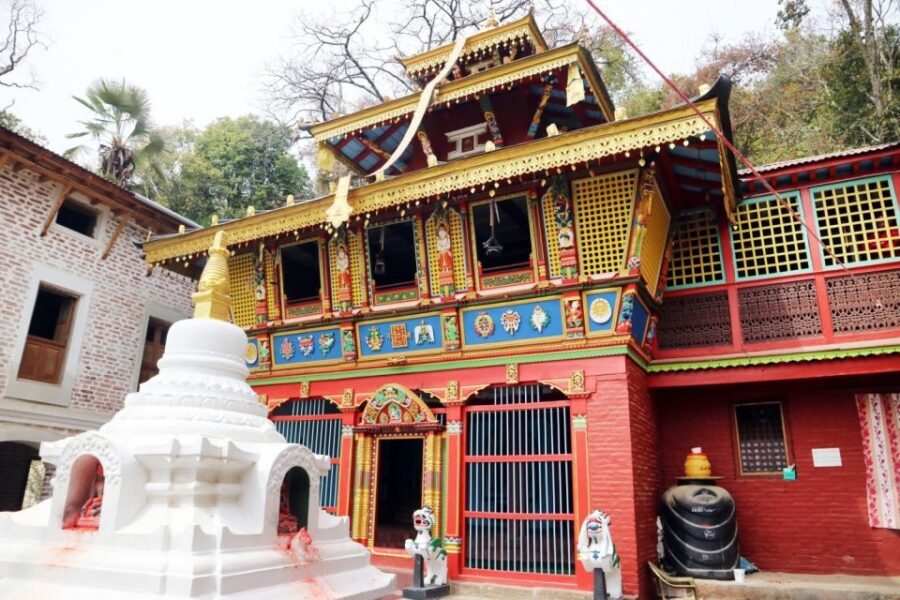
- Asura Cave sits above Pharping and is tied to Guru Rinpoche’s meditation and enlightenment.
- Shesnarayan Temple links you to ancient Licchavi-era temple tradition under King Vishnugupta.
- Dakshinkali Temple is a major Kali pilgrimage site, and the atmosphere may not suit everyone.
- Taudaha Lake is the biggest natural lake in the Kathmandu Valley and a known bird sanctuary.
- Chobhar Gorge connects to the Manjushri story of draining the ancient lake—and it’s visually dramatic.
- You get lunch included, which matters in a day built around stairs, walking, and drive time.
Pharping: the quick escape from Kathmandu pace
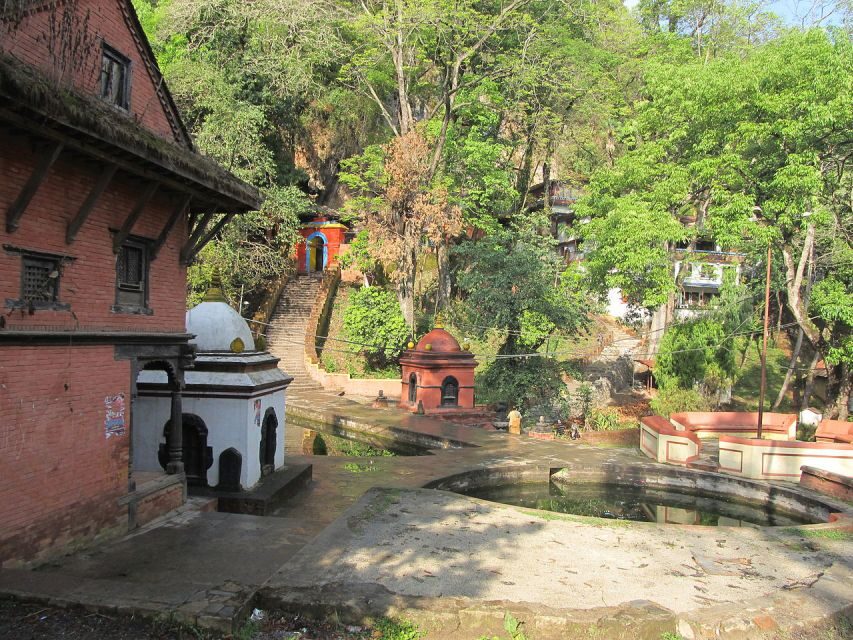
This tour starts with hotel pickup in Kathmandu and a drive south to Pharping, about an hour-ish from the city. That first transition is real value: you swap traffic noise for hillside air and temple views. The whole schedule is built around staying mobile, so you’ll be using both your legs and the vehicle, without wasting hours.
Because it’s a private group, you usually get a smoother flow between stops than on big coach tours. The tradeoff is that your day depends on the sites you’re visiting being open and accessible that day, so keep expectations flexible if a cave or monument has limited access.
You can also read our reviews of more tours and experiences in Kathmandu
Asura Cave: a cliffside stop that feels quiet on purpose
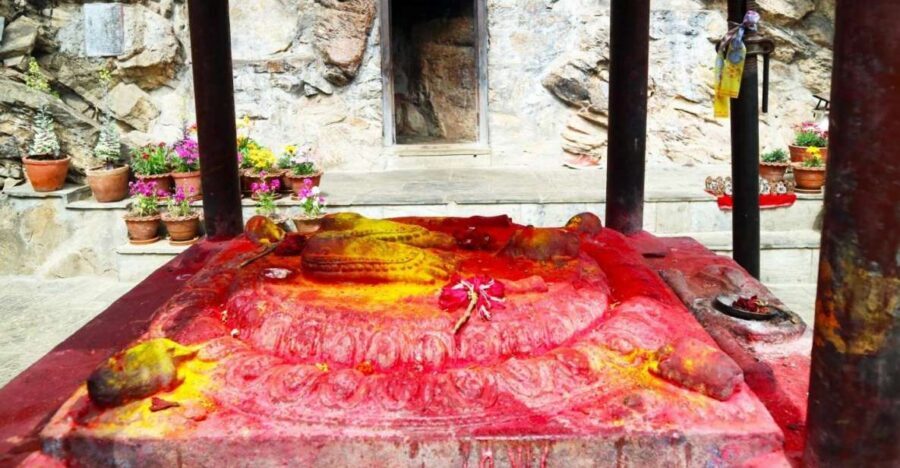
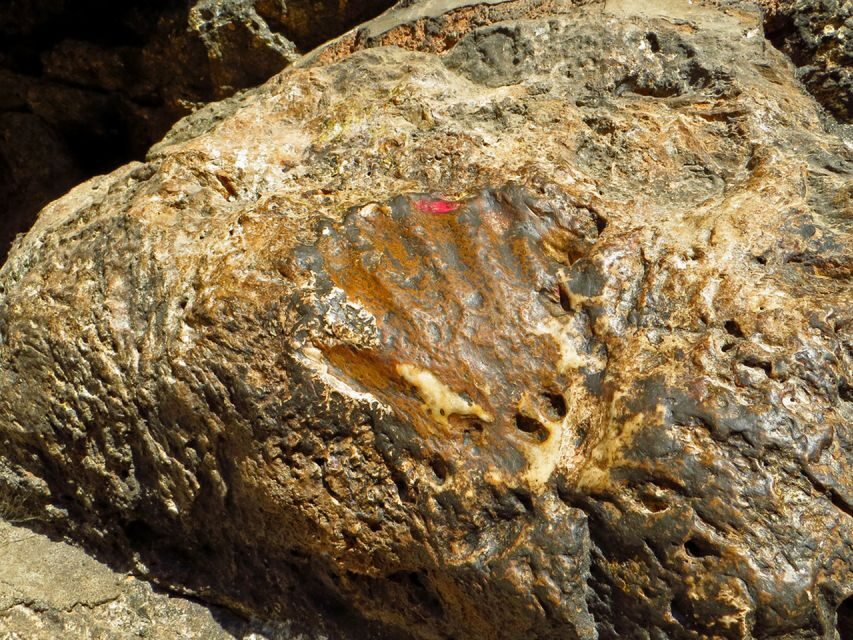
Asura Cave is the spiritual anchor of this circuit. It’s located above the village of Pharping, and it’s considered sacred because Guru Rinpoche is said to have meditated there and attained enlightenment.
What you’ll likely notice in the cave itself is not just the story, but the mood. Reviews and descriptions point to a sense of calm and time for prayer and quiet moments. Even if you’re not religious, caves have a way of shrinking your thoughts fast. Bring patience, not just curiosity.
Practical tip: plan for some uneven ground and steps. One traveler advice that’s genuinely useful is to climb the stairs to reach the top viewpoint area with prayer flags and then continue toward the Hindu temple portion nearby. Good shoes matter more here than in most city sightseeing.
Shesnarayan Temple and the Licchavi connection near Pharping
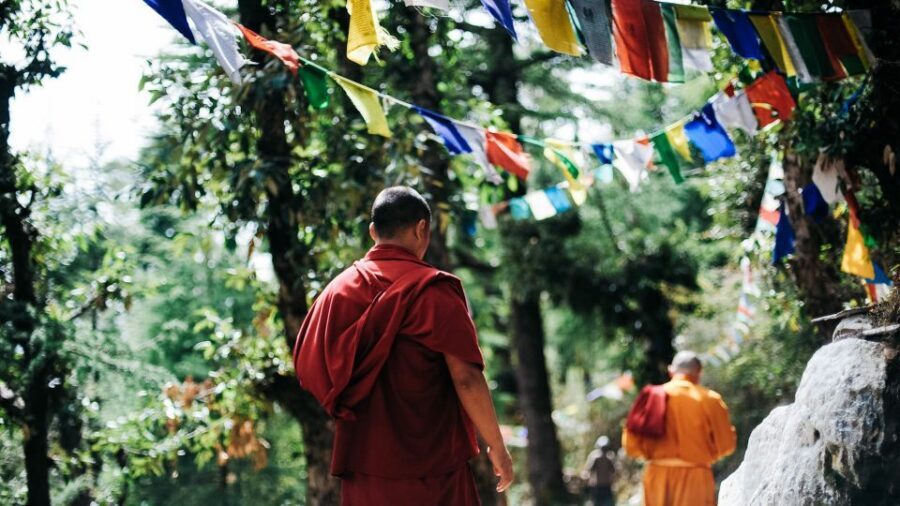
After the cave, you move to Shesnarayan Temple, part of a historic cluster of Narayana temples in the Kathmandu Valley. The temple complex is believed to have been built during the reign of the Licchavi king Vishnugupta.
Why this stop is worth your time: it’s not only about seeing carved stone. It’s about spotting how old Nepal’s temple tradition still shapes what people do today. You’re seeing a living cultural thread, where old architecture supports current pilgrimage and worship.
This is also a good break from the cave’s tight setting. You get open air, more daylight, and a chance to reset before the next temple-heavy drive.
Gorakhnath Temple: Nath yogi tradition and focused worship
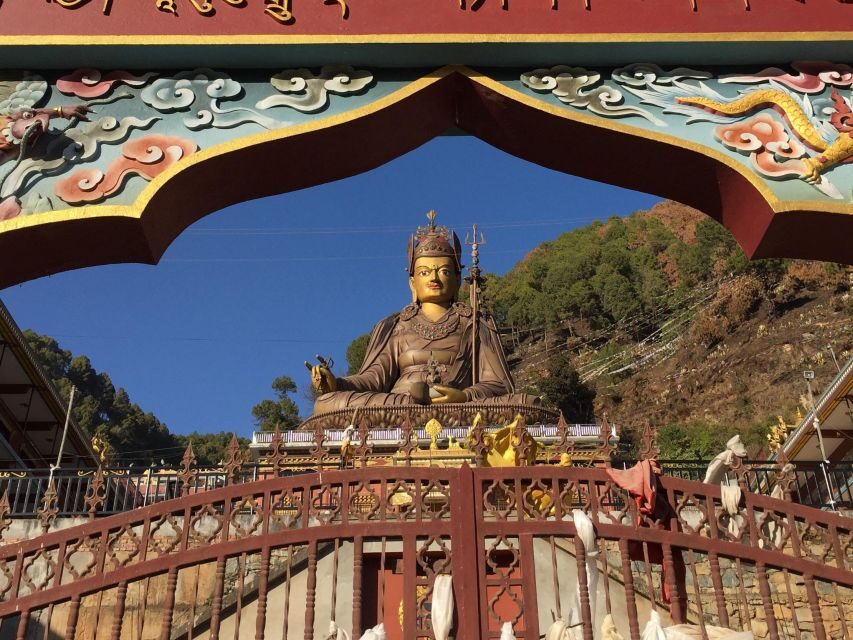
The Gorakhnath Temple stop is tied to Guru Gorakhnath and the Nath sect tradition. Even if you don’t know the history ahead of time, the value here is in the theme: Nepal’s spiritual landscape isn’t just one lane.
You’ll typically get guided context so the temple isn’t just another pretty building. Think of it like a reading lesson, but in real place form. A good guide will connect the imagery, worship style, and the wider Nath tradition so it clicks.
Budget for about an hour at this stop. Use it to watch how people move, what they focus on, and how the space sets the tone for devotion.
Dakshinkali Temple and the unsettling details you should be ready for
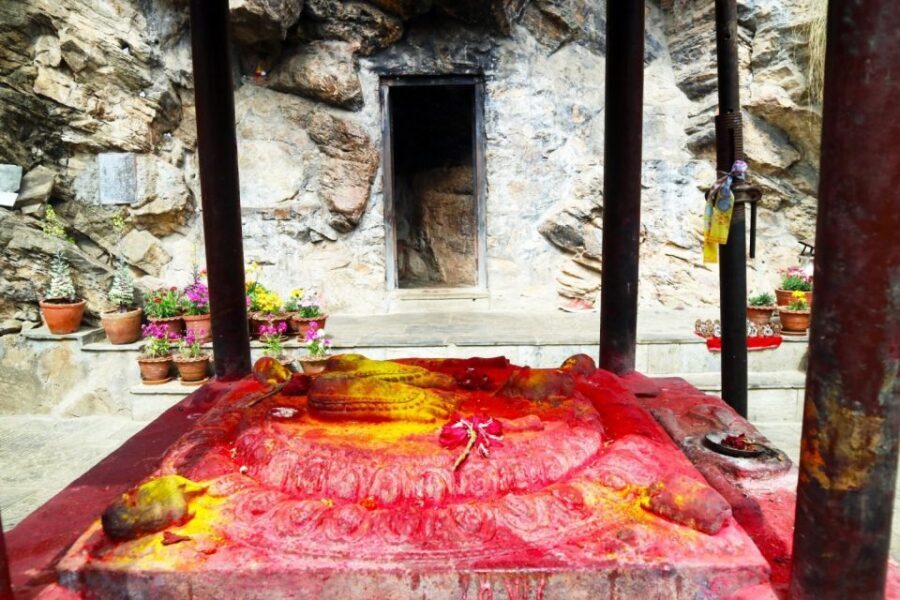
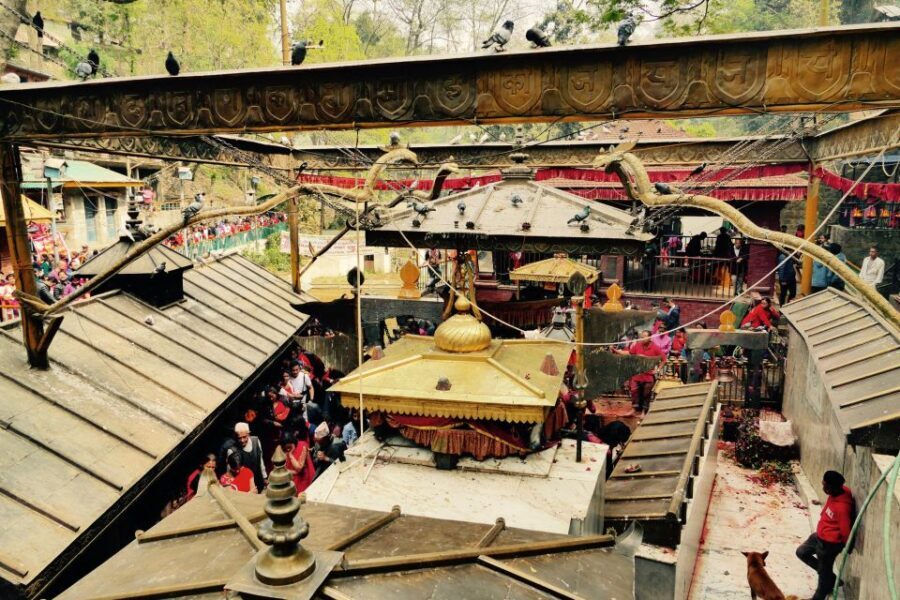
Dakshinkali Temple is one of Nepal’s major Hindu temples dedicated to Kali, located around 22 kilometers outside Kathmandu and roughly a kilometer outside Pharping. This is a high-energy pilgrimage site, and you’ll feel it.
The part you must take seriously: the tour notes that the bloody river and the Dakshinkali temple may be distressing to some visitors. That’s not a vague warning. If you’re sensitive to gore-related symbolism or intense ritual visuals, this is where you should decide whether you’ll cope.
If you go, do it with the right mindset. I’d treat this stop like cultural immersion, not entertainment. Wear respectful patience. Don’t rush photos. And if the atmosphere hits too hard, it’s okay to take distance and step back.
One more practical note: you’ll likely do some walking and stair climbing around temple areas. If your body doesn’t love steep steps, choose your pace early and don’t wait until you’re already tired.

Taudaha Lake: a bird sanctuary reset between temples
After Dakshinkali, the tour heads to Taudaha Lake, described as the largest natural lake in the Kathmandu Valley. It’s also a popular recreation spot and known for being a bird sanctuary.
This is where the day balances out. You go from intense religious focus to open water and calmer scenery. Even if you don’t spot specific bird species on the day, the setting still gives you what you need: space to breathe and a chance to slow your brain down.
Plan for roughly an hour here. Use it for a walk around the lake area and some quiet observation. It’s also a nice moment to hydrate and check in with yourself before Chobhar Gorge.
Chobhar Gorge and caves: the ancient-lake drainage story in motion
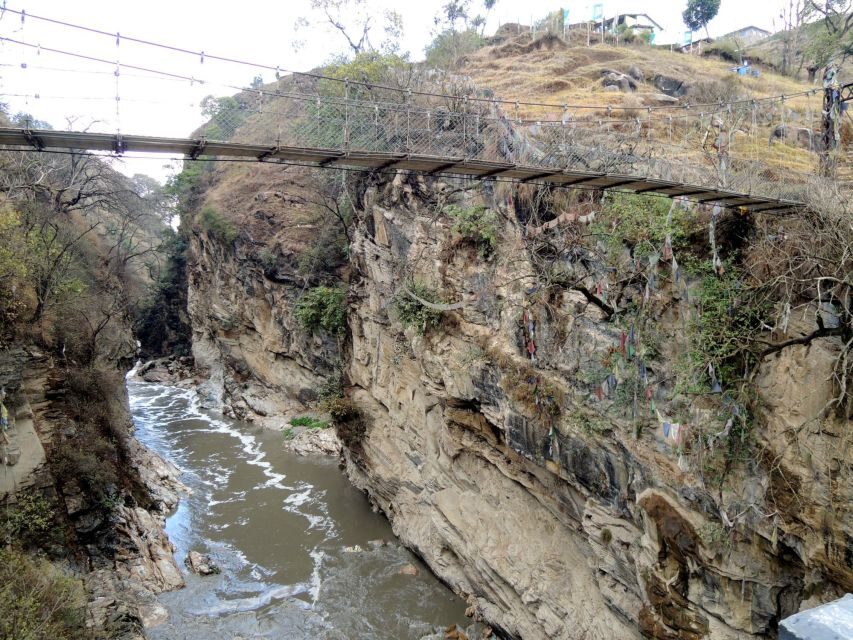
Chobhar Gorge is the escape point for water from an ancient lake that once existed where Kathmandu sits today. The story goes that the bodhisattva Manjushri cut the gorge to let the lake’s water drain off, creating land that people later occupied.
That’s the kind of myth that turns geography into meaning. You’re not only looking at a gorge; you’re looking at a landscape that’s been explained through story for generations. And the physical view helps you understand why people would build a legend around this place.
You’ll also get time around caves at Chobhar. Here’s the realistic side: one experience in the feedback notes that a cave portion was closed, which led to changes in the plan. So if you’re counting on a specific cave entrance, keep a Plan B mindset for access.
Lunch included: what you should expect from a rooftop-style meal
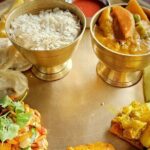
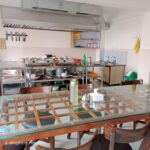
Lunch is included, and that matters on a day like this. You won’t have to hunt for food while you’re shuffling between sites. One traveler highlighted lunch as delicious and specifically mentioned a rooftop setting, which is exactly the kind of bonus that makes a long day feel worth it.
What you should do: eat earlier than you think you need to. If you wait until you’re starving, the afternoon pace will feel harsher. If you can, drink water with lunch and take a slow moment before the gorge portion.
If you have dietary needs, the tour data doesn’t spell them out. So it’s smart to mention them in advance to your provider, especially because Nepali temple neighborhoods can have limited options nearby.
Price and logistics: is $83 worth it for a 6-hour day?
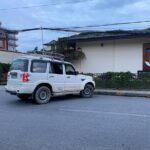
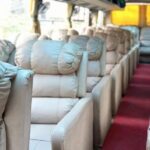
At $83 per person for about 6 hours, you’re paying for the structure: hotel pickup/drop-off, a luxury vehicle, an expert guide, entrance fees, and lunch. That bundle can be good value when you compare it to paying separately for transport, guide time, and sites.
Where value can go sour is when the day gets shortened or when access to certain caves/monuments changes. Feedback includes cases where the effective experience didn’t match what was expected and where some planned stops were closed or adjusted. That doesn’t mean you’ll face the same issue every time, but it’s a real factor with this kind of itinerary.
So here’s my take on value: if you want a guided, temple-and-nature mix with included lunch and you’re fine with possible schedule tweaks, this price is reasonable. If you need every single attraction on the exact timetable, you may feel frustration if access is limited.
Who this tour suits best (and who should rethink it)
This day trip fits best if you want a mix of Buddhist and Hindu sites around Kathmandu: a sacred cave, multiple temples, a lake break, and a gorge with story-based context. It’s also a good match if you enjoy learning and asking questions, because the guide time is a major part of the payoff.
It’s less ideal if:
- You have back or heart problems, or kidney problems.
- You have mobility limits or can’t handle uneven ground and stairs.
- You use a wheelchair.
- You’re over 220 lbs (100 kg).
- You’re over 95 years.
- You’re sensitive to intense ritual context at Dakshinkali (remember the bloody river warning).
What to bring so you’re comfortable: comfortable shoes, sunglasses, a sun hat, and sunscreen. And keep in mind there are restrictions like no open-toed shoes, no smoking in the vehicle, and no alcohol/drugs.
Should you book the Kathmandu Pharping–Dakshinkali–Chobhar tour?
I’d book this if you want a guided day that makes the Kathmandu Valley more than just Durbar Squares and shopping streets. The combination is strong: Asura Cave for Buddhist legend, Shesnarayan and Gorakhnath for Hindu/Nath connections, Dakshinkali for intense Kali devotion, then Taudaha Lake and Chobhar Gorge for nature and story.
Hold off or choose carefully if:
- You’re easily distressed by gore-related symbolism or ritual visuals.
- You can’t handle stairs and walking.
- You want guaranteed access to every cave or monument. Even with planning, openings can change.
If you do book, one smart move is to go in with flexibility: focus on the spiritual and natural atmosphere, not a checklist. With that mindset, you’ll get a memorable slice of the Bagmati Zone that feels both local and meaningful.
FAQ
How long is the Kathmandu Pharping, Dakshinkali and Chobhar tour?
The tour lasts about 6 hours.
Is hotel pickup and drop-off included?
Yes. Pickup and drop-off are included for hotels inside the Kathmandu city ring road. If your hotel is outside the ring road, there’s an additional charge.
What sites are included in the tour?
You’ll visit Asura Cave, Shesnarayan Temple, Gorakhnath Temple, Dakshinkali Temple, Taudaha Lake, and Chobhar Gorge (with cave time).
Is lunch included, and is there an entrance fee included?
Yes. Lunch is included, and entrance fees are included as well.
What language is the live guide?
The live guide speaks English and Japanese.
What should I bring for the day?
Bring comfortable shoes, sunglasses, a sun hat, and sunscreen.
Is the tour wheelchair accessible or suitable for people with mobility issues?
No. It’s not suitable for wheelchair users, and it’s also listed as not suitable for people with back or heart problems, people with kidney problems, and people over certain weight and age limits.