REVIEW · KATHMANDU
Kathmandu at Sunset: Explore the City on Rickshaw
Book on GetYourGuide →Operated by Intrepid Urban Adventures - Asia · Bookable on GetYourGuide
Kathmandu at sunset moves at human speed. You get a rickshaw ride that slips through narrow lanes, then you stop at places you’d otherwise rush past, like Kathmandu Durbar Square. I like that the route blends everyday street life with major heritage sites, and I also like the way the guide ties temple sights to what’s happening right now.
One thing to consider: the time can feel tight. The tour runs about 2.5–3 hours, but some schedules may result in less time on the ground than you expect, so plan around a firm finish time back at your start point.
In This Review
- Key Things You’ll Really Notice
- Sunset Kathmandu Feels Like a Different City
- Start at Hotel Marshyangdi, Then Ease Into Thamel
- Pedicab Rickshaw Time: Slow Enough to Notice, Fast Enough to Cover
- The Thamel Warm-Up: Quick Orientation Without a Long Detour
- Asan Market at Dusk: Spices, Vegetables, and Annapurna Temple Views
- Kathmandu Durbar Square: A UNESCO Heritage Stop You Can Watch Like a Local
- Sigal Shrine: The Calm Pocket Inside a Side Alley
- The Tour’s Value: What You’re Paying For (and Why It’s Fair)
- Small-Group Touring Means Better Stops
- Timing Reality: Sunset Is the Point, But Build in Flex Time
- Practical Tips Before You Go
- Who This Tour Suits Best
- Should You Book This Sunset Rickshaw Tour?
- FAQ
- How long is the Kathmandu sunset rickshaw tour?
- Where does the tour start and where do you return?
- What will I see during the tour?
- Is Kathmandu Durbar Square entrance included?
- Is food included in the price?
- What is included besides the rickshaw ride?
- Is there an age requirement for children?
Key Things You’ll Really Notice
- A sunset rickshaw ride with local pace through Thamel’s backstreets instead of big, fast roads
- Kathmandu Durbar Square viewing time where locals actually pray, chat, and sip chai
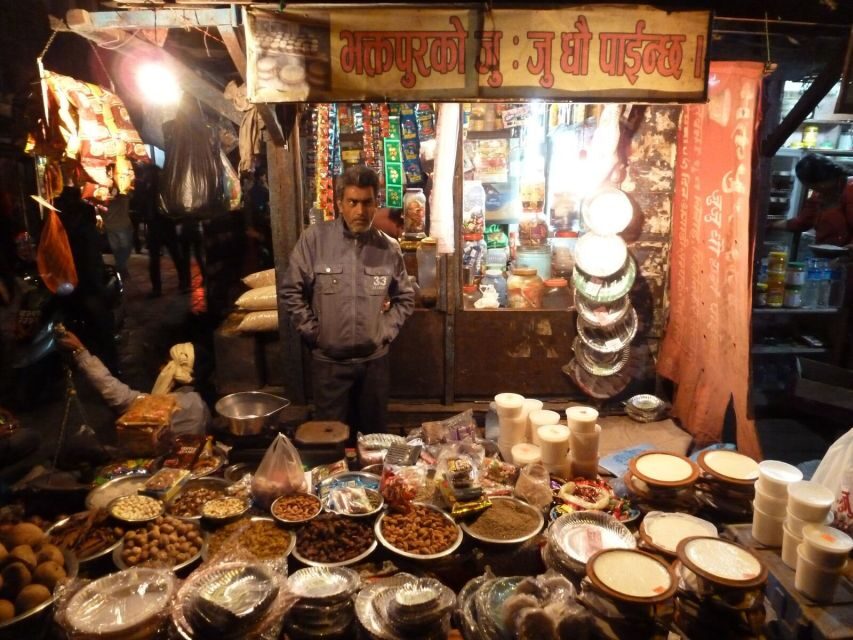
- Asan market focus on vegetables and spices, with a view toward Annapurna Temple nearby
- Sigal shrine visit in a quiet alley that’s a breather from the street noise
- Small-group attention (up to 12) for questions and calmer stops, plus a private group option
- Support for rickshaw drivers by hiring directly, not just using modern traffic as the default
Sunset Kathmandu Feels Like a Different City
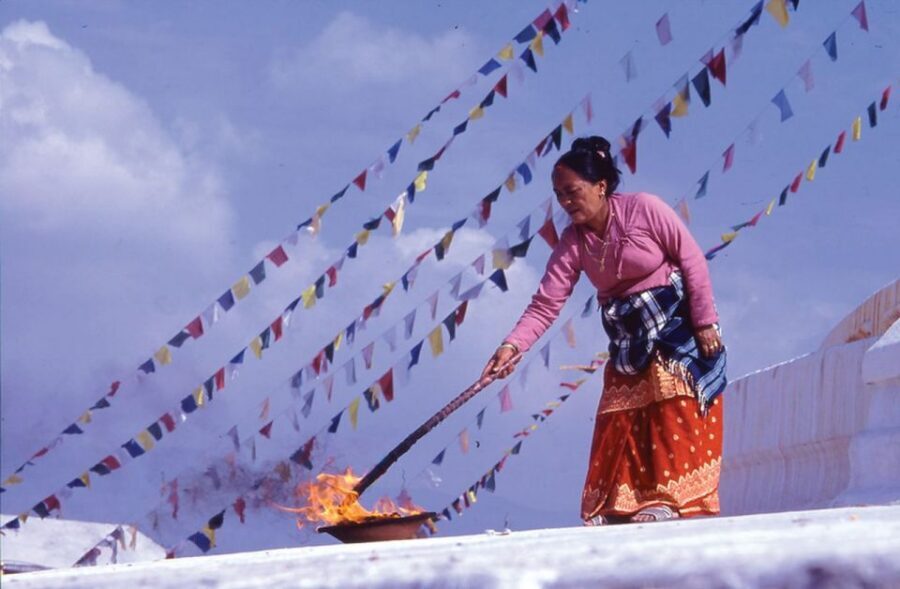
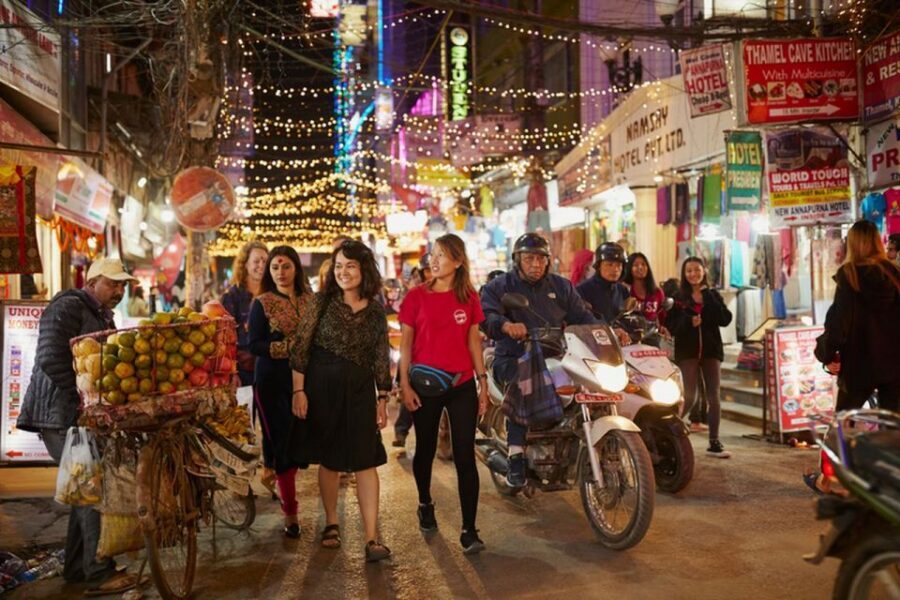
Daytime Kathmandu can be intense. At sunset, the colors shift and the pace softens, especially in the lanes where rickshaws have the best chance to weave through. That’s when you get the full mix of sounds and smells—people cooking and calling, incense drifting from doorways, and vendors setting out what they’ll sell into the evening.
What I like most is the blend of “big sight” and “everyday street.” You’re not only checking off heritage monuments. You’re also watching how life continues around them, including the practical rhythm of local chores and prayer.
You can also read our reviews of more city tours in Kathmandu
Start at Hotel Marshyangdi, Then Ease Into Thamel
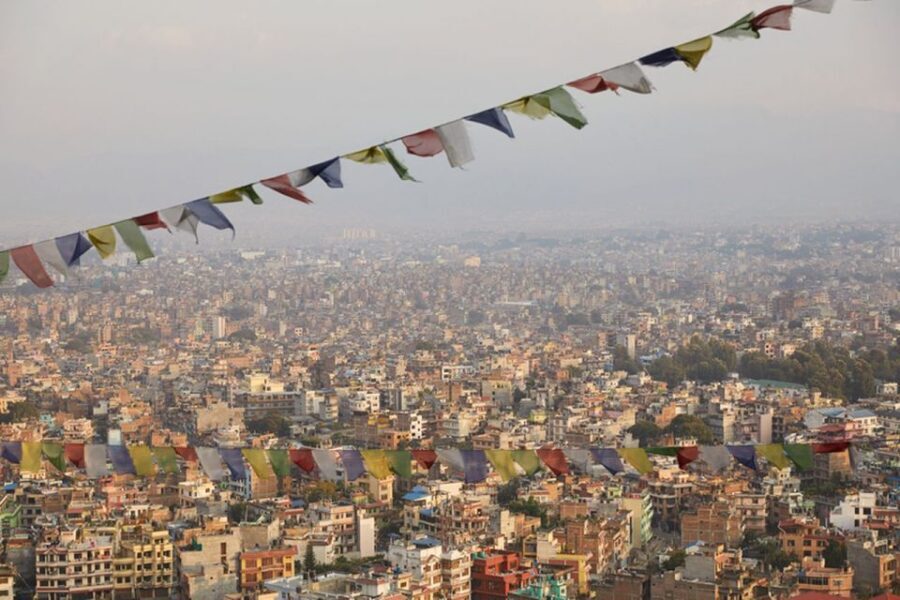
Your tour begins at Hotel Marshyangdi in Thamel (Chaksibari Marg). Thamel is the obvious starting point because it’s where most visitors orient themselves. But the trick here is that you don’t just walk the main streets. You’re using Thamel as a launch pad before you head into quieter lanes.
There’s a short visit early on—think about 15 minutes—that helps you get oriented before the longer stops kick in. You’ll likely feel the contrast fast: main-road noise gives way to alley life where you can actually hear your guide and see details on buildings.
If you’re someone who gets overwhelmed by Kathmandu’s nonstop motion, this early “settle in” stop helps. You’re not thrown straight into a long circuit without context.
Pedicab Rickshaw Time: Slow Enough to Notice, Fast Enough to Cover
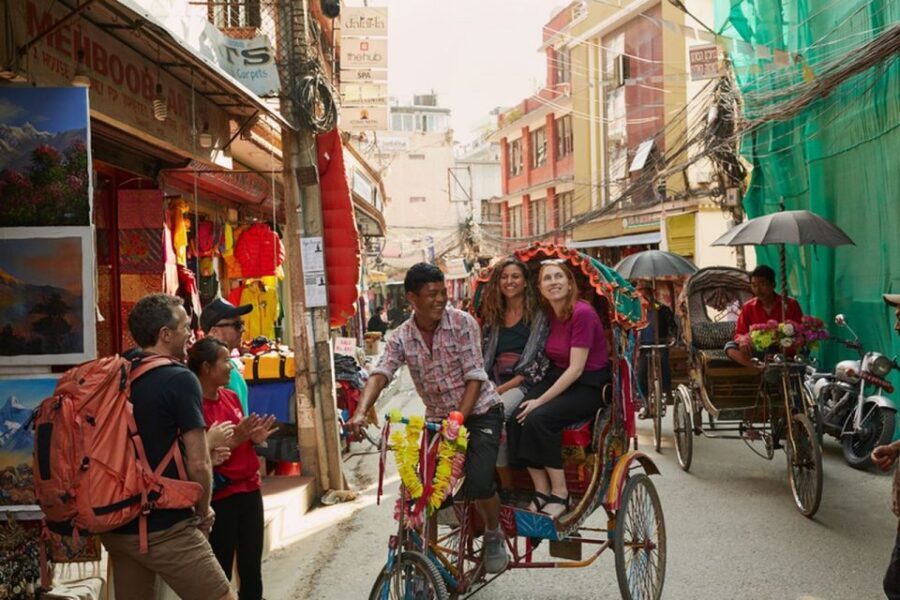
The main transport is a rickshaw (pedicab). It’s worth paying attention to because Kathmandu has increasingly shifted toward motorbikes and cars. This tour does something more helpful than just sightseeing: it hires rickshaws directly from the drivers, giving them much-needed business and money.
Practically, that means you’ll experience the city in a way that feels more human-scale than most roads allow. You can look left and right. You can spot temple details on the edges of streets. You can also stop and start without the constant roar of larger traffic.
One more practical angle: riding by rickshaw at sunset tends to feel smoother because light makes the city’s textures—brickwork, carvings, prayer flags, and small shrine spaces—much easier to notice. You’ll still want to keep an eye on pedestrians and narrow corners, but the ride is part of the experience, not a transfer.
The Thamel Warm-Up: Quick Orientation Without a Long Detour
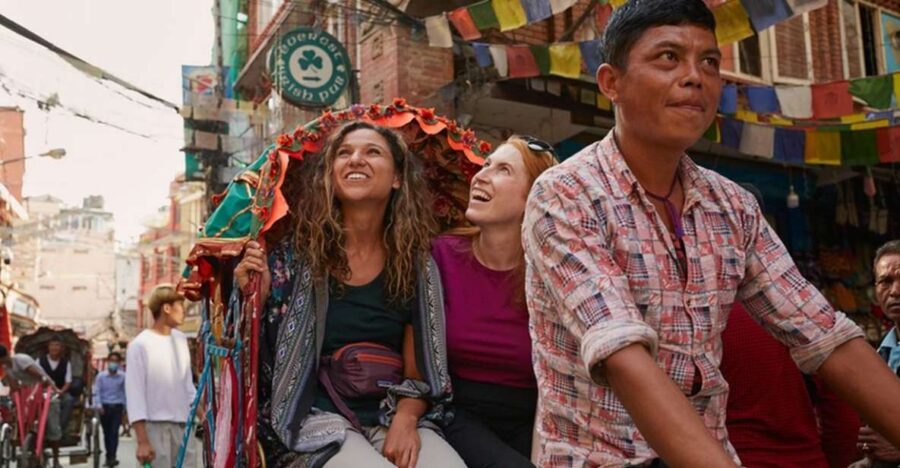
That short Thamel visit (around 15 minutes) is designed to get you into the right mindset. Instead of treating Thamel as the main event, it acts like a compass point: it helps you understand the “tourist heart” before you head into the rest of the city.
A good time to think about this stop: it’s where you can ask your guide what to focus on later. If you’re curious about specific temple architecture, local markets, or how to read what you’re seeing at Durbar Square, this is the moment to set that expectation.
If you hate rushing, you’ll probably appreciate that this part isn’t dragged out. The energy of Kathmandu is enough without turning it into a long walking block right away.
Asan Market at Dusk: Spices, Vegetables, and Annapurna Temple Views
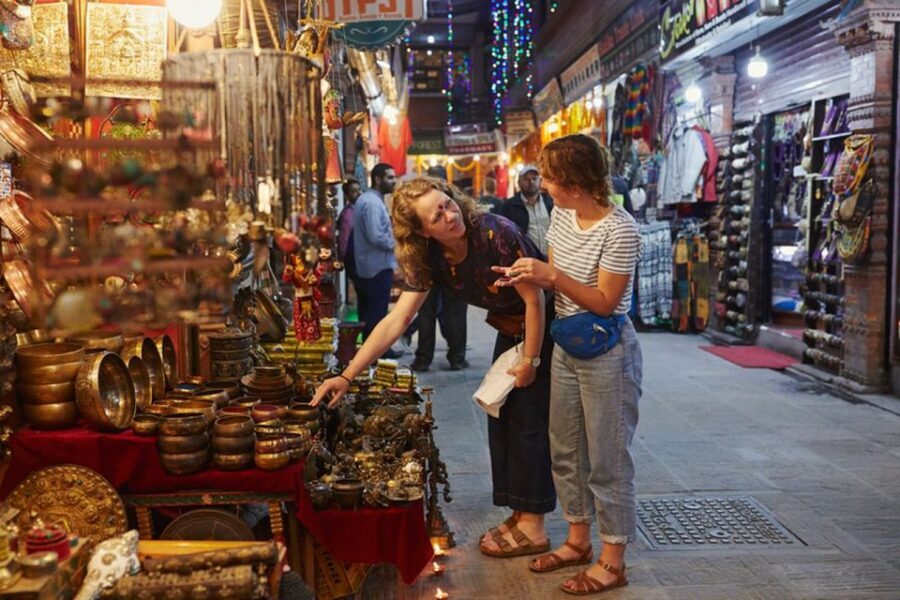
Next comes Asan, the market known for vegetables and spices. Expect to spend about an hour here, which is long enough to browse, not just pass through. Markets are where you learn the real “who buys what” side of a place, and this one is especially good for smelling Nepal’s cooking culture.
Asan also sits near meaningful landmarks. You’ll be looking out toward Annapurna Temple (not as a full visit), and that matters because it helps you connect commerce with religion in the same city space. People don’t separate life into neat categories. They trade, pray, and eat in the same neighborhoods.
At dusk, the market atmosphere changes. Lights come on, vendors shift to evening stock, and the pace stays busy but less frantic than peak midday. You’ll likely notice how many people are buying small quantities rather than huge loads—useful to keep in mind if you’re thinking about snacks or gifts.
Since food and drinks are not included, I’d treat this stop as a place to window-shop first. If you do buy something, keep an eye on timing. Your schedule is built around heritage stops, not a sit-down meal.
You can also read our reviews of more evening experiences in Kathmandu
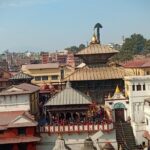
Kathmandu Durbar Square: A UNESCO Heritage Stop You Can Watch Like a Local
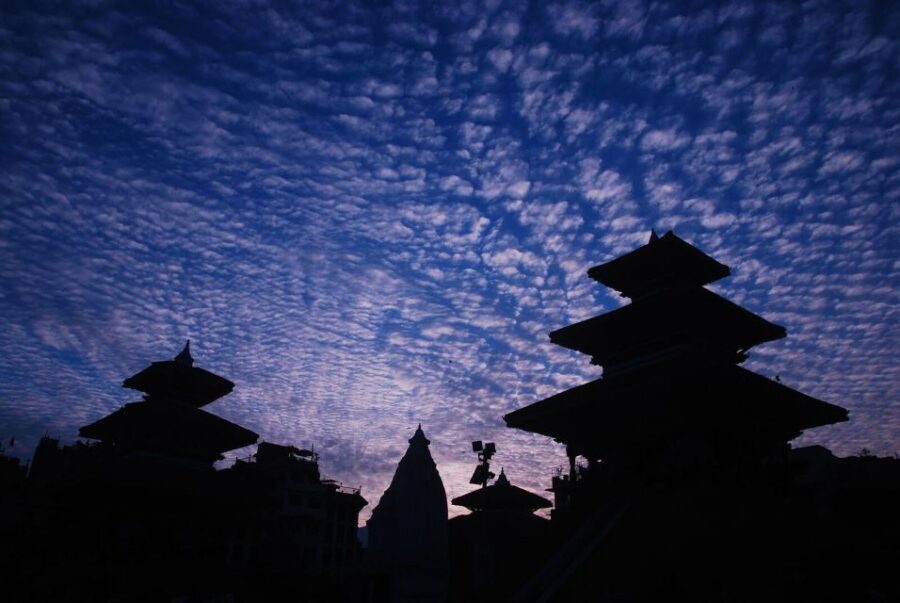
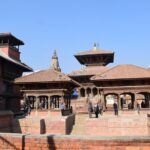
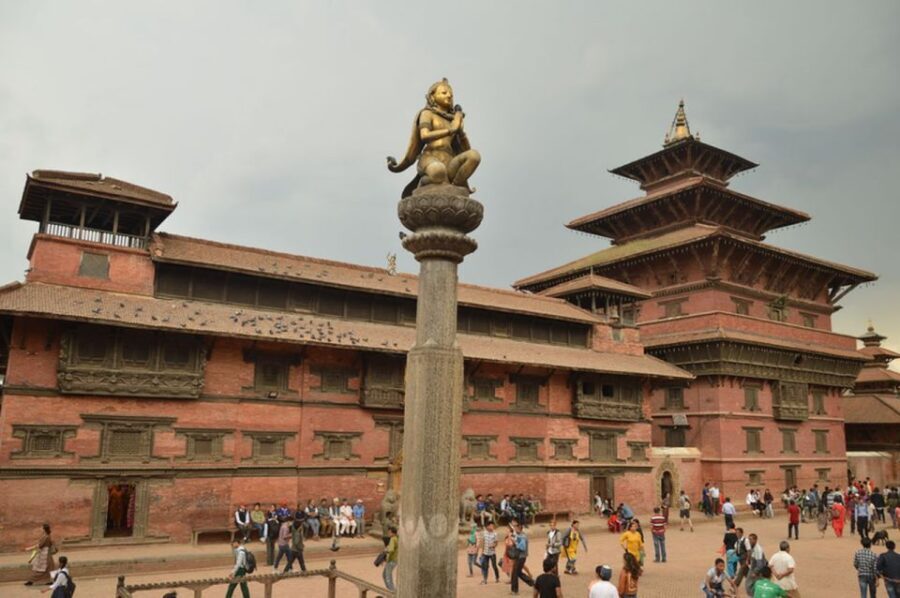
Then you reach Kathmandu Durbar Square, and this is where the tour slows down in a good way. You’ll spend about 1.5 hours here, including entrance via the tour.
This is not only about monuments. It’s about the living scene around them. You’ll have time to park yourself in a temple square and watch how the day ends for locals: people sipping hot chai, devotees involved in prayer, and pigeons fluttering through open pockets of space.
That “watching” piece is key. If you come in trying to photograph everything, you’ll miss the feel of the place. Better move: choose one or two areas within the square and let the scene come to you. That’s how you start noticing the layers of daily life and how the stone setting supports everything from ceremony to casual conversation.
Another practical note: Durbar Square can be crowded. You’ll want to follow your guide’s lead on where to pause. It’s easier than trying to push forward on your own, especially when you’re mixing photography with people praying nearby.
Sigal Shrine: The Calm Pocket Inside a Side Alley
Between major stops, you get a quieter interlude at a Buddhist shrine called Sigal. You’ll visit it after the Thamel area, and it’s reached by stepping just a few steps into an alley.
This matters more than it sounds. Kathmandu can feel loud and constant. Sigal gives you a different rhythm—small, focused, and calmer. It’s also a helpful contrast to the market and Durbar Square, so your brain doesn’t stay in “tour mode” nonstop.
Look for the shift in sensory details. Even if you don’t speak the language, you’ll feel the change: less movement, more stillness, and an environment built for reflection rather than buying and selling.
The Tour’s Value: What You’re Paying For (and Why It’s Fair)
The price is $49 per person for about 2.5–3 hours. That cost feels reasonable because several things are bundled that you’d otherwise pay separately or organize yourself.
Included items:
- Rickshaw hire
- English-speaking Nepali guide
- Entrance fee to Kathmandu Durbar Square
- Sigal Buddhist shrine visit
Food and drinks are not included, so you’ll plan around that. But the big value is that you’re paying for a guide to connect the dots between what you see—markets, temples, and the way people use these spaces every day—plus you’re paying for entry into the main heritage area.
Also, this tour is described as carbon neutral and run by a B Corp certified company focused on using travel as a force for good. While I still think you should judge the experience by what you’ll feel on the street, it’s a positive signal that the operator is paying attention to impact, not just selling a route.
Small-Group Touring Means Better Stops
This is set up for a small group of up to 12 people, with a private group option too. In Kathmandu, size matters. The streets get tight. Durbar Square has bottlenecks. If you’re in a huge group, you end up moving more than seeing.
With a smaller group, you’re more likely to:
- hear the guide’s explanations clearly
- take time at temple squares without feeling stuck
- ask questions when something doesn’t make sense
One practical advantage of smaller groups: the guide can often steer you away from the most chaotic moments and help you find better viewing spots at heritage areas.
Timing Reality: Sunset Is the Point, But Build in Flex Time
The tour is designed around the sunset shift, and that’s great because light changes what you notice. Still, here’s the reality: the tour duration is listed as 2.5–3 hours, and in some cases it may run shorter in practice.
So if you have dinner reservations, I’d avoid booking something right at the finish time. Give yourself breathing room back at Hotel Marshyangdi.
Good rule: treat the tour as a focused evening window, not a half-day takeover.
Practical Tips Before You Go
A few simple things will make this smoother:
- Bring layers. Evenings in Kathmandu can feel cooler than you expect, especially in open squares.
- Wear shoes with solid grip. You’ll be stepping around temple areas and market zones with uneven ground.
- Bring a small bag that’s easy to manage on a rickshaw ride. You’ll be in close quarters and weaving through lanes.
- Plan for photos, but also plan to pause. Durbar Square is better when you slow down and watch people.
And one more mindset shift: this tour is at its best when you treat it like you’re moving with a local rhythm—market first, then heritage, then a calm shrine pocket—rather than a checklist of stops.
Who This Tour Suits Best
This experience is a strong fit if you:
- want to see Kathmandu heritage without spending the whole evening navigating alone
- enjoy markets and temples in the same walk-through evening
- like small-group tours where you can ask questions and linger safely
- want an ethical angle (direct rickshaw driver support, carbon neutral framing)
It may be less ideal if you need guaranteed long time at every stop. The schedule is structured, and sunset timing keeps it focused. If you want a super slow, extended hangout at Durbar Square only, you might prefer a longer heritage-focused day.
Should You Book This Sunset Rickshaw Tour?
Yes, I’d book it if you want Kathmandu the way it actually feels—temples, markets, quiet pockets, and a ride that keeps you close to street-level life. The combination of Asan market, Kathmandu Durbar Square, and the Sigal shrine gives you a balanced evening: energy, heritage, and calm.
Skip it only if you know you’re very sensitive to schedule changes or you require a lot of food time. Since food and drinks aren’t included, you’ll want to handle that independently before or after the tour.
If you’re ready for a practical, local-paced evening with real stops and real context, this is a smart way to spend your sunset hours in Kathmandu.
FAQ
How long is the Kathmandu sunset rickshaw tour?
It runs about 2.5 to 3 hours.
Where does the tour start and where do you return?
You meet at Hotel Marshyangdi in Thamel (Chaksibari Marg) and return there at the end.
What will I see during the tour?
You’ll ride through the Thamel area, visit Asan market, spend time at Kathmandu Durbar Square, and visit the Sigal Buddhist shrine.
Is Kathmandu Durbar Square entrance included?
Yes. The tour includes the entrance fee to Kathmandu Durbar Square.
Is food included in the price?
No. Food and drinks are not included.
What is included besides the rickshaw ride?
The tour includes a rickshaw hire, an English-speaking Nepali guide, and the Sigal shrine visit.
Is there an age requirement for children?
Yes. Children must be 6 years old to 11 years inclusively; children below 6 are permitted.