REVIEW · KATHMANDU
Gokyo to Everest Base Camp Trek
Book on Viator →Operated by Ace the Himalaya · Bookable on Viator
Cho La turns the Everest trek into a circuit. You’ll hit Gokyo Lakes for big sky views, then cross Cho La Pass on your way to Everest Base Camp and Kala Patthar.
What I love most is the way the trek builds your “go high, then recover” rhythm. You get a full acclimatization day in Namche Bazaar, plus smart early starts that help you dodge the worst weather on the pass.
One drawback to plan for: the higher-altitude days are long and demanding, and one of the overnight stops is truly basic. If your body runs cold or you hate dorm-style rooms, this itinerary will test that comfort zone.
In This Review
- Key Things to Know Before You Go
- Everest Circuit via Gokyo and Cho La: The Big Idea
- Price and Logistics: What You Get for $2,200
- Kathmandu Start and Finish: Transfers, Hotels, and Timing
- Lukla to Namche Bazaar: Bridges, Sherpa Culture, and Acclimatization
- Gokyo Lakes Day-by-Day: Phortse, Machhermo, and Quiet Trails
- Gokyo Ri Sunrise and Cho La Pass: Early Mornings at High Altitude
- Lobuche, Everest Base Camp, and Kala Patthar: Getting Close Without Mountaineering
- Descent through Pangboche, Tengboche, and Lukla: Recovery and Reflection
- Guide, Porters, Water Filter, and Safety Reality
- FAQ
- How long is the trek from Gokyo to Everest Base Camp?
- Where does the trek start and where do you end up?
- What’s included in the price besides guiding and trekking?
- Does the tour include Kathmandu lodging and meals?
- Do I need to bring my own sleeping bag and down jacket?
- Are there porters included?
- How big is the group?
- What if I need to cancel close to departure?
- Should You Book This Trek?
Key Things to Know Before You Go
- Gokyo Lakes detour adds major views and a quieter feel than the most direct Everest routes
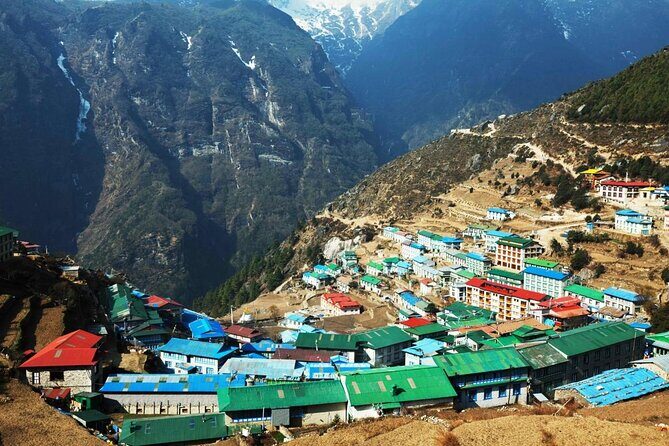
- Namche Bazaar acclimatization includes a dedicated pause day for adjusting to thinner air
- Cho La Pass timing is designed for early walking to reduce your exposure to afternoon conditions
- Everest Base Camp without mountaineering gear keeps the goal achievable, even if the day feels hard
- Kala Patthar is the pay-off climb: short, steep, and built for panoramic payoff
Everest Circuit via Gokyo and Cho La: The Big Idea
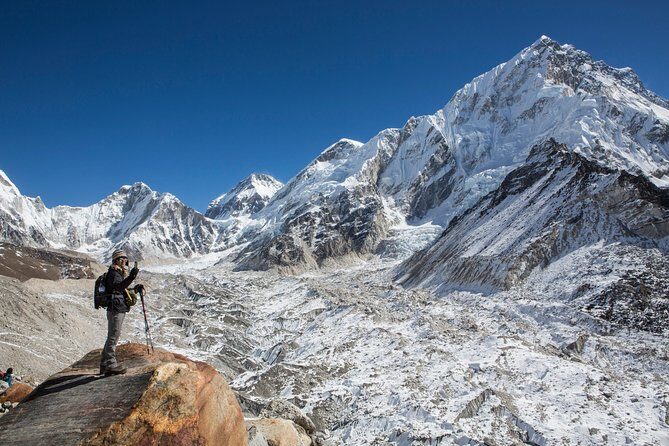
This trek is called the Everest Circuit for a reason. Instead of going straight to Everest Base Camp and back, you loop through Gokyo, climb Gokyo Ri for dawn views, then swing over the Cho La Pass route into Everest’s Khumbu region.
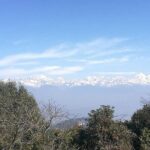
The payoff is that you see Everest from multiple angles. You’ll be in the Dudh Koshi valley early on, then move west toward the Gokyo area, where Gokyo Peak sits at 5,483 m and the views expand to include big neighbors like Cho Oyu and Makalu.
Another big part of the appeal is culture. This route gives you time around Sherpa communities and Buddhist monasteries at high elevation, so the trek isn’t only about the mountains. It’s also about how people live and worship in a place that basically dares you to breathe slower.
You can also read our reviews of more hiking tours in Kathmandu
Price and Logistics: What You Get for $2,200
At $2,200 per person, you’re paying for a full high-altitude travel package, not just “someone to walk with.” The trip includes airport transfers, two nights in a three-star Kathmandu hotel (twin-share), a licensed English-speaking trekking guide, and one porter for every two clients.
It also includes the hard-to-organize pieces that usually blow up budgets: permits, Kathmandu–Lukla–Kathmandu airfare, and even trek bedding/insulation. You’re provided a down jacket and sleeping bag for the trek, plus a Katadyn Pocket Water Filter so you can use treated water along the way. That means less stress packing and a more consistent hydration plan.
Meals are mostly taken care of on the trek: breakfast (16), lunch (14), dinner (14). What’s not included is lunch and dinner in Kathmandu, alcohol, and personal trekking equipment. Tips for your trekking staff are expected, and you’ll want travel insurance that covers emergency high-altitude rescue/evacuation, since insurance is not included.
And one more practical note: this operator runs a maximum of 15 travelers. Smaller groups usually mean smoother logistics on busy trail sections and less chaos when the weather forces plan changes.
Kathmandu Start and Finish: Transfers, Hotels, and Timing
You start in Kathmandu at Tribhuvan International Airport. An airport representative meets you outside with an Ace the Himalaya sign and transfers you to your hotel for the first two nights.
On the finish, the trek ends back in Kathmandu with a quick rhythm. After your final flight from Lukla to Kathmandu (about 35 minutes), you get met and transferred back to your starting hotel. The last day drops you at Tribhuvan Airport for your onward flight.
So your Kathmandu time is handled cleanly: one arrival night setup, one last-day buffer, then out. That helps if you’re trying to manage jet lag, gear checks, and the mental shift from trail mode to airplane mode.
Lukla to Namche Bazaar: Bridges, Sherpa Culture, and Acclimatization
Day two starts with a short but memorable jump: a 35-minute scenic flight from Kathmandu to Lukla (2,804 m). From there, you hike to Phakding—a classic start that eases you into the altitude game without going straight into the steep stuff.
The next day takes you along the Dudh Koshi and through repeated suspension bridge crossings, with prayer flags strung along the trail. That early exposure to motion—crossing, climbing, descending—matters because it teaches you how your body responds before the big high passes later.
You reach Namche Bazaar on day three, then spend a full day there on day four to acclimatize. This is not a random rest day. It’s timed so you can adjust to thinner air and still move your legs. The plan includes a trip to a museum that focuses on Sherpa customs, which is a nice way to slow down your lungs and speed up your understanding of the region.
What to watch here: Namche is where pacing really counts. If you treat it like a race, the rest of the circuit gets harder. Keep your effort steady, drink water, and don’t feel pressured to cover extra distance.
Gokyo Lakes Day-by-Day: Phortse, Machhermo, and Quiet Trails
After Namche, the trek moves from town energy into forest and ridge walking.
On day five, you climb steeply out of the valley through rhododendron forest. As you gain altitude, the vegetation shifts toward juniper and larger conifers. You’ll pass through places like Yak Kharka on the way to Phortse, a stop that feels like a working base for the higher trail rather than a tourist hub.
Day six brings you toward Machhermo and the wider horizon. The route climbs ridges for views down the valley and up toward peaks such as Cho Oyu. You’ll descend and climb again, then reach the terminal moraine of the Ngozumpa glacier area. This is the point where the trek starts to look and feel more “high country” than “Everest approach.”
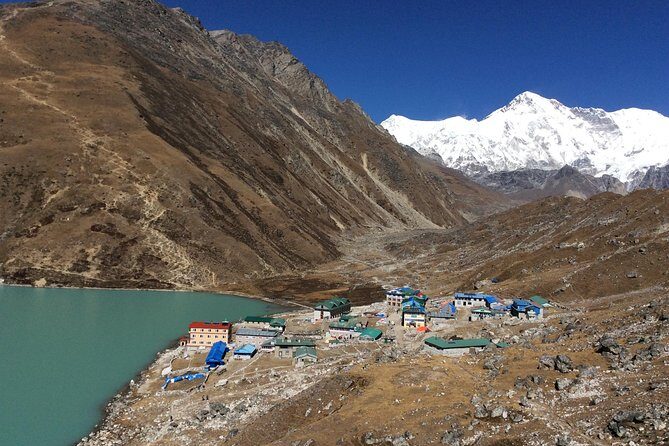
Then you arrive at Gokyo (4,790 m) on day seven and stay two nights. This is the strategic core of the circuit. Two nights here let you settle, explore around the Gokyo area, and let your body adapt before the pass work begins.
Day-to-day benefit: Gokyo is a big part of why this trek feels different. You get the chance to spend serious time around the Gokyo Lakes, which gives you dramatic views and often a calmer feel than the most direct Everest route.
Gokyo Ri Sunrise and Cho La Pass: Early Mornings at High Altitude
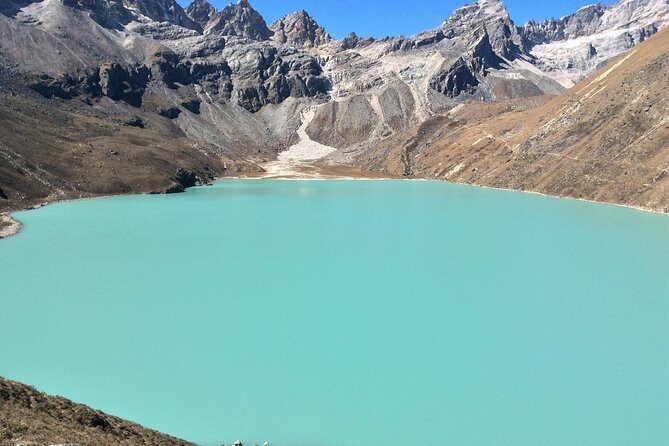
Day eight is your Gokyo highlight: a steep early climb to Gokyo Ri (5,483 m). It’s scheduled as a short trip time on paper, but expect real uphill effort. The upside is that this is built for clear conditions and early light, when the surrounding peaks can look crisp and close.
Then day nine heads toward Thangnag at higher elevation, with accommodation that’s described as very basic and in a dormitory-based room because of remoteness. This is where you should mentally switch from comfort to function. You’re not paying extra for luxury here, and the goal is readiness.
Day ten is the big one: Cho La Pass. The trek starts walking before sunrise (around 4:00 or 5:00 am) and aims to reach the pass by late morning (around 9:00 am to 10:00 am) so you can dodge the worst afternoon weather. The crossing happens around 5,300–5,330 m.
Consideration you shouldn’t ignore: this is the kind of day where weather and visibility can change quickly. The whole itinerary is structured around early starts, which is a strong sign the operator takes timing seriously for safety and comfort.
Lobuche, Everest Base Camp, and Kala Patthar: Getting Close Without Mountaineering
After Cho La, day eleven takes you to Lobuche via a shorter route (about four hours of trekking mentioned). It’s easier in length, but you’re already at altitude, so treat it like recovery, not a victory lap.
Day twelve is a tough day and the main Everest milestone: trekking to Everest Base Camp (5,365 m) along the Khumbu Glacier. This is described as big and difficult, and it makes sense. You’re pushing toward the highest “walk-up” experience without using mountaineering equipment. The goal is closeness and the sense of scale you only get when you’re actually at Base Camp.
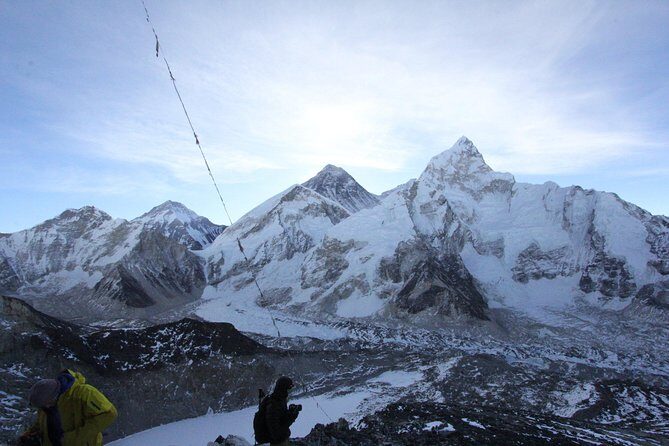
Then day thirteen is for Kala Patthar (5,555 m). This ascent is one of the hardest days of the circuit—demanding but designed for payoff. If Everest is the main story, Kala Patthar is where the view gets dramatic and personal. You climb early and spend the morning earning it.
If you’re the type who gets nervous about altitude, this is the moment you’ll want to trust your guide’s pacing and safety calls. Names that show up in real group experience include guides such as Nima, Raj Kumar, and Lakpa Sherpa, and the pattern is consistent: safety first, then smart decisions when conditions shift.
Descent through Pangboche, Tengboche, and Lukla: Recovery and Reflection
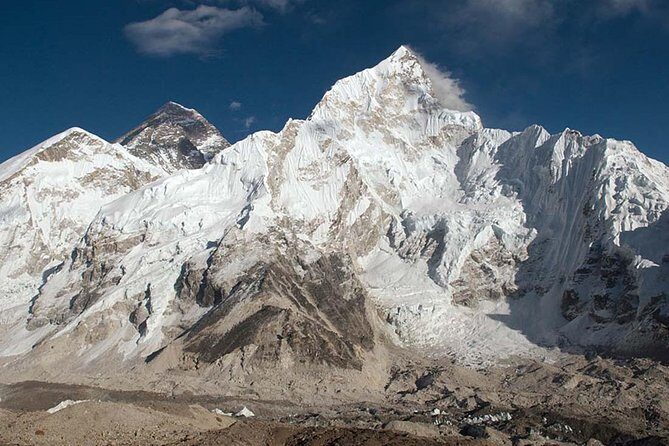
On day fourteen, you leave the high zone and descend back toward Namche Bazaar through Pangboche and Tengboche. This is a welcome shift. The route keeps you moving, but the altitude pressure eases as you drop.
Tengboche is also where the religious side of the journey becomes more tangible. You’re moving through areas known for Buddhist monasteries at elevation, so it feels like you’re winding down the expedition with more culture than grind.
Day fifteen brings the final trekking day back to Lukla, then you get a free afternoon. That pause time matters. After days of early starts and tight routines, having a moment to reflect (and actually feel your legs again) is part of why these trips stick with people.
Day sixteen flies you back to Kathmandu, and day seventeen is your departure day.
Guide, Porters, Water Filter, and Safety Reality
This trip runs on logistics that you don’t want to manage yourself at altitude. You get a licensed English-speaking trekking guide plus a porter system with one porter per two clients, which helps carry the bulk of trekking loads.
You also get support tools that matter more than they sound. Filtered water is provided using the Katadyn Pocket Water Filter, so you aren’t guessing. You’ll also see seasonal fruits during the trek, which is a small morale boost when you’re tired of the same flavors.
Gear is partly covered. The down jacket and sleeping bag are provided to use on the trek and returned afterward, which can help if you don’t want to buy expensive winter-grade items before you go. Still, the trip notes that personal trekking equipment is not included, so you’ll want to bring what you personally need to be comfortable and functional.
Last: the itinerary requires good weather. If weather shuts things down, you’ll either be offered a different date or a full refund, which is a practical reassurance for a trek that runs at high elevation. And if you want examples of the guide mindset, names like Raj N, Ramesh, Ganesh, and porters like Biroj and Sonam are associated with flexible, safety-focused group management.
FAQ
How long is the trek from Gokyo to Everest Base Camp?
The trip is about 17 days.
Where does the trek start and where do you end up?
It starts at Tribhuvan International Airport in Kathmandu, and it ends back at the same meeting point area in Kathmandu.
What’s included in the price besides guiding and trekking?
The price includes airport transfers, two nights in a three-star Kathmandu hotel, guide and porters (one porter for every two clients), permits, Kathmandu–Lukla–Kathmandu flights, down jacket and sleeping bag for the trek (to be returned), meals on the trek, filtered water using a Katadyn Pocket Water Filter, and trekking accommodations in guest houses during the trek.
Does the tour include Kathmandu lodging and meals?
Yes for lodging: two nights in Kathmandu in a three-star hotel. For meals: breakfast is included during the trip, and lunch and dinner are included during the trek, but lunch and dinner in Kathmandu are not included.
Do I need to bring my own sleeping bag and down jacket?
No. The trek provides a down jacket and sleeping bag for use during the trek, and you return them afterward.
Are there porters included?
Yes. There is one porter for every two clients.
How big is the group?
The maximum group size is 15 travelers.
What if I need to cancel close to departure?
You can cancel up to 6 days in advance for a full refund. For a full refund, you must cancel at least 6 full days before the experience start time.
Should You Book This Trek?
Book it if you want the Everest Circuit experience: Gokyo Lakes and Cho La Pass plus Everest Base Camp and Kala Patthar, all built around acclimatization and early starts. This is a smart choice for hikers who like an ambitious route and can handle basic accommodations on remote nights.
Skip it if you need lots of comfort at altitude, strongly dislike dorm-style lodging, or you don’t plan for weather and the real effort of high passes. If you’re going, bring patience, pack for cold, and get travel insurance that specifically covers high-altitude rescue.