REVIEW · KATHMANDU
Kathmandu: Private Patan and Bhaktapur Sightseeing Tour
Book on GetYourGuide →Operated by Breakfree Adventures Pvt. Ltd. · Bookable on GetYourGuide
Two UNESCO squares, one private day. That’s the appeal here: you’ll move through Patan and Bhaktapur and see centuries-old palaces, temples, and courtyard life in one focused stretch around Kathmandu’s Bagmati Zone.
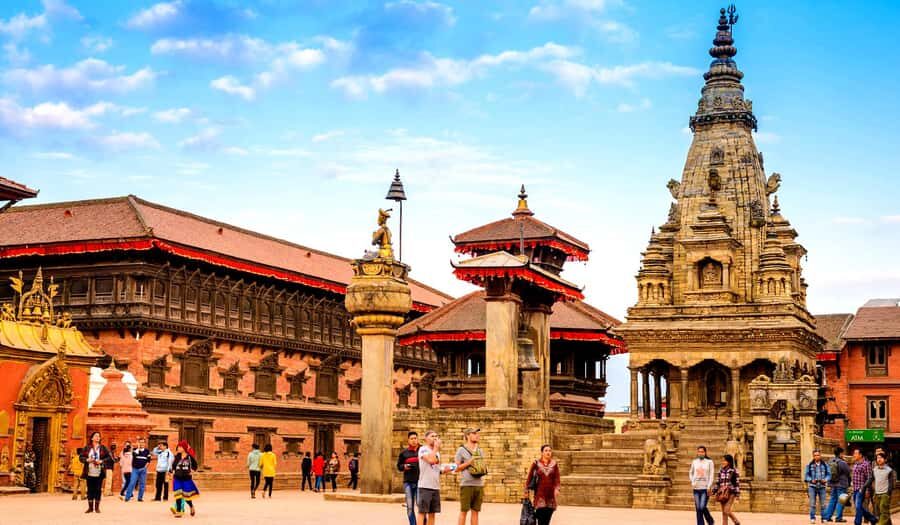
I love two things most. First, Patan Durbar Square: it’s the kind of place where carved facades and palace buildings make the Malla era feel tangible. Second, the Bhaktapur Durbar Square set of highlights like the Nyatapole Temple, Golden Gate, and 55 Window Palace give you a clear hit of what makes Bhaktapur so famous.
One consideration: entrance fees and your timing for them are on you, and with a 6-hour limit you’ll want to keep your pace brisk, especially in temple courtyards and museum areas.
In This Review
- Key points before you go
- How the Private 6-Hour Format Works in Kathmandu
- Patan Durbar Square: Carved Facades, Palace Corners, and a Museum Core
- The UNESCO Connection: Why Patan and Bhaktapur Feel Like Two Different Kingdoms
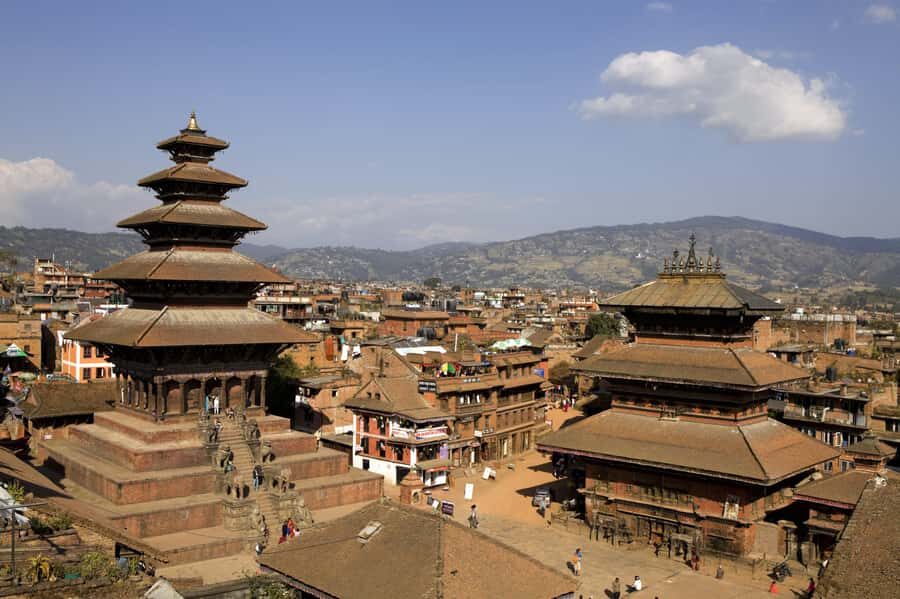
- Bhaktapur Durbar Square: Nyatapole, Golden Gate, and the 55 Window Palace
- Nyatapole to Courtyard Corners: What to Pay Attention To Beyond Photos
- Your Guide in English Makes the Day Better (Shankar Bhattarai and Dishee)
- Entrance Fees, Cash Rupees, and the Real Value of $49
- What to Bring: Shoes, Sun Protection, and Rupees
- Who This Tour Suits Best
- Should You Book This Patan and Bhaktapur Private Tour?
- FAQ
- How long is the Kathmandu private Patan and Bhaktapur sightseeing tour?
- Does the tour include hotel pickup and drop-off?
- Is there a live tour guide, and what language is it in?
- Are entrance fees included in the tour price?
- Should I bring cash for this tour?
- What UNESCO sites are included?
- What are some key sights in Bhaktapur Durbar Square?
- Is cancellation free, and is pay later available?
Key points before you go
- Two UNESCO World Heritage Sites in one day: Patan Durbar Square and Bhaktapur Durbar Square, both with major monuments.
- Patan’s palace-temple mix: museums, Hindu temples, and old courtyards clustered around the Durbar Square core.
- Bhaktapur’s signature stops: Nyatapole Temple, Golden Gate, and the 55 Window Palace area, plus a museum of art and artifacts.
- Skip-the-line style entry help: the tour is set up so you don’t lose time hunting tickets at each site.
- A guide who can steer your pace: English-speaking, and often flexible about what you want to focus on.
How the Private 6-Hour Format Works in Kathmandu
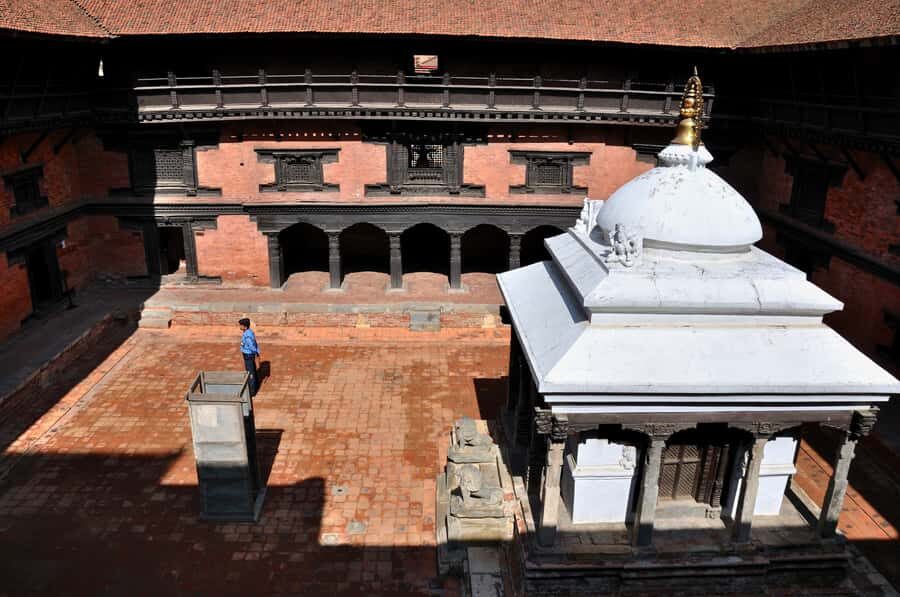
This is a tight, well-structured half-day plan. You’re in a private vehicle, and the tour includes hotel pickup and drop-off in Kathmandu, so you’re not stitching together taxis while trying to read temple signs. The total time is 6 hours (with starting times that vary by availability), which means you’re planning for one concentrated heritage day rather than a slow crawl.
Timing matters here. Patan and Bhaktapur are close enough for a day trip feel, but you’ll still have a drive and transitions. That’s why comfort choices are small but important: solid shoes help you keep your footing in uneven stone and busy stair steps, and a hat or sunglasses will save you from Kathmandu sun beating down during outdoor portions.
Also, entrance fees aren’t included. That sounds minor, but it changes how you should prepare. Plan to carry cash in Nepalese rupees so you can pay quickly and keep the day moving.
You can also read our reviews of more private tours in Kathmandu

Patan Durbar Square: Carved Facades, Palace Corners, and a Museum Core
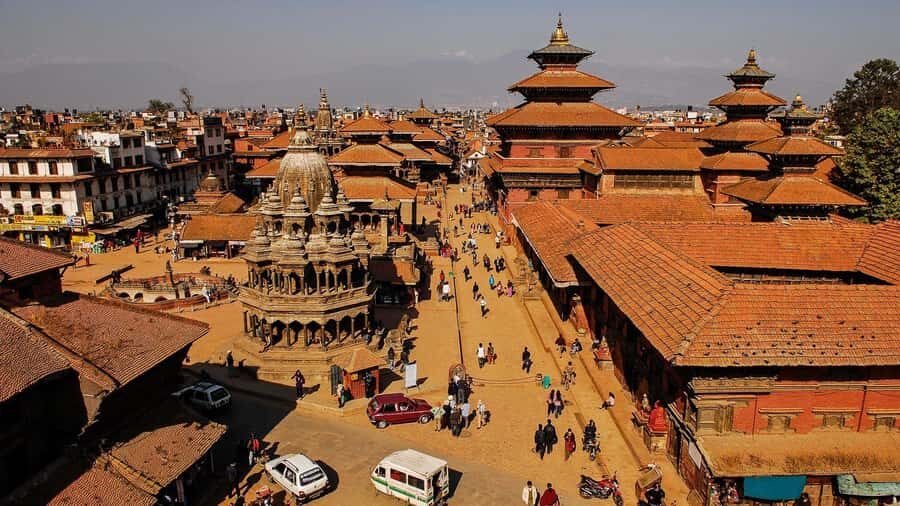
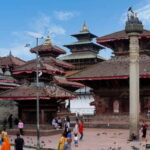
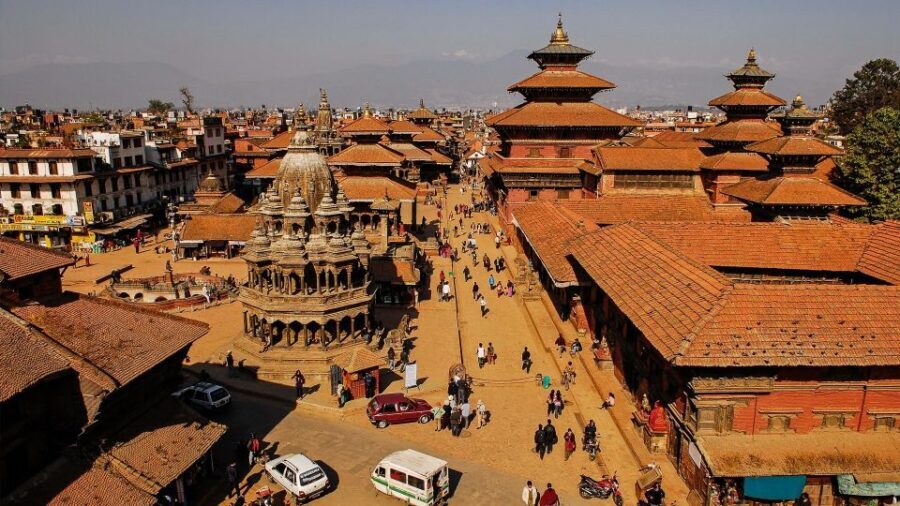
Patan Durbar Square is the big show in Patan. It’s the main attraction, and the whole square works like an outdoor museum—palace structures, Hindu temples, and old courtyard spaces all wrapped into one walkable area. If you like buildings that show off their craft, this is your place.
You’ll encounter a museum within the square and multiple palace and temple buildings clustered close enough that you’re not constantly relocating. The standout feature is the level of detail: intricately carved facades and ornate decorations on the buildings. This kind of stone-and-wood artistry is the easiest way to understand why Patan earned its reputation. You’re not just seeing monuments; you’re seeing how power and religion expressed themselves in architecture.
What I’d watch for as you move around: look at how courtyards connect major structures. Doors, window frames, and the layout between temples and palace areas tell you how people used these spaces in daily life. It’s also where a good guide earns their fee—turning what could be random-looking buildings into a clear story of who built them and why.
One practical note: you’ll be outside for stretches. Even if you’re not a sun person, plan for it. The carved surfaces catch light, and you’ll want a moment or two to stop and take photos without rushing.
The UNESCO Connection: Why Patan and Bhaktapur Feel Like Two Different Kingdoms
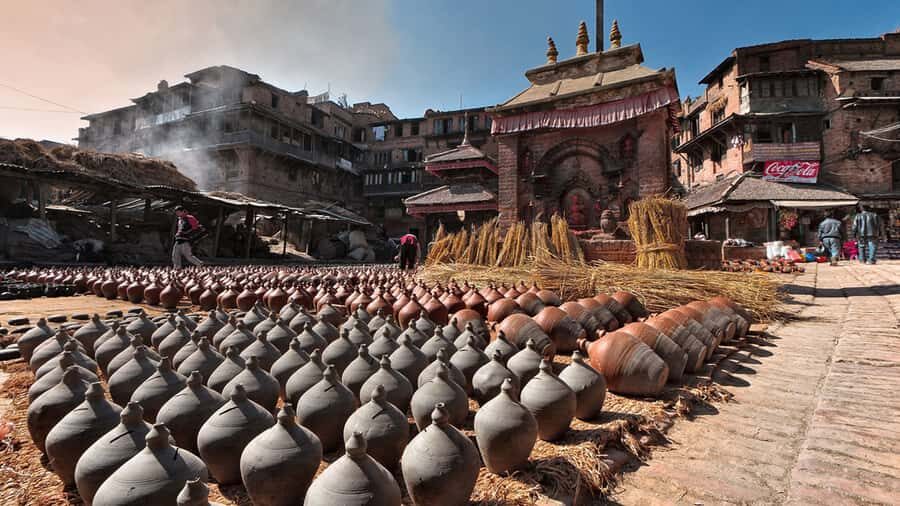
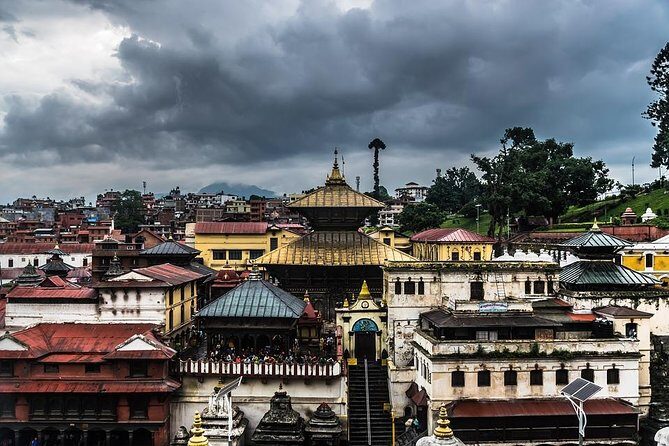
Both destinations are listed as UNESCO World Heritage Sites, but they don’t feel identical once you’re there. Patan tends to emphasize palace-and-temple complexity around the Durbar Square core. Bhaktapur leans harder into a medieval feel where temple landmarks act like anchors.
This is the real value of doing both in one private tour. If you only do one, you can end up thinking one city equals the whole story. Pairing them gives you contrast: different royal centers, different building styles, and different ways that religion shaped street-level life.
The drive between areas also helps. Bhaktapur is about 12 km from Kathmandu city, and that short move makes a difference in atmosphere. You go from the capital’s daily rhythm to a town where the monument density feels higher and the architecture seems to keep the same pace across centuries.
Bhaktapur Durbar Square: Nyatapole, Golden Gate, and the 55 Window Palace
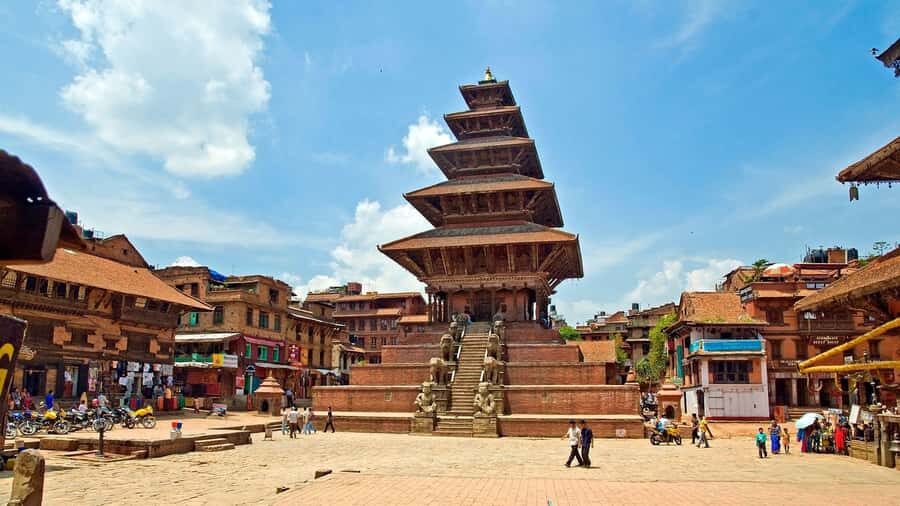
Bhaktapur Durbar Square is where the day really clicks into place. It’s the main attraction in Bhaktapur, and it’s often described with a “city of devotees” feel. Even if you’re not tracking the religious details, the way the landmarks sit in the Durbar Square area makes it easy to understand why it earns attention.
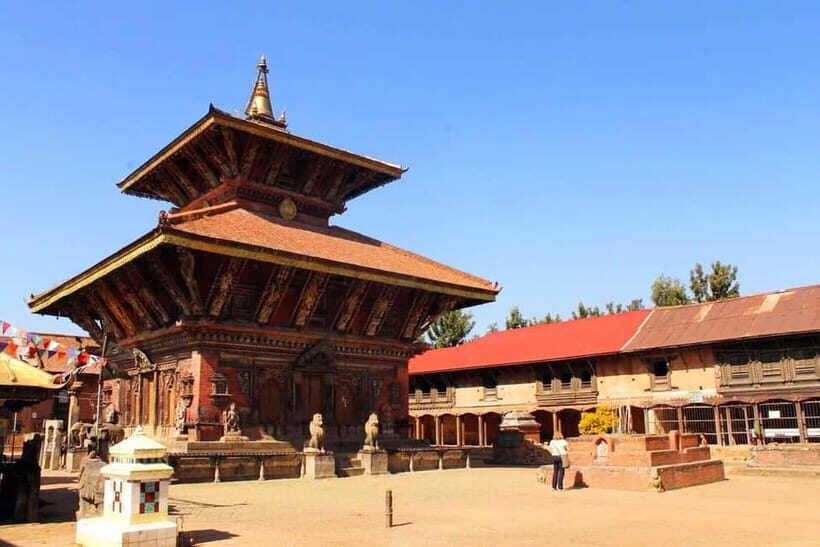
Start with the signature sights. You’ll pass the Nyathapole Temple, one of Bhaktapur’s iconic temple forms, and then the Golden Gate area. From there, the 55 Window Palace is a must-see stop. The palace name alone tells you to look closely at the front design—windows as pattern, not just openings.
There’s also a museum in the Durbar Square area. That matters because Bhaktapur isn’t only about buildings. The museum helps you connect the architecture to art and artifacts, giving you something to hold onto when you’re tired of stones and carvings and you want context.
A detail worth planning for: you may see signs of restoration after the earthquake. One of the stronger impressions people mention is the craftsmanship in the repaired work. That’s not just a repair story; it’s a living one. You can stand in front of restored sections and still feel the old intention behind the design.
Nyatapole to Courtyard Corners: What to Pay Attention To Beyond Photos
It’s tempting to treat these stops as photo checkpoints. But you’ll enjoy the tour more if you give yourself small “assignment” moments.
Here are three things to watch for while you’re walking:
- How the square is arranged: where temples sit relative to palace buildings and courtyard spaces.
- How decorative elements repeat: patterns often show up across structures, tying the visual language together.
- How entrances and gateways frame movement: gates and temple steps are not just decoration; they guide how people pass through sacred space.
When the guide is strong, this is where the day becomes practical. Instead of just reading a sign, you’ll understand why a landmark is positioned where it is, and what the local tradition expects from visitors. You’ll also pick up religion-related explanations around what you’re seeing, which helps everything click into place quickly.



Your Guide in English Makes the Day Better (Shankar Bhattarai and Dishee)
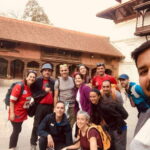
This tour includes a professional live tour guide in English, and the guide’s job is not just reciting dates. It’s explaining what the structures mean and how to read them while you’re standing in front of them.
In particular, I’ve seen this tour’s guides described as friendly and punctual, and that punctuality matters because courtyard-heavy sites punish lateness. Shankar Bhattarai comes up as a guide who’s polite and gives detailed history linked to the sites you’re visiting. Dishee is another name connected with temple, palace, and religion explanations, and people highlight how much information gets shared in a way that still feels organized.
The best part of a great guide here is flexibility. One of the tour strengths is that the guide can adapt the flow to your preferences. If you want more time at the 55 Window Palace or less time wandering, that changes what you get out of the day. Private format helps, but the real win is a guide who can respond without making you feel awkward.
Entrance Fees, Cash Rupees, and the Real Value of $49
Let’s talk money in a way that helps you decide. The price is $49 per person for a 6-hour private tour. Included are hotel pickup and drop-off, transportation in a private vehicle, and a professional guide.
What’s not included: entrance fees and food and drinks. That’s normal for heritage tours, but it changes your budget. The tour also asks you to bring cash in Nepalese rupees for the entrance fees. So the real cost is not just the $49. It’s $49 plus entrance fees, plus whatever you choose to eat during or after.
Still, value is strong for a reason: you’re paying for two UNESCO sites, guided interpretation, and private transportation in one short day. If you were to do Patan and Bhaktapur on your own, you’d lose the “read the buildings” help and you’d likely spend time coordinating rides between sites. This tour trades complexity for a single guided loop.
If you’re trying to keep costs down, bring rupees, plan for snacks or a meal on your own, and wear shoes that let you comfortably do a lot of walking in a short time. That way, the tour cost stays the main cost, instead of you adding extra taxi runs or wasting time.
What to Bring: Shoes, Sun Protection, and Rupees
This is a practical tour, so pack like it.
Bring:
- Comfortable shoes
- Sunglasses
- Sun hat
Also, plan to carry cash in Nepalese rupees for entrance fees. That one item can save you from a minor scramble at the gate. Keep some bills handy so you don’t end up hunting for change in the middle of your visit.
If you’re prone to carrying too much stuff, go light. Courtyards and temple steps are easier with a smaller bag, and you’ll be happier if your hands are free for photos or quick notes.
Who This Tour Suits Best
This is a great fit for:
- First-timers to Kathmandu who want a structured day outside the city center.
- People who care about architecture and symbolism, not just surface sightseeing.
- Visitors who like UNESCO sites but want them handled in a sensible order.
- Anyone who prefers a guide to explain temple and palace context while you’re standing right there.
It may be less ideal if you hate walking or you want a slow, linger-all-day pace. Six hours is short. You’ll see a lot, but it’s not a “take your time in every room forever” plan.
Should You Book This Patan and Bhaktapur Private Tour?
I’d book it if you want an efficient way to experience two UNESCO-listed Durbar Squares with a real guide and private transport. The combination of Patan’s palace-temple details and Bhaktapur’s signature landmarks (Nyathapole, Golden Gate, 55 Window Palace) is a strong use of limited time.
I wouldn’t book it if entrance fees and planning cash hassle would bother you, or if you’re set on a very slow pace with lots of free time. In that case, you might prefer a more open schedule.
My practical takeaway: if you can walk comfortably for a half-day and you’re happy to budget for entrance fees plus your own food, this is a solid value way to see what makes Patan and Bhaktapur feel like separate worlds.
FAQ
How long is the Kathmandu private Patan and Bhaktapur sightseeing tour?
The tour duration is 6 hours.
Does the tour include hotel pickup and drop-off?
Yes. Pickup is included from your Kathmandu hotel, and you’ll also be dropped off back at your accommodation.
Is there a live tour guide, and what language is it in?
Yes, there is a live tour guide, and it’s available in English.
Are entrance fees included in the tour price?
No. Entrance fees are not included.
Should I bring cash for this tour?
Yes. You should bring cash in Nepalese rupees for the entrance fees.
What UNESCO sites are included?
You’ll visit two UNESCO World Heritage Sites: Patan Durbar Square and Bhaktapur Durbar Square.
What are some key sights in Bhaktapur Durbar Square?
Key highlights include Nyathapole Temple, Golden Gate, and the 55 Window Palace, along with a museum.
Is cancellation free, and is pay later available?
Yes. You can cancel up to 24 hours in advance for a full refund, and there is a reserve now & pay later option where you pay nothing today.