REVIEW · KATHMANDU
Historical Kathmandu
Book on Viator →Operated by Nepal Holiday Makers Tours and Travels · Bookable on Viator
Spiritual Kathmandu in one smooth day ride. I like that you hit major Hindu landmarks from Pashupatinath to Patan’s Krishna Mandir, and I love the private AC vehicle plus hotel pickup and drop. One catch: entrance tickets for several temples are not included, so plan for some extra spending.
You start in Thamel at 9:45am and then go point-to-point, which matters in Kathmandu where traffic can turn “quick” into “surprise.” The stops are short enough to stay energetic, but long enough at the big sites to actually take them in rather than just pose and run.
This is a great fit if you want a focused religious sightseeing day without renting a car or wrestling with directions. If you need lots of narration from an on-the-ground guide, you should know that a personal guide is not listed as included.
In This Review
- Key highlights you’ll feel right away
- Why Kathmandu’s Hindu sights work so well in one day
- Meeting in Thamel and riding in a private AC car at 9:45am
- Pashupatinath by the Bagmati River: Shiva at major temple scale
- Budhanilkantha: the reclining Vishnu and its calm open-air setting
- Guhyeshwari Shaktipeeth: a quick 30 minutes with a strong story
- Doleshwor Mahadeva near Bhaktapur: the bull-head link
- Patan Durbar Square and Krishna Mandir: a stone monument with a date you can remember
- Price and tickets: where the value comes from (and where it doesn’t)
- Drivers, requests, and what you should do to avoid hiccups
- Who should book this Hindu-focused Kathmandu day tour
- Should you book this Historical Kathmandu tour?
- FAQ
- Where does this tour start and end?
- What time does the tour start?
- Is hotel pickup and drop-off included?
- Is there a private vehicle and driver?
- Are entrance fees to the temples included?
- What is included in the price besides transport?
- Can I cancel for free?
Key highlights you’ll feel right away
- Point-to-point comfort: a private AC vehicle and a driver do the heavy lifting between sites
- Pashupatinath timing helps: the temple’s daily hours make it easier to plan a good visit
- Budhanilkantha’s reclining Vishnu: a distinctive open-air stop with a pool and a statue
- Myth in a quick visit: Guhyeshwari’s Shaktipeeth spot next to Pashupatinath keeps the story front and center
- Big-name monuments at Patan Durbar Square: Krishna Mandir connects to a long royal-era timeline
Why Kathmandu’s Hindu sights work so well in one day
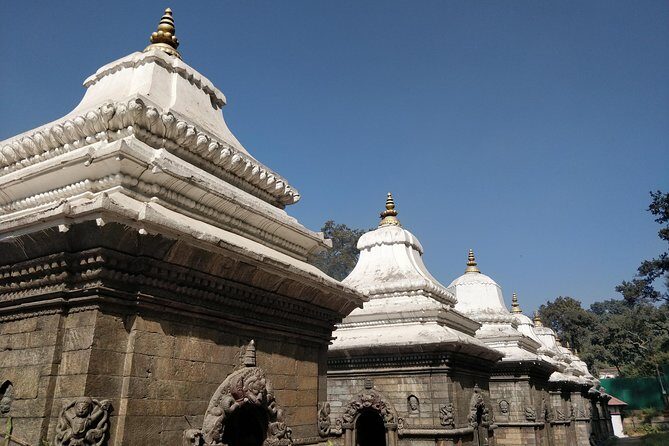
If you’re only in Kathmandu for a short time, this kind of day tour is a smart way to get your bearings fast. The focus here is Hindu temple sightseeing, so instead of spreading you across random neighborhoods, you get a concentrated route through some of the most important devotional sites in the Kathmandu Valley.
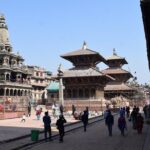
What I like about this approach is that each stop has a different “feel.” You get the river-side intensity of Pashupatinath, the calm, open-air stillness of Budhanilkantha, and then the more compact, story-driven Shaktipeeth visit near Pashupatinath. Even the Patan stop adds a different layer because it’s temple-centered within a Durbar Square setting, which tends to feel more architectural and civic at the same time.
The downside of doing a lot of sacred sites in one day is that you’ll need to be flexible with your energy. Temples are not a “run-through” experience. Bring patience, wear comfortable shoes, and plan for a few stretches where you’ll slow down because you’ll want to observe respectfully.
You can also read our reviews of more historical tours in Kathmandu
Meeting in Thamel and riding in a private AC car at 9:45am
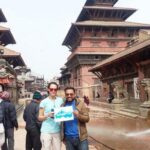
The day kicks off at 9:45am with the start point in Thamel, and the tour ends back at that same meeting point. Hotel pickup and drop are included, which is a big deal because it removes the hassle of coordinating taxis across busy areas.
This is also set up as a private experience, so it’s only your group. That usually makes the timing feel more controlled. You’re not stuck waiting on a large group to get everyone through a temple entrance, and you can keep moving at a pace that suits you.
A practical perk: you get bottled mineral water (1000 ml per person per day). Kathmandu sightseeing can be physically tiring, and having water already handled saves you from scavenging for it between stops.
One note to keep your day smooth: entrance fees are not included for some key places. If you want to avoid any last-minute stress, it’s smart to have small cash ready for temple entry when you reach each site.
Pashupatinath by the Bagmati River: Shiva at major temple scale
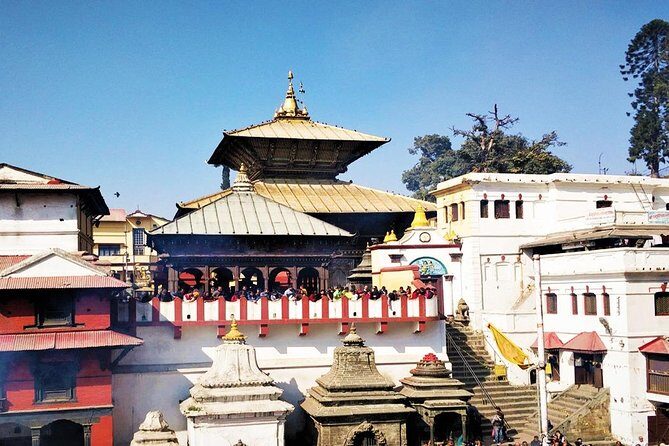
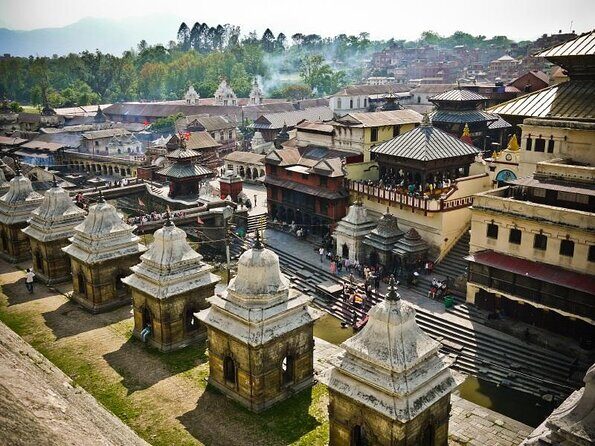
Pashupatinath Temple is the centerpiece. It’s dedicated to Lord Shiva and sits by the holy Bagmati River with nearby forest areas, so the setting itself adds atmosphere—you’re not just walking into a building, you’re stepping into a landscape tied to religious life.
The temple has specific daily opening hours: it’s open from 5:00am to 12:00pm, then reopens from 4:00pm to 7:00pm. Since the tour starts at 9:45am, you’re in the morning window. That’s useful because it keeps your visit aligned with the main open hours rather than forcing you into a late rush.
What to expect when you arrive:
- You’ll spend about 2 hours here, so it’s not rushed.
- You’ll see the scale of the complex and the devotion happening around it.
- You’ll be able to pause for photos and observing, but you’ll also want to keep your behavior respectful and low-key. Sacred sites run on local rules, and you’ll do best when you follow what people around you are doing.
Admission is not included for this stop. That means you should expect to pay the temple entry fee separately. If you like smooth logistics, treat that as a “budget line item,” not an optional extra.
Budhanilkantha: the reclining Vishnu and its calm open-air setting
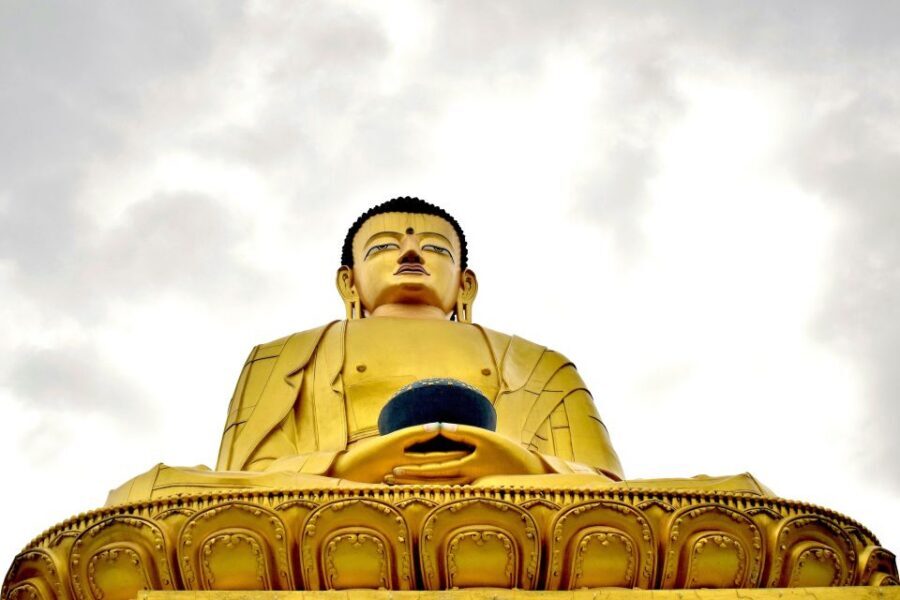
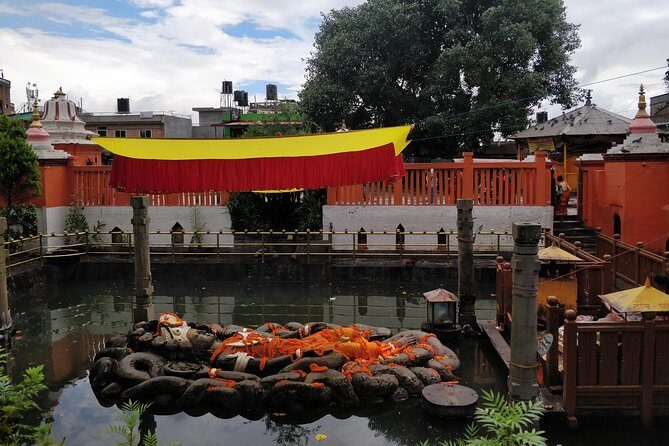
Budhanilkantha is one of those Kathmandu stops that feels different right away. It’s described as an open-air Hindu temple of God Vishnu, and it’s believed to be one of the oldest temples in Kathmandu. It’s also known as Narayanthan, so you might see the name used in different ways.
This stop is shorter than Pashupatinath—about 1 hour—but it’s built around a distinctive feature: a pool with a reclining statue of Vishnu. That detail matters because it changes how you experience the place. You’re not just looking at carvings or spires from a distance. You’re oriented around water and the reclining form, which tends to slow people down and make the visit feel more reflective than checklist-like.
Admission for Budhanilkantha is listed as free, which is excellent value. It also makes it easier to manage your day budget: you can put more money (and attention) into the bigger paid entry sites without worrying that every stop is going to add up.
As you walk around, remember this is an active religious environment. If you want photos, keep them respectful and avoid blocking people. Simple stuff like waiting for a clear shot goes a long way here.
Guhyeshwari Shaktipeeth: a quick 30 minutes with a strong story
Next up is Guhyeshwari Shaktipeeth Temple, also known as Gujeshwori. This is a Shaktipeeth dedicated to Goddess Parwati, and it sits just beside Pashupatinath Temple. That makes it a convenient add-on: you get a second layer of Hindu devotion without trekking across town.
This stop runs about 30 minutes. It’s also free, so it’s a high-value “time-to-meaning” stop.
What makes it interesting is the background: the temple was built by Pratap Malla around the 17th century, and it’s believed to be the spot where Sati’s hips or hind part fell. Myth like this can feel abstract when you first hear it, but in a temple setting, it becomes practical. You’ll feel it in how people regard the space.
Because the stop is short, I’d treat it as a focused pause. Don’t cram it. Give yourself enough time to look around, notice the worship energy, and then move on while you’re still feeling present rather than tired.



Doleshwor Mahadeva near Bhaktapur: the bull-head link
Doleshwor Mahadeva Temple is connected to Lord Shiva devotion and is situated in Bhaktapur. That means the tour route is expanding beyond just central Kathmandu, which is part of the appeal if you want more than one city-zone flavor.
This stop is free and scheduled at about 2 hours. The reason it gets your time is that it’s tied into a well-known Shiva pilgrimage storyline. The belief here is that Kedarnath’s body is that of a bull, while Doleshwor Mahadeva’s head is that of a bull, so the Kedarnath trip is considered incomplete without visiting Doleshwor Mahadeva.
Even if you don’t know all the pilgrimage details before you arrive, you can still enjoy the cultural logic. It’s one of those temple connections that links far-away places into a single religious conversation. That makes it more than just another stop—it’s a “bridge” stop.
Because you’re spending about two hours, expect time to walk, look around, and settle into the pace of a temple complex.
Patan Durbar Square and Krishna Mandir: a stone monument with a date you can remember
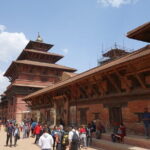
Patan Durbar Square is where the tour shifts toward architecture and royal-era temple heritage. Your time here focuses on Krishna Mandir, described as a fine stone monument and a major attraction for Hindu devotees and tourists.
The key historical detail is the build date: 1637 A.D., built by Siddhi Narsinha Malla. If you like having something concrete to carry with you after the visit, this is a good one because it’s specific.
Admission at Patan Durbar Square is not included, so again, this is a paid entry item. It’s worth planning for, especially because the setting is popular and you’ll likely want a bit of time to wander around rather than simply enter and exit.
Your scheduled time is about 2 hours. That amount is helpful because Durbar Square areas can be visually busy. You want time to notice the details and to see how devotion and sightseeing coexist in the same space.
As you’re walking, look for how the temple’s stone design reflects its age and how the complex layout directs foot traffic. It’s not just one building—it’s a whole area where the “city of worship” vibe matters.
Price and tickets: where the value comes from (and where it doesn’t)
At $160, what you’re really paying for is the convenience and the private setup. The tour includes:
- A private AC vehicle with a private driver
- Hotel pickup and drop
- Bottled water (1000 ml per person per day)
- A point-to-point vehicle approach between stops
- All fees and taxes (but note: not all site entrance fees are included)
The big “watch out” is that entrance fees for sightseeing points are not included. That includes major temple sites like Pashupatinath and Patan’s Krishna Mandir (based on what’s listed). So your final cost can climb once you add temple entry on top.
Also excluded: lunch, snacks, and a personal guide. That doesn’t make the tour bad—many people are fine with self-directed exploring inside temples—but it does change what kind of trip this becomes. If you love learning every detail and need constant interpretation, you might want to budget for a guide separately.
So is it worth it? For a first-time visitor who values comfort, simple logistics, and hitting multiple high-profile Hindu sites in a single day, the $160 price tends to make sense. If you’re extremely price-sensitive and only want to pay for minimal entrances, the excluded tickets can make it feel less like a bargain.
Drivers, requests, and what you should do to avoid hiccups
The tone of feedback around the tour experience is generally positive around planning and the feel of the ride. I’m especially encouraged by the emphasis on good vehicles and cooperative drivers. In one set of experiences, a driver named Nethra is called out as helpful, which is the kind of detail that matters when you’re navigating Kathmandu timing and traffic.
There’s also mention of smooth communication from the operator side, including a reference to Mr. Dipak. When a company is responsive, it usually shows up in small ways: confirming where to meet, adjusting the day when needed, and helping you handle hotel-related questions.
One caution from the real world: one experience mentioned that the guide never showed up at the meeting bridge, and the group waited about an hour. That’s not something you can predict, but you can reduce the odds of stress by doing one simple thing—confirm your pickup the day before, and plan to be at the meeting spot a bit early.
If you’re the type who hates uncertainty, set a quick reminder for yourself to ask the operator the exact pickup point and exact time the day before. Kathmandu runs on real schedules, and you want yours to be solid.
Who should book this Hindu-focused Kathmandu day tour
This tour is a great match for you if:
- You want a temple-first Kathmandu day, not a generic city highlights loop
- You like the idea of a private AC car and don’t want to figure out routes yourself
- You’re in town briefly and want to see multiple major sites without spending the day in transit
You might want something else if:
- You expect all temple entry fees to be included (some are not)
- You want a dedicated guided lecture at every stop (a guide is not listed as included)
- You’re trying to keep your budget tightly controlled, since entrance fees at major sites will likely add cost
For families and mixed groups, the “private” setup can help, since you can pace yourselves across the day rather than getting swept into a rigid group schedule.
Should you book this Historical Kathmandu tour?
I’d book it if you want a straightforward, comfort-first way to see key Hindu temples around Kathmandu and Patan, especially if you appreciate clear time windows and a route that doesn’t waste hours. The mix of Pashupatinath’s river-side scale, Budhanilkantha’s reclining Vishnu pool, and the architectural focus at Patan Durbar Square gives you variety in the same day.
Before you click confirm, do two quick checks:
- Plan for temple entrance fees at stops marked as not included
- Confirm pickup timing and meeting point details the day before, so you don’t lose time waiting around
If you can handle a bit of extra ticket budgeting, this tour is a solid way to experience the devotional heart of Kathmandu Valley without turning your day into a logistics project.
FAQ
Where does this tour start and end?
The tour starts in Thamel, Kathmandu 44600, Nepal, and it ends back at the same meeting point.
What time does the tour start?
The start time is 9:45am.
Is hotel pickup and drop-off included?
Yes. Hotel pickup and drop are included.
Is there a private vehicle and driver?
Yes. You get a private AC vehicle with a private driver.
Are entrance fees to the temples included?
No. Entrance fees for sightseeing points are not included.
What is included in the price besides transport?
The price includes bottled mineral water (1000 ml per person per day) and all fees and taxes related to the tour, plus the point-to-point sightseeing vehicle.
Can I cancel for free?
Yes, you can cancel for a full refund up to 24 hours in advance of the experience start time.