REVIEW · KATHMANDU
Kathmandu Private Sightseeing Tour | UNESCO World Heritage Sites
Book on Viator →Operated by Mount Glory Treks & Expedition Pvt.Ltd. · Bookable on Viator
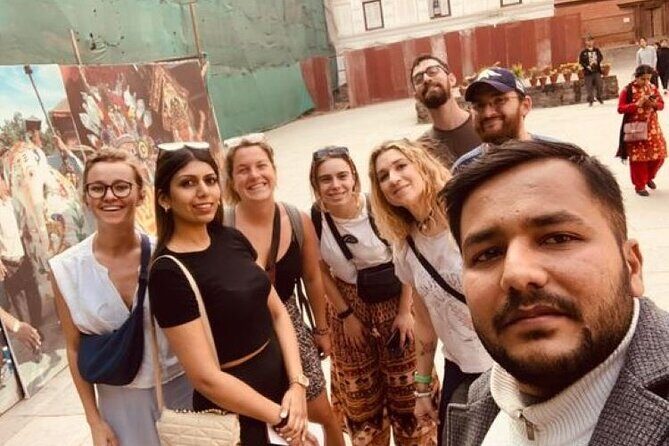
Kathmandu compresses a whole capital into one day. This private tour is interesting because you get Thamel hotel pickup and a private AC car to move between major UNESCO spiritual and palace sites, with commentary from an English-speaking guide. When the day turns messy, it’s also been handled well by guides like Manoj, including when rain and traffic threatened the schedule.
What I like most is the built-in flexibility: you can choose a shorter UNESCO plan or go for more stops, and the guide helps you pace it sensibly. If you select the full seven-site route, the one possible drawback is that 8 to 10 hours can feel exhausting—especially after a hilltop like Swayambhunath and long temple days back to back.
In This Review
- Key things that make this Kathmandu UNESCO tour work
- Thamel pickup and AC transport: why this day feels easier
- The UNESCO count choice: 2, 4, or 7 sites without the chaos
- Kathmandu Durbar Square (Hanuman Dhoka): palace drama and sacred daily life
- Kumari and temple etiquette: small things that help a lot
- Swayambhunath (Monkey Temple): hilltop stupa views with famous eyes
- Pashupatinath and Guhyeshwari: Shiva devotion near the airport
- Boudhanath Stupa: the 5th-century sphere that keeps pulling people in
- Patan Durbar Square: Hindu and Buddhist monuments side by side
- Bhaktapur Durbar Square (Khopa Lyaku): octagonal pillars and old craftsmanship
- Changu Narayan: the hilltop temple with a free stop bonus
- Guide quality and pacing: what makes the experience feel personal
- What to wear and expect on a long cultural day
- Price and value: what $35 covers and what you should budget
- UNESCO entrance fees you should expect
- Who should book this UNESCO day tour in Kathmandu
- Should you book Kathmandu Private Sightseeing with UNESCO sites?
- FAQ
- How long is the Kathmandu Private Sightseeing Tour?
- Which UNESCO World Heritage sites are included?
- Are entrance fees for UNESCO sites included in the price?
- Is lunch included?
- Where does pickup happen?
- What if the tour can’t run due to weather?
Key things that make this Kathmandu UNESCO tour work
- Thamel pickup and AC private transport: less time figuring out routes, more time looking up at temples.
- English-speaking city guide: you get on-the-ground explanations while you’re walking and waiting.
- Choice of UNESCO intensity: go for fewer sites if you want a calmer day, or choose more if you like a sprint.
- Iconic Kathmandu Valley stops: palace squares, stupa views, and Shiva/Shakti sites all in one loop.
- Smooth handling in bad weather: guides have managed rain and traffic by keeping you moving.
- Clear admission-fee reality: monument entry isn’t included, but costs by UNESCO count are spelled out.
Thamel pickup and AC transport: why this day feels easier
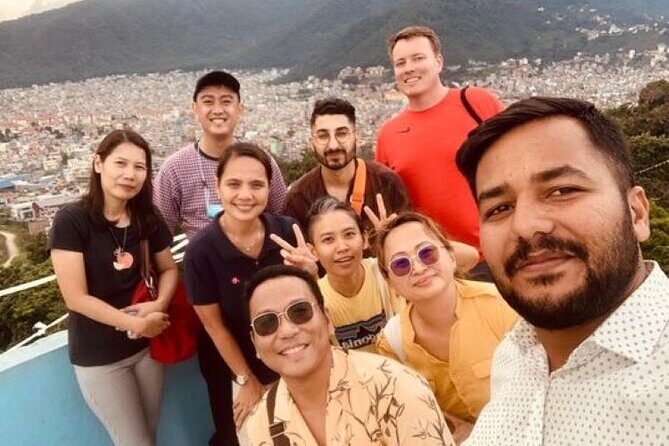
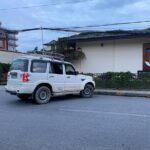
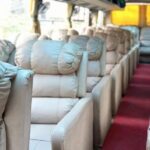
In Kathmandu, the biggest challenge with sightseeing isn’t the sites. It’s the getting-there part: traffic, short waits, and the mental load of navigating busy streets. This tour reduces that stress by starting with pickup from your Thamel hotel and then using a private car with AC for the longer hops.
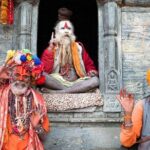
That matters because your day includes both flat temple squares and hill climbs. When you have a driver and car lined up, you can spend your energy on watching daily life around you—sadhus moving through temple lanes, worshippers waiting at entrances, and the quiet focus that comes over a place when you’re close enough to hear the rituals.
If you prefer a more casual start, the tour also offers an option to focus on walking areas such as Durbar Square and Thamel. That can be a nice fit if you don’t want every minute scheduled around UNESCO stamps.
You can also read our reviews of more private tours in Kathmandu

The UNESCO count choice: 2, 4, or 7 sites without the chaos
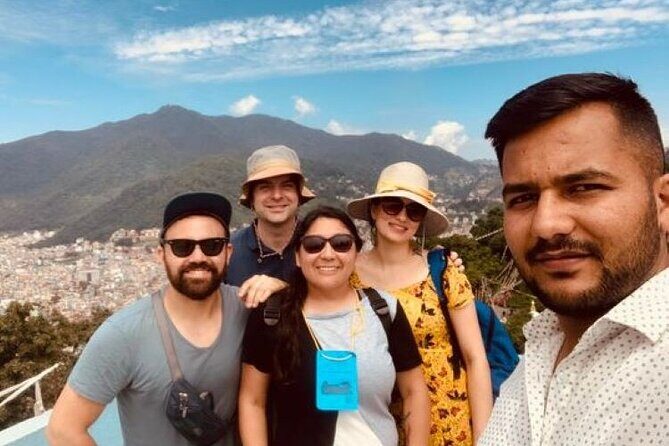
You can structure the day around how much you want to see. The tour is designed so you can do a longer UNESCO stretch (including up to seven sites) or scale it back. The practical advantage is simple: fewer stops usually means less queue time, fewer forced compromises, and more actual looking instead of just passing through.
Here’s what you should know before you commit to a heavier day:
- The full seven-site version is a lot of time in a single loop. Even with a private vehicle, temple visits stack up quickly.
- The guide is a key part of making it manageable. In past days, guides like Manoj and Santos have helped keep things on track by adjusting pacing, including squeezing in as much as possible when conditions are tough.
If your travel style is relaxed—photos, sitting for a minute, reading details—choose fewer UNESCO stops. If you’re comfortable with a packed day and you love checking off big landmarks, go for more. Just don’t treat it as a stroll.
Kathmandu Durbar Square (Hanuman Dhoka): palace drama and sacred daily life
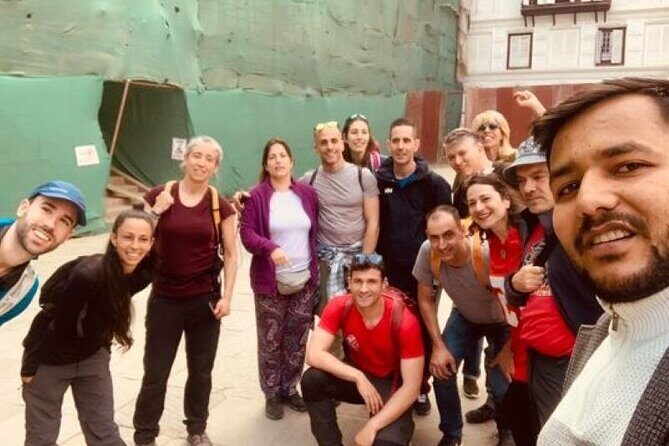
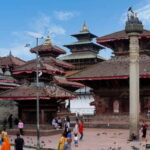
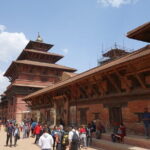
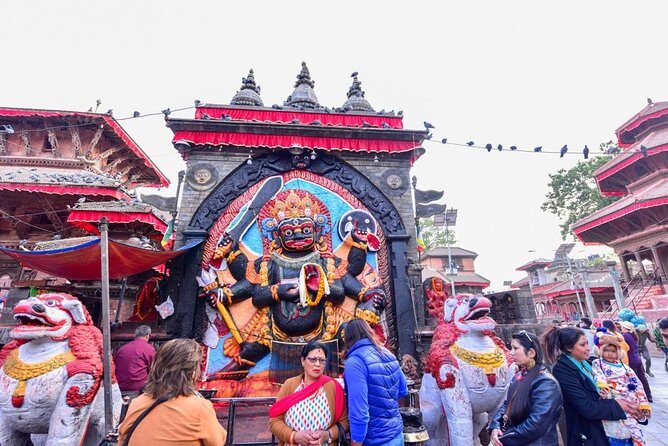
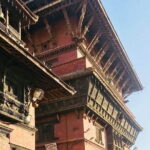
Kathmandu Durbar Square is often your first major “wow” moment. This is the old royal palace area known as Basantapur Durbar / Hanuman Dhoka, and it’s also a UNESCO site. The feel is part architecture, part living history, and part the everyday rhythm of people moving through sacred space.
Expect to see:
- The palace complex area and the sense of a former seat of power
- Temple details that don’t look like museum pieces—they’re used, repaired, and cared for
- The presence of the Living Goddess, Kumari, as part of the experience
One extra detail that makes this stop more interesting is the mention of Buddha Park nearby, including giant three-Buddha statues. That adds a different religious visual vocabulary right after the palace-temple world of Hanuman Dhoka.
Time-wise, plan on around 2 hours here in the longer UNESCO route. If you want photos, this is the place to slow down a little, because Durbar Square has texture: carved columns, courtyards, and the kind of visual density that rewards standing still.
Kumari and temple etiquette: small things that help a lot
This tour brings you close to active devotional spaces, and that’s where etiquette matters. You don’t need to memorize a rulebook—just keep your behavior calm and respectful.
A few practical habits will help:
- Dress so your shoulders and knees aren’t an issue at temples
- Keep your camera use considerate (avoid blocking people during rituals)
- Expect at least some waiting and crowd flow, especially at famous points like Kumari
If you’re doing a longer day, your guide will help you understand what you’re seeing and where to stand.
Swayambhunath (Monkey Temple): hilltop stupa views with famous eyes
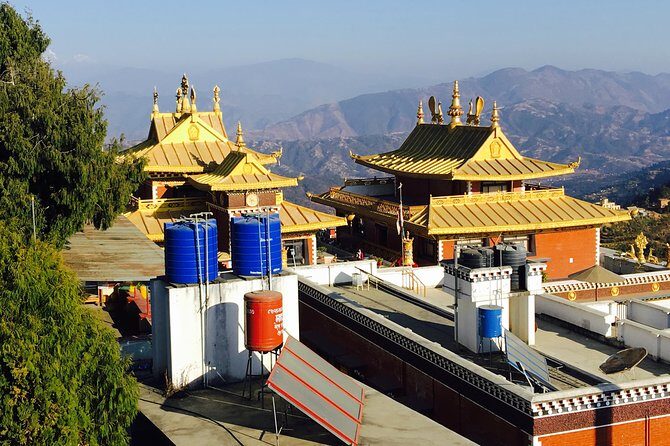
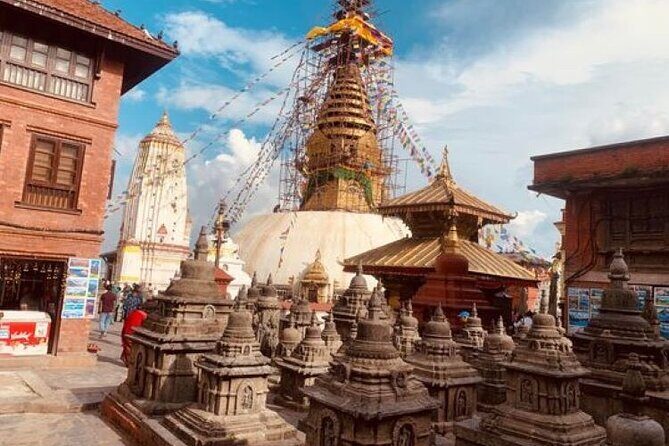
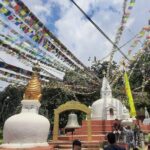
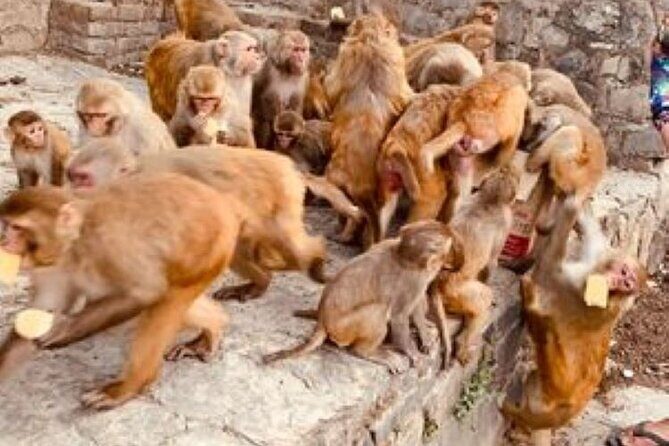
Next comes Swayambhunath, the ancient stupa on a hill. The name Monkey Temple comes from the monkeys in the area—so expect them to be part of the scene rather than a rare sight.
This stop is worth it because Swayambhunath has layers:
- The main stupa with the famous Buddha eyes
- Lots of small stupas scattered around the hilltop
- A wide-city perspective when you’re up there
The tour allots about 1 hour here in the longer day. For many people, that’s the right amount: enough time to walk around, catch views, and understand the stupa symbolism without turning it into a half-day hike.
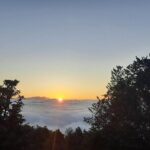
Also, Swayambhunath is one of the places where your timing matters. If it’s clear, the views feel almost like a bonus site. If it’s raining or clouded, you’ll still get the atmosphere—just with more slipping and more careful pacing.
You can also read our reviews of more historical tours in Kathmandu
Pashupatinath and Guhyeshwari: Shiva devotion near the airport
Pashupatinath is a major Hindu pilgrimage site and also part of UNESCO. It’s close to the international airport area, so it has that mix of sacred focus and Kathmandu’s constant motion in the background.
In this experience, you’ll also see Guhyeshwari Temple as part of the stop set. The important takeaway here is the scale of devotion: it’s described as a secret land of Shiva, with hundreds of temples in the broader setting.
The time budget is about 1 hour. That means you won’t have time to wander endlessly, but you will get enough to understand why this is such a central place for worship. Your guide’s explanations are especially useful here, because temple layouts and symbolism can be hard to decode when you’re just looking on your own.
Boudhanath Stupa: the 5th-century sphere that keeps pulling people in
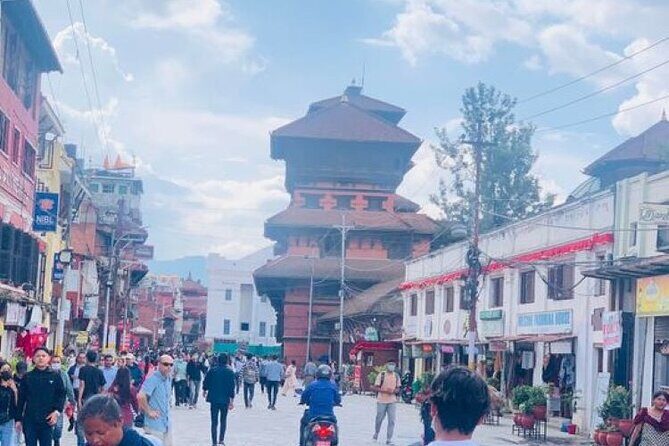
Boudhanath is one of those UNESCO sites that people talk about because it looks like it belongs in a dream. It’s described as the largest spherical stupa in the world and dates back to around the 5th century, with UNESCO recognition.
Why it’s special on a day like this:
- It’s a major meeting point for locals and international visitors
- The stupa’s form gives you a clear “center” for observation
- The surrounding activity makes it feel like a living place, not a stop on a checklist
You’ll get about 1 hour here. In that time, you can do a circuit around the stupa, watch people pause, and feel the different pace compared with a palace square.
Patan Durbar Square: Hindu and Buddhist monuments side by side
Patan Durbar Square (in Lalitpur) adds another layer to your Kathmandu Valley story. This UNESCO site is full of Buddhist and Hindu monuments and historical palaces.
What I like about putting Patan into the same day as Kathmandu’s Durbar Square is contrast:
- Kathmandu Durbar Square feels like royalty and palace space
- Patan can feel more like a dense art and temple network, where the monuments talk to each other
The tour allots about 2 hours here. That’s a good window because you’ll want time to look at carved details and walk at a pace that lets your brain catch up.
Bhaktapur Durbar Square (Khopa Lyaku): octagonal pillars and old craftsmanship
Bhaktapur is where the day starts to feel like a slow chant of architecture. Bhaktapur Durbar Square, also known as Khopa Lyaku, is described as the royal palace of the Bhaktapur kingdom and sits about 1350 meters above sea level.
A few standout features that help you understand why this place is worth time:
- Fourteen octagonal pillars
- Architecture above the cornice area that shows off old design work
The tour time is about 2 hours for this stop. That feels right because Bhaktapur isn’t just “look and move.” It rewards standing in a square, spotting details, and then letting the space guide your route.
Changu Narayan: the hilltop temple with a free stop bonus
Changu Narayan is an ancient Hindu temple on a hilltop. It’s noted as the oldest temple in the Kathmandu Valley and known for distinctive construction and longstanding religious significance.
The tour lists Changu Narayan as free, which is a practical plus—especially when you’re already budgeting for multiple UNESCO admission fees elsewhere.
The time here is about 1 hour, enough to see the core temple setting and appreciate its age without overloading the day.
Guide quality and pacing: what makes the experience feel personal
This kind of UNESCO-heavy day can go two ways: you either rush from one photo spot to the next, or you understand what you’re seeing while you move. That’s where the guide earns their keep.
You’re promised an English-speaking city guide, and that matters because Kathmandu’s sacred spaces don’t always explain themselves to first-time visitors. Your guide can connect the dots between what you’re looking at—palace symbolism, stupa meaning, and how Hindu and Buddhist heritage interlock across the valley.
In particular, guides have shown strong handling of tough conditions. In rain and traffic, Manoj managed to keep the plan working. Santos was praised for giving lots of details and answering patiently. That kind of responsiveness helps when you’re trying to decide where to spend your energy: a quicker pass or a longer look.
What to wear and expect on a long cultural day
The tour is mostly sightseeing on foot around temple and palace areas, with car time between stops. That means you should prepare like it’s a full day outdoors.
Practical tips that fit this specific route:
- Wear comfortable shoes with good grip (hilltop areas and temple steps can be slick in rain)
- Bring something light for shade and something warmer if you’re sensitive to evening cool air
- Keep your daypack simple: you don’t want to carry heavy bags while walking temple lanes
Weather matters here. One note from the tour rules is that it requires good weather, and poor weather can trigger a different date or a refund offer.
Price and value: what $35 covers and what you should budget
The headline price is $35.00 per person, and the tour includes:
- An experienced, helpful English-speaking city tour guide
- All government taxes and official expenses
- A full day sightseeing tour by private car with AC
- Bottle mineral water
That’s the “hard” value part: you’re paying for transport + guidance across a long day. The biggest extra costs are not hidden. They’re spelled out as monument entrance fees and tips.
UNESCO entrance fees you should expect
Entrance fees are not included, with costs listed like this:
- 7 UNESCO sites: 6000 Nepali Rupee
- 4 UNESCO sites: 2600 Nepali Rupee
- 2 UNESCO sites: 1200 Nepali Rupee
- Changu Narayan: listed as free
Also not included:
- Lunch
- Tips for guide and driver
- Personal expenses
- All fees and taxes (as stated in the not-included section)
So the value math is pretty straightforward: the base price covers guidance and transport; you budget admission fees based on how many UNESCO stops you choose, plus meal and tip costs.
If you’re deciding between a 4-site day and a 7-site day, remember this: a shorter route can be cheaper in fees and often feels better mentally because you’re less stressed about time.
Who should book this UNESCO day tour in Kathmandu
This tour is a strong fit if:
- You want a guided, English-first way to understand Kathmandu Valley’s UNESCO sites
- You’d rather sit back in an AC car than coordinate hopping between far-flung stops
- You like big highlights in one day and your schedule can handle 8 to 10 hours
It may not be ideal if:
- You hate long days and prefer slow, single-area exploration
- You’re traveling with limited mobility or you know you’ll struggle with hilltop steps and temple walking (the route includes hill sites like Swayambhunath and Changu Narayan)
If you’re on a first visit and you want the “best of” set, this hits that goal well.
Should you book Kathmandu Private Sightseeing with UNESCO sites?
I’d book it if you’re the kind of traveler who values a plan with breathing room. The private pickup from Thamel plus AC transport is a practical win, and the guide-centered explanations help turn famous names into real places you understand. The ability to choose fewer or more UNESCO stops also makes it easier to match your energy level.
But I’d think twice before choosing the maximum seven-site pace if you want a gentle day. When you go big, you’re signing up for fatigue, not just sightseeing.
My advice: choose the number of UNESCO stops based on how you feel after a full day of walking in cities. If you’re unsure, pick 4. You’ll still see the major highlights without turning the day into a sprint.
FAQ
How long is the Kathmandu Private Sightseeing Tour?
The tour lasts about 8 to 10 hours.
Which UNESCO World Heritage sites are included?
The experience can include Kathmandu Durbar Square (Hanuman Dhoka), Swayambhunath, Pashupatinath, Boudhanath, Patan Durbar Square, Bhaktapur Durbar Square, and Changunarayan (Changu Narayan). You can choose to visit four or seven UNESCO sites, based on your option.
Are entrance fees for UNESCO sites included in the price?
No. Entrance fees are not included. The listed UNESCO admission costs are 6000 Nepali Rupee for 7 UNESCO, 2600 Nepali Rupee for 4 UNESCO, and 1200 Nepali Rupee for 2 UNESCO. Changunarayan is listed as free.
Is lunch included?
No, lunch is not included.
Where does pickup happen?
Pickup is offered from your Thamel hotel.
What if the tour can’t run due to weather?
This experience requires good weather. If it’s canceled due to poor weather, you’ll be offered a different date or a full refund.