REVIEW · KATHMANDU
Kanchenjunga Circuit Trek 19 Days
Book on Viator →Operated by Nepal Nirvana Trails · Bookable on Viator
Quiet trails and huge mountains. This Kanchenjunga Circuit feels refreshingly less crowded, and you get North and South base-camp angles without the circus vibe. I also like how the route is newer, so villages along the way feel more real. The main drawback to plan for: there are long jeep/4×4 days, and the trek food can be basic.
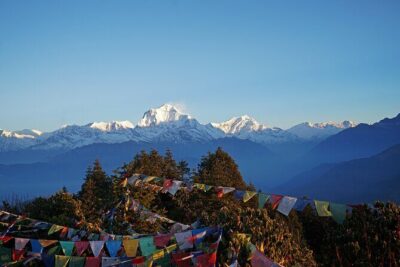
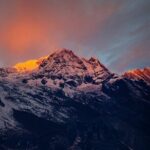
What makes this trek interesting is the variety you pass through. You’ll move from clear river valleys to dense woodland, then to quieter village stretches and finally high, dramatic passes where the views do the talking. In plain terms: it’s not just a one-note mountain climb—it’s a changing Nepal story day after day.
Logistically, I appreciate that the operator takes care of the big moving pieces: permits, a Kathmandu hotel, domestic flights, and private jeeps (plus a licensed guide and porter support). At $2,000 per person, the value mostly comes from those included transport and meal costs. Just be ready to bring a strong fitness routine and keep your expectations realistic about tea-house comfort.
In This Review
- Key things I’d bookmark before you go
- Kanchenjunga Circuit: why this trek feels off the beaten track
- Kathmandu setup: Thamel pickup and permit prep with your passport
- Fly to Bhadrapur and jeep to Taplejung/Sekathum
- Ghunsa Khola start: Sekathum to Gyabla and Ghunsa
- Khambachen acclimatization: pine forests, blue sheep odds, and glacier daydreaming
- Lhonak and Pang Pema: reaching North Base Camp
- Sele Le and the high-pass setup toward Sinion La
- High pass day: Sinion La, Mirgin La, and Sinelapche Bhanjyang
- Yalung Glacier views of Rathong and Kabru, then downhill to Tortong
- Yamphudin to Kanyam: Kabeli Khola trails and the tea-country finish
- Price and logistics: the real value in flights, jeeps, and included meals
- Guides, food, and fitness: what will make or break your comfort
- Should you book this Kanchenjunga Circuit trek?
- FAQ
- What is included in this trek price?
- Are domestic flights and jeep transfers included?
- Do I need travel or health insurance for emergencies?
- What kind of accommodation will I have?
- How many people are in the group?
- How basic is the food on the trek?
- Can I cancel for a full refund?
Key things I’d bookmark before you go
- Less-crowded trekking feel: the route is comparatively newly established, so even in peak season you’re less likely to feel packed in.
- Permits handled early: your passport is used for permit prep in Kathmandu and returned after management paperwork is done.
- Jeep support on key legs: driving to places like Sekathum reduces that first backbreaking start compared with a purely on-foot approach.
- Smart acclimatization at Khambachen: a rest day includes a short hike to nearby glaciers, viewpoints, and lakes.
- North Base Camp (Pang Pema): the climb follows moraines gradually, which helps you pace the effort.
- High passes at altitude: Sinion La (4440m), Mirgin La (4480m), and Sinelapche Bhanjyang (4645m) make this a serious circuit.
Kanchenjunga Circuit: why this trek feels off the beaten track
Kanchenjunga sits in the far-eastern Himalaya, and the circuit reflects that. The trail winds through places that don’t yet cater to huge tourist volumes, so you get a calmer rhythm. Even with tea houses, the villages can feel small and still under development compared to Nepal’s more famous routes.
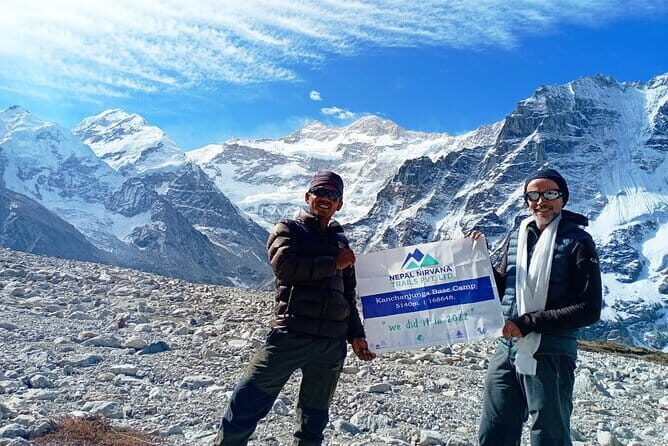
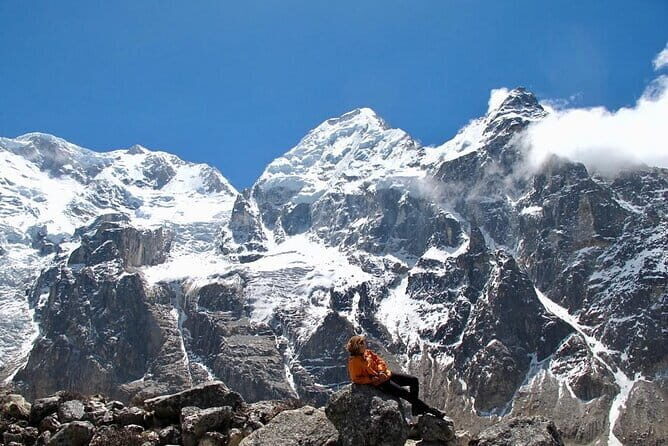
I like that this circuit gives you multiple angles of one of the world’s tallest mountains. You reach both base-camp areas—North and South—so the mountain changes shape as you go, instead of showing up once and then vanishing behind the next hill.
Also, because the trail is described as newly established compared to other major treks, you should expect fewer crowds. That’s a big deal for your sanity when you’re sharing narrow paths, communal tea-house space, and limited viewpoints.
You can also read our reviews of more hiking tours in Kathmandu
Kathmandu setup: Thamel pickup and permit prep with your passport
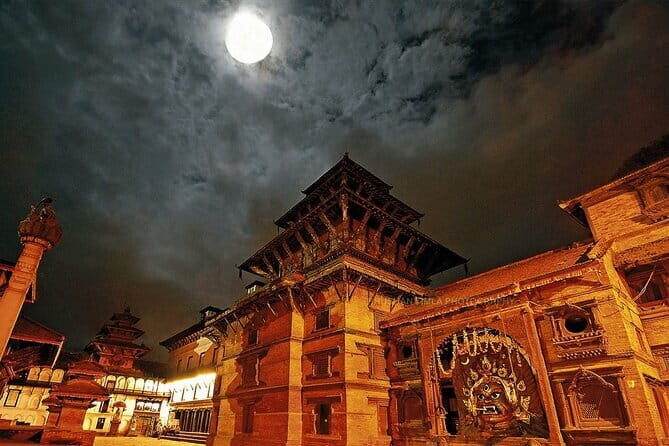
Your trek starts in Kathmandu, with pickup arranged through the operator in Thamel. After you land, an airport representative meets you at Tribhuvan International Airport and transfers you to the hotel booked for you. You also get a working base in the city: a 3-star hotel for 3 nights with breakfast included.
One practical thing happens on day 2: management meets you around 9am and takes your original passport for permit preparation. Then you get it back later, around 5pm, when the team manager hands your documents back. This is worth paying attention to—keep your schedule flexible on that day and avoid plans that require your passport.
If you’ve ever done a trek where permits felt like a scramble, you’ll likely appreciate how this one handles it in a clear, team-based way. Plus, the tour mentions a mobile ticket, which usually means less paper chaos once you arrive.
Fly to Bhadrapur and jeep to Taplejung/Sekathum
The circuit is remote, so the first big change is how you travel. You fly from Kathmandu to Bhadrapur (about 45 to 50 minutes), then switch to a local jeep. After landing, you drive through Kanyam and along the Mechi Highway toward the Taplejung region.
This is one of those days where you earn your appetite. The trekking area is far from major civilization, so expect long seat time. One prior trek experience note I see emphasized the remoteness: yes, the jeep ride can be long because the trekking starts where normal roads stop.
On the next day, you begin with breakfast and then take a second-day drive to reach Sekathum. The operator notes that trekkers often prefer walking up to Sekathum from Taplejung, but here you can use the vehicle to make that first part easier. You trade some motion for less early grinding.
Bottom line: if you hate being in a vehicle, you’ll feel it early. If you’re okay with that trade, you’ll appreciate how it protects energy for the hiking days that matter.
Ghunsa Khola start: Sekathum to Gyabla and Ghunsa
Once you’re out of the drive days, the trek starts to click into place. From Sekathum, you hike with an initial ascent along the Ghunsa Khola, crossing many bridges along the way. This is classic circuit walking: you keep gaining height while the terrain shapes shift beneath you.
Day by day, you move deeper into the wild. You head toward Gyabla (also referred to as Kyapra), where the description emphasizes a dense forest trail with no nearby human settlement. That’s a good day for steady effort and quiet focus—less village distraction, more rhythm.
Then you reach Ghunsa. The route goes through woodland and mentions Phale village along the way, so you get small anchors as you walk. Ghunsa is also a common acclimatization stop in this region, and the plan gives you breathing room before higher segments.
If you’re the kind of trekker who likes your hiking days to feel like progress instead of constant logistics, the first week has that feel. You’re walking, you’re moving up, and each stop makes the next one make sense.
Khambachen acclimatization: pine forests, blue sheep odds, and glacier daydreaming
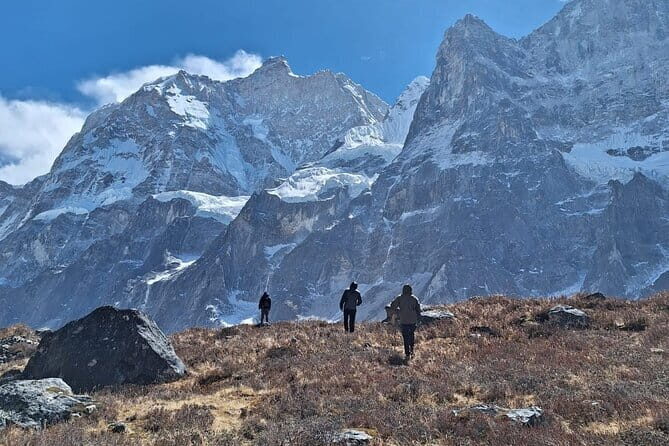
Khambachen is a key turning point. The trek climbs through open pine forest, and the route notes chances to spot wildlife like blue sheep and even snow leopards. Realistically, wildlife sightings are never guaranteed, but the fact that the trail runs where those animals live is part of the appeal.
There’s also a practical note: the path passes through landslide-prone areas. That doesn’t mean it’s unsafe every day, but it does mean your guide’s pace and trail choice matter. In steep terrain, you want a calm, experienced leader who doesn’t rush.
The best part here is how the plan builds in acclimatization. After reaching Khambachen, you rest for a day and take a short hike to nearby glaciers, viewpoints, and lakes. This is the kind of day that helps your body adjust without turning into another punishing summit push.
I like these rest-and-learn stops because they make the harder days feel more manageable. You’re still active, but you’re not doing a full-on altitude challenge.
Lhonak and Pang Pema: reaching North Base Camp
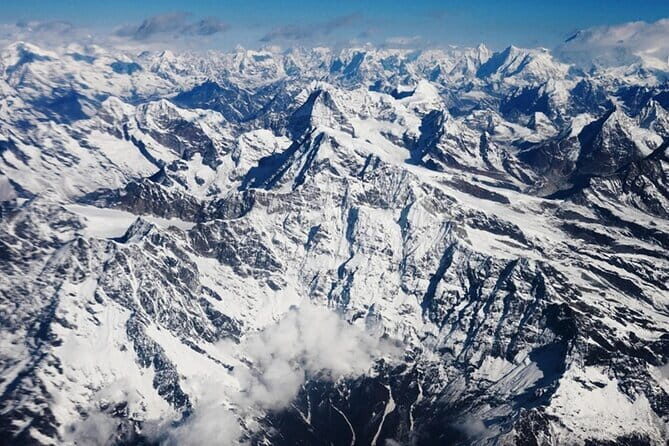
As you leave Khambachen, the trek heads toward the Kanchenjunga glacier track and Lhonak. On this stretch, the description notes that in the main trekking season you can meet trekkers walking toward and returning from Kanchenjunga North Base Camp. That’s a nice reality check: you’re not hiking in total isolation, but you’re also not in a packed corridor.
Then comes the north base camp day: the climb to Kanchenjunga Base Camp (also known as Pang Pema). The guide plan emphasizes gradual movement following moraines. That matters. When you follow moraines slowly, you’re pacing yourself across changing ground rather than forcing a sudden push.
Expect a big, exposed feeling at altitude. Even without detailed weather data here, that’s how base-camp days tend to feel: colder air, more wind, and long stretches where you focus on breathing and footing.
If you want the mountain from a different angle than the southern approach, this is where you get it. It’s not just a checkmark. It’s a day that rearranges your sense of scale.
Sele Le and the high-pass setup toward Sinion La
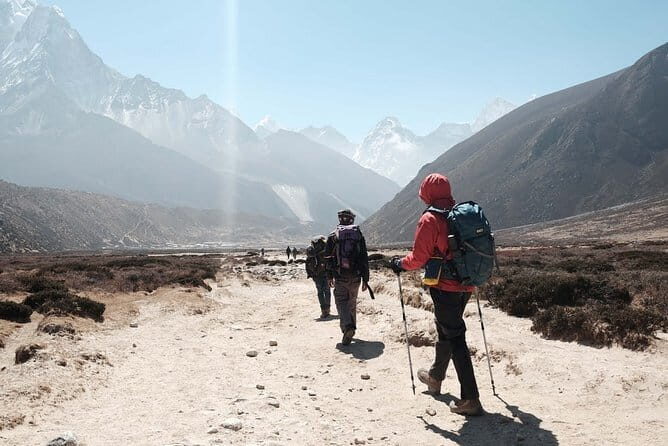
After the north base camp, you retrace steps back to Ghunsa. Then the plan moves you toward Sele Le, leaving the trail to Gyabla. This is where the trek becomes more pass-focused.
The route notes a chance to see snow leopards while passing dense forest. Again, you can’t bank on wildlife, but the idea is clear: this isn’t a highway between tea houses. It’s a route that still feels like mountain-country.
Teahouse availability is another real consideration on this part. The description says there are isolated human settlements with few teahouses, and that some teahouses are open only in certain seasons. So even though you’re doing a guided circuit, you should expect fewer options in some segments. Your guide will manage the plan, but your comfort setup should stay simple.
This is also where you start thinking like a high-altitude trekker: pacing, hydration, and keeping your energy steady matter more than speed.
High pass day: Sinion La, Mirgin La, and Sinelapche Bhanjyang
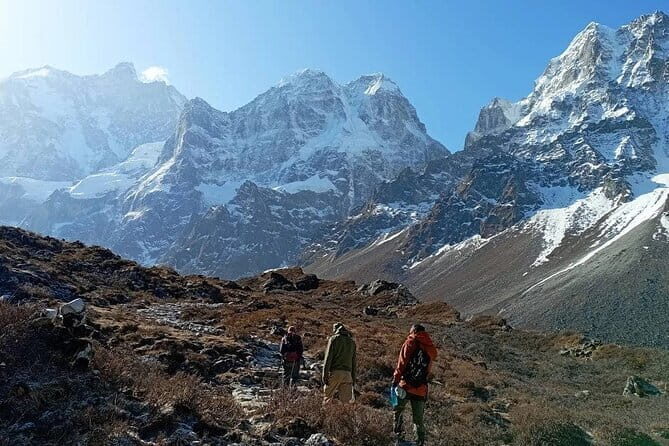
Day 14 is the big altitude day of the circuit. You leave Sele Le Pass and hike up to a set of high passes: Sinion La (4440m), Mirgin La (4480m), and Sinelapche Bhanjyang (4645m). That’s a lot of height change in a single stretch, so you’ll feel it in your legs and breathing.
The route description points out spectacular panoramic views. That’s the payoff for days like this, and it’s also why passes are such a classic trekking move: you trade comfort for the kind of wide-angle scenery that you don’t get from valley walking.
This is also where having the right guide makes a difference. The operator states you’ll travel with a government licensed and first aid-trained trekking guide, plus porter support. In pass country, that background matters because you’re not just dealing with effort—you’re dealing with conditions, timing, and safe movement.
If you’re the type who wants a perfectly even pace, this day will test that. If you’re okay with steady effort and frequent regrouping, it can be one of the most memorable days on the whole route.
Yalung Glacier views of Rathong and Kabru, then downhill to Tortong
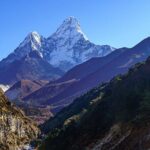
After the pass section, you work toward the Yalung Glacier. The plan describes heading through the glacier area early and getting higher and closer to the vistas. You also get views of Rathong (6682m) and Kabru (7412m), which are major peaks that help anchor your sense of where you are in the Himalaya system.
Then, the circuit turns more forgiving in feel: behind you, the elevated mountains; ahead, a walk through rhododendron forests. On day 16, the description says the trek starts downhill and ends at Tortong, passing through Simbuwa Khola. Downhill days can still be tough on knees, but psychologically they often feel like a reward.
I like that this part of the trek changes texture. You get the big-glacier vibe, then you shift back to forests and rivers, which makes the final days feel like a real journey instead of a series of fight-for-every-meter moments.
Yamphudin to Kanyam: Kabeli Khola trails and the tea-country finish
Days 17 to 19 bring you down and back toward civilization. From Tortong, you persist to descend to the Amji Khola, passing Lasiya/Lamite Bhanjyang (3415m) and Dhupi Bhanjyang (2665m), then reach Yamphudin.
After that, you explore trails alongside Kabeli Khola and leave mountain villages. The plan includes a drive to Kanyam and then onward to Bhadrapur for your flight back to Kathmandu.
On the final day, you also get a short stop in green tea cultivation area before the drive to Bhadrapur and your 45 to 50 minute flight back to Kathmandu. It’s a soft landing moment. One day you’re thinking about passes; the next day you’re watching tea fields.
You’ll also be dropped off at your Kathmandu hotel at the end. If you need to sleep in a real bed and recharge, this finish is designed for that.
Price and logistics: the real value in flights, jeeps, and included meals
At $2,000 per person, this trek isn’t cheap. But it also isn’t just “a guide and a prayer.” The price includes a lot of costly pieces: trekking permits, a Kathmandu hotel (3 nights, breakfast included), domestic flights both ways, private jeep transfers for key legs, and tea-house accommodations.
Food is also built into the plan: breakfast 18 times, lunch 17 times, and dinner 16 times. That matters because buying every meal yourself in remote areas would add up fast.
What’s not included is where you should plan your personal budget:
- Your international flight and Nepal entry visa
- Travel and health insurance (including emergency rescues and evacuations)
- Personal expenses like snacks, beer, soft drinks, water, charging, hot shower, and Wi-Fi (water and battery charging are called out as personal expenses)
- Tips for the guide and porter (appreciated)
A smart way to think about value here: you’re paying for remote logistics and staff time. If you’re the kind of traveler who hates juggling local transport details, the included jeeps and flights can be worth every dollar.
Also, remember the operator explicitly says the trek food can be very basic. They suggest opting for vegetarian foods available while trekking. Build that into your packing mindset and expectations.
Guides, food, and fitness: what will make or break your comfort
This trek runs with a small group size: the maximum is 8 travelers. That usually means less congestion in tea houses and fewer bottlenecks on narrow trail sections. You also get a porter: the plan says between 2 trekkers, 1 porter. That’s not a luxury—it’s a big comfort and injury-prevention factor.
The guide support is also described as government licensed and first aid-trained, with a first aid kit and basic medication included. One thing I’ve learned from similar treks is that first aid isn’t just for emergencies; it also helps with minor altitude issues and general pacing adjustments.
On the comfort side, food is the one area where your expectations must stay realistic. Tea-house food is described as very basic, and the recommendation is to choose vegetarian options when available. That’s good advice. It’s often the safest way to keep meals predictable when supplies are limited.
Finally: fitness. The tour data says travelers should have a strong physical fitness level. You’re walking multiple days, reaching high passes up to 4645m, and doing a big north base camp push. Train for long days with some elevation work, and expect that the high points won’t care about your schedule.
Should you book this Kanchenjunga Circuit trek?
If you want a quieter Himalaya trek with two base-camp perspectives, varied terrain, and a company that handles permits and transport, I think this is a solid fit. The small group limit and porter structure make it feel more manageable than solo planning.
But I’d think twice if you hate long jeep rides or you’re picky about food. The plan also notes teahouses can be limited in certain segments, so don’t assume you’ll always have abundant choices.
My “yes” goes strongest for travelers who:
- Want an off-the-beaten-track feeling with fewer crowds
- Are happy with basic tea-house living
- Can handle high passes and keep a steady pace
- Appreciate strong logistics where someone else manages the hard parts
FAQ
What is included in this trek price?
The price includes trekking permits, a 3-star hotel in Kathmandu for 3 nights with breakfast, tea-house accommodations during the trek, a licensed guide and porter support (between 2 trekkers 1 porter), private jeeps for specific legs, domestic flights (Kathmandu to Bhadrapur and back), a first aid kit with basic medication, official taxes, and meals (breakfast 18 times, lunch 17 times, dinner 16 times).
Are domestic flights and jeep transfers included?
Yes. You fly Kathmandu to Bhadrapur and Bhadrapur back to Kathmandu, and the plan also includes private jeep transfers for the route legs (Bhadrapur to Taplejung/Sekathum and Yamphudin to Kanyam/Bhadrapur airport).
Do I need travel or health insurance for emergencies?
Yes. Travel and health insurance that covers emergency rescues and evacuations is listed as not included, so you should arrange it yourself.
What kind of accommodation will I have?
In Kathmandu, you stay in a 3-star hotel for 3 nights with breakfast. During the trek, you use tea-house accommodations.
How many people are in the group?
The tour notes a maximum of 8 travelers.
How basic is the food on the trek?
The plan says the food you’ll get during the trek is very basic, and it suggests choosing vegetarian foods available while you’re trekking.
Can I cancel for a full refund?
Yes, free cancellation is available. You can cancel up to 24 hours in advance of the experience’s start time for a full refund. If you cancel less than 24 hours before, the amount paid is not refunded.