REVIEW · KATHMANDU
Kathmandu: 10-Day Adventurous Annapurna Circuit Trek
Book on GetYourGuide →Operated by Himalayan Nomad Treks Pvt. Ltd. · Bookable on GetYourGuide
Cool mountains start with a high question: can you handle it. This 10-day Annapurna Circuit trek is built around one big payoff, Thorong La Pass (5,416m/17,769 ft), plus day-to-day village culture and Himalayan scenery. With guides such as Keshab and Prakash, the focus stays on seeing the right views without losing the calm of the trail.
I especially like two things about this experience: the way it mixes local traditions with real trekking work, and the practical altitude management that helps you get to the pass with a steadier head. For example, guides like Mahesh and Keshab are praised for keeping the pace appropriate and for giving solid guidance on minimizing altitude risk, instead of pushing you like a stopwatch.
One possible drawback to plan for: this route is not a stroll. You’ll climb to high elevations, sleep in basic tea-house style lodges, and the weather can flip from sun to rain or snow—so you need to be fit and ready to layer up. And it’s not suitable for pregnant women.
In This Review
- Quick, specific reasons to care
- Thorong La Pass at 5,416m: The Real Reason People Do This Trek
- Day 1: Kathmandu to Besisahar to Dharapani (10 hours of travel)
- Day 2: Dharapani to Chame (6 hours, 2,670m) and the forest-to-bridge vibe
- Day 3: Chame to Upper Pisang (6 hours, 3,300m) for village life and big views
- Day 4: Upper Pisang to Manang (6 hours, 3,540m) and the Annapurna sighting day
- Day 5: Manang acclimatization day (the day you don’t skip)
- Day 6: Manang to Yak Kharka (6 hours, 4,050m) into alpine quiet
- Day 7: Yak Kharka to Thorong Phedi (6 hours, 4,450m) preparation mode
- Day 8: Thorong La Pass to Muktinath via the 5,416m crossing (12 hours)
- Day 9: Muktinath to Jomsom (5 hours, 2,720m) and the Mustang desert shift
- Day 10: Jomsom to Pokhara by bus (8 hours) and the easy exhale
- What You’re Really Paying For: The $467 Value Check
- Accommodation and Food: Tea Houses Up the Trail, Then Real Rest in Pokhara
- How to Pack Smart for This Trek (and Avoid Regret)
- Altitude Reality: How the Plan Helps You Stay Safer
- Who This Trek Is For (and Who Should Skip It)
- Should You Book This 10-Day Annapurna Circuit with Himalayan Nomad Treks?
- FAQ
- What is the highest altitude on this trek?
- How many days is the trekking portion, and how long is the total trip?
- Do you get an English-speaking guide?
- Are permits included?
- Are meals included?
- What kind of accommodation should I expect?
- How do you get back to Kathmandu?
- What should I bring for the trek?
- Is this trek suitable for pregnant women?
- Is travel insurance included?
- Can I cancel and get a full refund?
Quick, specific reasons to care
- Thorong La Pass is the headline, and Day 8 is the long, early, reward-filled push
- Manang acclimatization day gives your body a chance to catch up before the real altitude test
- Tea-house lodging rhythm keeps the trek grounded in village life rather than hotels
- English-speaking guides and strong logistics help with permits, meals, and day-to-day timing
- Sacred Muktinath adds meaning after the high pass descent, not just scenery
Thorong La Pass at 5,416m: The Real Reason People Do This Trek
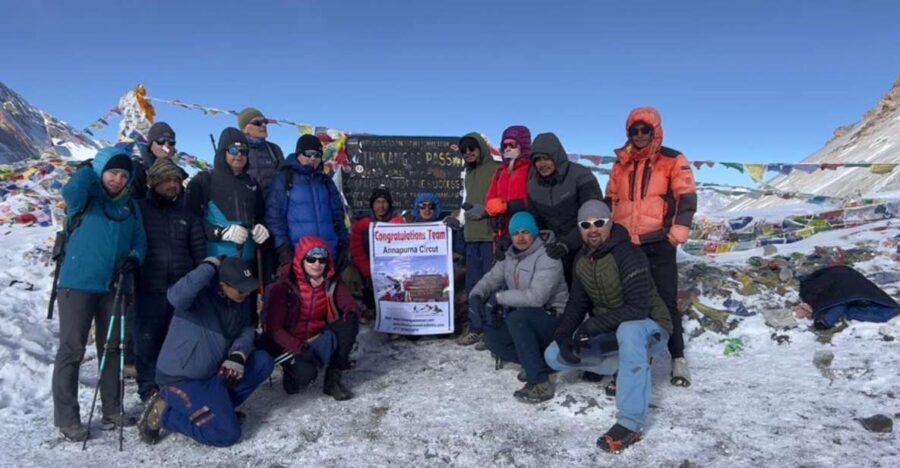
The Annapurna Circuit is famous for a reason. But this specific 10-day plan stays honest about what matters: you’re trekking toward one of Nepal’s most dramatic high passes, Thorong La Pass at 5,416m. That altitude changes everything—your breathing, your pace, your sense of time. It also changes what the landscape feels like when you finally crest the pass.
What you’ll love is the structure. You don’t just throw yourself at the pass. You build gradually from 1,800m on Day 1 up through forested valleys, then higher villages, then the high pasture world. The itinerary gives you a dedicated acclimatization day in Manang before the pass attempt. That’s not just a nice-to-have. It’s the difference between feeling managed and feeling like you’re gambling.
The other reason this trek works is the blend of emotions. Day 8 is the big physical test, but the descent ends in a place that isn’t just a dot on a map. Muktinath is a sacred site visited by Hindus and Buddhists, so you go from cold, high wind and stone to a spiritual village atmosphere. It’s a neat reset for your mind after the climb.
You can also read our reviews of more hiking tours in Kathmandu
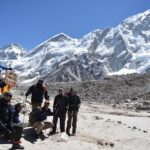
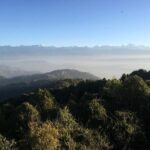
Day 1: Kathmandu to Besisahar to Dharapani (10 hours of travel)
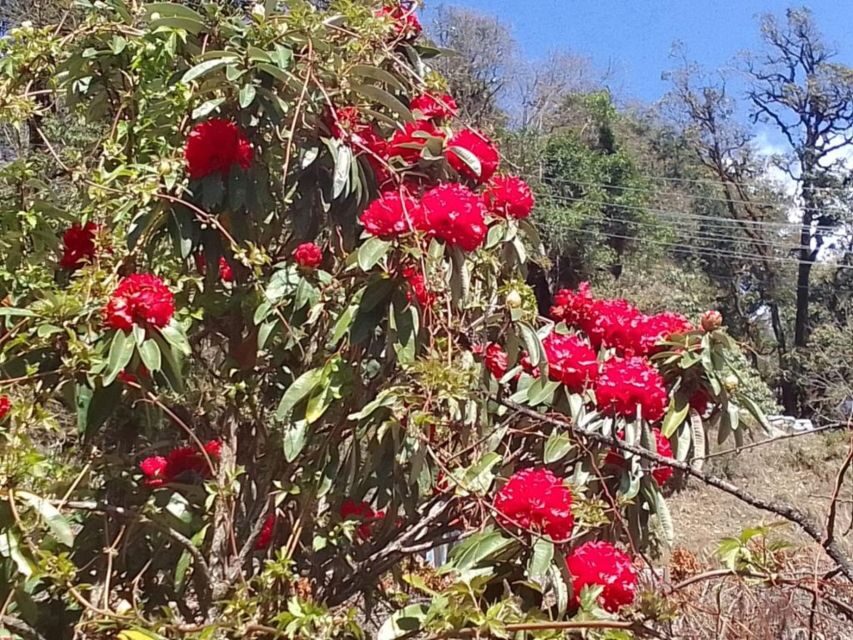
Your adventure starts with a travel-heavy Day 1: a bus from Kathmandu to Besisahar, then a shared jeep from Besisahar to Dharapani, ending with an overnight in Dharapani at 1,800m. It’s not glamorous, but it’s effective. You’re trading comfort now for more time on the actual trail later.
Why this day is worth it: you’re easing into Nepal’s road-and-river geography, watching the valleys tighten and the scenery slowly lift. It’s also a useful psychological warm-up. By the time you’ve had your first night near the trekking corridor, the next day’s trail feels less like a jump and more like a continuation.
Practical heads-up: 10 hours is long. If you know you get stiff on buses, bring a travel pillow or at least plan to move a bit whenever you stop. Also, keep your essentials accessible, because you won’t want to dig around for sunscreen or a jacket once the temperature shifts.
Day 2: Dharapani to Chame (6 hours, 2,670m) and the forest-to-bridge vibe
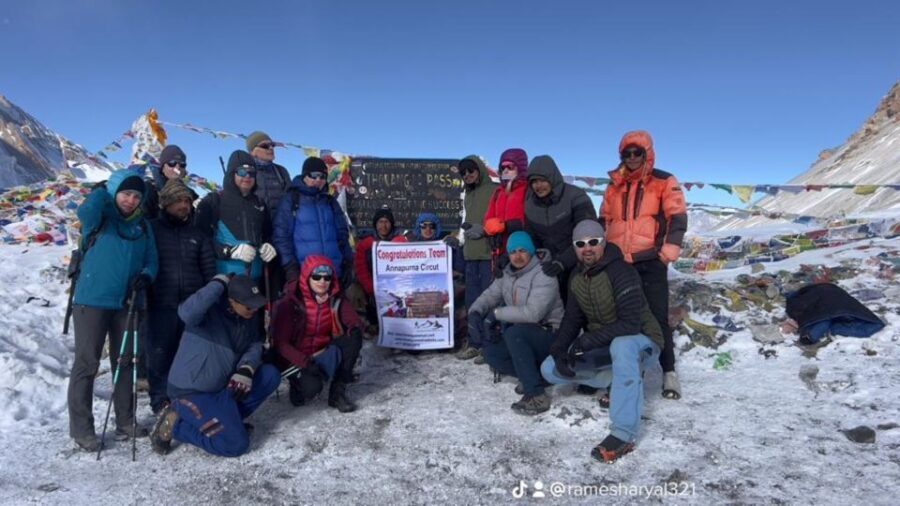
Day 2 climbs from Dharapani up to Chame (2,670m), roughly a 6-hour trek. This is where the route starts feeling like a real mountain walk. You’ll trek through changing terrain, including lush forests and suspension bridges—the kind that sway enough to wake you up, but not enough to derail you.
What makes Chame a good early milestone is how it sits at the right altitude for momentum. You’re gaining height, but you’re not yet in the thin-air zone where every step becomes a negotiation. The trail tends to feel varied, which helps you avoid that monotonous slog feeling.
Possible consideration: suspension bridges and forest trails can mean slippery footing if the weather turns damp. Keep your hiking shoes well broken in and consider trekking poles for stability. Your knees will thank you later.
Day 3: Chame to Upper Pisang (6 hours, 3,300m) for village life and big views
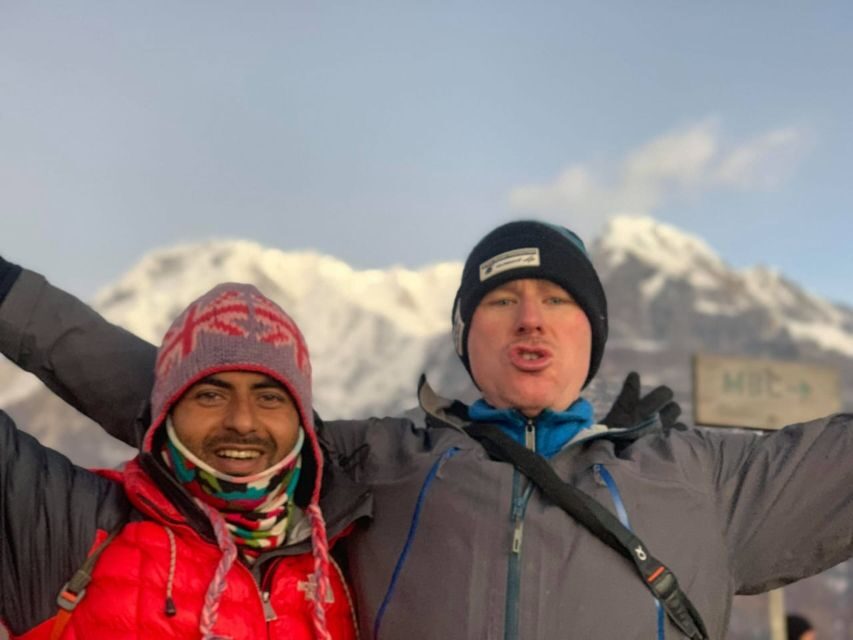
Today goes to Upper Pisang (3,300m), another about 6 hours. Upper Pisang is described as a picturesque village, and you’ll feel that immediately: the trek becomes more than just moving uphill. You start interacting with the rhythms of village life—what people sell, how guesthouses operate, how daily life fits alongside the mountains.
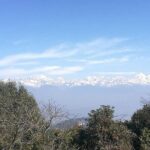
You’ll also get stunning mountain views. At this point, you’re high enough to see the Himalaya more clearly, and clear days can reward you with wide panoramas.
Small but important drawback: upper villages mean colder mornings. Even if daytime is comfortable, plan for temperature drops when you stop moving. If you packed only for warm weather, this day will correct you fast.
Day 4: Upper Pisang to Manang (6 hours, 3,540m) and the Annapurna sighting day
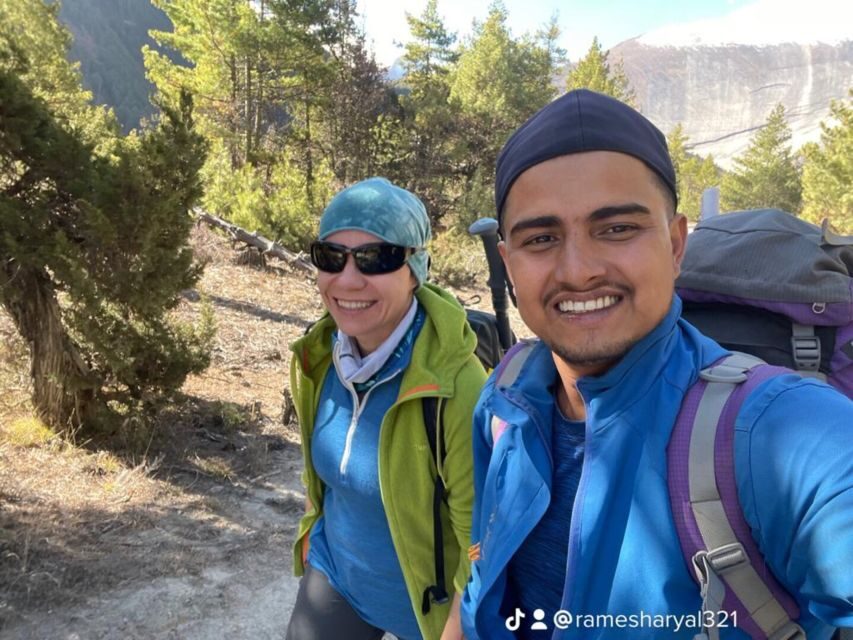
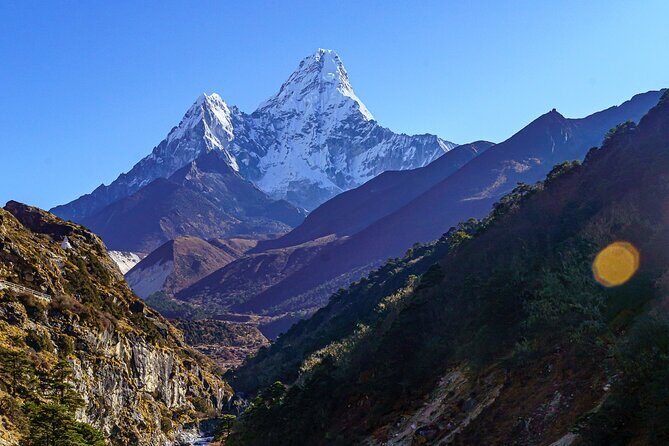
From Upper Pisang you head to Manang (3,540m), around 6 hours. This is a strong scenic day: you’re trekking into a broad valley with views of Annapurna II, Annapurna III, and Gangapurna.
For me, this kind of day matters because it shifts the trek from effort to awe. You still hike, but now you’re hiking with specific peaks in your sightline. That makes the hours feel earned instead of endured.
What to watch: Manang is a higher base point, so don’t overdo it just because the views are incredible. The plan includes an acclimatization day next, and that’s the best way to keep altitude stress under control. Save your energy for the pass work ahead.

Day 5: Manang acclimatization day (the day you don’t skip)
Day 5 is the big gift: an acclimatization day in Manang. The plan is simple—rest, get used to the height, explore the village, and enjoy panoramic mountain views.
This is the day that helps you avoid the most common trekking mistake: treating altitude like it’s just another hill. Your body needs time. The team’s approach is practical. Guides are often praised for watching how you feel and helping you take the right pace, and this day gives you the space to do that.
How to use it well: keep your activities light. You can still enjoy views and wander a bit, but don’t turn this day into a second full trekking day. You want to finish Day 5 feeling more stable, not more exhausted.
Day 6: Manang to Yak Kharka (6 hours, 4,050m) into alpine quiet
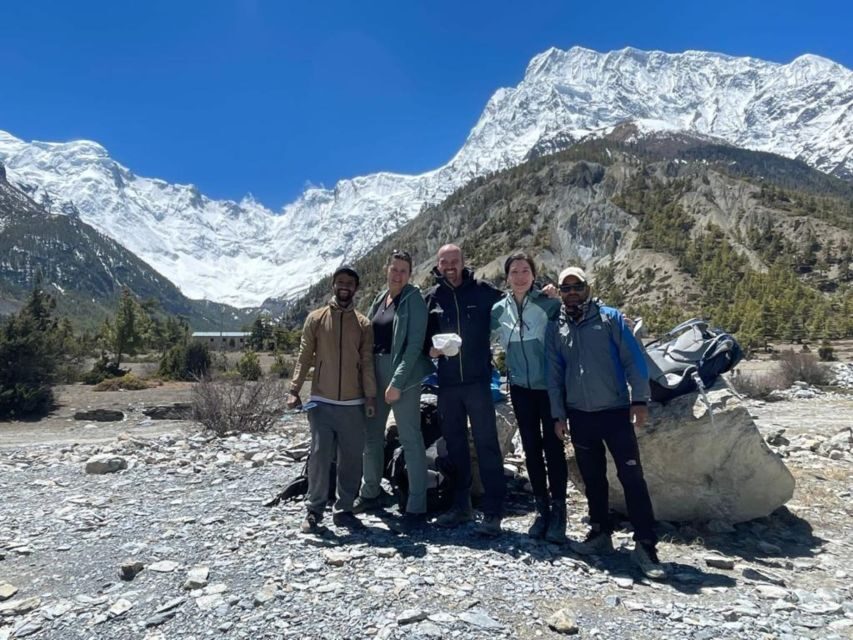
Day 6 takes you to Yak Kharka (4,050m) in about 6 hours. Expect ascent through alpine landscapes and a shift toward high-country quiet. Yak Kharka is a scenic grazing pasture surrounded by mountains, and you’ll feel how the trail changes as you go higher.
Why this stop is special: it’s a psychological bridge. You’re not at the pass yet, but you’re far enough into the high zone that you start to understand what the air will demand later. This day also tends to feel calmer, like the trek is stripping away distractions.
Possible consideration: at higher altitude, cold can creep in faster. Keep warm layers easy to access, and pace yourself so you’re not gasping at every uphill step.
Day 7: Yak Kharka to Thorong Phedi (6 hours, 4,450m) preparation mode
Today goes to Thorong Phedi (4,450m), about 6 hours. Thorong Phedi is the base camp area for Thorong La Pass, so the vibe changes: you’re not just hiking anymore, you’re getting ready.
This is where the small details matter. Your guide will help you prepare for the next day’s pass crossing, and your job is to keep your body fueled and rested. Your sleep might not be perfect. That’s normal at altitude and in tea-house conditions. The goal is not comfort perfection—it’s getting enough recovery to wake up ready.
Practical tip: get your gear sorted tonight. Put your headlamp/flashlight where you can grab it quickly. Make sure your warm jacket, hat, and gloves are easy to reach. When you start early next day, you don’t want to play hide-and-seek with your own stuff.
Day 8: Thorong La Pass to Muktinath via the 5,416m crossing (12 hours)
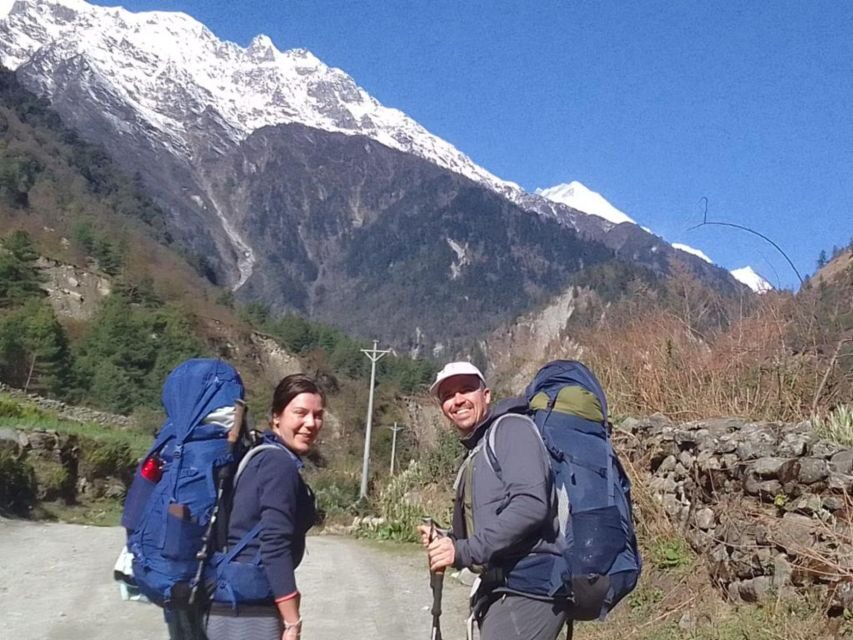
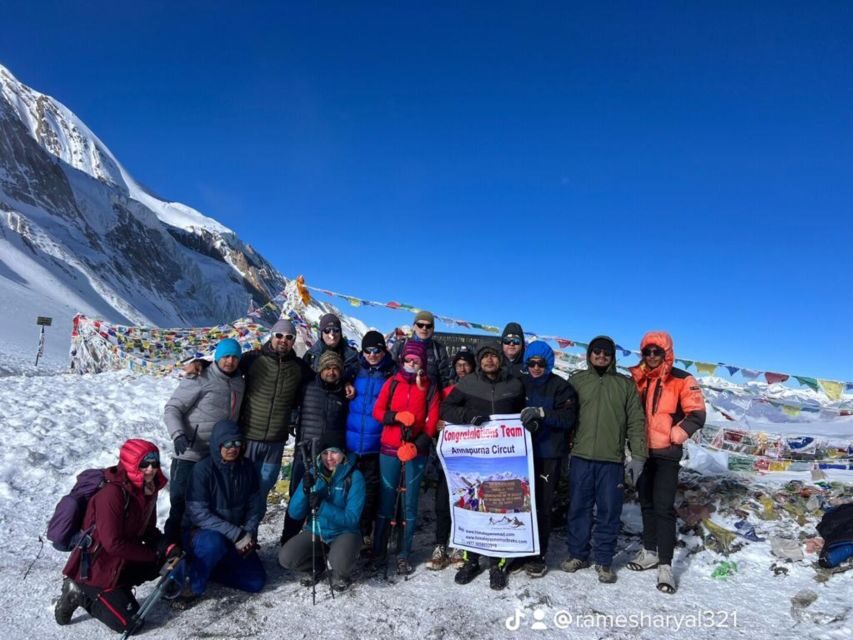
Day 8 is the big one: start early, trek up to Thorong La Pass at 5,416m, then descend to Muktinath (3,800m). The plan estimates this as a 12-hour trek, so plan for a long day and keep your expectations realistic.
Why this day is worth the strain:
- Crossing a high pass feels like stepping into a different world—your effort gets answered with huge panoramic views.
- After the pass, you get a long descent to lower altitude, which many people feel almost immediately in their breathing.
Then comes the cultural payoff. You reach Muktinath temple, a pilgrimage site for Hindus and Buddhists, and you also get time to explore the village.
Possible consideration: Day 8 is long, and the pass altitude makes weather and visibility critical. Dress for cold from the start, not “when it feels cold.” If it’s windy or snowy, the pass doesn’t care about your optimism.
Day 9: Muktinath to Jomsom (5 hours, 2,720m) and the Mustang desert shift
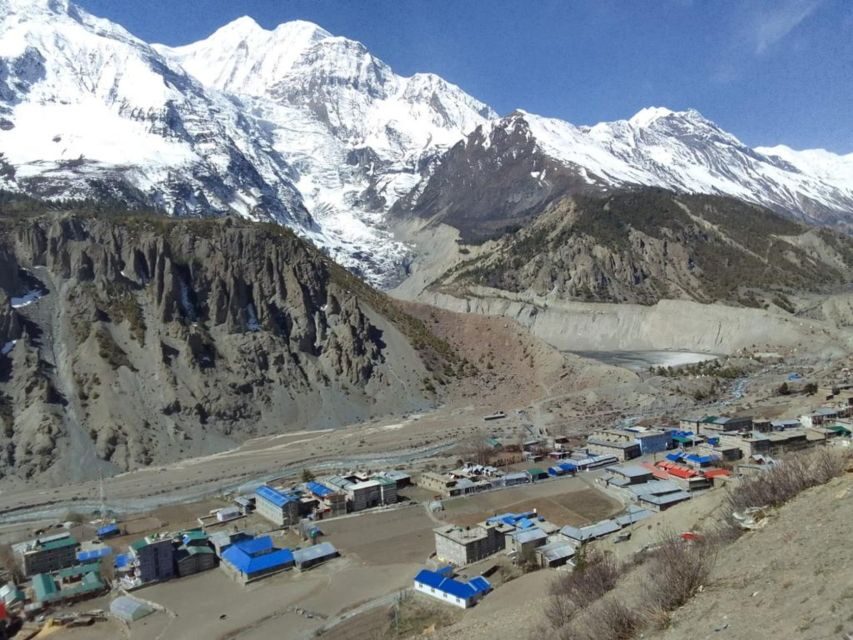
Day 9 drops down to Jomsom (2,720m) in about 5 hours. The biggest change isn’t just altitude—it’s the feel of the terrain. You move toward arid, desert-like scenery, and Jomsom is known as a windy town in the Mustang region.
This is one of those days that surprises people. They expect nonstop mountain views until the end, but instead they get a sharp visual contrast. After high alpine days, this arid environment feels like you turned a page.
Why it’s still valuable: it reminds you the Himalaya isn’t one uniform look. It’s zones and climates stacked together. Plus, Jomsom gives you time to explore the town at the end of the main trekking effort.
Day 10: Jomsom to Pokhara by bus (8 hours) and the easy exhale
On Day 10 you ride from Jomsom to Pokhara by bus, around 8 hours. The day is mostly travel, and that’s the point: you’re transitioning from trail life to city life.
Pokhara is also where you get a proper landing. This plan includes:
- a final night at Hotel Orchid in Pokhara (tourist-standard luxury hotel)
- a farewell Nepalese typical dinner in Lakeside Pokhara
This matters because after 9 trekking nights, you want something warmer and easier. Not fancy in a showy way—just a comfortable place to recover and reflect on what you just did.
What You’re Really Paying For: The $467 Value Check
At $467 per person for 10 days, the real question isn’t just the number—it’s what you’re buying with that money.
This package includes a lot of the heavy lifting:
- Permits and paperwork, plus the required system fee
- Trekking guide (English), and team insurance
- Trek accommodations for 9 nights on the route, plus Hotel Orchid for the last night in Pokhara
- All meals during the trek for the Full Package (breakfast, lunch, dinner)
- Transport that matches the itinerary: Kathmandu to Besisahar by bus, Besisahar to Dharapani by shared jeep, and Jomsom to Pokhara by bus
- Luggage storage facility
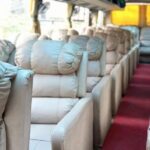
- A luxury sofa seater tourist AC bus for Pokhara to Kathmandu
- Staff expenses covered (meals, accommodation, salary, equipment, insurance, transportation)
What’s not included (and you should budget for):
- drinks (soft and hard)
- travel and rescue insurance
- international flights and the Nepal visa fee
- personal expenses like phone calls, laundry, bar bills, charging batteries, and bottle/boiled water
- extra porter cost if you want one (the guide is included; porter charge extra)
- extra nights in Kathmandu or Pokhara if your timing changes for reasons not in the scheduled plan
My value take: you’re paying for reduced stress and fewer guessing games. That matters a lot on a high-altitude trek where logistics can turn into a distraction fast. If you want a smoother path from permits to meals to where you sleep each night, this package is built for that.
Accommodation and Food: Tea Houses Up the Trail, Then Real Rest in Pokhara
During the trek, you stay in tea/guesthouses with basic comfort. That’s part of the charm—and part of the bargain. You’re not booking five-star rooms on the mountainside. You’re booking a place close to the day’s walking effort, with the essentials so you can recover.
Food is typically built around Nepalese staples. The guidance is clear: dal bhat fuels many trekkers well, and the plan includes meals during the trek if you choose the Full Package. You’ll want that steady rhythm because the climb, especially around 4,000m and above, chews through energy.
One extra practical win: your team handles arrangements so you’re not trying to guess which lodge has good food on which day. People have also praised the team for watching meal quality and safe kitchen prep while trekking, which is exactly what you want in a remote corridor.
How to Pack Smart for This Trek (and Avoid Regret)
The list provided is a good start, and I’d treat it like a checklist, not a suggestion. You’ll want:
Essentials
- passport or ID card
- hiking shoes
- daypack
- water bottle
- jacket, hat, sunscreen, sunglasses
- socks and a first aid kit
High-altitude and night support
- a sleeping bag (you can also rent in Kathmandu through the agency setup if needed)
- flashlight or headlamp
- trekking gear you actually use at home (don’t bring mystery socks)
Cash and small extras
- cash for personal needs
- planning for things like extra water or charging if you want convenience
My packing advice: layer systems work best. Mountains change fast. The weather guidance here is realistic: mostly clear and sunny, but rain and even snow can happen. If you pack only for sunshine, you’ll spend energy being uncomfortable instead of enjoying the trek.
Altitude Reality: How the Plan Helps You Stay Safer
Altitude is the main risk on this route. This plan is built around that reality, and you’ll feel it in the way the days are timed.
Key supports built into the schedule:
- gradual ascent from Dharapani toward higher villages
- a dedicated acclimatization day in Manang
- a move into higher terrain with a staged approach (Yak Kharka, then Thorong Phedi)
- an early start strategy for the pass day
Also, the trek is described as customizable based on preference and pace. That flexibility can matter if you feel slower than expected on a given day.
What you should do personally:
- be smart with your effort on climbs
- keep your clothing layered and dry when possible
- drink water and eat regularly
- if you feel off, tell your guide early
And yes: travel insurance with high-altitude coverage is key. It’s not included, and it’s not optional thinking on a pass crossing.
Who This Trek Is For (and Who Should Skip It)
This trek is a strong match if you:
- want a classic Annapurna Circuit experience with real altitude goals
- like village culture as part of the trek, not just scenery from the trail
- enjoy a challenge and want Thorong La Pass as the main milestone
- prefer the structure of a private group with an English-speaking guide
It’s not for you if you:
- are pregnant (explicitly not suitable)
- want mostly easy walking with no altitude pressure
- expect high comfort every night (tea houses are basic comfort)
Also, if you’re new to trekking, this kind of itinerary can be a great first Himalayan experience because it gradually builds. Still, take the altitude seriously—this is not a beginner-only hike.
Should You Book This 10-Day Annapurna Circuit with Himalayan Nomad Treks?
I’d book this trek if you want a balanced mix of adventure and support: you’ll get a guide, permits handled, meals arranged (if you choose the Full Package), and transport that takes you cleanly through the corridor without you micromanaging every step.
Book if Thorong La Pass is on your wish list and you’re willing to train your legs and pack for cold weather. The value isn’t just the price—it’s the lower friction from Kathmandu to Pokhara, plus the chance to focus on the trail instead of logistics.
Skip it if you’re unsure about altitude, don’t want early mornings, or you can’t commit to layering, pacing, and basic tea-house comfort. On a trek like this, those choices matter more than excitement.
FAQ
What is the highest altitude on this trek?
The highest point is Thorong La Pass at 5,416m/17,769 ft.
How many days is the trekking portion, and how long is the total trip?
The total experience is 10 days, including trekking and travel days between Kathmandu, the trail route, and Pokhara.
Do you get an English-speaking guide?
Yes. The experience includes an authorized English-speaking guide. Porter charges are extra if you want one.
Are permits included?
Yes. Trekking permits, required paperwork, and the TIMS fee are included.
Are meals included?
All meals (breakfast, lunch, dinner) during the trek are included for the Full Package. Soft and hard drinks are not included.
What kind of accommodation should I expect?
You’ll have comfortable accommodation during the trek for 9 nights (tea/guesthouse style) and one last night at a tourist standard luxury hotel in Pokhara (Hotel Orchid).
How do you get back to Kathmandu?
On the final travel day you go from Jomsom to Pokhara by bus, then Pokhara to Kathmandu is by luxury sofa seater tourist AC bus.
What should I bring for the trek?
Bring passport or ID, hiking shoes, a daypack, sunscreen, sunglasses, a jacket, hat, socks, water, a first aid kit, flashlight, trekking gear, and a sleeping bag.
Is this trek suitable for pregnant women?
No. It’s listed as not suitable for pregnant women.
Is travel insurance included?
No. Travel and rescue insurance is not included, and you should make sure your coverage includes high-altitude trekking.
Can I cancel and get a full refund?
Free cancellation is available up to 24 hours in advance for a full refund.