REVIEW · KATHMANDU
Kathmandu: 8-Day Annapurna Circuit Trek via Thorong La Pass
Book on GetYourGuide →Operated by MTA Trekking Pvt. Ltd. · Bookable on GetYourGuide
The Annapurna Circuit has a way of sticking with you. This 8-day route delivers Thorong La Pass at 5,416 meters, plus village days and a real cultural stop at Muktinath Temple. I especially like how the trek is built around clear milestones, so you always know what kind of day you’re walking into.
I also love the way the trip threads history and daily life into the walking: Pisang’s views, Manang’s acclimatization rhythm, and the dramatic Kali Gandaki descent into Muktinath. One possible drawback: this itinerary is fairly fast-paced, so your acclimatization time will depend on your fitness and how well you follow the slow-down advice.
In This Review
- Key things that make this trek worth your time
- The big idea: pass-crossing views plus a temple finale
- Day 1 road to Chame: a long travel day, then sleep
- Day 2 Chame to Pisang: pine forests, apple orchards, and Upper Pisang angles
- Day 3 Pisang to Manang: monastery stop if open, plus big valley bridges
- Day 4 in Manang: the acclimatization day that can save your trip
- Day 5 Manang to Yak Kharka: steady climb through Tengi and juniper country
- Day 6 Yak Kharka to Thorong Phedi: alpine pastures and pass-prep focus
- Day 7 Thorong La to Muktinath: 4 AM crossing, 5,416 meters, then a gorge descent
- Day 8 Muktinath to Pokhara by local bus: finish strong, then reset
- Guides, safety, and why your guide’s vibe matters at altitude
- Tea houses, sleeping gear, and the comfort reality check
- Price and value: what $348 buys, and what you might need to budget
- Who should take this trek, and who should skip it
- Should you book this Annapurna Circuit via Thorong La Pass?
- FAQ
- Is the guide included, and what languages do they speak?
- Do I need trekking permits for this trek?
- Are tea house and lodge stays included during the trek?
- Is food included every day?
- Will I need a sleeping bag?
- What time do I start for the Thorong La Pass crossing?
- How do I handle water and drinks?
- Can I hire a porter to carry my bag?
- How is transportation handled from Kathmandu to the trek area and back?
- Is this trek suitable for everyone?
Key things that make this trek worth your time
- A 4 AM start for Thorong La so you can cross before strong winds pick up
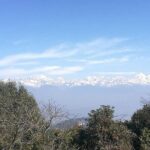
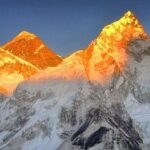
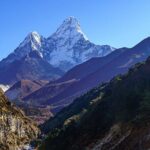
- Upper Pisang views of Annapurna II, Annapurna IV, and Pisang Peak on a classic trail route
- A full cultural landing at Muktinath after the high pass, with temples and shrines to explore
- A Manang rest day that’s designed for altitude safety and gives you flexibility for short walks
- Tea house and lodge nights set up for you (x7 nights during the trek), plus a comfortable Pokhara hotel finish
- Guides who focus on safety and logistics, including examples like Chakra, San Bhai, Shishir, and Ghanshyam from recent trips
The big idea: pass-crossing views plus a temple finale
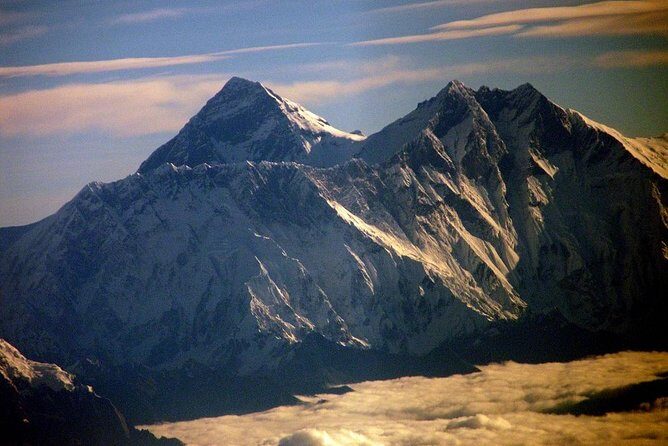
You come to the Annapurna Circuit for one reason: high passes and Himalayan panoramas. What makes this particular version feel special is the pairing of the big altitude moment with a grounded cultural finish in Muktinath. You’re not just checking a box at Thorong La; you’re also walking into a pilgrimage world where Hindus and Buddhists both come for shrines, temples, and daily ritual.
Another plus is that the pace is structured around the trail’s reality. You don’t spend all day wandering in uncertainty. You sleep, rise early when needed, and move between villages and staging points that make sense for an 8-day window.
And yes, you’ll earn your views. Thorong La is no casual stroll. But the way the route is planned helps you feel like you’re moving with purpose, not just endurance-testing yourself.
You can also read our reviews of more hiking tours in Kathmandu
Day 1 road to Chame: a long travel day, then sleep
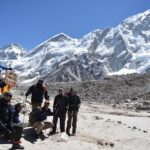
Day 1 is all about getting into trekking territory. You’ll drive from Kathmandu to Besisahar and then switch to a local jeep for the final stretch to Chame. Expect a 9–10 hour drive before the jeep segment adds another 3–4 hours, so starting early from Kathmandu isn’t optional. This is a day for conserving energy, not sightseeing.
Why it’s worth it: Chame is a real launchpad for the Annapurna Circuit’s mid-elevation walking. When you arrive in the evening, you’ll have time to settle into teahouse life and get your gear sorted for the first real trek day.
Practical tip: keep your most-used items in your day bag. You’ll be glad you can grab warm layers, sunglasses, and sunscreen without digging through everything when you stop along the way.
Day 2 Chame to Pisang: pine forests, apple orchards, and Upper Pisang angles
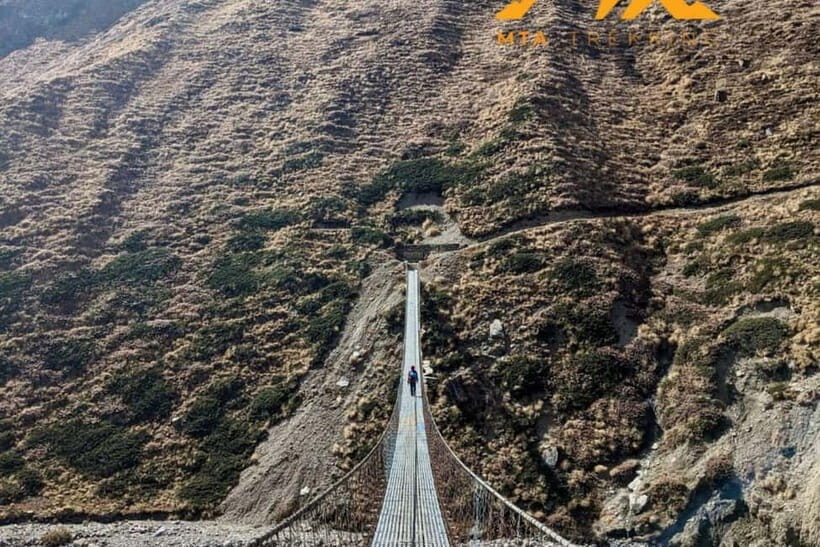
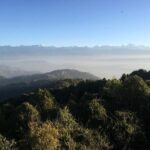
On Day 2 you start walking from Chame through pine forests and apple orchards, then cross a suspension bridge. That mix matters. Pine valleys tend to feel cooler and quieter, while orchards signal you’re in a more village-centered rhythm.
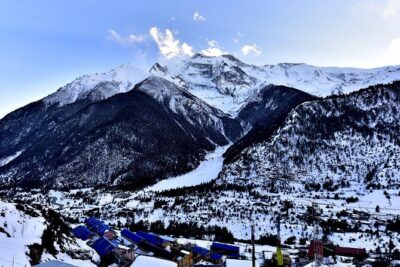
You’ll reach Dhukur Pokhari for lunch, then continue toward Pisang. The route gives you a sense of scale early: the walking isn’t just about putting one foot in front of the other. You’re already getting those first serious views, including Annapurna II, Annapurna IV, and Pisang Peak from the Pisang area.
Then comes one of the most praised parts of this trip: exploring Upper and Lower Pisang. Upper Pisang in particular tends to reward your effort with a tighter, higher vantage where the mountains feel close. This is a day where your camera might start migrating to your hand without permission.
Small caution: Pisang days can involve uneven trail moments and bridge crossings. It’s easy to rush—don’t. Keep your steps calm so your legs arrive ready for Day 3.
Day 3 Pisang to Manang: monastery stop if open, plus big valley bridges
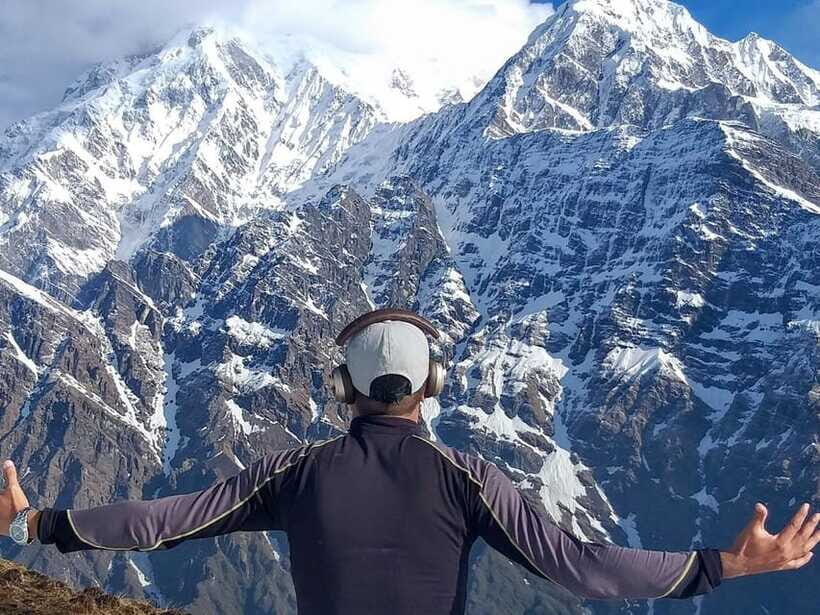
Day 3 continues the circuit’s character—pine valleys, village clusters, and suspension bridges that keep you paying attention. You’ll trek through areas like Braga and pass a hillside monastery if it’s open, which is a nice reminder that this isn’t just a hiking corridor. It’s lived-in country.
You’ll keep moving across slopes and bridges until you reach Manang. This is also where the view quality gets sharper. Manang sits in a zone where Annapurna and Gangapurna views become part of the daily scenery.
When you arrive, plan for a teahouse dinner and an early night. Tomorrow’s not a “just rest and stroll” day unless you want to treat it like one. Manang is your altitude buffer.
Day 4 in Manang: the acclimatization day that can save your trip
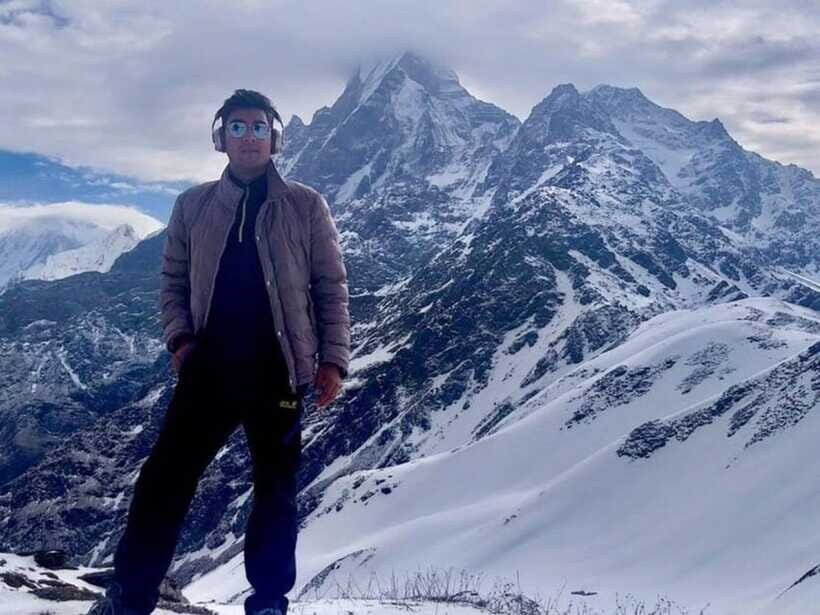
Day 4 is a classic altitude-management step. You stay in Manang and use the time to acclimatize and prevent altitude sickness. In practice, this means you rest, take it easy, and keep your body’s rhythm. You can also explore relaxed options like viewpoints, monasteries, and a cultural museum.
If you’re itching to move, there are optional short hikes toward glacial lakes with views of Gangapurna and Tilicho peaks (depending on conditions and what’s available). This is the “gentle activity” style of hiking: just enough to get your legs awake without turning the day into a long grind.
Why this rest day is valuable: Thorong La is coming, and altitude punishes bad decisions. Manang gives you a chance to adjust pace and hydration before you head toward higher camps.
If you want one rule: if you feel off, you don’t “push through” on an acclimatization day. You scale back. A good guide will steer you that way.

Day 5 Manang to Yak Kharka: steady climb through Tengi and juniper country
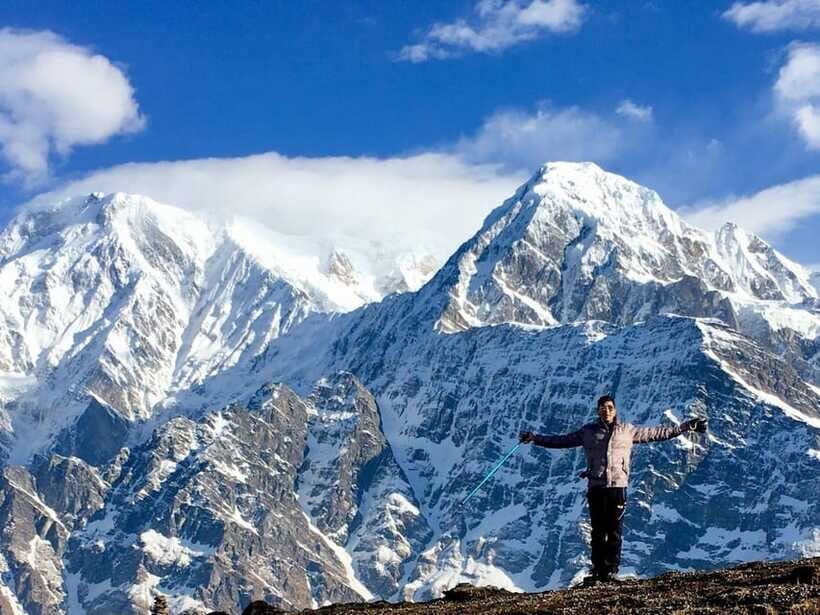
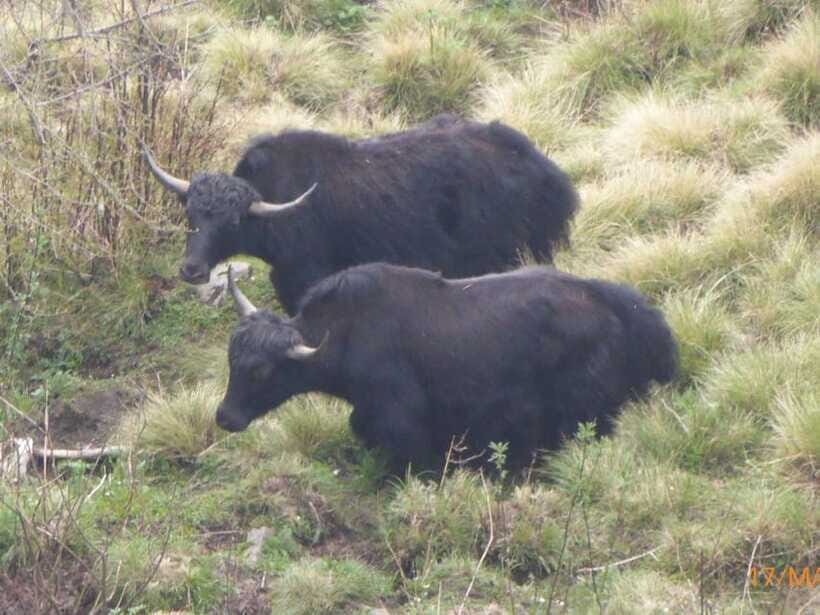
Now you move upward toward Yak Kharka. Day 5 includes a climb past Tengi, and you’ll see locals with pack animals along the way. That’s part of the Annapurna Circuit’s charm: you’re not alone on a postcard path. People live here, move supplies here, and the trail is their work too.
You’ll stop for lunch in Gunsang with views of Annapurna II and Annapurna IV, then continue through juniper forests. Yak Kharka is a good “in-between” stop—high enough to feel the altitude, but still a manageable target after the Manang reset.
Practical feel: this day tends to be about consistent effort. Keep your breathing steady and avoid racing the elevation. Your best strategy here is to save your energy for Thorong La Day.
Day 6 Yak Kharka to Thorong Phedi: alpine pastures and pass-prep focus
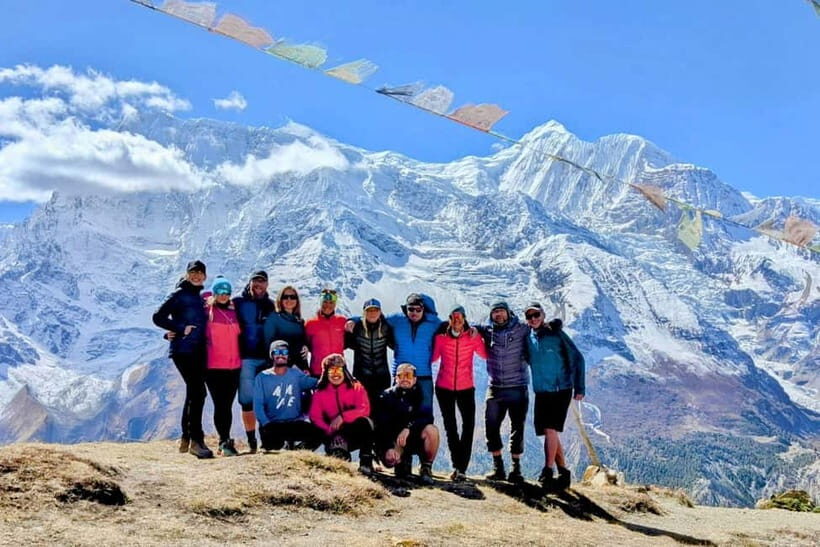
Day 6 is about transition. You climb across alpine pastures where you might see roaming horses and Himalayan griffons. Then you reach Thorong Phedi, the base camp area for crossing Thorong La.
This is a logistical day disguised as a hike. You’re not just arriving—you’re preparing. The itinerary includes crossing a suspension bridge and dealing with rocky slopes, so your footing matters.
By the time you arrive at Thorong Phedi, you’ll likely feel the emotional shift that happens right before a big pass: the walking gets more serious, and tomorrow becomes the main event.
Practical tip: treat your evening like race prep. Warm layers on early. Keep your head calm. Try to sleep even if your legs want to keep thinking about the altitude.
Day 7 Thorong La to Muktinath: 4 AM crossing, 5,416 meters, then a gorge descent
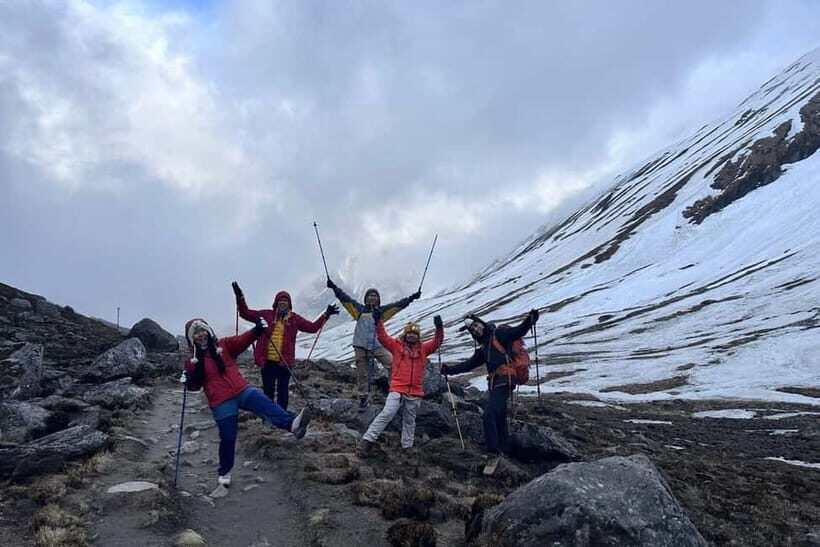
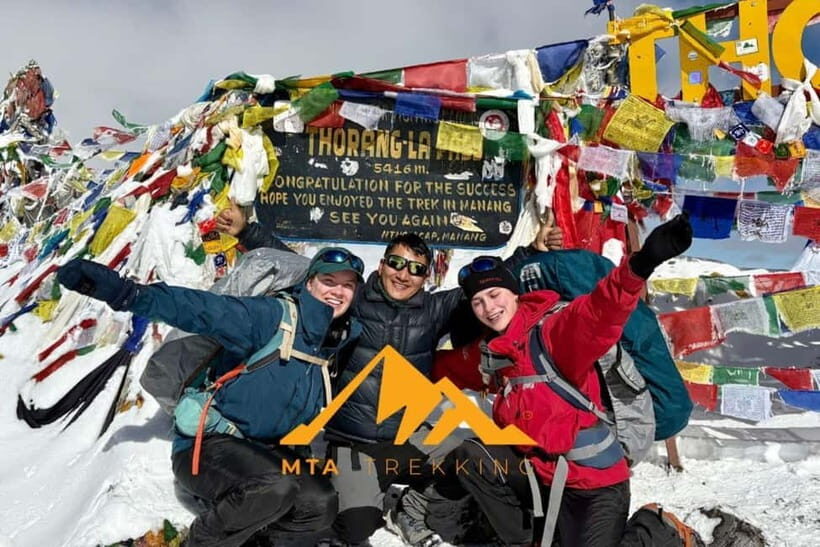
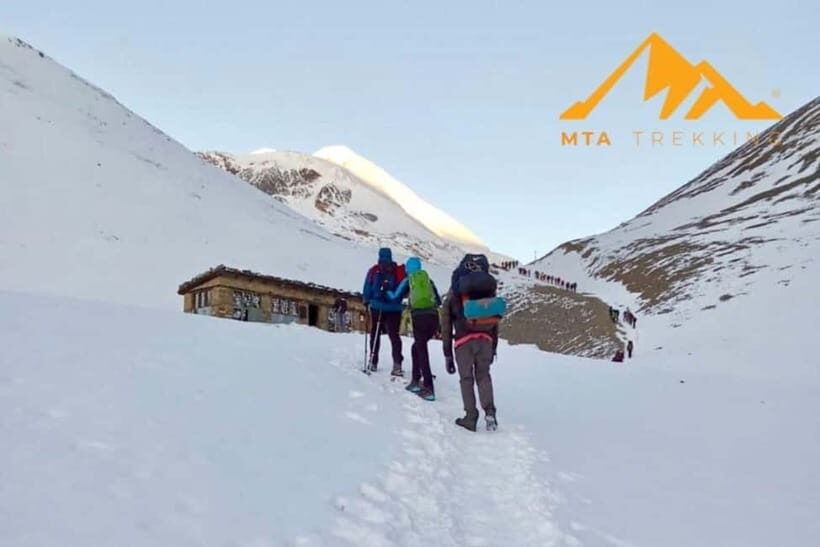
This is the heart of the trek, and it’s planned for real-world conditions. You start very early around 4 AM to avoid strong winds on Thorong La, which sits at 5,416 meters. That early start can feel intense at first, but it’s also smart. Guides are there to manage timing and safety when weather matters.
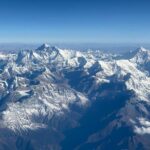
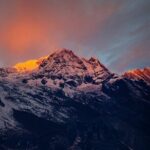
On the climb, you’ll see snow-capped peaks, prayer flags fluttering along the route, and a sense of exposure that makes you respect the mountain. Your guide’s role is important here—especially if you’re not an experienced high-altitude hiker. Recent treks highlight guides like Chakra and Ghanshyam for being attentive and ready, which matters when cold air and thin breathing change your focus.
After the pass, you descend into the Kali Gandaki Gorge, known as one of the deepest in the world. The shift is dramatic: from wind-and-sky to steep trails dropping toward a major river corridor.
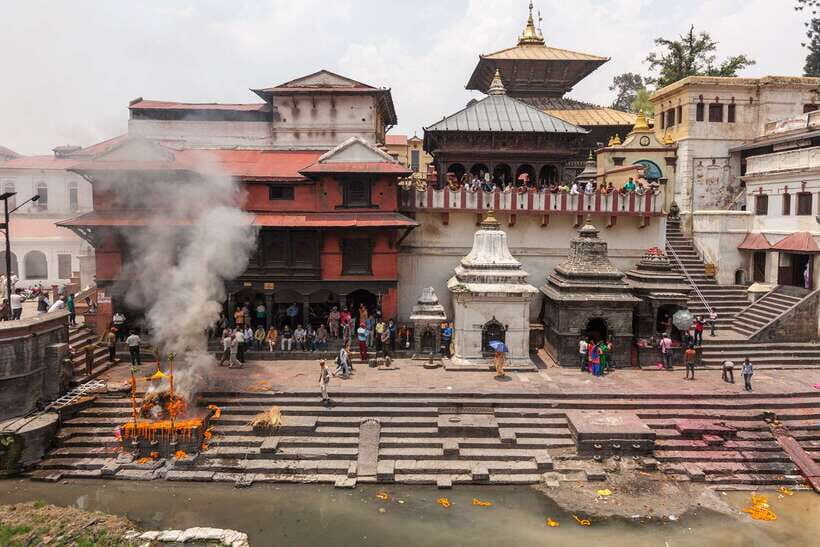
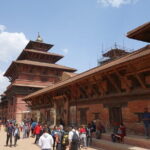
Then you land in Muktinath, a pilgrimage site for Hindus and Buddhists. This is where the trek becomes more than a physical challenge. You get temples and shrines to explore, and the whole atmosphere feels different from the high pass zone.
One more human note: this day is long (7–8 hours). You’ll be tired. But it’s also the day where you finally feel the trek’s story click into place.
Day 8 Muktinath to Pokhara by local bus: finish strong, then reset
Day 8 is your exit day. You’ll start early after breakfast and take a scenic drive by local bus to Pokhara (about 9–10 hours). Once you check into your hotel, you can finally switch into regular travel mode—shower if available, eat what you want, and walk around the Lakeside area.
The package includes the final night at a tourist standard luxury hotel in Pokhara (Hotel Orchid), plus a farewell Nepalese typical dinner in Lakeside Pokhara. It’s a good bookend: you’re not thrown back into travel chaos right away. You’re given a soft landing after the pass.
If you’re wondering about a post-trek treat: one recent trek experience included a hot springs visit as a relaxing way to unwind. Ask your operator if it’s included in your specific version.
Guides, safety, and why your guide’s vibe matters at altitude
A good guide changes everything on a high-pass trek. The trek data here includes an authorized English-speaking guide (Hindi as well), and guide insurance is included. But the real proof is how the guide handles moments that can’t be fixed with logistics alone: wind, steep sections, slower hikers, and decision-making when you’re tired.
In recent experiences, guides like San Bhai, Shishir, Chakra, and Ghanshyam were praised for being friendly, patient, and clearly experienced. That kind of steadiness matters on Thorong La, where timing and staying calm can keep the crossing safer and less stressful.
Also pay attention to communication. One recent booking highlighted quick answers over WhatsApp before departure, which is exactly what you want when you’re preparing permits and gear and trying to understand what to expect.
If you’re a nervous first-timer, choose a trek style where you have that guidance built in. This one is set up that way.
Tea houses, sleeping gear, and the comfort reality check
You’ll stay in tea houses/lodges during the trek for x7 nights, which is part of what keeps the experience authentic. It’s not a hotel trek. Expect basic rooms and meals that serve the needs of hikers in mountain villages.
A few comfort facts from your plan:
- Hot water and hot showers aren’t included.
- You should bring your own sleeping bag for winter treks (November–December) or arrange a rental if needed.
- Mineral water, tea/coffee besides breakfast, and drinks aren’t listed as included for every package.
So what does this mean for you? Pack like a person who expects cold nights and simple facilities. Warm clothing isn’t optional here. Sunglasses and sunscreen are not “nice to have” either—high altitudes and sun glare can be brutal.
If you’re someone who needs consistent comfort, consider whether you’re okay trading plush beds for mountain authenticity. Most people doing this trek say yes, but it’s worth being honest with yourself.
Price and value: what $348 buys, and what you might need to budget
The listed price is $348 per person for an 8-day trek. That’s not only the hiking days. It covers a bundle of things you’d otherwise pay for separately: permits and paperwork (including TIMS fees and related government tax), trekking logistics, guide services, and in-trek accommodations.
What’s included that adds real value:
- Hotel pickup/drop-off
- Trek permits and required paperwork handling
- Tea house/lodge accommodation for x7 nights
- A final Pokhara hotel night (Hotel Orchid)
- Meals during the trek only if you pick the Full Package (standard package doesn’t include all meals)
- Transportation segments tied to the itinerary
- Staff expenses: meals, accommodation, salary, equipment, insurance, and transportation
What can add to your budget depending on choices:
- Porter fees if you want help carrying gear: $20 per day (porter available to hire)
- Drinks, mineral water, and some meal items depending on package type
- Hot water/hot shower costs if charged by lodges
- Extra spending after you arrive in Pokhara
Is it a good deal? For the value of permits + guide + accommodations + most meals (if Full Package), it’s priced like a true “managed trek” rather than a bare-bones DIY plan. If you like having logistics handled, this is where you get your money’s worth.
Who should take this trek, and who should skip it
This route is best for hikers who can handle long walking days and altitude exposure. It’s not built for people who want a gentle stroll.
It’s explicitly not suitable for:
- Pregnant women
- People with altitude sickness
- People over 70 years
If you have altitude concerns, you’ll need to be extra cautious. A rest day in Manang helps, but the overall crossing still requires altitude readiness.
If you’re a reasonably fit traveler and you respect the slow-down on acclimatization day, you’ll probably love the challenge. If you’re older, less acclimatized, or prone to altitude issues, this may not be your safest match.
Should you book this Annapurna Circuit via Thorong La Pass?
Book it if you want a structured 8-day trek with the big target—Thorong La at 5,416m—and you also care about cultural payoff in Muktinath. The package style (permits handled, accommodations lined up, guide support) makes it a good fit for travelers who don’t want to DIY the hard parts.
Skip or rethink if you know you’re slow on hikes, you struggle with altitude, or you’re the kind of traveler who gets miserable when comfort is basic and the schedule is tight. This itinerary moves, and your experience will reflect how well you acclimatize.
FAQ
Is the guide included, and what languages do they speak?
An authorized English-speaking guide is included, and Hindi is also listed as a guide language.
Do I need trekking permits for this trek?
Yes. Trekking permits and all necessary paperwork are included, along with the TIMS fee(s).
Are tea house and lodge stays included during the trek?
Yes. Tea house/lodge accommodation is included for 7 nights during the trek.
Is food included every day?
Meals during the trek are included only for the Full Package. The Standard package does not include all food and drinks.
Will I need a sleeping bag?
If you’re trekking in November–December (winter treks), you should bring your own sleeping bag or contact the operator to arrange a rental.
What time do I start for the Thorong La Pass crossing?
You start very early around 4 AM to avoid strong winds on Thorong La.
How do I handle water and drinks?
Mineral water and tea/coffee besides breakfast are listed as not included, and it’s a good idea to budget for water and drinks as needed.
Can I hire a porter to carry my bag?
Yes. Porters are available to hire for $20 per day (porter charge extra).
How is transportation handled from Kathmandu to the trek area and back?
Transportation is included according to the itinerary, with bus and shared jeep segments for getting to the trail area, and a local bus return to Pokhara.
Is this trek suitable for everyone?
It’s not suitable for pregnant women, people with altitude sickness, or people over 70 years. Travel insurance is recommended, and bringing the right warm gear matters.