REVIEW · KATHMANDU
15-Day Private Annapurna Circuit Trek from Kathmandu
Book on Viator →Operated by Himalaya Guide Nepal · Bookable on Viator
A long trek should feel organized. This 15-day private Annapurna Circuit route mixes private guidance with homely, family-run care and a structured rhythm for acclimatization. I like that you get real logistics help from Kathmandu all the way to Pokhara, and I also like the extra touch of Nepali language teaching during the journey. One thing to consider: it’s a serious hiking plan with big altitude work around Thorong La, so you’ll want moderate fitness and realistic pacing.
The “private” part is what makes the days click. Your guide handles permits, meal timing, and route decisions so you spend energy walking, not guessing. Still, with lodge-based nights and included meals, comfort extras like hot drinks and spa-level shower time won’t be included, so budget for small add-ons.
In This Review
- Key highlights worth caring about
- Private Annapurna Circuit: the trek that’s set up to run on time
- From Kathmandu to Bulbule/Besisahar: your first taste of trekking country
- The Marshyangdi Valley days: suspension bridges, village rhythm, and steady altitude gains
- Day 2: Ghermu to the Bahun Danda area
- Day 3: Chamje and the big river crossings
- Day 4: Chame via dharapani and stone chortens
- Day 5: toward Manang and that dramatic rock face
- Day 6: lower Pisang options and rejoining at Mungji
- Manang acclimatization: the day that protects your Thorong La attempt
- Thorong La days: long effort, early starts, and last-camp reality
- Day 9: the last camp before the pass
- Day 10: Thorong La crossing day—start early
- Muktinath/Jomsom area down to Tatopani-Shikha: heat, hot springs, and the river pull
- Ghorepani and Poon Hill: rhododendron trails and that sunrise payoff
- Day 13: toward Ghorepani through Magar villages
- Day 14: Poon Hill sunrise at 3210m
- Pokhara lakeside and the return to Kathmandu with a farewell meal
- Price and value: what you’re paying for (and what you’re not)
- What’s included (the stuff that saves real effort)
- What’s not included (budget reality)
- Who should book, and who should think twice
- Should you book this Annapurna Circuit private trek?
- FAQ
- Where does the trek start?
- What time does the experience start?
- Is this a private trek?
- What’s included in the price?
- Do I need permits for the trek?
- What’s not included?
- How do you handle transportation back to Kathmandu?
- Is there a day for acclimatization?
- Can I cancel for a full refund?
- What if the trek is canceled due to minimum travelers?
Key highlights worth caring about
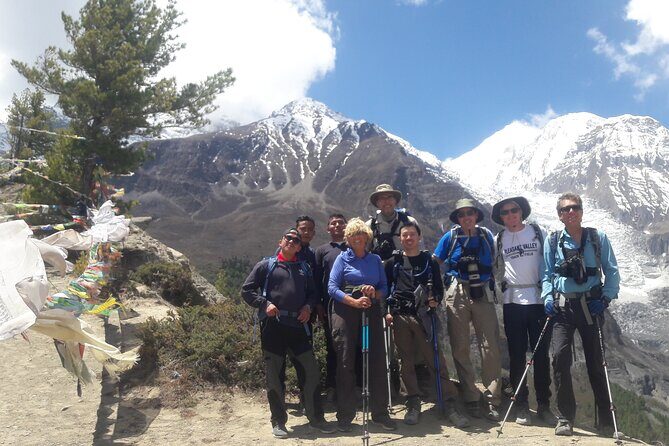
- Family-run guidance and a homely vibe from a team that works like they’re hosting you
- Nepali language lessons as part of the trek experience, not a random add-on
- Permit support included (ACAP permit and TIMS card) so you avoid the usual paperwork headache
- Acclimatization built in at Manang before the big crossing at Thorong La (5416m)
- End-to-end transport coverage: bus, public transport, car, and a tourist bus back to Kathmandu
- Meals on trek days (breakfast, lunch, dinner each day), which helps you hike with less stress
Private Annapurna Circuit: the trek that’s set up to run on time
Annapurna Circuit is the kind of trek where small details matter. A late start, a confusing trail change, or missing paperwork can turn “beautiful hike” into “annoying problem-solving.” This private version is designed to keep things moving, with pickup support from Kathmandu, private focus for your group, and a guide who stays responsible for the day-to-day plan.
You also get a strong value package for the price point ($995 per person). The big win is that the essentials are handled: permits, your trekking guide, lodge nights on the trek, and meals. That means you can spend your attention on the trail and your body instead of juggling logistics.
And yes, the altitude is real. The plan includes the high crossing at Thorong La (5416m) and builds in acclimatization in Manang. That’s not “nice to have.” It’s the difference between arriving feeling okay and arriving… feeling like you should lie down and negotiate with oxygen.
You can also read our reviews of more private tours in Kathmandu
From Kathmandu to Bulbule/Besisahar: your first taste of trekking country
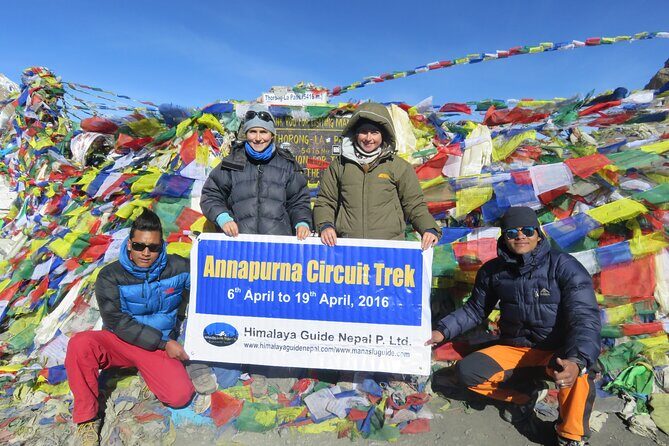
Your day begins at Tribhuvan Airport in Kathmandu, with a start time listed as 10:15 am. After that, you’re transferring by road into the circuit region. The plan includes a bus ride to Bulbule (6–7 hours drive) from Kathmandu via the route toward Besisahar, and the travel is paced like a trek kickoff rather than a frantic “get there first” sprint.
Why this matters: starting with a guided road transfer helps you avoid the common early-trip chaos—especially if you don’t know local transport schedules well. It also sets expectations. You’ll feel the shift from city traffic to river valleys and hill roads, with the Marshyangdi River area coming into view across the early stages.
Practical tip: because your first day is travel-heavy, pack for “arrive, settle, and don’t overdo it.” If you arrive tired, your first walking day won’t feel like a grand start. It’ll feel like a fight.
The Marshyangdi Valley days: suspension bridges, village rhythm, and steady altitude gains
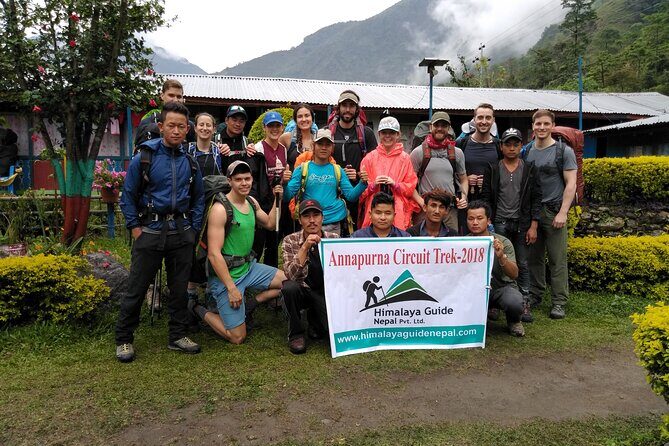
After the road portion, the trek settles into classic circuit rhythm along the Marshyangdi River corridor. These are the days where you build trekking legs, get used to lodge life, and start seeing how Nepal’s mountain villages actually connect to the trail.
Here’s what your middle stretch tends to look like:
Day 2: Ghermu to the Bahun Danda area
You start with breakfast and then move through villages and roads, aiming for the east bank of the Marshyangdi River. The route includes an uphill segment to a Brahmin settlement at Bahun danda (1270m) before lunch.
What I like about this type of day: it’s not all steep grind. You’re walking through lived-in places—roads, village paths, and river-side travel—so you’re not staring at a wall of rock for hours.
Day 3: Chamje and the big river crossings
Day 3 heads toward Chamje, with a suspension bridge crossing to the west bank of the Marshyangdi River, followed by steep uphill movement.
Suspension bridges are where the trail reminds you you’re in real terrain. They’re also often the moment you notice wind, depth, and trail footing. It’s fun in a “wow, Nepal does this for real” way, but keep your pace controlled.
You can also read our reviews of more hiking tours in Kathmandu
Day 4: Chame via dharapani and stone chortens
You cross back over a Marshyangdi suspension bridge to a route that includes areas like Dharapani, Bagarchhap (1960m), and Danque (2300m). The day features a typical mountain-world landmark: a stone entrance chorten.
This is the kind of day where trekking becomes “follow the trail, read the valley.” Chortens and village clusters give you breaks in the mental monotony of switchbacks.
Day 5: toward Manang and that dramatic rock face
You move through dense forest and a narrow valley, and then cross to the south bank at 3038m, leading toward a dramatic curved rock face that rises steeply from the river.
Dense forest sections can be a blessing. They offer shade and a break from constant sun. On the flip side, expect it to feel cooler under trees and then hotter once you break out into open valley stretches.
Day 6: lower Pisang options and rejoining at Mungji
Day 6 includes route choice depending on whether you slept in lower Pisang. The plan describes two trail approaches (one along the Marshyangdi Khola and one crossing the Khola) before rejoining at Mungji.
This is a good moment to check your energy level. If you feel good, route choice can add variety. If you feel worn, stick to the approach that feels safest and steadier for you.
Manang acclimatization: the day that protects your Thorong La attempt
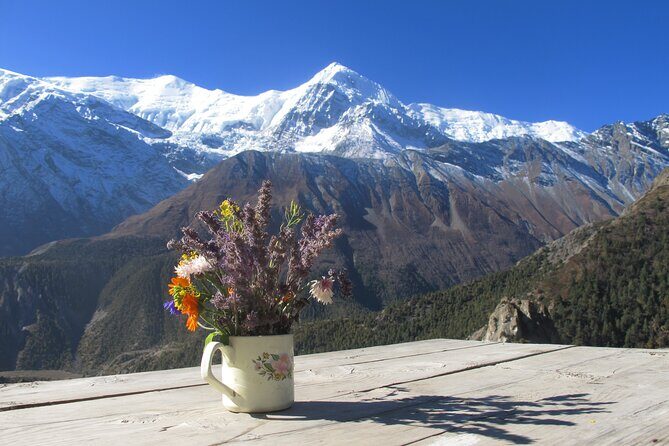
One of the smartest parts of this plan is the built-in acclimatization day in Manang before the big crossing. Day 7 explicitly says it’s important to spend a day adjusting before pushing on to Thorong La (5416m). That single design choice is what makes the overall trek feel more “managed” rather than “hope for the best.”
Day 7 also includes an optional explore stop described as a Lama/monk visit with a 100 rupees donation if you go. It’s a small cultural add-on that costs little and can make the day feel less like you’re only resting.
Then Day 8 continues the uphill push away from the Marshyangdi valley, moving along the jar sang Khola valley and passing pastures and scru… (the text cuts, but the intent is clear: you’re transitioning into the higher, more exposed terrain leading toward the pass zone).
Why this works: acclimatization isn’t just about altitude. It’s also about time. Your lungs, your sleep, and your legs get a chance to settle into higher conditions, which helps your next-day rhythm.
Thorong La days: long effort, early starts, and last-camp reality
This is the part of the Annapurna Circuit most people remember. The plan sets up the pass crossing with a last-night staging day and then a long-day effort.
Day 9: the last camp before the pass
You head to the last camp before crossing Thorong La. The described route goes along yak grazing ground, then down toward Jarsang Khola, crossing Jarsang Khola and climbing up to Durali Tea shop.
Durali Tea shop matters because it’s one of those trail checkpoints that often signals you’re in the pass approach zone. Expect cold mornings and a slow, careful pace. Here, it’s less about speed and more about breath control.
Day 10: Thorong La crossing day—start early
Day 10 includes the last night in the Manang District and highlights Phedi meaning food of the hill, describing this as a last day of hard work and a long climb. The plan also notes you start early because the day is long.
Early starts are practical mountain physics. You want daylight, warmer trail conditions, and fewer variables. You also want to avoid rushing, because rushing at altitude is how trekking turns into survival mode.
Muktinath/Jomsom area down to Tatopani-Shikha: heat, hot springs, and the river pull
After the pass, the trek shifts from high-altitude focus to descent rhythm. Day 11 is listed with a stop at Jomsom, and it spells out the optional route logic from Muktinath to Tatopani or Pokhara.
You’ll see three styles of movement mentioned:
- trekking-style movement over multiple days (via places like Marpha and Ghasa en route to Tatopani)
- a shorter route using flight from Jomsom to Pokhara
- then continuing on foot toward the hot spring area
For your planning: decide how you handle transitions. If you hate backtracking and want efficiency, the shorter option can save time. If you want continuity of scenery, the longer walking route may feel more satisfying.
Day 12 is all about hot springs and then trekking down. After the hot spring day, you cross a suspension bridge over the Kaligandaki River and follow a trail along Burung Khola, reaching a junction area.
This is where the circuit often feels like a reward. After big altitude exertion, a hot spring can feel like someone turned down the volume on your aches. Just remember: it won’t fix your body overnight. You still need hydration and sensible trekking pacing.
Ghorepani and Poon Hill: rhododendron trails and that sunrise payoff
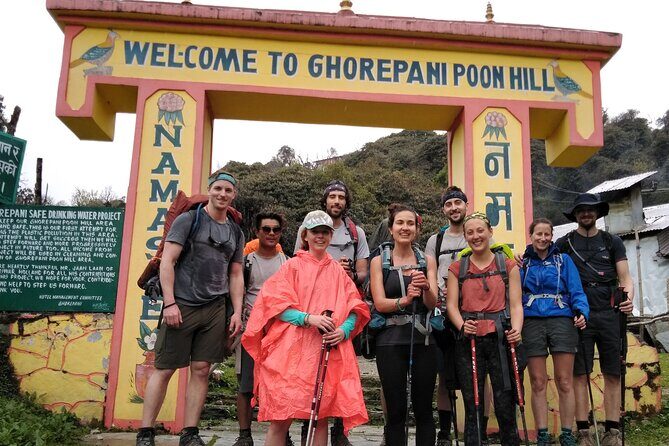
Days 13 and 14 turn the volume back up—less “hard crossing,” more “scenery and atmosphere.”
Day 13: toward Ghorepani through Magar villages
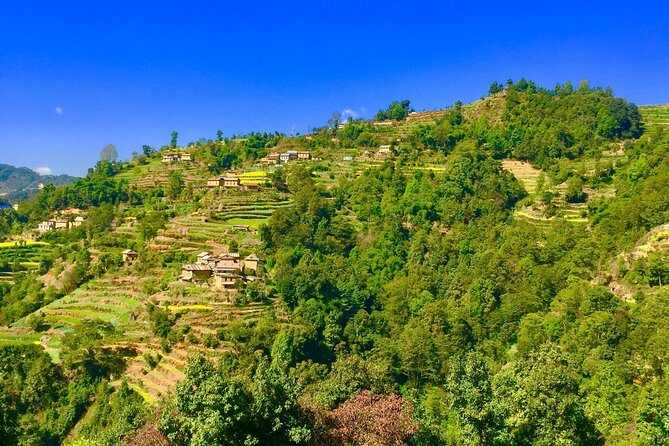
You walk through Magar villages including Phalate and Chitre, pass terraced fields, and move through dense rhododendron and pine forest. You’ll finally reach Ghorepani.
This is a great pairing after the descent phase. Forested sections can be cooler, and the village mosaics help the day feel human-sized instead of just vertical.
Day 14: Poon Hill sunrise at 3210m
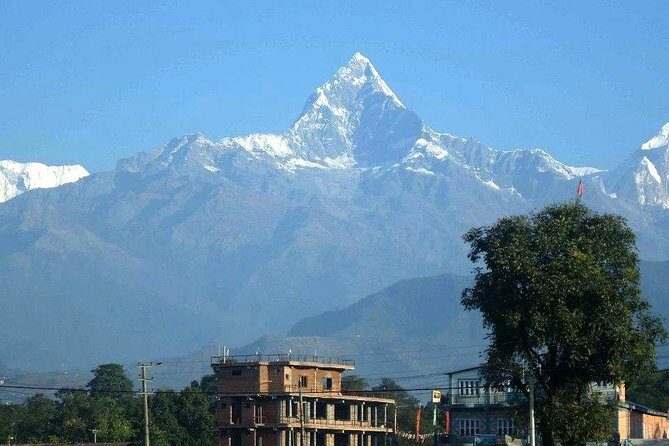
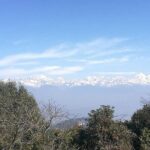
You start early for the hike up to Poon Hill (3210m). The plan promises sunrise and names the mountain views you can look for: Dhaulagiri, Tukuche Peak, Nilgiri, Annapurna South, Himchuli, and other peaks in the region.
I love this kind of trek “finale” because it gives you a clean, memorable objective. You’re not just walking to arrive. You’re walking toward a timed moment.
Practical tip: sunrise days reward layered clothing. Even if the trail is warm later, early mornings up high can feel sharp.
Pokhara lakeside and the return to Kathmandu with a farewell meal
Day 14 includes returning toward Pokhara, and your schedule finishes with Day 15 in Kathmandu. The trek ending point connects to Pokhara via car from Nayapul to Pokhara, and then you use a deluxe tourist bus back to Kathmandu.
The plan also mentions choice: you’ll have different options for Pokhara-to-Kathmandu, including a tourist bus. On your final night, you get a farewell lunch or dinner depending on timing.
Why this matters: having a structured exit from the trek helps avoid that last-day stress spiral. You’ll know how you get home, where you sleep, and what happens next—without you improvising transport while exhausted.
Price and value: what you’re paying for (and what you’re not)
At $995 per person for an approx. 15-day private trek, this package is built around a lot of the expensive friction points.
What’s included (the stuff that saves real effort)
- Airport pickup and drop: airport to hotel and back
- Bulbule transfer by bus (6–7 hours drive)
- Transport on the route down (public transportation from Muktinath to Tatopani)
- Nayapul to Pokhara by car
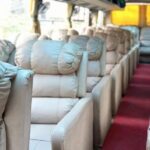
- Deluxe tourist bus Pokhara to Kathmandu
- Lodge accommodation during the trek (normal lodges)
- Experienced guide with salary, equipment, insurance, transportation, lodging, and food covered
- Legal permits: ACAP and TIMS card
- All government taxes
- Meals on trek days: breakfast, lunch, dinner for 15 days
- Token of love
- Farewell lunch or dinner
What’s not included (budget reality)
- extra night accommodation/food in Kathmandu and Pokhara
- travel insurance
- porter (they can organize one per request)
- drinks like Coke, mineral water, beer
- personal expenses: laundry, bar bill, phone use, battery charging, shower/bio… and boiled water
The big value call: included meals and permits mean fewer “surprise” costs and less decision fatigue. The big cost risk for most hikers isn’t the trek itself—it’s extra nights plus drinks and personal spending once you’re in lodge towns.
Who should book, and who should think twice
This trek fits best if you:
- have moderate fitness
- want a private, guided experience rather than a group scramble
- like structure (permits handled, meals covered, transport planned)
- want a culturally friendly touch, including Nepali language teaching and a family-run feel
Think twice if you:
- can’t handle long trekking days or the altitude demands around Thorong La
- need lots of comfort upgrades, since lodge style is listed as normal and drinks/personal extras are not included
If you’re unsure, focus on the altitude reality. Thorong La is the headline. The acclimatization day in Manang helps a lot, but your own fitness and pacing still matter.
Should you book this Annapurna Circuit private trek?
If you want a trek that feels managed from Kathmandu to Pokhara, this private plan is strong. The price includes the heavy-lift parts: permits, guide support, most transport legs, lodge nights, and full meal coverage on trek days. That’s real value when you’re trying to avoid the little logistical headaches that can drain a mountain trip.
My advice: book it if you’re serious about the circuit and want a guide who treats the process like safety first and people first. Consider adding a porter if you know you’d rather save your energy for the pass days. And if you’re bringing a strong dose of flexibility, you’ll also enjoy how this route allows options around the post-pass descent segment.
If you’re ready for the altitude and want the trek to feel organized rather than improvised, this is a very reasonable bet.
FAQ
Where does the trek start?
The start point is Tribhuvan Airport in Kathmandu, Nepal.
What time does the experience start?
The listed start time is 10:15 am.
Is this a private trek?
Yes. It’s a private tour/activity, and only your group participates.
What’s included in the price?
The package includes airport pickup and drop, bus ticket to Bulbule, public transportation from Muktinath to Tatopani, Nayapul to Pokhara by car, deluxe tourist bus Pokhara to Kathmandu, lodge accommodation during the trek, an experienced guide, ACAP permit and TIMS card, government taxes, and meals (breakfast, lunch, dinner for 15 days), plus a token and farewell meal.
Do I need permits for the trek?
Yes. The tour includes legal documents for ACAP permit and TIMS card.
What’s not included?
Not included are extra nights and meals in Kathmandu and Pokhara, travel insurance, porter (unless requested), hot and cold drinks, and personal expenses like laundry, bar bill, phone, battery charging, showers, and boiled water.
How do you handle transportation back to Kathmandu?
After the trek ends near Pokhara, you go to Pokhara by car, then use a deluxe tourist bus to Kathmandu. It also notes you may have choices such as a tourist bus.
Is there a day for acclimatization?
Yes. The plan specifically says it’s important to spend a day acclimatizing in Manang before pushing on toward Thorong La.
Can I cancel for a full refund?
You can cancel up to 24 hours in advance for a full refund. If you cancel less than 24 hours before the start time, the amount paid will not be refunded.
What if the trek is canceled due to minimum travelers?
If it’s canceled because the minimum isn’t met, you’ll be offered a different date/experience or a full refund.