Cooking with Nepal’s women in Thamel feels personal. At Namaste Cooking School, you start with masala chai, pick a menu, and learn the spices behind classic Nepali flavors.
I love how women-led the class feels, with ingredients sourced from local farmers so the food tastes like the country, not a tourist version. I also like that it’s hands-on but not stressful: you cook, they guide, and you’re not left doing a giant cleanup.
One thing to consider: the experience requires good weather, so build in a little flexibility if your Kathmandu schedule is tight.
In This Review
- Key highlights to look for
- Why Namaste Cooking School in Thamel is such a smart food stop
- Chai, welcome, and the spice lesson that makes everything click
- Choosing a menu (and handling allergies without stress)
- Hands-on Nepali cooking: what you’ll actually do
- About the cleanup: you cook, they help
- Expect a lively group vibe
- You might meet leads like Sabita and Sushila
- Lunch included, plus a cookbook that actually helps
- Price and timing: does $30 feel worth it?
- Group size: small enough to feel personal
- English language support
- Pickup, meeting point, and how to plan your afternoon
- When the weather is bad: what it means for you
- Who this cooking class is best for
- Should you book this cooking class?
- FAQ
- How much does the cooking class cost?
- How long is the experience?
- Is lunch included?
- Do they offer pickup from Kathmandu?
- What language is the class taught in?
- What should I do if I have dietary restrictions or allergies?
Key highlights to look for
- Women-led cooking with indigenous focus: a mission that centers Nepal’s own food identity
- Three curated menus: you choose what you’ll make, then dietary needs are checked
- Chai welcome and spice intro: you get context before the cutting and cooking
- Hands-on cooking with minimal cleanup: you cook yourself, but the mess is mostly handled
- Thamel location in Kathmandu: easy to fit between sightseeing plans
Why Namaste Cooking School in Thamel is such a smart food stop
If you like your Kathmandu activities practical and real, this one hits the mark. It’s in Thamel, the central backpacker base where you’ll already be walking to shops, bookstores, and cafés. That matters because you don’t waste your afternoon hunting for the place or timing buses.
Namaste Cooking School is also a women-led operation, and that shows in the energy of the room. The whole session is built around preserving Nepal’s indigenous culinary heritage, not just teaching a generic cooking technique. They emphasize using ingredients sourced directly from local farmers, which is exactly how you get flavors that taste like Nepal instead of like a kitchen textbook.
And yes, you’ll cook. This isn’t a demo where you stand and watch. You’re active from the first steps through lunch prep, so you leave with meals you can actually recreate later.
You can also read our reviews of more cooking classes in Kathmandu
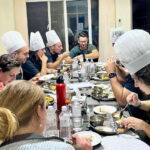
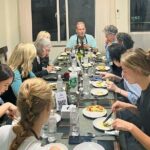
Chai, welcome, and the spice lesson that makes everything click
The session usually starts with a warm welcome and a traditional cup of masala chai. It’s a small moment, but it sets the tone: friendly, local, and not overly formal.
Right after that, you’re guided through your menu choice (more on that below), and then you’ll get an introduction to the regional spices that shape Nepali cuisine. This matters because Nepal isn’t one flat flavor. Spices shift depending on region, and the way they’re used affects the dish texture and aroma. When you understand what the spices are doing, the cooking stops feeling like following random steps.
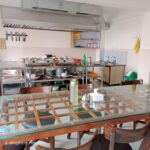
In the cooking room, you’ll find it’s bright and clean—good ventilation, a space that feels cared for. That helps when you’re chopping, mixing, and tasting. You can focus on the food instead of worrying about the setup.
Choosing a menu (and handling allergies without stress)
You choose from three carefully curated menus. That’s an underrated detail. Many cooking classes give you one set meal and call it choice. Here, you can pick what you want to learn, which makes the class feel more tailored to your tastes.
During menu selection, they ask about dietary restrictions or allergies. So if you need to avoid certain ingredients, this is the moment to be clear. I’d come prepared with your allergy list in plain language, and if possible tell them how strict it is for you (for example, avoid completely vs. minor traces are okay).
Once your menu is picked and your needs are known, the class flows. No awkward last-minute substitutions halfway through. It’s one of those smooth, practical touches that makes a short half-day experience feel efficient.
Hands-on Nepali cooking: what you’ll actually do
This is the part most people are really paying for, and Namaste delivers. You get hands-on instruction and you prepare the dishes yourself with guidance. Think of it as learning by doing—cutting, mixing, seasoning, and cooking—while someone nearby helps you hit the right balance.
You’ll work through multiple steps that bring out the flavors of the region you chose in your menu. And because the focus is on indigenous ingredients, you’re more likely to notice how specific seasonings create depth and warmth in the final dish.
About the cleanup: you cook, they help
One theme that stands out is that you’re not stuck cleaning everything at the end. A clear advantage of this class is that cleanup isn’t your job. The staff takes care of the mess so you can leave feeling like you had an afternoon activity, not a kitchen shift.
You can also read our reviews of more tours and experiences in Kathmandu
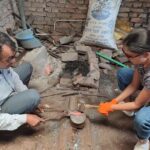
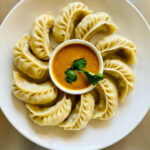
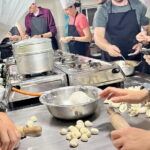
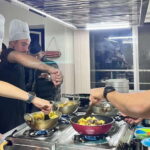
Expect a lively group vibe
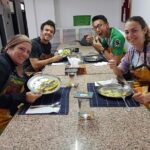
The class can be upbeat in a very human way. I’ve seen cooking sessions where people are polite but distant. Here it’s more like a friendly community gathering. Some sessions include singing and dancing moments, plus lots of laughter. If you like friendly conversation while you cook, you’ll likely enjoy this atmosphere.
You might meet leads like Sabita and Sushila
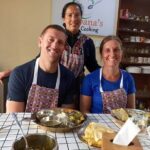
Women lead the class, and you may cook with instructors such as Sabita and Sushila. They’re the kind of teachers who balance instruction with warmth, and the session feels more personal because the leadership is right there, working and guiding.
Lunch included, plus a cookbook that actually helps
You’ll get lunch as part of the class. That’s great value because you’re not just paying for instruction—you’re also eating the results of your work.
The best part is what comes after: you receive a Namaste Cooking School Recipe Book as a keepsake. For a lot of cooking classes, the food is fun, but you forget most of it by the time you’re home. A recipe book changes that. It gives you a realistic way to recreate the dishes and remember the flavors without trying to reverse-engineer every step.
Also, there’s a cultural side that fits naturally into the cooking. You may swap stories, learn a bit of Nepali vocabulary, and practice languages like English with the instructors. That’s not forced. It just happens in the flow of a small group meal.
Price and timing: does $30 feel worth it?
At $30 per person for about 4 hours, this is priced like a bargain compared to the cost of a normal restaurant meal plus a structured experience. And because lunch is included, you’re not paying twice for food.
Averages also matter. This one gets booked about 17 days in advance on average, which tells me demand is steady. If you’re traveling in a busy season or you’re set on a specific day, book ahead so you’re not scrambling.
Group size: small enough to feel personal
The class has a maximum of 16 travelers. That keeps the room from turning into a conveyor belt. You can ask questions, get guidance while you cook, and still enjoy a social vibe. It’s the sweet spot for a cooking class: big enough for fun, small enough for attention.
English language support
It’s offered in English, which makes the instruction easier to follow. If you’ve ever taken a class where the teacher moves faster than you can process, you know why this matters. Here, you’re set up to learn the method, not just the final dish.
Pickup, meeting point, and how to plan your afternoon
The information is simple and useful: pickup is offered, and the start point is Tribhuvan Airport, Kathmandu. The activity ends back at the meeting point.
That means if you’re arriving from a flight, you might be able to turn that arrival day into something productive without cramming in extra transport. Still, it’s smart to plan a little buffer. Kathmandu days can run on unpredictable time, especially when you mix traffic with international arrivals.
The school is located right in the heart of Thamel, which is good news for anyone who’s already staying nearby. Even if you don’t need airport pickup, you’ll likely find it easy to get there with the city’s public transportation options. The listing also notes it’s near public transportation, which helps if you’re mixing plans.
You’ll receive a mobile ticket, so have your phone ready and don’t rely on finding paper confirmations at the last minute.
When the weather is bad: what it means for you
This experience requires good weather. That’s not the kind of detail you want to ignore, especially if you’re planning a single-day stop in Kathmandu.
If weather causes a cancellation, you’ll be offered a different date or a full refund. So you’re not stuck. My advice: schedule this class on a day where you have some flexibility, ideally not the last afternoon you’re in the city.
Who this cooking class is best for
This is a great fit if you want:
- A Kathmandu cooking class that teaches real Nepali flavors, not just basic technique
- A women-led cultural experience with a friendly, upbeat atmosphere
- A short trip activity that includes lunch and a take-home recipe book
You might want to choose something else if you strongly prefer quiet, strictly instructional experiences with no social vibe. This class can be lively—some sessions include singing and dancing—so it’s not a silent cooking lab.
It’s also a solid choice if you’re traveling solo. The format works well for individuals because it’s interactive, and the instructors make it easy to join in rather than sit on the edge.
Should you book this cooking class?
If you’re in Kathmandu and you care about food that tastes like Nepal, I’d book it. The value is straightforward: $30, about 4 hours, lunch included, and a recipe book you can use later. Add in the women-led guidance and the local-farmer ingredient focus, and it’s one of the more meaningful ways to spend an afternoon in Thamel.
Book ahead if your schedule is fixed, and pick a day with tolerable weather. If you do that, you’ll likely end the class full, entertained, and with recipes you’ll want to cook at home.
FAQ
How much does the cooking class cost?
The Local Women Lead Nepali Cooking Class costs $30.00 per person.
How long is the experience?
The class runs for about 4 hours.
Is lunch included?
Yes. Lunch is included in the experience.
Do they offer pickup from Kathmandu?
Pickup is offered. The listed start point is Tribhuvan Airport in Kathmandu, and the activity ends back at the meeting point.
What language is the class taught in?
The class is offered in English.
What should I do if I have dietary restrictions or allergies?
During menu selection, they ask about dietary restrictions or allergies. It’s best to share your needs then so they can guide you toward the right menu.