REVIEW · KATHMANDU
Kathmandu: Food and Drink Walking Tour
Book on GetYourGuide →Operated by Maha Nepal Trips Pvt. Ltd. · Bookable on GetYourGuide
Kathmandu food is a map you can taste. This 3-hour walking tour in the Bagmati Zone turns Kathmandu streets into a practical guide, with a local foodie like Deepak leading you through safe eateries and at least 9 samplings. You’ll leave with both full taste buds and a clearer sense of Nepali food culture.
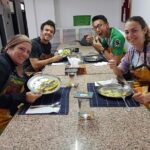
I love the way the tastings are well spaced and serious about variety, so you’re not just grazing randomly. I also like the story-first approach: Deepak connects dishes to Nepal’s food traditions, and you can see the logic behind what you’re eating, from momo to noodle soups to sweets.
One drawback to plan for: the food amount is big. If you’re a light eater or very picky about spice and texture, come prepared, because you may still feel a little overloaded by the end of the walk.
In This Review
- Key things to know before you go
- Value Check: $28 for 9+ Tastings in Kathmandu
- Meet at Kaiser Library and Start With Food-Safe Confidence
- Thamel-Style Walking: How the 3 Hours Stay Fun (Not Exhausting)
- Savory Starters: Noodles, Momo, and the Dishes That Explain Kathmandu
- Sweet and Sip Stops: Tea/Coffee, Cookies, Donuts, and Sugarcane Refreshment
- Culture in Every Bite: What You Learn From Deepak’s Stories
- Logistics Without the Stress: What to Bring and What to Skip
- Should You Book This Kathmandu Food and Drink Walking Tour?
- FAQ
- How long is the Kathmandu Food and Drink Walking Tour?
- How many tastings are included?
- What food and drinks are included?
- Where do pickup and drop-off happen?
- What languages are available for the guide?
- Is there a cancellation option?
Key things to know before you go
- 9+ samplings in about 3 hours means a real meal’s worth of food
- Deepak’s dish stories help you understand what Nepal is doing with flavors
- Thamel-area walking is an easy way to get your bearings fast
- Clean, safe restaurant choices plus some street-food-style snacks
- Lots of drink options including tea/coffee and sugarcane-style refreshment
Value Check: $28 for 9+ Tastings in Kathmandu
At $28 per person for 3 hours, this tour works out as strong value because it’s not one “photo stop” and a single snack. You’re paying for a guided route, a set of 9 samplings, and enough food to cover a big chunk of a dinner (and often more). Kathmandu can be affordable, but eating well across multiple places adds up quickly—especially if you’re navigating neighborhoods without a local.
What makes it feel like good value is the mix: savory Nepalese staples, drinks, and desserts. You’re also not stuck with only one cuisine style. Expect plain comfort foods (noodle soup, dumplings) plus crunchier street-style items (like panipuri/pani puri in the broader Nepali snack universe), and then a sweet finish.
If you’ve got limited time in Kathmandu, this is a smart “first night” kind of plan. You get taste variety and practical context in one go. If you’re staying near Thamel, it’s also a low-stress way to understand where to eat next.
You can also read our reviews of more walking tours in Kathmandu

Meet at Kaiser Library and Start With Food-Safe Confidence
Pickup is included, and Kaiser Library is listed as one of the main meeting options. The operator also names a second Kathmandu pickup option, so confirm your exact start point in your booking details.
A big comfort factor here is the stated focus on clean and safe restaurants. The tour doesn’t just trust street food to luck—it’s designed around carefully chosen stops. That matters in Kathmandu, where you want your first meals to be enjoyable, not stressful.
Language support is another practical perk. The live guide can work in English, Nepali, Chinese, Hindi, French, Japanese, Russian, German, Korean, and Spanish. If you’re trying to ask better questions—like what’s in the sauce, what’s traditional for the dish, or how spicy it usually is—you’ll be able to.
Also, the tour includes a guide for the full experience, plus safety briefings. That means you can focus on eating and learning instead of worrying about where to go next.
Thamel-Style Walking: How the 3 Hours Stay Fun (Not Exhausting)
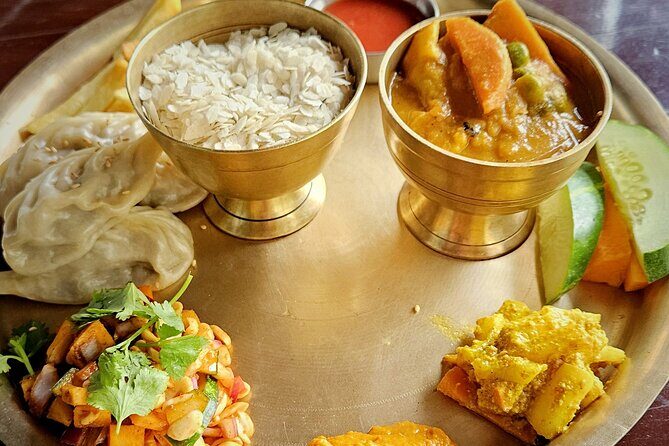
This tour is a walking format, but it’s not “march for 3 hours and hope you like it.” Your route includes breaks and time for tea, plus segments labeled as sightseeing, free time, and shopping. Translation: you’re moving enough to feel like Kathmandu, but you’re not being dragged through every second of the day.
In the itinerary details, you’ll also see stops that can include a tea ceremony, a coffee tasting, a food market visit, and time at arts and crafts market areas. On some departures, there’s also mention of a traditional dance show and a workshop segment. You won’t turn this into a museum day, but those add-ons make the tour feel less like a food-only checklist.
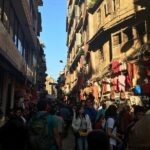
The best part for most people is the “guided navigation” effect. You start near familiar tourist zones (Thamel is repeatedly referenced), and you end with a mental map of how food culture works across different eateries and snack stalls. That’s useful on day two, because you’ll know what to look for—and what to ask for.
Practical note: you’ll be on your feet, and the route is in real neighborhoods. Comfortable shoes and a water moment are your friends.
Savory Starters: Noodles, Momo, and the Dishes That Explain Kathmandu
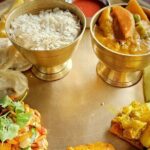
The tour’s strongest theme is Nepalese comfort food mixed with local snack culture. From the included menu items, you can expect noodles with soup and Nepali momo. Those two alone are worth showing up for, because they’re among the easiest ways to compare Nepal’s everyday flavor habits from one shop to the next.
Momo is also a perfect “culture lens.” In Kathmandu, momo isn’t just a dumpling—it’s a social food. It shows up in casual meals, quick snacks, and long conversations. On this tour, momo is served as part of your planned samplings, so you get to taste it without hunting for the best version yourself.
You may also see other regional and special variations described in the tour experience, including mentions of paneer momos in past groups, and specific favorites like buffalo noodles. If you’re the kind of eater who remembers sauces, broth style, and spice balance, these are the details that make the tour feel meaningful.
From the food culture side, some groups also reference Newari-style items and street-snack classics, including:
- chatamari/chhatamari (a rice pancake-style dish)
- panipuri/pani puri (crunchy, filled snack bites)
- lassi yogurt as a cooling drink/dessert-style option
Here’s the tip that helps most: if you care about spice level, ask early in the tour. Guides on this kind of food walk can help you choose what’s enjoyable rather than what’s just hot.
A possible drawback in the savory lineup is the reality of variety: not every tasting will match your personal preferences. One thing I’d do before the tour is think about what you avoid—very sour flavors, very spicy foods, or certain textures—then tell the guide at the start so they can guide your choices.
Sweet and Sip Stops: Tea/Coffee, Cookies, Donuts, and Sugarcane Refreshment
If you’ve ever finished a walking tour and realized you barely tasted dessert, this one helps you avoid that. The included items list calls out tea/coffee, plus cookies, donut, and desserts as part of the samplings. You’re not just drinking your way through the afternoon or evening.
One highlight that comes up again and again is sugarcane juice with lemon. That kind of drink is ideal for Kathmandu walking because it’s refreshing and cuts through spice. Some groups also describe sugarcane-style shots, which tells me the tour isn’t treating drinks as filler.
Tea and coffee tasting also matters because Nepali tea culture and local coffee scenes can be a whole topic on their own. Even if it’s just a sample, you get a feel for what locals choose and how sweetness and flavor tend to be balanced.
And then there’s the creamy cooling element. Lassi and dairy-based yogurt drinks show up in past experiences, which is smart because it gives your palate a rest between crunch and heat.
If you want a practical approach: treat the sweet course like a palate reset. Don’t crush all the desserts at once. If there’s an opportunity to pace yourself, take it, because you’ll likely want one last bite at the end.
You can also read our reviews of more food & drink experiences in Kathmandu
Culture in Every Bite: What You Learn From Deepak’s Stories
The tour isn’t just “eat this, eat that.” The big value is the stories behind each dish. Deepak is repeatedly described as warm, funny, and conversational, and that changes the whole tone of a food tour. Instead of feeling like you’re following instructions, you feel like you’re walking with someone who actually loves Nepal’s food culture.
One practical example from past groups: you might learn local phrases to use while eating. Deepak is said to teach people expressions like Mitho Chha and Irma Tasty. Even if you only remember one line, it makes small interactions easier and more respectful.
A second culture benefit is understanding Newari and Nepali food connections. Some experiences explicitly mention getting insight into Newari dishes and how they fit into Kathmandu’s broader food identity. That’s the kind of context that makes your next meal better. You’ll be less likely to order blindly and more likely to recognize what you’re tasting.
You also get the social side. One solo traveler notes they felt safe while walking busy streets with Deepak. That tells you the guide isn’t just collecting a group—he’s managing comfort and pacing in a real neighborhood setting.
Even the restaurant selection is part of the learning process. You’re being taken to places you might not enter on your own, especially if you’re unsure what to order or worry about whether it’s “tourist-friendly.”
Logistics Without the Stress: What to Bring and What to Skip
This is a food-heavy walk, so your prep matters. The best advice: come hungry. If you show up already full, you’ll miss the point of the 9+ tastings and you’ll spend the second half thinking about how to stop eating.
Wear shoes you can handle on Kathmandu sidewalks. You’ll be walking between stops, and one of the real joys of the tour is seeing streets, storefronts, and everyday life while you eat.
Dietary preferences: vegetarian options have come up in past experiences, so don’t panic if you don’t eat meat. Tell the guide what you need at the start. That one step usually prevents disappointment.
Transportation to and from the meeting point is not included, so plan a simple route to Kaiser Library. Once the tour ends, you’ll likely be good for exploring on foot, since the whole point is to leave with a stronger sense of where to go.
And remember: personal expenses are not included. Since the tour already covers tea/coffee and the samplings, you should only need extra money if you want to buy something after the walk.
Should You Book This Kathmandu Food and Drink Walking Tour?
I’d book this if you want a high-return first taste of Kathmandu. It’s especially appealing for first-time visitors, solo people who want company, and anyone who likes learning while eating. The price makes sense because the food plan is built in—no guessing, no chasing, and no accidentally eating too little.
I’d skip it if you:
- dislike trying new foods or have very strict dietary needs you’re not comfortable discussing
- hate walking in busy city streets
- want a quiet, low-activity tour (this one is social and meal-focused)
If you’re unsure, here’s a simple decision rule: if you’d rather be guided to multiple good places than figure it out alone, this tour fits. If you’d rather browse menus at your own pace with minimal structure, look at something more flexible.
Net: if you want Nepalese food as a story you can taste, this is a smart use of 3 hours in Kathmandu.
FAQ
How long is the Kathmandu Food and Drink Walking Tour?
The tour lasts 3 hours.
How many tastings are included?
You get 9 samplings as part of the tour.
What food and drinks are included?
Included tastings include noodles with soup, Nepali momo, pancake, cookies, donut, tea/coffee, snacks, drinks, and desserts.
Where do pickup and drop-off happen?
Pickup and drop-off are offered in Kathmandu, with Kaiser Library listed as one of the options.
What languages are available for the guide?
The guide is available in English, Nepali, Chinese, Hindi, French, Japanese, Russian, German, Korean, and Spanish.
Is there a cancellation option?
Yes. You can cancel up to 24 hours in advance for a full refund.