REVIEW · KATHMANDU
Kathmandu Heritage & Monuments Sightseeing
Book on Viator →Operated by Walk Mountain Pvt Ltd. · Bookable on Viator
A full day of Kathmandu in a single smooth loop. This private heritage-and-monuments outing centers on major sacred stops like Pashupatinath, Boudhanath, Swayambhunath (monkey temple), and Patan’s Durbar Square, with time to go slow where it matters. I like that it’s set up for comfort and control: hotel pickup/drop-off (selected hotels) plus a flexible route you can shape to your pace. I also like the value angle: the car with driver, fuel, and parking are handled, so you’re not wrestling logistics all morning.
One thing to plan for: monument entry tickets are not included, and food and drinks are not included either. If you want a deeper, site-by-site narration, note that tour guides are also not listed as included in the core package, so you may need to arrange interpretation on your own.
In This Review
- Key highlights you’ll feel on the day
- A private heritage day in Kathmandu that actually feels manageable
- Price and logistics: what the $147 covers (and what you must budget)
- Pickup and your driver: the part that makes or breaks a sacred-site day
- Pashupatinath: the sacred Hindu stop that sets the tone
- Boudhanath stupa: seeing why the day isn’t just about temples
- Swayambhunath (Monkey Temple): stupa views with a playful twist
- Patan Durbar Square and Kumari: culture, ritual, and architecture in one stretch
- How to pace a 6-hour circuit without feeling rushed
- The staff factor: what the Walk Mountain service style seems to prioritize
- Who this tour suits best (and who should choose something else)
- Should you book Kathmandu Heritage & Monuments Sightseeing?
- FAQ
- How long is the Kathmandu Heritage & Monuments Sightseeing tour?
- What does the price include for this tour?
- Are monument entry tickets included?
- Is food and drinks included?
- Is this a private tour or a group tour?
- What time does the pickup happen?
- Can children join this tour?
Key highlights you’ll feel on the day
Private transport for just your party: no rental car stress, and you can stop whenever you want.
Four-to-five headline sacred sites in one run: Hindu and Buddhist landmarks in a focused route.
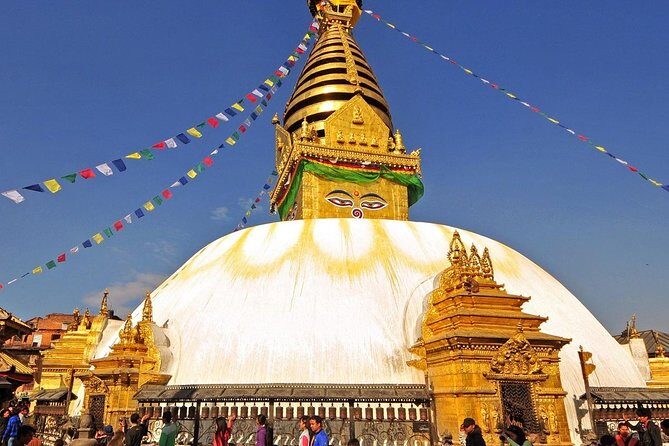
Swayambhunath’s monkey-temple setting: a change of mood from temples to stupa views.
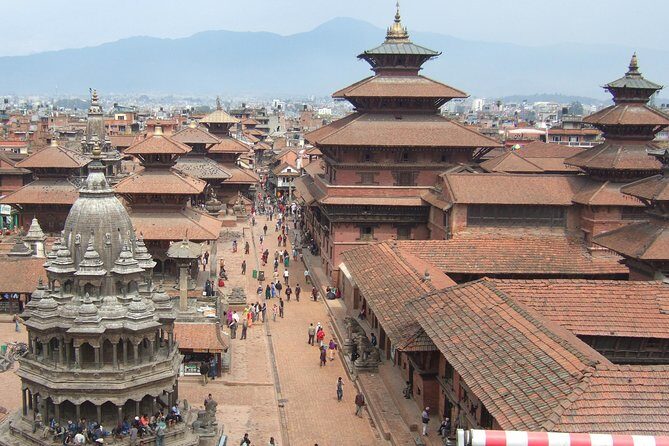
Patan Durbar Square and the Kumari stop: culture and ritual in the same area.
A schedule built around your timing: the itinerary is described as flexible, not rigid.
Operator track record for service: the provider has a 100% recommendation rate in a set of 5-star reviews.
A private heritage day in Kathmandu that actually feels manageable
Kathmandu can be a “too many stops, too little time” city—unless someone plans the driving and sequences the sights. That’s the big win here. You get private round-trip transportation, and the tour is designed as a single day that still allows you to pause, look closely, and step into places at a human pace.
The route is built around Kathmandu Valley’s biggest religious landmarks. You’ll hit a sacred Hindu temple (Pashupatinath), a major Buddhist stupa (Boudhanath), Swayambhunath’s stupa complex (the monkey temple), and Patan Durbar Square. It’s a nice mix because the day doesn’t just look at architecture. It also focuses on why these places are still active for Nepalis—religious practice and cultural identity are woven into the experience.
It’s also a practical setup if you’re short on time but want the core icons. A 6-hour duration means you’re not spending half a day commuting between scattered neighborhoods. And because it’s private, you’re less likely to feel rushed compared to bus-group sightseeing.
You can also read our reviews of more historical tours in Kathmandu
Price and logistics: what the $147 covers (and what you must budget)
At around $147 for a roughly 6-hour private outing, the value comes from what you’re not doing yourself. Your package includes hotel pickup, hotel drop-off at selected hotels only, and private transport by car with driver, plus fuel and parking charges.
What’s not included is just as important:
- Entry tickets for monuments
- Food and drinks
- Tour guides (not included)
So your day will likely cost a little more on top once you add entrance fees and whatever you eat. That’s normal for Kathmandu’s landmark circuit. The good news is you won’t be budgeting for taxis, fuel, or parking while you’re hopping between sites. The main logistics work is handled, and you can keep your energy for temples and stupa viewing.
A small plus: the tour uses a mobile ticket. That usually makes check-in simpler than hunting for printed paperwork.
Pickup and your driver: the part that makes or breaks a sacred-site day
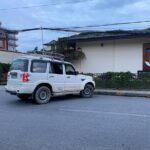
Your representative meets you the day before or on the tour day at your hotel and explains the tour. Then the driver picks you up by 9:00 am. After your sightseeing run, you’re dropped back at your hotel.
This structure matters because it reduces the most stressful part of heritage days: finding the right person, at the right time, with the right vehicle, while you’re also trying not to lose daylight. Starting at 9 am also helps because you’ll be touring during the safer, calmer daylight window—helpful when you’re dealing with crowds around major religious sites.
Even if you don’t plan a tight, minute-by-minute day, having a driver who respects your pace is huge. In the operator’s feedback history, a guide named Khumud has been specifically praised for adjusting to how people felt and for stopping for coffee breaks whenever needed. You may not get the same guide, but the pattern is clear: this isn’t the style where you’re dragged from one doorway to the next.
Pashupatinath: the sacred Hindu stop that sets the tone
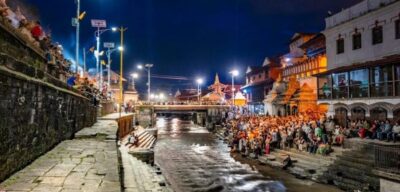
Pashupatinath is described as the sacred Hindu temple at the center of the day’s first big landmark. As a first stop, it does a useful job: it grounds the visit in Nepal’s living religious culture, not just sightseeing.
Here’s how to make your time effective:
- Go in with respect and patience. This is a working sacred space, so the mood is more contemplative than touristy.
- Take your time at the main viewing areas rather than trying to sprint through.
- Plan for a slower rhythm—temple atmospheres take more time than photos suggest.
A possible drawback is simple: the site is sacred and busy. If you’re easily overwhelmed by crowds or you want minimal walking, you’ll need to pace yourself and be ready for more people around the most iconic viewpoints.
Boudhanath stupa: seeing why the day isn’t just about temples
Next up is Boudhanath, described as the world’s biggest stupa. That size matters in a way your photos won’t fully communicate. Large stupas create a different kind of space: you feel surrounded by ritual movement, not just standing in front of a single building.
This is also one of the best places to slow down. If you want to understand what a stupa represents, the best method is often the simplest one: stand, look, and watch people move through the space. The tour’s design gives you time to explore without forcing you to leave immediately after a single quick view.
If you hate dealing with crowds, you might notice Boudhanath can get busy because it’s one of the area’s most recognizable landmarks. The private format helps here: you’re not stuck waiting in a large bus schedule. You can also shape your visit a bit more around when it feels best for your group.


Swayambhunath (Monkey Temple): stupa views with a playful twist
The itinerary includes Swoyambhunath Stupa, widely known as the monkey temple. This stop is a classic Kathmandu shift: from temple intensity to stupa viewpoints and the slightly chaotic-but-entertaining energy of a famous sight.
What makes it worth the time:
- It’s a stupa landmark with a distinct identity, not a generic religious building.
- The monkey temple name isn’t just branding. You’ll likely feel the site’s character once you’re on the grounds.
- It’s a natural place to take photos and then step back to observe how people relate to the site.
The main consideration is practical. Sites like this often involve uneven paths and steps. You’ll want comfortable shoes and a willingness to move carefully. Also, if you’re not comfortable around monkeys, be aware that the site’s reputation comes from real behavior around the area.
Patan Durbar Square and Kumari: culture, ritual, and architecture in one stretch
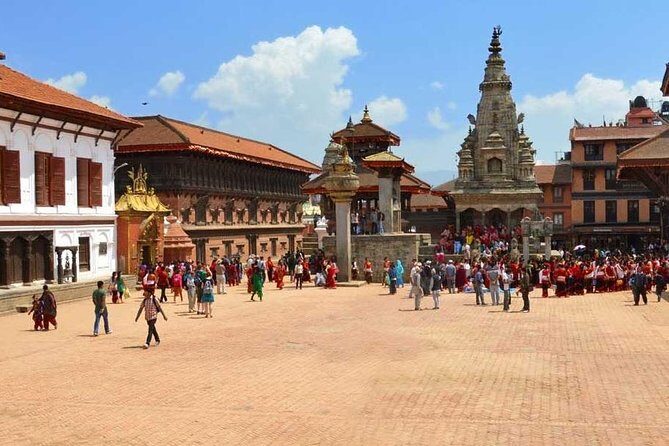
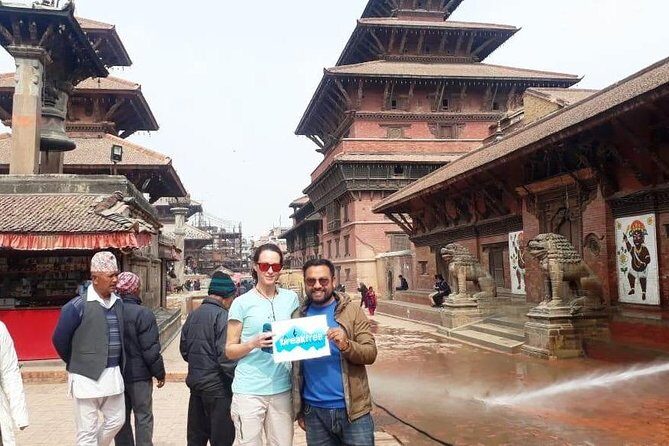
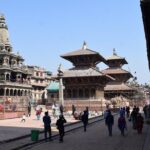
The day includes Patan Durbar Square, described as historical with unique architectural temple structures. Patan’s Durbar Square stop is important because it’s where Kathmandu’s broader heritage feel connects to Nepal’s everyday religious and cultural life.
The tour also highlights Kumari, described as the living goddess known as the Kumari in Patan Durbar Square. That’s a compelling contrast to the stupa and temple stops, because you’re looking at a tradition that has a specific human role within the religious culture.
How to enjoy this part of the day:
- Treat Kumari as a cultural and religious moment, not a quick photo opportunity.
- Give yourself extra mental space here. Durbar Square areas often feel more “busy” and less quiet than the stupa circuit.
- Move slowly through the architectural spaces. Unique temple structures reward attention.
A drawback to keep in mind: Durbar Square areas can be active, and depending on the time of day, you may experience more foot traffic. The private format helps you adjust—if you need a breather, you can usually pause without derailing a group schedule.
How to pace a 6-hour circuit without feeling rushed
This tour is short enough that every stop counts. That’s good, but it also means you should protect your energy.
Here’s a practical way to plan:
- Plan for walking and stairs at each site, especially Swayambhunath and Durbar Square areas.
- Bring a small snack or plan to buy something after you hit major sights. Food isn’t included.
- Wear layers. Kathmandu weather can shift, and religious-site days encourage you to wait or stand for moments longer than expected.
I also suggest you ask your driver for a simple timing strategy at the start—something like: where you want the most time (Pashupatinath, Boudhanath, or Swayambhunath usually), and where you’re okay with a faster pass. The tour is described as flexible for your private party, so use that.
The staff factor: what the Walk Mountain service style seems to prioritize
The provider is Walk Mountain Pvt Ltd. Their communication tone and service choices show up in the available feedback: names like Bishnu Pandey and staff roles like support and driver assistance appear repeatedly. There’s also mention of staff tailoring plans and staying responsive to what the group wanted to do.
For you, the takeaway is simple: if you care about a day that feels organized but not rigid, this kind of operator style tends to matter. A dedicated driver, clear pickup timing, and a flexible route are the difference between a checklist tour and a day that feels like it has breathing room.
Who this tour suits best (and who should choose something else)
This experience is a strong fit if:
- You want the core heritage sites in Kathmandu with minimal hassle
- Your party values private transport and flexibility
- You’re comfortable paying monument entry fees separately
- You want to mix Hindu and Buddhist landmarks in one day
It may be less ideal if:
- Your group needs a lot of guided interpretation included in the price
- You’re not able to handle walking steps and temple pathways
- You prefer a fully planned itinerary with no flexibility at all
If you’re someone who likes structure but also dislikes being rushed, this tour lands in a good middle ground.
Should you book Kathmandu Heritage & Monuments Sightseeing?
If you want a smooth, efficient Kathmandu monuments day, I’d say this is worth considering. The private format and hotel pickup/drop-off at selected hotels are big practical wins, and the route covers the headline sacred sites people come to see: Pashupatinath, Boudhanath, Swayambhunath, Patan Durbar Square, plus Kumari.
Just go in with the right expectations about the extras. Budget for entry tickets and plan for food and drinks. And if you want detailed storytelling at each monument, be ready to arrange interpretation since tour guides aren’t listed as included.
If that matches your style, book it and treat the day like a guided day off the couch and into Kathmandu’s sacred core.
FAQ
How long is the Kathmandu Heritage & Monuments Sightseeing tour?
It’s listed as about 6 hours.
What does the price include for this tour?
It includes hotel pickup, hotel drop-off (selected hotels only), transport by private vehicle, and fuel surcharge.
Are monument entry tickets included?
No. Entry tickets of monuments are not included.
Is food and drinks included?
No. Food and drinks are not included.
Is this a private tour or a group tour?
This is a private tour/activity, and only your group participates.
What time does the pickup happen?
The driver comes to pick you up at your hotel by 9:00 am.
Can children join this tour?
The minimum age is 18 years, and children must be accompanied by an adult.