REVIEW · KATHMANDU
Everest Base Camp: 3 Hour Helicopter Sightseeing Tour
Book on GetYourGuide →Operated by Nepal Social Treks · Bookable on GetYourGuide
Everest by helicopter feels unreal. In just 3 hours, you fly a chartered helicopter from Kathmandu, get Everest View Hotel tea or breakfast time, and see the Everest region from above in a way a trek never can.
Two things I really like: everyone gets a window seat, and the on-the-ground support is strong, often led by guide Nabin Pandey with a pilot such as Troy (one group flew with him) bringing a calm, professional cockpit style. The small size matters too, since the helicopter carries only 5 people.
One drawback to plan around: your time on the ground is limited, with a maximum of 45 minutes at Everest View Hotel, and weather can force schedule changes or rerouting.
In This Review
- Key highlights worth knowing
- Everest Base Camp by helicopter: what you’re really buying
- The route: Kathmandu, Lukla, then the Everest overflights
- The guide and pilot side: where the smoothness actually comes from
- Everest Base Camp from above: how to get more from the overflight
- Everest View Hotel: the 45-minute reality check
- Timing, weather, and those short waiting moments
- Price and value: what $1,375 buys you (and what it doesn’t)
- Comfort and practical tips that actually help
- Who this tour fits best (and who should skip it)
- Should you book the Everest Base Camp helicopter sightseeing tour?
- FAQ
- FAQ
- How long is the Everest Base Camp helicopter sightseeing tour?
- Where does the tour fly from and to?
- Do I get a window seat?
- Is breakfast included at Everest View Hotel?
- What happens if weather prevents flying?
- What size is the group and how many people are on the helicopter?
Key highlights worth knowing
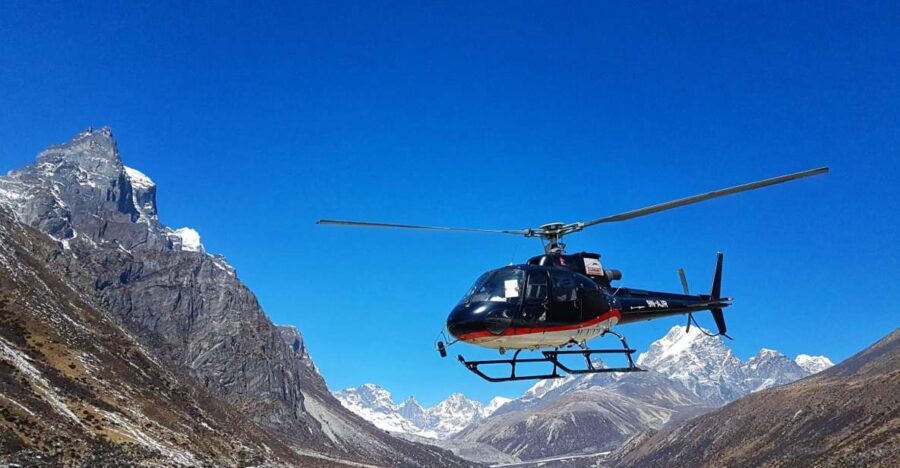
- Window seats for all 5 passengers so you are not stuck staring at a wall
- A maximum 45-minute stop at Everest View Hotel for tea/coffee or breakfast (breakfast isn’t included)
- Overflights of the Everest route landmarks like Namche Bazaar, Tengboche, Dingboche, and Gorakshep
- Small-group feel with an English live guide and express security check
- Chartered logistics built for speed: Kathmandu → Lukla for fueling → Everest area → back via Lukla
Everest Base Camp by helicopter: what you’re really buying
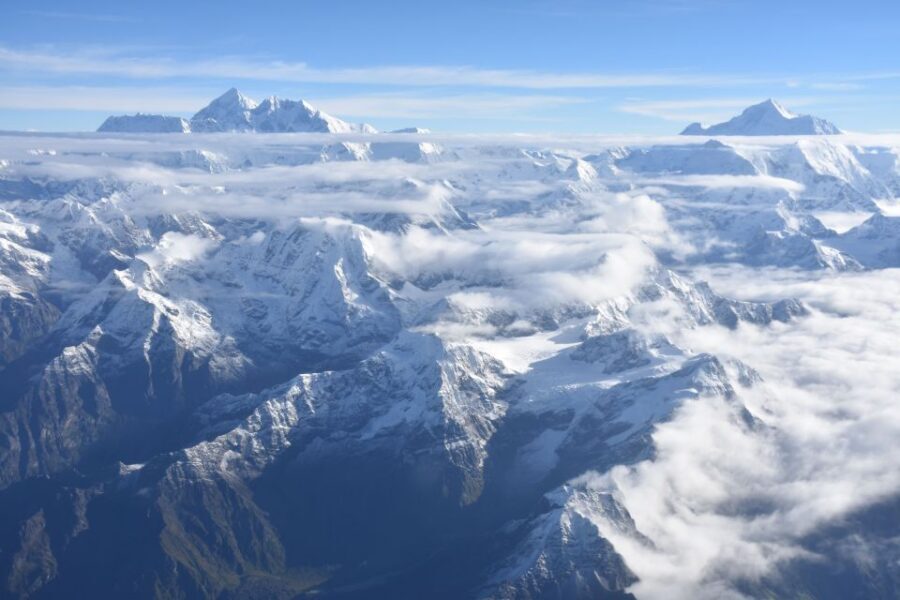
This is not a trekking package. You’re buying a short, high-impact flight that focuses on what matters most for views: flying fast through the Everest region, then spending a small window of time at the Everest View Hotel for a cold-to-warm payoff.
The big “value” idea here is that you get the sense of scale without spending weeks at altitude. You see Everest from multiple angles during the flight, then you get a brief moment with views framed by the hotel’s perch.
Price is $1,375 per person, and it’s the kind of spend that makes sense only if you value time. If you have the cash and you’re trying to avoid the physical demands and long travel time of a trek, it can feel like a smart trade.
You can also read our reviews of more tours and experiences in Kathmandu
The route: Kathmandu, Lukla, then the Everest overflights
Your day starts with a pickup from Kathmandu or Patan hotels. You’ll also see multiple pickup options listed (like Bhaktapur and Lalitpur meeting points), and exact timing is confirmed after booking.
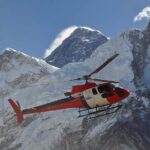
From Kathmandu, the route heads east toward the Sherpa village area and then the gateway to Everest: Lukla. Lukla is where the helicopter fuels up and (in some cases) where aircraft logistics happen before the mountain portion begins.
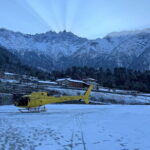
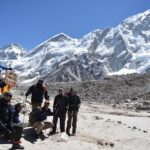
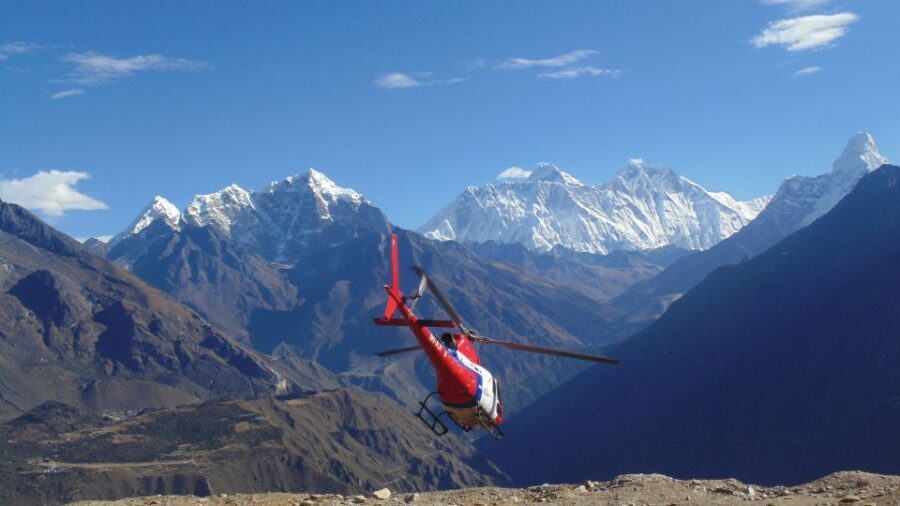
Then comes the part you paid for: the flight over the Everest corridor. You go over or near Namche Bazaar, Tengboche, Dingboche, Gorakshep, and the Khumbu glaciers, reaching the area above Everest Base Camp. Even if you are not landing at Base Camp itself, the overflight still gives you that rare “I can see the whole system” perspective: ridgelines, glacier shapes, and the stacked geometry of peaks.
On the way back, you fly back to Lukla again for fueling, then continue to Kathmandu.
The guide and pilot side: where the smoothness actually comes from
This tour leans hard on coordination. That’s not fluff. When you’re working in tight flight windows, a professional handoff through airports and the heli-port makes the difference between feeling rushed and feeling calm.
In the feedback I reviewed, Nabin Pandey comes up again and again as the person who keeps plans clear and communication moving. One group noted WhatsApp updates worked well, and he guided them through airport customs and security so they weren’t guessing what happens next.
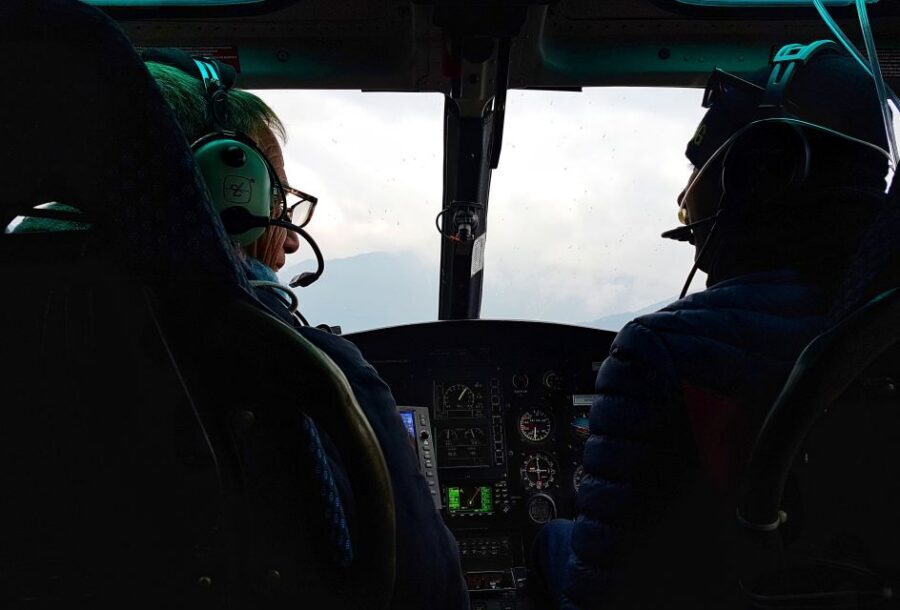
On the cockpit side, one set of passengers flew with a pilot named Troy, described as very experienced and professional. Another detail that matters: pilots can also operate in rescue roles, which usually means strong situational awareness—especially relevant when weather turns.
Small group size helps here too. With only up to 5 participants, you spend less time waiting for a big group shuffle and more time on the actual flight.
Everest Base Camp from above: how to get more from the overflight
If you’ve only seen Everest in photos, the first overflight is an education. From the air, mountains stop looking like single peaks and start looking like interconnected mass—valleys, glaciers, and the knife-edge folds where routes like the classic trek actually run.
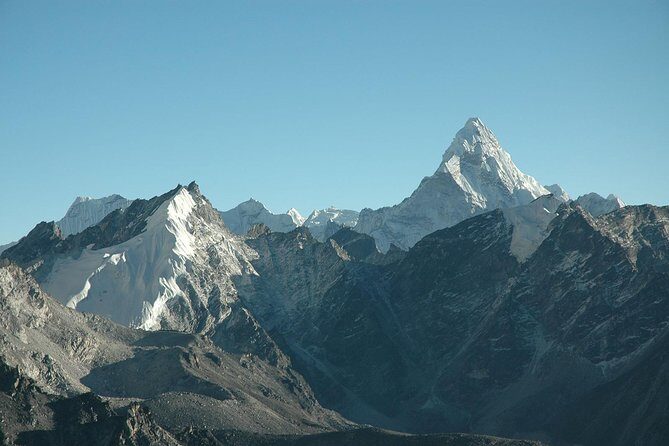
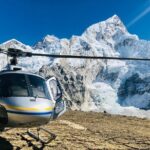
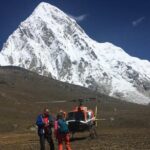
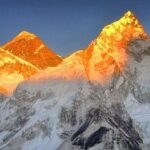
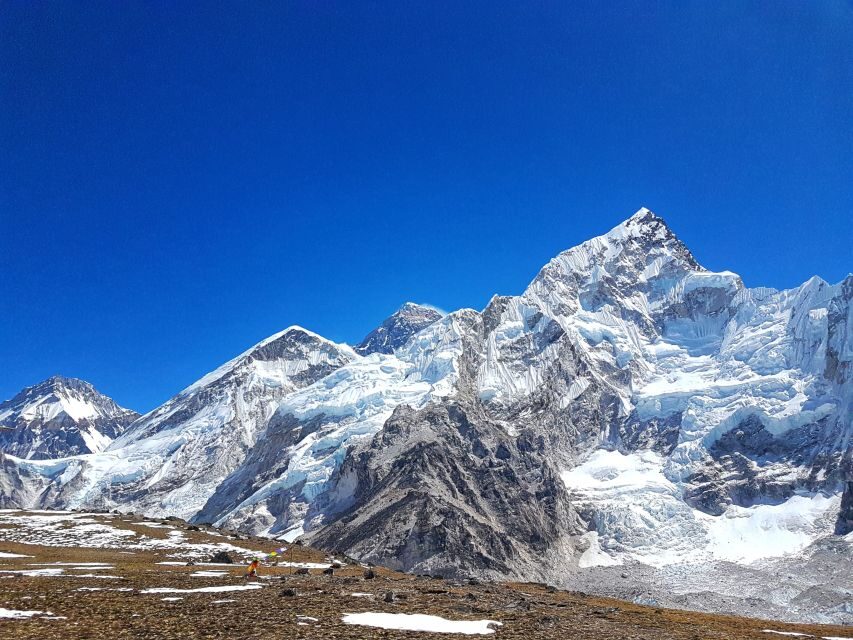
You should expect close-up views of major neighbors too. During the flight you can see Mount Everest, Nuptse, Changtse, and Lhotse in the mix as the helicopter tracks through the views of the region.
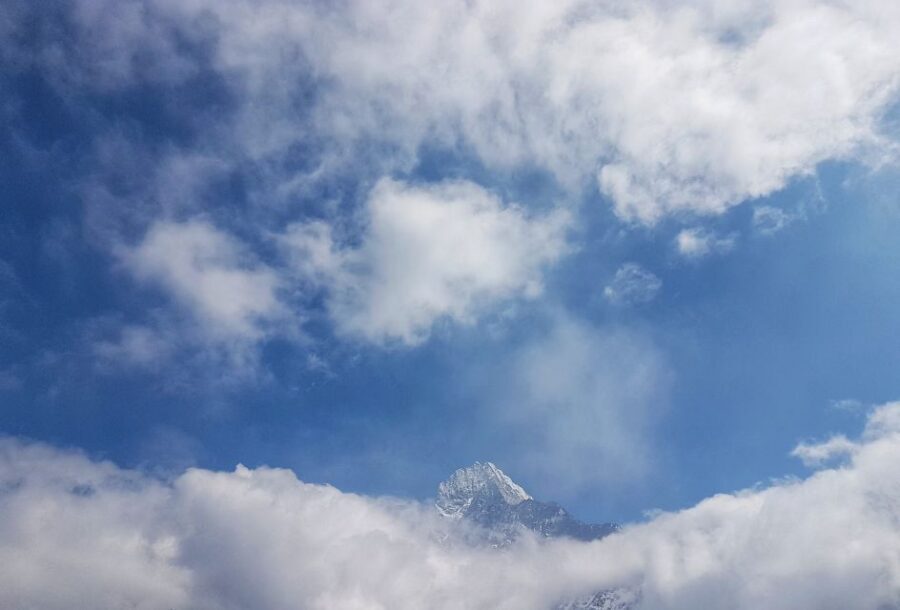
A practical tip: bring your phone and camera, but also bring your patience. Views are spectacular, but they come and go with cloud cover and timing. One guest reported flying conditions were blue-sky clear, while another had clouds blocking the peak itself. That’s not a tour gimmick; it’s how flying in the Himalayas works.
Also, remember the altitude game. Even though this is a short flight, you’ll still spend time at very high elevations. Wear warm layers and plan your breathing—don’t try to sprint around the heli-port or overdo it right before boarding.
Everest View Hotel: the 45-minute reality check
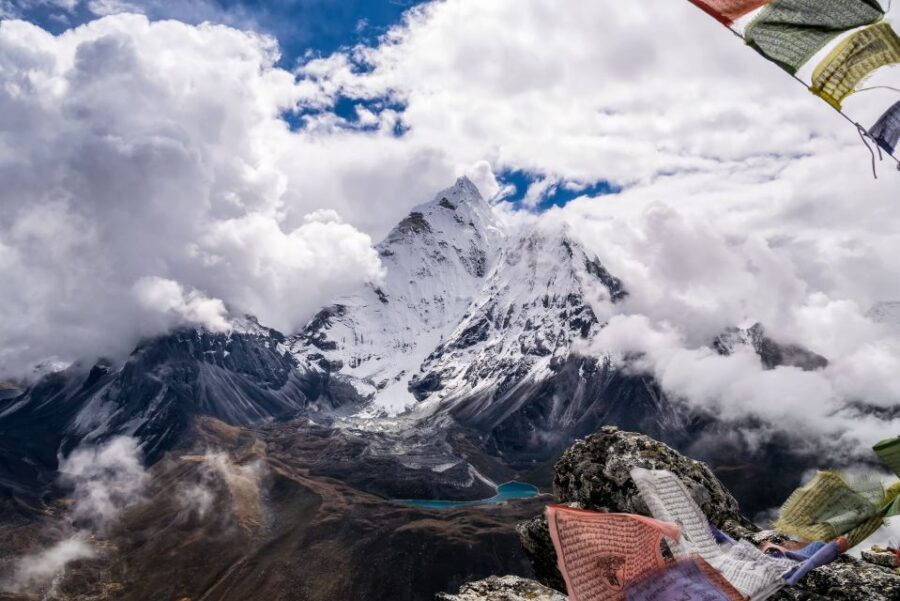
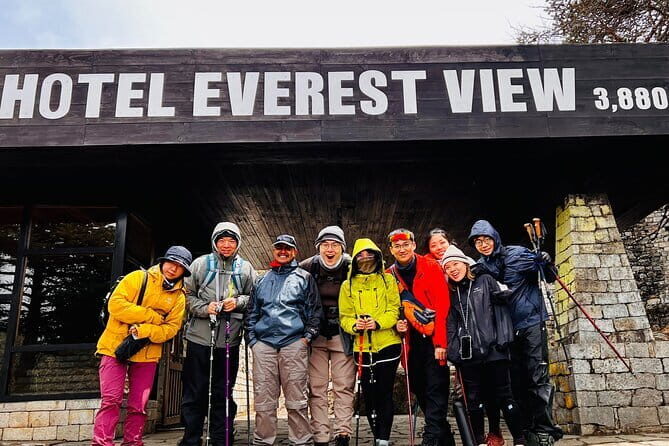
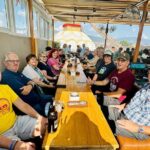
The main “on the ground” moment is time at the Everest View Hotel, where you can enjoy tea/coffee and take photos. The time cap is up to 45 minutes, and that’s for refreshment and viewpoint time.
Here’s the key mindset: treat this as a high-altitude photo stop plus a quick comfort break. It’s not a long meal service, and breakfast is not included—so if you want breakfast, plan for an extra cost.
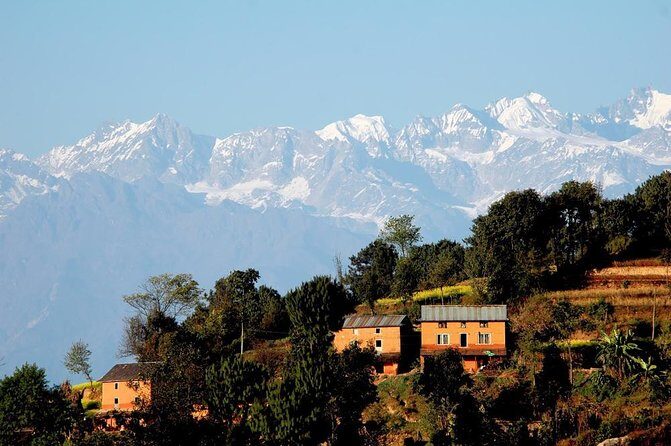
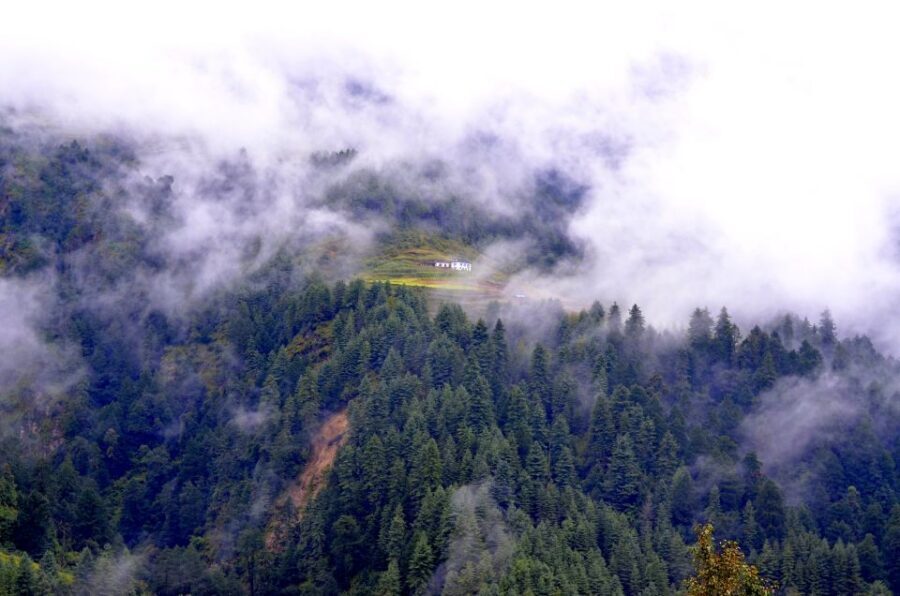
One nice detail from the experience notes: you may watch clouds drift and shift, revealing peaks, forests, and small mountain-side villages. That means your best photos often happen in short bursts when the sky decides to cooperate.
You’ll also want warm clothing ready here. Even if the sun is out while you’re flying, temperatures can feel sharp at altitude once you step outside.
You can also read our reviews of more tours and experiences in Kathmandu
Timing, weather, and those short waiting moments
Weather is the boss. This tour is explicitly subject to weather conditions, and if flying conditions are unsuitable, the activity may be rescheduled for the next day or you may request a refund. Airport transfer costs may be deducted in those situations, so it’s worth planning your Kathmandu logistics with a bit of flexibility.
Waiting can happen even when conditions look fine. In one example, passengers waited about 1.5 hours because the tower assigned a later slot and multiple helicopters launched together. Another group described waiting because their helicopter departed later than others, then catching up quickly once it was their turn.
So what should you do with that reality? Simple: keep your schedule around this day light if you can. Don’t stack other must-do activities immediately after the flight window. Give yourself breathing room—both literally and on the calendar.
Price and value: what $1,375 buys you (and what it doesn’t)
Let’s talk value without the sugar coating.
What you get:
- A chartered helicopter flight (not a shared commercial seat on a long route)
- Sightseeing as per itinerary, built around flying over key Everest-area landmarks
- Passenger insurance
- Pickup included from any hotel in Kathmandu and Patan
- Express security check
- Live English guide
- A helicopter that can accommodate 5 people, with a window seat for each participant
What you don’t get:
- Breakfast at Everest View Hotel (tea/coffee or refreshments are part of the ground-time window)
- National Park entrance fees
- A trekking experience or landing at Everest Base Camp itself (you’re viewing the Base Camp area from the air, then landing at Everest View Hotel for a short stop)
If you measure value in time saved, this can be a good deal. A trek to the Everest region is slow by nature. This gives you a fast, dramatic hit of Everest views without the weeks of hiking, but it comes with a premium price and tight timing.
Comfort and practical tips that actually help
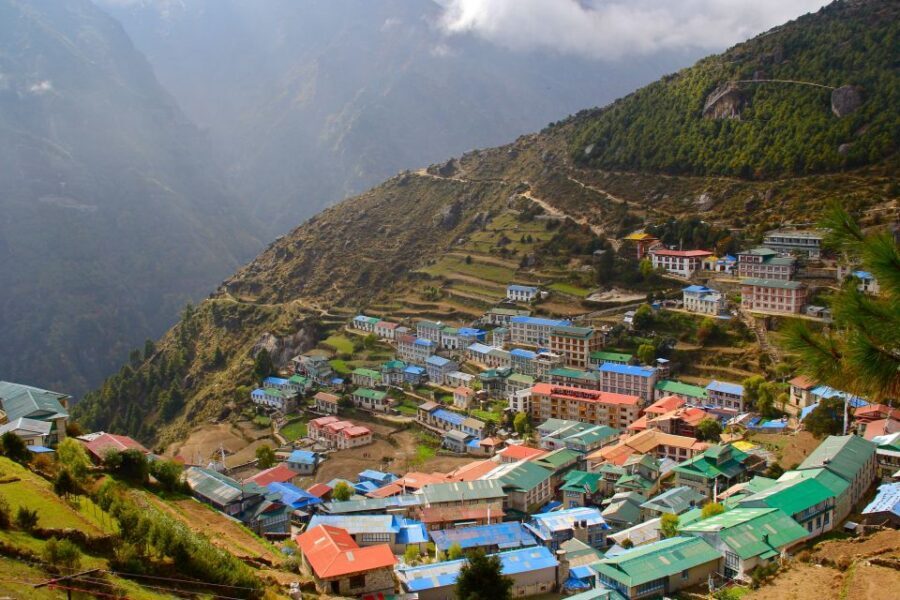
Helicopter comfort is personal. Some passengers noted the back seats can feel a bit tight, so if you’re sensitive to cramped seating, consider asking how seating is managed when boarding.
What to bring:
- Passport or ID card
- Comfortable shoes
- Warm clothing (yes, even in “warm” months)
- A small bag. You’re told not to carry large bags, and you’ll move through heli-port areas faster if you travel light.
What not to do:
- Smoking is not allowed.
- If you have mobility needs, don’t assume this is built for standard access. The info says wheelchair accessibility is only for the private option, and it also lists the tour as not suitable for wheelchair users. If wheelchair access is important, confirm the private arrangement before booking.
One more altitude reality: if you’re prone to feeling lightheaded, plan to take it easy during boarding and after landing. Don’t treat the Everest View Hotel stop like a long hike. You’re there for views, photos, and a quick break.
Who this tour fits best (and who should skip it)
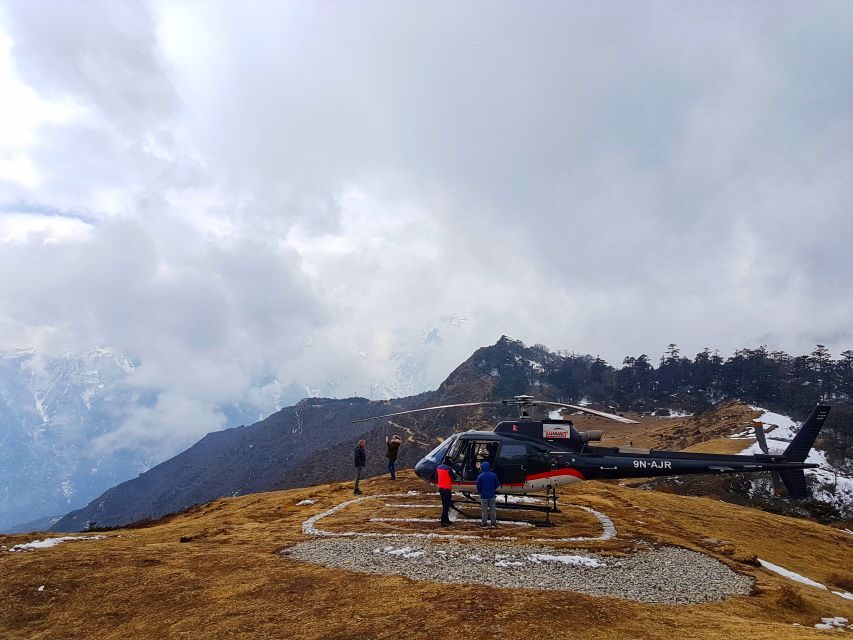
This tour fits best if:
- You want Everest views but don’t have time for trekking
- You’re traveling with a small group and like a direct, focused plan
- You value a short, high-view experience more than a long immersion day
It’s probably not the best fit if:
- You want extensive time at a specific spot on the Everest Base Camp area on foot
- You need guaranteed “clear peak” visibility. Clouds can hide the summit, and the itinerary still runs on weather windows.
- You need wheelchair access without using the private option route.
Should you book the Everest Base Camp helicopter sightseeing tour?
If you’re choosing this because you want the Everest experience in a short window, I think it can be worth booking. The combination of window seats for all, a small 5-person setup, and a guide like Nabin Pandey (plus experienced piloting such as Troy in at least one reported flight) makes it feel organized, not chaotic.
Book it if you can handle a reality check: you’re paying for views and speed, not for long time at Base Camp itself. If that matches your goals, you’ll likely come away feeling like you squeezed the best parts of the Everest region into a day that fits your calendar.
Skip or reconsider if your plan requires fixed timing no matter the weather, or if you need more than a maximum 45 minutes on the ground at Everest View Hotel.
FAQ
FAQ
How long is the Everest Base Camp helicopter sightseeing tour?
The tour duration is 3 hours.
Where does the tour fly from and to?
It includes pickup in Kathmandu and Patan, then flies from Kathmandu toward the Everest region via Lukla, with return flights back to Lukla and then Kathmandu.
Do I get a window seat?
Yes. Each participant gets a window seat while flying to Everest Base Camp.
Is breakfast included at Everest View Hotel?
No. Breakfast at the Everest View Hotel is not included. You’ll have a maximum of 45 minutes for refreshment, and you can enjoy tea or coffee.
What happens if weather prevents flying?
The activity is subject to weather conditions. If flying conditions are unsuitable, it may be rescheduled for the next day or you can request a refund.
What size is the group and how many people are on the helicopter?
It’s a small group limited to 5 participants, and the helicopter can accommodate 5 people.