REVIEW · KATHMANDU
Kathmandu: Kopan Monastery, Swayambhu and Boudha Nath Stupa Tour
Book on Viator →Operated by Breakfree Adventures Pvt. Ltd. · Bookable on Viator
Three sacred stops, one calm Kathmandu day. This guided route ties together Boudha Nath’s massive stupa, the quieter hilltop mood at Kopan Monastery, and the Monkey Temple views from Swayambhu.
I love the way this tour is guided by Madan, who shares clear context and will answer your questions as you go. I also like that the big costs are handled up front, with hotel pickup/drop-off, a private English-speaking guide, and monument entrance fees included.
One thing to consider: at about 5 to 6 hours, you’ll be moving at a steady pace, so plan to skip extra wandering if crowds or stairs slow you down.
In This Review
- Key highlights
- How this Kathmandu tour hits the right mix of calm and wow
- Boudha Nath Stupa: the spiritual heart with big visuals and simple rituals
- Kopan Monastery: quiet teaching vibes on a hill near Kathmandu
- Swayambhu and the Monkey Temple views: where the city makes sense from above
- Timing, walking, and how to make the 5 to 6 hours work
- Guide value: getting the story behind the sites from Madan
- Price and what you actually get for $70
- Lunch near Boudha Nath: a viewpoint break you can plan for
- Who this tour suits best (and who should adjust expectations)
- Should you book this Kopan, Boudha, and Swayambhu tour?
- FAQ
- Is hotel pickup and drop-off included?
- What is the tour duration?
- How much does the tour cost?
- Is the tour private?
- Are entrance fees included?
- Is lunch included?
- Are donations included at the monastery?
- What language is the guide?
- What transportation is used?
- What is the cancellation policy?
Key highlights
- Hotel pickup plus a private air-conditioned vehicle to make the day feel easy
- Madan’s explanations that help you connect the sites, not just check boxes
- Boudha Nath Stupa (UNESCO) for a full 1-hour visit with admission included
- Kopan Monastery (UNESCO area) for a peaceful, meditation-and-learning feel
- Swayambhu’s hilltop panoramas plus prayer wheels and Monkey Temple atmosphere
- Thoughtful entry coverage: some parts are free, and others (like the Mahachaitya) are included
How this Kathmandu tour hits the right mix of calm and wow
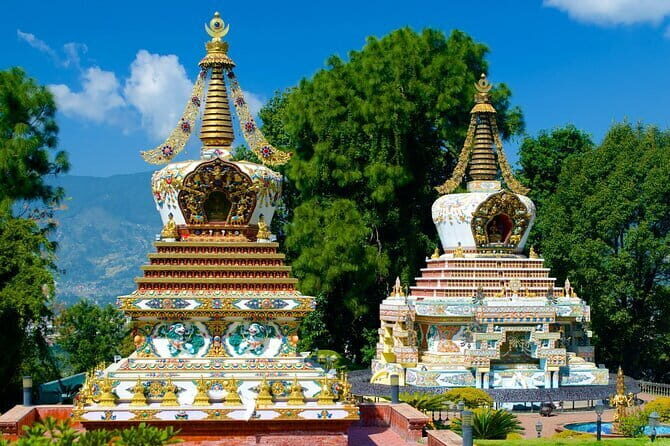
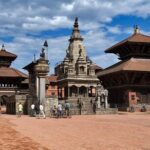
This tour is built around three Buddhist landmarks that feel very different from each other. You start at Boudha Nath, a place of devotion where you can watch prayer rituals and feel the stupa’s scale. Then you shift to Kopan Monastery, which is known for its calm and for Buddhist teaching and meditation.
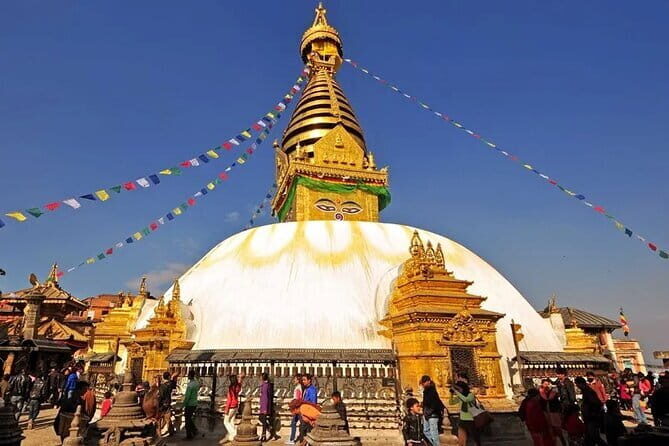
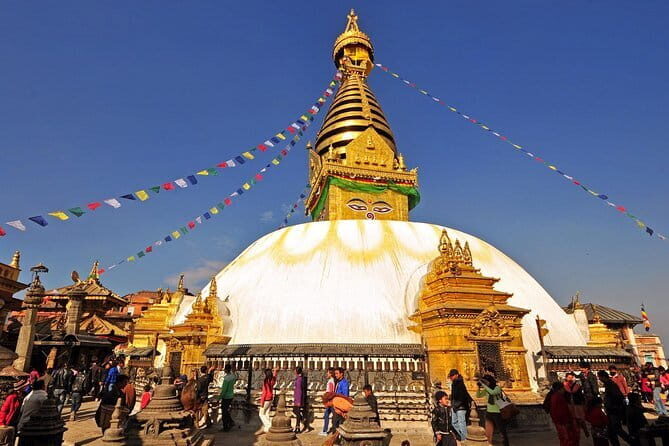
Finally, you go up to Swayambhu, where the setting changes the whole experience. It’s a hilltop site with panoramic views of Kathmandu Valley, and the atmosphere includes the playful Monkey Temple nickname plus traditional Tibetan Buddhist practice like spinning prayer wheels.
The practical beauty here is that you’re not piecing the day together yourself. Pickup and drop-off are handled, and you get a private guide who can pace things based on your questions.
You can also read our reviews of more tours and experiences in Kathmandu.
Boudha Nath Stupa: the spiritual heart with big visuals and simple rituals
Boudha Nath Stupa is one of the most iconic sites in Kathmandu, and it’s also a UNESCO World Heritage Site. You’ll spend about an hour here, with admission included, so it’s enough time to actually watch what people do rather than only snap photos and rush out.
Here’s what I’d focus on during your visit. Look for the way the stupa is used like a spiritual “center point” in daily life, not just a monument. You’ll also see Tibetan-style practice around the stupa area, which helps explain why this place draws pilgrims.
A practical tip: if you want the best sense of the stupa from multiple angles, don’t just stand in one spot for the whole hour. Move slowly along the edges of the viewing areas so you can compare how the stupa looks from different points.
One small consideration: because it’s a major pilgrimage and visitor site, the area can feel crowded at times. Having your private guide helps, because you can time your questions and photo pauses rather than getting stuck behind other groups.
Kopan Monastery: quiet teaching vibes on a hill near Kathmandu
Next comes Kopan Monastery, which sits on a hilltop near Kathmandu. This stop is about an hour with admission included, and the tone is calmer and more contemplative than Boudha Nath.
The monastery is known for meditation and learning, so this isn’t only sightseeing. You’re more likely to notice atmosphere: the sense that people come here to slow down, listen, and practice. A good guide matters a lot at this stop because the meaning of what you see is easier to grasp when it’s explained clearly.
If you’re curious about how Tibetan Buddhist learning works in daily life, this is the kind of place where the guide can turn “I see buildings and prayer practice” into “I understand what this space is for.” The tour is private, so you can ask questions without feeling rushed.
Important note from a practical standpoint: donations in the monastery are not included. If you choose to participate respectfully, plan on that as an extra cost.
Swayambhu and the Monkey Temple views: where the city makes sense from above
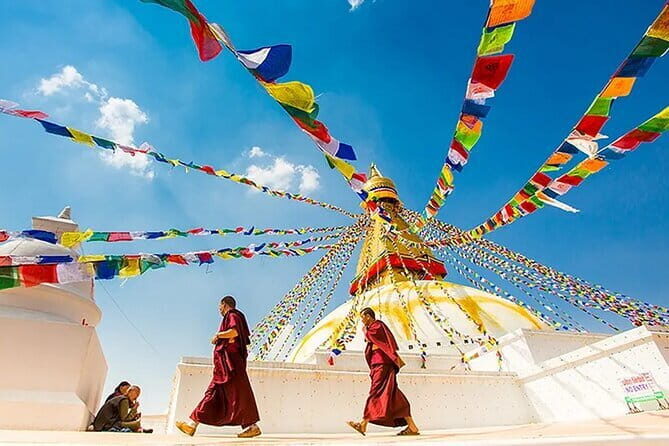
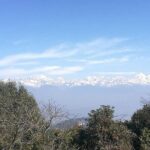
Swayambhu Nath Stupa is often called the Monkey Temple, and it’s famous for being perched on a hill overlooking Kathmandu Valley. This is the stop that gives you the “okay, now I get the geography” moment—because the views help you understand how Kathmandu sits in a bowl of hills and ridges.
You’ll have multiple segments here, totaling about 1.5 hours across Swayambhunath areas. Some parts of the Swayambhunath complex are listed as free, while one section—Swayambhu Mahachaitya—has admission included. In real life, that usually means you may pay for a specific area and then enjoy surrounding viewpoints and temple sights without extra entry for every single nook.
During your time at Swayambhu, take advantage of the spiritual “movement” element. The overview mentions spinning prayer wheels, which is a simple ritual you can do while you take in the hilltop setting. It’s one of those activities that turns watching into participating, even if you’re just doing it briefly.
Also, Swayambhu is described as a blend of Buddhist and Hindu symbolism. You’ll likely see visual cues in how the site is arranged and what people focus on while praying or walking through the space. Your guide can help you connect the symbols so you’re not just reading signs.
Timing, walking, and how to make the 5 to 6 hours work
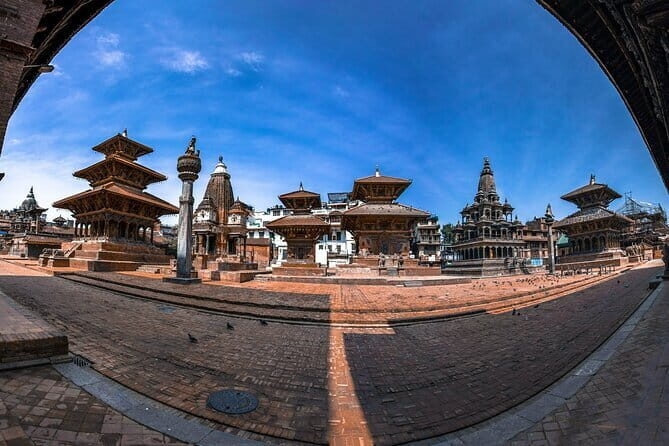
This tour runs about 5 to 6 hours total, and the stops are arranged so you get a meaningful visit at each place. That schedule is great for most visitors because you’re not spending the day locked in one neighborhood, and you still get time for the details at each stop.
Because Swayambhu is hilltop and the sites involve walking around stupa grounds, you’ll want to move comfortably. Bring practical shoes and dress for warm days. Even if it’s not extreme climbing, you’ll still be going up and down paths.
One strategy I recommend for a smoother experience is to do your photo bursts in short rounds. For example, spend a few minutes getting establishing shots, then shift to quieter observation—watching rituals, asking questions, and letting your eyes adjust.
Also, since the day is guided, you can ask for pace changes. If you want more time at a specific point—like staying longer at Boudha Nath to compare viewpoints—your guide should be able to adjust, because it’s a private tour for your group only.

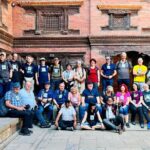
Guide value: getting the story behind the sites from Madan
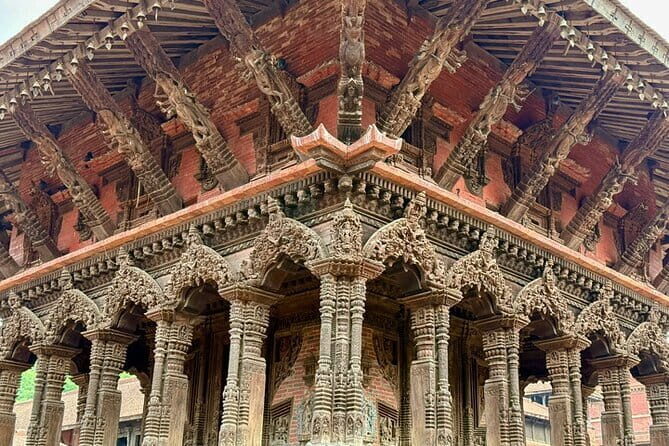
The standout part of this tour is the guide experience, and Madan is the name that comes up. A strong guide doesn’t just name buildings; they explain what you’re looking at and why it matters to people who practice here.
That shows up in two ways. First, the history and context helps the stupa shapes and ritual details make sense. Second, your guide will answer questions at your pace, which is a huge advantage if you want to go a little deeper on Tibetan Buddhist practice or the meaning of specific features.
If you tend to travel solo, you might be tempted to do these sights on your own. But this tour is designed so you don’t lose time guessing what to notice. You get context while you walk, which makes the same 1 hour at a site feel more satisfying.
My practical advice for maximizing guide value: come ready with two or three questions. For example, you can ask what the main practice is at each stupa area or how to understand the Buddhist and Hindu symbolism at Swayambhu. Then let the conversation flow.
Price and what you actually get for $70
At $70 per person, this is positioned as a mid-range guided day. The value isn’t just the guide—it’s what’s packaged with it.
You get:
- Hotel pickup and drop-off
- A private air-conditioned vehicle
- A private English-speaking guide
- Monuments entrance fees and all fees and taxes
That matters because Kathmandu site visits often add up once you include transport and multiple entry charges. Here, the important “pay as you go” costs are largely handled, so you can focus on the experience rather than calculating budgets while you’re tired and hot.
The extra costs to watch for are donations in the monastery and meals/drinks, since those are not included. Also, lunch is not included, but the tour notes a very practical option: a rooftop lunch near Boudha Nath with a view of the stupa.
If you’re traveling in a small group, group discounts are mentioned. That can make the guide-and-driver setup even more cost-effective compared to hiring separate transport and paying for entries individually.
Lunch near Boudha Nath: a viewpoint break you can plan for
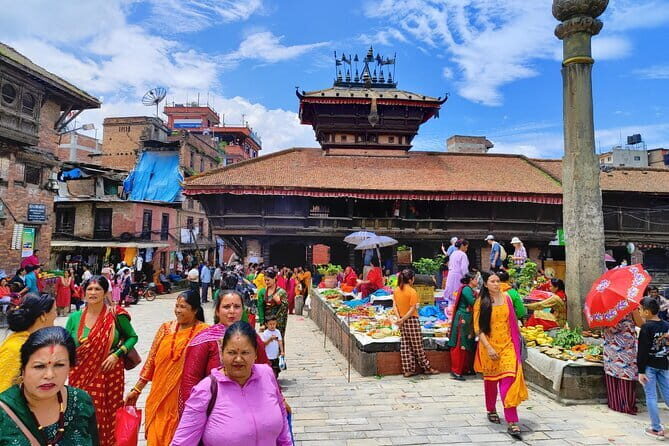
The tour experience explicitly points you toward lunch near Boudha Nath, including rooftop restaurants with views of the stupa. That’s smart because Boudha is where the most dramatic views are, and pausing for lunch nearby keeps you from losing time on extra travel.
Meals and drinks are not included, so you’ll pay for what you choose. But because the stop is already planned in the flow of the day, you can treat lunch like a breathing space: eat, look at the stupa from above, then return with fresh energy.
If you’re the type who gets hangry on tours, plan ahead. Even though lunch is optional, building it into your day helps you avoid rushing through the quieter parts like Kopan Monastery.
Who this tour suits best (and who should adjust expectations)

This is a good fit if you want a clear, guided route through three major Kathmandu sites in one day. It’s especially appealing if you value interpretation—understanding what you’re seeing and asking questions—because the guide is part of the experience, not an add-on.
It’s also a strong choice if you’d rather not wrestle with transport between neighborhoods. The private vehicle and hotel pickup/drop-off reduce friction, and the tour is private for your group only.
Best suited to:
- First-time visitors who want structure
- People who like short, high-impact sightseeing days
- Travelers who want to learn rather than just photograph
You might want to adjust expectations if you prefer slow travel with long time in just one place. With about 5 to 6 hours total, you’re getting breadth over deep, extended stays at one site. That doesn’t make it worse, but it does change the style of the day.
Should you book this Kopan, Boudha, and Swayambhu tour?
I’d book it if you want a guided day that helps you understand the “why” behind each place. The standout reason is the guide experience—Madan’s explanations and the ability to ask questions at your pace make this more than a checklist tour.
I’d think twice if you’re the kind of traveler who hates moving on a schedule. The route is efficient, with built-in time at each stop, and Swayambhu’s hilltop setting means you’ll be walking and shifting vantage points.
If you’re looking for value, this one earns its price because the big items are included: pickup/drop-off, private vehicle, English-speaking guide, and monument entrance fees. Just remember that meals and monastery donations aren’t included, so budget a little for that.
FAQ
Is hotel pickup and drop-off included?
Yes. Hotel pickup and drop-off are included as part of the tour.
What is the tour duration?
The tour is listed as about 5 to 6 hours.
How much does the tour cost?
The price is $70.00 per person.
Is the tour private?
Yes. It’s a private tour/activity, so only your group will participate.
Are entrance fees included?
Yes for the listed monuments/sections that have admission included. Some Swayambhunath areas are free, while Swayambhu Mahachaitya has admission included.
Is lunch included?
No. Meals and drinks are not included, though you can enjoy lunch nearby with a view of Boudha Nath Stupa at your own expense.
Are donations included at the monastery?
No. Donations in monastery are not included.
What language is the guide?
The tour includes a private English speaking tour guide.
What transportation is used?
An air conditioned private vehicle is included.
What is the cancellation policy?
Free cancellation is offered. You can cancel up to 24 hours in advance for a full refund. Changes within 24 hours aren’t accepted.