REVIEW · KATHMANDU
Knife Khukuri Making Workshop
Book on GetYourGuide →Operated by I. Experience Nepal Trek And Tour · Bookable on GetYourGuide
A khukuri starts as plain metal. In this small workshop in Nepal’s Bagmati Zone, I like that you learn the meaning of the blade and then take part in turning iron into your own 6-inch knife. You’ll work with a blacksmith who’s been making khukuris for decades, and you’ll leave with a proper knife cover.
What I especially like is the combination of hands-on steps (hammering and first grinding) plus a friendly, English-speaking guide such as Namrata, Sajeena, or Swayam who explains what you’re seeing in plain language. One thing to consider: the hottest, sparkiest grinding and sharpening will be done by the host for safety, so your hands-on time is limited to the steps they say are safe.
In This Review
- Key things that make this khukuri workshop worth your time
- A khukuri is more than a knife shape
- Your 4-hour timeline: what it feels like from start to finish
- Hammering your way into khukuri metalwork
- First grinding: the step where sparks stay controlled
- What the blacksmith handles (and why that’s a good thing)
- The handle and the “feel” of a real khukuri
- The meaning in the design: curves, nicks, and cutting purpose
- Price and value: $73 for a 4-hour artisan session
- Who this is best for (and who should skip it)
- Getting the most out of your khukuri-making day
- Should you book this khukuri workshop?
- FAQ
- Where is the Knife Khukuri Making Workshop located?
- How long is the experience?
- What does it cost?
- What group size and languages should I expect?
- What hands-on steps can I participate in?
- Will I do any of the spark-heavy grinding or sharpening?
- What size khukuri blade will I make?
- What’s included with the finished knife?
- What should I bring?
- Can I cancel and keep plans flexible?
Key things that make this khukuri workshop worth your time
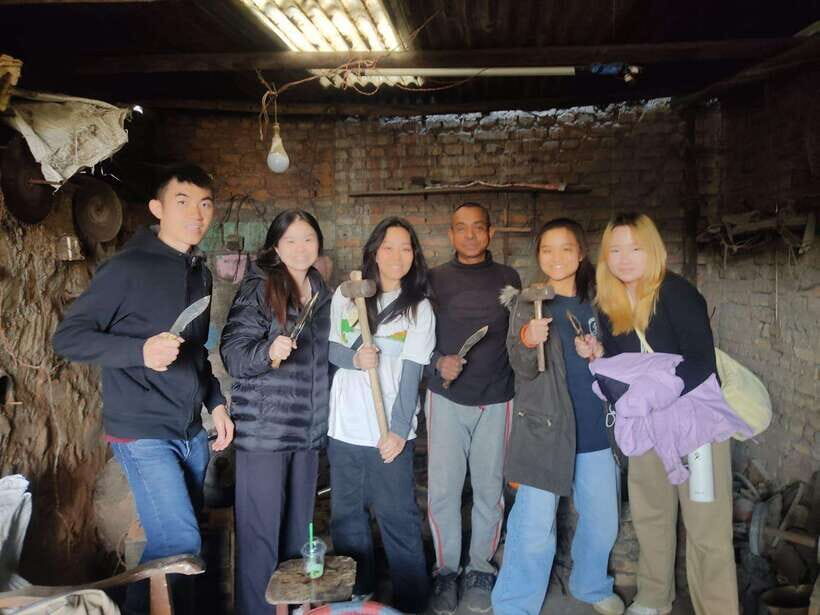
- Small-group limit of 5 means you get real attention, not just a quick photo stop
- Your own 6-inch khukuri blade instead of watching from the sidelines
- English/Hindi guiding so you can ask why the khukuri is shaped the way it is
- Tea, water, and snacks during the process, often in a genuinely family-run studio
- Tempered steel, a curved blade, and a practical multipurpose knife design
- Safety rules that make sense: you’ll stay clear of sparks during host-only grinding
A khukuri is more than a knife shape
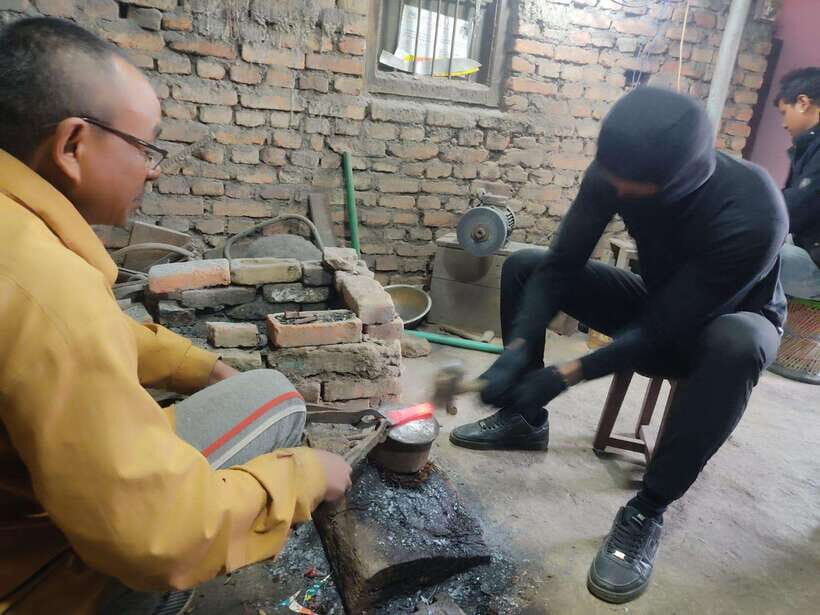
In Nepal, a khukuri isn’t just a souvenir. It’s tied to loyalty and the image of the Gurkha warrior. It’s also common across many hill tribes in Nepal, where people value tools that do real work. That’s important for this workshop, because you’re not only learning metalwork. You’re learning why the blade has its personality: slightly curved, made to cut well, and built to be durable.
The workshop teaches you how the blade design fits its job. The khukuri is described as an exceedingly sharp, multipurpose knife you can use for shaping timber and chopping meat and vegetables. That practical angle helps the whole experience click. You can stand there, learn the process, and also understand what kind of knife this is meant to be.
You’ll also hear cultural details as part of the lesson: the blade’s distinctive nick near the handle is explained as both functional and symbolic. The functional side is about reducing blood reaching the handle. The symbolic side connects to the Hindu Trinity of Brahma, Vishnu, and Shiva. Even if you don’t obsess over symbolism, those details make the craft feel alive rather than just technical.
You can also read our reviews of more tours and experiences in Kathmandu


Your 4-hour timeline: what it feels like from start to finish
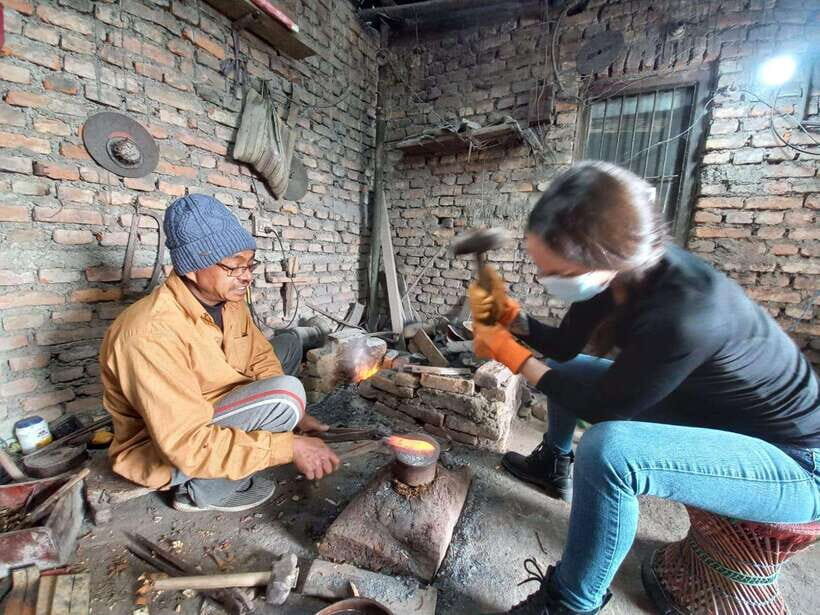
This is a 4-hour experience with hotel pickup and drop-off included. That matters in Kathmandu-area travel, because the best local activities are the ones that don’t turn into a transportation headache.
A typical flow goes like this:
1) You’re picked up from your hotel lobby.
2) You head to the blacksmith’s place, where the session is run as a small workshop rather than a public demo line.
3) The guide sets the context (history, what you’ll make, what each step does).
4) You get safety guidance and then do the hands-on tasks you’re allowed to do.
5) The host handles the parts that require heavy-duty grinding and sharpening.
6) You finish with the completed knife and the included cover, plus tea/water and snacks during the process.
7) You return to your hotel.
The most consistent part across experiences like this is that the group stays small (limited to 5 participants). That usually means more conversation with the guide and more chances to ask questions while you’re working.
Also, the session uses English and Hindi through the host and guide. In a few bookings, guides like Namrata and Sajeena are mentioned as strong English speakers. Others include Swayam. Translation quality matters here, because the blade’s meaning and the steps’ purposes are half the point.
Hammering your way into khukuri metalwork
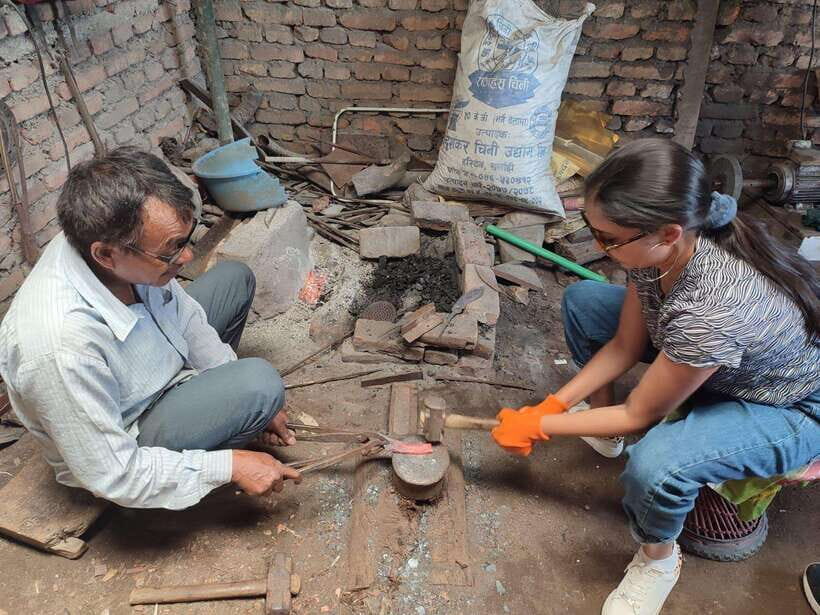
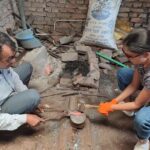
The core of your hands-on time is hammering the iron. This is where you see the reality of blacksmithing. Metal doesn’t cooperate like a CNC machine. You’re shaping a raw piece of iron into something that will become a blade, and you learn that the right strikes matter.
You’re making a small khukuri blade for the workshop: 6 inches. That size is practical. It’s big enough to feel like a real knife you’ll use, but small enough that the session can fit into a 4-hour window while keeping the safety rules tight.
Hammering also gives you a front-row education in cause and effect. When you hit the metal, you can see how the shape starts to take direction. Even if your technique is basic, the blacksmith can correct and guide. You’re not trying to become the master by hour two. You’re learning how the craft thinks.
First grinding: the step where sparks stay controlled
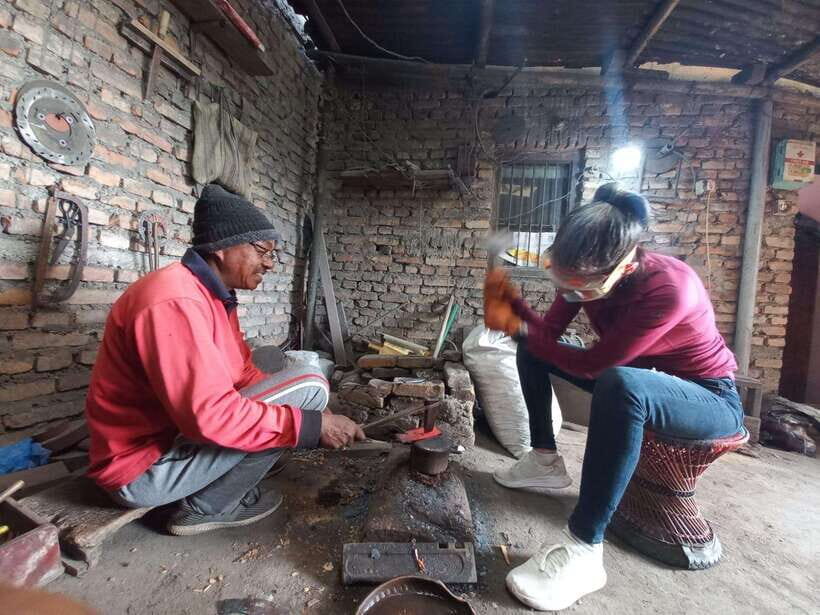
The workshop includes the first grinding as one of the parts participants can do, while the host handles the more hazardous grinding and sharpening. This matters for two reasons.
First, it keeps the session safe. The provided safety guidance is clear that guests should stay clear of sparks during the grinding process. That tells me the workshop isn’t cutting corners to “maximize hands-on.” It’s doing the sensible thing: letting the expert control the hot, spark-heavy steps.
Second, first grinding is still satisfying. Even when you’re not doing the entire grinding sequence, you get that moment where the blade moves from rough shape toward the blade-like form you recognize from khukuris.
You’ll likely spend time watching how the host works too. In several accounts, you can see the fascination factor: watching a blacksmith with around 42–45 years of experience swing the hammer and manage the metal is part of why people call this a must-do activity.
What the blacksmith handles (and why that’s a good thing)
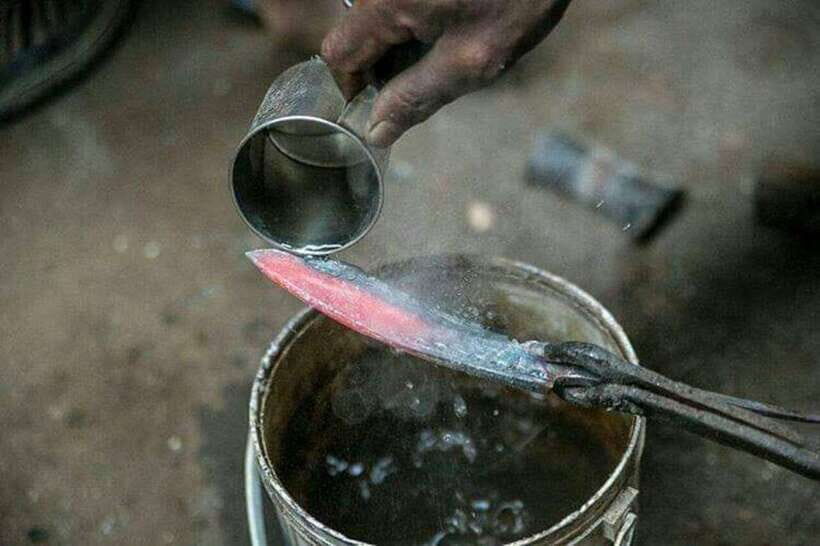
The host does the parts that require serious experience—especially the steps where sparks and heavier grinding/sharpening happen. You don’t want a “group selfie knife” where everyone pretends to do difficult work that should be done precisely.
Instead, this workshop sets expectations: you help with the steps that are safe and doable, while the knife master handles the tricky forming and finishing. That’s why the final result is typically described as beautiful and high-quality—because the finishing work is controlled.
You’ll still understand what’s happening, because the process includes explanations through the guide. A good guide will connect what you did (hammering and initial grinding) to what the host does next (forming the unique shape and bringing it to sharpness). When people leave happy with their knife, it’s often because they can explain the steps they took and why the final blade looks the way it does.




The handle and the “feel” of a real khukuri
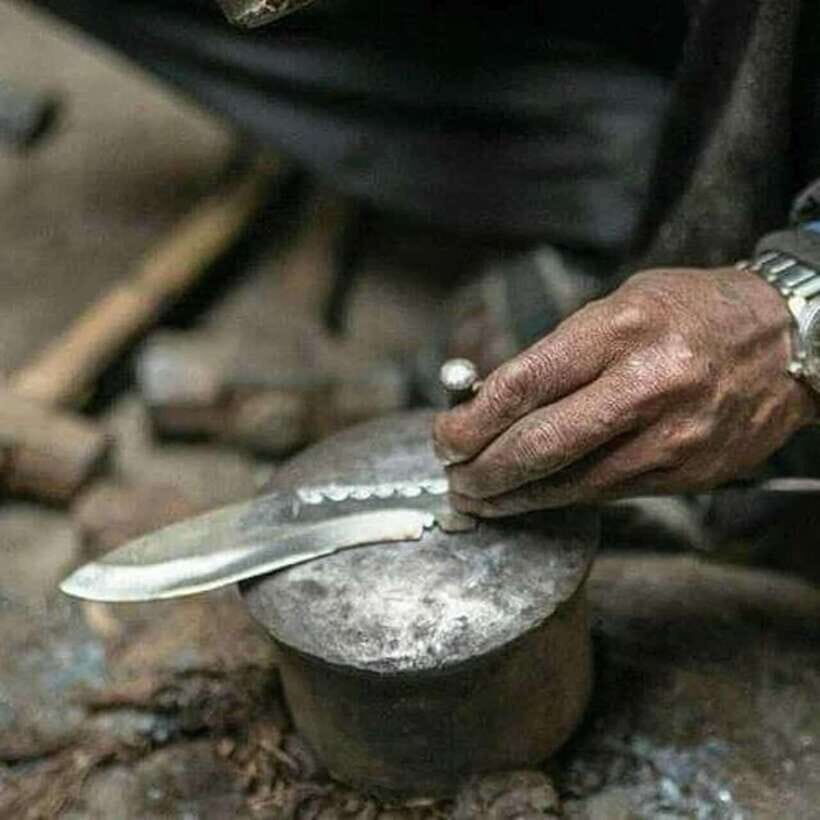
The workshop is built around a real knife, not just a blade you wrap in a bag. The khukuri is described as having a handle usually made of wood or buffalo horn, with a scabbard of wood and leather.
What you can confidently plan for is that the process includes grinding the blade and making the handle. Still, the exact amount of hands-on help on the handle depends on what the workshop considers safe and what tools they put in your hands.
If you want the most likely experience: expect to help on the steps they say are safe for participants, and then watch the master handle the parts that need more control. The end goal is a knife you’ll be proud to bring home and actually hold.
One practical detail: a horn/bone cover can be made, but it costs extra. The standard included cover is part of the set you take away, so you won’t be forced into upgrades. But if you care about the exact materials, it’s good to ask in advance whether you want that optional cover.
The meaning in the design: curves, nicks, and cutting purpose
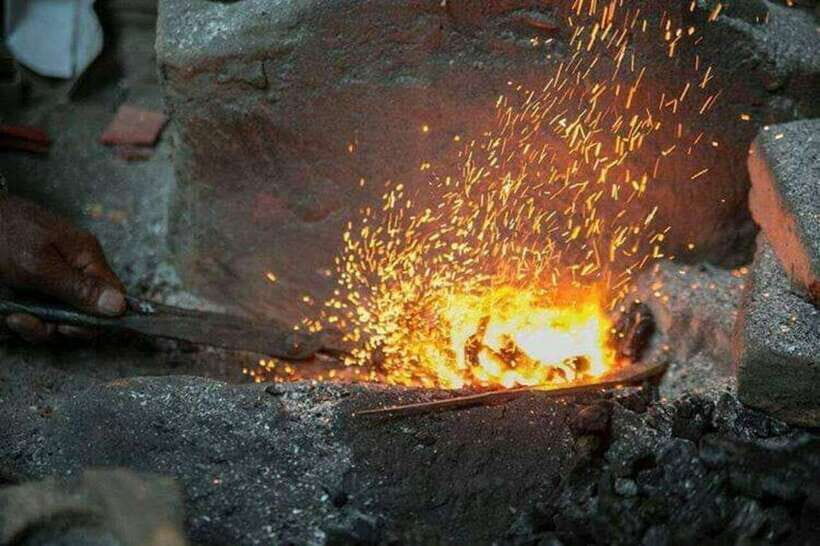
It’s easy to focus only on the craft. But the workshop gives you context so the knife design doesn’t feel random.
Here are the big design points you’ll learn:
- The blade is tempered steel, described as slightly curved and exceedingly sharp.
- The knife is multipurpose: shaping timber, chopping meat, and handling vegetables.
- The nick near the handle is explained as both practical (reducing blood reaching the handle) and symbolic, tied to the Hindu Trinity.
That combination of function and symbolism is why this workshop feels more grounded than a generic “make an object” class. You’re not just copying a shape. You’re learning what the shape is meant to do and what it represents.
Price and value: $73 for a 4-hour artisan session
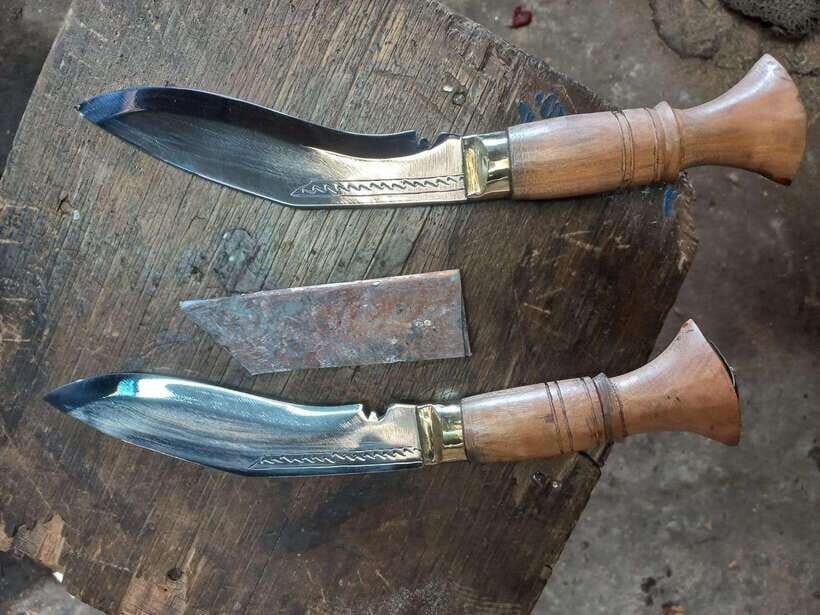
At $73 per person for a 4-hour workshop, value depends on what you measure.
If you compare it to museum demos or quick shopping stops, the value is strong because you get:
- A small group (limited to 5)
- Round-trip hotel pickup and drop-off
- Tea/water and snacks included
- Tools provided for the steps you do
- A finished 6-inch khukuri plus a knife cover
The biggest value piece is the finished knife. You’re paying for both the craft time and the materials, and you’re not leaving empty-handed. The second value piece is the access: you get a local blacksmith and a guide explaining the process. That’s hard to replicate on your own, and it turns the experience into something you can discuss later.
Could it be pricey? Sure, if you only want “watch and buy.” But if you want a real hands-on craft day, $73 is easier to justify.
Who this is best for (and who should skip it)
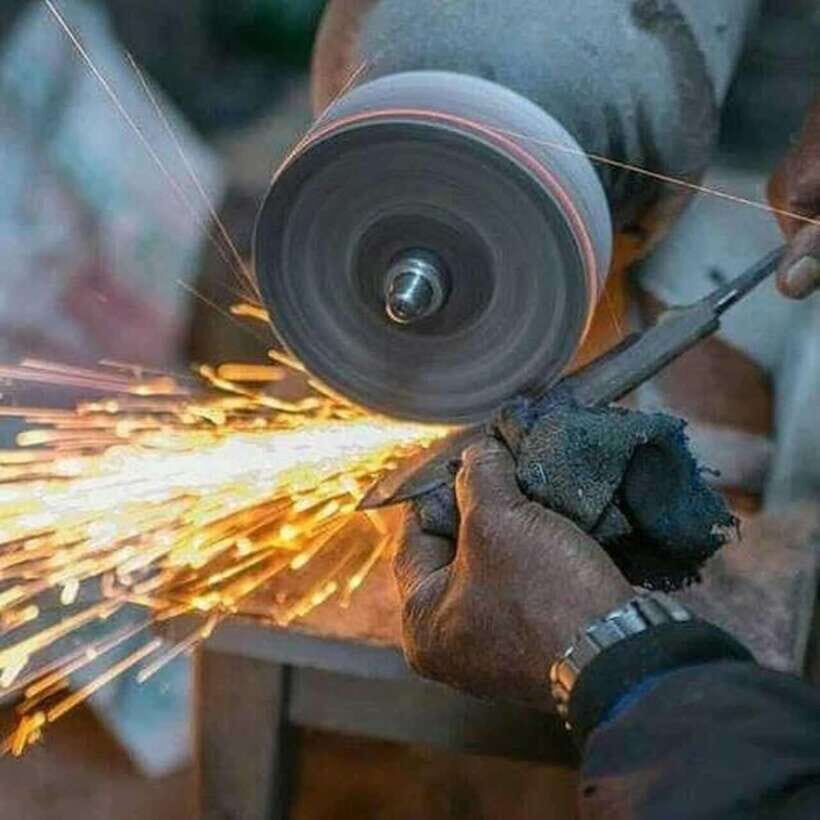
This workshop fits best if you enjoy practical, hands-on craft work and want to understand local culture from the person doing the work.
It’s especially good for:
- People who like small-group experiences where you can ask questions
- Anyone who wants a meaningful Nepal souvenir tied to a real process
- Food-and-tools types who will actually use a multipurpose knife
It’s not a fit for:
- Children under 10, based on the stated restriction
- People who hate metalwork sparks and want full control of the whole grinding process (the host does the spark-heavy work)
Getting the most out of your khukuri-making day
You don’t need special skills. But a few choices can make the day smoother.
- Wear long pants. This is the one “bring this” item you’re told clearly.
- Ask your guide to explain the steps as you go. English-speaking guides (like Namrata, Sajeena, or Swayam in different sessions) can turn a craft demo into an actual conversation.
- Treat it like a craft class, not a product line. The goal is learning what makes the khukuri a khukuri.
- If you care about the cover materials, ask about the optional horn/bone cover upgrade early, since it costs extra.
And one small mindset tip: your knife may not look identical to a shop display. That’s not a failure. Your participation is about learning and shaping your own small blade within the safe structure the blacksmith sets.
Should you book this khukuri workshop?
If you’re torn, decide based on what you want to take home.
Book it if you want:
- A hands-on craft experience with a local blacksmith
- A real finished knife (6-inch) with a cover
- Cultural meaning explained through an English/Hindi guide
- A small-group setting where you can actually talk
Skip it if:
- You want full participation in hot grinding and sharpening. The host does the spark-heavy steps for safety.
- You’re hoping for a big blade or a long course. This workshop is tuned for a short, safe 4-hour session and a small blade.
For most people who like authentic, practical activities in Nepal, this one makes a lot of sense. It’s hands-on, local, and structured around an expert’s precision, which is exactly what you want when the product is a sharp knife.
FAQ
Where is the Knife Khukuri Making Workshop located?
It takes place in Nepal, in the Bagmati Zone.
How long is the experience?
The workshop runs for 4 hours.
What does it cost?
The price is $73 per person.
What group size and languages should I expect?
The group is limited to 5 participants, and the host or greeter provides English and Hindi.
What hands-on steps can I participate in?
You can take part in hammering the iron and the first grinding (with safety guidance).
Will I do any of the spark-heavy grinding or sharpening?
No. For safety reasons, the blade grinding/sharpening that involves sparks is done by the host, and you’re advised to stay clear of sparks during that step.
What size khukuri blade will I make?
For this workshop, you make a small khukuri blade (6 inches).
What’s included with the finished knife?
You’ll receive tools required for the safe steps, a knife cover, and tea/water and snacks. A horn/bone cover upgrade can be made for an extra cost.
What should I bring?
Bring long pants.
Can I cancel and keep plans flexible?
You can cancel up to 24 hours in advance for a full refund, and you can reserve now and pay later.