REVIEW · KATHMANDU
Kathmandu: Local Lead Nepali Cooking & Momo-Making Class
Book on Viator →Operated by Kathmandu Cooking Academy · Bookable on Viator
Momos start with a market walk. This 3.5-hour Kathmandu class turns Nepalese food into a hands-on workshop, from buying ingredients to shaping dumplings and then eating what you cook. It’s also a social, low-pressure way to learn local cooking methods in a real kitchen setting, in the Thamel area.
I especially like the hands-on chef-led format—step-by-step, with plenty of chances to do the work yourself—and the momo-making focus that actually teaches the technique, not just the recipe. A lot of the fun comes from the lively instructor energy and the way the session stays friendly even when you’re learning something new.
One thing to plan for: you cook three dishes chosen from the menu, so you might not get the exact combination you were hoping for. Still, momo is the clear highlight, and the rest is picked from traditional options.
In This Review
- Key Things to Know Before You Cook in Kathmandu
- Kathmandu Market to Momo Table: What Your 3.5 Hours Looks Like
- Getting There in Thamel: Start Point, Walkability, and Pickup
- Welcome Cup of Nepali Masala Tea: A Calm Start Before the Stove
- The Ingredient Market Stop: More Than a Photo Op
- Momo-Making Workshop: Vegetarian or Chicken, Real Technique Included
- Cooking Dal Bhat and Dessert-Style Learning: The Three-Dish System
- Kitchen Setup and Chef Support: Clean Space, Clear English, Patient Teaching
- Tasting Session: Eat Your Work, Not a Random Plate From Someone Else
- Price and Value: Why $5 Makes Sense Here
- Who This Cooking Class Is Best For (and Who Might Skip It)
- Should You Book Kathmandu Cooking Academy?
- FAQ
- How long is the Kathmandu local cooking and momo-making class?
- Where does the class start and end?
- Is hotel pickup and drop-off included?
- What drink do you get at the beginning?
- Do you learn how to make momos?
- What dishes will we cook besides momos?
- Do you eat the food you cook?
- How large are the groups?
- What’s not included in the price?
Key Things to Know Before You Cook in Kathmandu
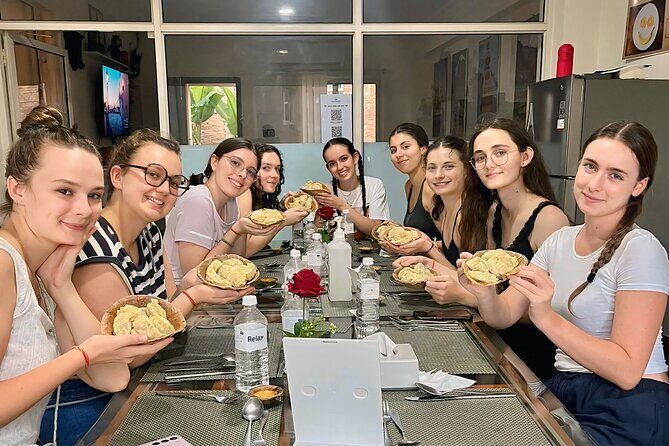
- Market stop for real ingredients: you shop for key items before you cook, so the lesson starts with what Nepali kitchens actually use
- Masala tea welcome: a traditional cup kicks off the class right away
- Momo-making with options: you can make vegetarian or chicken momos
- Traditional tools and techniques: you learn with proper utensils and get the why behind steps
- Small group setting: up to 12 people, so you’re not stuck watching from the back
Kathmandu Market to Momo Table: What Your 3.5 Hours Looks Like
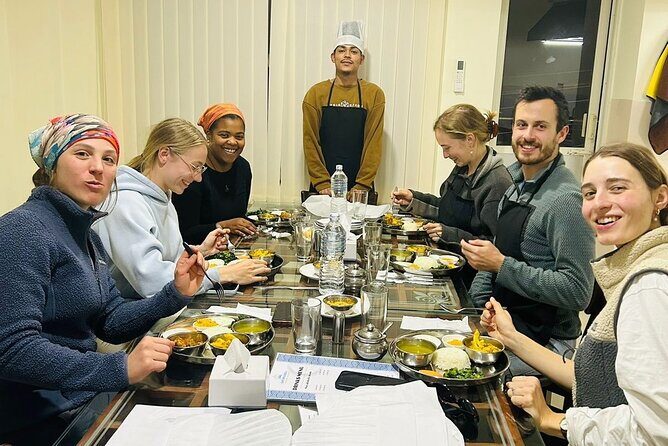
This is a classic “learn by doing” food experience. The schedule is about 3 hours 30 minutes total, and it’s built so you aren’t just listening. You start with a welcome drink, then you go out briefly to pick ingredients, and you return to the academy kitchen to cook and eat.
The structure is simple and effective:
- Chef guidance while you prep
- Hands-on cooking for multiple dishes
- A tasting session at the end so you get to enjoy what you made
If you’re the type who learns faster with your hands than with notes, this format makes a lot of sense.
You can also read our reviews of more cooking classes in Kathmandu
Getting There in Thamel: Start Point, Walkability, and Pickup
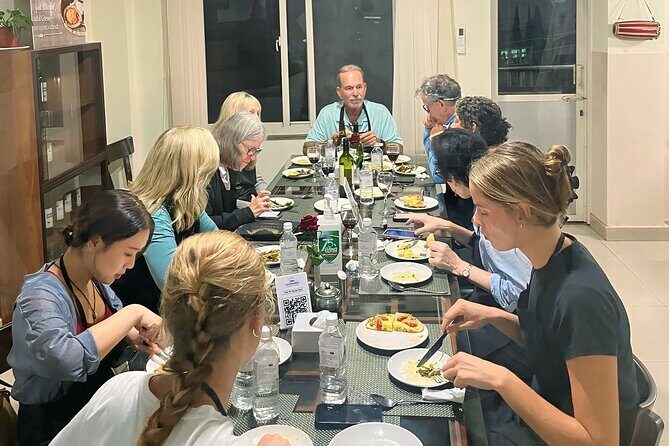
The class starts at Kathmandu Cooking Academy in the Thamel area (Yapikhya Marg, Kathmandu 44600). The nice part is that it’s close to where many people stay. One review noted it’s only about a 10-minute walk from Thamel, which is convenient if you don’t want to fuss with transport.
Hotel pickup and drop-off are offered if you select that option. If you’re already planning to wander around Thamel anyway, you can probably walk or take a short ride to the academy. The activity is also near public transportation, so it shouldn’t be hard to reach.
One practical tip: if you’re staying slightly outside Thamel, double-check your route so you arrive a few minutes early. With cooking classes, being late can throw off everyone’s pacing.
Welcome Cup of Nepali Masala Tea: A Calm Start Before the Stove
You begin with a warm welcome and a traditional cup of Nepali masala tea. This matters more than it sounds. It sets a relaxed tone and gets you through the first moments of language and instructions without feeling rushed.
Masala tea also gives you an early taste of the spice balance you’ll see later in Nepali dishes—comforting, aromatic, and not overly complicated once you know what you’re tasting for.
The Ingredient Market Stop: More Than a Photo Op
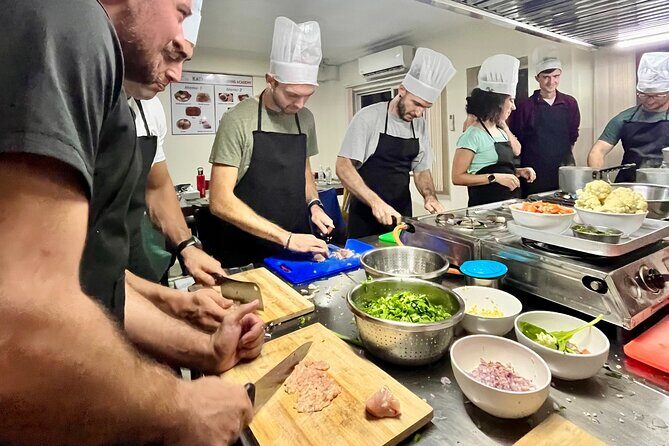
A short market or shop visit is part of the lesson. You’ll pick up the important ingredients for what you’re going to cook, and that’s a key reason this class feels more authentic than a “just follow the recipe” setup.
What you gain from the market stop:
- You see which ingredients are considered essential, not optional
- You learn what to look for when you’re shopping later on your own
- You get context for why certain flavors show up together
Even if you’ve cooked before, this step can help you understand how local cooks think. Nepali food is built on comfort flavors: spice, herbs, legumes, and the way heat is used. The market walk gives you a clearer sense of that foundation.
Momo-Making Workshop: Vegetarian or Chicken, Real Technique Included
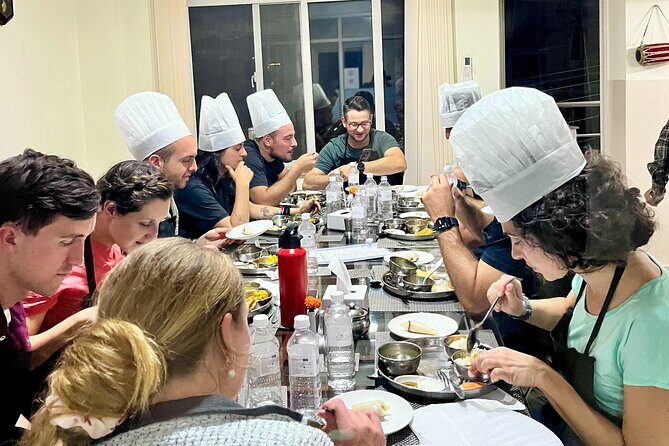
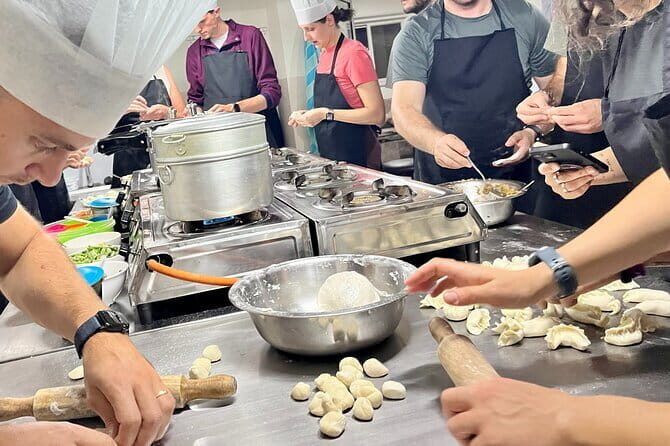
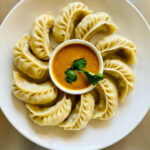
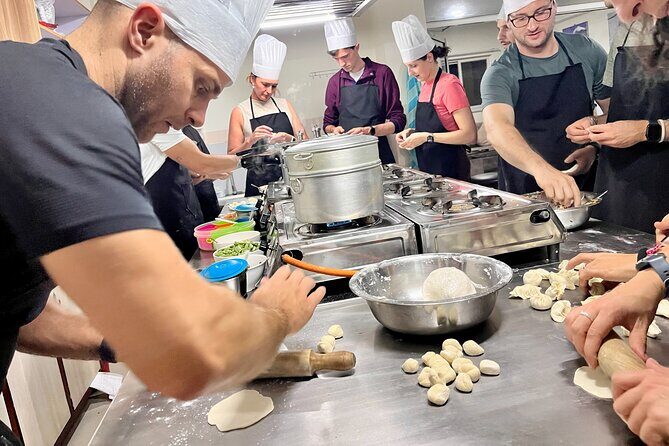
Momo is the headline. You’ll make Nepali dumplings hands-on, and the class offers a choice: vegetarian or chicken filling.
Here’s what to expect in practice:
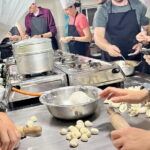
- You’ll learn the step-by-step method for shaping the dumplings
- You’ll use traditional utensils for prep and cooking
- You’ll get technique guidance, not just a handed-out worksheet
Momo dough, filling, and sealing are where most people need coaching. That’s why the hands-on format is so valuable. You’re not just watching; you’re learning muscle memory—how it should feel and how it should look when you’re done.
Also, momos tend to be forgiving. If your first batch isn’t perfect, you’ll still end up with something delicious by the time you reach the tasting.
You can also read our reviews of more tours and experiences in Kathmandu
Cooking Dal Bhat and Dessert-Style Learning: The Three-Dish System
Along with momos, you’ll prepare three authentic Nepali dishes. The class is set up as:
- One entrée
- One main course
- One dessert
The exact dishes come from a diverse traditional menu, so it’s smart to come in flexible. One of the overview details notes examples like dal bhat and yomari, but the class itself selects from the menu for the three-dish mix.
Why this “three-dish system” is a good learning approach:
- You practice savory foundations (main and entrée)
- You learn spice and cooking rhythm across different dishes
- You finish with dessert, which helps you understand how Nepali meals balance sweetness with the rest of the flavors
You also learn cultural background and cooking techniques behind what you’re doing. That kind of explanation is what turns recipes into usable knowledge.
Kitchen Setup and Chef Support: Clean Space, Clear English, Patient Teaching
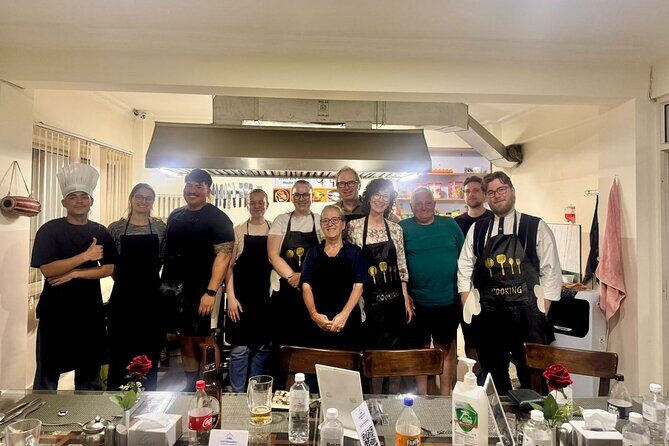
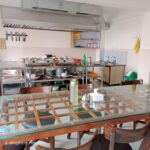
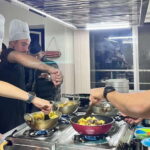
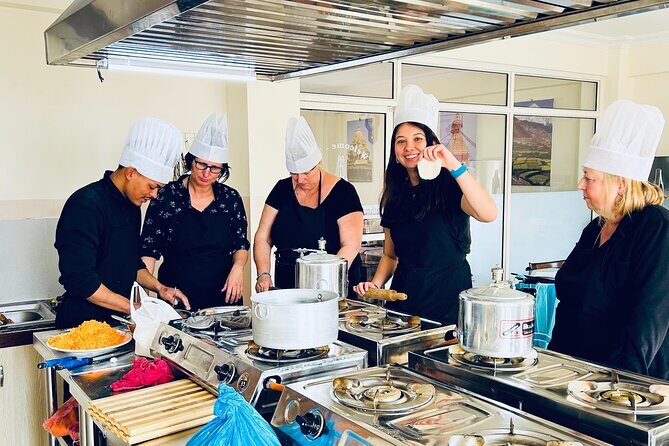
The kitchen experience matters. You’re not stuck in a cramped, chaotic space where everything feels like it’s going wrong. One standout point from feedback was how clean the kitchen felt, and how the chef/instructor kept things easy to follow.
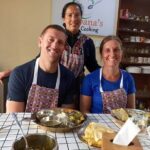
Another recurring theme: the chef communicates well in English and explains steps in a way that works for beginners. The teaching style is patient, and the energy stays fun—there’s laughter, and it doesn’t feel stiff.
Group size helps too. With a maximum of 12 people, you’re likely to get enough attention. You shouldn’t feel lost at the cutting board.
Tasting Session: Eat Your Work, Not a Random Plate From Someone Else
After cooking, you get a relaxed tasting session where you savor the food you prepared. This is where the class clicks for most people. You finally connect what you learned at the stove with the finished flavors.
It’s also a practical checkpoint:
- If something tastes off, you’ve got a chance to understand why
- If something is a hit, you can ask for tips on how to repeat it later
On top of that, you’ll likely take away more than just memories. There’s a strong chance you’ll receive recipes after the class in a PDF format—one guest specifically noted getting a detailed cookbook afterward. Even if that isn’t guaranteed for every booking, it’s a useful expectation to ask about.
Price and Value: Why $5 Makes Sense Here
The price is listed at $5 per person, which is strikingly low for a 3.5-hour class with market time, instruction, ingredient shopping, cooking tools, and a tasting.
At that value, you should think about what’s actually included:
- Market/shop tour for ingredients
- Chef-led cooking instruction
- Use of cooking equipment and accessories
- Hands-on prep and cooking of multiple dishes
- Masala tea during the lesson
- Tasting session
What’s not included:
- Specialty drinks
- Alcoholic drinks
- Tips
So the biggest “extra” cost is basically tips if you want to show appreciation, plus any drinks you choose beyond the tea.
One more practical angle: because this is such a budget-friendly price, show up ready to participate. The best value comes when you treat it like a workshop, not a show.
Who This Cooking Class Is Best For (and Who Might Skip It)
This class fits well if you:
- Want a low-stress way to learn Nepali cooking
- Like hands-on activities where you do the work
- Want momos as a main goal (vegetarian or chicken)
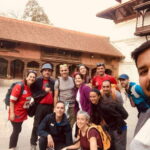
- Enjoy meeting people in small groups
- Prefer clear instruction and a patient, friendly teaching style
It’s also a great solo activity if you’d like structure and conversation without having to plan anything else.
You might consider skipping it if you:
- Want only sightseeing and no kitchen time
- Have very strong dietary needs beyond what’s offered (vegetarian or chicken fillings are part of the momo option, but other dish-specific dietary details aren’t specified)
- Are looking for a specific fixed menu every time (three dishes are chosen from the menu)
Should You Book Kathmandu Cooking Academy?
I think you should book this class if you’re in Kathmandu and you want something practical with real payback. The market-to-kitchen flow makes the lesson feel grounded. The momo workshop is the kind of skill you can actually repeat later, and the tasting ensures you leave satisfied, not just educated.
Book it with confidence if you like cooking or want to learn basics fast. With a small group limit, good communication, a clean kitchen, and hands-on teaching, it’s an easy win in a city full of choices.
If you’re unsure, ask yourself this: do you want to come home with a skill and a meal you made yourself? If yes, this is a smart use of an afternoon.
FAQ
How long is the Kathmandu local cooking and momo-making class?
It runs about 3 hours 30 minutes.
Where does the class start and end?
It starts at Kathmandu Cooking Academy in the Thamel area (Yapikhya Marg, Kathmandu 44600, Nepal) and ends back at the same meeting point.
Is hotel pickup and drop-off included?
Hotel pickup and drop-off are included if you select that option.
What drink do you get at the beginning?
You get a welcome cup of Nepali masala tea during the lesson.
Do you learn how to make momos?
Yes. Momo-making is a highlight, and you can make vegetarian or chicken momos.
What dishes will we cook besides momos?
You’ll cook three authentic Nepali dishes selected from a diverse traditional menu, including one entrée, one main course, and one dessert.
Do you eat the food you cook?
Yes. There’s a tasting session where you savor what you prepared.
How large are the groups?
The class has a maximum group size of 12 people.
What’s not included in the price?
Specialty drinks and alcoholic drinks are not included, and tips are not included.