REVIEW · KATHMANDU
The best Private Nepali Cooking Class in Kathmandu
Book on Viator →Operated by Kalpana's Cooking Course Training · Bookable on Viator
A home-kitchen cooking class beats a regular food tour. You’re cooking in Kalpana Thapa’s family setting, shopping for ingredients before you start, and getting the kind of hands-on technique you usually only learn when you have a relative with a mortar and pestle. I love the hotel pickup that keeps it effortless, and I love choosing ingredients so the meal is actually yours. One thing to consider: this cooking is real Nepali home cooking, so expect some chopping and labor while you grind spices and prep sauces.
You’ll start with warm masala tea or coffee, then move into a garden-focused kitchen where you learn to make a full meal and eat what you cook. The menu can be adjusted for dietary needs, and you leave with PDF recipes to help you repeat it back home.
In This Review
- Key highlights at a glance
- A Private Nepali Cooking Class in Kathmandu That Feels Like Family Time
- Price and Value: What $24 Buys You in Real Terms
- From Pickup to Masala Tea: The Day Starts Easy
- Market and Private Organic Farm: Why Ingredient Shopping Changes Everything
- Cooking in a Garden Home Kitchen: The Techniques You’ll Actually Remember
- The Set Meal You’ll Make (and What Each Dish Teaches)
- Vegetarian and Special Dietary Requests: Real Options, Not Afterthoughts
- What’s Included: You Eat Well and You Don’t Feel Rushed
- Photos, Videos, and the Part You Bring Home: PDF Recipes
- Who This Kathmandu Class Is Best For
- Should You Book This Private Nepali Cooking Class in Kathmandu?
- FAQ
- How long is the private Nepali cooking class in Kathmandu?
- What does the price include?
- Is this class private or shared with other groups?
- Can the class handle vegetarian meals or special dietary requirements?
- What will I learn to cook?
- Will I get recipes after the class?
- What happens if the weather is poor?
Key highlights at a glance
- Hotel pickup and drop-off so you’re not juggling taxis during a busy day
- Local market plus a private organic farm for ingredient selection that drives flavor
- Hands-on spice work like grinding whole spices and pounding ginger and garlic
- Cook-and-eat meal in a family home with a calm suburb setting
- Dietary flexibility including a vegetarian option if you request it
A Private Nepali Cooking Class in Kathmandu That Feels Like Family Time
This is a private Nepali cooking class in Kathmandu, built around the idea that food tastes better when you understand where ingredients come from and how they get treated. Instead of watching someone assemble a plate, you’re doing the work: chopping, mixing, grinding, and shaping the dishes with guidance from Kalpana Thapa and her family.
The mood matters here. Several people point out the calm, homey setting in the suburbs, plus the small drive away from the city grind. That change of pace helps you slow down and focus on the process, which is the whole point of a cooking class. You also get time to ask questions, take photos and videos, and learn why certain steps matter.
The best part is that you’re not only tasting Nepali food. You’re learning the basic logic behind it: spice intensity, texture control, and how a typical meal comes together in a home kitchen.
You can also read our reviews of more private tours in Kathmandu
Price and Value: What $24 Buys You in Real Terms
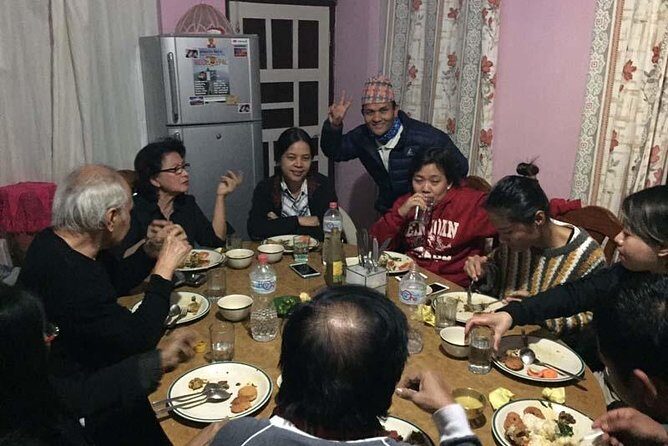
At $24 per person for about 4 hours 30 minutes, this isn’t just a bargain price tag. You’re paying for four things that add up quickly if you try to copy them on your own:
- Hotel pickup and drop-off, plus private transportation
- Ingredient sourcing with a market stop and a private organic farm
- Morning tea or coffee and a full lunch
- All food included, plus recipes you can keep
If you’ve ever paid for a cooking class that’s light on instruction or short on food, you’ll feel the difference here. The structure pushes you to actually cook a set meal and then eat it as part of the experience. And because it’s private, you’re not stuck waiting your turn in a crowded group.
One practical note: it’s often booked about 18 days in advance, which usually means it fills sooner during busy seasons. If you’re traveling around holidays or school breaks, I’d try to lock it in early.
From Pickup to Masala Tea: The Day Starts Easy
Your morning begins with hotel pickup from your hotel or homestay area. That matters more than it sounds. Kathmandu traffic can turn a “half-day” activity into a stressful plan. With pickup and drop-off included, you can just show up and focus on cooking.
Before you start handling ingredients, you’re welcomed with homemade masala tea or coffee. It’s a small touch, but it sets the tone. Instead of rushing straight into chopping, you get that first warm sip, then you settle into the home space and start paying attention to smells and textures.
When you arrive, you’re stepping into an extension of the family home—warm, lived-in, and built for day-to-day cooking. That’s where you get the most value out of a private class: the food isn’t staged like a show kitchen. It’s life-size.
Market and Private Organic Farm: Why Ingredient Shopping Changes Everything
A lot of cooking classes skip the sourcing step. This one doesn’t. You start by visiting a local market and then going to a private organic farm to select your ingredients.
This is more useful than it may seem at first. Nepali cooking leans hard on the quality and freshness of vegetables and spices. When you pick what goes into your meal, you learn how cooking responds to what’s available. You also get a better sense of which ingredients are worth prioritizing if you cook at home later.
Expect a guided process here: you’ll be choosing seasonal produce and pay attention to what looks good for cooking. Even if you’re not a big shopper in daily life, it turns into a learning tool. You start noticing what “seasonal” means in real terms, not just as a label.
One more perk: this part also creates a natural break in the day. You leave the city intensity, walk through ingredient decisions, and then transition to a home kitchen where you can cook without distraction.
Cooking in a Garden Home Kitchen: The Techniques You’ll Actually Remember
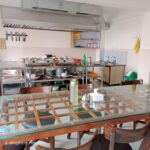
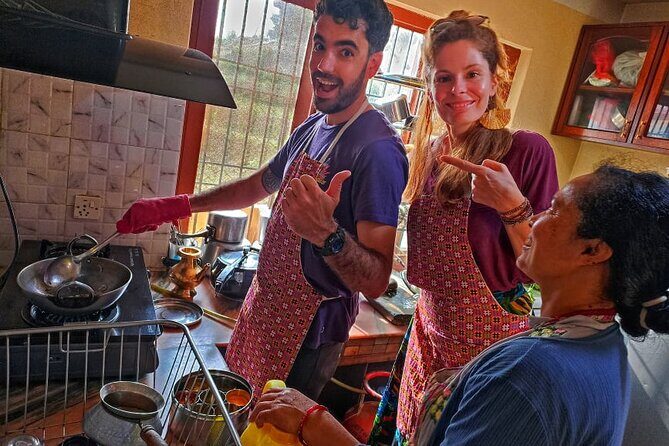
Back at the home kitchen, you’ll see the garden side of the experience. People describe it as peaceful and cozy, and it fits the way the class teaches cooking: calm pace, clear guidance, and lots of active participation.
You start with prep work—chopping vegetables and working through the base aromatics. A major theme is spice handling, including:
- grinding whole spices
- pounding fresh ginger and garlic
- building masala as the foundation for multiple dishes
This is the kind of technique that sticks because you do it with your hands. When you’ve ground spices yourself, you’ll understand what changes when heat goes in or when spices sit too long. That helps you cook later with more confidence.
You’ll also get encouraged to ask questions and take photos and videos. Just be aware: if you’re using your phone a lot, remember to also look over Kalpana’s shoulder. The fastest way to learn is to copy what she’s doing, not only what you’re recording.
You can also read our reviews of more cooking classes in Kathmandu
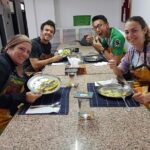
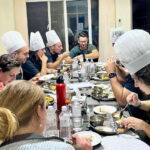
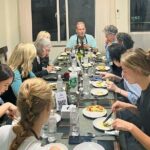
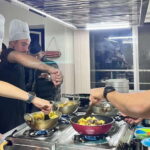
The Set Meal You’ll Make (and What Each Dish Teaches)
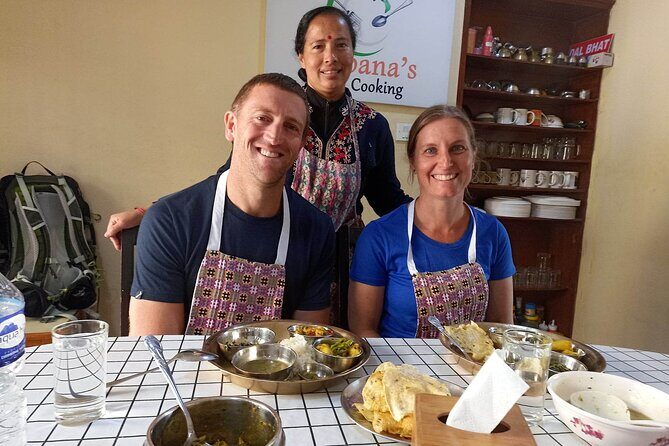
The class teaches a structured meal so you leave knowing how a Nepali plate is built—not just how one dish tastes. You’ll learn to make:
- Plain rice
- Dal soup
- Seasonal vegetable
- Spinach
- Chicken
- Pickle papad fry
That list is practical. Each item teaches a different job in the meal:
- Plain rice shows how the meal anchors everything else. In Nepali home cooking, rice isn’t a side. It’s the base you balance with lentils, vegetables, and sauces.
- Dal soup trains you on lentil texture and flavor layering. This is where you learn how spices behave in a simmering pot.
- Seasonal vegetable helps you understand cooking time and how to keep vegetables from turning limp.
- Spinach teaches how greens can be tamed and flavored so they don’t taste harsh.
- Chicken gives you a savory, spiced element that complements lentils and rice.
- Pickle papad fry adds crunch and tang. It’s a reminder that Nepali meals often include something punchy to balance softer dishes.
You may also get hands-on exposure to Nepal’s famous dishes such as dal bhat and momo as part of the broader cooking focus. Either way, the core goal stays the same: you’ll come away with a repeatable set of flavors and processes, not vague impressions.
Vegetarian and Special Dietary Requests: Real Options, Not Afterthoughts
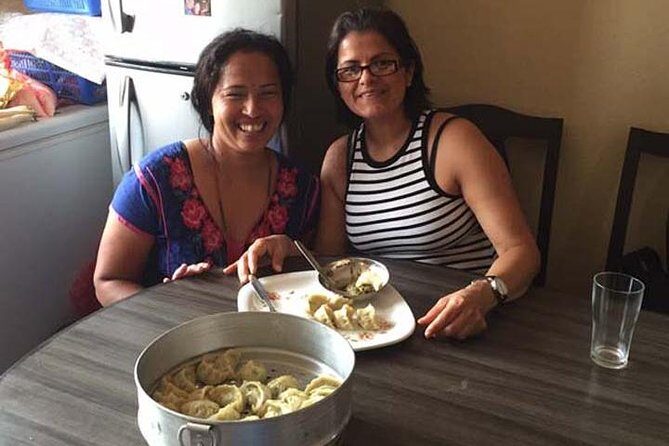
If you have dietary restrictions, this class is set up to handle them. There’s a vegetarian option available, and the menu can be adjusted for special dietary requirements if you tell them when you book.
That’s important because cooking classes can be frustrating when substitutions happen quietly. Here, you should expect the instructor to adapt the plan to fit your needs, rather than forcing you to watch everyone else cook.
If you’re vegetarian, ask yourself a simple question when booking: do you want a vegetable-forward meal that still feels like a complete Nepali lunch? This class is designed for exactly that style of outcome, not just a token vegetarian plate.
For other dietary limits (allergies, avoidance of certain ingredients), send details upfront. The more specific you are at booking time, the easier it is for them to prepare a menu that works for you.
What’s Included: You Eat Well and You Don’t Feel Rushed
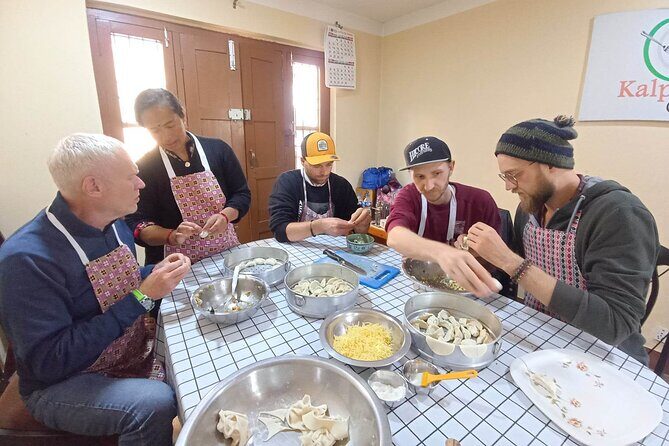
This experience includes:
- hotel pickup and drop-off
- transportation by private vehicle
- morning tea or coffee
- lunch
All food is included, and the structure is built so you eat what you’ve cooked. That matters because cooking classes can sometimes end with a small bite and a rushed goodbye. Here, the meal is the reward at the end of the work.
Duration is listed at about 4 hours 30 minutes, which feels right for a half-day class that includes ingredient shopping, cooking, and eating without feeling like you’re constantly running.
Also keep one realistic expectation: cooking Nepali dishes can be labor-intensive. People describe it as hands-on and work-heavy, which is exactly why the class is worth it. If you want passive entertainment, choose something else. If you want real food skills, you’ll appreciate the effort.
Photos, Videos, and the Part You Bring Home: PDF Recipes
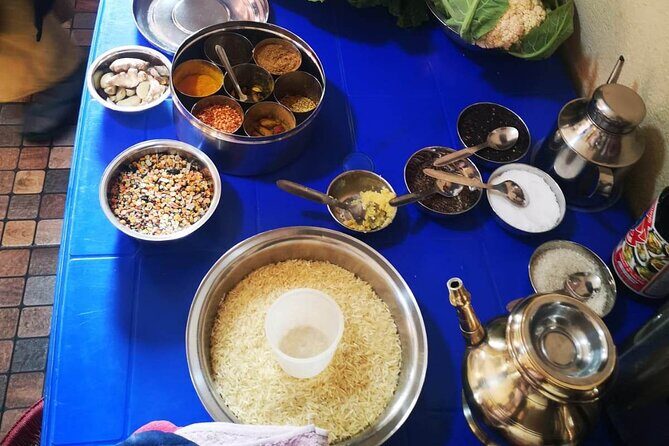
You’ll be able to take photos and videos during the cooking. That’s helpful because the steps are easier to remember when you can review your own process.
You also leave with PDF recipes. That’s the part that helps you turn the day into lasting value. When you cook later, you’ll remember the texture targets, what spices smell like before they toast, and how the meal was organized on the table.
If you’ve ever bought spices after a trip and then struggled to recreate the dish, this is the fix. The recipes help you take Nepali cooking from memory into repeatable practice.
Who This Kathmandu Class Is Best For
This is a strong fit if you:
- want a private cultural and cooking experience, not a big group bus day
- enjoy hands-on cooking, chopping, and spice prep
- want a calmer day outside the busiest city areas
- travel with a vegetarian diet or need menu changes (just request it at booking)
It may be less ideal if:
- you dislike labor-intensive cooking or prefer very light activity
- you want a quick taste-only experience with minimal prep
Should You Book This Private Nepali Cooking Class in Kathmandu?
If you’re looking for value, instruction, and a meal you can truly remake at home, I think you should book it. For $24 with pickup, transportation, tea/coffee, lunch, and a guided hands-on cook session, the math works out fast.
The decision gets even easier if you care about authenticity in a practical way: market sourcing, organic farm ingredients, and technique-heavy spice work. And with the class able to adjust for dietary needs, it’s one of the more flexible options for people who can’t just eat whatever is set in front of them.
Just go in with the right mindset. This isn’t a sit-and-snack lesson. It’s a real Nepali home cooking day. If that’s what you want, you’ll come away happy and full.
FAQ
How long is the private Nepali cooking class in Kathmandu?
It runs about 4 hours 30 minutes (approx.).
What does the price include?
You get hotel pickup and drop-off, transportation in a private vehicle, morning tea or coffee, and lunch. All food is included.
Is this class private or shared with other groups?
It’s private. Only your group participates.
Can the class handle vegetarian meals or special dietary requirements?
Yes. A vegetarian option is available, and the class can cater to travelers with special dietary requirements if you advise at booking.
What will I learn to cook?
You will learn to make plain rice, dal soup, seasonal vegetable, spinach, chicken, and pickle papad fry. The broader focus also includes classic Nepali dishes like dal bhat and momo.
Will I get recipes after the class?
Yes. You depart with PDF recipes to recreate the dishes at home.
What happens if the weather is poor?
This experience requires good weather. If it’s canceled due to poor weather, you’ll be offered a different date or a full refund.