REVIEW · KATHMANDU
Manaslu Circuit Trek 13 Days
Book on Viator →Operated by Trek Mania Nepal · Bookable on Viator
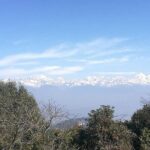
Manaslu gives you big mountains and real village rhythm. This 13-day trek in Nepal pairs panoramic Himalayan scenery with cultural stops in Gurung, Tamang, and Tibetan-influenced communities, plus monastery moments that feel genuinely calm. You also pass quiet forests, glacial water features, and the famous Larkya La high pass.
I like that the trip leans into the people part of the route, not just the peaks. Namrung and Lho bring that Tibetan-style feel you came for, with monasteries, chortens, and big prayer-wheel moments along the way. The pacing around Samagaun, Samdo, and the base-camp area also helps you settle in before the hardest day of the circuit.
One thing to plan for: meals and trek accommodations aren’t included, so your day-to-day spending depends on lodge availability and what you choose to eat. If you dislike carrying your own gear, note that porters aren’t included either.
In This Review
- Quick highlights from this Manaslu Circuit Trek
- Manaslu Circuit Trek in plain terms: what 13 days feels like
- Kathmandu to Machha Khola: getting your legs under you
- Budhi Gandaki river days: chortens, monasteries, and suspension bridges
- Namrung to Lho: Tibetan-style villages with big panoramic payoff
- Shyala to Samagaun and a Pungyen Gompa day trip
- Birendra Taal, Manaslu Base Camp views, and Samdo calm
- Larkya La Pass day: your big views moment
- Tilche to Tal: forests, changing vegetation, and the circuit’s closing mood
- Price and value at about $1,400 per person
- Your trek team: guide support, first aid, and real-world helpfulness
- Packing and fitness: what moderate means on this route
- When weather matters and how to handle schedule risk
- Should you book this Manaslu Circuit Trek with Trek Mania Nepal?
- FAQ
- What does the $1,400 per person price include?
- Where does the trek start and end?
- How long is the Manaslu Circuit trek?
- Are meals, lodging, and porters included?
- What about permits and insurance?
- What happens if the weather is bad or the minimum group requirement isn’t met?
Quick highlights from this Manaslu Circuit Trek
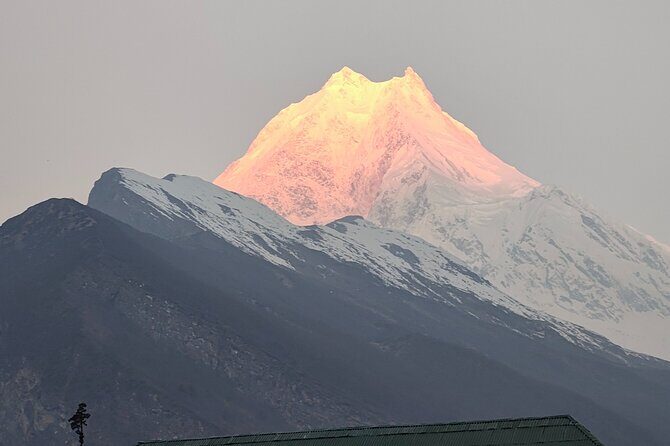
- Larkya La Pass views: the route’s headline scenery, plus glaciers and prayer-stone details as you climb
- Tibetan-style villages: Namrung feels like a Nepali version of Tibet, with monasteries and Buddhist iconography
- Old trade-route forests: the Shyala section follows an area tied to an ancient yak caravan route
- Birendra Taal: a turquoise glacial lake stop that’s easy on the legs but big on photos
- Monastery-rich trail: chortens, mani walls, and painted monastery gates show up repeatedly
Manaslu Circuit Trek in plain terms: what 13 days feels like
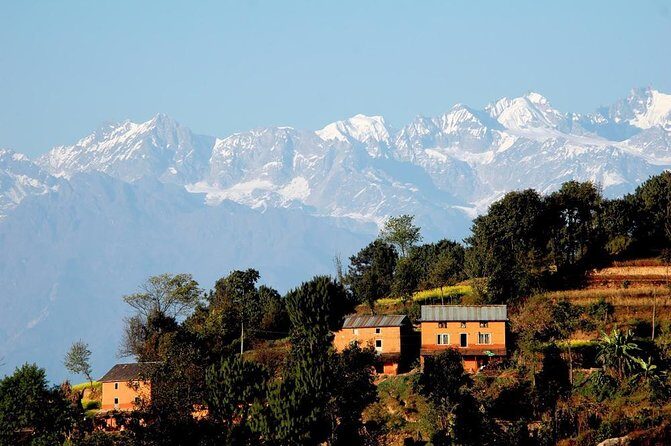
This is a full circuit trek, not a gentle stroll. Most days combine steady walking with frequent cultural waypoints, so you’re always switching between mountain effort and village detail. You’ll spend time with Himalayan peaks in the background, but you’ll also notice how the terrain changes—river gorges to forests to higher, colder areas.
If you have moderate fitness, you’re in the right neighborhood. You should be comfortable walking for long stretches and handling uphill days, especially as you approach the pass. This trek isn’t about speed. It’s about keeping your effort steady so altitude doesn’t turn into a surprise enemy.
And one small but important reality: you’ll be moving on a schedule that includes both driving days and trekking days. That first long travel day sets your pace, and the final day still includes a long drive back to Kathmandu.
You can also read our reviews of more hiking tours in Kathmandu
Kathmandu to Machha Khola: getting your legs under you
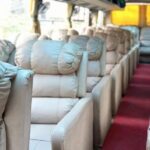
Day 1 starts with an early drive from Kathmandu to Machha Khola via a comfortable deluxe bus. The route follows the Trishuli and Budhi Gandaki Rivers, which is a nice way to ease into the region—mountain scenery before your boots ever hit the trail.
Once you reach Machha Khola, you’re not just “arriving.” You’re beginning the rhythm of the circuit: walk, stop, eat, rest, repeat. Expect a long day that mixes road time and trekking time, so don’t treat Day 1 like a casual warm-up.
This is also where small comforts matter. Since pickup is offered and the tour uses public transportation included in the package, the start feels organized rather than chaotic. You’ll want that head start, because the trail gets more demanding after this.
Budhi Gandaki river days: chortens, monasteries, and suspension bridges
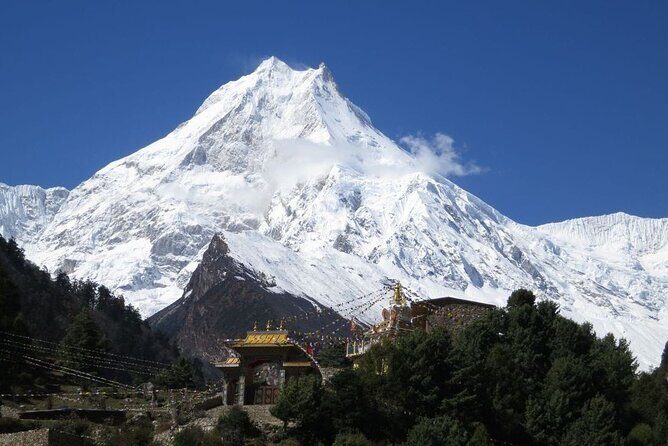
Days 2 through 4 follow the Budhi Gandaki corridor and its many side paths. The vibe here is “river valley trekking meets spiritual waypoints.” You’re constantly walking through places locals use—villages, rest points, monastery sites, and valley crossings.
On Day 2, the trail includes a section described as lined with wild marijuana plants as you head toward Khorlabesi. That might sound random, but it’s actually a clue: this route is very much alive with local agriculture and plant life. After that, you descend into the Budhi Gandaki gorge and start seeing how the river shapes the walking.
Day 3 adds more texture. You cross a rocky ridge to Salleri, then continue on the west bank with views of peaks like Shringi Himal and Langju Himal. Later you reach Philim, with chortens and monasteries along the way—small religious structures that make the trail feel woven into everyday life, not staged for tourists.
You also hit a classic circuit moment: Ekle Bhatti, meaning one house, a tiny isolated rest point. Then later you cross a suspension bridge over the Budhi Gandaki River and hike through lush subtropical forests toward Deng. This is one of those stretches where you’ll likely feel your legs work, but your mind stays busy with crossing points and forest shade.
Day 4 keeps the pattern. You go from Bihi Phedi (with its three clusters of houses) to Ghap via zigzags, then pass Serang Monastery. After that, Namrung arrives like a scene change—often described as the Nepali version of Tibet—where Tibetan cultural cues start feeling more obvious as you travel.
Practical takeaway: In this river-valley section, you’ll benefit from being disciplined with your hydration and energy. The terrain can be steady, but the hours add up quickly.
Namrung to Lho: Tibetan-style villages with big panoramic payoff
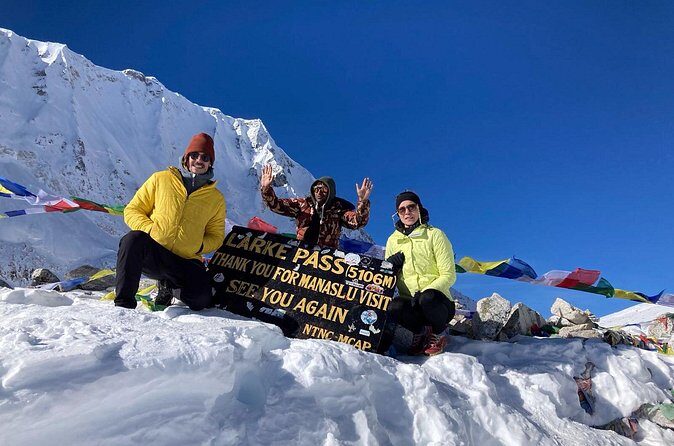
Namrung and Lho are the cultural highlight zone for many people, and the route gives you a good reason. This isn’t just about a good view from one spot. It’s about arriving in villages that carry distinct Buddhist influences and architectural details.
After Namrung, you pass through Banjam and Lihi, including a three-tiered chorten decorated with Buddhist deities. In Sho, there’s a large prayer wheel and a lively village atmosphere. Then comes Lho, which is described as offering some of the best panoramic views of the Manaslu ranges, with grand monasteries acting like natural anchors in the village center.
Even if you don’t care about architecture, you’ll feel the difference in how people live at higher elevations. The air gets crisper, the daily chores look different, and monastery walls become part of the trail’s visual language. You’ll also notice how the villages help you rest without feeling like you’re stuck in a tourist bubble.
This is also where that “value” idea shows up. You’re paying for a full guided route, but what you’re really getting is access to the rhythm of real places. Lho is one of the stops where that becomes very obvious.
Shyala to Samagaun and a Pungyen Gompa day trip
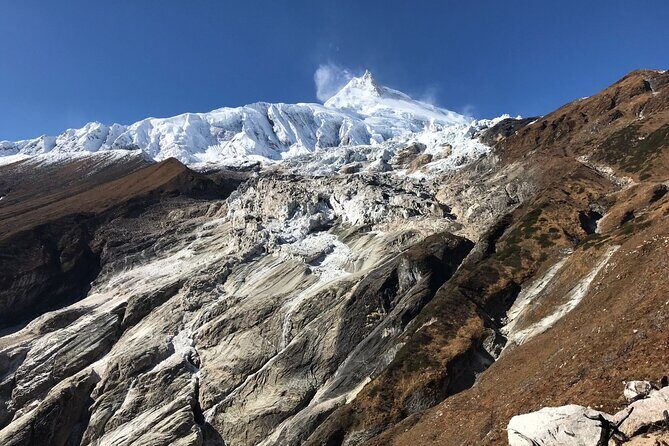
From Lho, the trek moves through a forest of alpine vegetation on a route once used by yak caravans—timber was exchanged with Tibet. That history matters because it changes how you read the scenery. You’re walking along a line that connected communities, not just a modern hiking path.
The Shyala stage includes fleeting glimpses of Ngadi Chuli, then you head onward downhill to Samagaun. Samagaun is described as peaceful and spiritual, and it makes sense: it’s a place to rest and let your body adjust before the higher, more demanding days.
Then Day 7 adds a helpful kind of flexibility: a day trip to Pungyen Gompa. You retrace steps to a junction, head northwest, pass two small chortens, and climb toward the gompa. The payoff here isn’t a faster route. It’s perspective—another monastery setting that deepens the trip’s cultural side without jumping right back into big altitude stress.
Tip for your body: Use these day-trip moments to eat, drink, and slow down. Even a short side hike can feel bigger than expected when you’re near higher elevations.

Birendra Taal, Manaslu Base Camp views, and Samdo calm
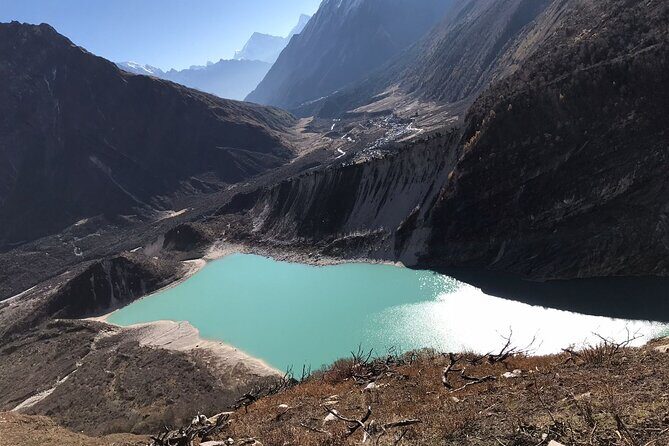
Day 8 is a classic mix of scenic and spiritual. You start with Birendra Taal, a turquoise glacial lake. It’s named after King Birendra, and the lake’s color is tied to glacial decomposition at the bottom. That’s not just trivia—it helps you understand why the lake looks the way it does and why it’s worth your time even if you’re already tired.
From there, you move toward the Manaslu Base Camp area for views. The main trail is bypassed on this journey, but you still get big atmosphere from the surrounding Mani walls and views of Samdo Peak. Then you continue to Samdo, which functions as a peaceful resting point before the final ascent.
Samdo is the kind of stop that helps you reset. It’s close enough to the action to feel relevant, but it gives you time to settle mentally. You’ll likely notice that the trekking focus starts shifting from “where are the monasteries today” to “how do I prepare for the pass tomorrow.”
Larkya La Pass day: your big views moment
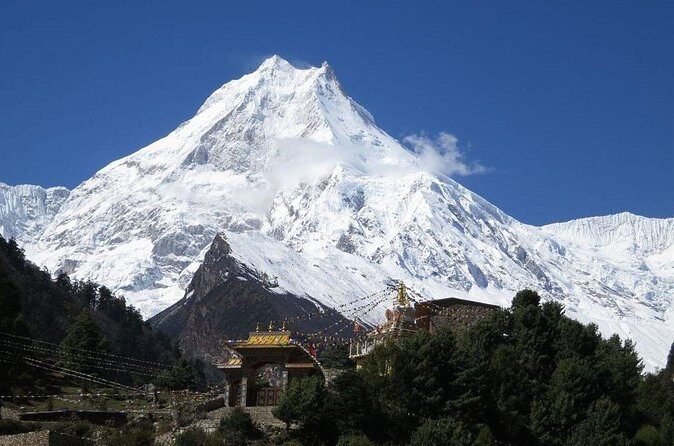
Day 9 sets you up for Larkya La by leading you to Larkya Bazaar, described as an ancient market and trading hub. It’s a reminder that people have moved through these valleys long before hiking boots made it trendy.
Then the route heads to Larkya Phedi (also called Dharamsala). This segment includes a steep ascent where altitude can affect your breathing. The trail carries markers like chortens, mani walls, glaciers, and juniper bushes. You’ll want to treat this as an acclimatization and preparation phase, even if you feel okay early on.
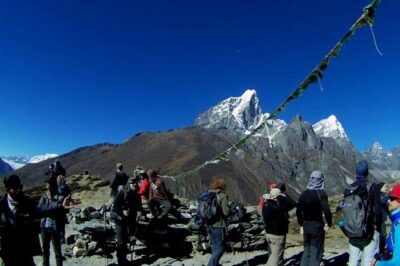
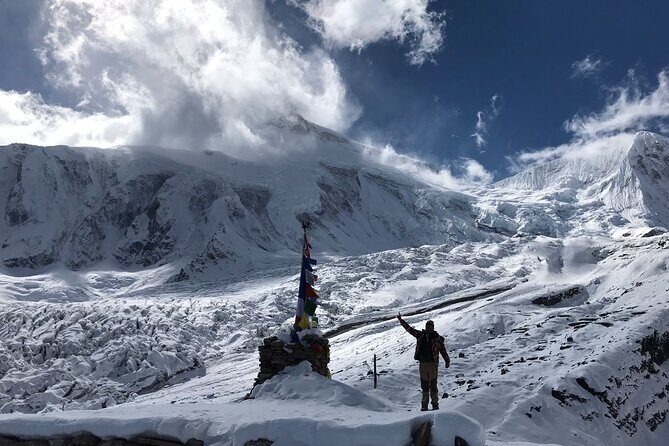
Day 10 is the highlight: Larkya La Pass. As you ascend, you’re treated to breathtaking views of the Manaslu range, Syacha Glacier, and surrounding snow-capped peaks. You also pass glaciers and chortens as you move, so even when the air feels thin, you’re still walking through a visually rich corridor.
After the pass, you reach Bimthang for rest and acclimatization. This part is crucial. You don’t finish the hardest day and then immediately sprint downhill into exhaustion. You get a real buffer spot.
Tilche to Tal: forests, changing vegetation, and the circuit’s closing mood
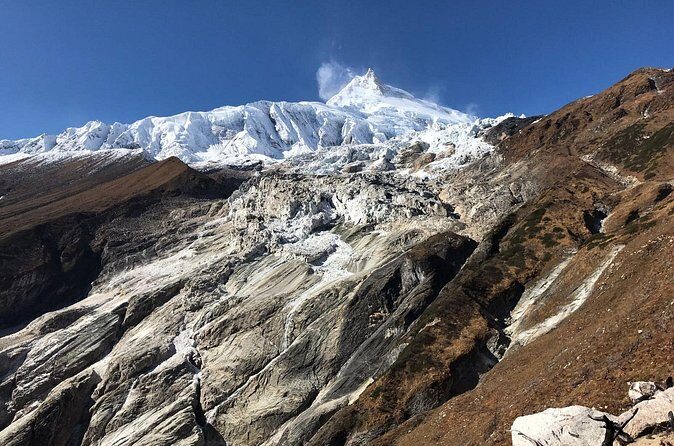
After Larkya La, Day 11 takes you through Tilche. The route continues with closer mountain views and a forest section described with rhododendrons, pines, and oaks. You’re still in work mode, but the change in vegetation can help your brain feel less trapped in one kind of terrain.
Day 12 moves from Tilje to Tal. It’s described as not having grand mountain views, but it offers a pleasant walk with shifting vegetation from alpine to subtropical. Villages become denser and more vibrant, and that matters because the emotional tone changes here—you’re moving from high wilderness edges into more human rhythm.
Finally, Day 13 brings the descent to Besisahar on foot and then a long drive back to Kathmandu. It’s a fitting close: you finish the trek by getting your legs done, then you switch back to comfort and gravity.
Price and value at about $1,400 per person
At $1,400 for roughly 13 days, you’re paying for a guided, permit-supported circuit, plus transport included. That’s not just a low price or a high price—it’s about what the package covers versus what you handle yourself.
Included items that actually protect your trip:
- An English-speaking government license holder trekking guide
- Permits for Manaslu Conservation Area, Manaslu Special Permit (for seven days only), Annapurna Conservation Permit, plus TIMS card
- Public transportation and a comfortable bus on the start day, plus the drive back to Kathmandu
- A first aid medical box
- Small extras like a t-shirt, duffel bag, and trekking map with the company logo
- A farewell dinner
The big costs that are not included:
- Meals and all accommodation during the trek
- Porters
- Visa fee and international airfare
- Travel insurance and rescue operation costs
- Tips for guides and porters
- Personal expenses like charging electronics or laundry
So here’s the value equation: if you already plan to cover lodge costs, choose food on the trail, and carry your own pack or budget for help, $1,400 can make sense for the guided-permit-heavy structure. If you want a full-service setup where meals, beds, and porters are handled for you, you’ll likely end up adding money anyway.
My honest take: The permit and guide package is real value here. Your remaining budget mostly comes down to lifestyle choices (how many comforts you buy at tea houses and lodges) and how much you want to pay to take load off your body.
Your trek team: guide support, first aid, and real-world helpfulness
You’ll travel with a licensed English-speaking trekking guide. That matters because this trek includes tricky weather windows, route decisions, and long days where good pacing can prevent problems. On top of that, there’s a first aid medical box included, which is exactly the kind of practical detail you want for a high pass trek.
In the stories shared about this company, names like Hem, Kumar, and Pradip show up as guides praised for organization, humor, and answering questions, while porters like Deepak get credit for day-to-day support. Even without knowing who you’ll be assigned, you can treat this as a signal of what the guide role is supposed to feel like: present, supportive, and ready to keep the group moving.
Also, this tour is private, meaning only your group participates. That tends to make it easier to keep together, ask questions, and get consistent guidance without the distractions of a larger mixed group.
And yes, the included t-shirt and duffel bag won’t change your altitude, but they do help with convenience. Less scrambling for gear at the last minute.
Packing and fitness: what moderate means on this route
“Moderate physical fitness” on the Manaslu Circuit typically means you can walk for long stretches, handle uphill days, and recover between stages. You don’t need to be a mountain athlete, but you should be honest with yourself about endurance.
Practical packing considerations based on the route character:
- Expect long trekking days and colder conditions as you near the high pass.
- Bring layers for changing vegetation: lush subtropical sections early, then alpine forests, rhododendrons, and higher, colder feeling terrain later.
- Plan for lodge living. Since meals and accommodations aren’t included, you’ll want to carry cash and understand that food choices may vary by stop.
- Since porters aren’t included, decide early how you’ll carry your pack. If you hate heavy loads, you’ll want to arrange extra help rather than hope your body agrees.
Hydration and pacing are everything. Long hours plus altitude pressure around the Larkya approach are where people feel the strain if they go too fast on day one of the climb.
When weather matters and how to handle schedule risk
This trek requires good weather. That’s not just a legal note—it affects visibility, pass conditions, and how confidently the group can move. The company also notes that cancellation could happen for poor weather, with an option to switch dates or get a full refund.
In other words: don’t plan this trek as a single-day gamble. Give it some flexibility, and be ready for postponement if the mountains decide to hold onto their clouds.
Should you book this Manaslu Circuit Trek with Trek Mania Nepal?
I think this is a strong choice if you want a guided Manaslu Circuit that focuses on culture + scenery + permit-backed logistics, not just trekking stats. You’ll likely appreciate the monastery-heavy route, the Tibetan-influenced village stops, and the way the itinerary supports acclimatization with calmer segments like Samagaun and Samdo.
Book it if you:
- Want a licensed English-speaking guide and organized permits
- Are okay budgeting for meals and lodge accommodation during the trek
- Can carry your own gear or you’re willing to arrange support since porters aren’t included
- Like the idea of tackling Larkya La for those big pass views
Skip or reconsider if:
- You want full-service comfort where meals, beds, and porters are included
- You’re not comfortable with long days and changing conditions
- You can’t be flexible if weather forces a date change
FAQ
What does the $1,400 per person price include?
It includes public transportation, a government licensed English-speaking trekking guide, trekking permits (Manaslu Conservation Area fees, Manaslu Special Permit for seven days, Annapurna Conservation Permit, and TIMS card), a first aid medical box, and trekking extras like a t-shirt, duffel bag, and a company-logo map. It also includes a farewell dinner.
Where does the trek start and end?
The trip is based in Kathmandu. The tour begins with travel to the trailhead and ends with a drive from Besisahar back to Kathmandu, followed by rest and relaxation at a hotel.
How long is the Manaslu Circuit trek?
It’s listed as about 13 days.
Are meals, lodging, and porters included?
No. Meals during the trek and all accommodation during the trek are not included, and porters are not included. Tips for guides and porters are also not included.
What about permits and insurance?
Permits are included in the tour price (including Manaslu Conservation Area fees and the Manaslu Special Permit for seven days, plus TIMS and Annapurna Conservation Permit). Travel insurance and rescue operation costs are not included.
What happens if the weather is bad or the minimum group requirement isn’t met?
The experience requires good weather, and it may be canceled due to poor weather, with the option of a different date or a full refund. It can also be canceled if the minimum number of travelers isn’t met, with an option for a different date/experience or a full refund.