REVIEW · KATHMANDU
Mardi Himal Trek Nepal
Book on Viator →Operated by Magic Himalaya Treks · Bookable on Viator
Quiet trails can still feel huge.
The Mardi Himal Trek in Nepal is a shorter Annapurna-region option with tea houses now along the way, plus wide views of Machapuchare (Fishtail) and the Annapurna peaks. I love that this route aims for a calmer feel than the famous Annapurna crowds, and I also like how the company handles the heavy logistics so you can focus on the walk and the views. One thing to consider: day lengths can be long (one day lists about 10 hours), and you’ll want a steady hiking pace, not a casual stroll.
On top of the trek itself, Magic Himalaya Treks runs a tight support setup. You’ll get a guide plus porter support, a medical kit box and required medicine, and included meals on the trail, and the owner Nabin checks in to make sure things stay smooth. My only caution is weather and trail conditions: even on a well-run tea-house route, mountain hiking can turn demanding when the light changes and the path gets steep.
In This Review
- Key things I’d focus on before you go
- Mardi Himal Trek: tea houses and the Machapuchare view
- Price and logistics: what you’re paying for (and what you’re not)
- Getting there: Kathmandu, Thamel, and the early start rhythm
- Day-by-day trek feel: Kande, Deurali, Low Camp, and High Camp
- Shiding Village detour and the Pokhara return day
- Food, permits, and support: why tea-house treks feel easier with this setup
- What you should realistically expect from the mountain days
- Who should book this Mardi Himal Trek with Magic Himalaya Treks
- Should you book this trek?
- FAQ
- How long is the Mardi Himal Trek?
- Where does the trek start, and do you include pickup?
- How do you get from Kathmandu to Pokhara?
- Is this trek done with tea houses or camping?
- What’s included in the trek meals?
- Does the price include permits?
- Who provides the support on the trail?
- How high do you go?
- What’s the cancellation window?
Key things I’d focus on before you go
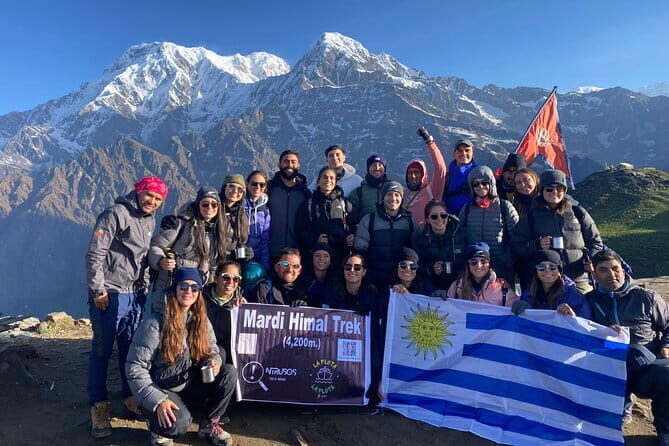
- Quieter Mardi Himal route in the Annapurna region, designed to feel less crowded than the big-name trails
- Tea-house convenience now along the route, with lodges making it less camping-heavy than the old-style trek
- Machapuchare and Annapurna viewpoints built into the hike, including a stop at Australian Camp
- Support that covers the basics: guide, porter, permits, map, and trail meals (meals add real value)
- A longer walking day (around 10 hours) and an active upper viewpoint portion
- Group size capped at 16, so the experience stays manageable
Mardi Himal Trek: tea houses and the Machapuchare view
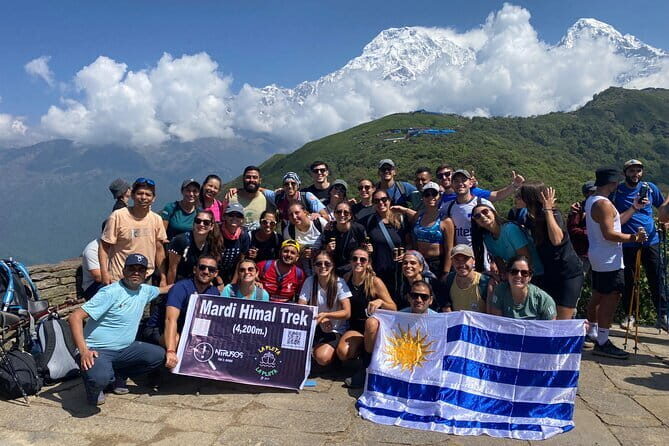
The Mardi Himal Trek has a simple pitch, and it’s a good one: you get high-mountain views without needing a long, ultra-busy expedition. The route has changed over time, moving from a more camping-style trek to a tea-house trek experience with lodges along the way. That matters because it usually means less gear pressure and more predictable nights.
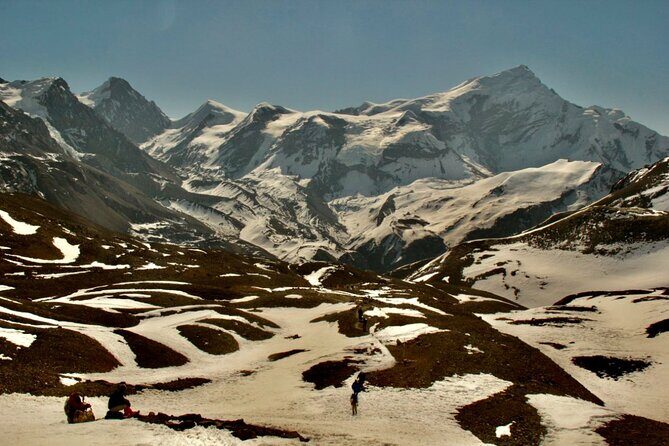
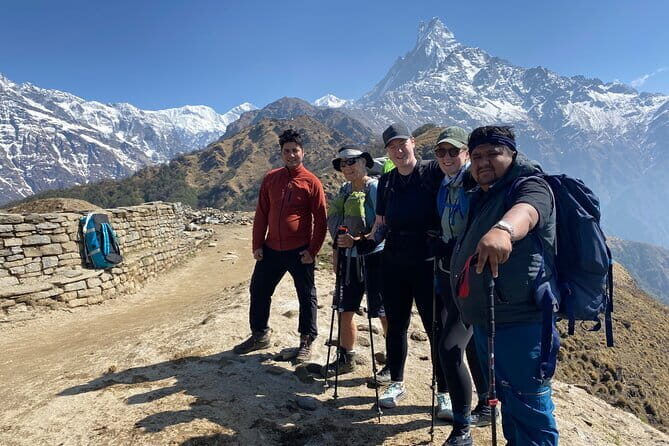
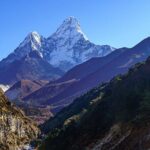
What makes the Annapurna region so addictive is that you’re not just climbing toward one peak. On this trek, you’re chasing a range of perspectives: Mount Machapuchare (Fishtail), Annapurna South, and Hiunchuli show up as your elevation grows. You don’t have to be a serious mountaineer to appreciate the shift from forest shadows to open sky.
Also, Mardi Himal tends to feel calmer on the trail. It’s not empty—you’re in Nepal, in a popular area—but the plan is built around a quieter approach than the Annapurna Circuit or Base Camp routes. That can make the trek feel more personal and less like a line.
The trade-off is that a tea-house trek still involves real uphill effort. Expect stretches that ask for stamina, especially in the middle and upper parts of the itinerary.
You can also read our reviews of more hiking tours in Kathmandu
Price and logistics: what you’re paying for (and what you’re not)
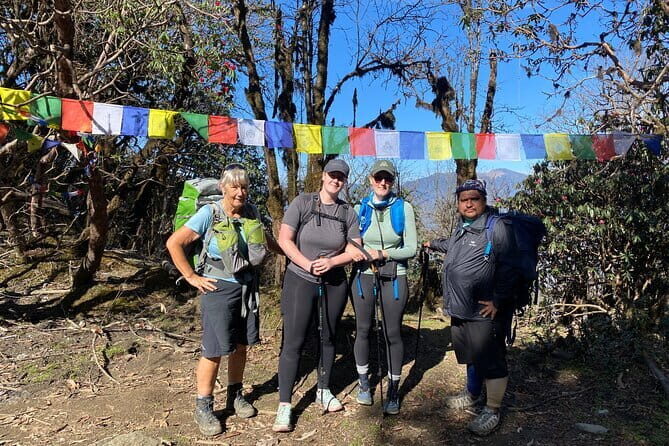
At $750 per person for about 9 days, you’re not just buying walking time. You’re buying organization: transport, permits, guide and porter support, and a big chunk of meals during the trekking days.
Here’s what that value looks like in practical terms:
- Kathmandu and Pokhara transfers are covered (including airport pickup/drop)
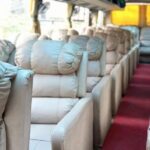
- Travel between Kathmandu and Pokhara is done by tourist bus with an air-conditioned vehicle
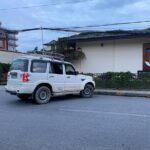
- You’ll have private vehicle drive to Kande
- There’s a Jeep drive from Shiding back to Pokhara
- Permits and required documents for the trek area are included
- You get a trekking map, a duffel bag for your porter to carry, and a medical kit box with required medicine
- You get included breakfasts and dinners during the trek (plus several included lunches)
So the $750 isn’t only about guiding—it’s about removing the unknowns. You won’t have to coordinate entry documents, figure out transportation timing, or track which meals are on your dime on most trekking days.
What’s not included is equally important:
- Your trekking clothing and required gear
- Lunch and dinner in Kathmandu and Pokhara
- Personal expenses, and any bar bills or alcohol
- Rescue operation if you needed one
If you already have your trekking kit and you’re fine with buying Kathmandu/Pokhara meals on your own, this package price can feel fair. If you need to rent or buy everything from scratch, your total trip cost may rise fast.
Getting there: Kathmandu, Thamel, and the early start rhythm
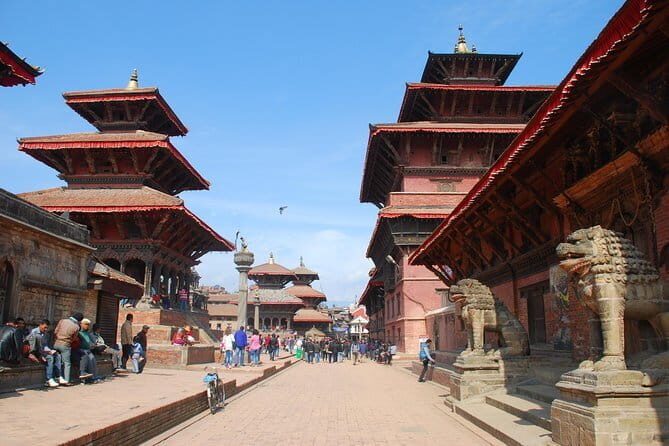
The trip begins in Kathmandu, with pickup after you land and a transfer to a hotel in Thamel. In the evening, you meet at the Magic Himalaya Treks office for briefing, so you’ll know what to expect before you hit the trail.
Then comes the Pokhara move. After breakfast, you’ll get picked up from your hotel and transferred to the tourist bus station for the drive to Pokhara. You sleep in Pokhara City for the next stage.
One detail that can catch people off guard: the schedule shows a start time of 1:15 am. You’ll want to treat that as a cue that some parts of the travel day are planned early, so set a realistic mindset for waking up fast and keeping your breakfast and packing simple.
The way the company mixes public transit (tourist bus) with private legs (drive to Kande and Jeep from Shiding) is a common Nepal formula: group efficiency where it works, then vehicle help where the trek begins and ends. It’s a smart use of time when the goal is to get to the trail with less hassle.
Day-by-day trek feel: Kande, Deurali, Low Camp, and High Camp
The walking days are where Mardi Himal earns its keep. The itinerary is built like a slow build upward, with forest and settlement zones early, then open views and higher camps later.
Day 2: Kathmandu to Pokhara
You shift from city altitude and traffic to a calmer base in Pokhara City. This day isn’t about hiking; it’s about getting in position and resting your legs.
Day 3: Kande to Deurali (Australian Camp viewpoint lunch)
After breakfast, you’re transferred to Kanda and you start the trek toward Deurali. Lunch is likely at Australian Camp, which is known as a viewpoint stop. This is one of those moments that sets expectations: you’re not yet at the highest elevations, but you’re already getting that widening Himalayan scale.
You stay in Deurali villa that night, which keeps things simple and keeps you moving toward the next camp.
Day 4: Forest walking to Low Camp
Today you continue through forest until you reach Low Camp for the night. This is a key day because it’s where the scenery changes: you’re still walking in green cover, but you’re heading into terrain where trees thin and the air feels sharper.
Accommodation and meals are included on this day: breakfast, lunch, and dinner are part of the plan, which removes a daily decision load from your day.
Day 5: Low Camp to High Camp, plus the thinning tree line
You climb upward to High Camp. The itinerary notes that the tree line gets thinner as you go. That matters because the trek stops feeling like a forest hike and starts feeling like a mountain hike, with more open views and more exposure to wind.
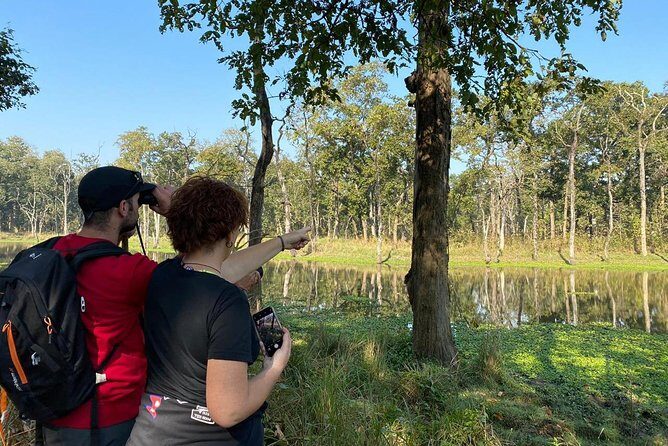
This is also where you may see Danphe on the way. Danphe is a national bird, and it’s the kind of roadside-like surprise you don’t get in a fully urban vacation. High Camp is the destination of the day.
Day 6: the long day to the upper viewpoint
This day is longer—about 10 hours are listed. The trail involves ascending and descending, plus time on steep and narrow sections. You also move through pastures and along narrow trail sections to reach the upper viewpoint.
This is the day you’ll feel in your legs, especially if you’re not used to sustained uphill walking. The upside is that the viewpoint is the payoff area. If your knees are sensitive, take your time on the steep parts and keep water and snack breaks frequent.
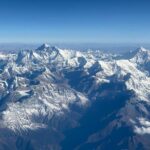
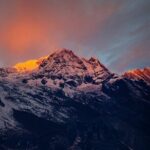
One more good note: the trek is described as having panoramic views of major peaks, and that matches how Mardi Himal tends to reveal mountains as you gain elevation. You’re building toward those wide views across multiple days, not just one sunrise-or-nothing moment.
Shiding Village detour and the Pokhara return day
Day 7: different routes to Shiding Village, then drive back to Pokhara
Instead of following the same Mardi Himal trail, the plan changes routes to reach Shiding Village. You then drive back to Pokhara for an overnight stay.
This is a nice touch because it reduces the feeling of doing a repeat hike. You also get a village-based end to the trekking portion, which can make the transition back to hotels and meals feel less abrupt.
Day 8: Pokhara back to Kathmandu
You take breakfast at your Pokhara hotel, then do a small walk or drive to the bus park to catch the Pokhara to Kathmandu ride. The drive takes about 6–7 hours, and you’re back in Kathmandu for a final night.
By this point, your hiking days are done. Your goal is simple: rest, shower, and eat real food without watching your day pack weight.


Food, permits, and support: why tea-house treks feel easier with this setup
Magic Himalaya Treks includes a lot of the “background work” that can ruin a trek if it’s left to you. You have Annapurna conservation permits included, along with required documents. You also get a map, and a company duffel bag so your porter can carry the trekking load.
Meals are also part of the value story:
- Breakfast is included on 8 days
- Lunch is included on 5 days
- Dinner is included on 5 days
So most of your trekking days are already structured around included meals. That helps you plan your pacing. You’re not constantly asking where to eat or if a lodge has food ready at the time you arrive.
Support is another big reason this trek stays comfortable for many people. A guide and porter are included, with equipment and food handled as part of the team setup. You also get a medical kit box and required medicine, which is exactly the sort of unglamorous item you’ll appreciate if something small goes wrong.
And the human part matters. The trek is tied to Magic Himalaya Treks, and the operation is associated with Nabin, the owner, who is described as checking in and staying attentive. That style of management often shows up in small ways: timing stays on track, and questions get answered quickly.
What you should realistically expect from the mountain days
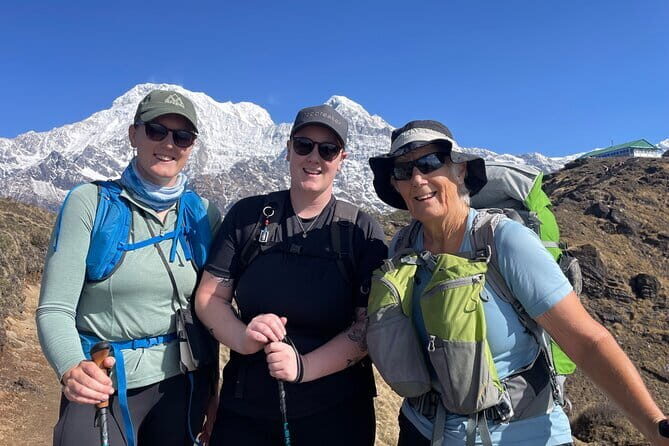
Even on a tea-house trek, you’re hiking at altitude. The trip is described as having views up to around 4500 meters. That puts you in the altitude zone where weather shifts fast and where breathing can feel harder even when the pace is comfortable.
Expect changes in trail character:
- Early days feel like forest and gradual ascent
- Mid days shift toward thinner tree cover and more open walking
- Upper sections involve steep, narrow sections and longer hiking time
Because day 6 is listed at about 10 hours, I’d treat this trek as moderately active, not casual. You can absolutely enjoy it if you have moderate fitness, but you should plan for soreness and take breaks when needed.
Tea houses add comfort compared with older camping versions. Still, you’re in mountain villages, so simplicity is the norm. The included meals help here because you’re less dependent on finding food options after a hard walk.
Who should book this Mardi Himal Trek with Magic Himalaya Treks

This trek fits best if you want:
- Big Himalaya views without a long multi-week schedule
- A quieter Annapurna-region alternative to the most crowded routes
- Tea-house nights and included meals on most trekking days
- Support and planning handled for you, including permits and transport mix
It’s also a good choice if you prefer a group capped at 16 and want your logistics to feel organized.
I’d think twice if:
- You dislike long hiking days (one day is roughly 10 hours)
- You’re not comfortable with steep and narrow trail segments
- You want a purely self-guided experience with zero structure (this trek is clearly built around a team approach)
Should you book this trek?
If your priority is a value-packed, organized Mardi Himal tea-house trek with Machapuchare views, this is the kind of itinerary that makes sense. The included permits, guide and porter support, medical kit, and most meals reduce the common stress points that can derail a mountain trip. Also, the mix of tea-house convenience and a calmer route goal is a smart combo.
Book it if you’re ready for real hiking days and you want your time in Nepal to focus on the mountains, not paperwork. If you’re mainly looking for an easy walk with lots of free time, choose a shorter or less demanding option.
FAQ
How long is the Mardi Himal Trek?
The itinerary is listed as 9 days (approx.).
Where does the trek start, and do you include pickup?
The trek operates from Kathmandu. There is airport pickup and private transportation included, and you’re transferred to a hotel in Thamel.
How do you get from Kathmandu to Pokhara?
You travel by tourist bus between Kathmandu and Pokhara, and an air-conditioned vehicle is included for the Kathmandu–Pokhara–Kathmandu legs.
Is this trek done with tea houses or camping?
This route is described as a tea-house trek now, with lodges/hotels established along the way.
What’s included in the trek meals?
Breakfast is included on 8 days, lunch on 5 days, and dinner on 5 days. Lunch and dinner in Kathmandu and Pokhara are not included.
Does the price include permits?
Yes. Annapurna conservation permits and required documents are included.
Who provides the support on the trail?
A guide and porter are included, along with their salary and equipment, plus a medical kit box and required medicine.
How high do you go?
The experience is described as offering views up to about 4500 meters.
What’s the cancellation window?
Cancellation is free up to 24 hours in advance for a full refund. If you cancel less than 24 hours before the start time, the amount paid is not refunded.