REVIEW · KATHMANDU
Everest Base Camp trek 12 days from Kathmandu
Book on Viator →Operated by Breakfree Adventures Pvt. Ltd. · Bookable on Viator
Mt. Everest starts with an early flight. This 12-day Everest Base Camp trek ties together Lukla landings, Namche acclimatization, Tengboche monastery time, and the big payoff at Kala Patthar.
What I like most is how the trek supports your body on altitude with built-in slow days and specific hikes at higher elevations. I also appreciate the practical bundle of support: meals in lodge teahouses each day, a licensed guide, permits, and trek gear that you do not have to source yourself.
The main thing to think about is logistics around flights. In peak seasons, Lukla flights run from Ramechhap, which means a 5–6 hour drive and either an overnight stay or an ultra-early 1 AM departure from Kathmandu.
In This Review
- Key takeaways before you go
- Everest Base Camp in 12 days: what the trip is really like
- Kathmandu to Lukla: the flight day and the Ramechhap reality
- Day-by-day walkthrough: from Phakding to Base Camp to Kala Patthar
- Day 1: Kathmandu to Lukla, then Lukla to Phakding
- Day 2: Phakding to Namche Bazaar
- Day 3: Namche acclimatization and Everest View Hotel hike
- Day 4: Namche to Tengboche
- Day 5: Tengboche to Dingboche
- Day 6: Acclimatization day in Dingboche area (Nagarjun Hill)
- Day 7: Dingboche to Lobuche
- Day 8: Lobuche to Gorak Shep, then Everest Base Camp
- Day 9: Gorak Shep to Kala Patthar (5,550m) and down to Pheriche
- Day 10: Pheriche back toward Namche Bazaar
- Day 11: Namche to Lukla
- Day 12: Fly back to Kathmandu
- Tengboche Monastery, Namche Bazaar, and the cultural pacing that matters
- Kala Patthar and Everest Base Camp: how to plan your effort
- Lodges, meals, and what is included versus what you must budget
- Guide support, permits, and why the price can make sense
- Who should book this Everest Base Camp 12-day trek
- Should you book this 12-day Everest Base Camp trek?
- FAQ
- What is the duration of the Everest Base Camp trek?
- Where does the trek start and what time do you meet?
- Is transportation to and from Lukla included?
- What happens to Lukla flights in peak season?
- Are permits and meals included?
- Is travel insurance or rescue coverage included?
Key takeaways before you go
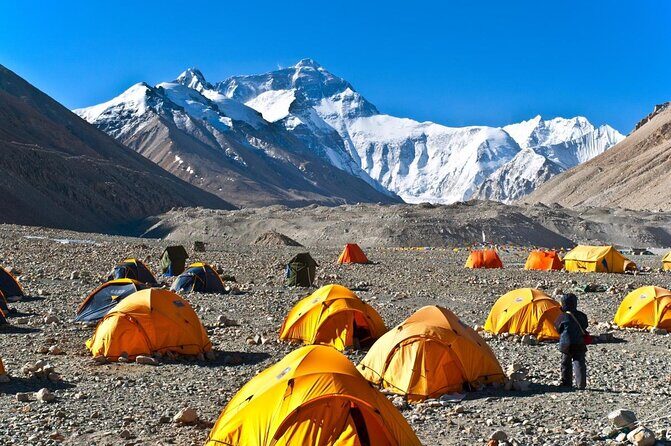
- Ramechhap is part of the plan in peak season: you’ll choose between staying overnight or leaving at 1 AM.
- Acclimatization is built in: Namche height plus a second acclimatization day in Dingboche area.
- The big view is Kala Patthar (5,550m): plan to feel the altitude on the climb and trust the pacing.
- Lodges mean real trekking infrastructure: breakfast, lunch, and dinner are included during the trek.
- Gear is provided for the trail: down jacket, sleeping bag, walking pole, and a duffle bag.
- Organization shows up in the details: the guide gives structured next-day guidance and roadmaps the ascent.
Everest Base Camp in 12 days: what the trip is really like
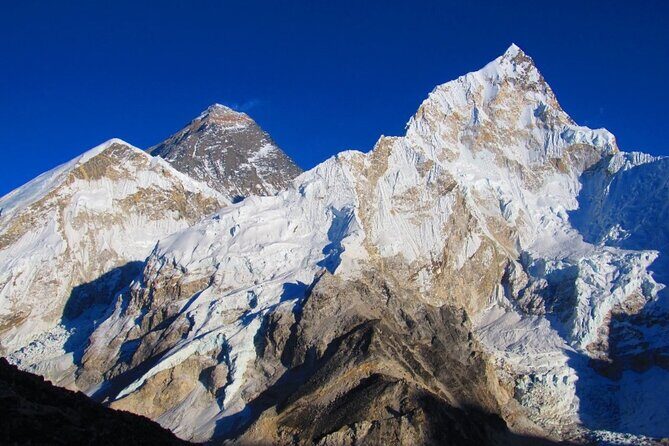
Everest Base Camp is famous for a reason, but in real life the trek is less about fantasy and more about rhythm. You start with a short flight, then settle into a daily pattern: walk, stop, breathe, eat, sleep, repeat. Over 12 days, that rhythm matters because altitude fatigue is sneaky. You need a plan that helps you adjust rather than steamroll upward.
This route is built around the Everest gateway towns of the Khumbu region. You’ll spend time at Namche Bazaar (the local hub), visit Tengboche Monastery (a major spiritual stop in the area), and work your way toward the Everest viewpoint experiences that most people dream about. The final days focus on reaching Base Camp and then getting your mountain fix again at Kala Patthar.
If you have a moderate fitness level and you’re comfortable trekking uphill day after day, this is a very sensible way to do Everest. If you hate early mornings, you’ll still survive, but you should know you’ll be getting up for flights and for the high-view segments where timing matters.
You can also read our reviews of more hiking tours in Kathmandu
Kathmandu to Lukla: the flight day and the Ramechhap reality
The trek begins with pickup and a morning start. The listed start time is 5:15 am, so you’ll want to be ready early in Kathmandu. From there, you fly to Lukla (about 40 minutes) and then begin walking almost immediately toward Phakding at around 2,652m.
Here’s the key thing: during peak season (March to May and September to November), flights to Lukla operate from Ramechhap Airport due to air traffic in Kathmandu. Ramechhap is a 5–6 hour drive from Kathmandu. You have two options:
- Go to Ramechhap the day before and sleep there
- Leave Kathmandu at 1 AM on flight day
Either can work, but your choice changes your stress level more than anything else. The earlier departure option compresses sleep and can make the day feel long even before you hike. The night-before option gives you a calmer buffer. For most people, the calmer option is easier to handle mentally, even if it costs a bit more planning.
Also, even though this is a shared-basis transfer setup, you’re still with a defined group on the trek itself. That matters because it keeps the walking pace consistent from day to day.
Day-by-day walkthrough: from Phakding to Base Camp to Kala Patthar
Below is what each day tends to feel like, not just how many hours you’ll walk.
Day 1: Kathmandu to Lukla, then Lukla to Phakding
You take the flight to Lukla, then hike to Phakding (2,652m) for roughly 3–4 hours. This is a good “landing day” hike: not too brutal, but enough time to get your legs moving and start feeling the thinner air.
Day 2: Phakding to Namche Bazaar
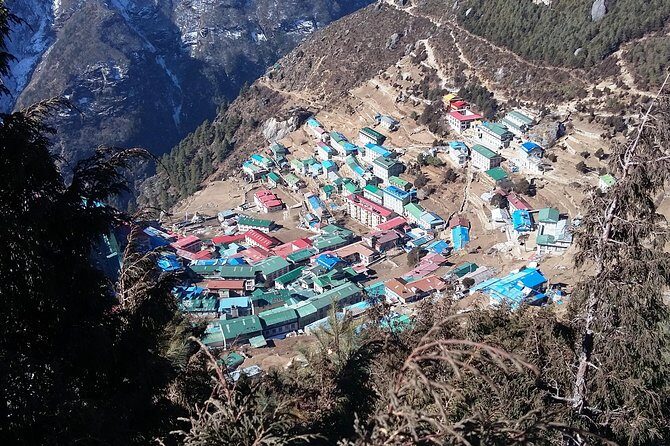
Today climbs hard toward Namche Bazaar (3,440m), often 6–7 hours. Namche is the classic altitude checkpoint—busy enough to feel like a town, calm enough to let you rest. You’ll likely notice the air in your breathing even when you keep a steady pace.

Day 3: Namche acclimatization and Everest View Hotel hike
You stay in the Namche area and hike up to Everest View Hotel area (about 3,900m) for 3–4 hours. This is where you learn how to pace: you should feel like you worked, not like you sprinted. The goal is acclimatization, not a personal best.
Day 4: Namche to Tengboche
Another long day (about 5–6 hours) up to Tengboche (around 3,860m). Tengboche is known for its monastery stop, and this day often becomes a highlight because the walking is rewarded by cultural time—more than just scenery.
Day 5: Tengboche to Dingboche
You move to Dingboche (about 4,410m) in roughly 5–6 hours. Dingboche sits higher and can feel noticeably colder. This is a day where you’ll want to keep warm layers accessible, since wind and shade can change quickly.
Day 6: Acclimatization day in Dingboche area (Nagarjun Hill)
This is your second built-in acclimatization: a hike to Nagarjun Hill (around 5,100m) for 4–5 hours. You gain altitude, then you come back down a bit the same day or as part of the plan. It’s a smart way to reduce altitude stress before the push toward higher points.
Day 7: Dingboche to Lobuche
You climb to Lobuche (about 4,910m) in 4–5 hours. This is one of those days where progress can feel slower because your body works harder per step.
Day 8: Lobuche to Gorak Shep, then Everest Base Camp
Today is long: 7–8 hours from Lobuche to Gorak Shep, plus the trek onward to Everest Base Camp (about 5,320m). This is the day you’ve come for. Base Camp is not a warm beach; it’s high, windswept, and humbling. You’ll enjoy the moment more if you go steady and save energy for the return.
Day 9: Gorak Shep to Kala Patthar (5,550m) and down to Pheriche
You’ll hike to Kala Patthar (5,550m), then continue to Pheriche (around 4,371m) in about 6–7 hours. Kala Patthar is the big viewpoint day. It’s also the altitude day—so expect your legs to feel heavy near the top. The descent afterward feels like a relief, not a victory lap.
Day 10: Pheriche back toward Namche Bazaar
You head to Namche Bazaar (around 3,440m) for 6–7 hours. This is where the trek starts to feel more like “recovery through movement.” Even though you’re descending overall, you still walk for hours, and your knees will get attention.
Day 11: Namche to Lukla
You’ll go from Namche to Lukla in 6–7 hours. This is a long day even on paper because terrain and footing take their toll. But you’ll also get that sense of being on the final approach.
Day 12: Fly back to Kathmandu
You finish with a flight back to Kathmandu. It’s the kind of day where you’re excited to be done and grateful you didn’t rush anything along the way.
Tengboche Monastery, Namche Bazaar, and the cultural pacing that matters
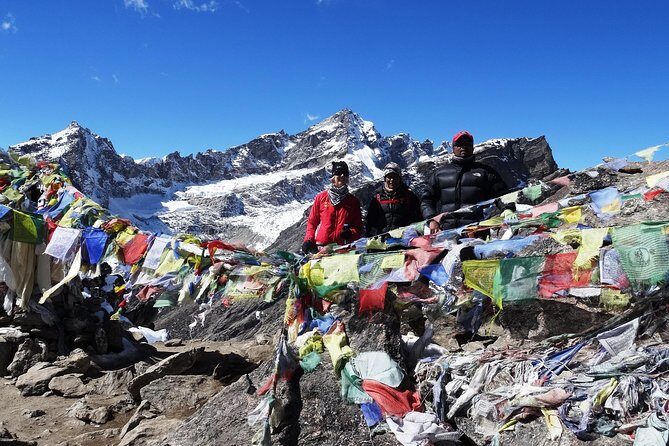
It’s easy to focus on Everest numbers—5,320m, 5,550m, and so on. But what makes this trek memorable is how the cultural stops break up the altitude grind.
Namche Bazaar is your main hub. It’s where you can get your bearings fast, restock basic needs, and feel the pulse of the Everest region before you go higher. Time here also helps your mind adapt. When you spend several days moving, your brain can start to feel like it’s on repeat: uphill, breath, step. Namche changes that rhythm.
Then there’s Tengboche Monastery. It’s an important religious site in the region, and you’ll have time to visit. This kind of stop gives the mountains a human frame. It’s not just a trek to climb altitude—it’s a trek through a living community and spiritual landscape.
The point of these days is not sightseeing for its own sake. It’s recovery plus meaning, and that combination helps you keep a sustainable pace later.
Kala Patthar and Everest Base Camp: how to plan your effort
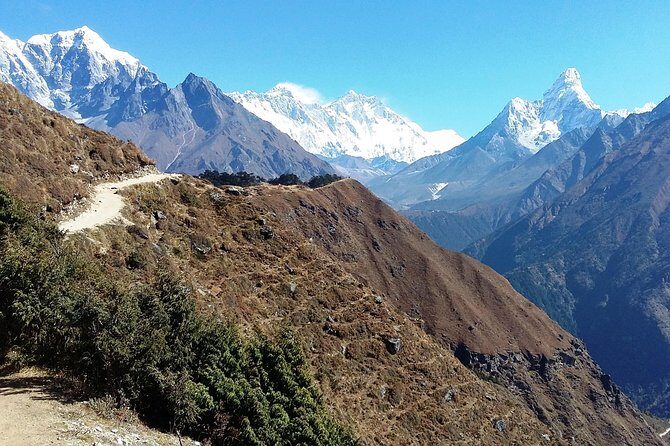
Your two headline “mountain moments” are Everest Base Camp and Kala Patthar. Both are special, but they feel different.
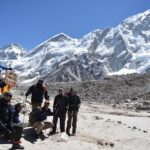
Base Camp (5,320m) is a goal. You reach a place associated with the expeditions that start on the Khumbu Glacier. It can feel almost surreal, because after days of climbing toward it, it’s not a dramatic structure—just a high staging zone with massive mountains all around. The winning strategy is steady effort rather than emotional sprinting. Save your breath.
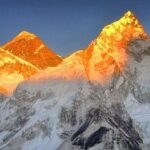
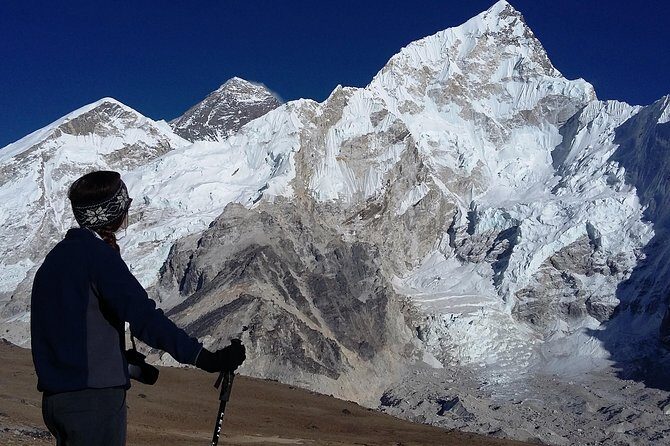
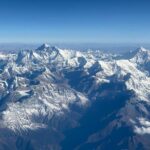
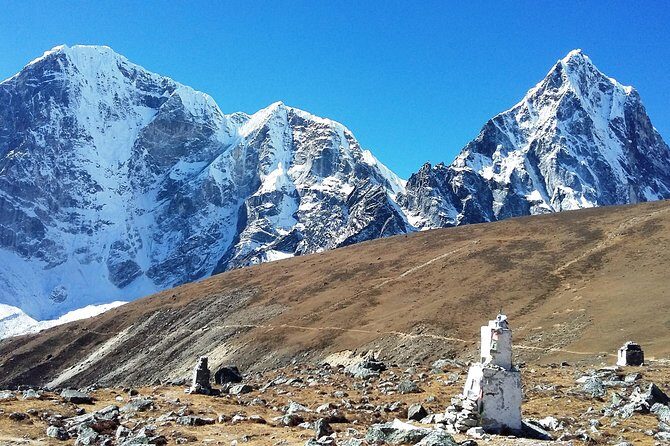
Kala Patthar (5,550m) is a test. You’ll go higher to get closer views of Mt. Everest and a wide panorama across the Khumbu mountains. The climb can feel steep and slow near the top because oxygen thins out and your heart rate keeps working. If you have to choose between speed and control, choose control. The payoff is bigger when you arrive calmer and able to take in what you came for.
One more practical thing: because this trek involves high passes and long walk days, your energy management on the earlier days affects everything later. The acclimatization hikes are not there to pad the schedule; they are your training for what’s coming.
Lodges, meals, and what is included versus what you must budget
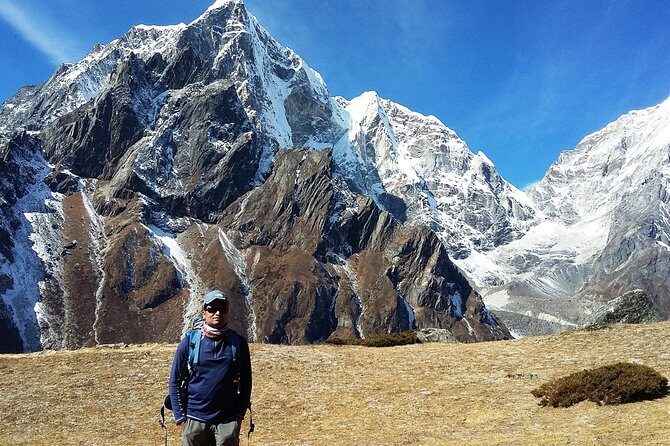
This trek uses guest houses or lodges with twin sharing accommodations. Meals (breakfast, lunch, dinner) are included during the trek, which is a major value win on Everest routes where food can otherwise become a constant budgeting headache.
Drinks are not included. That means you’ll still pay for things like tea/coffee, hot chocolate, boiled water, bottled water, soda, and beer. If you’re someone who relies on frequent hot drinks for comfort, budget that ahead of time. Also, hot showers and recharge needs are listed under personal expenses—so plan to manage comfort expectations at altitude.
A small but important point: you’ll be given trekking gear including a down jacket, sleeping bag, and walking pole. That can reduce the cost and stress of trying to rent or buy cold-weather gear in Kathmandu. It also helps you travel smarter with less luggage.
Guide support, permits, and why the price can make sense
At $1,600 per person, this trek is not cheap. But when you map it against what’s covered, the value starts to look clearer than a basic “guide + trail” package.
Included items you can feel on the ground:
- Flight fare from Kathmandu or Ramechhap to Lukla and back
- Kathmandu or Ramechhap pickup/drop-off on a sharing basis
- Highly experienced government-licensed guide
- Trek permits and fees
- Lodging during the trek (twin sharing)
- Trek meals three times a day
- Duffle bag, down jacket, sleeping bag, walking pole
- Trekking map and a trip achievement certificate
- Government taxes, VAT, and office service charge
Two things stand out from the experience feedback: organization and day-to-day guidance. People talk about how the company made logistics smooth and how the guide gave a clear overview each evening so the next day felt planned, not guesswork. That kind of guidance is not glamorous, but it can be the difference between enjoying the trek and spending half your energy figuring things out.
What’s not included matters too. You should plan for rescue or helicopter costs being on you, plus insurance, cancellation costs, and evacuation needs. The package also excludes tips for the trek crew and personal expenses like phone calls, internet, laundry, bar bills, hot showers, and charging devices.
My advice: treat this as a full-service trek package for the trail itself, then add your own layers for safety coverage and personal spending. That keeps your budget honest.
Who should book this Everest Base Camp 12-day trek
This is a great fit if you:
- Have moderate fitness and can handle daily uphill walking
- Want a structured plan with acclimatization built in
- Prefer having most logistics taken care of: guide, permits, flights, meals, lodging, and key gear
- Like the idea of mixing mountain goals with cultural stops like Namche and Tengboche
You might think twice if you:
- Are very sensitive to early starts (5:15 am start, plus possible 1 AM departure in peak season)
- Do not tolerate altitude hikes well and want a gentler schedule than this one offers
- Hate paying extra during the trek for drinks and personal comforts
One more fit note: the tour is described as private for your group, meaning only your group participates. Transfers are on a sharing basis, which is common on trek routes and usually just affects how the vehicle pickups are handled, not your overall experience.
Should you book this 12-day Everest Base Camp trek?
If you want Everest with structure, this booking is a strong candidate. The combination of included flights, government-licensed guidance, and multiple acclimatization steps makes it feel built for real-world trekking, not just a brochure promise.
I’d book it if your priority is reaching Everest Base Camp and also earning the viewpoint energy at Kala Patthar, with less mental load about permits, meals, and gear. It’s also a good choice if you value the kind of organization where your guide walks you through what to expect each evening.
I’d pause if you know Ramechhap logistics will stress you out, or if you’re worried about extra costs for drinks, charging, and comfort items. In Everest country, the mountains are fixed. Your flexibility is what you can control.
FAQ
What is the duration of the Everest Base Camp trek?
The trek runs for about 12 days.
Where does the trek start and what time do you meet?
The start point is in Kathmandu, with a listed meeting time of 5:15 am.
Is transportation to and from Lukla included?
Yes. Flight fare from Kathmandu or Ramechap to Lukla and back is included.
What happens to Lukla flights in peak season?
During March to May and September to November, flights to Lukla are operated from Ramechhap due to air traffic in Kathmandu. Ramechhap is about a 5–6 hour drive from Kathmandu, and you can either go the day before or depart Kathmandu at 1 AM on flight day.
Are permits and meals included?
Yes. Trek permits and fees are included, and meals (breakfast, lunch, dinner) are included during the trek.
Is travel insurance or rescue coverage included?
No. Rescue and helicopter flight costs, insurance, cancellation costs, and accident or health emergency evacuation are not included.