REVIEW · KATHMANDU
From Kathmandu: 12-Day Everest Base Camp Guided Trekking
Book on GetYourGuide →Operated by Welcome Nepal Treks P.Ltd · Bookable on GetYourGuide
Lukla to Everest Base Camp is a real test. What makes this trek interesting is the guided pacing plus the focus on hitting the key Khumbu viewpoints without rushing. You’ll walk through classic stopping points like Namche Bazar and Dingboche, then reach Everest Base Camp at 5,364 meters with a guided plan that keeps you moving but not scrambling.
Two things I like a lot: the small group size (limited to 15) and the built-in acclimatization days that give you a fighting chance at altitude. One consideration: nights can be tough, especially in colder months, so you’ll want to lean into the provided sleeping bag setup and dress for cold.
You’ll be in good hands with an experienced English-speaking guide. In past departures, teams included leaders like Hari (manager help), with guides named Padam, Nishan, Rohan, and Adhish showing up as big reasons people felt safe and well cared for on the mountain.
In This Review
- Key highlights you should care about
- Why this 12-day Everest Base Camp trek feels well-paced
- From Kathmandu to Lukla: the flight sets the tone
- Phakding, Namche Bazar, and the altitude lesson you can’t skip
- Tyangboche and Dingboche: the days where views and effort meet
- The push to Lobuche: where the trail starts feeling serious
- Everest Base Camp at 5,364 meters: the day everyone remembers
- Kala Patthar and Pheriche: the viewpoint and the recovery
- The return: Tyangboche, Namche, then Lukla
- Lodges, meals, and what comfort really means on this trek
- Guides, safety, and why names matter on Everest routes
- Price and logistics: what your $1,002 is really covering
- Who should book this trek, and who should think twice
- Should you book this Everest Base Camp guided trek?
- FAQ
- What’s included in the trek package?
- Are meals on the trek included?
- Is a porter included?
- Do I get hot showers or internet?
- Can I cancel for a refund or pay later?
- What do I need to bring, and is all luggage allowed?
Key highlights you should care about
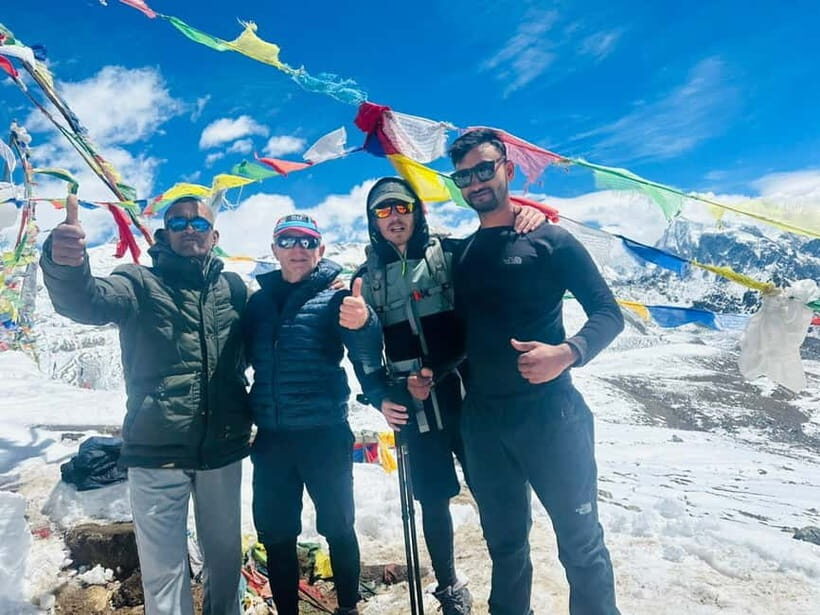
- Small group trek (up to 15): easier communication and less chaos on narrow trails
- Acclimatization built in: rest days in Namche Bazar and Dingboche to help your body adjust
- Everest Base Camp day: up to Gorakshep, then the EBC climb at 5,364 meters
- Kala Patthar option: a high viewpoint push to 5,545 meters for glacier-and-peak views
- Guides who manage risk: people consistently point to experienced leadership and safety focus
Why this 12-day Everest Base Camp trek feels well-paced
This trek is designed around altitude reality. You don’t just go up day after day until you’re overwhelmed. Instead, you gain elevation, pause to adjust, then move again—exactly what you want on the Khumbu route.
I also like that the route has a clear rhythm: walk to a town, sleep in tea houses, then repeat with one planned “reset” day. You’ll still feel the effort, but it doesn’t turn into a survival march.
With a small group, your guide can actually manage the flow. That matters most at choke points like crossings, busy viewpoint stops, and the steeper segments near Everest Base Camp.
You can also read our reviews of more guided tours in Kathmandu
From Kathmandu to Lukla: the flight sets the tone
Your trip starts with pickup from your Kathmandu hotel, then a drive to Tribhuvan International Airport. From there, you take an early flight from Kathmandu to Lukla, and you begin trekking soon after you arrive.
Why this matters: you save a lot of time compared with walking from the valley. But it also means your energy needs to be ready for immediate hiking after the flight day. If you’re the type who needs to “ease in,” you’ll have to use that first day wisely.
One extra bit of reassurance from real-world departures: when weather gets in the way, the operation can switch plans quickly. There was at least one instance where an air transfer changed to a helicopter due to conditions, and the coordination was described as professional.
Phakding, Namche Bazar, and the altitude lesson you can’t skip
Day 1 takes you from Lukla to Phakding, where you sleep in a tea house lodge. It’s not the highest day, but it helps you settle your legs and breathing before the big jump later.
Day 2 climbs to Namche Bazar (3,440 meters). This is one of those places where altitude hits faster than you expect, even if you’re feeling okay. You’ll spend the night there.
Then Day 3 is a rest day in Namche Bazar. That stop is not optional. It’s your chance to recover, adjust, and keep your pace steady for the days ahead.
If you’re thinking, I’ll just push harder and skip recovery—you’ll run into trouble here. This trek is built for the idea that acclimatization is part of the work, not a pause you can skip.
Tyangboche and Dingboche: the days where views and effort meet
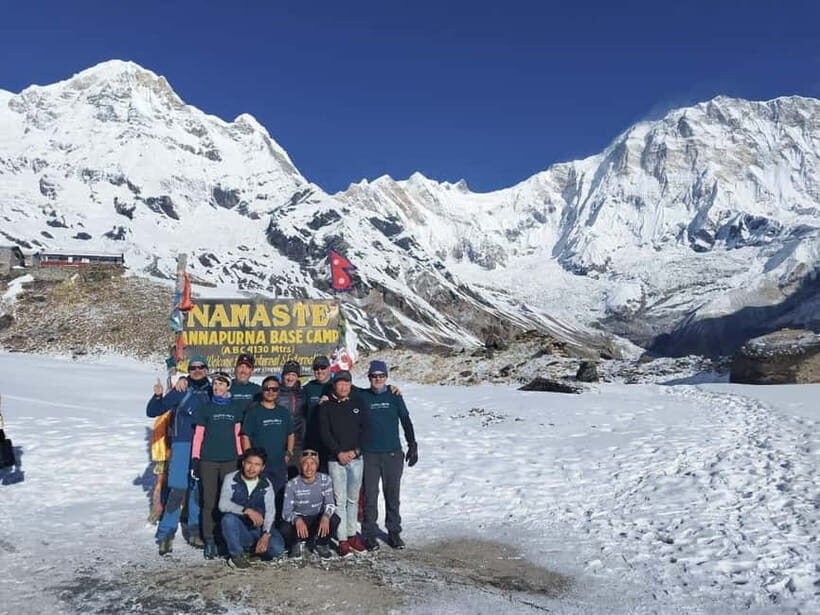
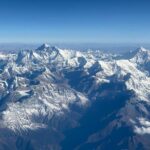
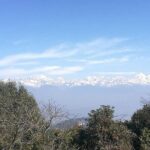
Day 4 hikes from Namche Bazar to Tyangboche (3,867 meters). Tyangboche sits at a high vantage, and the emotional payoff here is real: you gain elevation and you also start seeing the Himalaya more clearly as the trek climbs into the higher belt.
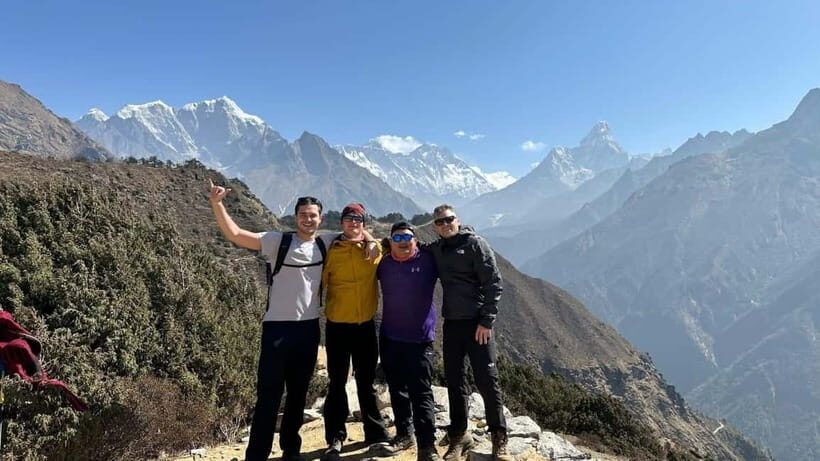
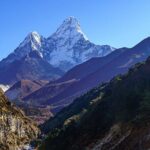
Day 5 is a transition day with character. You’ll move through a rhododendron forest, cross a suspension bridge at Imja Khola, and head toward Minlinggo and the Imjatse Valley beneath major peaks like Ama Dablam, Nuptse, and Lhotse. You sleep in Dingboche (4,260 meters).
Day 6 is another acclimatization day in Dingboche. Again, this is the smart move. Each extra night at altitude isn’t just about comfort; it helps your body cope so you can enjoy the high days instead of fighting them.
The push to Lobuche: where the trail starts feeling serious
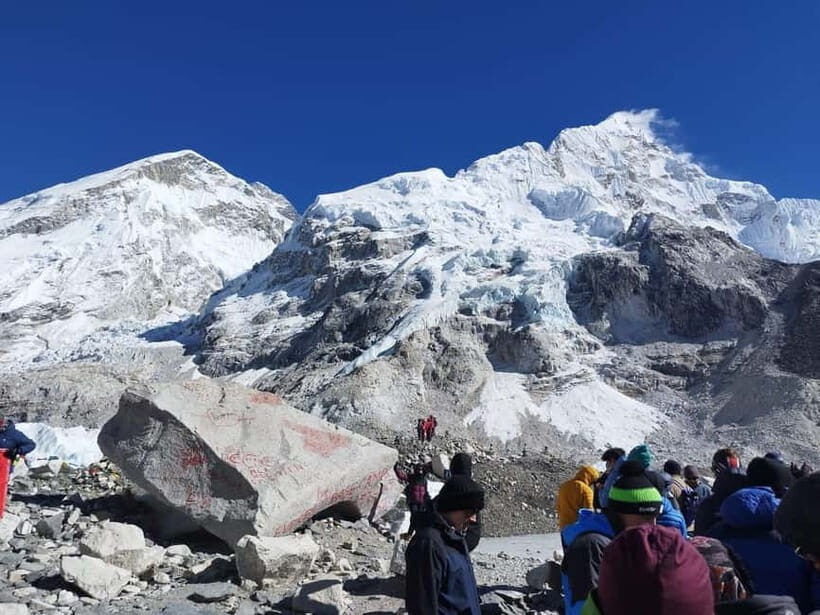
Day 7 hikes from Dingboche to Lobuche (4,930 meters). The trek includes a stop for lunch in Dugla, then you continue to Lobuche for the night.
This is where the route begins to feel more exposed and more demanding. It’s still guided and manageable, but you’re higher, and the air is thinner. I’d treat this day as a pace-control day. Save your legs for Kala Patthar and Everest Base Camp.
You can also read our reviews of more hiking tours in Kathmandu
Everest Base Camp at 5,364 meters: the day everyone remembers
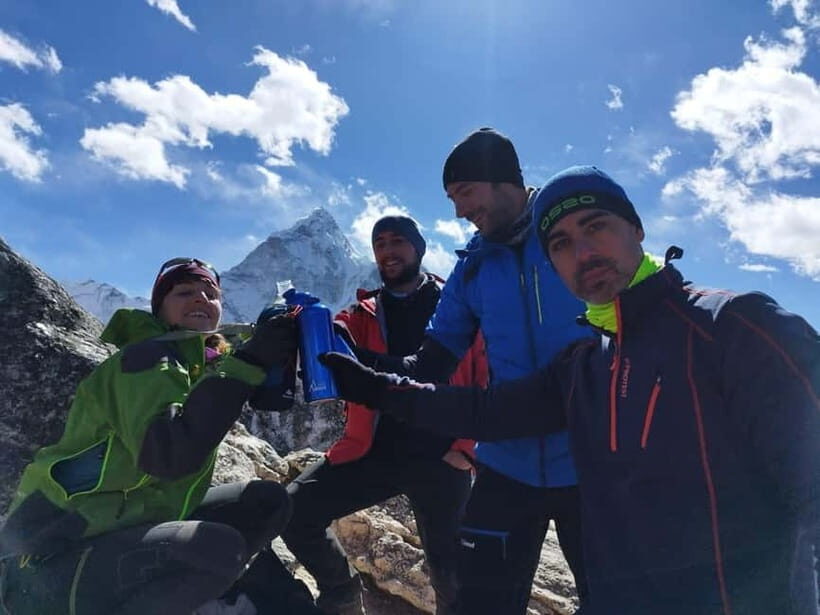
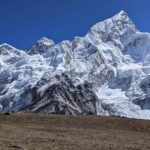
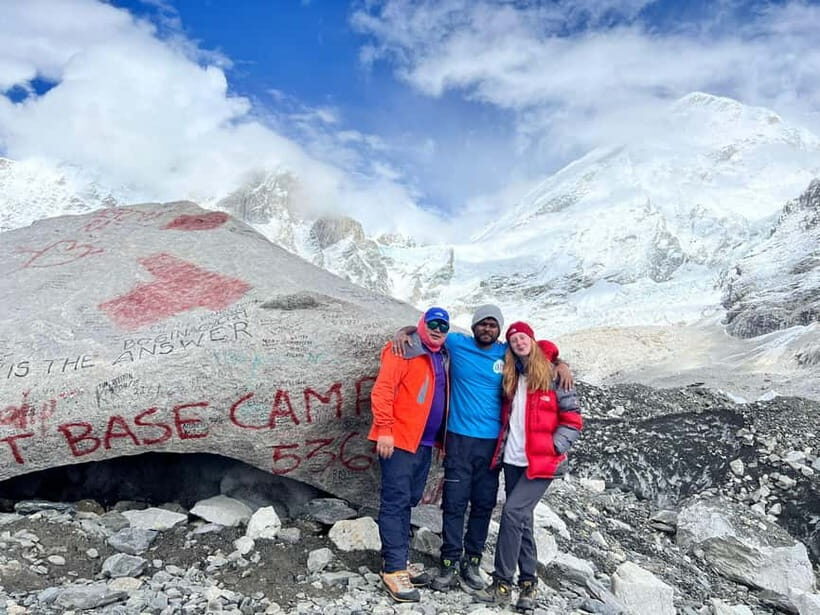
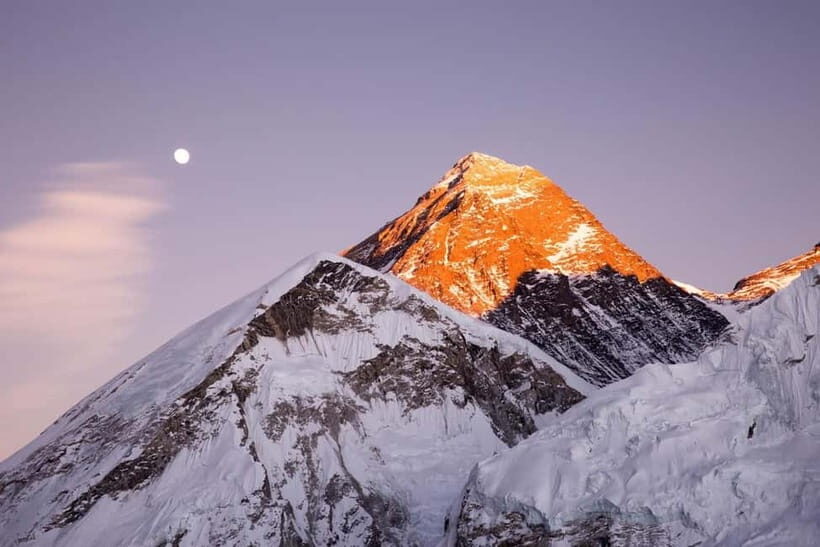
Day 8 is the big one. You trek from Lobuche via Gorakshep, then go on to Everest Base Camp at 5,364 meters. This is described as one of the most rewarding parts of the excursion, and it makes sense: you’re doing the classic EBC approach where the glacier views feel close and immediate.
You’ll follow rocky paths along the way. That means foot placement and balance matter. Your guide’s job becomes even more important here, because it’s not just about getting there—it’s about doing it safely at altitude.
After EBC, you return to Gorakshep for the night.
Kala Patthar and Pheriche: the viewpoint and the recovery
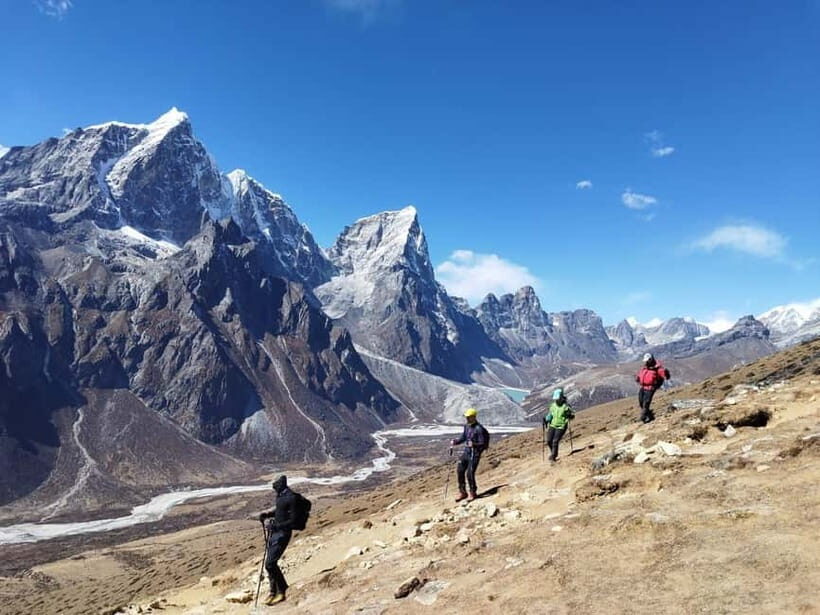
Day 9 hikes from Gorakshep to Kala Patthar (5,545 meters), then descends to Pheriche (4,243 meters) for overnight. Kala Patthar is the “work for the view” day. Even when your legs feel heavy, it tends to be worth it because it offers one of the highest viewpoint pushes on the trek.
Then you drop in altitude to Pheriche. That descent is a relief for your breathing and legs, and it sets up the return journey without burning you out.
The return: Tyangboche, Namche, then Lukla
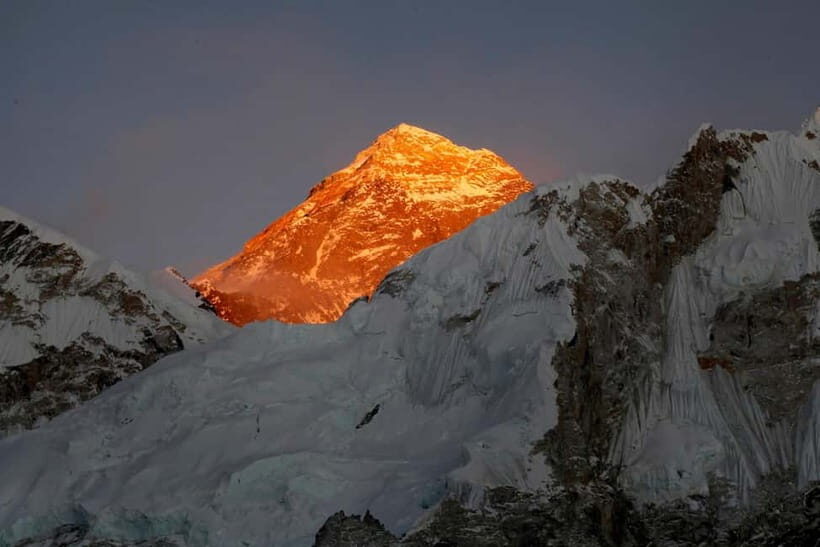
Day 10 is a descent loop: you hike from Pheriche back toward Tyangboche (3,867 meters), then continue trekking back toward Namche Bazaar (3,440 meters) where you’ll spend the night.
Day 11 goes from Namche Bazar back to Lukla, with a final night in Lukla. This is still hiking, but the mood often shifts. You’re back in familiar towns and the “we’re going to Everest” anxiety turns into “we’re almost done.”
Day 12 is an early morning flight back to Kathmandu. You’ll be transferred to your hotel by the tour representative, and then you can finally sleep at normal altitude.
Lodges, meals, and what comfort really means on this trek
Accommodations during the trek are included in lodges/tea houses. You also get key gear if you need it: a jacket, a sleeping bag, and a duffle bag (if required or requested). That’s a practical inclusion, because cold nights aren’t a theoretical problem at these elevations.
What’s not included is the biggest day-to-day cost at the table: meals (breakfast, lunch, dinner) during the trek are not included. You’ll also be on your own for alcoholic and non-alcoholic drinks.
Also note: hot showers and internet are not included during the trek. That doesn’t mean you never encounter them, but you shouldn’t plan around it. The real comfort win here is clothing layers and using the sleeping bag you’re provided.
Guides, safety, and why names matter on Everest routes
This trip is led by an experienced, helpful, and friendly guide, and the group uses an English live tour guide. In real departures, specific leaders have stood out for making people feel safe in tough conditions.
People highlighted guides like Padam, Nishan, Rohan, and Adhish for being attentive and adjusting the pace to needs. Others mentioned support from Hari as part of the pre-trip preparation and overall management.
That focus on safety is not just a nice-to-have on an Everest Base Camp itinerary. Weather shifts, fatigue builds, and altitude changes how your body behaves. A guide who knows how to manage risk turns the trek from intimidating into doable.
Price and logistics: what your $1,002 is really covering
At $1,002 per person for 12 days, the value mostly comes from what’s included in the operating side, not just the trekking part.
Included items you should count:
- Return domestic flight between Kathmandu and Lukla
- Airport pickup and drop-off plus domestic airport transfers
- Sagarmatha National Park entrance permit and fees
- TIMS card fees and required paperwork handling
- Lodges/tea houses for nights during the trek
- Guide support (salary, food, drinks, accommodation, transportation, insurance)
- Government taxes, VAT, and official expenses
What you should plan to pay separately:
- Meals during the trek
- Drinks (alcoholic and non-alcoholic)
- Porter service (available at extra cost; one porter can assist up to 25 kg for up to two guests)
- Hot showers and internet during the trek
- Travel insurance
On balance, this is a price that makes sense if you want an organized, guided route with permits handled for you. If you were hoping for a package where meals, drinks, and porter are included too, you’ll want to budget extra.
One more logistics point that matters for your sanity: luggage or large bags are not allowed. The trek is built around carrying only what you can manage and what the program allows, so pack smart from day one.
Who should book this trek, and who should think twice
This is a strong fit if you:
- want a guided Everest Base Camp experience with a small group
- like structured acclimatization days (Namche and Dingboche)
- plan to do tea house lodging and accept that meals/drinks are on your own
It’s not suitable for:
- pregnant women
- people with heart problems
- wheelchair users
Also remember you’ll need a passport, and you’ll want to be ready for a trek where cold nights and thin air are part of the deal.
Should you book this Everest Base Camp guided trek?
I’d book it if you want a guided, permission-handled, well-paced route with English support and lodging included. The combination of a capped group size and planned acclimatization days makes it feel more controlled than DIY trekking.
Skip it (or talk to your doctor first) if you’re dealing with conditions listed as not suitable, or if you’re not prepared for cold nights and for meals being separate from the package cost. This trek gives you the structure; you bring the stamina and smart packing.
If that sounds like your kind of Himalaya challenge, you’ll likely appreciate how the days add up: villages, suspension bridges, big peak moments, then the EBC and Kala Patthar days that anchor the whole trip.
FAQ
What’s included in the trek package?
You get hotel pickup and drop-off in Kathmandu (and also Bhaktapur and Lalitpur), the Kathmandu–Lukla return flight, domestic airport transfers, national park entrance permits (Sagarmatha National Park), TIMS card fees, and accommodations in tea houses/lodges during the trek. The guide is included too, including guide insurance and support costs.
Are meals on the trek included?
No. Breakfast, lunch, and dinner during the trek are not included, and drinks (non-alcoholic and alcoholic) are also not included.
Is a porter included?
No, porters are not included in the base price. A porter can be arranged for an additional cost, and one porter can assist up to 25 kg for up to two guests.
Do I get hot showers or internet?
Hot showers and internet are not included during the trek.
Can I cancel for a refund or pay later?
Yes. You can cancel up to 24 hours in advance for a full refund. You can also reserve now and pay later, with the option to pay nothing today.
What do I need to bring, and is all luggage allowed?
Bring your passport. Luggage or large bags are not allowed. You’ll want to pack within what the trek permits so you don’t create problems for the group and logistics.
If you want, tell me your travel month and your trekking comfort level (easy walks vs steady hiking), and I’ll help you sanity-check the cold-night and altitude demands for your specific season.