REVIEW · KATHMANDU
Mohare Danda Trek
Book on Viator →Operated by Trekking Trail Nepal · Bookable on Viator
Big peaks, small-footprint trekking. The Mohare Danda Trek in Nepal mixes Himalayan viewpoints with community lodge stays and a mission tied to education and women empowerment. You also get a “circuit-style” flow that keeps moving forward without turning the whole trip into a suffering contest.
I especially like the way this trek is built around community welfare—your spending is meant to support education, economy, and rural development. I also like that the approach is structured around reliable logistics: you get a guide/porters team, permits handled, and real trek gear included for the higher point.
One consideration: this experience is weather-dependent, so if conditions are poor, you may need to shift dates. If you have joint issues or you struggle with stone-stair descents, tell the team early so they can help route you more comfortably.
In This Review
- Key things to know before you go
- Mohare Danda’s Real Hook: Community Lodges With Women-Led Impact
- Route Overview: How This 10-Day Circuit Stays Manageable
- Day 1–2: Thamel Arrival to Pokhara and a Phewa Tal Stop
- Day 3–4: Beni Bazaar to Ramche, Then Toward Nagi Village
- Day 5–6: From Nagi to Mohare Danda, Where Sunrise Takes Center Stage
- Day 7–8: Tikot Village Life, Viewpoints Like Thula Kharka, Then Basari
- Day 9–10: Back to Kathmandu From Pokhara and Off to the Airport
- Guide, Porters, Permits, and Safety Gear Included
- Meals, Sleeping Gear, and What $799 Really Covers
- Practicalities: Water, Footwear, Weather, and Stone Stairs
- Who This Trek Suits Best (and Who Should Adjust the Plan)
- Should You Book Mohare Danda Trek? A Decision Checklist
- FAQ
- How long is the Mohare Danda Trek?
- What is the cost of the Mohare Danda Trek?
- Do I get pickup and airport transfer support?
- How big are the groups?
- What’s included in the trekking package?
- Do I need to bring a sleeping bag and down jacket for Mohare Danda?
- Are meals included during the trek?
- What if I have joint problems or trouble going down stone stairs?
- Does the trek depend on weather?
Key things to know before you go
- Community lodge stays support local livelihoods and help fund education and women empowerment goals
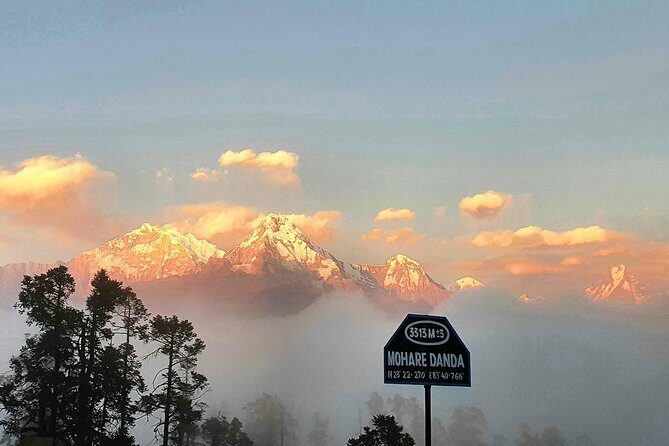
- Sunrise at Mohare Danda (3,313 m) is the headline moment for big mountain-photo time
- Up to 42 peaks are part of the viewing promise, including Annapurna, Dhaulagiri, and Manaslu
- Shorter, easier circuit planning focuses on viewpoints, villages, and a peaceful rhythm
- Safety and comfort basics included like a first-aid kit, oxygen monitor, and high-point sleeping gear
Mohare Danda’s Real Hook: Community Lodges With Women-Led Impact
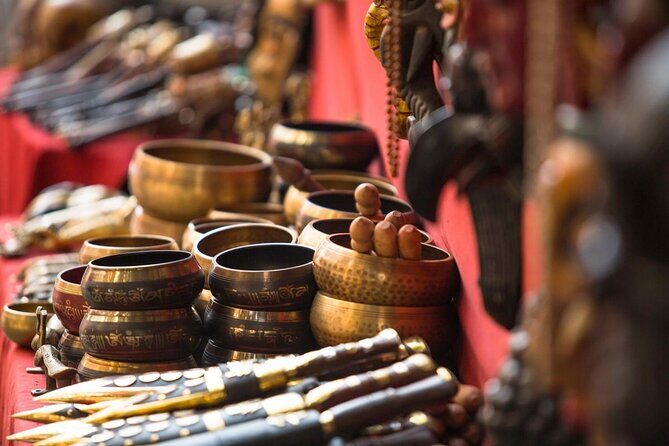
The best part of the Mohare Danda Trek is the why behind the trek—not just the scenery. This route is designed as a community trek that aims to support education, economy, and women empowerment, with benefits meant to land directly in rural villages.
You’ll also be walking through culturally layered villages, including communities connected to Poon Magar traditions. The “new, easy, short and peaceful circuit” framing makes sense here: it’s not only about chasing views. It’s about spending your time in places where your presence helps keep services and livelihoods moving.
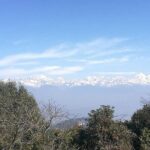
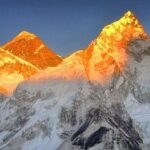
And yes, the views are a major reason people book this trek. The program talks about potentially seeing up to 42 peaks, including three of Nepal’s famous 8,000-meter giants: Annapurna, Dhaulagiri, and Manaslu. That kind of promise matters only if the weather cooperates, but the whole trek is paced to make sunrise and viewpoints count.
You can also read our reviews of more hiking tours in Kathmandu
Route Overview: How This 10-Day Circuit Stays Manageable
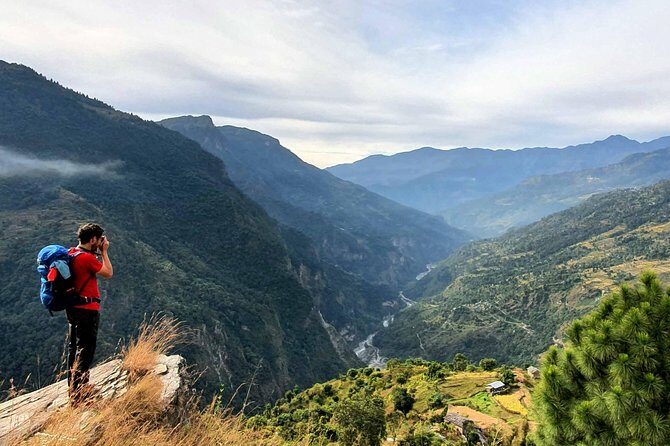
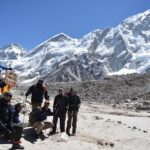
This is an around-the-mountains style trek, but not an exhausting “push to the max” itinerary. The day structure is built around a few key transitions: driving into the trek region, settling into village walks, reaching the highest point at Mohare Danda, then finishing by moving back down toward the Basari area.
Pace-wise, you’ll have walking days described around several hours at a time (for example, about 4–6 hours for the trek portion leading toward Mohare Danda). That’s why it’s marketed as easy and short. You’re still in Nepal’s hills and you should expect uneven paths, but the route doesn’t read like a technical climbing trip.
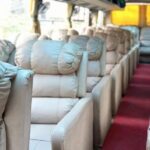
The bigger time demands are often the road days. You’ll do a long drive on day 2 (about 6–7 hours for the 200 km trip toward Pokhara), and then you’ll return with another long overland day near the end. If you’re someone who hates sitting in a vehicle, plan on making those travel days more comfortable with snacks, water, and layers.
Day 1–2: Thamel Arrival to Pokhara and a Phewa Tal Stop
Day 1 is all about getting oriented. After arriving at Tribhuvan International Airport in Kathmandu and clearing immigration, you meet a representative for pickup support. Then the trip focuses on getting you settled in Kathmandu’s Thamel area.
Day 2 shifts west to Pokhara. You’ll travel roughly 200 km along the Prithivi Highway, and that drive takes around 6–7 hours. It’s a classic Nepal transfer day: not hard in the “hike” sense, but long enough that you’ll want to treat it like a real travel day, not a quick commute.
You also stop at Phewa Tal during this transfer stretch. Even if you don’t spend long, it’s a nice waypoint because it signals you’re moving from Kathmandu’s hustle into Pokhara’s lake-and-mountain zone.
Day 3–4: Beni Bazaar to Ramche, Then Toward Nagi Village
On day 3, you start the trek from Beni Bazaar. Before your first walking day even begins, you’ll make another road transfer from Pokhara—about 4 hours—to get you positioned for the trail.
This is one of the practical strengths of the Mohare Danda Trek: you’re not left guessing how you’ll get to the trailhead. Permits and documentation are handled as part of the package, and the whole start feels organized so you can focus on the walking.
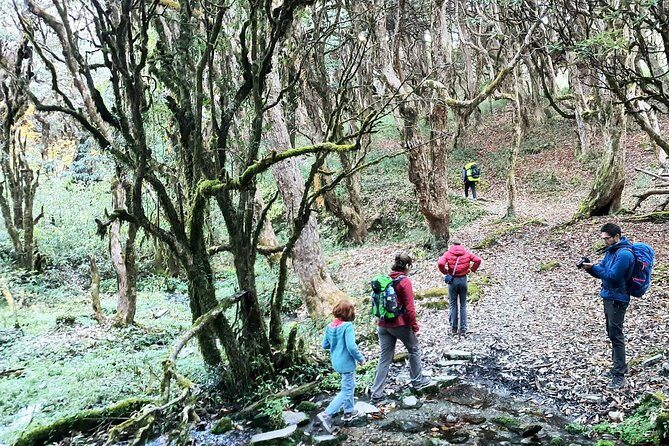
Day 4 brings the village-and-nature part more clearly. You’ll walk along the trail toward Nagi Village, with the route described as pristine for both nature and culture. You’re not just moving through farmland-you’re meeting community life in the way the trail passes between settlements and viewpoints.
Day 5–6: From Nagi to Mohare Danda, Where Sunrise Takes Center Stage
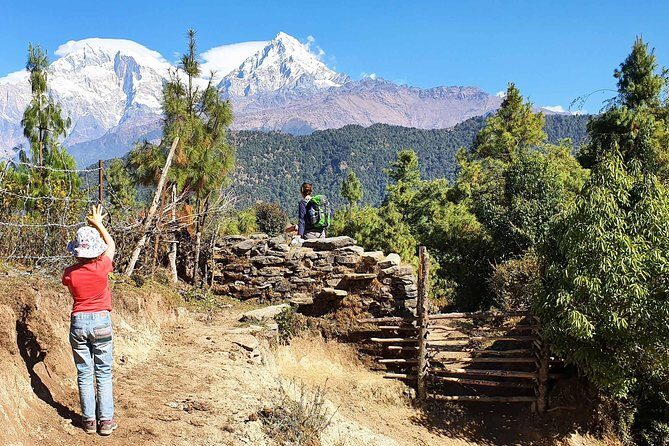
Day 5 is the push to the destination area. After breakfast at Nagi, you trek toward Mohare Danda, described around 4–6 hours on the trail. This is usually where the “why did I book this?” feeling becomes real, because the views start tightening in as you gain elevation.
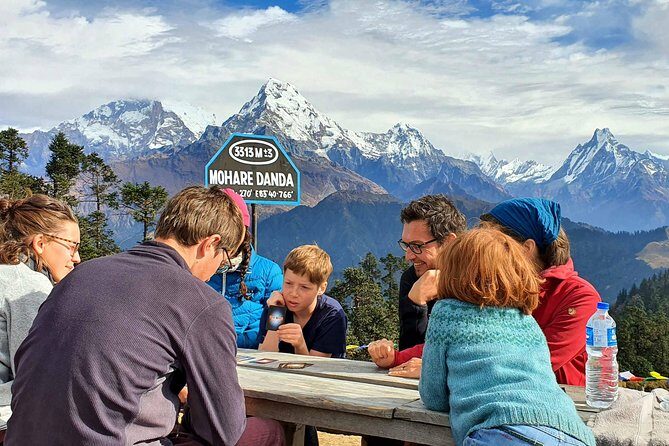
Day 6 is your big payoff day at the highest point of the trek: Mohare Community Lodge at 3,313 m. The focus is sunrise and Himalayan views, which is exactly what you want at a high-point lodge. This is also where the package shows its practical side: sleeping gear for the higher elevation is included, including a sleeping bag and down jacket for Mohare Danda.
If you’re the type who likes photos, this is your moment. And if you’re not, it still matters because sunrise tends to reveal the “depth” of mountain views—something you don’t get at midday when haze often softens the edges.


Day 7–8: Tikot Village Life, Viewpoints Like Thula Kharka, Then Basari
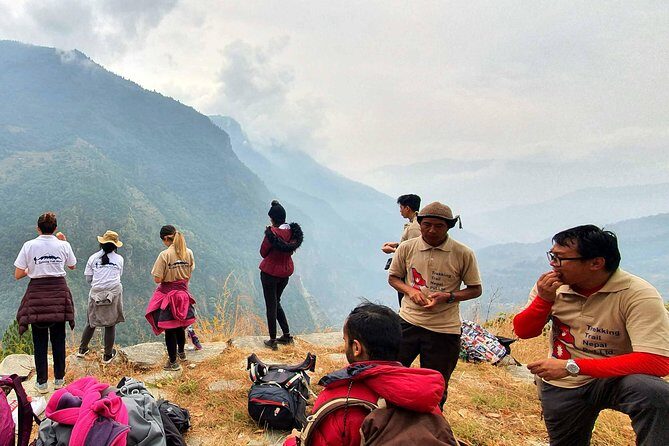
Day 7 brings you toward Tikot village, with the walking route passing through viewpoints such as Thula Kharka and Sikha Danda. The trek is described as passing through an ethnic Magar settlement, which adds cultural texture to the day beyond “walk and look.”
I like this kind of day because it’s not only about reaching a summit. You’re moving through places that still feel lived-in. That’s where community treks work best: you’re spending time with people, not just photographing peaks.
Day 8 is the final stretch of the trekking portion, walking toward Basari. This is a good day to pace yourself. You’re not starting over from Kathmandu—you’re finishing the trek, so your body will appreciate steady, unhurried steps.
Day 9–10: Back to Kathmandu From Pokhara and Off to the Airport
On day 9, you drive back from Pokhara to Kathmandu—about 7 hours overland. Once you reach Kathmandu, you get rest time. This is the day to do normal human things again: hydrate, eat something you recognize, and let your legs recover.
Day 10 ends with airport transfer support to Tribhuvan International Airport. It’s a clean wrap-up: finish the trek, then get out without extra complications.
If you’re planning a longer Nepal trip, this sequence also gives you a neat bookend. The trek is separate from the chaotic start you might otherwise have when jumping straight into the mountains.
Guide, Porters, Permits, and Safety Gear Included
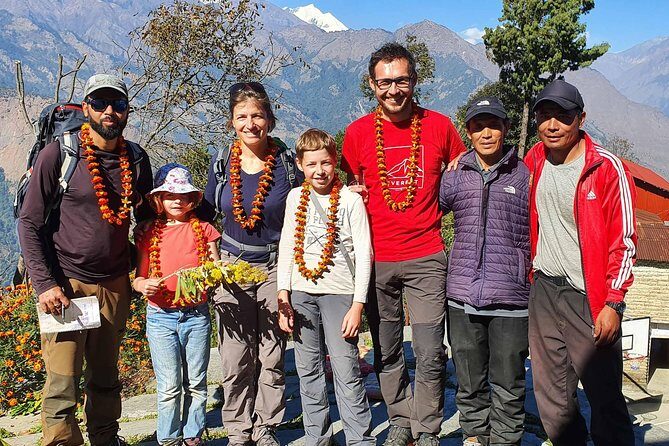
One of the most reassuring parts of the Mohare Danda Trek package is what it assigns to the guide and porter team. The trip includes their wages, insurance, and gear. It also includes trek permits and documentation, so you’re not hunting paperwork right before the trail.
The guide work gets praised in feedback for being professional, helpful, and supportive. Names that come up include Apar and Lokendra, and porters such as Ashishm and Joyendra appear in past small-group experiences. Even if you get a different team, it’s a good sign the company invests in people, not just routes.
For safety, you get a first-aid medical kit plus an oxygen monitor, which is a smart inclusion even at the elevation of this trek’s high point. This is the kind of backup you hope never to use, but you’re glad it’s there.
Meals, Sleeping Gear, and What $799 Really Covers
At $799 per person for about 10 days, this trek isn’t priced like a bare-bones DIY plan. You’re paying for coordination (transfers, permits, team staff), plus gear and support that reduces what you’d otherwise buy or arrange yourself.
Meals included are substantial for a trek: 9 breakfasts, 6 lunches, and 5 dinners. That matters because food planning is half the battle on trekking trips. When meals are already built into the schedule, you spend less mental energy guessing what’s available on the trail.
You’re also given practical trekking extras: a complimentary trekking duffle bag and a free Mohare Danda Trek map. And because Mohare Danda is the highest elevation point of this route, you get the most important comfort items for cold conditions: sleeping bag and a down jacket for that segment.
What’s not included is equally important. Tips for guides/porters are not included, and drinking water and personal snacks/drinks aren’t. Lunch and dinner in Kathmandu and Pokhara aren’t included either. So budget a bit for the everyday stuff, especially for water and personal comforts.
Practicalities: Water, Footwear, Weather, and Stone Stairs
Let’s talk about what can actually affect your comfort day to day.
First: weather. The experience requires good weather, and if it’s canceled due to poor conditions, you’ll be offered a different date or a full refund. That means your planning should include flexibility, especially if you’re traveling around Nepal’s seasons.
Second: stairs and descents. The trip notes assistance for people with joint problems if you let the team know. It specifically mentions difficulty hiking down on stone stairs, and says they can help route you on an easier path. So don’t be shy about telling them early—this is exactly what pre-trip info is for.
Third: water and daily supplies. Drinking water isn’t included, and personal snacks and drinks come from you. Plan to carry what you can, and keep your day-pack realistic. Don’t overload it just because you’re anxious.
Footwear matters too, even if it sounds obvious. You’ll be on uneven paths, and a grippy sole makes you walk calmer. Your calves might still grumble, but you’ll at least avoid slipping and feeling frustrated.
Who This Trek Suits Best (and Who Should Adjust the Plan)
This trek is a strong fit for you if you want Nepal’s mountain views but prefer a community-focused route with supported logistics. You don’t need technical climbing skills. Most travelers can participate, and the package includes documentation, guide support, and gear for the higher elevation.
It also fits you if you like cultural village walking. The route passes through Magar settlement areas and includes community lodge stays, so the “people part” of Nepal isn’t an afterthought.
You might want to adjust expectations if you hate long drives. Day 2 and day 9 are both long overland segments, and they take time. It’s doable, but it’s not a short transfer.
If you have joint concerns, tell the team early so they can assist with a better route. Service animals are allowed as well, if that’s part of your situation.
Should You Book Mohare Danda Trek? A Decision Checklist
Book it if these match your style:
- You care about women empowerment and community welfare, not just views
- You want a circuit trek with community lodge stays and village life on the route
- You like the idea of sunrise at 3,313 m with a serious chance at wide mountain views
- You want a package that handles permits and gives trek gear where it matters
Think twice or ask more questions first if:
- You need a perfectly predictable schedule because the experience requires good weather
- You strongly dislike long car days between Kathmandu, Pokhara, and the trek gateway
- You have mobility limitations and haven’t planned to share them early for easier routing
If you want value, this is one of those treks where the price feels more connected to the basics that reduce stress—team support, permits, meals, and cold-weather sleeping gear for the high point. In the end, Mohare Danda isn’t only about what you see. It’s about how the trip is designed to leave something positive behind.
FAQ
How long is the Mohare Danda Trek?
It’s listed as about 10 days.
What is the cost of the Mohare Danda Trek?
The price is $799.00 per person.
Do I get pickup and airport transfer support?
Pickup is offered, and the trip includes transfer to the airport on the final day.
How big are the groups?
The tour/activity has a maximum of 11 travelers.
What’s included in the trekking package?
It includes guide and porters (wages, insurance, and gears), permits and documentation, a certification of achievement, first-aid kit and oxygen monitor, and sleeping bag plus down jacket for Mohare Danda. It also includes all ground transportation, meals (9 breakfasts, 6 lunches, 5 dinners), a trek map, a duffle bag, and a short visit of Baglung High Bridge.
Do I need to bring a sleeping bag and down jacket for Mohare Danda?
No. The package includes a sleeping bag and down jacket for Mohare Danda.
Are meals included during the trek?
Yes. Breakfast is included 9 times, lunch 6 times, and dinner 5 times.
What if I have joint problems or trouble going down stone stairs?
Let the company know ahead of time. They say they can assist you with an easier route if you have difficulty with stone-stair descents.
Does the trek depend on weather?
Yes. The experience requires good weather, and if it’s canceled due to poor weather, you’ll be offered another date or a full refund.