REVIEW · KATHMANDU
Smells of Kathmandu Walking Day Tour
Book on Viator →Operated by Classic Escapades · Bookable on Viator
Old Kathmandu hits fast. This small-group walk takes you through Asan and surrounding market lanes, where daily life, food ingredients, and shopping streets meet between Durbar Square and Thamel.
Two things I really like: the focus on what locals actually buy (spices, produce, grains, pulses, and more) and the storytelling-led pace that helps you understand the place instead of just passing through it. One possible drawback: the area is crowded and intense, so if you’re sensitive to smells or tight spaces, you may want to plan for that.
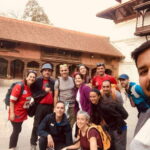
You’ll move at a human pace for about 2 hours 30 minutes, with time spent mostly in the Asan market area plus stops at spots like Indrachowk and the bead bazaar. Hotel pickup can be arranged, and you’ll get a mobile ticket. The group stays small (max 10), which matters here because navigating narrow streets is easier when you’re not squeezed into a big crowd.
In This Review
- Key points at a glance
- Why the Asan area is the heart of this walk
- The 2:45 pm timing and the 2.5-hour pace
- Meeting point: a practical start in Tridevi Sadak
- Entering the market lanes around Durbar Square and Thamel
- Asan stop: spices, staples, and stories you can actually use
- A useful way to think about it
- Indrachowk: a different slice of the street economy
- Bead bazaar: craft shopping with texture
- Bangemudha and Nardevi: adding depth beyond the loudest streets
- Guides make or break a market walk
- What you might buy, and how not to overspend
- Who this tour suits best
- Price and value: is $28 worth it?
- Weather and comfort: plan for the market reality
- Should you book this Kathmandu walking day tour?
- FAQ
- How long is the Kathmandu walking day tour?
- What time does the tour start?
- Where is the meeting point?
- Is hotel pickup available?
- What’s included in the price?
- What is not included?
- How many people are in the group?
- Is a mobile ticket used?
- Will I get the same language guide as shown in examples?
- What’s the cancellation policy?
Key points at a glance
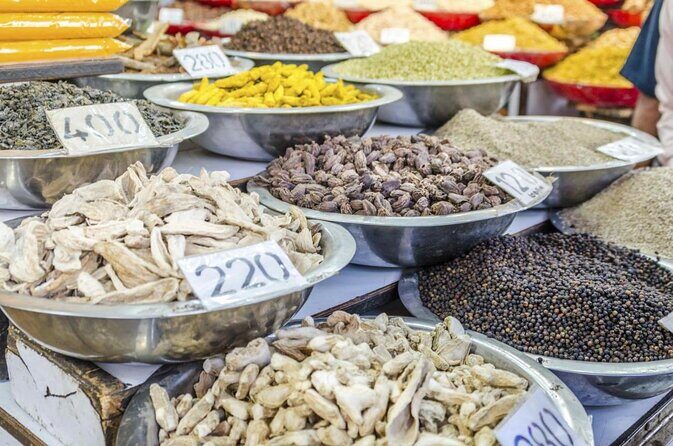
- Asan is the main event: spices, produce, fish, meat, grains, and pulses you’d recognize from local kitchens
- Small group navigation: max 10 people keeps the walk manageable in tight alleys
- Stops beyond the obvious: Indrachowk and the bead bazaar help you see different parts of Old Kathmandu commerce
- Guides add meaning: expect stories and product explanations so the market makes sense
- Good for orientation: you get a practical wayfinding view of Old Kathmandu before you explore on your own
Why the Asan area is the heart of this walk
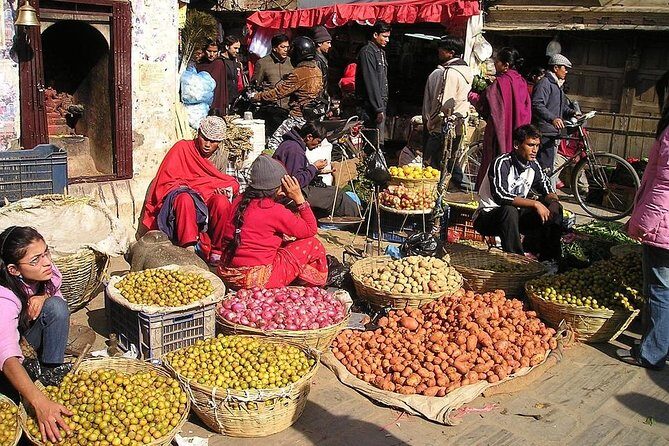
If you want Kathmandu by the senses, this is a strong choice. The tour concentrates on Asan and the streets around it, and that’s where you’ll notice the market rhythm quickly. You’ll see stalls and everyday trading for food staples and ingredients, not just souvenirs.
I like that the experience is built around real shopping categories you can connect to meals and daily life: spices, fruit and vegetables, fish and meat, grains and pulses. Even if you never buy anything, that structure helps you read what you’re looking at. It’s the difference between seeing a market and understanding the market.
You can also read our reviews of more walking tours in Kathmandu

The 2:45 pm timing and the 2.5-hour pace
The start time is 2:45 pm, and the walk runs about 2 hours 30 minutes. Late afternoon is useful in Kathmandu for two reasons: the day’s heat often feels more manageable than mid-afternoon, and you get a smooth lead-in to early evening street life.
This is not a long trek or a full-day sightseeing marathon. It’s a focused hit. That works if you like shorter tours that still give you enough grounding to explore afterward—especially in a dense area where it’s easy to get turned around.
Meeting point: a practical start in Tridevi Sadak
You’ll meet at the Karmachari Sanchaya Kosh Building, Tridevi Sadak, Kathmandu (and you return to the same point at the end). That’s helpful because you’re not ending miles away and trying to map your way back on your own.
If you arrange hotel pickup, it can make this feel easier—less pre-walk logistics, more time to just start moving. Either way, the tour is designed like a guided “grab the bearings fast” session for Old Kathmandu streets.
Entering the market lanes around Durbar Square and Thamel
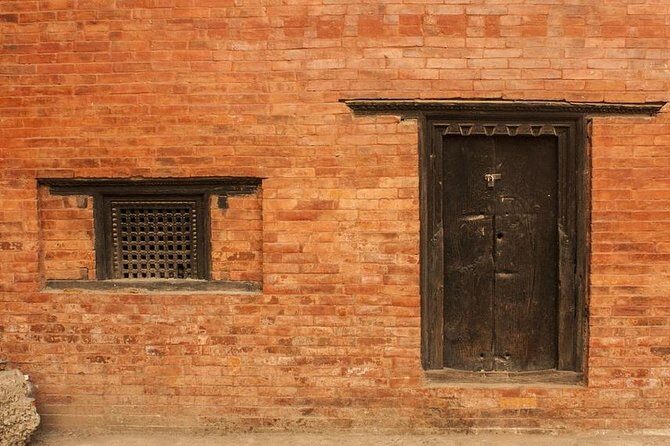
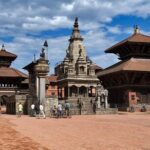
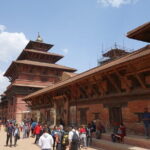
One of the tour’s strengths is its position between the well-known zones of Durbar Square and Thamel. You get the connection to the main sights while spending most of your time where many visitors don’t linger: the local market lanes that sit in between.
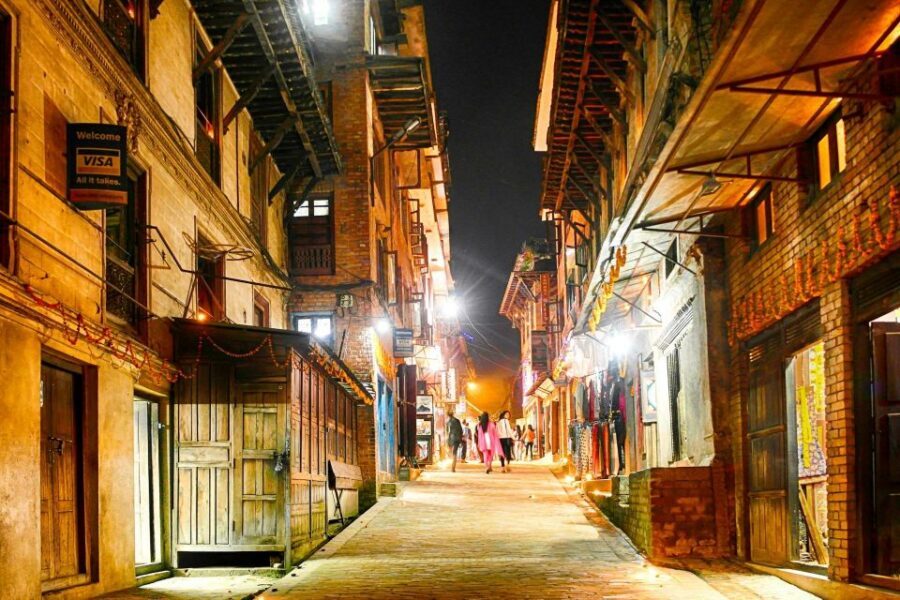
Expect lots of pedestrian movement. You’ll also see scooters and everyday traffic woven into the street life. The whole point is to show you the normal flow—locals moving through shopping errands, not staged tourist paths. If you’ve only experienced Kathmandu through a few major landmarks, this walk helps you understand the city’s “in-between” spaces.
Asan stop: spices, staples, and stories you can actually use
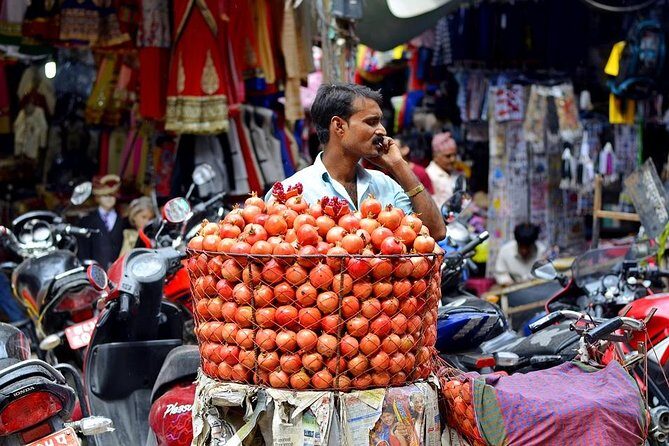
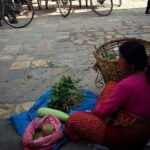
Asan is where the time goes. This is the market stretch that sells the ingredients that form the baseline of local cooking and daily food shopping. You’ll pass through areas where you can spot spices, fruit and vegetables, grains, pulses, and protein ingredients like fish and meat.
What makes this stop valuable is the way the guide frames what you’re seeing. Instead of random stall-to-stall wandering, you get explanations about local ingredients and what they’re used for. That turns the smells and colors into something you can remember later when you order food or shop on your own.


A useful way to think about it
If you go in expecting a “see it, photograph it” market tour, you might miss the bigger payoff. The real value is learning how locals categorize goods—what goes together, what’s bought for everyday use, and how the market supports daily meals.
Indrachowk: a different slice of the street economy
The walk also includes Indrachowk, another local focal point in the Old Kathmandu area. Even though your time is centered on Asan, the inclusion of Indrachowk helps break up the market intensity and shows a different angle of the city’s shopping and street activity.
For many first-time visitors, it’s easy to treat Old Kathmandu as one big market. Stops like Indrachowk correct that. You start to see how different street areas serve different needs and shopping habits.
Bead bazaar: craft shopping with texture
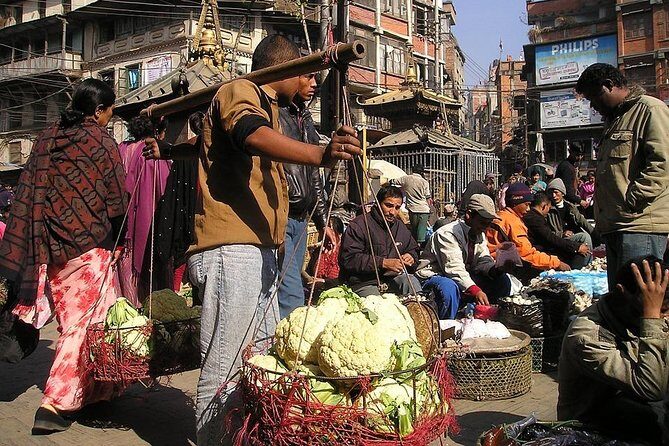
Another highlight is the bead bazaar. This is where you get a shift from food ingredients to craft and decorative commerce. Even if you don’t plan to buy, it helps to see how Kathmandu’s commerce isn’t only about markets for food—it also supports materials, accessories, and handcrafted goods.
This stop tends to be a visual one. You’ll likely notice how merchandise is arranged and how people browse. It’s a good moment to slow down just enough to watch without getting overwhelmed by the faster food-market flow.
Bangemudha and Nardevi: adding depth beyond the loudest streets
The tour route also includes surrounding areas such as Bangemudha and Nardevi. These names matter because they signal a broader sweep of Old Kathmandu neighborhoods rather than a straight line from one “must-see” landmark to the next.
These stops also help with orientation. Kathmandu’s old streets can feel like a maze if you’re alone. By the time you’ve walked through multiple neighborhood pockets, you’ll have a clearer sense of how areas connect.
Guides make or break a market walk
In a market like Asan, the guide isn’t just there for talking. They’re there for interpretation and flow. Several experiences like this stand or fall based on whether the guide can turn what you see into something you understand.
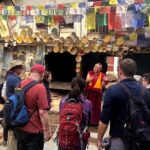
One example from prior participants: a German-speaking guide named Rajendra is described as speaking perfect German and explaining everything in detail during the walk. Another guide, Sunil, is specifically praised for taking people into narrow streets and alleyways that many tourists don’t tackle on their own.
You can think of guides here as your shortcut through two challenges at once:
- understanding what products are and why they matter
- moving through crowded lanes without losing your bearings
What you might buy, and how not to overspend
Food and drinks aren’t included, and shopping is not included either—so you’re in control of spending. That’s a good setup, because markets like Asan can tempt you into impulse buys.
If you want to keep it simple, I’d treat the tour like “learn first, shop later.” Use the guide’s explanations to figure out what you’re actually looking at. Then, if something catches your eye, you’ll know what it is and how it fits into the local everyday routine.
Also, it’s normal to take a break for tea during the walk. One guide experience mentions stopping for delicious tea at a local place. Since drinks aren’t included, you’ll pay on your own—but it’s a nice way to reset if the market gets intense.
Who this tour suits best
This walking day tour is a strong match for:
- first-time visitors who want practical orientation in Old Kathmandu
- food-curious travelers who like learning the ingredients behind dishes
- people who enjoy markets but want more meaning than a quick photo stop
- anyone who prefers small groups for comfort in crowded spaces
It’s less ideal if:
- you’re very sensitive to strong smells, dense crowds, or tight alley navigation
- you prefer quiet, landmark-only sightseeing
Price and value: is $28 worth it?
At $28 per person for about 2.5 hours, the value comes from how focused the experience is. You’re not paying for transport for a full-day itinerary. You’re paying for guided interpretation in a specific, high-density market zone where you’d struggle to understand what you’re seeing without local context.
The best part for value is the combination of:
- a small group size (max 10)
- an in-person guide with expert info
- the concentration on Asan and nearby street markets, not random stops
If you’ve ever wandered through a market and felt like you were just watching motion, this tour is designed to prevent that. You walk out with a mental map plus product knowledge you can use immediately.
Weather and comfort: plan for the market reality
This tour requires good weather. If conditions aren’t right, you may be offered a different date or a refund. That’s important because the route is mostly outside, and it’s a walking experience through busy street segments.
For comfort, plan for crowded lanes and bring the mindset that you’re walking through working city streets. You’ll likely stand close to stall displays, and you may need to pause to let foot traffic move around you.
Should you book this Kathmandu walking day tour?
I’d book it if your goal is to understand Kathmandu’s everyday shopping culture. The Asan-centered route makes it efficient. And the guide-led explanations—especially for people who can speak clearly about ingredients—turn this from a simple walk into something you remember when you later eat, shop, or explore on your own.
Skip it if you want a relaxed, quiet cultural stroll or if tight crowds and strong smells would stress you out. But if you’re up for street-level Kathmandu, this is a smart use of a couple of hours.
FAQ
How long is the Kathmandu walking day tour?
It lasts about 2 hours 30 minutes (approx.).
What time does the tour start?
The start time is 2:45 pm.
Where is the meeting point?
You meet at Karmachari Sanchaya Kosh Building, Tridevi Sadak, Kathmandu 44600, Nepal, and you return to the same point.
Is hotel pickup available?
Yes. Hotel pick up can be arranged.
What’s included in the price?
An in-person guide with expert information is included, along with a cultural experience. An admission ticket is indicated for the Asan portion.
What is not included?
Gratuities, food, drinks, and shopping are not included.
How many people are in the group?
The tour has a maximum of 10 travelers.
Is a mobile ticket used?
Yes, the tour includes a mobile ticket.
Will I get the same language guide as shown in examples?
The tour data doesn’t guarantee a specific language, but one guide named Rajendra is described as speaking perfect German in a past experience. Your guide may vary.
What’s the cancellation policy?
You can cancel for a full refund up to 24 hours before the experience starts. If it’s canceled due to poor weather, you’ll be offered a different date or a full refund.