REVIEW · KATHMANDU
Monkey Temple – Swayambhunath Tour – Private/Small Group
Book on Viator →Operated by Amazing Kathmandu Tours · Bookable on Viator
Swayambhunath packs a lot of meaning into 3 hours. This small-group tour threads together Monkey Temple legends, the origin stories of the Kathmandu Valley, and real temple life with a guide named Santosh. You start in Thamel, walk through the Swayambhu hillside neighborhoods, and finish back where you began.
I especially like the way the tour uses story to make the religious sites click. Santosh connects Hindu and Buddhist ideas as you move between shrines, instead of treating everything like a quick photo stop. A second standout for me is the small group size (max 5) and the comfortable walking pace, which makes it feel friendly and not rushed.
The one thing to consider: you’ll be in a place with steps and hill movement. The tour says travelers should have moderate fitness, and it specifically notes it is not advised for severe asthma and knee problems—so be honest with your body before you sign up.
In This Review
- Key things I’d highlight before you book
- Why This Swayambhunath Monkey Temple Tour Feels Worth It
- Price and Value: What the $15 Really Buys
- Meeting in Thamel: Pumpernickel Bakery as Your Easy Start
- The Hill Route Begins: Indrayani/Luti Ajima and Bijeshwori
- Bhagwan Pau: Rest, Water, and the 365 Stairs Start
- Swayambhunath (Monkey Temple): The Main Stupa and the Origin Stories
- Harati Ajima Temple: The Mother Harati Story Behind the Pagoda Style
- World Peace Pond: A Brass Buddha Pause on the Western Side
- Manjushree Temple: Valley Legends and a Western View
- Amideva Buddha Park: Giant Idols and Big-Scale Buddhism
- Shova Bhagawati: The Bishnumati River and a Hindu Anchor
- Walking Back to Thamel: A Finish That Doesn’t Feel Abrupt
- Who Should Book This Monkey Temple Small-Group Tour
- Should You Book It?
- FAQ
- How long is the Monkey Temple – Swayambhunath Tour?
- How big is the group?
- Where do we meet, and where does the tour end?
- Is an English-speaking guide included?
- Do I need to pay an entrance fee at Swayambhunath?
- Are tickets included for every stop?
- Is this tour suitable for everyone physically?
Key things I’d highlight before you book
- Max 5 people means more time for questions and slower, clearer explanations
- Santosh’s storytelling ties together Hindu and Buddhist connections as you walk
- Stops across the hill go beyond Swayambhunath to places like Harati Ajima, Manjushree, and Shova Bhagawati
- You get a built-in rest at Bhagwan Pau before the main entrance area
- Entrance is mostly handled for several temples, with only Swayambhunath requiring a separate cash fee
- Solo-friendly vibe based on real feedback about feeling safe and comfortable while walking
Why This Swayambhunath Monkey Temple Tour Feels Worth It
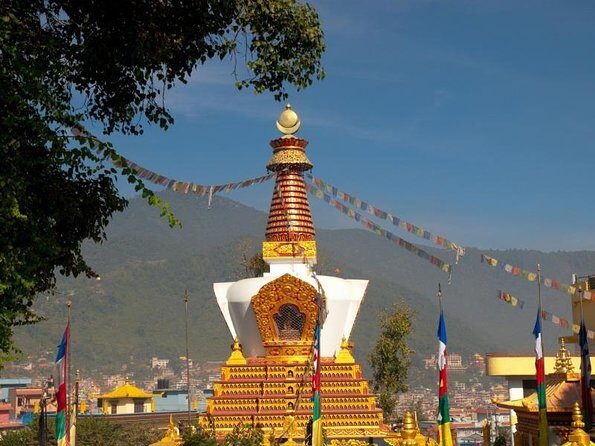
If Kathmandu has a single “must-do” hilltop complex, it’s Swayambhunath—often called the Monkey Temple. This tour earns its place by doing something simple: it doesn’t just point at the stupa. It walks you through the surrounding neighborhoods of Swayambhu and Saraswotithan, where the meaning of the site lives.
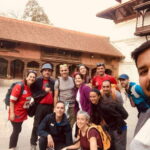
You’ll spend about 3 hours total, with an English-speaking guide leading the way. The route is designed for a small group experience, with a maximum of 5 travelers, so you can ask questions without shouting over a crowd. And because the guide is local, you also get the practical context you need—like how religious ceremonies change what you see and where you stand.
You should also like this tour if you enjoy myths and origin stories. The tour’s focus is explicitly on the legends tied to Swayambhunath and the origin of the Kathmandu Valley. That matters, because without those threads, a temple visit can feel like architecture on top of architecture. With the stories, it becomes a map of beliefs.
You can also read our reviews of more private tours in Kathmandu

Price and Value: What the $15 Really Buys
At $15 per person, this is a budget-friendly way to handle guided sightseeing on a hilltop complex that can be confusing on your own. The value becomes clearer when you look at what’s included versus what isn’t.
You’ll have an English-speaking guide included, plus a mobile ticket. Several stops also include their admission tickets, so you’re not stuck paying little fees for every shrine along the route.
Here’s the main extra cost: Swayambhunath entrance is 200 Rupees, paid in cash directly to temple authorities. The tour notes this separately, and it’s about US$1.50 at the time of listing. In other words, you’re not paying a big additional amount, but you should bring cash so you’re not scrambling at the gates.
There’s also a student option: youth pricing is for students with a student card. If you qualify, it’s a good discount to take advantage of.
If you’re comparing options, think about this: you’re paying for a guide who connects the dots between Hindu and Buddhist sites, plus a route that covers more than the main stupa area. For many people, that’s the difference between seeing the hill and actually understanding it.
Meeting in Thamel: Pumpernickel Bakery as Your Easy Start
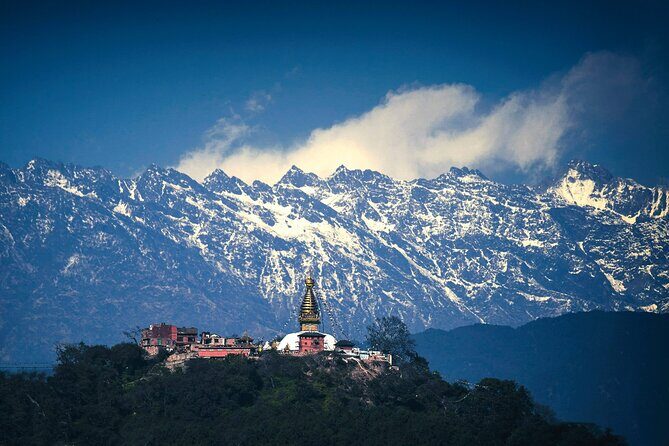
Your meeting point is Pumpernickel Bakery in Thamel. This is a smart choice. Thamel is tourist-central, so you’re not trying to find a random temple entrance in a maze of streets on day one. It’s also convenient if you’re staying nearby.
From there, you head toward Bhagwan Pau (the bottom area connected to the main hill entrance). The tour notes it takes about 30 minutes to reach Bhagwan Pau. That gives you a head start on the day’s walking without spending the whole time just in transit.
Quick practical tip: arrive a bit early and wear shoes you don’t mind walking in. Even with the short total duration, you’ll be on uneven ground and dealing with stairs later on.
The Hill Route Begins: Indrayani/Luti Ajima and Bijeshwori
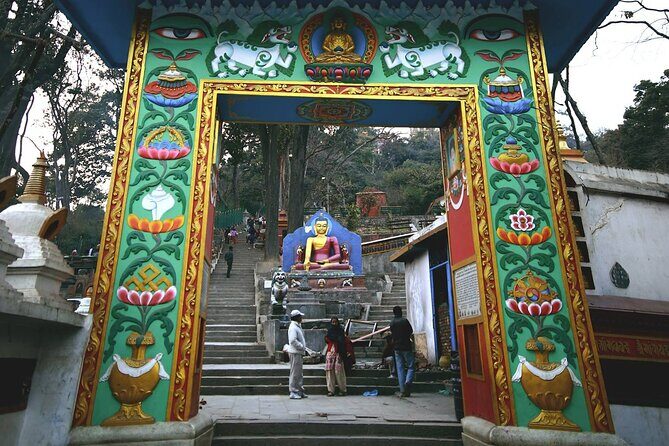
Before the main Swayambhunath stupa, the tour sets you up with context through nearby temples.
One stop relates to Indrayani / Luti Ajima, tied to a legend about the Licchavi King Gunakamdev creating Kathmandu and establishing eight Matrikas in the shape of Khadga. You’re not just seeing a shrine—your guide is giving the origin story that explains why this kind of temple “belongs” in this location.
Then you move to Bijeshwori Temple, described as sacred to both Hindu and Buddhist followers. It’s also significant for Tibetan Buddhists because of an affiliation with Buddhism, and some Hindu disciples regard it as important too. That cross-over matters. It reinforces one of the tour’s themes: the hill is not one religion’s stage. It’s a shared spiritual geography.
These earlier stops are short compared to the main attraction, but they do a big job. They help you understand what you’re going to see next—and why different people are drawn to different parts of the complex.
Bhagwan Pau: Rest, Water, and the 365 Stairs Start
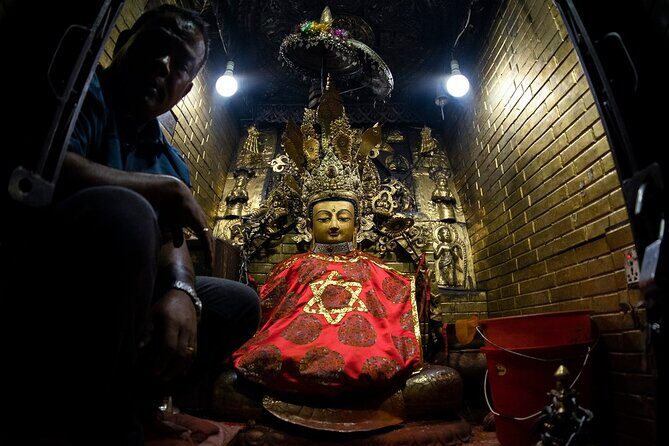
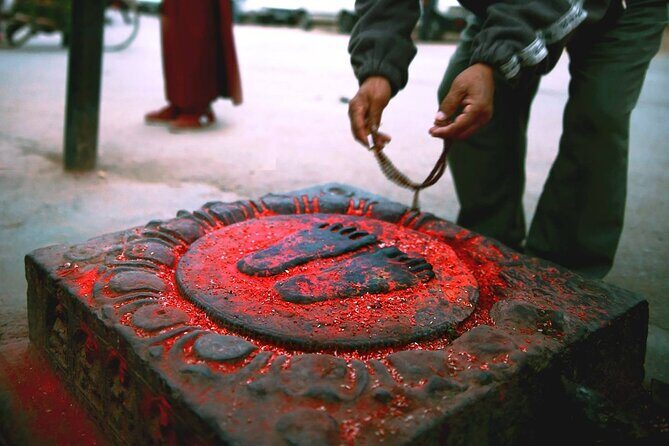
A key moment comes at Bhagwan Pau, described as the name for the feet of Lord Buddha at the bottom of Swayambhu hill. This is where the main entrance begins with 365 stairs.
The tour gives you time here—about 20 minutes—so you can rest and drink water before the climb and the main temple area. For me, this is where a tour like this earns its comfort. If you rush straight to the top, you arrive already tired and less able to enjoy the details. With a breather built in, you can focus on what you’re seeing.
If you have knee issues, this is the point to think carefully. The tour itself says severe knee problems aren’t advised. Even if you consider yourself “okay with stairs,” the combo of elevation, stone steps, and uneven footing can wear you down faster than you expect.



Swayambhunath (Monkey Temple): The Main Stupa and the Origin Stories
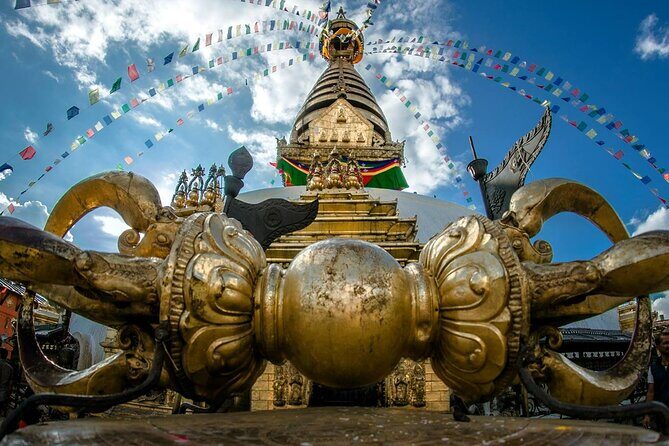
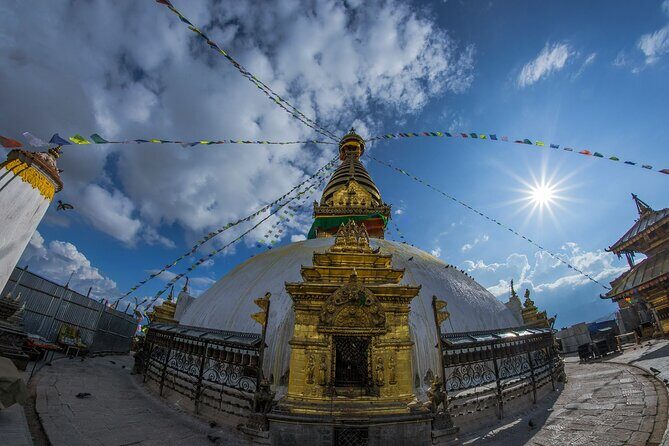
This is the big one: Swayambhunath, one of Nepal’s holiest Buddhist stupas, on a hilltop above Kathmandu. The tour sets aside about 40 minutes for the main experience.
You explore the neighborhood around the stupa and learn the origin of Swayambhunath and the legends connected to the Kathmandu Valley. The wording emphasizes that the stupa is self-originated, and the guide ties that concept to the local stories you’ll hear as you walk.
Another detail I like: your guide is prepared to explain things when religious ceremonies are taking place. That’s not a throwaway promise. Temple ceremonies can change where people stand and how the area flows, and having someone explain what’s happening makes your visit feel respectful instead of confused.
Entrance note: this is where you’ll pay the 200 Rupees cash fee directly to temple authorities. If you forget cash, you could lose time at the gate. Keep a small amount of it handy just in case.
Also, consider that Swayambhunath is not only a viewpoint. It’s a living religious site. Watch how people behave, follow instructions from staff, and you’ll have a smoother experience.
Harati Ajima Temple: The Mother Harati Story Behind the Pagoda Style
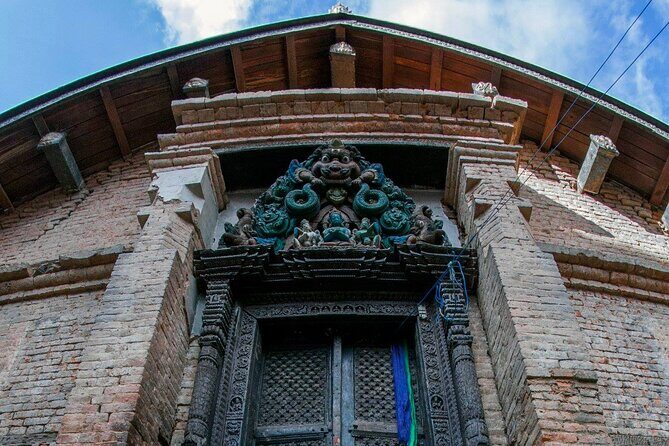
Next up is Harati Ajima Temple, about 5 minutes. The tour highlights its unique Nepalese pagoda-style architecture, which is exactly the kind of detail that can get overlooked if you just aim for the main stupa.
The story here is the reason to stop: Harati begins as a demon in local legend, and the guide explains how she becomes Mother Harati, plus why people around the valley worship her. That transformation is a perfect example of how mythology acts like a cultural operating system—explaining not just what people believe, but why they show up.
This stop is brief, but it adds emotional and cultural texture. It also balances the Buddhist focus of Swayambhunath by showing another layer of belief in the wider complex.
World Peace Pond: A Brass Buddha Pause on the Western Side
On the western side of Swayambhunath, you’ll see World Peace Pond. In the center of the pond there’s a brass statue of a Buddha standing on a lotus flower. The tour also notes that the wall includes writing in English, which makes this stop unusually accessible compared to many temple details you might not read on your own.
Think of this as your reset moment. Even if you love temples, your brain needs a breather. This pond area gives you a calmer scene to pause, regroup, and then continue.
Manjushree Temple: Valley Legends and a Western View
The tour includes Manjushree Temple, dedicated to Maha Manjushree. You’ll spend about 15 minutes here.
The guide shares legends about how the Kathmandu Valley was turned into a city from a great lake. That fits the tour’s larger theme: origin stories. It also helps you understand why so much spiritual meaning is attached to the geography of Kathmandu itself.
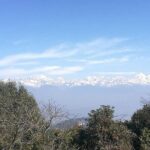
You’ll also enjoy a panoramic view over the western side. Views are great, but here’s the practical angle: once you’ve got that view, you start to see the city’s layout in a new way, which makes the earlier “origin” stories feel more grounded.
Amideva Buddha Park: Giant Idols and Big-Scale Buddhism
If you want something visually memorable, don’t skip Amideva Buddha Park. The tour lists three gigantic idols:
- Amitabha Buddha (Amideva) at 67 feet in the center
- Chenrezig and Padmasambhava at 64 feet on the sides
You walk around the park and the guide shares the connected story of Sid… (the listing is cut off, but the key point is that the guide ties the figures to Buddhist teaching and local tradition). Even if you don’t catch every word, the scale does something your phone photos can’t: it gives you the sense that faith here is meant to be seen from far away.
The visit is about 20 minutes, and it’s the kind of stop that adds variety after smaller temples.
Shova Bhagawati: The Bishnumati River and a Hindu Anchor
The tour ends with a Hindu shrine stop: Shova Bhagawati, devoted to the goddess Bhagwati on the bank of the Bishnumati River. The tour notes it is one of four major Bhagwati temples in Kathmandu.
This matters because it completes the balance of the day. You started with places tied to Buddhist and Hindu connections, moved through Swayambhunath and several Buddhist-centered stories, and then you finish with a clear Hindu anchor. If you like understanding Kathmandu as a place where religions share space—without feeling like a single storyline—this stop lands well.
Walking Back to Thamel: A Finish That Doesn’t Feel Abrupt
After the final shrine, you return toward Kathmandu Eco Hotel, Thamel, which is near your meeting point at Pumpernickel Bakery. The return is about 30 minutes.
One helpful detail: the tour notes that if you want to explore around Swayambhunath and return on your own, you can. That’s a good option if you’re the type who likes to linger once the area makes sense.
When you finish, you’ll be ready for a practical next step: find a simple meal in Thamel. This tour doesn’t include coffee or tea, so plan to snack afterward if you’re hungry.
Who Should Book This Monkey Temple Small-Group Tour
This tour is a strong fit if you:
- Want Swayambhunath with context, not just a stupa photo
- Like walking tours and learning short, story-based explanations at each stop
- Prefer a small group when you want to ask questions
- Are traveling solo and want a guide-driven route that feels organized and safe
It may not be the best fit if you:
- Have severe asthma or knee problems, since the tour calls out these conditions
- Hate stairs and steep walking, given the 365-stair entrance connection at Bhagwan Pau
If you’re visiting Kathmandu for the first time and your schedule is tight, the time efficiency helps. You hit major spiritual sites across one hill area in about 3 hours, with enough storytelling to make it more than a checklist.
Should You Book It?
Yes, I’d book it if you’re aiming for a guided Swayambhunath experience with real meaning behind the sights. The price is reasonable for what you get: an English guide, small group pacing, multiple temple stops with tickets included along the way, and only a small cash fee for the main Swayambhunath entrance.
If you’re worried about your mobility, don’t gamble. Take the tour’s fitness notes seriously, especially with the 365-stair connection. But if you’re generally okay with stairs and moderate walking, this is one of the better ways to understand Monkey Temple without feeling lost or rushed.
FAQ
How long is the Monkey Temple – Swayambhunath Tour?
It runs for about 3 hours (approx.).
How big is the group?
The maximum group size is 5 travelers.
Where do we meet, and where does the tour end?
You meet at Pumpernickel Bakery in Thamel and the tour ends back at the meeting point area.
Is an English-speaking guide included?
Yes, an English speaking guide is included.
Do I need to pay an entrance fee at Swayambhunath?
Yes. Swayambhunath has an entrance fee of 200 Rupees, paid in cash directly to temple authorities.
Are tickets included for every stop?
Tickets are included for several stops, but Swayambhunath’s admission fee is not included.
Is this tour suitable for everyone physically?
The tour says travelers should have a moderate physical fitness level, and it is not advised for severe asthma and knee problems.
If you’d like, tell me your travel dates and whether you’re planning to bring cash. I can help you map this tour against your other Kathmandu plans so you don’t end up with a day full of hills and stairs.