REVIEW · KATHMANDU
Mt Everest Base CampTrek | Budget Package
Book on Viator →Operated by Adventure Vision Treks and Travels · Bookable on Viator
Everest Base Camp is closer than you think. This budget trek strings together flights to Lukla, tea house nights, and classic Himalayan villages on the way up, with a big payoff at Kala Patthar. I like that you get an English-speaking guide and a responsive coordinator (Jiban) who helps you keep things moving. I also like the way the itinerary builds in acclimatization stops in Namche and Dingboche, which makes the altitude feel more manageable. One drawback to plan for: meals, drinks, insurance, and trekking gear are not included, so you’ll need extra cash once you’re in the mountains.
Before you go, it helps to know what kind of trip this is. You’re not buying luxury. You’re buying time with real mountain scenery, Sherpa villages, and that pre-dawn scramble toward big views. You’ll trek as a small group (up to 15), and you’ll have a team focused on safety and practical pacing.
If you have moderate fitness and you’re ready to walk long days over thin air, this is a strong value way to do the Everest Base Camp route without going broke.
In This Review
- Key highlights I’d circle before booking
- What Your $400 Everest Base Camp Budget Package Really Buys
- Kathmandu Arrival: Where the Trek Starts Before the Trek
- Lukla Flight and Phakding: Fast Altitude, Real Atmosphere
- Namche Bazaar: The Acclimatization Stop That Makes the Trek Work
- Tengboche and Dingboche: Culture Stops and Higher Walking Days
- To Lobuche and Gorak Shep: The Serious High-Altitude Stretch
- Kala Patthar Before Dawn: The View That Costs Effort
- Head Back Down: Namche and the Lukla Finish
- Guides and Team Support: What You’re Really Paying For
- Food, Cash, and Tea Houses: Budgeting the Part That Isn’t Included
- Packing and Training: How to Match the Route
- Value Check: When a Budget Everest Trek Is Actually Worth It
- Who Should Book This Trek (and Who Should Think Twice)
- Should You Book This Mt Everest Base Camp Budget Package?
- FAQ
- What is the duration of the Mt Everest Base Camp Budget Package?
- Where does the trek start and what flights are included?
- Is tea house accommodation included?
- Is a guide included, and what language do they speak?
- What is not included in the package price?
- Is cancellation free?
Key highlights I’d circle before booking
- Budget-focused package with tea house stays and round-trip flights KTM–Lukla–KTM
- Small-group feel with a maximum of 15 travelers
- Guides you can actually ask questions to via an English-speaking trekking guide (Tony, Tika noted in past trips)
- Acclimatization built in on both the Namche and Dingboche sides of the climb
- Pre-dawn Kala Patthar for some of the most intense views on the whole trek
- Meals not included, so you control your daily spending once you’re there
What Your $400 Everest Base Camp Budget Package Really Buys
On paper, this trip looks like a bargain. In practice, it’s a smart “pay-for-what-matters” style package. The price covers the big-ticket backbone: round-trip flights from Kathmandu to Lukla and back plus 10 nights of tea house accommodation. That matters because getting to Lukla is not a DIY hobby for most people, and the flights set up your trekking schedule.
You also get a private pick up and drop in Kathmandu, certificates, a comprehensive medical kit, and government and local taxes. There’s also a preparatory session before and after arrival, which is useful because Everest area trekking is more about planning and pacing than bravado.
Now the part that can surprise first-timers: breakfasts, lunches, and dinners are not included. Drinks and beverages cost extra too. Trekking equipment isn’t included either, and neither is travel insurance. Tips are also personal expenses. So yes, the base price is low—but your total budget depends a lot on food choices, how much you drink, and whether you already own proper trekking gear.
You can also read our reviews of more tours and experiences in Kathmandu.
Kathmandu Arrival: Where the Trek Starts Before the Trek
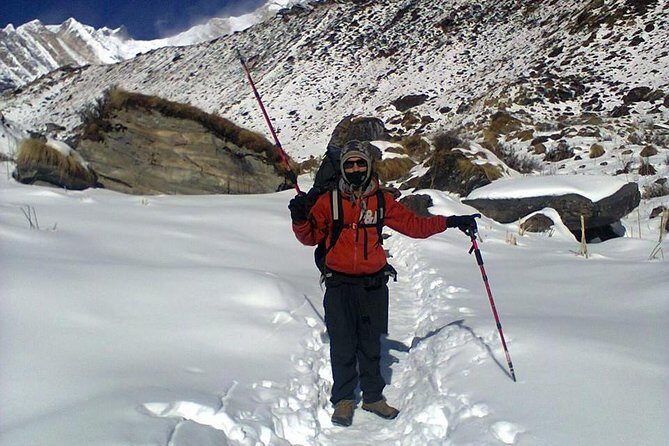
Day 1 is arrival in Kathmandu, and you’ll get pickup and transport as part of the package. That’s not flashy, but it’s practical. You’ll likely be tired from travel, and Kathmandu traffic can turn “easy logistics” into a stress test.
The preparatory session is the other key piece on this day. You’re getting the sort of run-through that helps you understand what the trek demands: altitude rhythm, basic trekking etiquette, and what to expect from tea houses. A quick word on the coordinator: Jiban has been described as highly responsive, and that kind of support is gold when plans shift due to weather or flight schedules.
If you’re the type who likes to feel organized, this is your window to do it. Use the day to confirm your flight timing for Lukla, double-check your passport details (your passport info is required at booking), and set aside cash for meals and drinks in the mountains.
Lukla Flight and Phakding: Fast Altitude, Real Atmosphere
The trek proper starts when you fly from Kathmandu to Lukla (Day 2). Then you walk from Lukla to Phakding. It’s listed as about 8 km and roughly 3 to 4 hours at around 2,651 m.
Don’t let the short day fool you. The air feels different quickly, and the effort can sneak up on you in the first 24 hours. Still, the Phakding stretch is a good “wake up your legs” start. You’ll get your first taste of the Everest region’s rhythm: steady walking, small settlements, prayer flags, and tea house life.
One thing to note: flights into Lukla are weather-dependent in the Everest region. This trek requires good weather, so be mentally ready for timing changes. The good news is the package is built around the Lukla schedule, and you’ll have a team handling the operational side.
Namche Bazaar: The Acclimatization Stop That Makes the Trek Work
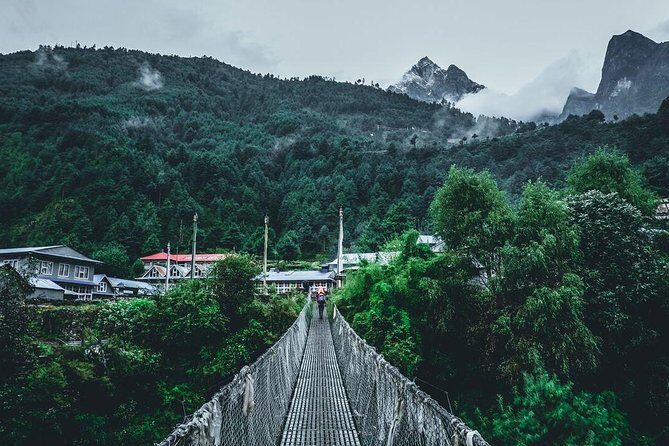
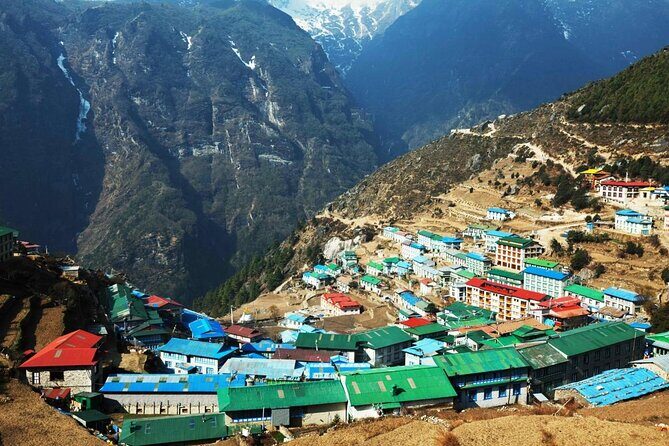
Day 3 takes you from Phakding to Namche Bazaar—about 11 km and 5 to 6 hours, rising to roughly 3,438 m. Day 4 is an acclimatization day in Namche (around 3,440 m).
This is where you’ll feel the difference between a good trekking plan and a tough-to-recover scramble. Namche isn’t just a town. It’s a pressure-release valve for your body. After a steep-ish jump, you give yourself time to breathe and adjust before continuing upward.
What I like about this structure is that it protects your energy for the later days. You’re still walking, but you’re not trying to “power through” altitude. If you’ve ever regretted going too fast early on, this is the part that prevents that regret.
Also, Namche is where you start seeing how the route turns into a social place. In past experiences on this trek route, people have described meeting friendly fellow trekkers and feeling welcomed in tea house spaces. That matters when the routine starts to feel samey.
Tengboche and Dingboche: Culture Stops and Higher Walking Days
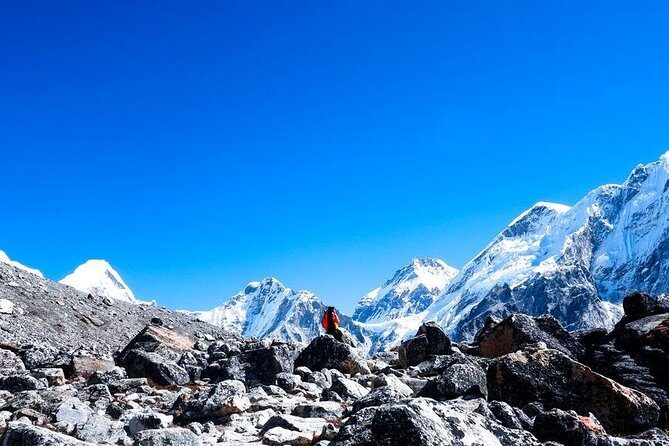
On Day 5 you trek to Tengboche (about 10 km, 5 to 6 hours, around 3,870 m). Tengboche is a big culture moment on the route, with a stop at Tengboche Gompa.
Day 6 continues to Dingboche (about 9 km, 5 to 6 hours, around 4,360 m). Day 7 is another acclimatization day in Dingboche (still around 4,360 m).
This pair of days is the “climb and adjust” rhythm in action. Tengboche is where the route feels more spiritual and village-based, and Dingboche is where the altitude gets serious. By building acclimatization here too, the trip reduces the odds that you’ll feel wrecked before Lobuche and Gorak Shep.
If you care about experiencing the region beyond just hitting famous viewpoints, the gompa stop gives you a real pause. It’s not only about the peaks. It’s about the places people live and worship in, right in the middle of the trekking corridor.

To Lobuche and Gorak Shep: The Serious High-Altitude Stretch
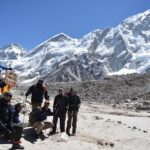
Day 8 takes you from Dingboche to Lobuche—listed around 7 km and 5 to 6 hours, rising to about 4,940 m. Day 9 continues to Gorak Shep (around 5,170 m) and includes a visit to Everest Base Camp (listed at 5,364 m), with trekking time of roughly 6 to 7 hours for that day’s route (about 13 km).
This is the zone where trekking stops feeling like a normal hike and starts feeling like an expedition. The terrain can feel more exposed. Your pace slows down without you needing to be told to slow down—altitude does that for you.
Gorak Shep is also the staging area for the big early-morning view day. You’ll feel it in your planning the night before: sleep, hydration, layers, and the next push.
Also, tea house nights in this area are part of the experience. It’s basic, but it’s the way trekkers stay warm, talk with others, and reset for the next day.
Kala Patthar Before Dawn: The View That Costs Effort
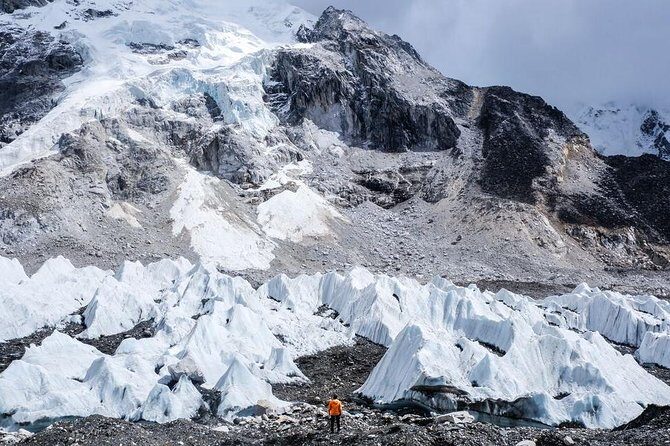
Day 10 is one of the signature moments: Kala Patthar (around 5,545 m) followed by trekking down to Pheriche (around 4,288 m). The total day is listed at about 16 km with 7 to 8 hours.
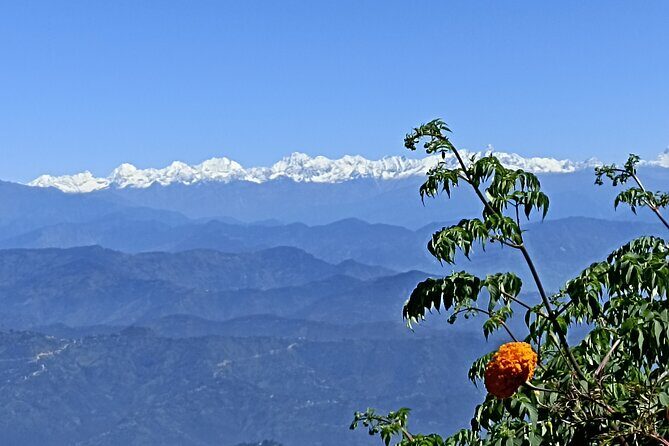
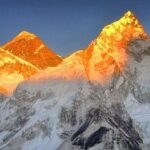
The key detail here is timing: there’s a pre-dawn climb to Kala Patthar. This is the part that many people remember, because the visibility can be dramatic and the lineup of peaks tends to look its best around sunrise.
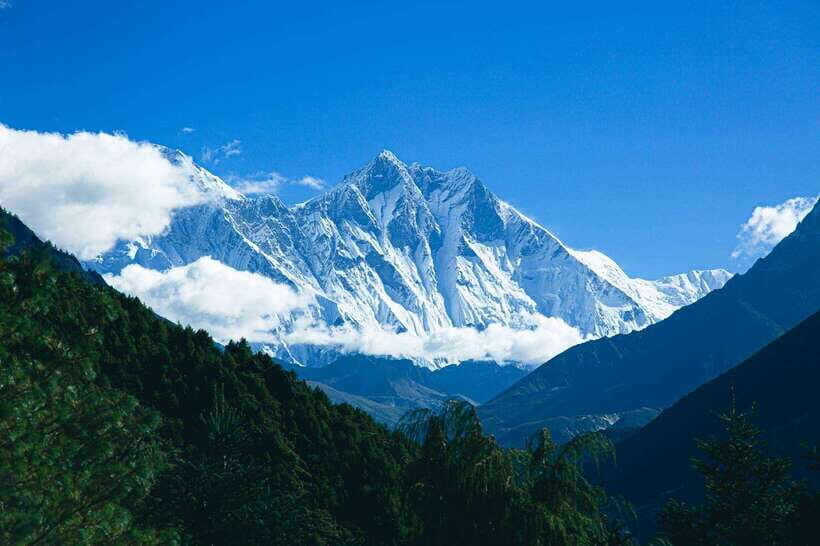
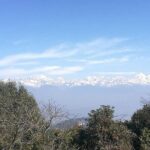
You’re looking for big-picture views that include Everest and surrounding giants like south Col and Nuptse, plus the glacier scenery near the base camp area. This is also a hard day. You’re going high again (even after already reaching Gorak Shep and base camp), then you descend.
A practical mindset helps: think of it as a sunrise mission, not a “how fast can I walk” contest. If you move steadily, you’ll arrive with less suffering.
Head Back Down: Namche and the Lukla Finish
Day 11 brings you from Pheriche back to Namche Bazaar. It’s listed at 20 km and 6 to 7 hours, dropping to around 3,440 m. Day 12 goes Namche to Lukla—about 19 km, 6 to 7 hours, around 2,860 m.
This is where most people feel a different kind of challenge. Altitude is lower, yes. But long downhill miles can punish knees and ankles. When the trek feels “easier” on paper, you still need to protect your joints.
It helps to think about pacing on the downhill: shorter steps, slower starts, and a conscious effort to keep your weight stable. You’ll thank yourself when you’re walking those last stretches toward Lukla.
Then you fly back to Kathmandu on Day 13. After days of waking up into thin air, the change feels oddly quick. Day 14 is final departure.
Guides and Team Support: What You’re Really Paying For
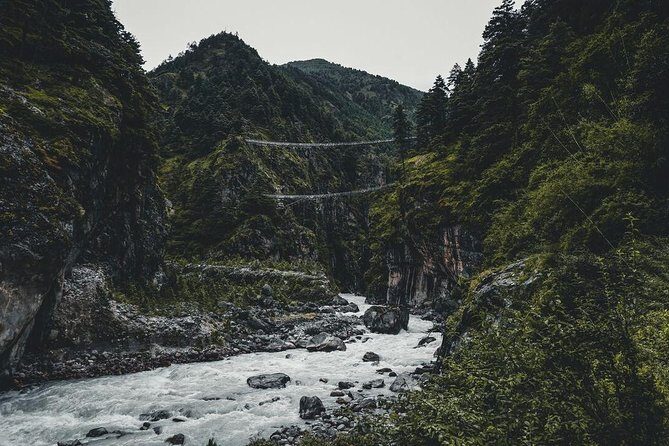
For a budget trek, guide quality makes or breaks the trip. This one includes an English speaking trekking guide, plus a comprehensive medical kit.
From the experiences shared with this operator, guides have been described as patient, knowledgeable, and genuinely helpful—specifically Tony and Tika. That style matters. On Everest routes, the right advice can be the difference between adjusting calmly and pushing yourself too hard.
The coordinator Jiban has also been described as very responsive. In a region where timing can shift and weather can matter, a responsive organizer reduces stress for you.
And with up to 15 travelers maximum, the trip stays small enough that you’re not just a number. You’ll likely feel comfortable asking questions—about pace, food, layering, or how to handle altitude symptoms.
Food, Cash, and Tea Houses: Budgeting the Part That Isn’t Included
This is a big point for value. You get tea house accommodation, but you do not get meals. So you should plan to spend on:
- breakfast, lunch, and dinner (not included)
- drinks and beverages (not included)
- personal expenses like tips and shopping
- extra potter/equipment needs (if they arise)
You also might see places along the route like an Irish Pub stop. That’s fun on a long trek day, but remember drinks cost extra. It’s a nice morale boost, not a budget strategy.
If you want to keep costs controlled, decide early how you’ll handle meals. Many trekkers settle into a routine: simple warm meals, hot drinks, and steady hydration. The goal is to fuel your legs, not win a gastronomy contest.
Packing and Training: How to Match the Route
The trip lists a moderate physical fitness level as the target. That’s honest. You’re not being asked to do technical climbing. But you are asked to handle repeated long walking days and high altitude.
Since trekking equipment isn’t included, check what you still need before you go. At minimum, you want to be covered for cold nights and steep, slow days: warm layers, a reliable daypack setup, and proper trekking shoes.
Also, if you’re new to altitude, train your habits more than your pace. Practice steady effort on inclines, work on stamina, and get comfortable walking for hours without sprinting at the start.
Tea houses mean you’ll have some flexibility in your routine, but you can’t cheat altitude. Slow and consistent wins here.
Value Check: When a Budget Everest Trek Is Actually Worth It
At $400, the price is low for the Everest Base Camp corridor. The biggest reason is that the package includes round-trip Lukla flights and tea house beds. Those two items alone can reshape the cost of an Everest trek for most travelers.
Here’s how I’d judge the real value for you:
- If you already have trekking gear and you’re willing to budget for meals and drinks, this package can be an efficient way to buy the route with less risk.
- If you still need to buy everything—especially boots, layers, and other gear—then the total cost rises. You might still be happy with the trip, but don’t assume $400 is your final number.
- If you don’t plan for insurance, you might regret it. Insurance isn’t included, and trekking at altitude deserves proper coverage.
In short: this is value built around logistics and core trek support. Your personal budget choices (food, gear, insurance, tips) decide whether it stays a deal.
Who Should Book This Trek (and Who Should Think Twice)
This trek fits best if you:
- want the Everest Base Camp experience on a budget
- like having a guide and a clear structure
- can handle 5 to 7 hour trekking days repeatedly
- appreciate acclimatization stops and steady pacing
It may not be the best match if you:
- want full board meals included
- don’t plan to spend on gear and insurance
- expect a luxury pace or private, comfort-first lodging
With a maximum group size of 15 and English-speaking guide support, it’s a solid choice for first-timers who want help without a high price tag.
Should You Book This Mt Everest Base Camp Budget Package?
If your priority is reaching Everest Base Camp and seeing Kala Patthar’s pre-dawn views without turning the trip into a luxury spending spree, I’d say it’s worth serious consideration. The combination of Lukla flights, tea house accommodation, and acclimatization structure makes it practical.
Before you book, do two things:
- Make your “extra costs list” now: meals, drinks, visa, insurance, trekking equipment, tips. This keeps surprises away.
- Be honest about your fitness. Moderate fitness is fine, but consistent effort matters more than speed.
If you can line up those basics, this budget trek can deliver one of the most memorable “I can’t believe I’m here” experiences in the mountains.
FAQ
What is the duration of the Mt Everest Base Camp Budget Package?
The trek is listed as about 14 days.
Where does the trek start and what flights are included?
It starts in Kathmandu and includes round-trip flights KTM–Lukla–KTM.
Is tea house accommodation included?
Yes. The package includes 10 night tea house accommodation.
Is a guide included, and what language do they speak?
Yes. It includes an English speaking trekking guide.
What is not included in the package price?
Visa cost, international airfare, drinks and beverages, insurance cost, trekking equipment, additional porter/equipment costs, personal expenses, tips and shopping, and breakfast/lunch/dinner are not included.
Is cancellation free?
Yes. You can cancel up to 24 hours in advance for a full refund, and it can be canceled due to poor weather with either a different date or a full refund.