REVIEW · KATHMANDU
Nepal Classic Tour -12 Days
Book on Viator →Operated by Himalayan Adventure Treks and Tours Pvt Ltd · Bookable on Viator
Nepal hits fast, and this route helps you pace it. You’ll start in Kathmandu and line up Kathmandu Valley UNESCO highlights, then head into the subtropical wilds of Chitwan with activities that are already handled for you. I especially like how the trip builds in Chitwan park fees plus full-board meals, so you’re not constantly recalculating logistics.
The main drawback to keep in mind is that this is a “see more, drive more” style tour. Some overland transfer days can feel long, and road conditions can vary, so it helps to stay flexible about timing.
In This Review
- Key Things I’d Pencil In
- First Day in Kathmandu: Airport Transfer and Getting Oriented
- Kathmandu Valley UNESCO Days: Pashupatinath, Patan, and Bhaktapur Durbar Squares
- The Drive to Chitwan: Tharu Village Sightseeing Before the Safari
- Chitwan Full-Board Safari Days: Canoe Crocodiles and Jeep Wildlife
- Lumbini and Palpa: Buddha’s Birthplace, Then Hill Views and Rani Mahal
- Sunrise and Sarangkot-Like Views: Annapurna and Morning Light Over Pokhara
- Bandipur and the Trishuli River Drive Back to Kathmandu
- Where You’ll Stay, What You’ll Eat, and How the Comfort Level Works
- Price and Value for $1,450: What’s Included (and What You’ll Still Pay)
- Private Tour Style: Guides, Communication, and a Note on Road Conditions
- Who This Tour Suits Best (and Who Might Want a Different Fit)
- Should You Book Nepal Classic Tour -12 Days? My Take
- FAQ
- What is the starting and ending point?
- Does the tour include airport pickup?
- What kind of hotels are included?
- Is breakfast and other meals included?
- Are Chitwan National Park activities and fees included?
- Is this a group tour or private?
- Are vegetarian meals available?
- What’s not included in the tour price?
- Is cancellation free?
Key Things I’d Pencil In
- Airport-to-hotel pickup by private vehicle to get you settled quickly
- Kathmandu Valley UNESCO circuit across Pashupatinath, Patan, and Bhaktapur
- Chitwan activities included with national park fees covered
- Wildlife-forward Chitwan days: canoeing, jeep safari options, and bird watching
- Sunrise viewing built into the schedule around Palpa/Pokhara area viewpoints
First Day in Kathmandu: Airport Transfer and Getting Oriented
Your trip begins at Tribhuvan International Airport, where you’ll meet a representative of Himalayan Adventure Treks & Tours and transfer to your hotel by private vehicle. That matters more than it sounds. Kathmandu traffic is intense, and arriving tired after a flight is not the moment to figure out directions, money exchanges, or which taxi stand is legit.
After you check in, the practical goal is simple: get your bearings. This tour structure is designed to do that early, so later days feel smoother. You’ll also be dealing with the classic Nepal basics right away—different driving styles, lively streets, and a city that changes block by block. By day one, you’re already in the flow instead of trying to catch up.
You can also read our reviews of more tours and experiences in Kathmandu.
Kathmandu Valley UNESCO Days: Pashupatinath, Patan, and Bhaktapur Durbar Squares
Kathmandu isn’t just temples—it’s layers of religion, art, and daily life. This tour tackles the core sites in a tight sequence, which is a win if it’s your first time here.
On your Kathmandu day tour, you’ll visit Pashupatinath Temple, one of the most sacred Hindu pilgrimage sites in the world. Even if you don’t come with deep religious background, you’ll feel the intensity of the place: worshippers, rituals, and the river setting that frames everything.
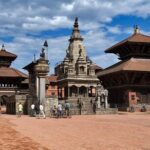
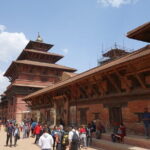
Then you continue through the valley with stops at Patan Durbar Square and Bhaktapur Durbar Square. Patan adds a strong cultural-and-architectural layer, while Bhaktapur brings that old-city feel where you can almost picture how daily life worked centuries ago. You also get time to explore key temple areas tied to this heritage zone, and the rhythm of the visits helps you avoid the “one-stop photo and run” trap.
One practical tip: wear shoes you can walk in comfortably. These squares and temples are beautiful, but they also involve uneven ground, stairs, and the kind of walking that adds up when you do multiple sites in one day.
The Drive to Chitwan: Tharu Village Sightseeing Before the Safari

After Kathmandu’s stone-and-spirit atmosphere, you’ll shift into a different Nepal—lush, humid, and wildlife-focused. You’ll drive to Chitwan National Park (about a six-hour transfer) and then start wildlife culture before the big safari action.
In the evening, you explore the Tharu village and visit the Tharu cultural museum. This is more than an add-on. It helps you understand the human side of Chitwan—who lives there, how they relate to the land, and why the region’s traditions fit the landscape and the wildlife so closely.
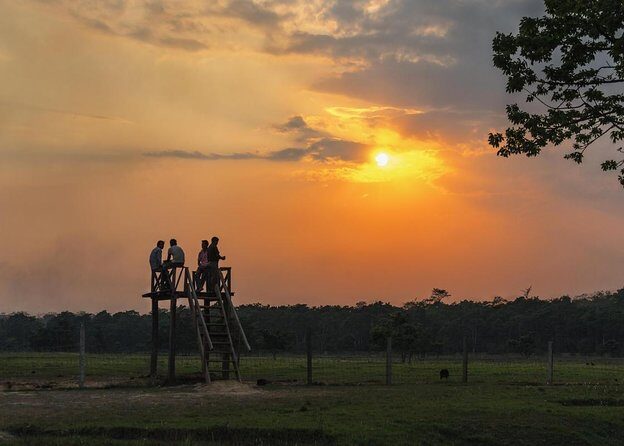
You’ll also see stops like the elephant stable and a sunset viewpoint. Even if you’re primarily there for animals, sunset in Chitwan has a way of turning the day from sightseeing into something more atmospheric.
Chitwan Full-Board Safari Days: Canoe Crocodiles and Jeep Wildlife
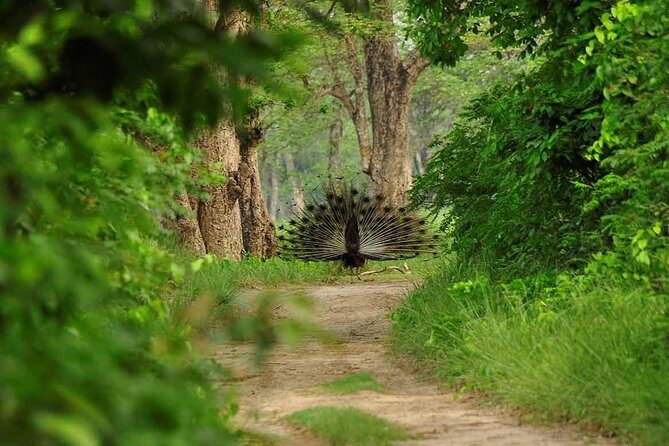
Chitwan is where this tour earns its keep. The schedule is built around multiple ways to spot wildlife, and the fact that the national park fees are included means you can focus on the experience instead of paperwork.
You’ll start with a jungle walk and bird watching, which is a smart warm-up. In many wildlife areas, animals are most active at certain hours, and bird activity often gives you a clue about what might be moving elsewhere.
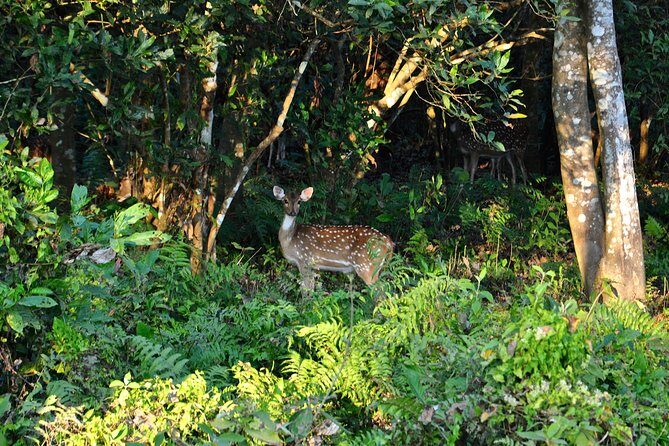
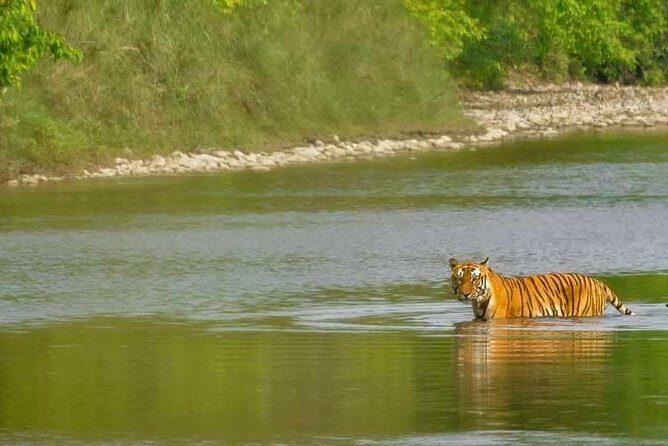
Then comes one of the most memorable parts: a canoe experience. You’ll be on the water long enough to notice how the river corridors function as animal routes. The experience includes watching for crocodiles while canoeing, and you might also spot rhinos with their babies. Even if you don’t see everything every time (wildlife never runs on a schedule), the canoe format is a great way to slow down and actually read the environment.
After lunch, you’ll head into the park for a jeep safari option. The drive-and-scan approach is a classic for a reason: it covers more ground quickly and helps you chase sightings when they happen. The tour description mentions a 4-hour jeep safari as an option.
Balanced reality check: a safari is exciting, but it’s still nature. If you want guaranteed animal sightings, no operator can promise that. What you can count on is that you’re spending meaningful time on the ground and water in the right area—something this trip is designed to deliver.
Lumbini and Palpa: Buddha’s Birthplace, Then Hill Views and Rani Mahal
After Chitwan, you pivot again—this time toward history and open views. You drive to Lumbini, the birthplace of Lord Buddha, and after lunch you’ll explore the heritage sites with a local guide. Lumbini’s power is in its stillness. It’s the kind of place where the details feel quiet but significant, and a guide helps you connect what you’re seeing to why it matters.
You’ll notice references to key monuments and markers associated with the site, including the broken Ashoka Pillar. (That one is a useful mental anchor: it gives you a sense of deep time and how different eras have left their marks.)
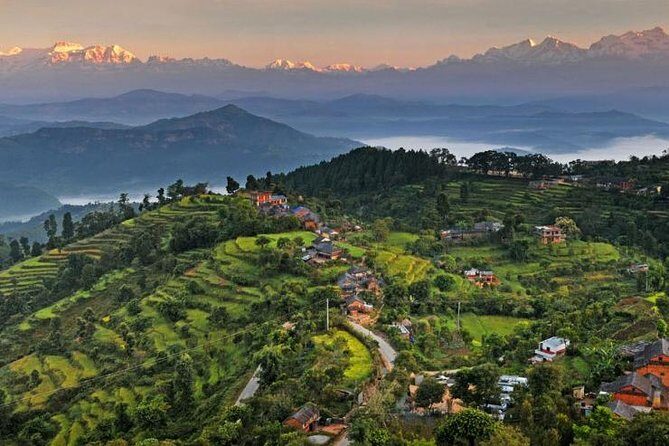
From Lumbini, the tour continues to Palpa, where you can enjoy scenic hill and mountain-town views from Palpa Tansen—a bright town on the slopes of a hill called Shreengar Danda. This stop is a breather from constant temple-and-museum days. It’s also a great contrast before you get deeper into sunrise viewpoints.
One more highlight you’ll get here is Rani Mahal (a historical palace). It adds a historical layer that complements the earlier religious heritage sites, and it gives you a different kind of storytelling beyond just religious significance.

Sunrise and Sarangkot-Like Views: Annapurna and Morning Light Over Pokhara
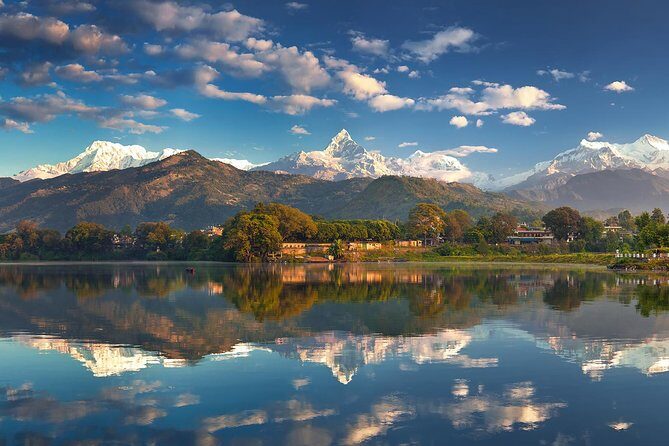
Early mornings are a theme in this tour, and for good reason. Clear air plus sunrise timing is when Nepal’s mountains do their best work.
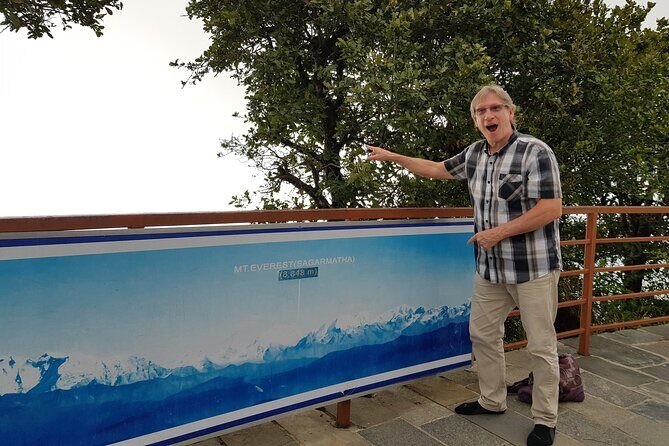
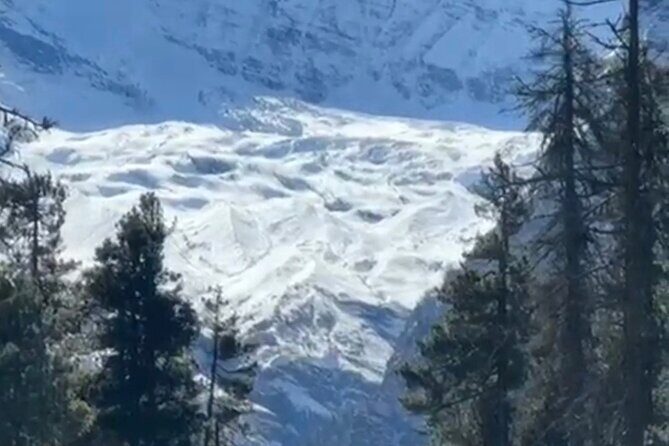
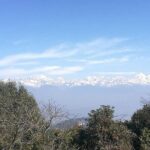
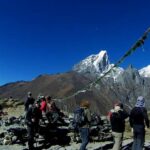
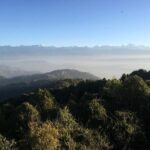
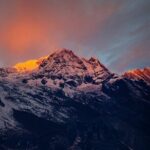
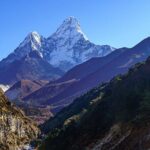
You’ll get a sunrise view from your room area on one day, and then you’ll travel to a viewpoint in the Pokhara region for sunrise over the Annapurna mountain range. The views described include sights like Dhaulagiri in the west and Gauri Shankar in the north from the earlier viewpoint day—so you’re not locked into one mountain silhouette. You’re getting a broader sense of the Himalayan “wall” effect.
After breakfast, the schedule includes sightseeing around Pokhara. That matters because you’re not just “watching mountains from a point.” You’ll still have time to explore the town’s cultural texture and local rhythm.
Why this works: when sunrise is built into the plan rather than treated as an optional extra, you’re more likely to actually catch it without stress. And in Nepal, stress is the enemy of good photos and good feelings.
Bandipur and the Trishuli River Drive Back to Kathmandu
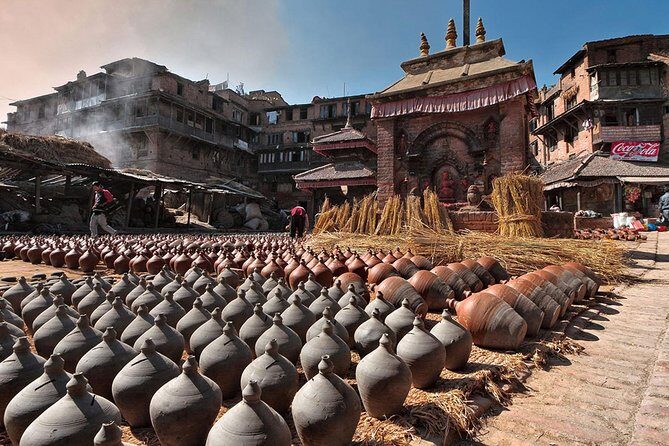
Bandipur is one of those places that feels like a pause button. After you’ve been moving through big city heritage and wildlife country, you roll into a cultural hill town with old houses and local life—especially influenced by Newari culture.
You’ll drive from Pokhara back toward Bandipur, with mention of scenic views along the way, including the Marshyangdi River area. Then the next transfer day continues back toward Kathmandu with a stop for a “scenic vistas” break along the Trishuli River, described as meandering through the valley below.
The tour also includes an en-route stop at Manaka (you’ll see this as a revered stop on the route). It’s one of those additions that can turn a long drive into a chain of small, meaningful moments.
Where You’ll Stay, What You’ll Eat, and How the Comfort Level Works
This is listed as 3- or 4-star accommodation depending on the city, and the meal plan is structured to keep you fueled without constant restaurant hunting.
In Kathmandu, you get four nights in 3-star hotels with breakfast. Then you have one night in Lumbini at 4-star with dinner and breakfast, plus a Bandipur night in 3-star with dinner and breakfast, and Palpa at 4-star with dinner and breakfast. In Pokhara, you stay two nights in 3-star with breakfast. Finally, Chitwan is two nights with full-board meals, which is a big practical advantage when you’re out on safari schedules.
Chitwan is where meal structure matters most. Full-board makes your day flow. You don’t need to plan lunch timing around your next activity, which keeps the safari and canoe windows from turning into a scramble.
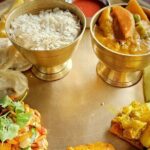
You’ll also have a vegetarian option available, and you can flag dietary needs at booking. If you eat vegetarian, this is worth confirming early so meals match your preference consistently.
One small comfort detail I like: the tour includes a last-night farewell dinner at an authentic Nepalese restaurant with a cultural performance. It’s a good way to close the loop—food, music, and local storytelling—without needing extra transportation on your final night.
Price and Value for $1,450: What’s Included (and What You’ll Still Pay)
At $1,450 per person for about 12 days, the value depends on what you’d otherwise pay for if you booked everything separately.
Here’s what the price covers that matters most:
- Private airport pickup and hotel transfers
- Overland transfers between towns by private vehicle
- Hotels with breakfast in multiple cities and dinners in specific stops
- Full-board meals in Chitwan
- National park fees for Chitwan activities
- Guides fluent in English for Kathmandu, Chitwan, and the Lumbini valley sightseeing
- A farewell dinner with cultural performance
What you’ll still need to budget for:
- Beverages and alcoholic drinks
- Entrance fees/cable car tickets (not everything is covered)
- Personal expenses and any extra add-ons beyond the planned stops
So the value is strongest if you want a smooth “transport + hotels + key sights + wildlife” package. If you’re the type who loves freewheeling and building your own day-by-day plan from scratch, this may feel more structured than you need. But if you want Nepal to feel organized and low-stress, the inclusions justify the price.
Private Tour Style: Guides, Communication, and a Note on Road Conditions
This is a private tour/activity, meaning it’s set up for just your group (not a big open-join tour). That usually means you get more flexibility in pacing, plus a clearer relationship with your guide and driver.
One thing that stands out from how this operator is described is communication. The owner Bhagwat is referenced as being prompt in replies via WhatsApp, and that kind of responsiveness can save you when Kathmandu timing shifts or a day starts earlier than expected.
Drivers also get praise in reported experiences. One driver name you’ll see mentioned is Subash, described as punctual and a safe driver—exactly what you want when you’re doing long transfers.
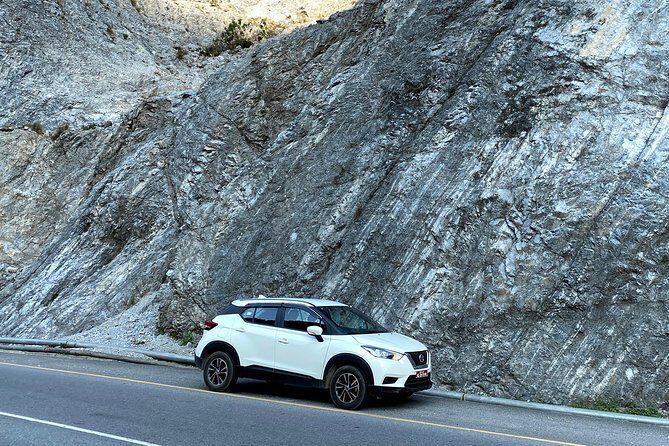
Now the balanced note: roads can be a wild card. Nepal has roadwork and demolition in places, and one concern raised relates to transfer conditions between Chitwan and Lumbini. The takeaway for you is simple: pack patience for the drive days. The sites are worth it, but the road can add friction if you’re expecting smooth highway travel every time.
Who This Tour Suits Best (and Who Might Want a Different Fit)
This tour is a strong match if:
- It’s your first trip to Nepal and you want classic highlights without planning every step
- You want a mix of culture + wildlife + mountain sunrise views
- Your group has different interests (temples and history for some, safari for others, mountain views for everyone)
- You prefer a private vehicle and guided sightseeing instead of self-guided navigation
It may be less ideal if:
- You hate early starts (sunrise timing is baked into the experience)
- You’re trying to minimize driving time
- You want zero uncertainty around road comfort during transfer days
If you’re traveling with kids or extended family, the structure can be a real advantage: you get scheduled downtime through meals, hotel stops, and the fact that the transport is handled.
Should You Book Nepal Classic Tour -12 Days? My Take
If you want a well-rounded Nepal introduction with real wildlife time, major UNESCO heritage stops, and mountain sunrise viewpoints—this is a solid choice. The strongest reasons to book are practical: Chitwan park fees are included, the meal plan is thoughtful (especially full-board in Chitwan), and the private transfers reduce the daily stress that can drain a first visit.
My “don’t skip this check” advice: think about your tolerance for road time. If long drives and early mornings feel like a chore, you might prefer a shorter itinerary focused on fewer regions. But if you’re okay trading some comfort on the road for a bigger variety of experiences, this tour hits a nice sweet spot.
FAQ
What is the starting and ending point?
The tour starts at Tribhuvan Airport in Kathmandu and ends back at the same meeting point.
Does the tour include airport pickup?
Yes. It includes pickup from the airport and transfer to your hotel by private vehicle.
What kind of hotels are included?
You’ll use a mix of 3- and 4-star accommodation, with breakfast included in Kathmandu, Pokhara, and other listed stays, and additional dinners included in specific cities.
Is breakfast and other meals included?
Yes. Breakfast is included for 11 days, dinner for 6 days, and lunch for 2 days. Chitwan includes full-board meals.
Are Chitwan National Park activities and fees included?
Yes. National park fees for activities in Chitwan National Park are included.
Is this a group tour or private?
This is a private tour/activity. Only your group participates.
Are vegetarian meals available?
Yes. A vegetarian option is available—just advise the team at the time of booking, along with any dietary requirements.
What’s not included in the tour price?
Not included are beverages and alcoholic drinks, entrance fees/cable car tickets, extensions of other tours or accommodation, and personal expenses.
Is cancellation free?
Free cancellation is available up to 24 hours in advance for a full refund.