REVIEW · KATHMANDU
Rainbow Mo:Mo
Book on Viator →Operated by Queermandu | Gay Tours Nepal · Bookable on Viator
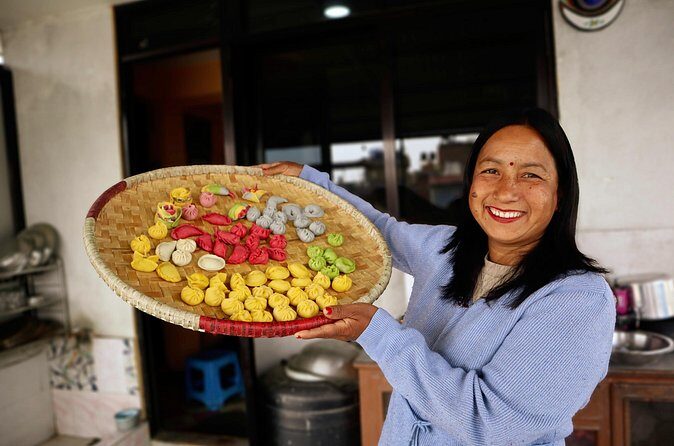
Colorful momos are my kind of art. In Rainbow Mo:Mo, you make dumplings in rainbow shades using ingredients like beetroot and butterfly pea, then enjoy your handiwork in a playful, queer-forward space. It starts at the Garden of Dreams area in Kathmandu, with pickup available, and the whole thing runs about two hours.
What I like most is how hands-on it is. You’re not just watching a demo, you’re pinching, folding, and shaping your momos while the instruction stays funny and human. The second big win for me is that you eat what you make, with momos served steamed and fried.
One thing to consider: it’s a compact, two-hour class. If you want a long walking food tour or lots of extra cultural stops, this is more about making and eating than sightseeing.
In This Review
- Key takeaways before you go
- Why Rainbow Mo:Mo Makes Sense in Kathmandu
- Garden of Dreams Start: The Easiest Way to Begin
- Natural Color Dumplings: Beetroot, Spinach, Carrot, Butterfly Pea
- The Shaping Lesson: Pinch, Fold, Repeat (With Laughs)
- Steamed and Fried: What You’ll Actually Eat
- The People Part: Guides Who Keep It Friendly
- Price and Value: How $44 Fits a Two-Hour Skill Class
- Practical Tips for a Smooth Class Day
- Who Should Book Rainbow Mo:Mo?
- Should You Book Rainbow Mo:Mo?
- FAQ
- FAQ
- How long is Rainbow Mo:Mo in Kathmandu?
- How much does Rainbow Mo:Mo cost?
- Is pickup included?
- Where do I meet for the class?
- Where does the activity end?
- What ingredients are used to make the colored momos?
- Are the momos cooked in one way or multiple ways?
- What’s the group size limit?
- How do I access the booking information?
- Is there free cancellation?
- What hours does the experience run?
Key takeaways before you go
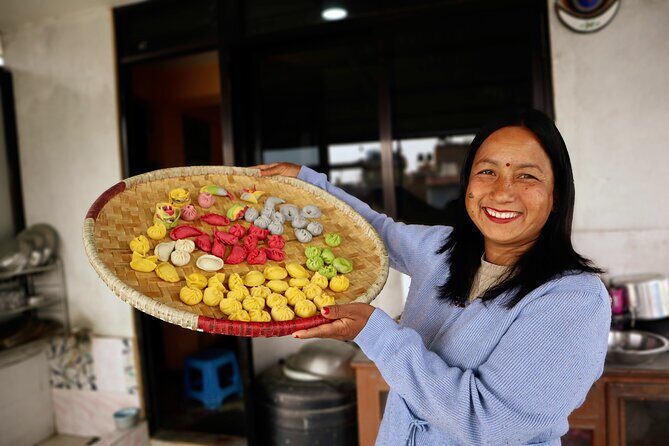
- Rainbow-colored momos from real ingredients using beetroot, spinach, carrot, and butterfly pea
- Queer-forward vibe with a welcoming, inclusive approach to food and community
- Learn-by-doing shaping tips, including a hilarious cosmetics-style pinch routine
- You’ll eat your results, with momos served both steamed and fried
- Small group size (max 15) for a more personal feel
- Practical logistics: pickup offered and a mobile ticket
Why Rainbow Mo:Mo Makes Sense in Kathmandu
Kathmandu has plenty of food experiences, but this one is different because it treats momo-making like a creative craft. You’re using naturally colored ingredients, so the fun isn’t only in the taste. It’s also in the look of what you’re building, one pinch at a time.
I also like that the class is explicitly queer-forward. That matters because it shapes the tone of the room: less stiff, more playful, and built around comfort. When an activity is designed this way, you don’t have to “perform” to be included.
Finally, it’s a good fit for people who want something hands-on without a huge time commitment. Two hours in Kathmandu is realistic even on a packed day.
You can also read our reviews of more tours and experiences in Kathmandu.


Garden of Dreams Start: The Easiest Way to Begin
You meet around the Garden of Dreams area at Tridevi Sadak (Kathmandu 44600). The good part is simple: you aren’t spending half the morning hunting for the right street. Pickup is offered, and you also have a mobile ticket, which usually makes check-in less of a hassle.
The class window runs daily from 9:15 AM to 4:15 PM (based on the dates the activity runs). That flexibility is helpful because Kathmandu plans can shift based on traffic, weather, or energy levels.
And because the activity ends back where you start, you don’t need a complicated schedule to get back into your day. It’s built to be a standalone experience.
Natural Color Dumplings: Beetroot, Spinach, Carrot, Butterfly Pea
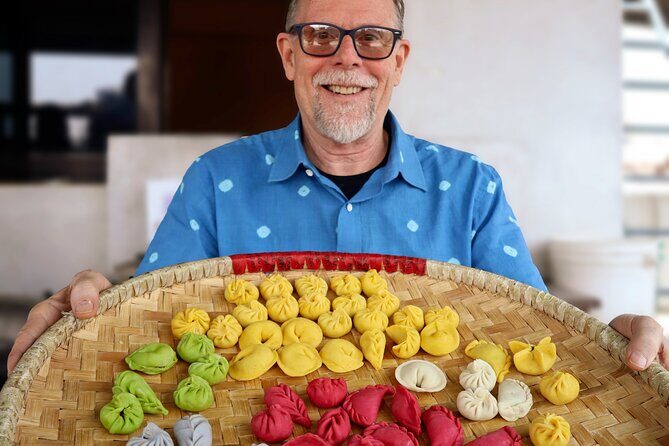
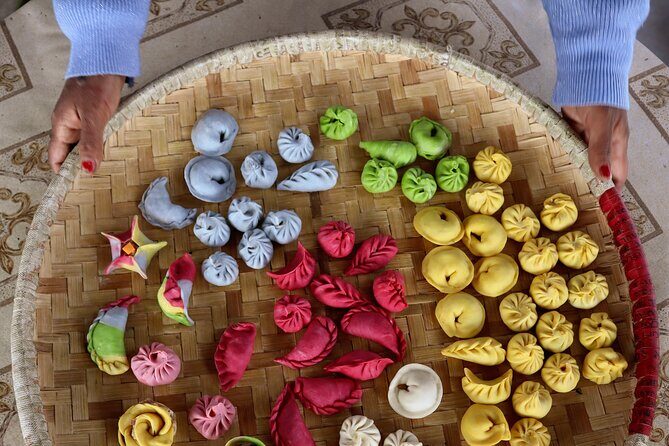
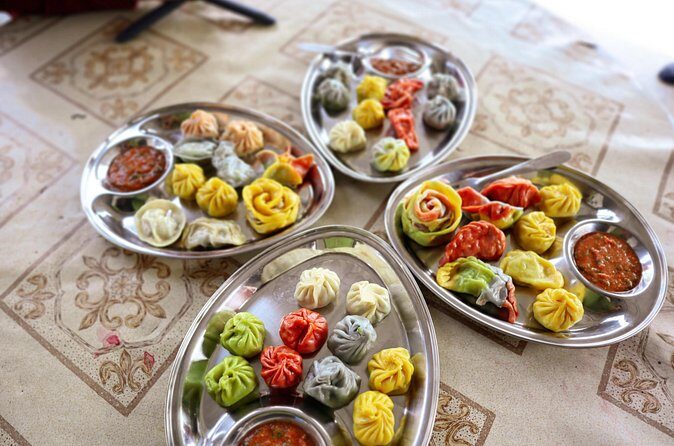
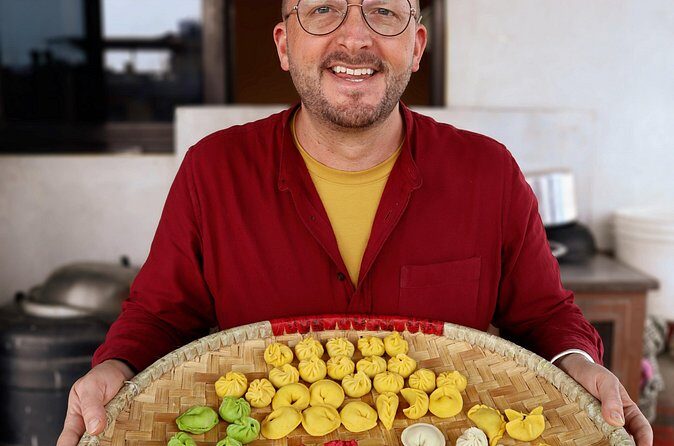
This is the part you’ll remember when you think about the class later. The momos are colored using different ingredients: beetroot, spinach, carrot, and butterfly pea. Each one changes the dough and gives a distinct look to the finished dumplings.
For your trip planning, this means you’re doing more than “basic momo.” You’re learning how ingredients can act like color tools. That makes it especially fun if you like food photography, or if you just enjoy visual food experiments that still taste like momo.
Here’s what I’d pay attention to as you work:
- Keep an eye on consistency as you combine or handle different dough colors, because texture affects how cleanly dumplings fold.
- Watch how the instructor balances natural color with the familiar momo feel, so you don’t end up with dumplings that look great but don’t hold together.
The ingredient list is also a nice way to learn without being overwhelmed. Four color sources is enough variety to feel special, but not so many steps that it becomes a chemistry class.
The Shaping Lesson: Pinch, Fold, Repeat (With Laughs)
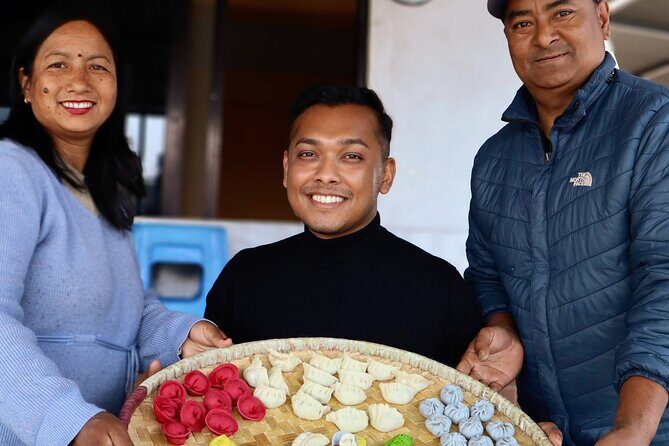
Momo-making can be fiddly. The good news here is that the instruction style is playful and specific, not vague. One of the funniest teaching moments is how they compare careful shaping to cosmetic artistry: you put the Botox in the face, then you pinch, pinch, pinch.
Even if you’re new to dumplings, that kind of imagery helps you focus on the mechanics. You know what to do and you can tell when you’re doing it “right,” because the teacher is guiding the exact hand movements, not just saying “fold neatly.”
I’d take that seriously because shaping is where most beginners struggle. The folding needs to seal well enough to stay intact, and the pinch pattern affects both appearance and bite. In a class like this, the goal isn’t perfection. It’s getting your dumplings off the table and into the cooking phase with confidence.
Also, you’ll likely appreciate the pacing. With a group capped at 15, instruction can stay watchful. That means you can ask a question without feeling like you’re shouting over a huge crowd.
Steamed and Fried: What You’ll Actually Eat
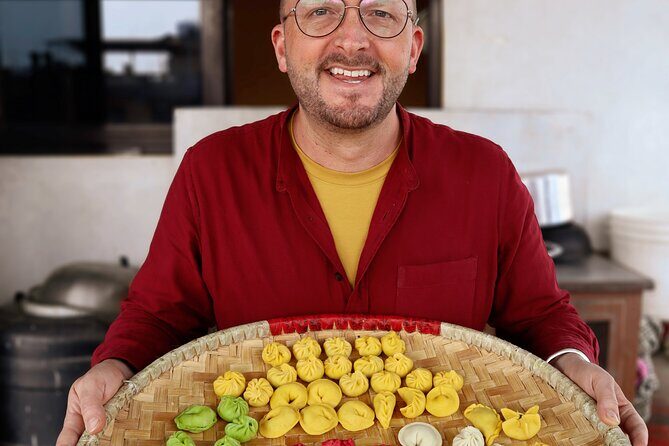
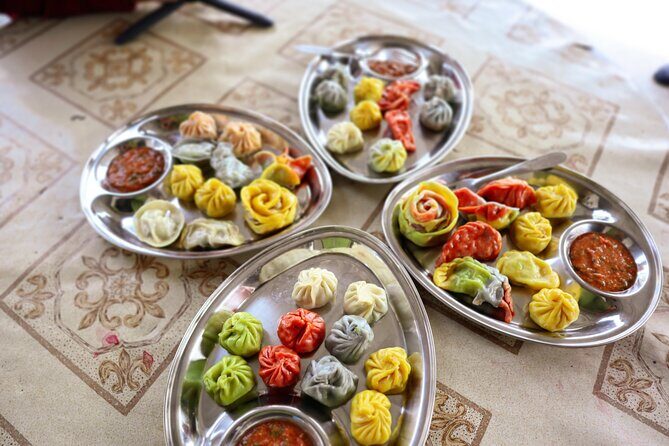
This class isn’t only about the making. Your momos are served cooked two ways: steamed and fried. That’s a valuable detail because it changes the experience.
Steamed momos usually give you a softer bite and a cleaner, more direct dumpling flavor. Fried momos add texture and a bit of crispness on the outside, which can make the filling feel richer. Having both lets you taste how the same dumpling idea transforms with cooking method.
If you’re the type who likes to learn by comparing, this is a smart format. You’re not guessing what fried would be like. You get both in the same session.
One practical note: since the session is only about two hours, come with at least a moderate appetite. This isn’t a full meal course day, but it’s not a “one bite and leave” situation either, based on the structure of the class and the fact that you cook and eat what you make.
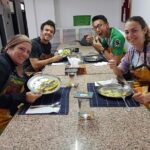




The People Part: Guides Who Keep It Friendly
Two guide names come up in the experience details: Prajeet and Aayam. Prajeet is noted for picking someone up at the hotel lobby on time, which matters because Kathmandu mornings can be chaotic. Aayam is mentioned for teaching the shaping and rolling, the core skill that determines how your dumplings turn out.
That’s the real value of a class like this: good instruction turns a tricky food skill into a fun win. When the teacher is patient and clear, you leave with skills you can repeat at home, not just a plate of dumplings.
Also, one review example highlights a session where someone joined alone and still had a great time. Even though you can’t bank on being the only person, the small group size helps keep the energy interactive instead of crowded.
Price and Value: How $44 Fits a Two-Hour Skill Class
At $44 per person, this isn’t the cheapest food option in Kathmandu, but it also isn’t a luxury dinner. You’re paying for a guided, hands-on cooking lesson with natural-color ingredients, and you’re eating your results (including steamed and fried).
What makes it feel like decent value is the combination of:
- Instruction plus materials for multiple dumpling colors
- A small group cap (max 15), which typically supports more attentive teaching
- Pickup offered and a mobile ticket, which reduces friction during check-in
The booking pace is another hint. It’s commonly booked about 31 days in advance on average. That suggests it’s not an empty-spot activity all the time. If you’re traveling during a busy period, locking in your slot early is a smart move.
Practical Tips for a Smooth Class Day
Here’s how to set yourself up so you enjoy the full two hours without stress.
First, plan to arrive with a little buffer. Even though pickup is offered, Kathmandu traffic and timing can vary. If you’re on your own, you’ll be near public transportation, but you still don’t want to rush and start flustered.
Second, dress for hands-on food work. You’ll be pinching and shaping dumplings, and even careful cooks can get dough on sleeves.
Third, don’t overthink the colors. The class is set up so you can follow along ingredient by ingredient. Your goal is to make dumplings that cook well and look like your work. If one color doesn’t go perfectly, you’ll still get plenty of dumplings to taste and learn from.
Finally, bring an open mindset about the theme. The queer-forward focus is part of why the room feels different. If you like inclusive, friendly social energy with real food skill building, you’ll fit right in.
Who Should Book Rainbow Mo:Mo?
This is a strong choice if you:
- Want a hands-on food class rather than a passive tasting tour
- Like your travel experiences to feel welcoming and inclusive
- Enjoy experimenting with ingredients and visuals, not just eating
- Prefer something short and skill-based that fits into a day in Kathmandu
It may be less ideal if you want:
- A multi-stop sightseeing day with lots of walking and landmarks
- A long, deep historical lecture (this is mostly about making and eating)
- A very quiet, solo-focused experience (the group setting is part of the fun)
If you’re traveling with friends, it’s also a good shared activity because you’ll all be shaping dumplings and comparing how each color turns out.
Should You Book Rainbow Mo:Mo?
If you like food as a craft, and you appreciate travel experiences that are openly inclusive, I think this is an easy yes. The natural color ingredients (beetroot, spinach, carrot, butterfly pea) make it more memorable than a standard momo lesson. The small group size and the friendly guiding style from people like Prajeet and Aayam help turn a potentially fiddly skill into a satisfying session.
If you’re short on time, it’s also one of the cleaner options: you meet near Garden of Dreams, make your dumplings, eat steamed and fried versions, then head back. At $44, you’re paying for real teaching and real food, not just vibes.
FAQ
FAQ
How long is Rainbow Mo:Mo in Kathmandu?
It’s about 2 hours.
How much does Rainbow Mo:Mo cost?
The price is $44.00 per person.
Is pickup included?
Pickup is offered.
Where do I meet for the class?
The meeting point is the Garden of Dreams area on Tridevi Sadak, Kathmandu 44600, Nepal.
Where does the activity end?
It ends back at the meeting point.
What ingredients are used to make the colored momos?
Beetroot, spinach, carrot, and butterfly pea are used for the different colors.
Are the momos cooked in one way or multiple ways?
They’re served both steamed and fried.
What’s the group size limit?
The maximum number of travelers is 15.
How do I access the booking information?
You’ll get a mobile ticket.
Is there free cancellation?
Free cancellation is available, and you can cancel up to 24 hours in advance for a full refund.
What hours does the experience run?
It runs daily from 9:15 AM to 4:15 PM during the listed operating dates.