REVIEW · KATHMANDU
Traditional Momo Making Class
Book on GetYourGuide →Operated by Namaste Cooking School · Bookable on GetYourGuide
Momos start with your hands, not a menu. At Women Led Namaste Cooking School in Thamel, I love the hands-on focus on dough kneading and the way the English-speaking chefs coach folding step by step.
The kitchen setup also feels welcoming and practical, and you leave knowing you can repeat the technique at home, not just copy a recipe.
One heads-up: plan for a little extra time. Some sessions run longer than the posted duration, especially if the group is chatting and having fun.
In This Review
- Key things to know before you go
- Thamel’s women-led kitchen: the vibe that makes momo-making click
- Welcome chai and the fast start you’ll appreciate
- Dough time in practical terms: kneading until it behaves
- Fillings and Nepali spices: where flavor really starts
- Folding momos into shapes: technique over perfection
- The rooftop feel: clean, bright, and good for learning
- Cultural context: why momos matter in Nepal
- Tasting your own momos: chai-on-top satisfaction
- Price and value: $15 for real skills, not just a plate
- Timing and logistics you should plan around
- Who this class is perfect for (and who might hesitate)
- Common questions you’ll have before you book
- Should you book this traditional momo making class?
- FAQ
- Where does the momo making class take place?
- How much does it cost?
- How long is the class?
- What’s included in the class?
- Do I get hotel pickup and drop-off?
- Will the class be taught in English?
- What should I wear or bring?
- When should I arrive?
- Is free cancellation available?
- Can I reserve without paying right away?
Key things to know before you go
- Women-led teaching at a cooking school in Thamel, with a friendly, patient vibe
- Knead, fill, fold from scratch, not a simplified demo
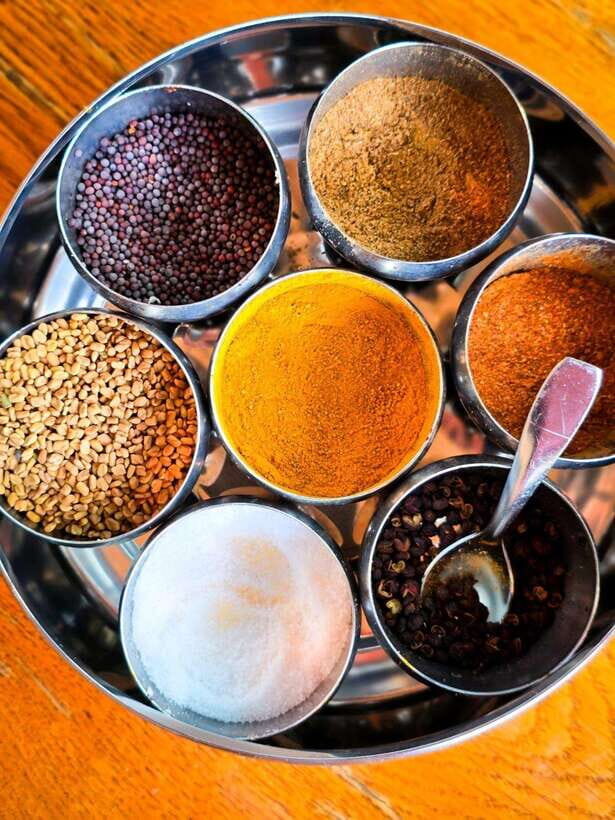
- Fresh ingredients and Nepali spices used during prep
- English instruction you can actually follow while you work
- Rooftop, bright kitchen feel, often calm and organized
- Chai + tasting at the end, so you get instant payoff
Thamel’s women-led kitchen: the vibe that makes momo-making click
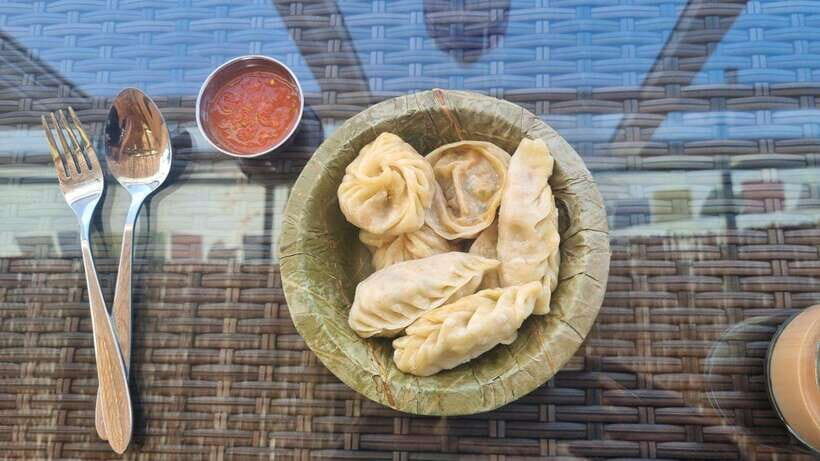
This class is based in Thamel, Kathmandu, at Women Led Namaste Cooking School. The setting is part of the charm: it’s bright, clean, and many sessions happen on a rooftop terrace feel, where the space stays quiet enough to focus.
What I like most is the tone of the teaching. You’re not being rushed through a checklist. The instructors guide you through each step—dough, filling, and the folding—so you understand what your hands should be doing, not just what your eyes should be copying.
You can also read our reviews of more tours and experiences in Kathmandu

Welcome chai and the fast start you’ll appreciate
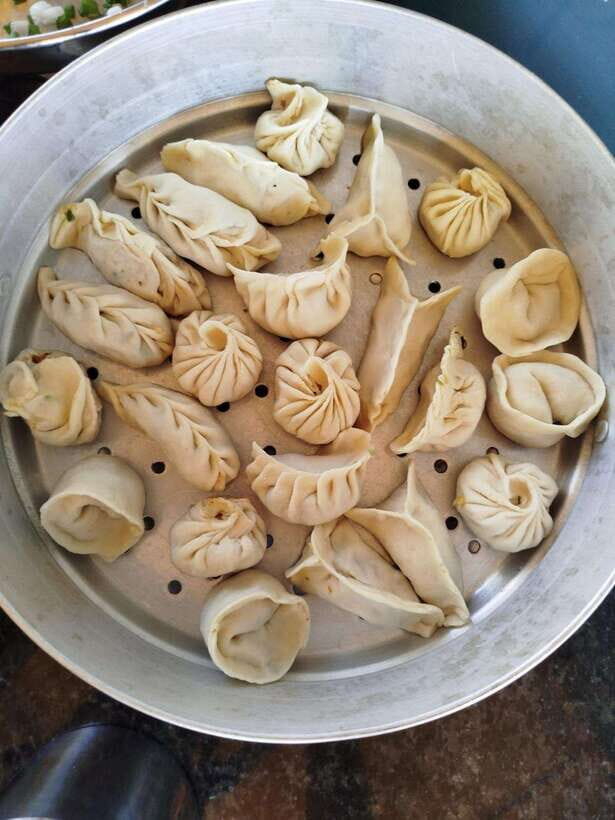
You’ll begin with a welcome masala chai. It sounds small, but it matters because it sets the pace. You’re not thrown straight into flour and confusion; you get a breather first, then you gear up for hands-on work.
Since the class is conducted in English, you can ask questions while you’re mid-task. That’s a big deal with dumplings, where small details—like dough texture and sealing technique—make the difference between neat pleats and stubborn leaks.
Dough time in practical terms: kneading until it behaves
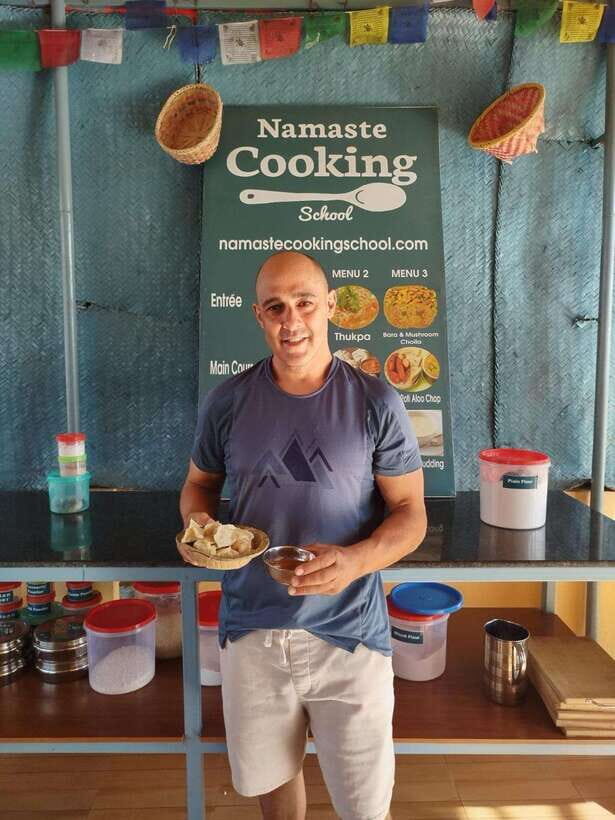
Momos start with dough, and this class treats dough like the real foundation. You’ll learn how to knead properly, so the dough becomes elastic enough to stretch and fold without tearing.
Kneading is one of those skills that’s hard to learn from a recipe alone. In a class like this, you can adjust as you go: if it feels too dry or too sticky, you get guidance on what to do next. That’s how you end up with dough that’s workable instead of just messy.
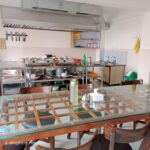
A plus from the overall experience: the kitchen environment is kept very clean and well organized. When you’re working with flour and filling, cleanliness helps your confidence. You can focus on the technique, not on the mess.
Fillings and Nepali spices: where flavor really starts
After the dough, you’ll move into fillings. The class covers preparation of the filling so you understand the workflow, not just the final taste.
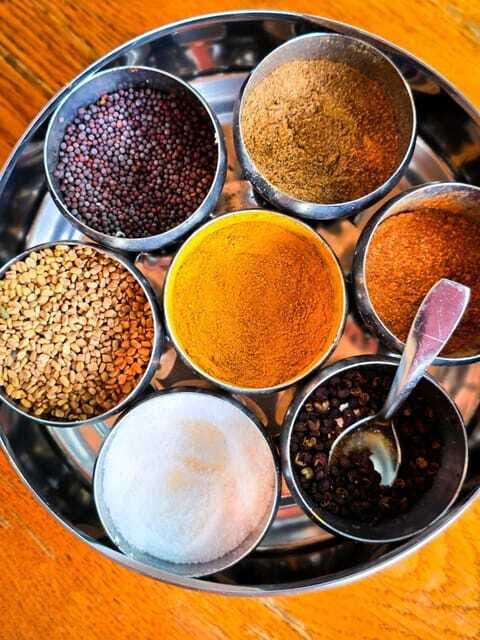
You’re working with fresh, locally sourced ingredients and authentic Nepali spices. That matters because momos don’t taste like generic dumplings. The spice blend and how the filling is built shape the whole identity of the dumpling—earthy, warm, and distinctly Nepali.
If you’re the type who always wonders why food tastes different in another country, this section is for you. You get to see how spice and ingredient choice translate into flavor you can recognize later, when you cook at home.
Folding momos into shapes: technique over perfection
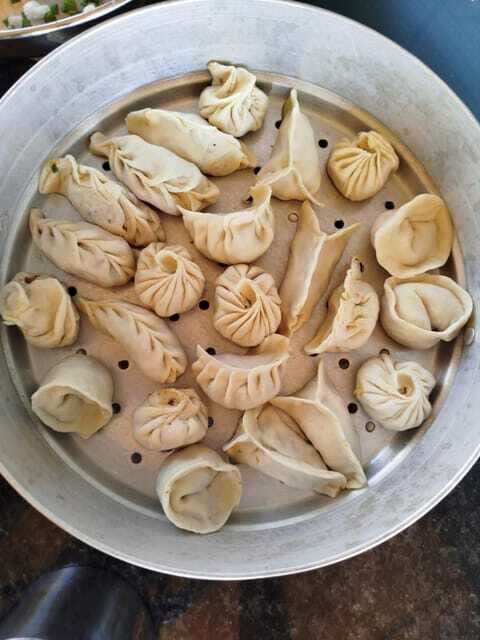
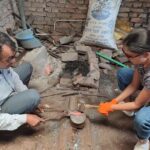
Folding is the part most people fear. The good news is that you’re shown the method while you’re doing it, so you learn the logic of the shape: how to seal, where the pleats go, and how to handle the dough without overworking it.
One practical detail: the instructors help you get started, then let you take over. You’re not stuck watching while your dumplings remain imaginary. You’ll get time to fold your own momos, which is where the skill really sticks.
Also, the instructors’ personalities help. In multiple sessions, people describe the women chefs as cheerful and energetic, with the group atmosphere staying light. That makes a fiddly task much less stressful.






The rooftop feel: clean, bright, and good for learning
The setting has a calm, bright feel. In some sessions, the class is held on a rooftop terrace that stays light and quiet enough to keep your attention on your hands.
This is a small point, but it affects the learning curve. When the lighting is good and the space is tidy, you can judge dough texture and filling consistency better. You also feel more relaxed asking questions, because you’re not competing with noise or clutter.
Cultural context: why momos matter in Nepal
The class doesn’t stop at cooking technique. You also get insight into the cultural significance of momos in Nepali celebrations and everyday life.
That context helps your dumplings make more sense. Momos aren’t just food you eat; they’re tied to social moments and shared meals. When you understand that, you taste differently—and you remember the class longer, because it’s anchored to more than just a skill.
Tasting your own momos: chai-on-top satisfaction
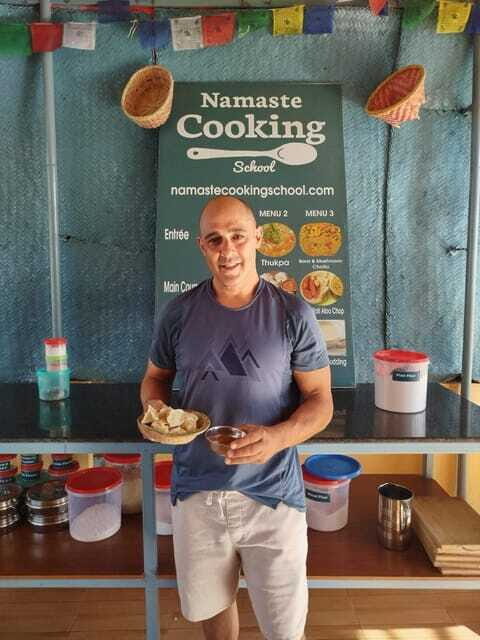
At the end, you taste your handmade momos. The tasting is a key part of the value here, because it closes the loop: you see what your work produced, right away.
It also helps you calibrate what you did well. If something is slightly off—maybe a fold isn’t perfect—you can still notice how flavor and dough quality contribute to the final bite. That’s the difference between a class that feels like work and one that feels like progress.
Some sessions also add a touch of traditional music energy, with a bit of dancing mentioned in past classes. I wouldn’t count on it every time, but the overall mood tends to stay warm and playful.
Price and value: $15 for real skills, not just a plate
At $15 per person for a 1.5-hour class, the value is strong because you’re getting more than a single tasting experience. You’re getting guidance from experienced local chefs, ingredients used during preparation, and hands-on practice from dough to final shape.
In other words, you’re paying for instruction time plus the learning experience. If you like cooking and want something practical you can repeat later, this is a very reasonable price point for Kathmandu.
Two small planning tips to keep it from feeling rushed:
1) arrive a bit early so you can settle in before flour starts flying
2) hold a little extra time in your schedule, since some sessions run longer than the posted duration
Timing and logistics you should plan around
The activity runs for 1.5 hours. Still, be ready for it to run longer. If your next plan is tight—like an immediate flight or a long walk you can’t shorten—give yourself buffer time.
There’s no hotel pickup or drop-off included. You’ll want to be comfortable navigating to Thamel on your own. That’s common in central Kathmandu activities, and it’s also why getting there early is worth it: you start relaxed instead of sprinting.
Who this class is perfect for (and who might hesitate)
This momo class works especially well if you want a skill you can repeat at home. It’s also a great fit for food lovers who enjoy learning about local ingredients and spice styles, not only eating them.
It’s also been enjoyed by families. One parent took an 11-year-old and the child was keen to help with chopping and folding. That’s a good sign if your kid is curious and can stay focused through a hands-on cooking session.
If you’re short on time or hate anything hands-on, you might feel stretched. Folding dough takes patience, and the class pace assumes you want to participate rather than watch.
Common questions you’ll have before you book
You’re usually deciding based on practicalities: how long it takes, what language you’ll get, and what you actually do. This class covers all the core tasks—kneading, filling, folding—and includes a chai welcome and a tasting at the end.
It’s also geared toward people who want a straightforward, friendly learning environment in English. From past experiences, the team communicates well and keeps the kitchen space clean and organized.
Should you book this traditional momo making class?
Yes, if you want a fun, hands-on way to learn real Nepali momo technique in Thamel. The best reason to book is simple: you leave with both practical dumpling skills and a flavor education—plus the cultural context of why momos sit at the heart of so many Nepalese meals.
Book it especially if:
- you like cooking and want something more than a quick bite
- you want English instruction and clear guidance
- you prefer clean, bright learning spaces with a friendly group feel
Skip it if you need a tightly timed schedule or you’re expecting a no-effort experience. This is a class where your hands matter.
FAQ
Where does the momo making class take place?
It takes place in Bagmati Zone, Nepal, in Kathmandu’s Thamel area at Women Led Namaste Cooking School.
How much does it cost?
The price is $15 per person.
How long is the class?
The duration is 1.5 hours.
What’s included in the class?
You get the momo making class, ingredients for momo preparation, guidance from local chefs, a tasting of your handmade momos, and welcome masala chai.
Do I get hotel pickup and drop-off?
No, hotel pickup and drop-off are not included.
Will the class be taught in English?
Yes, the instructor teaches in English.
What should I wear or bring?
Wear comfortable clothing and shoes suitable for cooking.
When should I arrive?
Arrive about 10 minutes before the class starts.
Is free cancellation available?
Yes. You can cancel up to 24 hours in advance for a full refund.
Can I reserve without paying right away?
Yes. There is a reserve now & pay later option, so you can book your spot and pay nothing today.