REVIEW · KATHMANDU
Traditional Kathmandu Day Tour with History and Mystery
Book on Viator →Bookable on Viator
Kathmandu has a second face beyond the main sights. This day tour threads you through lesser-visited Newar towns and quiet corners of the Kathmandu Valley, with history and mystery talk from start to finish. You get a plan, a guide, and a full day that feels less like checkboxes and more like a story you can walk through.
I especially like the mix of cultures: Hindu temple views, Buddhist stops, and Newar daily life all in one route. I also like that it’s built for social travel, so solo visitors can chat with other international people without constantly feeling alone. One thing to consider: some key entrances are not included, so you’ll want a little cash on hand for temple and lake fees.
You’ll roll out of central Kathmandu with an English-speaking guide and an air-conditioned vehicle, then spend the day walking through narrow alleys and sacred courtyards. The route keeps you away from the most crowded heritage circuit and sends you to places like Kirtipur, Khokana, and Bungamati, where the stories sound local because the setting is local. The possible drawback is practical, not dramatic: the day includes walking time at multiple stops, so comfortable shoes matter.
In This Review
- Key Things I’d Watch For Before You Go
- First, What This Tour Actually Feels Like
- Kirtipur Day Start: Bagh Bhairab Temple and the Valley View
- Why This Matters for You
- Kirtipur on Foot: Chilancho Bahal, Uma Maheshwar, and Alley Views
- A Consideration
- Khokana: Traditional Newar Life and the Mystery of No Chickens
- What to Expect On Arrival
- Bungamati Museum and Macchendranath: Wood Carving Masks and Ponds
- Why This Is Better Than a Standard “Museum Stop”
- Taudaha Lake: Ducks in Winter, Myths, and a Peaceful Walk
- A Practical Note
- Manjushree Park and the Bagmati River Gorge: Where Mystery Fits In
- Price and Logistics: Is $32 Good Value?
- When $32 Might Feel Tight
- The Group Size Factor
- Walking Time and Comfort: What to Wear and Bring
- Who This Tour Suits Best
- A Quick Reality Check: If Something Goes Wrong
- Should You Book This Traditional Kathmandu Day Tour?
- FAQ
- How long is the Traditional Kathmandu day tour?
- What time does the tour start and where do I meet?
- Is the price $32 per person or per group?
- Are entrance fees included?
- Are meals included?
- Is bottled water included?
- Is the tour good for solo travelers?
- How large is the group?
- What is the cancellation policy?
Key Things I’d Watch For Before You Go
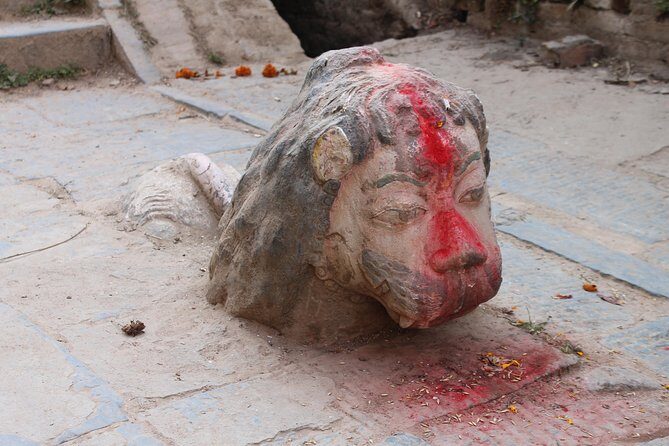
- Kirtipur’s hilltop temple views set the tone early, with a real sense of where Kathmandu Valley sits.
- Chilancho Bahal + Uma Maheshwar means you’ll move on foot through Kirtipur’s tight lanes, not just arrive and leave.
- Khokana’s daily life angle is the point, including the unusual detail about no chickens in the village.
- Bungamati Museum and Macchendranath focus on Newar crafts, including wood carving and mask-making.
- Taudaha Lake can be a seasonal treat for winter migrations, plus a calm walk by the water.
- One admission catch: entrances are not included across the day, depending on the stop.
First, What This Tour Actually Feels Like
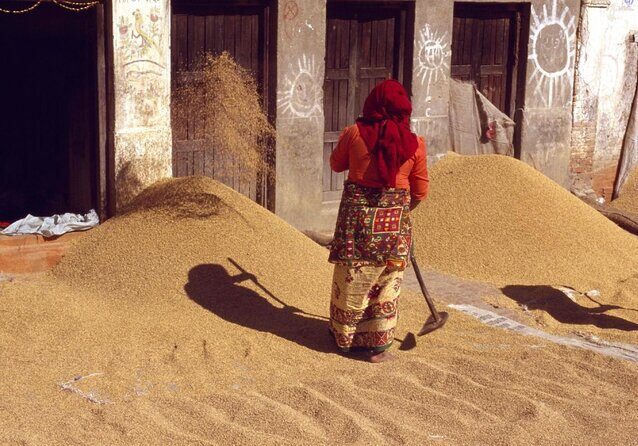
This is a traditional Kathmandu day tour designed for people who want the Valley’s smaller, more human scale. You won’t just park at major monuments. Instead, you spend your hours moving through Newar neighborhoods and sacred spaces, hearing commentary that connects landmarks to local beliefs.
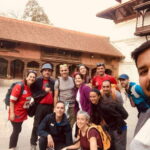
The friendship-tour concept is also real value. The group max is 30, and it’s structured so you can mingle if you’re traveling alone. I like that for a destination as intense as Kathmandu: you get companionship without needing to force it.
And yes, the route leans into mystery. You’ll hear myths and stories around places like Taudaha Lake and the river area, which is exactly the kind of context that makes religious sites feel alive rather than museum-still.
You can also read our reviews of more historical tours in Kathmandu
Kirtipur Day Start: Bagh Bhairab Temple and the Valley View
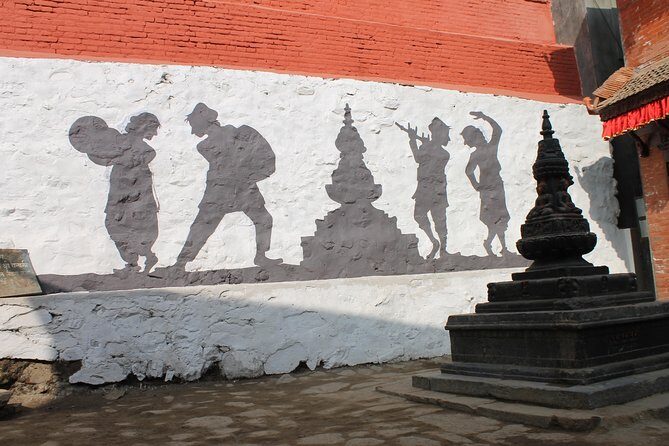
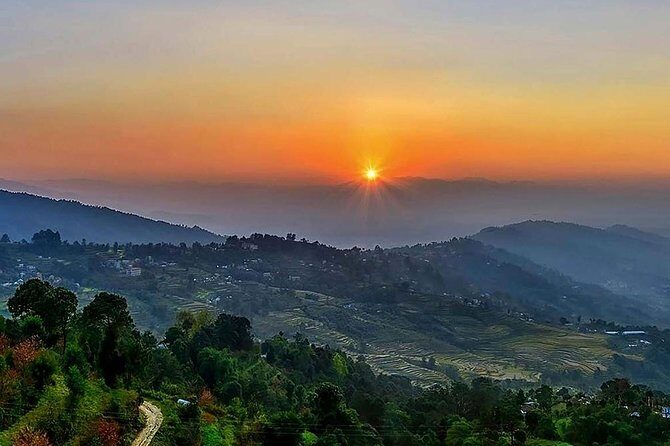
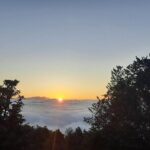
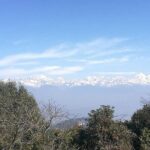
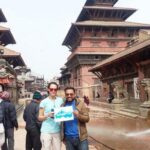
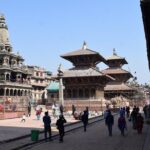
You begin at Bagh Bhairab Temple in Kirtipur, a town linked with the indigenous Newar community. The temple sits in the foothills south of Kathmandu, which matters because it gives you a topographical sense of the whole Valley early in the day.
The stop is short, about 30 minutes, and it’s mostly about orientation: view, atmosphere, and the guide’s story layer. Admission here is not included, so plan for a ticket cost even if the amount isn’t huge.
Practical tip: temples are active places of worship. Go slower, keep your voice down, and be mindful with photos. If you want the best views, arrive with a little patience and don’t rush the edges of the viewpoint.
Why This Matters for You
This kind of opening stop is useful. Instead of later trying to mentally map Kathmandu Valley from scattered landmarks, you start with geography. After that, every other stop feels more connected.
Kirtipur on Foot: Chilancho Bahal, Uma Maheshwar, and Alley Views
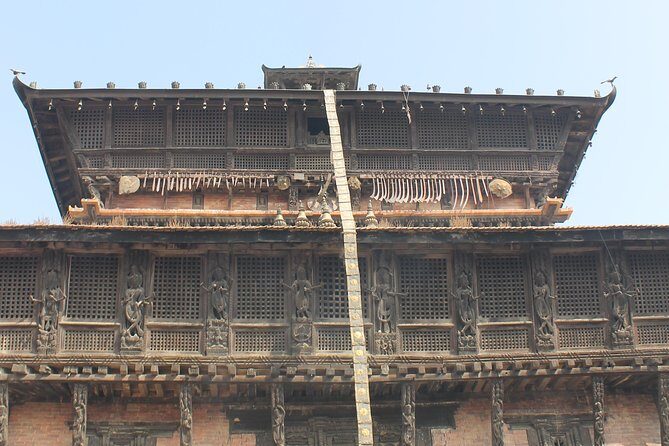
Next comes Chilancho Bahal, a popular Buddhist temple stop in Kirtipur. The visit time is about 1 hour, and access is free for this portion.
The best part here is how you move. You walk through Kirtipur’s narrow alleys and you’ll pass Uma Maheshwar Temple along the way, which gives you a lived-in feel. This is the kind of street experience that’s hard to replicate if you come on your own because you’d likely miss which lane leads to which courtyard.
No, it’s not a theme park walk. It’s more like watching a neighborhood continue while you’re among it. You’ll likely notice everyday rhythms—small storefronts, home entrances, and shrine-adjacent life.
A Consideration
Since you’re walking through tight alleys, wear shoes that grip well and don’t mind uneven surfaces. It’s usually fine for most people, but ankle-stable footing makes the difference between enjoying the lanes and rushing through them.


Khokana: Traditional Newar Life and the Mystery of No Chickens
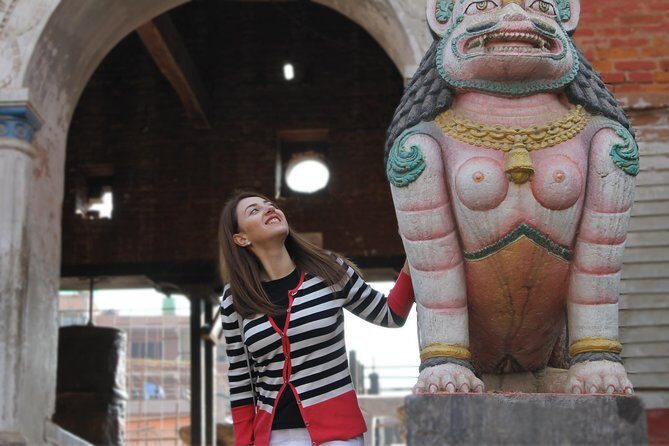
Khokana is where the tour leans hardest into “less popular than the famous sites.” You head to Khokana Bus Park as your access point into the village, then spend around 1 hour there.
This is described as one of those places even many locals from Kathmandu don’t visit. That’s the point: you’re seeing village life and traditional houses rather than just looking at a stone monument.
A few details I’d highlight because they shape your experience:
- It’s a traditional Newar town with a livelihood-focused vibe.
- You’ll hear mysterious historical stories, not just generic travel facts.
- You will not see chicken in this village, which is an unusual cultural detail that your guide can explain in context.
This stop is free for admission based on the tour info.
What to Expect On Arrival
Khokana is the kind of place where you’ll feel the difference between rural rhythm and city speed. If your travel style is “I want to see how people live,” this is the part that will likely stick with you.
If your travel style is “I want iconic skyline photos,” you might find this stop calmer and less dramatic. Still, it’s exactly the balance that makes the full day worthwhile.
Bungamati Museum and Macchendranath: Wood Carving Masks and Ponds
After Khokana, you head to Bungamati Museum and Macchendranath temple. The time on this stop is around 1 hour, and admission is listed as free.
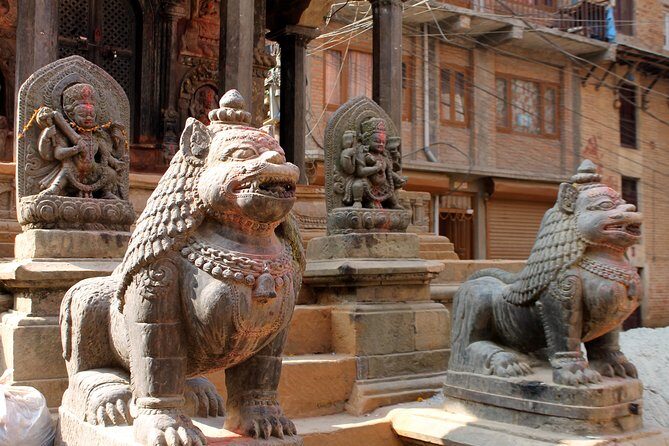
This is one of the more craft-and-community stops on the day. You’ll see traditional cultural elements connected to the Newar community, including wood carving. One specific local craft mentioned is mask-making, which is a great hook because it’s tangible art you can relate to rituals and festivals.
You’ll also see traditional ponds in the area. That might sound like a small detail, but it changes how the place feels. Ponds bring you back to everyday utility and slow beauty, not just worship architecture.
Why This Is Better Than a Standard “Museum Stop”
Many museum stops in big cities become fast and forgettable. Here, the focus is on local craft practices and the everyday setting that surrounds them. That means you leave with more than names—you get a sense of how skills and symbols move through daily life.
If you’re the kind of person who likes buying handmade items, this is the moment where you’ll actually understand what you’re looking at. Just note that the tour info doesn’t mention shopping stops, so don’t expect a formal market layout.
Taudaha Lake: Ducks in Winter, Myths, and a Peaceful Walk
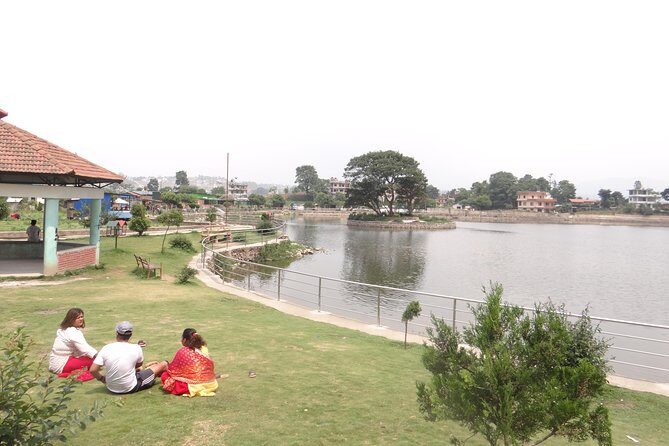
The day closes at Taudaha Lake, about 10 km south of Kathmandu. You’ll spend around 1 hour here, and admission is not included.
Taudaha is described as a lake with historical and religious importance. You’ll hear local beliefs and myths, and there’s a notable creature tied to the legend: a popular snake named Karkotatk Naag. Whether you take the story literally or as folklore, the point is that the lake lives in local imagination.
Seasonally, this stop has extra appeal: in winter, Siberian ducks may arrive for migration. If you’re traveling in the colder months, you might time this day for a chance to see them.
You can also walk around the lake. The tone here is peaceful—less “tour schedule pressure,” more “pause and breathe.” Fish are present, and you can feed fish here.
A Practical Note
Because lake admission isn’t included, bring money for a ticket if it applies. Also, bottled water is not provided, so plan to refill or bring your own water if you’ll be out for 5 to 7 hours.
Manjushree Park and the Bagmati River Gorge: Where Mystery Fits In
Your route includes a “mystery” style stop in the broader plan: Manjushree Park, with old caves and a view of the Bagmati River gorge area. This part is where the tour’s storytelling tone usually peaks, because caves and gorge viewpoints naturally invite myths, symbols, and local explanations.
Even if you’re not a mythology person, I think this is a smart inclusion. It connects the Valley’s physical geography to belief systems, which is how you understand Kathmandu beyond a photo list.
One small consideration: caves and gorge viewpoints can be slippery or uneven depending on conditions. Keep your footing careful and slow down near edges.
Price and Logistics: Is $32 Good Value?
At $32.00 per person, this tour is priced to be accessible, especially considering it includes an air-conditioned vehicle, a government certified English-speaking guide, and all service charges and taxes.
Where the value equation gets interesting is what’s not included:
- Entrances are not included overall (even though some specific stops are free).
- Bottled water is not included.
- Meals and drinks are not included.
So you’re paying mostly for guide time, transport, and the scheduled flow of stops. That’s a fair trade if you want a structured, story-led day that includes multiple neighborhoods you probably won’t reach easily on your own.
When $32 Might Feel Tight
If you end up paying multiple entrance fees plus buying snacks and water, your total day cost increases. If you’re on a strict budget, pack light and budget for tickets. This isn’t a “free everything” tour.
The Group Size Factor
With a maximum of 30 people, you get the social benefit without it turning into a giant bus blob. The friendship element works best when the group isn’t too large, and this cap helps.
Walking Time and Comfort: What to Wear and Bring
This is not a “sit in the van all day” experience. You’ll do walking through alleyways and courtyard areas, plus a lakeside circuit.
To make it easy on yourself:
- Wear shoes with grip for uneven stone or compacted paths.
- Bring a light layer if the weather shifts, especially near water.
- Bring cash for any entrance fees that come up.
- Don’t rely on bottled water being included.
If you’re sensitive to sun, add a hat or sunscreen. If you’re visiting temples, dress modestly so you can move comfortably through sacred spaces.
Who This Tour Suits Best
This one fits you if:
- You want Newar culture in places outside the main tourist circuit.
- You like a guide who explains why things matter, not just what they are.
- You’re traveling solo and want a built-in way to connect with other international people.
- You enjoy quiet, story-driven stops like villages and lakes.
It might feel less ideal if:
- Your priority is only major world-famous landmarks and big crowds.
- You hate walking through narrow lanes or spending time at calmer, less flashy sites.
- You expect entrances and extras to be fully covered.
A Quick Reality Check: If Something Goes Wrong
There’s at least one very negative note tied to the tour availability, with a complaint that the tour didn’t exist or operate as expected. That’s rare, but it’s enough that I’d be cautious in a time-limited trip.
My practical approach: once you book, keep your confirmation info accessible and, if possible, confirm day-of with the operator before you fully commit your day plans. If you’re on a tight schedule, consider holding a backup half-day idea.
Should You Book This Traditional Kathmandu Day Tour?
I’d book it if you want a genuine Kathmandu Valley day built around Kirtipur, Khokana, Bungamati, and Taudaha Lake, with stories that make the route feel personal. The value at $32 makes sense if you’re happy to pay any entrances as you go and if you can enjoy walking and village-scale sightseeing.
Skip it (or switch to a different plan) if you only want the biggest headline monuments, or if paying extra fees and walking time would make your day feel stressful. Also, because there is at least one serious operating complaint, double-check that the tour is running when your day arrives.
If you’re flexible, socially open, and curious about how Kathmandu’s neighborhoods connect to belief and daily life, this is a solid way to spend 5 to 7 hours.
FAQ
How long is the Traditional Kathmandu day tour?
It runs for about 5 to 7 hours.
What time does the tour start and where do I meet?
The tour starts at 9:45 am, with the meeting point at Leknath Marg, Kathmandu 44600, Nepal. It ends back at the meeting point.
Is the price $32 per person or per group?
The price is $32.00 per person.
Are entrance fees included?
Entrances or any tourist entry ticket are not included overall. Some stops are listed as free, but you should still expect possible paid entrances at others.
Are meals included?
No. Any meals or drinks are not included.
Is bottled water included?
No. Bottled water is not included.
Is the tour good for solo travelers?
The tour is described as a friendship tour where you can make friends, so solo travelers should feel less lonely.
How large is the group?
The maximum group size is 30 travelers.
What is the cancellation policy?
Free cancellation is available up to 24 hours in advance for a full refund, based on local time.
If you want, tell me your travel dates and whether you’re visiting in winter. I can help you judge whether Taudaha Lake’s winter duck chance is worth building your day around.