REVIEW · KATHMANDU
Short Everest Base Camp Trek 10 Days
Book on Viator →Operated by Eco Holidays Nepal · Bookable on Viator
Ten days to stand before Everest’s doorstep. This short Everest Base Camp trek links Kathmandu to Lukla flights, tea-house nights, and key Sherpa places like Namche Bazzar and Tyangboche. I like that the roundtrip flight tickets (Kathmandu–Lukla–Kathmandu) are included, saving you a big planning headache. I also like that they provide useful trekking gear like a sleeping bag and down jacket. One catch: your Kathmandu hotel and everyday extras like bottled water, coffee/tea, and personal spending are not included.
A big plus here is the human factor. You’ll be on a private tour, and the guide attention shows up in the way people describe the trip: Pradeep, BK, Dhruba, and Susil all get called out for being helpful, safety-minded, and detail-focused. And when weather forces a change, the goal stays practical. One group even shifted from a planned route to base camp after an October snowstorm, and they felt it was the smart move.
In This Review
- Key things I’d bookmark before you go
- From Tribhuvan Airport to Lukla: saving days the smart way
- Everest Base Camp in 10 days: what the route is built to deliver
- Namche Bazzar and Sherpa culture: more than a photo stop
- Tyangboche monastery: the calm counterpoint to big peaks
- Khumbu glacier and icefall: where the scenery gets serious
- Tea houses and meals: what’s included, and what you’ll buy anyway
- Gear you get on day one, then get back on the way out
- Price and logistics: is $1,690 actually good value?
- Guides, safety, and the reality of Everest weather
- Who this trek suits best
- Tips to make your short EBC trek feel smooth
- Should you book Short Everest Base Camp Trek 10 Days?
- FAQ
- Where does the trek start?
- How long is the short Everest Base Camp trek?
- Is the tour private?
- What’s included in the price?
- What trekking gear do I get?
- Are meals fully included?
- Is a porter included?
- Is a Kathmandu hotel included?
- What happens if weather is bad?
Key things I’d bookmark before you go
- Direct flight setup: Kathmandu–Lukla–Kathmandu is included both ways
- Tea houses covered: accommodation during the trek is included
- Meals included daily: breakfast, lunch, and dinner are part of the package
- Gear included and returned: sleeping bag, down jacket, and duffel bag supplied (then brought back)
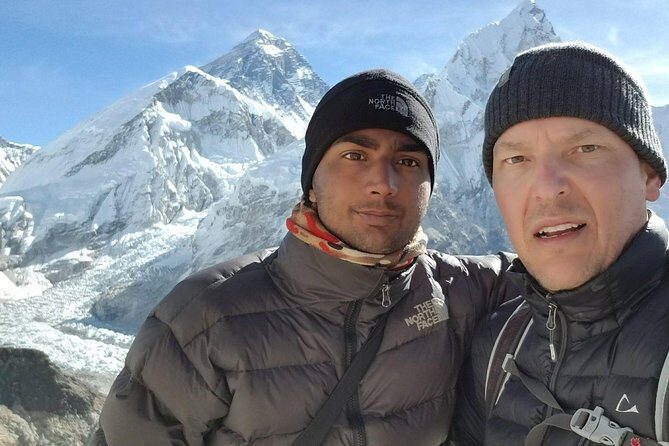
- Signature sights are planned in: Mount Everest, neighboring 8000m+ peaks, Khumbu glacier, Khumbu icefall, and Tyangboche monastery
- Sherpa culture time: Namche Bazzar is built into the route
From Tribhuvan Airport to Lukla: saving days the smart way
Most “short” Everest plans win or lose based on how you get up into the mountains. Here, the backbone is the flight from Tribhuvan Airport to Lukla and then back again at the end. Because the flight is roundtrip and included, you’re not scrambling mid-trip to rebook weather-dependent flights.
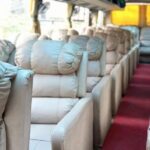
You also get an air-conditioned vehicle for the airport-side part of the logistics, which matters in Kathmandu’s heat and traffic. It won’t make you a Sherpa, but it does reduce stress before you start climbing day after day.
One more small but real detail: you get a mobile ticket, so you’re not juggling paper confirmations in a place where your time is better spent preparing for altitude and early starts.
You can also read our reviews of more hiking tours in Kathmandu
Everest Base Camp in 10 days: what the route is built to deliver
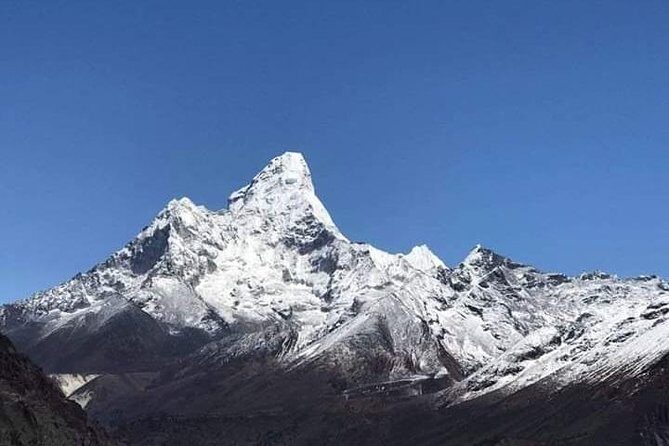
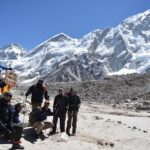
This is a “short time frame” trek designed to reach Everest Base Camp without turning your trip into a second job. In practice, that means your sightseeing targets are concentrated: big Everest views, classic Khumbu scenery, and the Sherpa hubs along the way.
You’re set up to see:
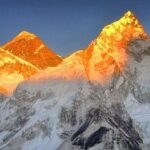
- Mount Everest and nearby peaks above 8000m
- Khumbu glacier and Khumbu icefall in the bigger Everest backdrop
- The Dhudhkosi river valley views as you work through the Khumbu region
- A cultural anchor point at Tyangboche monastery, described as an old monastery
The value of this focus is simple: you spend more of your limited time actually on the trek and less time wondering what day you’ll see the good stuff. The drawback is also simple: with a shorter trek, you have less flexibility to slow down for every viewpoint. If you’re someone who loves lingering, you may need to be intentional about pacing.
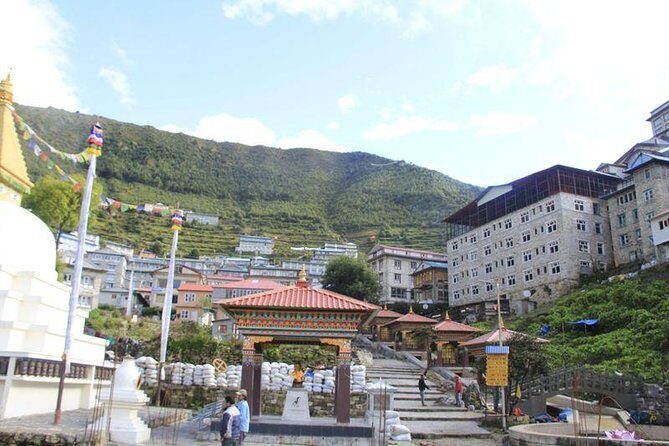
Namche Bazzar and Sherpa culture: more than a photo stop
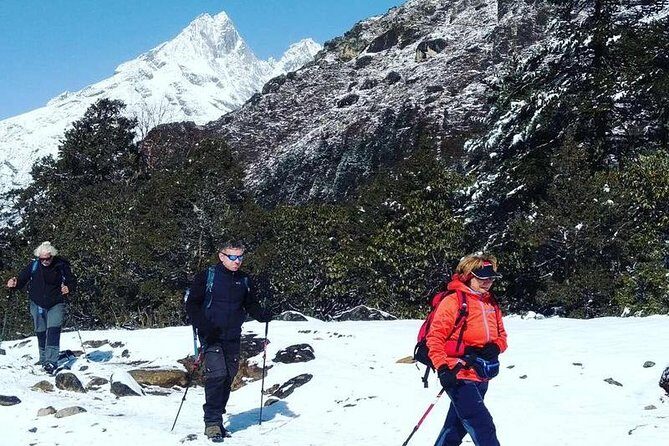
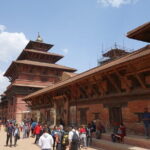
Namche Bazzar is called the Sherpa capital, and the trek is designed so you don’t just pass through. You get time to experience day-to-day life and the people who keep the Khumbu moving: Sherpa culture, trading, and local routines that look calm on the outside and work hard underneath.
Why this matters for you: Everest trekking isn’t only about where you end up. It’s also about understanding the community that lives in the shadow of those peaks. A good guide helps you connect what you see—shops, bakeries, gear stores, prayer flags, and mountain talk—to the real lives behind them.
Based on the guide stories tied to this trek, it sounds like the team approach is consistent: guides like Pradeep and Dhruba are praised for being helpful and personable, and that personality matters at Namche. It’s where you go from “I’m doing Everest” to “I’m living in the Everest world for a bit.”
Tyangboche monastery: the calm counterpoint to big peaks
Tyangboche is part of what makes this trek feel like more than a checklist. The monastery is often a turning point: you get a quieter, more reflective feel after the busier trekking rhythm.
From your itinerary info, you’ll visit Tyangboche monastery (the old monastery), which gives you a cultural sight that contrasts with the glacier and icefall drama later. You’ll likely remember it because it slows you down. You stop, look around, and feel the mountains in a different way—less about spectacle, more about atmosphere.
The practical consideration: if you’re unlucky with weather, monastery views can be hazy. It’s not anyone’s fault. Everest country is weather-driven, and clear skies are a gift. Your best strategy is patience and flexible timing, and a good guide helps you make that happen.
Khumbu glacier and icefall: where the scenery gets serious
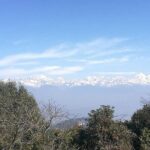
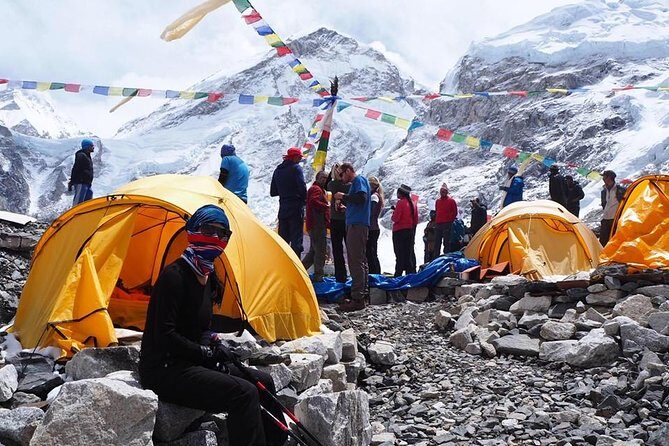
This trek is set up to show you parts of the Khumbu’s most recognizable big-mountain scenes, including the Khumbu glacier and the Khumbu icefall. Even when the clouds do their thing, you still feel the scale because the trek brings you into the direct orbit of that terrain.
What I like about including these sights on a short 10-day itinerary is that they give you a sense of place. You’re not only walking toward a destination sign. You’re walking through the geography that makes Everest what it is.
The possible drawback: icefall areas are dramatic, and weather can limit visibility. That’s where guide experience matters. From the feedback tied to this trek, guides pay attention to safety and keep you oriented, which is what you want when the scenery is intimidating.

Tea houses and meals: what’s included, and what you’ll buy anyway
Food is usually where trekking budgets get messy, so I’m glad this one is clear. Included meals are breakfast, lunch, and dinner. You’ll also get tea house accommodation during the trek, so you’re not hunting for lodging each night.
What you should still plan for:
- Coffee and/or tea are not included
- Bottled water is not included
- Alcohol and sodas/pop are not included
- Personal expenses are not included
That list looks small, but over 10 days it adds up. If you’re a frequent tea/coffee person, bring your own habits into the budget. And if you hate paying extra for basic items, you’ll want to think carefully about hydration and where you’ll spend your cash.
Gear you get on day one, then get back on the way out
Packing light is a big deal on Everest treks. Here, the package includes necessary equipment like a sleeping bag, down jacket, and a duffel bag. Even better: the equipment is returnable after the trek is complete.
Why that’s a value point for you: you don’t have to either (a) buy bulky winter gear you’ll never use again or (b) risk hauling fragile gear across flights and into storage chaos. It also changes how you pack day-to-day. You can focus on lighter layers and essentials rather than trying to solve cold-weather comfort with a suitcase.
Still, check what you personally need. You might find you want your own smaller items (like gloves or liners). The info here only promises specific trekking equipment categories, so use the included gear as your base and layer up thoughtfully.
Price and logistics: is $1,690 actually good value?
$1,690 per person is not cheap on paper, but it looks more reasonable once you map what’s included.
Your core inclusions are significant:
- Both-way flight tickets Kathmandu–Lukla–Kathmandu
- Meals: breakfast, lunch, dinner
- Tea house accommodation during the trek
- Included equipment: sleeping bag, down jacket, duffel bag (then returned)
- All fees and taxes
- Route map
- Air-conditioned vehicle support
- Mobile ticket
The parts that raise your effective cost are also clear:
- Hotel in Kathmandu is not included
- Coffee/tea, bottled water, alcohol, sodas/pop are not included
- Porter isn’t included if you need one
- Travel insurance is not included
My practical take: this price makes sense if you want a “mostly handled for you” trip. If you already own trekking gear and you’re planning to book flights and food yourself, you might find cheaper routes. But that often turns into more work when weather hits or schedules change. A guided package with flights and meals handled is a trade: you pay money to buy back time and reduce friction.
Booking timing is another value clue: the trek is commonly booked about 47 days in advance. If you’re waiting for last-minute deals, you may cut your options.
Guides, safety, and the reality of Everest weather
Everest trekking sounds romantic until the wind and cloud roll in. That’s why I care about how the trip adapts.
The feedback on this trek consistently highlights guides who:
- Stay helpful and responsive from the start
- Watch details and keep things organized
- Focus on safety and smooth pacing
Specific guide names show up in the feedback: Pradeep is praised for being awesome and helpful, BK for being well informed and attentive to detail, Dhruba for being personable and for planning well from start to finish, and Susil for being helpful and experienced.
One especially useful detail from that feedback: an October snowstorm forced a planned change. The team switched to base camp instead of continuing with the original idea, and the group felt it was the right call. What you should take from that: don’t treat the plan like a contract. Treat it like a strong outline that can bend when conditions demand it.
Who this trek suits best
This trek is aimed at people with moderate physical fitness. You’re moving through the Khumbu on a schedule that supports reaching base camp in about 10 days, so it’s not for “I walk maybe once a week” fitness.
It’s also a good fit if you want:
- A short, focused Everest Base Camp trip
- Sherpa culture time at Namche
- Key mountain sights without adding extra trekking days
It may not be ideal if you want a longer itinerary with more room for rest days, detours, or extra passes. In short, if you want maximum flexibility and maximum “slow travel,” you may prefer a longer trek format.
Tips to make your short EBC trek feel smooth
A short Everest trek is like a tight playlist: you’ll want everything working so you can enjoy the music. A few practical notes based on what’s included and what’s not:
- Budget for coffee/tea and bottled water, since those aren’t covered
- Plan on paying for your Kathmandu hotel, since it’s not included
- If you think you might need a porter, don’t assume one is included. If you want one, plan for that cost early
- Pack around the gear you’ll receive: you’re covered for a sleeping bag and down jacket, so you can keep your main packing simpler
- Keep your expectations flexible about views. Weather in this region can change fast, and the safest plan is often the best plan
Should you book Short Everest Base Camp Trek 10 Days?
Book it if you want a guided, time-efficient Everest Base Camp plan where major costs and logistics are handled: flights to Lukla, meals, tea house lodging, and key gear. At $1,690, the value is strongest when you want less hassle and a clear path to base camp with Sherpa culture stops like Namche and Tyangboche.
I’d hesitate if you’re trying to do everything as cheap as possible, or if you dislike paying for extra items that aren’t included (water, coffee/tea, Kathmandu hotel, and personal spending). Also, if you already have all your own cold-weather gear and you’re comfortable building your own flight-and-food schedule, you might find other options that fit your style better.
If you want Everest with structure, this one is a solid match.
FAQ
Where does the trek start?
The meeting point is Tribhuvan Airport in Kathmandu, Nepal.
How long is the short Everest Base Camp trek?
It’s listed as 10 days, approximately.
Is the tour private?
Yes. It’s described as a private tour/activity, so only your group participates.
What’s included in the price?
You get breakfast, lunch, dinner, an air-conditioned vehicle, all fees and taxes, both-way flight tickets Kathmandu–Lukla–Kathmandu, trekking equipment (sleeping bag, down jacket, duffel bag) that’s returned after the trek, a route map, and tea house accommodation during the trek.
What trekking gear do I get?
The package includes necessary equipment such as a sleeping bag and a down jacket, plus a duffel bag, and those are returned after your trek is complete.
Are meals fully included?
Yes, breakfast, lunch, and dinner are included. Coffee/tea are not included.
Is a porter included?
Porter service is not included if you need one.
Is a Kathmandu hotel included?
No. Hotel in Kathmandu is not included.
What happens if weather is bad?
This experience requires good weather. If it’s canceled due to poor weather, you’ll be offered a different date or a full refund.