REVIEW · KATHMANDU
Traditional Nepali Momo Making Classes
Book on Viator →Operated by Classic Nepal · Bookable on Viator
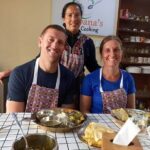
Momo making is messy fun, minus the guesswork. In Kathmandu’s Thamel, Namaste Cooking School turns a 1.5-hour midday class into a real skills session, starting with a cup of masala chai and ending with a printed recipe book you can actually use later. I especially liked how the lessons focus on indigenous flavors, with ingredients sourced from local farmers.
The best part for me was the hands-on pace with patient instruction. Teachers including Sushila and Sabita guide you through the dough, filling, and pleating so you leave knowing what you did and why it works. One consideration: with only about 90 minutes, you’ll learn a lot, but you won’t become a momo perfectionist by the end.
In This Review
- Key highlights worth planning around
- Namaste Cooking School in Thamel: easy to reach, small groups, great for lunch
- From masala chai to your menu choice: the welcome is part of the lesson
- The spice talk that makes Nepali momo taste like momo
- Hands-on momo making: dough, filling, pleating, and the quick lesson behind each step
- The kitchen experience: lunch comes from your own work
- The takeaway: your Namaste recipe book is your real souvenir
- Value check: $18 for skills, lunch, and instruction in English
- Logistics that matter: time slot, location, and what to bring
- Who should book this momo class, and who might skip it
- Should you book Namaste Cooking School’s traditional momo class?
- FAQ
- Where does the momo class start?
- What time does the class begin?
- How long is the cooking class?
- How much does it cost?
- What languages are offered?
- Is lunch included?
- What’s the maximum group size?
- Do they ask about dietary restrictions or allergies?
- Do I get anything to take home?
- Is good weather required?
- What is the cancellation window for a full refund?
Key highlights worth planning around
- Women-led cooking instruction with a calm, patient teaching style
- Masala chai welcome plus menu choice and allergy awareness before cooking
- Nepali spice primer that explains what gives momo its flavor
- Hands-on dough and filling work, with shaping techniques you can repeat
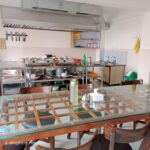
- Clean kitchen and thoughtful flow, so you get lunch without waiting forever
- Recipe book keeps the method at your fingertips after you’re back home
Namaste Cooking School in Thamel: easy to reach, small groups, great for lunch
Namaste Cooking School runs right in Thamel, Kathmandu’s most convenient base for food lovers and casual sightseers. That matters because you’re not spending your afternoon hunting for the place. The meeting point is Bhagwati Marg, Kathmandu 44600, and the experience ends back at the same spot, so you don’t need to zigzag across town after you’re done.
The class starts at 12:30 pm and runs about 1 hour 30 minutes. That timing is perfect if you want a real meal without committing to a long half-day tour. It also helps that the group size is capped at 16 people, which keeps the kitchen from feeling chaotic and makes it easier for the instructors to correct your technique.
And yes, the school works in English, so you won’t have to play charades to understand what to do next. You’ll get a mobile ticket, which is usually a fast check-in with no paperwork theater.
You can also read our reviews of more tours and experiences in Kathmandu
From masala chai to your menu choice: the welcome is part of the lesson
The session starts with a traditional welcome: a cup of masala chai. It’s a small thing, but it sets the tone fast. You’re not just walking into a classroom; you’re joining a Nepali rhythm of hospitality.
Next comes the menu selection. This is where you tell them what you want and flag dietary restrictions or allergies. That step is more useful than it sounds. Momo is all about balance—spice level, filling texture, and seasoning—so asking up front means your final plate is more likely to match what you can eat comfortably.
If you don’t want the masala tea, you might find they can adjust with something like ginger and lemon tea instead. It’s a reminder that this isn’t a rigid factory line. They teach you the method, but they also try to keep it enjoyable for different preferences.
The spice talk that makes Nepali momo taste like momo
Before you mix anything, you’ll get an intro to the regional spices used in Nepali momo. This is the part that helps you stop thinking of momo as just dumplings. You learn what makes the flavor profile distinctly Nepali—spices that show up not only in the filling, but also in the way the dish feels on your tongue.
I like this approach because it prevents the most common cooking-class problem: you leave with dumplings that taste good, but you can’t explain the flavors. Here, you’re given a map. Once you know what spices are doing, it gets easier to tweak the dish later when you’re cooking at home with what you can find.
Hands-on momo making: dough, filling, pleating, and the quick lesson behind each step
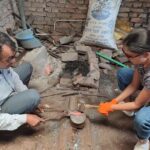
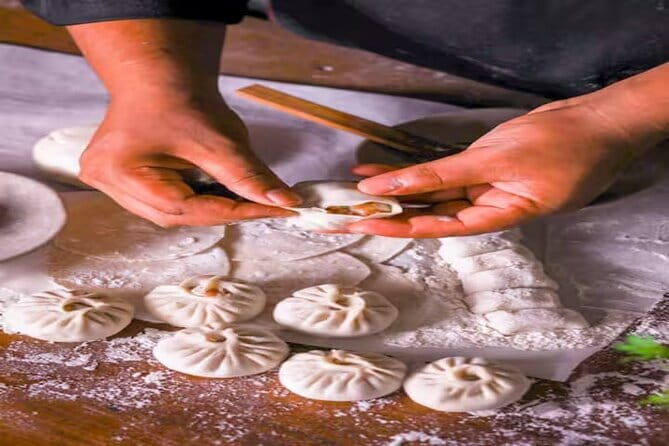
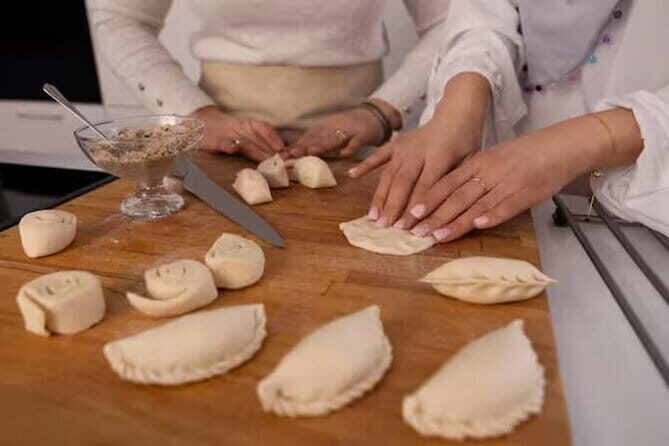
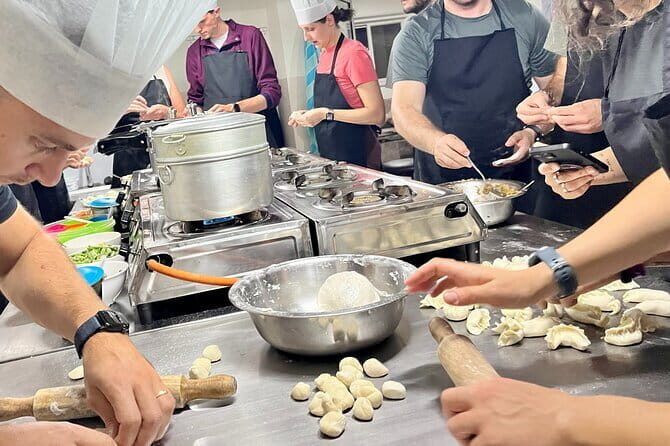
This class is built for learning by doing. You’ll go from step-by-step guidance to actively shaping your own momos, not just watching someone else work.
What you do during the hands-on cooking portion usually follows a clear order:
- You work with the dough
- You prepare a filling (often vegetable-based for typical sessions)
- You practice shaping/pleating techniques
- You cook your batch and eat what you made
This is where the teaching style shines. The instructors are known for being patient and for staying on your side as you get your hands dirty. That patience matters because momo pleating is one of those skills that can feel awkward at first. The goal isn’t to make perfect dumplings in one try. The goal is to understand the technique well enough that your next batch improves.
One detail I really appreciated from the way the class is described: it’s not just about getting you to the finish line. There’s emphasis on the process. When you know what the dough should feel like and what the filling texture should be, your momos become less about luck.
The kitchen experience: lunch comes from your own work
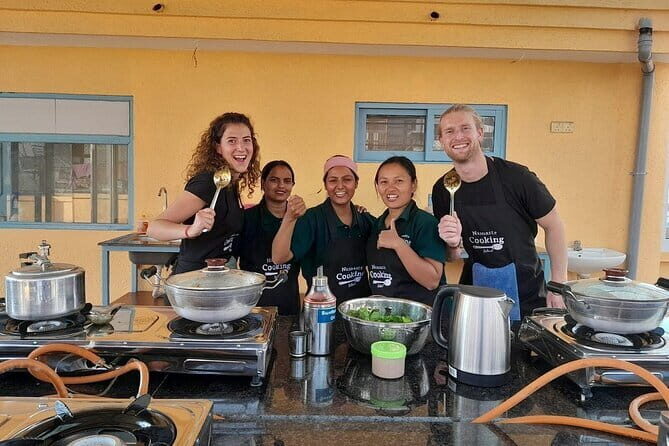
Lunch is included, and it’s not an afterthought. You’re cooking, then you eat what you created. That changes the whole vibe. A restaurant meal is great, but it doesn’t teach you how the flavor is built.
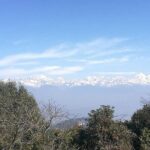
In at least some sessions, you may cook and eat from a rooftop setup, with Kathmandu views in the background. That’s a fun bonus. But even if the view is just one small part of the experience, the main win is still the same: you’ll be eating a dumpling you made with guidance.
The overall atmosphere tends to be warm and welcoming. In some stories from the class, instructors weren’t just teachers, they were also funny and encouraging, which matters when your pleats start looking like they came from a pastry prank.
And yes, it’s a good class even for younger participants who are with a family, since the instructions are practical and the end result is straightforward: you make momos, then you eat momos.


The takeaway: your Namaste recipe book is your real souvenir
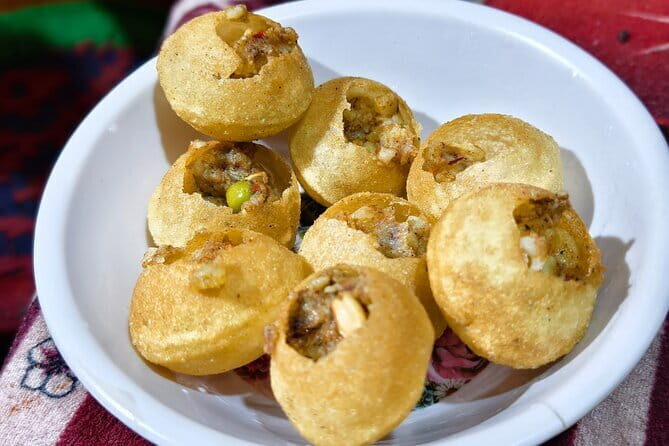
After you finish the momo course, you receive a Namaste Cooking School recipe book. This is one of the best parts of booking a cooking class instead of just sampling food in restaurants.
A recipe book does two things:
- It helps you repeat the same technique later, not just remember the taste.
- It turns your cooking class into a skill you can reuse during future trips—or at home when you’re missing Nepal.
If you’ve ever bought a fridge magnet after a great meal, this is the smarter souvenir. It keeps paying you back in kitchen time.
Value check: $18 for skills, lunch, and instruction in English
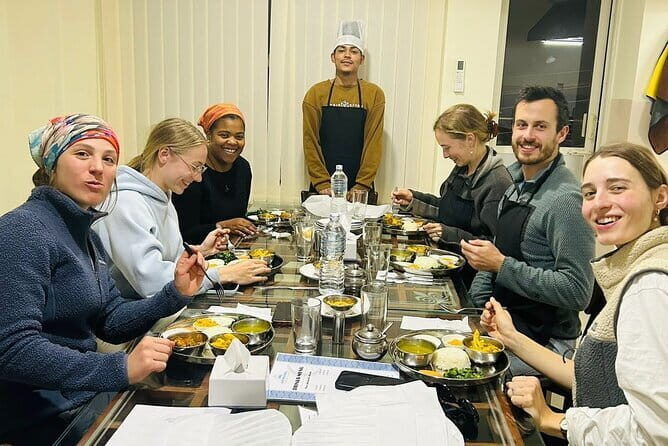
At $18 per person, this class is priced like a budget activity, but it doesn’t feel like a cheap gimmick. You’re paying for:
- Instruction in English
- Hands-on cooking
- Lunch
- A recipe book
- A small group size (max 16), which helps the teaching stick
In Kathmandu, you can always find dumplings at restaurants. But the value here is that you’re learning the method, including the spice logic and shaping technique. That’s harder to price—and easier to use later.
So if your goal is to eat well for a fair price, you’ll be happy. If your goal is to bring Nepal home and actually cook something that tastes right, the price makes even more sense.
Logistics that matter: time slot, location, and what to bring
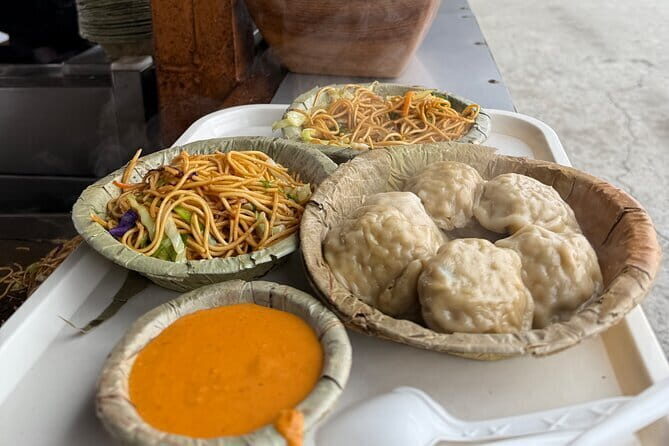
The class starts at 12:30 pm, so plan your morning accordingly. You’ll want to arrive a bit early so check-in doesn’t cut into cooking time.
Because it runs in Thamel, you can usually fit it around other nearby food stops. Still, do yourself a favor and don’t stack too many rushed activities before noon. Cooking works best when you’re not already stressed.
Also, note that the experience lists good weather as a requirement. Even if the cooking is indoors, weather can affect how the session is run. If you’re booking during a volatile weather stretch, it’s worth thinking of it as an outdoor-friendly experience plan with a backup if conditions aren’t great.
What to bring:
- A water bottle if you tend to get thirsty during cooking
- An apron or old shirt is a smart idea, though you’ll find out what they provide on the day
- A sense of humor about imperfect pleats
Who should book this momo class, and who might skip it
This is a great fit if you want an authentic Nepali cooking session without a huge time commitment. You’ll like it if you care about:
- learning techniques, not just eating
- understanding spices and flavor logic
- getting a recipe you can repeat later
It may not be the best choice if you’re looking for a long, deep course focused on advanced pastry-level folding or multiple different momo styles over many hours. Here, you’re going to learn the fundamentals and make a satisfying lunch fast.
If you already cook regularly and want a super technical, multi-stage workshop, you might prefer a longer class elsewhere. But for most people, a 90-minute hands-on session is exactly the sweet spot.
Should you book Namaste Cooking School’s traditional momo class?
Yes, I’d book it if you’re in Kathmandu and you want a practical, welcoming cooking experience in the middle of your trip. For the money, you get more than a meal: you get the method, the spice context, and a take-home recipe book that actually helps.
Skip it only if your schedule is so tight that a 12:30 pm slot will stress you out, or if you’re specifically chasing advanced, multi-hour training. Otherwise, this is a simple plan with a delicious payoff—and the kind of skill that turns into a dinner you can recreate when you’re back home.
FAQ
Where does the momo class start?
The experience starts at Bhagwati Marg, Kathmandu 44600, Nepal.
What time does the class begin?
The start time is 12:30 pm.
How long is the cooking class?
It lasts about 1 hour 30 minutes.
How much does it cost?
The price is $18.00 per person.
What languages are offered?
The class is offered in English.
Is lunch included?
Yes. Lunch is included.
What’s the maximum group size?
The class has a maximum of 16 travelers.
Do they ask about dietary restrictions or allergies?
Yes. During menu selection, they inquire about dietary restrictions and allergies.
Do I get anything to take home?
Yes. You receive a Namaste Cooking School recipe book after the course.
Is good weather required?
Yes, the experience requires good weather, and if it’s canceled due to poor weather, you’ll be offered a different date or a full refund.
What is the cancellation window for a full refund?
You can cancel up to 24 hours in advance for a full refund.