REVIEW · KATHMANDU
10 Days Manaslu Circuit Trek in Larke La Pass
Book on Viator →Operated by Himalayan Scenery Treks and Expedition - Private Day Tours · Bookable on Viator
A lot of treks promise big views. This one adds Larke La and real support for high altitude. The Manaslu Circuit is one of Nepal’s classic longer hikes, but this 10-day version keeps things efficient: ride into the valleys, walk village-to-village, and plan your hardest altitude work right when you’re ready.
I especially like the safety system baked into the trek: a licensed guide, a medical kit, and an oximeter used twice daily to monitor pulse and oxygen saturation. I also like that the permits and restricted-area entry are handled for you, so you’re not scrambling for paperwork while you’re trying to enjoy mountain days.
One thing to consider: you’re in shared tea houses and basic services. No private comfort upgrades here, and you’ll still need to budget for things like drinks, charging, and tips for the team.
In This Review
- Key things that make this trek click
- The Manaslu Circuit, minus the fluff
- Price and what your $1,049 really covers
- Group size, rides, and the kind of pace you should expect
- Day-by-day: what each section of the trek does to your body and your eyes
- Day 1: Kathmandu to Machhakhola (big travel day)
- Day 2: Machhakhola to Jagat (Gurung villages along the Budi Gandaki)
- Day 3: Jagat to Deng (terrain variety and a river crossing)
- Day 4: Deng to Namrung (suspension bridge moment + ascent)
- Day 5: Namrung to Samagaun (15.5 km day that doesn’t lie)
- Day 6: Samagaun acclimatization day (Pungyen Gompa or Manaslu Base Camp option)
- Day 7: Samagaun to Dharamsala (yaks and high-country vibes)
- Day 8: Dharamsala to Bhimtang (longest walk, building toward Larkya La)
- Day 9: Bhimtang to Dharapani (pass work timing and a descent through Karche)
- Day 10: Dharapani to Besisahar, then back to Kathmandu (end the hike, ride to real life)
- The guides and the human side of the trek
- Lodging and meals: tea houses are basic, not a dealbreaker
- Safety and altitude monitoring: this trip uses tools, not just talk
- What could frustrate you (so you can plan around it)
- Should you book this Manaslu Circuit trek?
- FAQ
- What’s the highest point on this trek?
- How long is the trek?
- Are permits included?
- What kind of lodging and meals are included?
- What transportation is included?
- How does the trip handle altitude safety?
- What’s not included in the price?
- Final call: is this the right Manaslu plan for you?
Key things that make this trek click
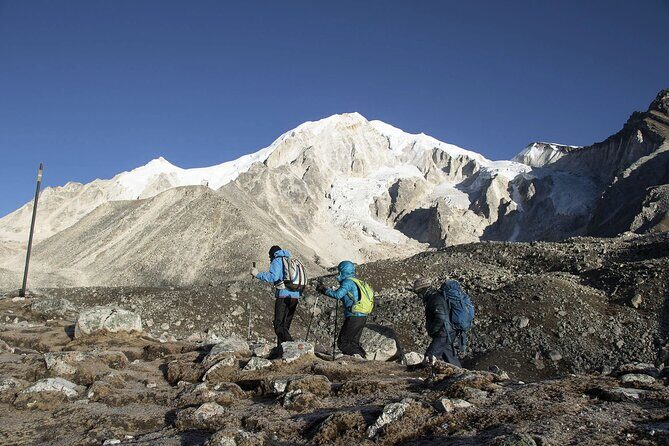
- Larke La (5,160m) is the headline, planned in the late trek when you’ve already gained some altitude rhythm
- Twice-daily oximeter checks plus a medical kit means fewer surprises at altitude
- Permits included (ACAP, MCAP, and restricted area entry) so the route stays properly authorized
- Tea house lodging shared keeps cost down, but expect simple rooms and limited hot water
- A porter for every two trekkers helps you keep your pack reasonable
- A small group cap (max 20) tends to make the experience feel more controlled on narrow trails
The Manaslu Circuit, minus the fluff
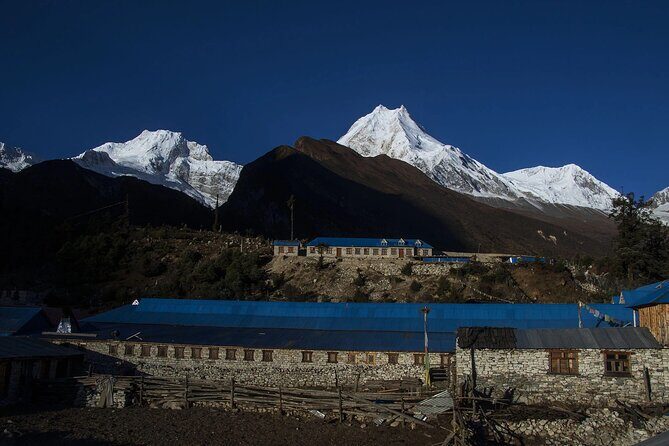
Manaslu is popular for a reason: it feels less crowded than some other big-name routes, and it delivers big mountain moments without needing fancy gear. This trek focuses on the core experience—walking the Budi Gandaki river valley, passing through Gurung villages, and then moving into harsher high-altitude terrain where yaks show up and the air thins.
What you’re really paying for in a trip like this isn’t just the itinerary. It’s the amount of logistics you don’t have to manage: permits, guide and porter staffing, transportation timing, and an altitude approach that’s built into the schedule.
And yes, the scenery is the main event. But the way this trek is paced matters, especially around acclimatization and the pass crossing.
You can also read our reviews of more hiking tours in Kathmandu
Price and what your $1,049 really covers
At about $1,049 per person for 10 days, this isn’t a cheap stroll—it’s also not just a marketing number. The price includes a long list of “hard costs” that would be painful to assemble on your own:
- Permits (ACAP, MCAP, and restricted-area entry)
- Licensed guide (with salary, meals, and transport handled)
- Porter (1 porter for 2 trekkers, with meals, accommodation, transport, and insurance)
- Shared ground transportation from Kathmandu to Machhakhola and back later
- Tea house lodging plus most meals (10 breakfasts, 9 lunches, 9 dinners)
- Safety basics like a medical kit and an oximeter check twice daily
- Severe case evacuation management (important insurance-style planning, not just a promise)
What’s not included is also clear: drinks (alcoholic and non-alcoholic), charging/internet/hot showers, personal expenses, and tips for guide/porter/driver. Then there’s the Nepal entry visa fee if you need it.
Bottom line: if you want a route that’s properly authorized and guided with real altitude monitoring, this price looks closer to “pay for peace of mind” than “pay for a guy with a flag.” If you’re the type who loves planning and handling permits yourself, you might find cheaper. But for most people, this is solid value.
Group size, rides, and the kind of pace you should expect
This is a max 20 travelers style trek, and the trip is set up around shared tea houses and shared vehicles. That affects how the days feel.
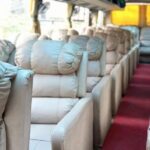
On the trail, you’ll likely move with a group that’s large enough to be lively but small enough to avoid total chaos on common bottlenecks. On travel days, you’ll be in a shared vehicle arrangement: a long drive on Day 1 and again at the end, with stops based on road and weather realities.
The itinerary also calls for days of 6–8 hours walking, plus one longer push. The long walk is the one you’ll feel in your legs even if the scenery is great. If you’re used to hiking, you’ll probably be fine. If you’re not, start training now—especially with stairs, hills, and pack weight.
Day-by-day: what each section of the trek does to your body and your eyes
Day 1: Kathmandu to Machhakhola (big travel day)
You start with an 8–9 hour drive from Kathmandu to Machha Khola. This is not a gentle warm-up. It’s a long day of sitting, so you’ll want to arrive with your legs loose and your mindset set: the trek doesn’t start until later, but the trip starts now.
Machhakhola is a standard starting point in this region. The value of doing this ride on Day 1 is simple: it gets you into the river valley terrain quickly, which saves you extra hiking days later.
Possible consideration: after a long drive, you still sleep at a higher-elevation-ish village than Kathmandu. Don’t overthink it, but don’t treat the first night like a normal hotel night either.

Day 2: Machhakhola to Jagat (Gurung villages along the Budi Gandaki)
Day 2 is about 6 hours of trekking from Machha Khola to Jagat. You’ll walk along the Budi Gandaki river bank and pass Gurung villages, including lower sections of the route that feel lived-in and agricultural.
This is where Manaslu starts to feel human, not just cinematic. The trade winds change, the trail narrows, and you’ll notice how tea houses and basic shops exist because hikers need them. It’s a good day for getting your rhythm: steady walking, eat early, and avoid sprinting just because the views are good.
Day 3: Jagat to Deng (terrain variety and a river crossing)
Day 3 runs about 6–7 hours from Jagat to Deng. The route includes crossing a river and trekking onward toward Philim before reaching Deng.
This day matters because it reminds you that you’re not on a single, smooth “green line.” You’ll likely deal with changing ground conditions—some sections feel easier, then the trail nudges you with small ups and downs. That’s normal.
Practical tip: keep your pace consistent on Day 3. Don’t spend your energy here. Save it for when altitude starts to show up more clearly.
Day 4: Deng to Namrung (suspension bridge moment + ascent)
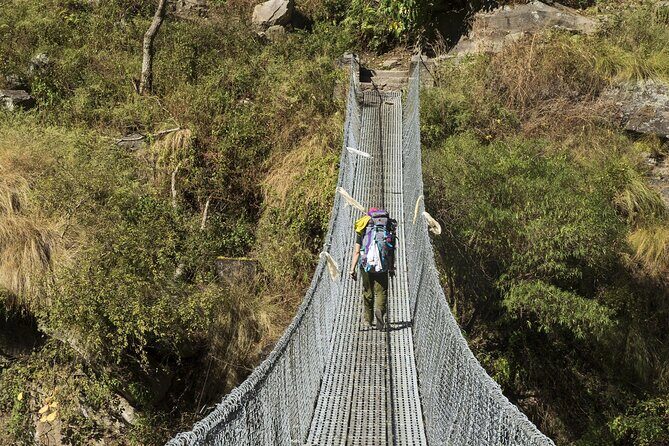
Day 4 is about 7–8 hours, moving from Deng to Namrung. There’s a suspension bridge early in the route, followed by an ascent toward Rana and Bihi Phedi.
Bridges are fun until you’re tired. Keep a firm grip, step carefully, and don’t let excitement turn into clumsy. After that, the climbing begins to feel more serious.
Namrung is a turning point in how the route feels. The higher you go, the more the villages shrink, and the trail becomes more “trail” and less “village road.”
Day 5: Namrung to Samagaun (15.5 km day that doesn’t lie)
Day 5 is roughly 6–7 hours, covering about 15.5 km (9.63 miles) from Namrung to Samagaun. This is one of those “distance on paper, effort in real life” days.
Samagaun is where the trek starts to shift from cozy valley walking to true high-altitude hiking territory. You’ll likely feel it by the end of the day: breath gets a bit sharper, and you start noticing that you can’t move like you’re on a day hike back home.
Day 6: Samagaun acclimatization day (Pungyen Gompa or Manaslu Base Camp option)
This is your big acclimatization day in Sama Gaon. The plan gives you two day-trip options:
- Pungyen Gompa to the east of the Nubri Valley
- Manaslu Base Camp (the route/option is mentioned as part of the day trip)
You’re not just killing time. This day teaches your body how to handle altitude while still giving you enough flexibility to match your energy. If you’re feeling good, the hike option makes the day productive. If you’re not, you can still rest without feeling like you’re “missing the point.”
Why this matters: a pass trek works best when your schedule respects acclimatization. This day is the reason the later altitude feels doable instead of random.
Day 7: Samagaun to Dharamsala (yaks and high-country vibes)
Day 7 is another 6–7 hour trek from Samagaun to Dharamsala. The route enters the land of yaks, and you’ll encounter playful animals along the way.
This day often feels like the mountains are slowly tightening their grip. Vegetation changes, the air stays cooler, and the trail starts to look more like it belongs to the Himalaya than to the river valley.
It’s also a good day for testing your final gear setup: what layers you actually need, and how your pack feels after several days.
Day 8: Dharamsala to Bhimtang (longest walk, building toward Larkya La)
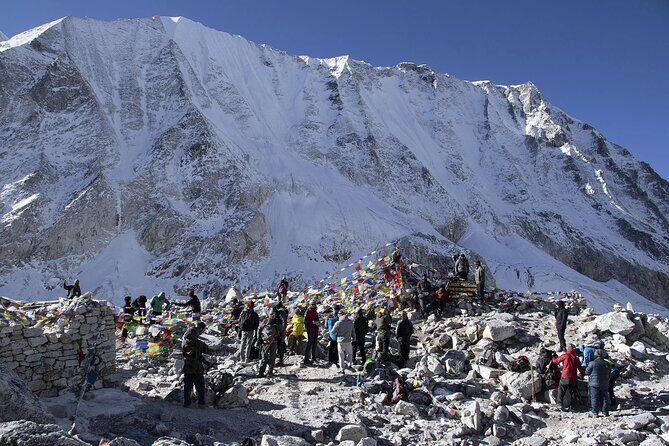
Day 8 is the longest walk of the trek, about 8–9 hours from Dharamsala to Bhimtang. The plan frames this day as a push toward Larkya La pass.
This is the day you plan your energy for. Even if you have great legs, the longer you’re moving, the more altitude fatigue stacks up. Keep your pace conversational. If you find yourself rushing, slow down. Your future self will thank you.
Bhimtang is also where you start getting ready for the pass crossing. The atmosphere tends to feel more focused here—less sightseeing, more survival (in a fun way).
Day 9: Bhimtang to Dharapani (pass work timing and a descent through Karche)
Day 9 takes you from Bhimtang to Dharapani over about 8 hours. The route gradually descends through Karche village and the scenery opens up as you go.
This is the stage of the trek that includes the harder altitude work near Larke La, because the itinerary lines up the pass transition during the Day 8–Day 9 endgame. After the pass effort, the descent is a relief for the lungs, but it can be tough on knees and ankles. Take shorter steps; it helps.
Karche is a sign you’re moving back toward a more settled village trail feel—still remote, but less intense than the highest sections.
Day 10: Dharapani to Besisahar, then back to Kathmandu (end the hike, ride to real life)
On Day 10, you first move from Dharapani to Besisahar for about 1 hour (more of a “finish the route” leg), then take a scenic drive of 8–9 hours to Kathmandu or Pokhara depending on what you choose next.
This is when you’ll feel the contrast most: you go from mountain routine to car-seat reality. It’s a long drive, but it’s also your decompression time.
Practical note: drink water, eat something normal if you can, and don’t schedule anything intense right after you arrive in Kathmandu.
The guides and the human side of the trek
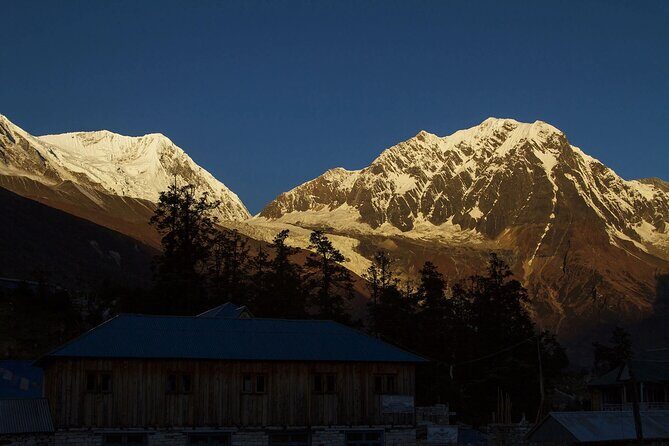
One of the strongest bits of positive feedback comes down to people doing the job well. You’ll be with a government licensed guide and a porter team.
From the experience descriptions and names shared, I’m seeing repeat trust in guides like Narayan Ntc and Gopal—both praised for how they paced the group and looked after trekkers’ comfort at higher altitude. There’s also a mention of Naresh in Kathmandu as a supportive contact, which matters more than people expect. When the logistics get weird (road/weather delays are always possible), having someone responsive on the ground reduces stress.
This is the part where the trek becomes more than a route on a map. You’re not hiking alone, and you’re not improvising.
Lodging and meals: tea houses are basic, not a dealbreaker
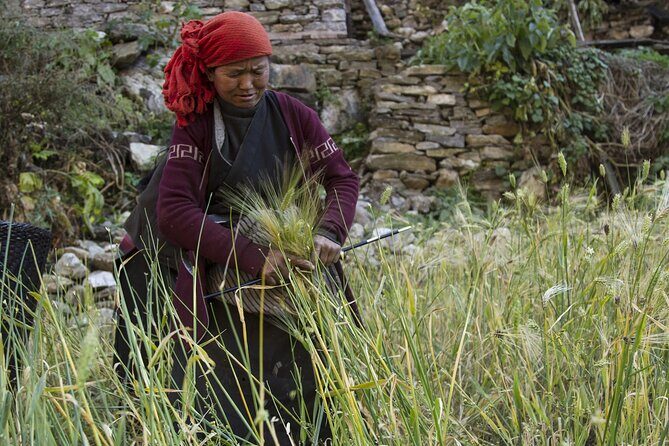
You get accommodations in trekking lodges (tea houses) on a shared basis. That’s typical for the Manaslu Circuit and helps keep the trek realistic.
What to expect:
- Simple rooms and shared facilities
- Meals included along the way (breakfasts, lunches, dinners are mostly covered)
- Hot shower and charging aren’t included, so plan for limited convenience
For food, you’ll usually find standard trekking fare: warm meals that work after long walking hours. Stick to what your stomach likes. High altitude and travel can upset routines, and your body doesn’t care about your plans.
Safety and altitude monitoring: this trip uses tools, not just talk
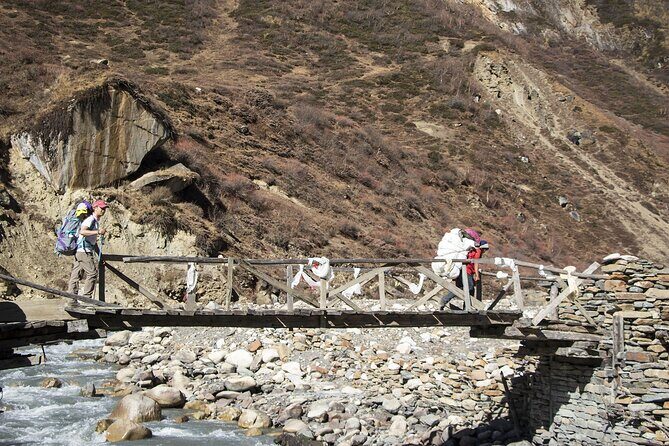
The safety approach here is more structured than on many “barebones” hikes. You’ll have:
- A medical kit with a first aid kit
- An oximeter to monitor pulse and oxygen saturation twice daily
- Severe case Evacuation Management
- Accident insurance for all staff
You should still take altitude seriously—slow pace, drink water, and don’t treat headaches as something to ignore. But the big win is that the trip isn’t relying on vibes. The monitoring helps catch trouble earlier, which is when your options are better.
And if you’re the type who worries, that reassurance matters. If you’re not, the monitoring still matters. Either way, it’s a practical upgrade.
What could frustrate you (so you can plan around it)
Two things to watch:
First, the “basic comforts” reality. Shared tea houses mean you’re trading privacy and consistent hot water for cost and access. If you need private rooms or reliable showers, you should look at higher-end treks.
Second, the long travel days. Day 1 starts with an 8–9 hour drive, and Day 10 ends with another 8–9 hour ride. Your body will handle the trek, but you need to treat the drives as part of the full experience.
Should you book this Manaslu Circuit trek?
Book it if you want a guided Manaslu Circuit that’s properly set up with permits, a licensed team, and an actual altitude monitoring routine. This is a good fit if you’re in decent physical shape and you appreciate structure: you get a clear 10-day plan with acclimatization built in and Larke La as the big late-trek goal.
Skip or think twice if you need lots of creature comforts, private lodging, or reliable hot showers. Also, if long drive days don’t work for you, this itinerary may feel like it’s spending too many hours on wheels.
If you’re comfortable with basic tea houses and you want a serious pass trek without DIY stress, this is a very reasonable way to do it.
FAQ
What’s the highest point on this trek?
The highlight is crossing Larke La Pass at 5,160 meters.
How long is the trek?
It’s listed as 10 days (approx.).
Are permits included?
Yes. The price includes ACAP, MCAP, and restricted area entry permits.
What kind of lodging and meals are included?
You’ll stay in shared tea houses, and meals are included for 10 breakfasts, 9 lunches, and 9 dinners.
What transportation is included?
There is shared vehicle transportation from Kathmandu to Machhakhola at the start, and from Dharapani back toward Kathmandu at the end.
How does the trip handle altitude safety?
There’s a medical kit, plus an oximeter used twice daily to monitor pulse and oxygen saturation.
What’s not included in the price?
Not included are drinks (alcoholic and non-alcoholic), battery charging/internet/hot shower, personal expenses, and tipping for the guide/porter/driver. The Nepal entry visa fee is also not included.
Final call: is this the right Manaslu plan for you?
If you want Manaslu’s big mountain payoff with real guidance and altitude checks, this 10-day version is a strong choice. You’re trading some comfort for access and efficiency, but you’re not leaving safety and logistics to chance—exactly the trade most hikers are hoping for.