REVIEW · KATHMANDU
11-Day Hike Tour to Annapurna Base Camp Bliss in Kathmandu
Book on Viator →Operated by Himalayan Vista Trekking Pvt. Ltd. · Bookable on Viator
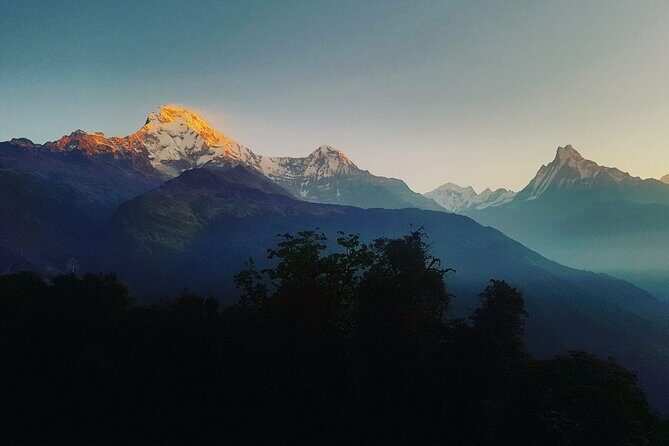
Hitting 4,130m feels unreal. This Annapurna Base Camp trek layers big mountain views with day-to-day village life, plus the kind of guide support that matters when the weather turns. You’ll be aiming for Annapurna Base Camp in the heart of an amphitheater of peaks, with Machhapuchare showing up in the mix.
Two things I’d put at the top of my list: private tour planning (only your group) and the way guides and porters show up in real ways, not just as ticket holders. In past trips, guides like Raju and Bishal are praised for careful planning and steady pace, with porters like Sandesh and Ishor helping make the physical side feel manageable.
One possible drawback to weigh: you’re signing up for long hiking days at altitude, and the schedule includes several travel legs. If you’re worried about altitude sickness or cold weather, you’ll need to commit to a slower rhythm, follow guidance, and dress for real mountain conditions.
In This Review
- Key Things That Make This Trek Feel Worth It
- Kathmandu to Pokhara: your altitude warm-up starts on day one
- Tikhedhunga to Ulleri: the day of stairs and a good reason to take it slow
- Poon Hill and Ghorepani to Tadapani: the view-day that builds momentum
- Chhomrong and Deurali: rhododendron forests, Modi Khola, and cultural moments
- From Machhapuchare base area to Annapurna Base Camp: the 4,130m day you’ll remember
- Base Camp sunrise and the Sinuwa tea-house descent: where the trek slows down
- Jhinu Danda natural hot spring: your altitude reward, earned the hard way
- Pokhara reset: Devi’s Fall, Peace Stupa, and Phewa Lake time
- Price and logistics: why $1,300 can make sense here
- Who this Annapurna Base Camp trek is best for
- A few considerations before you commit
- Should you book this Annapurna Base Camp trek with Himalayan Vista Trekking Pvt. Ltd.?
- FAQ
- Where is the meeting point for the tour?
- How long is the Annapurna Base Camp trek?
- What is the price per person?
- Are meals included?
- What about pickup and tickets?
- What isn’t included?
- Is this a private tour?
- What fitness level do I need?
- What happens if the weather is poor?
- Is there free cancellation?
Key Things That Make This Trek Feel Worth It
- Airport meet-up and transfers: You’re met at Tribhuvan International Airport, then moved by private vehicle to Kathmandu lodging.
- Early viewpoint payoff at Poon Hill: A classic first big view of Annapurna and Fishtail that also sets the tone for acclimatization.
- Stair-and-bridge day for real trek grit: Tikhedhunga to Ulleri includes a steep push and famous stone stairs, plus a suspension-bridge crossing.
- Teahouse rhythm plus cultural stops: Village walking time through places like Ulleri and Chhomrong, including Gurung culture.
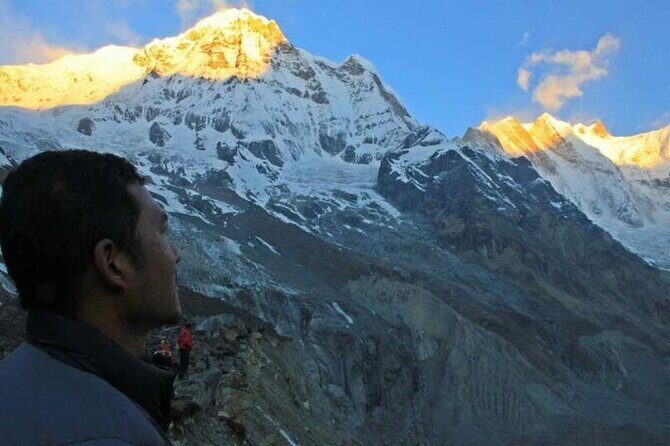
- Base Camp at 4,130m with sunrise focus: You’ll get up early to walk around the base camp cliff for morning light over Annapurna.
- Hot spring recovery at Jhinu Danda: After a steep descent, you can soak in the natural hot spring.
Kathmandu to Pokhara: your altitude warm-up starts on day one
Most Annapurna Base Camp trips start with logistics, and this one handles the first steps cleanly. On arrival in Kathmandu, you’re met at Tribhuwan International Airport and transferred by private vehicle to your hotel. It’s a simple start that helps you conserve energy for the trekking days.
Then you shift to Pokhara by domestic flight, which is a big practical win. Rather than wasting a full day on slow roads, you reach the trail’s starting region faster, and that makes the overall itinerary feel tighter in a good way.
You can also read our reviews of more hiking tours in Kathmandu
Tikhedhunga to Ulleri: the day of stairs and a good reason to take it slow
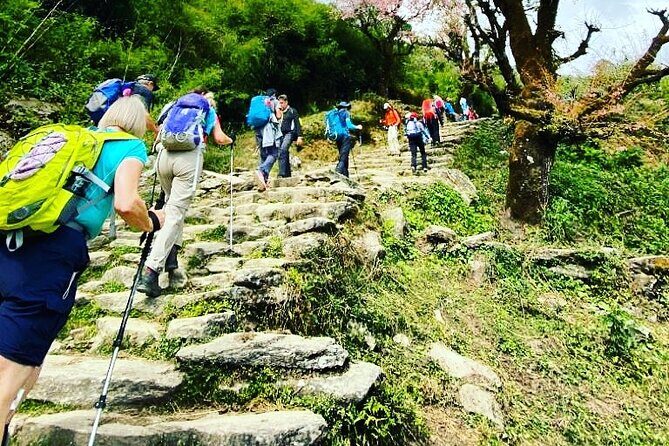
Your early trek leg includes a suspension bridge crossing over the Tikhedhunga stream, then a steep rise toward Ulleri. The standout detail here is the climb of roughly 3,300 stone stairs, reaching Ulleri at about 2,080 meters.
I like this kind of first-day effort because it quickly tells you whether your pace strategy is working. If you’ve ever rushed at the start of a hike and paid for it later, this is where you can learn the lesson early.
One thing to plan around: that stair climb is relentless on tired legs. Good footwear matters, and so does using your breathing as a speedometer. Guides who push slow and steady are exactly what you want on a day like this.
Poon Hill and Ghorepani to Tadapani: the view-day that builds momentum
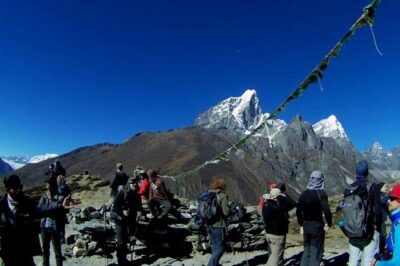
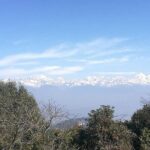
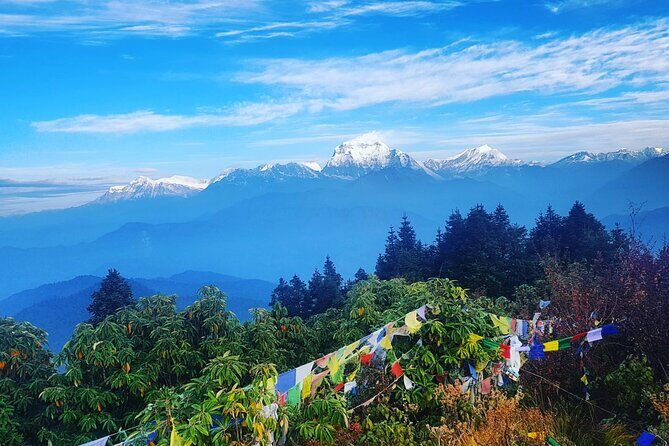
From Ghorepani, you target Poon Hill for a major viewpoint moment—famous for bringing Mt. Annapurna and Fishtail into focus. This is the kind of payoff that makes earlier climbs feel like more than punishment.
After the viewpoint stop, you descend back toward Ghorepani for breakfast, then continue on toward Tadapani. Tadapani sits at around 2,590 meters, so it’s a steady step up that keeps you moving toward higher elevations without jumping too abruptly.
The trail character on this stretch tends to be very hike-friendly: crossings through rhododendron zones and open alpine feeling along the way. If you like walking days that feel scenic without being technical, this section is a strong match.
Chhomrong and Deurali: rhododendron forests, Modi Khola, and cultural moments
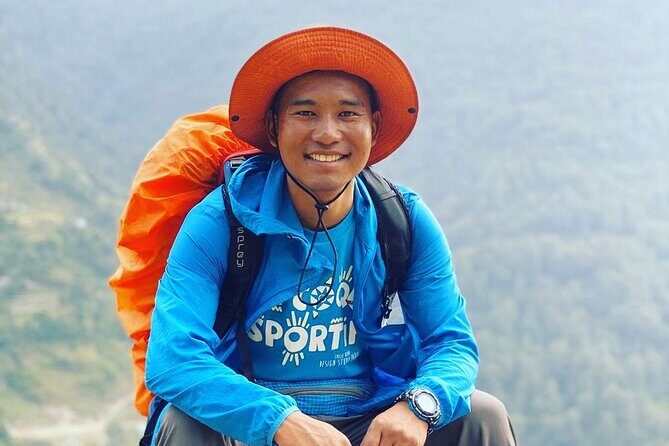
This part of the trek is where the scenery shifts from viewpoint excitement to sustained hiking rhythm. You’ll pass through Chhomrong, a picturesque village stop in the Annapurna Conservation Area. The route also includes time tied to Gurung ethnic culture, which adds texture beyond just mountain views.
Then the next climb goes toward Deurali. Expect rocky trail segments inside dense rhododendron forests, with the Modi Khola featuring alongside the hike. You’ll feel the forest cover doing some work for you—cutting wind, softening glare, and creating a more consistent walking environment.
Deurali days can feel long, even when the trail doesn’t look scary on paper. The smart move is to treat it as a steady acclimatization day: small efforts, regular breaks, and no racing to “catch” others.
From Machhapuchare base area to Annapurna Base Camp: the 4,130m day you’ll remember
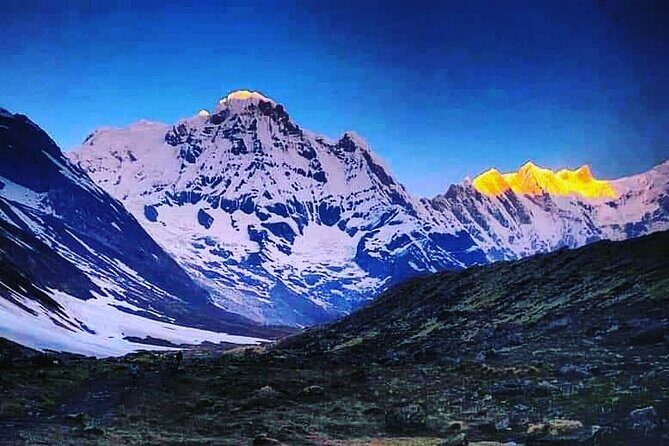
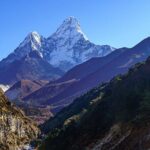
This is the big moment portion of the whole trek. You’ll get close encounters with major peaks in view, including Mt. Fishtail (6993m), Mt. Annapurna III (7555m), Mt. Gangapurna (7455m), and Mt. Annapurna I (8091m). Machhapuchare also comes into the picture as you move through the Annapurna region toward the base camp area.
Annapurna Base Camp sits at about 4,130 meters, and that altitude changes how everything feels. The air gets thinner, your breathing gets louder, and your body starts spending more energy just staying comfortable. That’s exactly why guide pacing matters here.
I’ve seen how much confidence guides can bring on this kind of day in real guest feedback. In the trips led by people like Ramji and Raju, the consistent praise is about encouragement, careful handling of altitude worry, and a focus on keeping you moving without forcing it. If you’re prone to overthinking at altitude, that sort of calm approach helps.


Base Camp sunrise and the Sinuwa tea-house descent: where the trek slows down
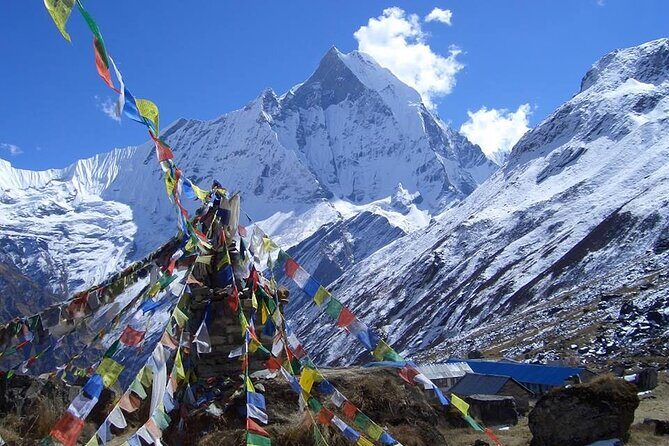
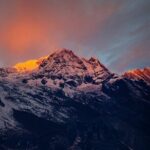
After reaching base camp, you’re not done with the best part. The itinerary includes an early wake-up and a sunrise walk around the base camp cliff for views over Mt. Annapurna. That morning light is when the entire amphitheater feeling becomes real—because shadows and weather patterns reveal shape quickly.
Then you head back down toward Sinuwa, where tea houses help you reset between altitude pushes. A descent might sound easier than the climb, but it can be rough on knees and feet. This is a day to take extra care with your steps and use the same slow pacing style that worked on the ascent.
Jhinu Danda natural hot spring: your altitude reward, earned the hard way
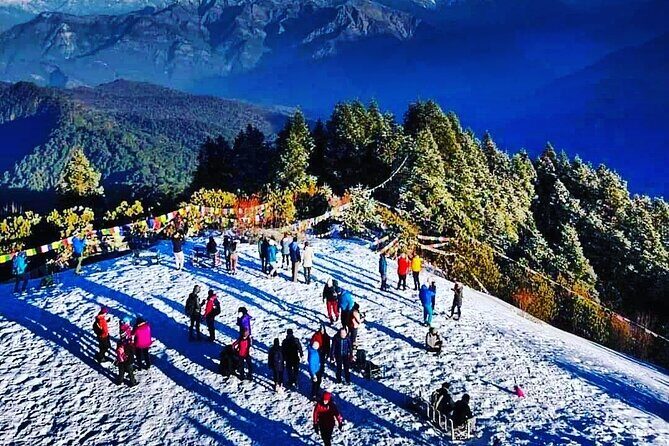
One of the strongest “quality of life” stops on this trek is Jhinu Danda. After moving back through the Chhomrong area, the trail drops extremely steeply toward Jhinu hot spring.
The reward is the point: you can bathe in the natural hot spring. It’s not just a fun break. After days of cold air, stiff trekking muscles, and long hours on uneven paths, warm water can help your body feel like it’s catching up.
This day also includes breakfast, lunch, and dinner in the provided inclusions, which helps you stay focused on recovery instead of logistics. If you’re going to plan for one “treat day” on the trek, this is it.
Pokhara reset: Devi’s Fall, Peace Stupa, and Phewa Lake time
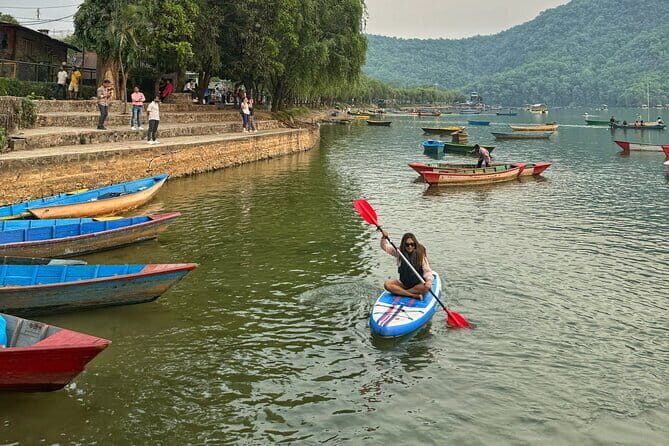
By the time you roll into Pokhara, your job shifts from climbing to unwinding. You get time for sightseeing around Devi’s Fall and Peace Stupa, plus boating on Phewa Lake. There’s also mention of lakeside nightlife, which gives you a different mood after the mountain quiet.
Pokhara is also where you tend to feel the contrast most. On the trail, everything is effort and timing. In town, you can finally slow down, stretch out, and do the simple things—shower, laundry, a real meal, and conversations with people who remember the same cold air.
Price and logistics: why $1,300 can make sense here
At $1,300 per person, this is not a budget hike. But it’s also not priced like a bare-minimum DIY route. The value comes from the combination of guided trekking, private group structure, and multiple meal inclusions.
Here’s what you’re paying for in practical terms:
- Meals: breakfast (11), lunch (11), and dinner (10) are included.
- Guiding and support: expert guides are part of the core setup, and porters show up as key support in guest feedback.
- Transfers and flights: you’re met in Kathmandu and moved to your lodging, then you fly to Pokhara and later return to Kathmandu by domestic flight.
- Trek essentials handling: pickup is offered, and you receive a mobile ticket.
What’s not included is a trekking stick (not required), but you can find one around Thamel for about $3 to $20 if you want it. That small add-on is a normal cost for trekking comfort.
For me, the big value signal is how often the praise lands on care and planning. When a guide is matching your pace, handling questions, and keeping you calm in harsh weather, that reduces the chance you burn out or get in trouble from rushing. That kind of support is hard to price, and it’s one reason guided treks keep working for first-timers.
Who this Annapurna Base Camp trek is best for
This trek is listed for travelers with moderate physical fitness. That’s a useful marker: you don’t need mountaineering gear, but you do need to be comfortable with long days of hiking and real altitude.
It also fits well if you like a mix of:
- big viewpoint moments (Poon Hill and base camp sunrise)
- cultural stops in villages like Ulleri and Chhomrong
- a guided structure that takes away uncertainty
And if you’re a solo traveler, the private tour setup is a big deal. Your group stays your group, so you can settle into the trekking rhythm without feeling like you’re stuck in someone else’s pace.
A few considerations before you commit
Altitude and weather are always the main variables on Annapurna routes. Even with a good plan, cold wind and steep days can wear you down. The positive part is that guides in this program are consistently praised for being patient and encouraging, especially when people worry about altitude sickness or cold conditions.
The other consideration is time and rhythm. The itinerary includes multiple transit days around Kathmandu and Pokhara, plus the hiking stretch. If you want a totally relaxed vacation with lots of free time, this might feel busy.
Should you book this Annapurna Base Camp trek with Himalayan Vista Trekking Pvt. Ltd.?
If you want a guided Annapurna Base Camp experience that balances major views with practical support, I’d say this is worth strong consideration. You get a classic viewpoint build-up at Poon Hill, you reach base camp at about 4,130 meters, sunrise is part of the plan, and Jhinu Danda hot spring provides a real physical reset.
I’d also like the way the program shows care through its human team—guides like Raju, Bishal, and Ramji, plus porters like Sandesh and Ishor get praised for planning, pacing, and patience. That’s exactly what you want when your body is tired and the mountain is calling the shots.
If your biggest concern is altitude risk or you struggle with long, steep days, be honest with yourself and plan to take it slow. If you can do that, booking makes more sense.
FAQ
Where is the meeting point for the tour?
The meeting point is Thamel, Kathmandu 44600, Nepal.
How long is the Annapurna Base Camp trek?
The duration is about 11 days.
What is the price per person?
The price is $1,300.00 per person.
Are meals included?
Yes. Breakfast is included 11 times, lunch is included 11 times, and dinner is included 10 times.
What about pickup and tickets?
Pickup is offered, and you receive a mobile ticket.
What isn’t included?
A trekking stick is not included, but it’s not compulsory. You can find one around Thamel for about $3 to $20.
Is this a private tour?
Yes. It’s listed as private, so only your group participates.
What fitness level do I need?
You should have a moderate physical fitness level.
What happens if the weather is poor?
The experience requires good weather. If it’s canceled due to poor weather, you’ll be offered a different date or a full refund.
Is there free cancellation?
Yes. You can cancel up to 24 hours in advance for a full refund. If you cancel less than 24 hours before the start time, the amount paid isn’t refunded.