REVIEW · KATHMANDU
12 Days Overland Tour to Upper Mustang
Book on Viator →Operated by Adventure Glacier Treks & Expedition · Bookable on Viator
Upper Mustang by private Jeep can feel like a backdoor into another Nepal. You’re traveling in comfort over rugged roads, while still getting the big Mustangi moments: old monasteries, cave sites, and the walled-city vibe of Lo Manthang. It’s the kind of trip where your day is half driving, half stopping to stare at history.
I like that ACAP and Lo Manthang special permits are included, so you’re not scrambling to understand paperwork once you’re in Nepal. I also like the private, English-speaking guide format, which makes it easier to match your pace—especially on long road days.
One thing to think about: this is a Jeep overland route with long travel stretches and rougher sections once you leave the main roads. If you’re sensitive to bumpy rides or dislike early starts, plan your comfort strategy before you go.
In This Review
- Key things I’d pencil into your plan
- Private Upper Mustang Jeep: what that changes for you
- Starting in Kathmandu (and getting your trip bearings fast)
- Kathmandu to Pokhara: the overland warm-up you’ll appreciate
- Pokhara to Tatopani and onward: where the road becomes part of the story
- Jomsom markets, Muktinath, and Kagbeni: the human-scale stops
- Ghami and the monastery morning energy
- Lo Manthang: monasteries, a walled city feel, and slow time
- Namgyal Gompa, Chhoser sky caves, and Shija Jhong’s 3,000-year pull
- Jomsom to Pokhara: the long road back, with market time on your side
- Pokhara lakeside day: the rest stop that keeps the trip enjoyable
- Pokhara to Kathmandu: wrapping up with countryside views
- Price and value check: what $2,600 buys you
- Comfort and practical notes for bumpy Mustang driving
- Who this Upper Mustang Jeep tour fits best
- Should you book this Upper Mustang overland tour with Adventure Glacier Treks?
- FAQ
- How long is the Upper Mustang Jeep tour?
- Where does the tour start and end?
- What is the price per person?
- Is this a private tour?
- What permits are included?
- What transportation is included?
- Is there an English-speaking guide?
- How many breakfasts are included?
- What is not included in the price?
- Can I cancel for a full refund?
Key things I’d pencil into your plan
- Private overland Jeep through key Mustang stops, not just a city-to-city drive
- Permits handled with ACAP and Lo Manthang special permits included in the price
- Lo Manthang monastery circuit plus cave visits that most people only see from photos
- Chhoser sky caves and Shija Jhong cave are built into the experience plan
- Time buffers in Pokhara so you’re not constantly in motion
- Family-run local operator in Kathmandu’s Thamel for real-world guidance and support
Private Upper Mustang Jeep: what that changes for you
Upper Mustang is a special kind of place. It’s not just “pretty mountains”—it’s a region with a distinct Tibetan-influenced culture and rules that require special access. When you go by Jeep, you’re trading some trekking effort for more flexibility. In plain terms: you can spend your energy on the stops that matter, instead of spending every day walking to reach viewpoints.
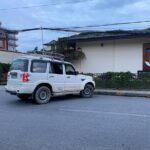
A private vehicle also changes the feel. You’re not stuck waiting in a long lineup of people at every photo stop. If someone in your group wants to slow down for monasteries or caves, the schedule can bend a bit more easily than with set group departures. And because you have an English-speaking guide, you’ll have someone to translate what you’re looking at—like why certain caves and gompas have local meaning beyond being scenic.
Just remember: the price and the comfort both depend on how you manage expectations. This is still overland travel in a restricted, remote region. Roads can be uneven. That means “private Jeep” is great, but it’s not the same as a smooth highway car day back home.
You can also read our reviews of more tours and experiences in Kathmandu.
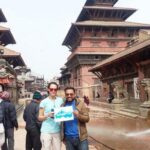
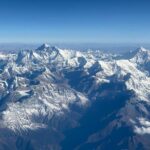
Starting in Kathmandu (and getting your trip bearings fast)
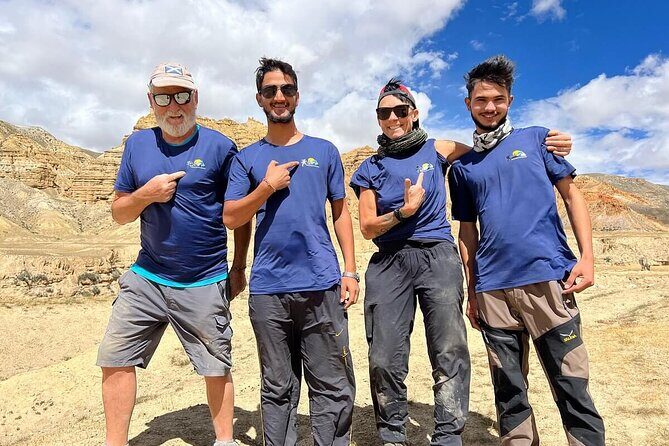
Your trip begins in Kathmandu with a representative meeting you at Tribhuvan International Airport and transferring you to a hotel. Then you get a briefing. That briefing matters more than it sounds. Kathmandu is a busy starting point, and you want clear expectations early: what documents you’ll need, what the first driving days will feel like, and what to prep before you head out of the city.
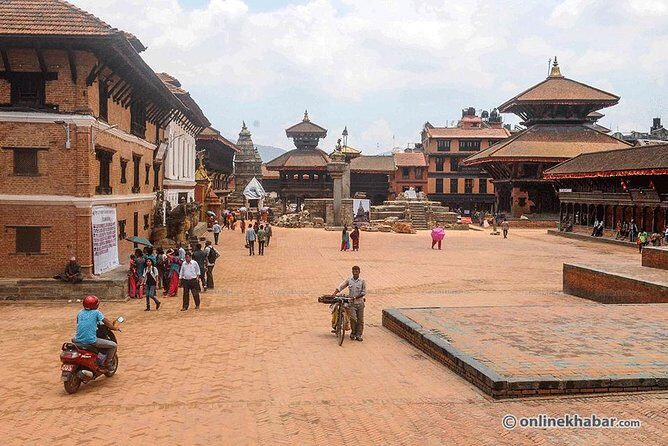
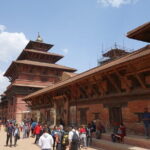
On the second day, you’ll do sightseeing around Kathmandu Valley with a guide. This is a practical move. It gives you context before you go chasing Mustang monasteries and cave sites. Even if you’ve seen a lot of Nepal already, it helps to reset your mind from city pace to mountain pace.
If you’re arriving and feeling jet-lagged, don’t underestimate this first “soft landing.” Those hours in Kathmandu and the valley sightseeing keep you from jumping straight into all-day driving without orientation.
Kathmandu to Pokhara: the overland warm-up you’ll appreciate
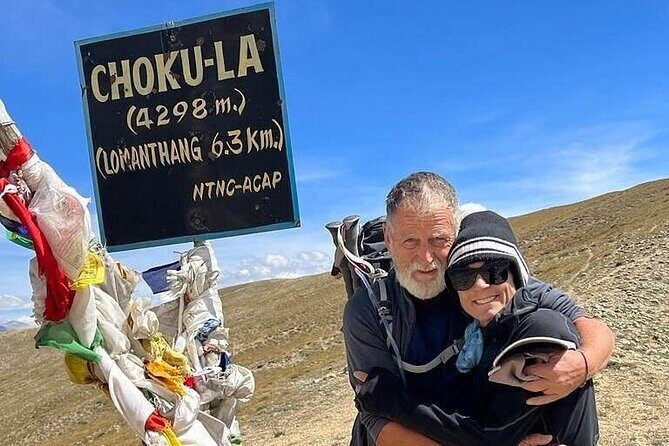
After breakfast, you travel from Kathmandu to Pokhara in a private Jeep. This segment gives you a steady transition from Kathmandu’s bustle toward the west. You’ll see more countryside along the way—villages, farms, rivers, and the general patchwork of Nepal away from the big tourist corridors.
Pokhara is also where your body starts adapting to the rhythm. You’re still in a town with easy comforts compared with Mustang. If you plan a little wisely here, you can reduce stress later. I’d treat Pokhara as your place to get snacks, charge devices, confirm any last-minute needs, and mentally prepare for the stricter remoteness ahead.
The next driving day is longer and more rugged in feel, so the Pokhara stop is not filler. It’s part of how this trip stays comfortable instead of turning into nonstop strain.
Pokhara to Tatopani and onward: where the road becomes part of the story
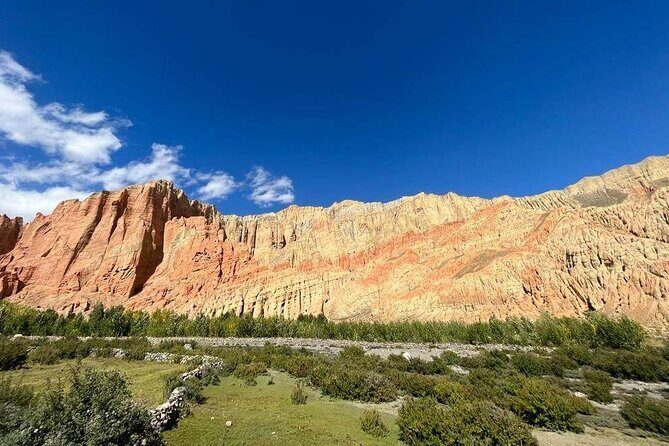
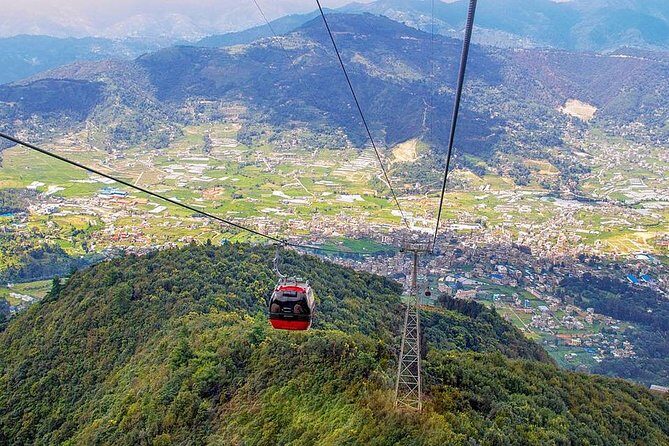
Your journey toward Mustang starts from Pokhara after breakfast, with travel that follows the Kali Gandaki River corridor. You’ll first use a blacktop road to Beni, then shift to off-road driving after that. That road change is key.
Off-road days can be beautiful, but they can also be physically tiring. The trick is to plan for it early: keep water and essentials close, protect your back if you’re prone to stiffness, and expect the drive to slow at times. When the itinerary moves from paved to off-road, it’s a sign that you’re getting deeper into the region’s rougher terrain.
Tatopani is your first stop area on the way. Even if you don’t treat it as a “must-see spa town,” the value here is timing. You’re building your Mustang access step by step instead of trying to jump straight to the restricted core in one shot.
Jomsom markets, Muktinath, and Kagbeni: the human-scale stops
As you push closer to Mustang, the itinerary starts giving you culture and stops that break up the drive.
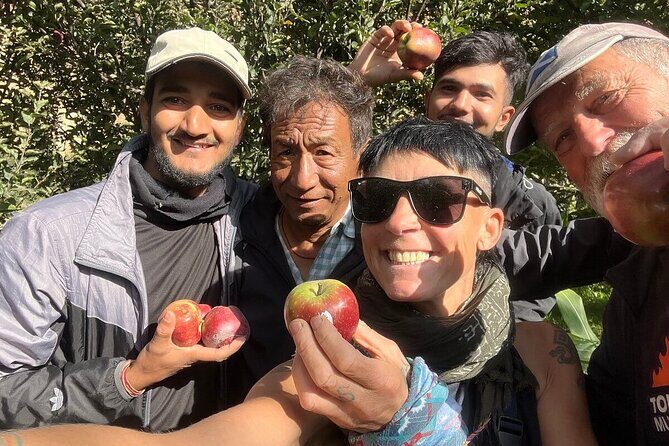
You’ll pass through villages like Kalopani and Ghasa, with chances to see how apples are grown and stop for a local market in Jomsom. That apple detail is more than a random roadside observation. It reminds you that people farm here even with harsh conditions. It’s a good mental shift from thinking of Mustang as just caves and cliffs.
Jomsom is also where the local market energy is easier to catch at the end of the day, and you’ll have time to explore it in the evening.
Then you reach Muktinath. This is one of the pilgrimage magnets in the region, and it’s also a major reason Upper Mustang feels lived-in rather than purely “sightseeing.” Plan to spend time just walking around and watching how people move through the site. Even if you’re not religious, you can still enjoy the culture when you slow down.
After that, Kagbeni comes into focus. Kagbeni is famous for its monastery setting and ritual culture. You’ll tour Kagbeni Monastery after breakfast, and you’ll also hear about Pitri-Puja, carried out to help ancestors’ spirits on their journey. That’s the kind of detail you miss when you rush. With a guide, you can connect what you’re seeing to the meaning behind it.
One consideration here: Kagbeni and similar places can feel like they run on tradition and schedule. Don’t assume everything is designed for tourists. A guide helps you stay respectful while still getting a clear understanding.
Ghami and the monastery morning energy
Ghami is part of the route that keeps Upper Mustang from feeling like a single straight line. Today’s focus includes Kagbeni Monastery and the ritual explanation around Pitri-Puja. That gives the day a “why” beyond the scenery.
I like these kinds of planned mornings because you get your thinking straight early. You start the day with context, then you move into the bigger sightseeing blocks later. On a remote road trip, mornings like this can set the tone for how you’ll interpret everything that follows.
If you’re the type who loves details—where a gompa is, what a ceremony is for, why locals care about a particular cave—days like this will feel more satisfying than another day of photo stops.
Lo Manthang: monasteries, a walled city feel, and slow time
Lo Manthang is where the trip starts to feel properly “Mustang.” Today you visit several important monasteries, including Lo Gager Ghar Gompa, Charang Monastery, and sites around the Lo Manthang city area. You’ll also stop at Jampa Gompa, and the oldest monastery area called God House.
That monastery list isn’t just a checklist. Monasteries are how Upper Mustang expresses identity. They’re places of worship, education, and community life. When you hop between multiple sites in one day, you’re seeing the region as a network, not a single landmark.
You’ll also get a feel for Lo Manthang’s city atmosphere. Even with modern visitors around, it still reads like a traditional walled settlement. This is where you’ll likely catch that sense of time slowing—partly because the roads make you move deliberately, and partly because the sites invite lingering.
A practical thought: Lo Manthang days are active, and you may be dealing with altitude. The itinerary doesn’t call out specific acclimatization steps, so you should treat this as a “go easy” day. Take breaks, drink water, and don’t try to speed-run every cave photo.
Namgyal Gompa, Chhoser sky caves, and Shija Jhong’s 3,000-year pull
The next Lo Manthang day is built around some of the most specific cave and gompa stops on the route.
You’ll visit Namgyal Gompa, then the Chhoser sky caves. These caves are notable because they’re part of a landscape where humans have used and preserved spiritual and practical spaces for generations. Your guide’s job here is to translate what you’re seeing into something meaningful, not just “a cave you can walk in.”
Then comes Shija Jhong cave, described as nearly 3,000 years old and explored by archaeologists from around the world. That’s the kind of detail that changes your experience. You’re not only looking at something old—you’re also seeing evidence that the area has scientific attention, not just folklore value.
One drawback consideration: caves can be cooler and darker than you expect. Bring layers and be ready for uneven footing. Also, if you’re traveling with limited mobility, plan to ask how much walking the cave visits require. The tour is “private,” which can help you adjust the pace, but physical access still matters.
Jomsom to Pokhara: the long road back, with market time on your side
After Lo Manthang, you drive back toward Jomsom. Along the way, you’ll pass nearby villages, the Kali Gandaki River, Buddhist stupas, and monasteries. The point of this “return drive” isn’t repetition—it’s a second look with your eyes already trained.
Jomsom gets another evening option to explore the local market. I like this because it gives you a chance to compare what you noticed on the way in versus what you notice on the way out. If you’re shopping for small gifts or practical items, this is often the better time to do it since you’re not also trying to manage first-day logistics.
Then you travel onward to Pokhara. You’re trading “must-see cave intensity” for town comforts. In a 12-day plan, that reset matters.
Pokhara lakeside day: the rest stop that keeps the trip enjoyable
One day in Pokhara is reserved for a lakeside city tour, with the option to relax. I’m glad this exists. After multiple days of driving and sightseeing, a lighter day prevents the whole trip from becoming one long blur.
Pokhara is also where you can catch up on small things: laundry, battery charging, and plain rest. It’s not just “time off.” It’s how you keep your energy up for the final drive back to Kathmandu.
Pokhara to Kathmandu: wrapping up with countryside views
On the last travel day, you drive from Pokhara to Kathmandu, with travel time around 7 hours depending on road conditions. You’ll again see greenery, rivers, villages, farms, and mountain scenery. Even on the final day, the route keeps you in a slow-moving Nepal phase rather than a fast airport shuffle.
The trip ends back at the meeting point. In real terms, that helps you avoid last-minute confusion on where your support office is located.
Price and value check: what $2,600 buys you
At $2,600 per person for a ~12-day private overland tour, you’re paying for three big things: access, logistics, and guided time.
First, the package includes ACAP and Lo Manthang Special Permits for USD 534. That matters because Upper Mustang access isn’t like booking a casual day trip. Permits are a major part of what makes the region possible, and bundling them into the price reduces stress.
Second, you get ground transportation by private vehicle throughout the overland segments. Overland travel at this altitude and with these road conditions is not something you want to improvise.
Third, you’re included with an English-speaking guide plus accommodation as mentioned in the program, and breakfast (11). That meal count is important. If breakfast wasn’t included, the day-to-day costs and planning would add up quickly.
What’s not included is also straightforward: personal expenses like beverages and services not mentioned in the itinerary. So budget for water, snacks, and any extras you decide to buy on the road.
Overall, this pricing model makes sense if you value convenience and a guided, permission-complete itinerary. If you’re the type who enjoys DIY travel and already has permits handled, you might find cheaper ways to move—but you’d lose the “everything mapped” feel that keeps this trip comfortable.
Comfort and practical notes for bumpy Mustang driving
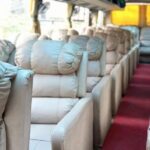
This tour promises luxurious comfort, but I’d still prepare for a remote overland reality.
- Expect long driving days: multiple days are listed around 12 hours. Even with private transport, you’ll be seated for a long time.
- Bring a comfort kit: something to cushion your seat, layers for temperature swings, and items to keep your back and neck comfortable.
- Use your guide: if you have concerns about timing, discomfort, or altitude pacing, tell the guide early. Private means you’re not stuck with the average pace.
- Dress for caves: caves can be colder and dimmer than open areas.
- Keep expectations flexible: road conditions can affect how days feel, especially when the itinerary shifts from blacktop to off-road.
If you’ve had uncomfortable travel experiences on bumpy roads in the past, plan your comfort more carefully than you would for a city tour. Private Jeep helps, but it can’t turn mountain roads into smooth pavement.
Who this Upper Mustang Jeep tour fits best
This is a strong match if you want Upper Mustang access without the physical grind of a full trekking plan. You get key cultural stops, cave visits, monastery time, and a guided explanation that keeps the experience from turning into a photo run.
I’d also consider it if you’re traveling with a group that includes mixed abilities—because “private” gives more room to adjust pace and keep everyone comfortable.
If you love walking long distances every day, you might find this route more driving-focused than you want. But if your goal is to see Lo Manthang and the surrounding spiritual sites with a manageable pace, this works well.
Should you book this Upper Mustang overland tour with Adventure Glacier Treks?
I’d book it if you want a permission-ready Upper Mustang trip with permits included, a guide to interpret the sites, and a private Jeep setup that keeps the days efficient. It’s also a good choice if you appreciate the “safety net” of a local operator in Kathmandu’s Thamel—there’s support built into the early airport meeting, the briefing, and the nonstop logistics.
Skip it (or ask more questions first) if you’re highly sensitive to bumpy long drives, or if you’re expecting a gentle, slow nature walk tour. This is a driven itinerary with cave and monastery stops, not a quiet, fully on-foot experience.
If you want Upper Mustang without the planning headaches, and you’re comfortable with remote overland travel, this is an easy yes.
FAQ
How long is the Upper Mustang Jeep tour?
It runs for about 12 days.
Where does the tour start and end?
It starts at the Best Tour & Travel agency in Nepal – Adventure Glacier Treks office in Kathmandu, and it ends back at the same meeting point.
What is the price per person?
The price is $2,600.00 per person.
Is this a private tour?
Yes. It’s listed as a private tour/activity, so only your group participates.
What permits are included?
The package includes ACAP and Lo Manthang special permits (USD 534.00 included).
What transportation is included?
Ground transportation is included by private vehicle for the tour.
Is there an English-speaking guide?
Yes, an English-speaking guide is included.
How many breakfasts are included?
Breakfast is included for 11 days.
What is not included in the price?
Personal expenses such as beverages and other services not mentioned in the itinerary are not included.
Can I cancel for a full refund?
You can cancel up to 3 days in advance for a full refund. If you cancel less than 3 days before the start time, the amount you paid is not refunded.