REVIEW · KATHMANDU
Kathmandu: 6 Days Langtang Valley Trek with Kyanjin Ri
Book on GetYourGuide →Operated by MTA Trekking Pvt. Ltd. · Bookable on GetYourGuide
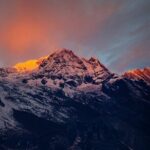
Kyanjin Ri sunrise makes the climb worth it. On this 6-day Langtang Valley trek from Kathmandu, you hike from Syabrubesi through forested valleys to Kyanjin Ri viewpoints, plus Tamang villages and the Kyanjin Gompa monastery. It’s a compact trek that still feels like you’ve really gone somewhere remote.
I especially like the way the guides keep you comfortable and moving. In my notes from real experiences, guides such as Ghanshyam and Sudarshan adjust to your pace, check in on how you feel, and explain what you’re seeing along the way. I also love the culture stop at Kyanjin Gompa, including time around ancient monasteries and the cheese factory tasting—simple, local, and memorable.
The one real consideration is altitude. You’ll be high enough to trigger AMS symptoms in some people, and the optional Kyanjin Ri hike is described as challenging, so you need to take acclimatization seriously and not treat the climb like a casual stroll.
In This Review
- Key highlights I’d plan around
- From Kathmandu to Syabrubesi: the mountain gateway setup
- Pahiro to Ghoda Tabela: forests, waterfalls, and altitude ramp-up
- Ghoda Tabela to Kyanjin Gompa: Tamang culture meets monastery walls
- Kyanjin Ri (4,770m) from Thangsyap: the optional sunrise moment
- Thangsyap back to Syabrubesi: closing the loop with river calm
- Return to Kathmandu: finish clean, think long
- Price and value at $179: what you’re really paying for
- Who this trek fits best (and who should rethink)
- What to bring (so you don’t feel miserable)
- Guides, porters, and how pacing really matters
- Should you book this Kathmandu–Langtang trek with Kyanjin Ri?
- FAQ
- How long is the trek from Kathmandu, and what are the main days?
- What altitudes will I reach?
- Is the Kyanjin Ri hike included or optional?
- What is included in the $179 price?
- What’s not included?
- Will I have a guide the whole time, and what languages are used?
- Are porters included?
- Are meals included every day?
- What should I bring for the trek?
- Is there free cancellation and pay-later?
Key highlights I’d plan around
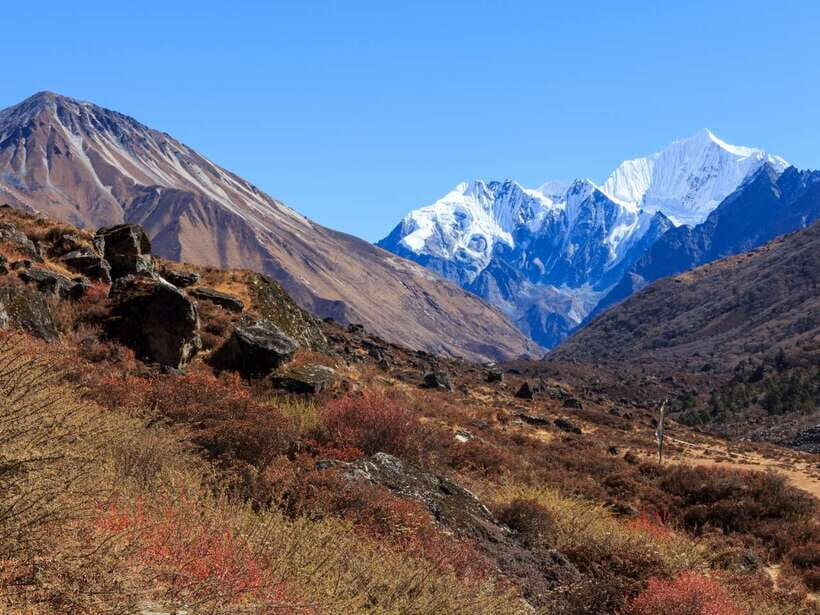
- Kyanjin Ri sunrise option: early-morning views, often clear, plus wildlife sightings on the way up
- Kyanjin Gompa + cheese factory: monasteries to visit, and a real Tamang food story (not a staged demo)
- Tamang villages on the trail: daily life glimpses as you walk through communities rather than just pass viewpoints
- Guide-led pacing that protects your energy: guides like Ghanshyam and Sudarshan flex breaks and tempo
- 5 nights of private trekking accommodation: you sleep sorted while you focus on walking and enjoying the scenery
From Kathmandu to Syabrubesi: the mountain gateway setup
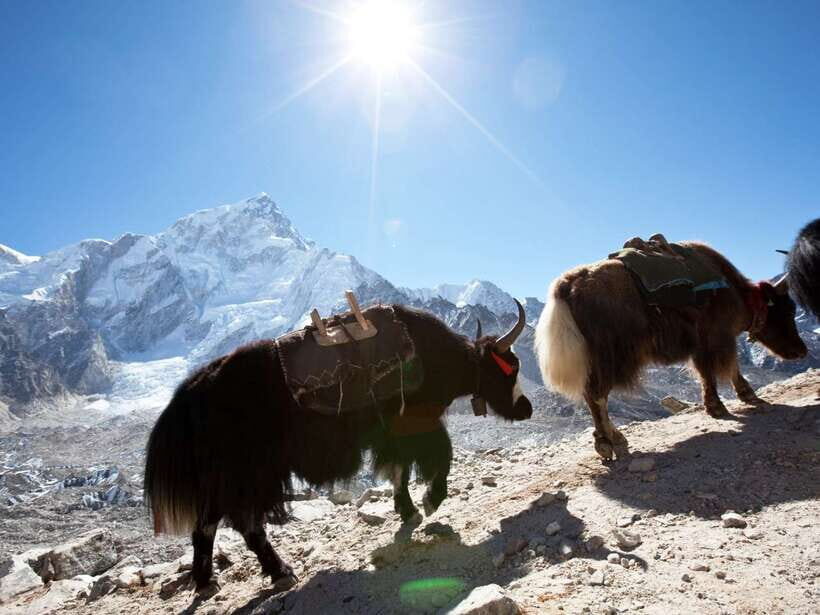
Day 1 starts with a drive out of Kathmandu to Syabrubesi, then a trek along the Langtang River toward Pahiro (about 1,550m). This is the day where you get your legs working without being thrown into a steep grind. I like that because your body learns the rhythm before you ask it to climb higher.
The drive itself matters more than people expect. You’re not just moving from point A to B—you’re easing from city altitude and routine into mountain weather and slower time. When the trail begins, the pace feels almost calm, and that helps you settle in for the bigger days ahead.
You’ll also get the practical stuff handled: hotel pickup and drop-off, with the driver holding a sign with your last name and a 10-minute wait buffer in the lobby. For a first trek, that kind of low-stress start keeps the day from turning into logistics.
You can also read our reviews of more hiking tours in Kathmandu
Pahiro to Ghoda Tabela: forests, waterfalls, and altitude ramp-up
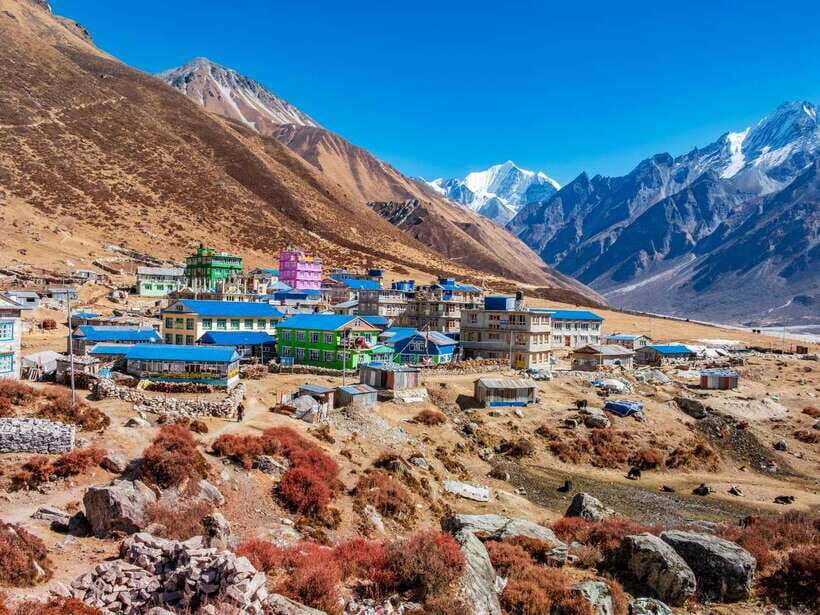
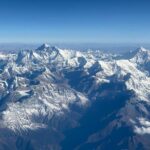
On Day 2 you trek from Pahiro to Ghoda Tabela (around 2,900m). This is where the path gets more “trekking” and less “warm-up,” with climbs, forest walking, and the chance of cascades and panoramic glimpses of high peaks.
I like this segment because it’s scenic without demanding max effort every hour. It’s also a useful altitude ramp: you’re gaining height, but you’re not jumping straight to the high monastery zone. If you’re paying attention to your breathing and taking breaks early, this day sets you up well for Kyanjin Gompa.
One note: expect the kind of changing conditions that come with mid-altitude treks—sun at one moment, cool air the next, and a trail that can feel different depending on season. Bring layers and keep your water plan simple and consistent.
Ghoda Tabela to Kyanjin Gompa: Tamang culture meets monastery walls
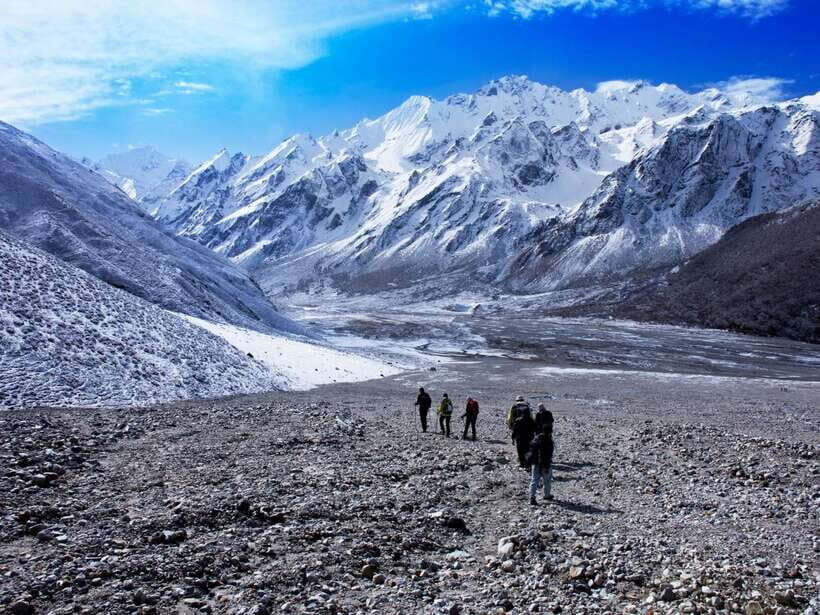
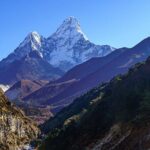
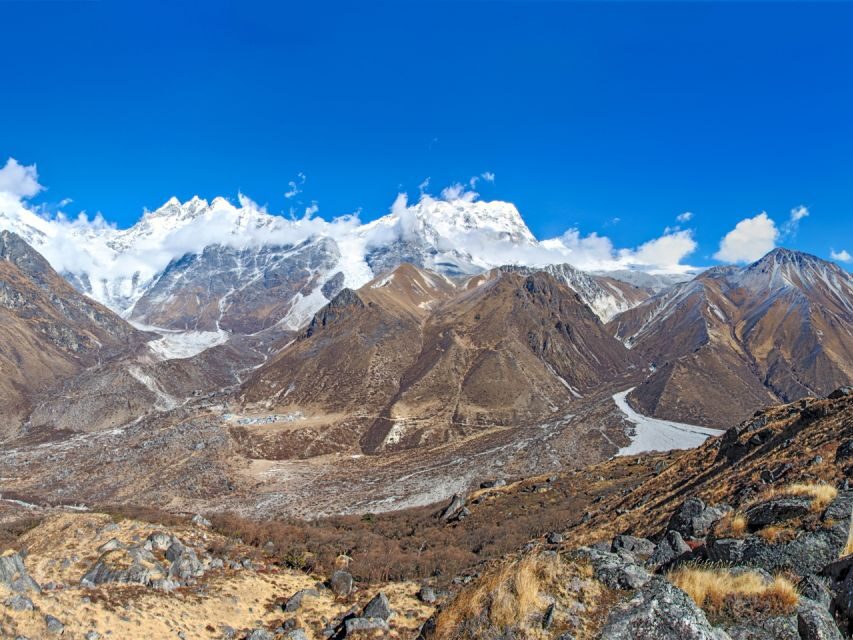
Day 3 climbs you to Kyanjin Gompa (about 3,870m). The moment you reach the village zone, the vibe shifts. You’re surrounded by tall peaks, and the culture becomes a real part of the experience rather than background scenery.
This day is packed in a good way: you explore ancient monasteries and get a local look at daily life. A big favorite in the shared experiences I reviewed is the cheese factory stop at Kyanjin Gompa. It’s not a fancy tasting menu—it’s Tamang production and a look at how communities feed themselves in high terrain.
At this altitude, you’ll also feel the difference in effort, even if your legs feel okay. I’d treat Day 3 as a “listen to your body” day: eat on time, don’t rush your breaks, and don’t measure success by speed.
Kyanjin Ri (4,770m) from Thangsyap: the optional sunrise moment
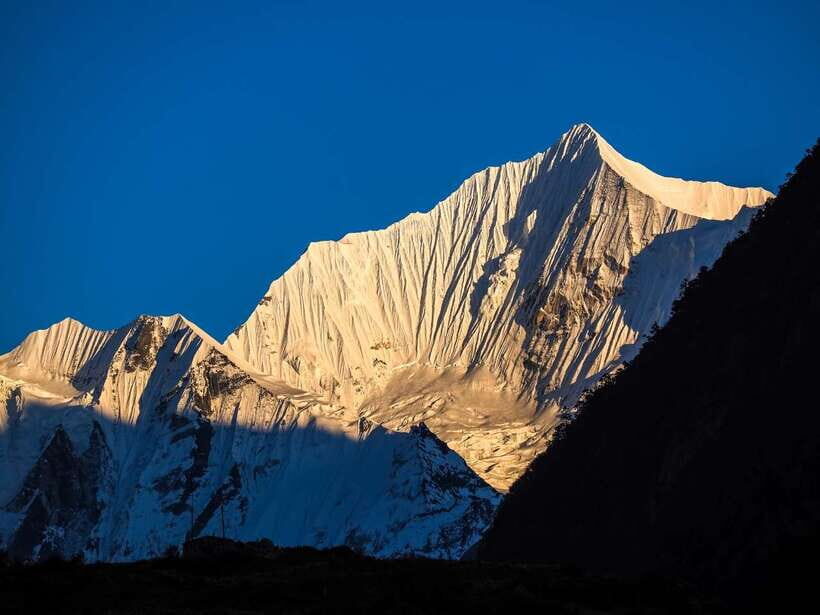
Day 4 is the hinge day. The plan is to trek from Kyanjin Gompa down to Thangsyap (about 3,200m) after an optional hike up to Kyanjin Ri (around 4,770m). The Ri viewpoint is described as one of the most rewarding in the Langtang Valley area—and the best moments often come from going early.
Here’s what I’d take seriously: the climb is listed as challenging. That doesn’t mean it’s impossible, but it does mean you shouldn’t treat it like a casual hike. Go slow, keep your breathing steady, and let the guide help with timing and pacing.
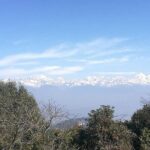
In experiences shared with this trek, people highlighted sunrise views from Kyanjin Ri when skies are clear, plus wildlife sightings on the route. That combo—light on the peaks and actual animal life moving through the higher trail areas—is the kind of memory you’ll still be telling stories about later.
When you come back down to Thangsyap, you’ll probably feel satisfied and tired in the best way. Don’t skip the rest; your body needs recovery for the return day.
Thangsyap back to Syabrubesi: closing the loop with river calm
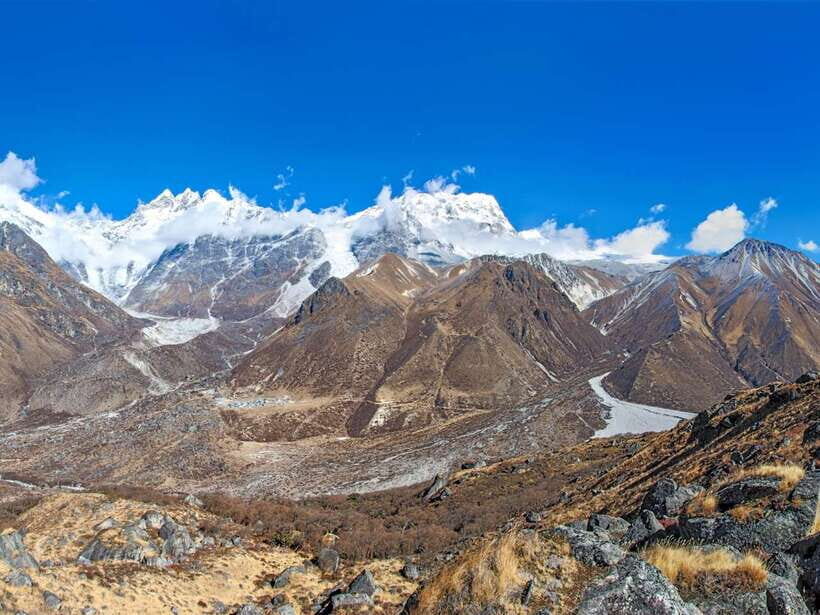
Day 5 retraces your route back down to Syabrubesi (about 1,550m). This is often the day hikers underestimate, because the height loss feels “easy.” In reality, long downhills can be tough on knees and ankles, especially after the Ri hike option.
I like this day because the river comes back into the picture, and the trail feels more rhythmic. If you pace it well, you get to enjoy the valley without the pressure of attacking the steepest section of the trek.
This is also where you can reflect. You’ve seen how quickly the trail can change your perspective—from forest shade to monastery walls to high viewpoint breathing. By the time you reach Syabrubesi, it feels like finishing a journey, not just ending a walk.
You can also read our reviews of more tours and experiences in Kathmandu
Return to Kathmandu: finish clean, think long
Day 6 is a drive back to Kathmandu. It’s the classic “goodbyes and logistics” day—except you’ve earned the sense of closure. After six days in the mountains, the city feels loud, even if you like cities.
Also, a small practical win: the trek includes a luggage storage facility. That kind of detail helps you avoid carrying extra weight when you’re done hiking and just want a smooth transition back to Kathmandu.
Price and value at $179: what you’re really paying for
At $179 per person, the value comes from what’s handled for you, not just the walking. The trek includes the authorized English-speaking guide, trekking permits and paperwork (including the TIMS fee), and government taxes. You also get private comfortable accommodation for five nights during the trek.
If you choose the full package, meals are included during the trek (breakfast, lunch, dinner). That matters more than it sounds when you’re tired and altitude has killed your appetite for decision-making. Fewer choices means less stress.
What’s not in that price: travel and rescue insurance, your Nepal visa fee, international flights, soft and hard drinks, and personal costs like phone charging and bottled/boiled water. Also, a porter costs extra. If you’re new to trekking or you want to protect energy for Kyanjin Ri, you should strongly consider hiring a porter.
The overall value is best for people who want a guided, permit-ready, “show up and go” trek without handling admin. If you enjoy planning every permit and arranging each sleep stop yourself, you may find lower-cost options. But if you want the mountain experience to stay in charge, this price structure looks fair.
Who this trek fits best (and who should rethink)
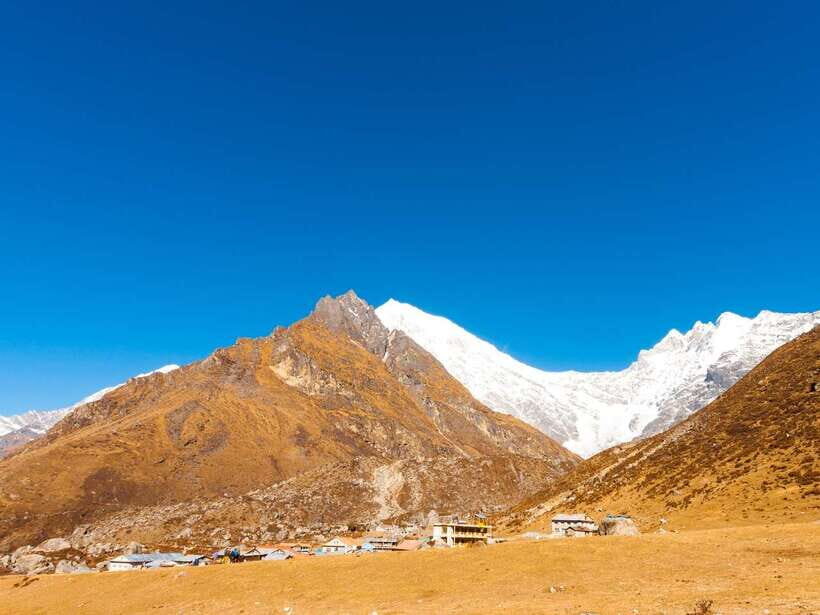
This trek is a good fit if you want a shorter Nepal trekking experience that still includes real altitude, culture, and a major viewpoint option. It’s especially appealing for people who care about Tamang community life and a monastery visit, not just peak photos.
You’ll likely enjoy it if you’re comfortable hiking for several days and you understand altitude can affect different people differently. The climb to Kyanjin Ri is the “test,” so if you’re not sure about high-altitude exertion, you can still opt out of the Ri hike and focus on the route and culture.
Reconsider if you know you’re very sensitive to altitude or if your health needs require a slower, medically supervised acclimatization plan. The trek notes that AMS can happen, with symptoms like headaches, nausea, fatigue, or loss of appetite, and that acclimatization pace matters.
What to bring (so you don’t feel miserable)
The essentials are straightforward and listed clearly. Pack:
- Passport or ID card for permits
- Sleeping bag
- Flashlight/headlamp
- Sunscreen and sunglasses
- Hiking shoes
- Gloves and a warm jacket
- Water and basic trekking gear
One small practical tip: prioritize comfort items that you’ll use every day, not only at the Ri viewpoint. In mountain weather, small discomforts add up fast—cold hands, sore feet, or sunburn can ruin your mood.
Also note the rules: alcohol and drugs aren’t allowed. It’s the kind of policy that keeps the trek safer and more respectful of the mountain environment.
Guides, porters, and how pacing really matters
A big reason this trek gets strong feedback is the human layer. Guides such as Ghanshyam and Sudarshan are described as attentive, flexible with breaks, and focused on helping you feel well. If you’re hiking at your limit for the first time, this kind of pacing can make a huge difference.
Porters are not included, but they can be arranged for an extra charge. People doing their first long trek often find that hiring a porter is the right move, especially if your goal includes the optional Kyanjin Ri sunrise hike. Less weight usually means better breathing and steadier energy at altitude.
If you go with a private group, you also avoid the worst part of trekking in chaos: getting pushed by someone else’s pace. With a guide working at your speed, you spend more time experiencing and less time managing.
Should you book this Kathmandu–Langtang trek with Kyanjin Ri?
Yes—if you want a well-run, guided trek that hits the Langtang Valley highlights without dragging on for weeks. The combination of Tamang village time, Kyanjin Gompa monastery visits, cheese factory tasting, and the optional Kyanjin Ri viewpoint makes this feel more complete than many “quick trek” options.
I’d say book it when:
- you like culture stops, not just scenery
- you want the option to hike Kyanjin Ri early for sunrise views
- you value permits and logistics handled, not DIY admin
- you’re okay planning for altitude and using a steady pace
I’d hesitate if:
- you’re very altitude-sensitive or worried about AMS
- you don’t want to do a challenging climb (Ri is optional, but the high route still affects effort)
If you go in prepared and trust your guide’s pacing, this is the kind of trek that sticks—one of those “I remember the air, not just the photos” trips.
FAQ
How long is the trek from Kathmandu, and what are the main days?
The experience lasts 6 days. You drive to Syabrubesi from Kathmandu, trek up to Pahiro, continue toward Ghoda Tabela, reach Kyanjin Gompa, have an optional hike to Kyanjin Ri, then return to Syabrubesi and continue back to Kathmandu on the last day.
What altitudes will I reach?
You start around 1,550m near Syabrubesi/Pahiro. The trek goes up to about 2,900m at Ghoda Tabela, around 3,870m at Kyanjin Gompa, about 4,770m on the optional Kyanjin Ri hike, and about 3,200m at Thangsyap before descending back down.
Is the Kyanjin Ri hike included or optional?
Kyanjin Ri is optional. You can choose to hike to the viewpoint (around 4,770m) and then return to descend to Thangsyap.
What is included in the $179 price?
The price covers hotel pickup and drop-off, an authorized English-speaking guide (porter charges extra), trekking permits and paperwork including TIMS, government taxes, private accommodation for five nights during the trek, and transportation as per the itinerary using shared transport based on group size. For the Full Package, meals (breakfast, lunch, dinner) during the trek are included.
What’s not included?
Not included are soft and hard drinks, travel and rescue insurance, international flights and the Nepalese visa fee, personal expenses (phone calls, laundry, bar bills, battery recharge, extra porters, bottled or boiled water, shower, etc.), and any extra night accommodation in Pokhara or Kathmandu due to unscheduled changes.
Will I have a guide the whole time, and what languages are used?
Yes, you’ll have an authorized live tour guide. The listed languages are English and Hindi.
Are porters included?
A porter is not automatically included. The guide is included, while porter charges are listed as extra.
Are meals included every day?
Meals are included for the trek for the Full Package only, covering breakfast, lunch, and dinner during the trek days.
What should I bring for the trek?
Bring a passport or ID card, sleeping bag, flashlight, sunscreen, hiking shoes, gloves, water, a jacket, trekking gear, and sunglasses.
Is there free cancellation and pay-later?
Yes. You can cancel up to 24 hours in advance for a full refund. The experience also offers Reserve now & pay later, so you can book without paying immediately.